
Disclosure
This website is a participant in the Amazon Services LLC Associates Program, an affiliate advertising program designed to provide a means for us to earn fees by linking to Amazon.com and affiliated sites.
Choosing the right mattress topper can transform your sleep experience. It adds comfort, corrects support issues, and extends the life of your mattress, making it a crucial upgrade.
The ideal topper depends entirely on your existing mattress type. A memory foam topper can soften a firm mattress, while a latex topper can add bounce to a sagging one.
Is Your Mattress So Uncomfortable It’s Ruining Your Sleep Night After Night?
An old, sagging, or overly firm mattress can cause constant tossing, turning, and morning aches. Instead of a costly mattress replacement, the SHOUREN 5 Inch Memory Foam Mattress Topper provides an instant, affordable solution. Its thick, pressure-relieving foam conforms to your body, creating a plush, supportive new sleep surface that cradles you for deeper, pain-free rest.
For a transformative comfort upgrade, we suggest: SHOUREN 5 Inch Memory Foam Mattress Topper
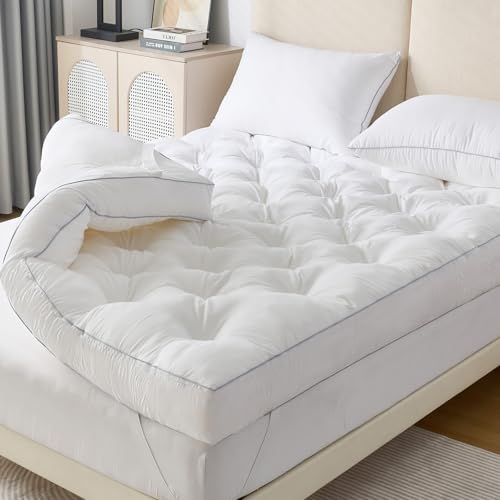
- 【5-Inch Extra Thick Comfort & Support】 SHOUREN mattress topper features a...
- 【Ergonomic Body-Contour Design】 Engineered to naturally fit your body...
- 【Upgraded 4-Way Elastic Anchor Straps】 Equipped with strong elastic straps...
Choosing the Best Mattress Topper for Your Bed Type
Selecting the perfect mattress topper requires matching its material and density to your specific bed. This pairing solves unique comfort problems and enhances your existing mattress’s performance. A mismatched topper can feel uncomfortable and may not address your core sleep issues.
Memory Foam Mattress Topper Compatibility
Memory foam toppers are ideal for adding pressure relief and contouring to firm, non-responsive mattresses. They excel at absorbing motion, making them a top choice for couples. However, they can retain heat and may feel too soft on an already plush bed.
- Best for Firm Innerspring or Hybrid Beds: A 2 to 3-inch memory foam topper adds crucial cushioning to a hard surface, preventing pressure points.
- Density Matters: Choose 4 lbs/ft³ or higher for durable support; lower densities offer a plusher, quicker-responding feel.
- Cooling Features: Look for gel-infused or open-cell foam if you sleep hot, as traditional memory foam can trap body heat.
Latex Mattress Topper Applications
Latex toppers provide responsive, buoyant support and are naturally cooling and hypoallergenic. They are perfect for adding bounce and preventing the sinking feeling of an older mattress. Their durability and breathability make them a premium, long-lasting option.
- Best for Sagging or Soft Mattresses: A firmer Dunlop latex topper can add a supportive, leveling layer to a bed that has lost its structure.
- Natural vs. Synthetic: Natural latex is eco-friendly and offers superior resilience, while blended latex is a more budget-friendly alternative.
- Ideal for Hot Sleepers: The open-cell structure of latex promotes excellent airflow, helping to regulate temperature throughout the night.
| Mattress Type | Recommended Topper | Key Benefit |
|---|---|---|
| Too Firm (Innerspring) | Memory Foam (2-3″) | Adds pressure-relieving softness |
| Too Soft or Sagging | Firm Latex (2-3″) | Provides supportive, leveling lift |
| Sleeping Hot | Wool or Latex | Enhances breathability and cooling |
| Allergy Sufferers | Natural Latex or Wool | Resists dust mites and mold |
Specialized Topper Materials for Unique Sleep Needs
Beyond foam and latex, alternative topper materials address specific comfort and health concerns. These options include wool, feather, and innovative cooling fabrics. their unique properties helps you solve targeted problems like temperature regulation or allergies.
Wool and Down Feather Mattress Toppers
Wool and down feather toppers offer plush, traditional comfort with distinct climate-control benefits. Wool is a natural temperature regulator, wicking moisture in summer and providing warmth in winter. Down feather toppers create a luxurious, cloud-like sleeping surface but require regular fluffing.
- Wool for Temperature Regulation: A wool topper is ideal for hot sleepers who want natural, breathable warmth without synthetic materials.
- Down for Ultra-Plush Softness: Choose a down feather topper if your primary goal is to add significant loft and cushioning to a very firm bed.
- Hypoallergenic Considerations: Look for certified hypoallergenic down or organic wool if you have sensitivities, as standard down can harbor dust mites.
Cooling and Hypoallergenic Topper Options
For those with specific health or comfort priorities, specialized toppers provide targeted solutions. Cooling gel pads or phase-change material toppers actively draw heat away from the body. Hypoallergenic covers and natural fibers create a barrier against allergens for easier breathing.
When selecting these toppers, focus on the cover material and core technology. A bamboo or Tencel cover enhances breathability, while an internal gel grid disrupts heat retention. Always check for certifications like OEKO-TEX to ensure materials are free from harmful chemicals.
main point Summary- Use wool for year-round, natural temperature balance.
- Select down for maximum plushness and traditional luxury.
- Prioritize cooling gels and breathable covers if you overheat at night.
- Choose certified hypoallergenic materials to reduce allergy symptoms.
| Sleep Need | Best Topper Material | Why It Works |
|---|---|---|
| Hot Sleep / Night Sweats | Wool or Cooling Gel | Wicks moisture and regulates temperature |
| Allergies & Asthma | Natural Latex or Organic Wool | Resists mold, dust mites, and microbes |
| Luxury & Plushness | High-Loft Down Feather | Creates a soft, cushioning sleep surface |
| Eco-Conscious Choice | Organic Cotton or Natural Latex | Uses sustainable, biodegradable materials |
How to Select the Right Topper Thickness and Firmness
Choosing the correct thickness and firmness is crucial for achieving your desired comfort level. These factors determine how much the topper will alter your mattress’s feel. A thin, soft topper provides a slight cushion, while a thick, firm one can completely transform support.
Mattress Topper Thickness Guide for Support
Topper thickness directly impacts how much it changes your bed’s feel and addresses support issues. Thinner toppers (1-2 inches) are for minor comfort tweaks and adding a plush layer. Thicker toppers (3-4 inches) are for significant changes, like correcting sagging or making a very firm mattress sleepable.
- 1-2 Inches: Ideal for adding a touch of softness or a cooling layer without drastically changing mattress feel.
- 2-3 Inches: The most versatile range, suitable for correcting moderate firmness issues and providing noticeable pressure relief.
- 3-4 Inches: Best for major renovations, such as adding substantial cushioning to a hard bed or leveling deep body impressions.
Matching Topper Firmness to Your Sleep Position
Your preferred sleep position dictates the ideal firmness level for pressure relief and spinal alignment. A topper that is too soft can cause sinkage, while one that is too firm may create pressure points. The goal is to keep your spine in a neutral, supported position.
- Side Sleepers: Need a softer to medium-soft topper (3-5 on firmness scale) to cushion shoulders and hips.
- Back Sleepers: Require a medium to medium-firm topper (5-7) to support the natural curve of the lower back.
- Stomach Sleepers: Should choose a firmer topper (7+) to prevent the hips from sinking and straining the spine.
- Use thickness to control how much you change the mattress.
- Match firmness to your sleep position for proper spinal alignment.
- Combine a thick, soft topper for side sleepers on a firm mattress.
- Choose a thinner, firmer topper for back sleepers needing slight support enhancement.
Mattress Topper Care and Maintenance Tips
Proper care extends the lifespan of your mattress topper and protects your investment. Regular maintenance keeps materials fresh, supportive, and free from allergens. A simple routine can add years of comfortable use to your topper.
Cleaning and Protecting Your Mattress Topper
Most toppers require spot cleaning and should never be fully submerged. Always check the manufacturer’s care label first, as materials like memory foam and latex have specific needs. Using a waterproof, breathable mattress protector is the single best way to shield your topper from stains and spills.
- For Memory Foam & Latex: Vacuum regularly and spot clean with a mild detergent. Allow to air dry completely, never use heat.
- For Wool & Down: Some wool toppers can be professionally cleaned. Down toppers often have a removable, machine-washable cover.
- Deodorizing: Sprinkle baking soda lightly over the surface, let sit for an hour, then vacuum thoroughly to absorb odors.
Extending Topper Lifespan and Performance
Beyond cleaning, a few key habits prevent premature wear and maintain comfort. Rotating your topper head-to-foot every 3-6 months ensures even compression. Allowing it to air out regularly helps manage moisture and keeps materials resilient.
Be mindful of the break-in period for new toppers, especially memory foam, which may feel firm initially. It can take up to 72 hours for it to fully expand and adapt to room temperature. Avoid folding or bending thick foam toppers, as this can damage the internal structure.
Essential Maintenance Checklist- Use a mattress protector immediately upon installation.
- Vacuum the topper surface monthly to remove dust and debris.
- Rotate the topper 180 degrees every season to ensure even wear.
- Air it out near an open window for several hours every few months.
- Address spills immediately with a damp cloth and mild soap; never soak.
Common Topper Sizing and Fit Questions
Ensuring a proper fit is essential for safety, comfort, and aesthetics. A topper that is too small will shift, while one that is too large can create uncomfortable bunches. Always measure your mattress depth, not just its length and width, before purchasing.
- Will a topper fit my deep-pocket sheets? Measure your mattress height with the topper added. Standard sheets fit up to 14 inches; deeper mattresses require “deep pocket” or “extra deep pocket” sheets.
- What if my mattress is non-standard size? Many brands offer toppers in Split King, RV, or custom sizes. You can also purchase a larger topper and trim it carefully following manufacturer guidelines.
- How do I keep it from sliding? Use a fitted, non-slip mattress pad over the topper, or select a topper with a gripper bottom or elastic skirt straps.
Topper Value and Replacement Considerations
when a topper is a good solution versus when you need a new mattress saves money and improves sleep. A topper is a cost-effective fix for minor comfort issues but cannot repair a broken-down, unsupportive mattress core.
You should consider replacing your topper every 3-5 years, depending on material quality and use. Signs you need a new topper include permanent sagging, lumpiness, visible tears, or a loss of its original supportive feel. A topper is not a permanent solution for a mattress that is over 8-10 years old.
Quick Decision Guide: Topper vs. New Mattress| Situation | Solution | Reason |
|---|---|---|
| Mattress is too firm | Add a Topper | Toppers excel at adding softness and pressure relief. |
| Mattress sags in the middle | New Mattress | A topper will conform to the sag, not fix the underlying support. |
| Minor wear, still supportive | Add a Topper | Revitalizes surface comfort and extends mattress life. |
| You feel springs or bars | New Mattress | The support system is failing, which a topper cannot correct. |
Final Recommendations and Buying Checklist
With the knowledge of materials, thickness, and care, you can confidently choose your ideal topper. This final section consolidates key information into practical steps. Use this checklist to evaluate options and make a purchase that guarantees better sleep.
Step-by-Step Topper Selection Process
Follow this logical sequence to narrow down your choices efficiently. Start by diagnosing your mattress’s primary issue, then match a material solution. Finally, refine your choice based on personal sleep preferences and practical needs.
- Identify Your Problem: Is your mattress too firm, too soft, sagging, or sleep hot? Diagnose the core issue first.
- Choose the Core Material: Select memory foam for contouring, latex for bounce and cooling, or wool for temperature regulation.
- Determine Thickness & Firmness: Pick 2-3 inches for noticeable change; match firmness to your sleep position (soft for side, firm for stomach).
- Check Reviews and Certifications: Look for CertiPUR-US® for foam, GOLS for organic latex, and OEKO-TEX for fabric safety.
- Confirm Return Policy & Trial Period: Ensure the brand offers a sleep trial (30-100 nights) to test comfort at home.
Top Picks by Mattress Type and Sleep Need
Based on common scenarios, here are targeted recommendations for immediate application. These pairings solve specific problems effectively, providing a shortcut to your perfect match.
Best Topper Recommendations Summary| Your Current Mattress / Need | Top Topper Recommendation | Key Feature to Look For |
|---|---|---|
| Extra Firm Innerspring | 3-inch Memory Foam | Medium firmness, gel infusion for cooling |
| Old, Sagging Mattress | 3-inch Firm Dunlop Latex | Provides supportive lift and levels the surface |
| Hot Sleeper on Any Mattress | 2-inch Natural Latex or Wool | High breathability and natural temperature regulation |
| Plush Upgrade for Luxury Feel | High-Loft Down Alternative | Hypoallergenic, machine-washable cover |
| Allergy Relief | Organic Cotton-Encased Natural Latex | Dust-mite resistant and free from off-gassing |
Where to Buy Quality Mattress Toppers and What to Avoid
Knowing where to shop and what red flags to watch for ensures you get a durable, effective product. Retailers vary in selection, pricing, and customer service policies. A smart purchase combines a good product with a reliable seller and strong consumer protections.
Best Retailers for Mattress Topper Shopping
Different retailers cater to specific needs, from in-person testing to online convenience and value. Specialty sleep stores offer expert advice, while major online brands provide extended home trials. Consider your priority: hands-on feel, price, or a risk-free trial period.
- Online-Only Brands (Casper, Brooklinen): Offer long sleep trials (often 100+ nights), free returns, and direct-to-consumer pricing. Best for risk-free testing at home.
- Big-Box Retailers (Target, Walmart): Provide immediate availability, frequent sales, and easy in-person returns. Ideal for budget-friendly options and quick purchases.
- Specialty Bedding Stores: Allow you to test feel and firmness in person with staff guidance. Perfect if you prefer tactile shopping before buying.
Common Purchasing Mistakes and Red Flags
Avoid these pitfalls to prevent disappointment and wasted money. Low prices can indicate poor material quality that degrades quickly. Vague product descriptions and missing certifications are major warning signs for any sleep product.
Always scrutinize the return policy details. Some companies charge hefty restocking or return shipping fees, negating the value of a “trial.” Be wary of reviews that only mention the unboxing experience, not long-term comfort and durability after months of use.
Buyer’s Checklist: What to Verify Before Purchasing- Material Transparency: Listing specifies foam density (e.g., 4 lb/ft³), latex type (Dunlop/Talalay), or wool fill weight.
- Certifications: Look for CertiPUR-US® (foam), GOLS (organic latex), or OEKO-TEX Standard 100 (fabrics).
- Trial & Warranty: Clear sleep trial (minimum 30 nights) and a warranty of at least 3 years against defects.
- Return Costs: Confirm if returns are free, or if you must pay shipping and/or a restocking fee.
- Real Reviews: Read verified purchase reviews discussing performance after several weeks or months.
Best Recommended Mattress Toppers by Type
Based on common mattress issues and sleep needs, these three toppers are top-rated solutions. Each excels in a specific area, from firm support to premium cooling. These selections offer reliable performance for their intended use cases.
BedStory Firm Mattress Topper 3 Inch – Best for Sagging Mattresses
This topper provides a supportive, leveling layer for mattresses that have lost their structure. Its 3-inch firm density adds lift without excessive sinkage, ideal for back and stomach sleepers. The breathable cover enhances airflow for a cooler sleep.
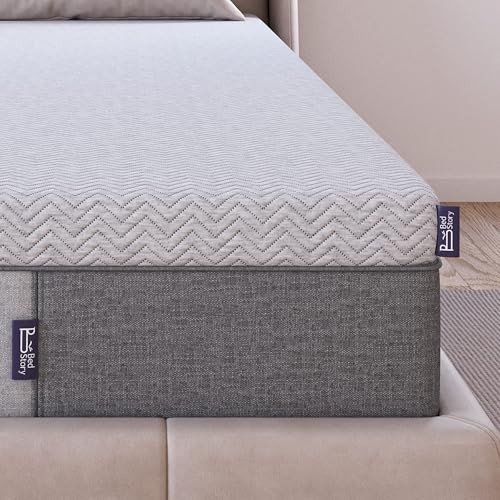
- RELIEVE PAIN & PROTECT THE SPINE - 2-layer pressure-relieving firm memory foam...
- 2-LAYER DESIGN & OPTIONAL FIRMNESS - Featuring double-layer foam design, the top...
- REMOVE MOISTURE & ALLEVIATE FATIGUE - Fusion memory foam contains bamboo...
SHOUREN Memory Foam Mattress Topper – Best Budget-Friendly Option
This memory foam topper offers excellent pressure relief and contouring at an accessible price point. It effectively softens a firm mattress and features a removable, washable cover for easy maintenance. A great value pick for enhancing comfort.
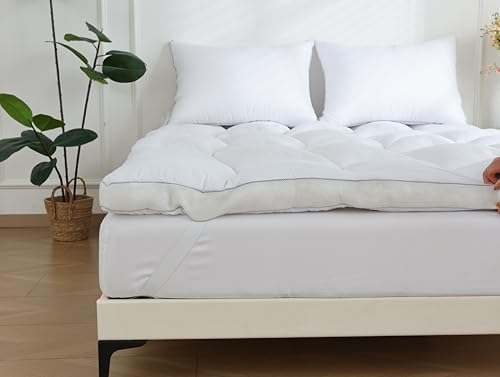
- Memory Foam Mattress Topper Fullf, 3In Thick Plush Gel Foam Bed Topper , Smooth...
Tempur-Pedic TEMPUR-Adapt + Cooling 3-Inch Twin XL Mattress Topper – Best Premium Cooling
This premium topper uses proprietary TEMPUR material for superior pressure relief and advanced cooling technology. It is the ideal solution for hot sleepers needing the highest level of conforming comfort. An investment in Effective sleep quality.

- COOLING 3-INCH TWIN XL TOPPER: TEMPUR-Adapt + Cooling topper is ideal for...
- SOFTEST TEMPUR MATERIAL: 3-inches of exclusive TEMPUR-ES Material precisely...
- WASHABLE COOLING COVER: Premium knit cooling cover provides cool-to-the-touch...
Conclusion
Selecting the best mattress topper requires matching material, thickness, and firmness to your specific mattress type and sleep needs. From correcting firmness to regulating temperature, the right topper is a powerful sleep upgrade.
By following the guidelines , you can confidently choose a topper that revitalizes your bed, enhances comfort, and supports restful sleep for years to come. Your perfect night’s sleep starts with the right foundation.
Frequently Asked Questions about What Topper Is Best For Your Mattress Type
Can a mattress topper fix a sagging mattress?
A topper can temporarily improve comfort on a sagging mattress by providing a more level surface. It adds a cushioning layer over the dips and body impressions.
However, it does not repair the broken-down support system underneath. For a severely sagging mattress, a topper is a short-term solution; replacement is the only permanent fix for structural failure.
How thick should a mattress topper be?
Topper thickness depends on your goal. A 1-2 inch topper adds slight plushness or a cooling layer. It subtly changes the feel without major alteration.
For significant changes like softening a very firm bed or adding substantial cushioning, a 3-4 inch topper is recommended. This thickness provides deeper contouring and more noticeable pressure relief.
What is the best mattress topper for side sleepers?
Side sleepers typically need a softer topper (3-5 on firmness scale) to cushion pressure points at the shoulders and hips. Memory foam or soft latex are excellent choices for this contouring relief.
Look for a topper that is at least 2-3 inches thick to allow for adequate sinkage. This ensures proper spinal alignment by filling the space between your shoulder and the mattress.
Do I need deep pocket sheets for a mattress topper?
Yes, adding a topper increases your mattress’s overall height. You must measure the combined height of your mattress and topper to select the correct sheet depth.
Standard pocket sheets fit up to about 14 inches. If your total height exceeds this, you will need “deep pocket” or “extra deep pocket” sheets to ensure a secure, smooth fit.
How often should you replace a mattress topper?
A quality mattress topper should be replaced every 3 to 5 years with regular use. Higher-density materials like latex may last longer, while lower-density foams break down more quickly.
Visible signs of wear, such as permanent sagging, lumps, or a loss of supportive feel, indicate it’s time for a replacement. Proper care with a protector can extend its lifespan.
Is a memory foam or latex topper better for hot sleepers?
Latex is generally better for hot sleepers due to its open-cell structure, which promotes airflow and is naturally cooling. Some memory foam toppers now include gel infusions or open-cell designs to address heat retention.
For the coolest sleep, prioritize latex, gel-infused memory foam, or natural fiber toppers like wool. Always pair your topper with breathable, moisture-wicking sheets for optimal temperature regulation.