
Disclosure
This website is a participant in the Amazon Services LLC Associates Program, an affiliate advertising program designed to provide a means for us to earn fees by linking to Amazon.com and affiliated sites.
Choosing the right topper cover material is essential for comfort, hygiene, and protecting your investment. The ideal fabric can transform your sleep experience and extend the life of your mattress topper.
Material choice directly impacts temperature regulation, with options ranging from cool, breathable cotton to moisture-wicking bamboo. Your personal sleep needs and any allergies should guide this critical selection.
Waking Up Achy and Unrested Despite a New Mattress?
Your mattress might be the culprit, but replacing it is costly. The right topper cover material is key for comfort and support. The ChiXpace topper’s dual-layer memory foam and breathable cover contour to your body, relieve pressure points, and regulate temperature, transforming your existing mattress into a cloud-like retreat for truly restorative sleep.
For transformative comfort and support, we suggest: ChiXpace Dual Layer 4 Inch Memory Foam Mattress Topper
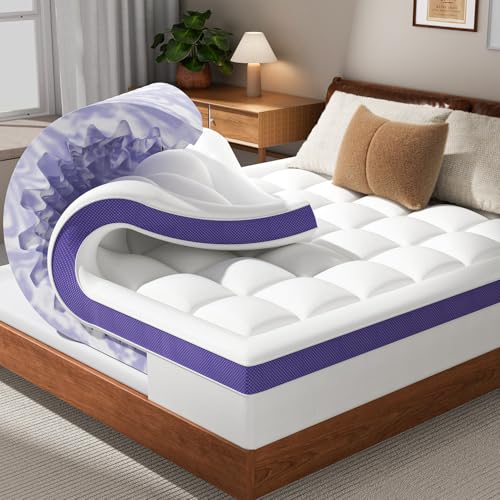
- Dual-Layer Design: This is Queen (60" x 80") size mattress topper. Our mattress...
- Comfortable Support: The memory foam with an egg-crate pattern provides...
- Cooling & Breathable: The ultra-soft fabric and premium gel-infused memory foam...
Choosing the Best Topper Cover Material for Your Sleep Style
Selecting the perfect cover fabric requires Your primary sleep needs. The right material can address temperature issues, allergies, and comfort preferences. This guide breaks down the top options to help you decide.
Natural Fiber Covers for Breathability and Comfort
Natural materials are prized for their breathability and soft feel. They are ideal for hot sleepers and those with sensitive skin. Cotton and bamboo are the most popular choices in this category.
- Cotton (Especially Organic): This classic choice is breathable, durable, and naturally hypoallergenic. Look for a high thread count for a softer, more luxurious feel against your skin.
- Bamboo Viscose: Exceptionally soft and moisture-wicking, bamboo fabric helps regulate temperature throughout the night. It is a sustainable option that resists odors and allergens naturally.
- Tencel Lyocell: Made from wood pulp, Tencel is incredibly smooth, moisture-managing, and eco-friendly. It is perfect for those who want a cool, silky feel with minimal environmental impact.
Synthetic and Blended Materials for Durability and Ease
Synthetic covers offer practical benefits like enhanced durability and easy care. They often provide effective moisture barriers and are more budget-friendly. Polyester and microfiber blends dominate this segment.
These materials are frequently treated for specific performance features. For instance, a polyester blend might include a waterproof membrane for protection against spills or accidents. Another may have a brushed microfiber finish for a plush, velvety texture that feels warm in winter.
Specialty Features and Protective Barriers
Beyond basic material, consider covers with integrated protective layers. These features add functionality and safeguard your mattress topper investment. They address specific concerns like dust mites, liquids, and general wear.
- Waterproof & Mattress Protector Layers: A polyurethane or vinyl backing creates a barrier against spills, sweat, and accidents. This is essential for children’s beds, guest rooms, or anyone wanting maximum protection.
- Hypoallergenic & Dust Mite Proof: Tightly woven fabrics or special membranes can block allergens from penetrating the cover. This is a critical feature for allergy and asthma sufferers.
- Stretch Fabrics & Deep Pockets: A cover with four-way stretch and deep pockets ensures a snug, wrinkle-free fit on your topper, especially important for thicker or memory foam models.
How to Match Topper Cover Fabric to Your Mattress Type
The material of your mattress topper cover should complement the topper’s core material. A mismatched cover can hinder the performance and feel of your sleep surface. This section helps you pair them correctly for optimal results.
Best Covers for Memory Foam and Latex Toppers
Memory foam and latex toppers benefit greatly from breathable covers. These materials can retain heat, so a cooling cover fabric is essential. The right choice enhances comfort and prevents sleep disruption.
- Breathable Bamboo or Tencel: These moisture-wicking fabrics draw heat away from the dense foam. They prevent the “sleeping hot” feeling commonly associated with memory foam.
- Stretchable Cotton Blends: A cover with adequate stretch is crucial to accommodate the contouring movement of memory foam. It prevents the cover from feeling tight or restrictive.
- Avoid Non-Breathable Barriers: For these toppers, avoid thick, non-breathable waterproof layers on all sides. Opt for a cover with a breathable membrane or a waterproof layer only on the bottom.
Ideal Fabrics for Featherbed and Fiberfill Toppers
Featherbed and synthetic fiberfill toppers require covers that contain filling and allow fluffiness. These toppers are all about plush, cloud-like comfort. The cover must protect the fill while maintaining its loft.
A tightly woven, durable cotton or cotton-blend fabric is ideal. It prevents feathers from poking through while being soft against the skin. For easy care, a machine-washable cover with a zippered closure is non-negotiable for these toppers.
| Topper Type | Recommended Cover Material | Key Feature to Look For |
|---|---|---|
| Memory Foam | Bamboo, Tencel, Cool Cotton | Maximum Breathability & Stretch |
| Featherbed / Down | Tight-Weave Cotton, Sateen | Down-Proof Weave, Zippered Closure |
| Wool or Cotton Topper | Organic Cotton, Wool Blend | Natural Fiber Compatibility |
Care and Maintenance Guide for Different Cover Materials
Proper care extends the life and performance of your mattress topper cover. Cleaning methods vary significantly based on the fabric type and protective features. Following the correct steps preserves softness, breathability, and protective barriers.
Washing Instructions by Fabric Type
Always check the manufacturer’s label first for specific guidance. As a general rule, most covers are machine washable, but settings differ. Using the wrong method can shrink fabric or damage waterproof layers.
- For Natural Fibers (Cotton, Bamboo): Wash in cold or warm water on a gentle cycle. Use a mild, bleach-free detergent. Tumble dry on low heat or air dry to prevent excessive shrinkage and maintain fiber integrity.
- For Synthetic Blends (Polyester, Microfiber): These are often the easiest to care for. Use warm water and a standard detergent. You can typically tumble dry on a low setting, as synthetics are less prone to shrinking.
- For Covers with Waterproof Layers: Avoid harsh detergents, bleach, and fabric softeners, which can degrade the waterproof membrane. Wash in cool water and air dry is usually recommended to preserve the protective backing.
Maximizing Cover Longevity and Hygiene
Regular maintenance keeps your cover fresh and functional. Implement a simple routine to protect your investment and ensure a clean sleep environment. Focus on prevention and proper drying techniques.
- Use a Mattress Protector: Place a fitted mattress protector underneath your topper and cover. This adds an extra shield against spills and stains, reducing how often you need to wash the more delicate topper cover.
- Air Dry Thoroughly: After washing, ensure the cover is completely dry before putting it back on the topper. This prevents mold and mildew growth, especially important for moisture-wicking and waterproof materials.
- Rotate and Flip: If your cover is reversible, flip it periodically. This promotes even wear and tear, keeping the fabric feeling newer for longer.
Where to Buy Quality Topper Covers and What to Look For
Finding the right cover involves knowing where to shop and which details matter most. Retailers range from big-box stores to specialty bedding companies. key specifications ensures you get a cover that fits perfectly and performs well.
Evaluating Retailers and Product Specifications
Not all retailers offer the same quality or selection of mattress topper covers. Your choice depends on whether you prioritize convenience, specialty materials, or budget. Always scrutinize the product details before purchasing.
- Specialty Bedding & Online Retailers: Sites dedicated to sleep products often have the widest selection of materials, like organic cotton or advanced cooling fabrics. They provide detailed specifications and size guides.
- Major Department Stores & Amazon: These offer convenience, competitive pricing, and customer reviews. Carefully check dimensions, fabric content, and return policies, as product quality can vary widely between brands.
- Direct from Manufacturer: Buying a cover designed specifically for your topper brand guarantees a perfect fit. This is often the best option for non-standard sizes or proprietary topper models.
Critical Fit and Feature Checklist Before You Buy
A cover that doesn’t fit correctly will be uncomfortable and look untidy. Use this checklist to avoid common purchasing mistakes. Accurate measurements are the most important first step.
- Measure Your Topper Precisely: Measure the length, width, and depth (height) of your topper in inches. Do not assume it matches your mattress size, as toppers often have different dimensions.
- Check Closure Type and Security: A full-length zipper with a fabric flap is ideal for a secure, hidden closure. Elasticized skirts or straps at the corners help keep the cover firmly in place.
- Review Fabric Content & Care Labels: Confirm the exact material blend and cleaning instructions. Ensure the care routine aligns with your lifestyle—for example, machine-washable for easy maintenance.
Answering Common Questions About Topper Cover Materials
Shoppers often have specific concerns when selecting a mattress topper cover. Addressing these directly can clarify the decision-making process. This section tackles practical questions about performance, health, and value.
Do Cooling Topper Covers Really Work?
Yes, cooling mattress topper covers are effective when made from the right materials. They function by enhancing breathability and managing moisture. The key is How different fabrics achieve this cooling effect.
- Moisture-Wicking Fabrics: Materials like bamboo viscose and Tencel pull sweat away from the body. This evaporation process creates a natural cooling sensation throughout the night.
- Breathable Weaves: Natural fibers like cotton and linen allow for superior air circulation. This prevents heat from becoming trapped around your body, a common issue with some synthetic sheets.
- Phase-Change Technology: Some premium covers incorporate special fibers that absorb and release heat. These actively regulate surface temperature for a consistently cool feel.
Are Hypoallergenic Covers Necessary?
Hypoallergenic covers are essential for allergy sufferers but beneficial for everyone. They create a barrier against dust mites, pet dander, and other allergens. This protection improves sleep quality and hygiene.
Look for covers with a tightly woven fabric or a special membrane designed to block microscopic particles. For true allergy relief, ensure the cover fully encases the topper with a secure zipper. Regular washing in hot water is also crucial to eliminate allergens that settle on the surface.
| Material Concern | Best Cover Solution | Reason |
|---|---|---|
| Sleeping Too Hot | Bamboo, Tencel, or Cooling Cotton | Superior moisture-wicking and breathability |
| Allergies or Asthma | Hypoallergenic, Dust Mite-Proof Cover | Creates a physical barrier against allergens |
| Spills or Accidents | Waterproof-Backed Fabric | Liquid cannot penetrate to the topper below |
Cost Analysis and Value of Premium Topper Cover Materials
The price range for mattress topper covers helps you budget effectively. Costs vary based on material quality, brand, and special features. A higher initial investment often translates to better durability and long-term value.
Price Ranges for Different Material Types
You can find covers to fit almost any budget, from basic to luxury. The material is the primary driver of cost, with natural and high-tech fabrics commanding higher prices. Knowing what to expect prevents sticker shock.
- Budget-Friendly (Synthetic Blends): Typically $20-$50. These are often polyester or microfiber, offering decent durability and easy care. They may lack advanced cooling or eco-friendly properties.
- Mid-Range (Cotton, Bamboo Blends): Usually $50-$120. This range includes quality natural fibers and reliable waterproof options. You get a good balance of comfort, breathability, and protective features.
- Premium (Organic, High-Tech): Can range from $120-$300+. Covers made from organic cotton, premium Tencel, or with advanced temperature regulation fall here. They offer superior feel, sustainability, and often come with extensive warranties.
Calculating Long-Term Value and ROI
The true cost of a cover isn’t just the purchase price. Consider how it extends the life of your topper and improves your sleep quality nightly. A quality cover is a protective investment.
- Protects Your Topper Investment: A $100 cover can protect a $300+ mattress topper from stains, wear, and body oils. This prevents premature replacement, saving you significant money over time.
- Reduces Cleaning Costs: A washable cover is much easier and cheaper to clean than a bulky topper. It handles daily soil, meaning you rarely need professional cleaning for the topper itself.
- Enhances Sleep Quality: The right material addresses night sweats or allergies, leading to better rest. This improvement in daily well-being and productivity is where the greatest value is realized.
Environmental Impact and Sustainable Cover Choices
The ecological footprint of your bedding is an increasingly important consideration. Topper cover materials vary widely in their sustainability, from production to disposal. Making an informed choice allows you to sleep well while supporting environmental responsibility.
Eco-Friendly Materials and Certifications
Certain natural and manufactured fibers are produced with lower environmental impact. Look for specific certifications that verify sustainable farming and ethical manufacturing processes. These labels help you identify genuinely eco-conscious products.
- Organic Cotton (GOTS Certified): Grown without synthetic pesticides, using less water than conventional cotton. The Global Organic Textile Standard (GOTS) certification ensures environmental and social responsibility throughout production.
- Lyocell (Tencel™): Made from wood pulp in a closed-loop process that recycles water and solvents. The source wood is typically from sustainably managed forests, making it a top choice for green bedding.
- Recycled Polyester: Created from post-consumer plastic bottles, reducing landfill waste. While synthetic, it gives new life to existing materials and often requires less energy to produce than virgin polyester.
Reducing Waste Through Durability and Care
Sustainability isn’t just about the raw material; it’s also about product lifespan. A durable cover that lasts for years creates less waste than a cheap one replaced annually. Your care habits directly influence this longevity.
Choosing a high-quality, well-constructed cover is the first step. Then, follow proper care instructions to prevent premature wear. Washing in cold water, air-drying when possible, and avoiding harsh chemicals all extend the cover’s life and reduce your overall environmental impact.
| Material | Key Environmental Benefit | Consideration |
|---|---|---|
| Organic Cotton | No toxic pesticides, better soil health | Can still be water-intensive to grow |
| Tencel Lyocell | Closed-loop manufacturing, biodegradable | Often a premium price point |
| Recycled Polyester | Diverts plastic from landfills | May shed microplastics when washed |
Best Recommended Mattress Toppers with Ideal Covers
Selecting the right topper includes considering its integrated cover. These top-rated options feature covers designed to enhance the topper’s performance. Each is ideal for a specific sleep need and material preference.
DUMOS Dual Layer 3 Inch Mattress Topper – Best for Cooling Comfort
This topper features a breathable bamboo cover perfect for hot sleepers. The dual-layer foam design provides pressure relief and support. The removable, machine-washable cover makes maintenance simple and hygienic.
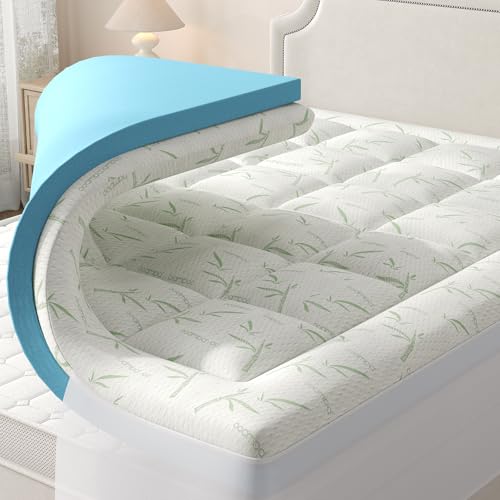
- 【Upgrade 2 In 1 Dual Layer Design】Combines a 2 inch cooling gel-infused...
- 【Relieve Pain & Contouring Support】This topper softens firm mattresses and...
- 【Ultra Cooling & Breathable】The innovative fiber pillowtop cover uses...
SHOUREN 5 Inch Memory Foam Mattress Topper – Best for Deep Contouring
Ideal for firm mattress softening, its knitted fabric cover is soft and stretchable. The 5-inch profile offers significant cushioning and body contouring. The cover helps manage temperature while accommodating the foam’s movement.
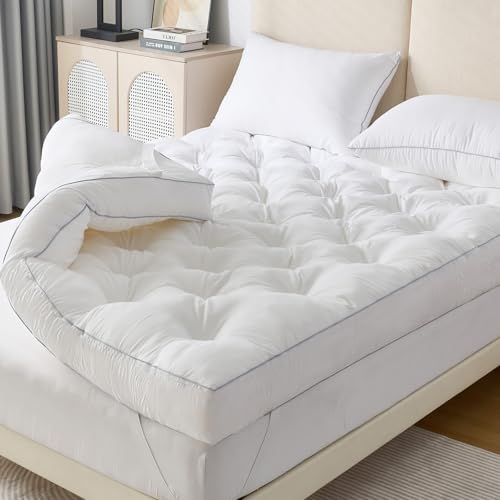
- 【5-Inch Extra Thick Comfort & Support】 SHOUREN mattress topper features a...
- 【Ergonomic Body-Contour Design】 Engineered to naturally fit your body...
- 【Upgraded 4-Way Elastic Anchor Straps】 Equipped with strong elastic straps...
Sweetcrispy Memory Foam Mattress Topper – Best for Pressure Relief
This option includes a velvety, quilted cover that adds plush comfort. The gel-infused memory foam targets pressure points in shoulders and hips. The fitted skirt ensures a secure fit on your mattress.
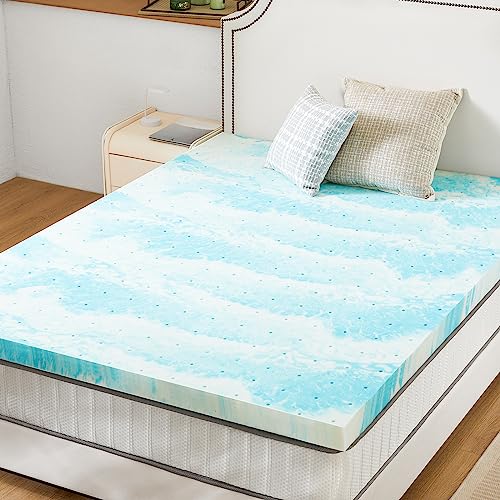
- ENHANCED COMFORT - With this memory foam mattress topper, say goodbye to...
- IMPROVED AIRFLOW - The gel infusion in this mattress pad helps to dissipate heat...
- VERSATILE USE - Whether you use it on your bed, sofa, or even in your RV, this...
Conclusion
Selecting the right topper cover material is a crucial decision that impacts your sleep quality, hygiene, and the longevity of your bedding investment. From cooling bamboo to protective waterproof barriers, each fabric serves a distinct purpose.
The main point is to align your cover choice with your primary sleep need—whether it’s temperature regulation, allergy protection, or ease of care. Investing in a high-quality, well-suited cover ensures you get the most comfort and value from your mattress topper for years to come.
Frequently Asked Questions about What Topper Cover Material Do You Need
What is the most breathable material for a topper cover?
Natural fibers like cotton, bamboo, and linen are the most breathable. They allow for excellent air circulation, which helps dissipate body heat and prevents you from sleeping hot. These materials are ideal for warm climates or hot sleepers.
Bamboo viscose and Tencel lyocell are particularly effective due to their moisture-wicking properties. They pull sweat away from the body, enhancing the cooling effect through evaporation for a consistently comfortable night’s sleep.
Can I use a regular fitted sheet instead of a dedicated topper cover?
While a fitted sheet can work temporarily, it is not recommended for long-term use. A dedicated cover is designed with deeper pockets and more stretch to securely fit over a bulky topper. It also offers better protection.
Topper covers often include specialized features like waterproof barriers, allergen-blocking membranes, or reinforced corners that standard sheets lack. Using a proper cover extends the life of your topper significantly.
How often should I wash my mattress topper cover?
For optimal hygiene, wash your cover every one to two months. This routine helps remove dead skin cells, dust mites, and body oils that accumulate. More frequent washing is advised if you have allergies or spill something.
Always follow the manufacturer’s care label instructions. Using cold or warm water on a gentle cycle and avoiding harsh detergents or bleach will preserve the fabric’s quality and any special treatments.
Is a waterproof cover necessary for an adult bed?
A waterproof cover is a wise precaution for any bed, not just for children. It protects your topper from accidental spills, nighttime sweating, and pet accidents. This barrier prevents liquid from seeping in and causing stains or mold.
Many modern waterproof covers use breathable membranes, so you don’t have to sacrifice comfort for protection. Look for terms like “moisture-proof” or “water-resistant backing” to ensure effective yet comfortable coverage.
What material is best for someone with allergies or asthma?
Hypoallergenic materials like tightly woven cotton or bamboo are excellent choices. The key is to select a cover specifically marketed as “dust mite proof” or “allergen barrier.” These have a weave dense enough to block microscopic particles.
Ensure the cover fully encases the topper with a secure zipper closure. This creates a sealed environment, preventing allergens from penetrating. Washing the cover regularly in hot water further eliminates allergens on the surface.
Do expensive topper covers offer better value?
A higher-priced cover often uses superior materials like organic cotton or advanced cooling fabrics, offering better durability and comfort. It represents an investment in protecting your more expensive mattress topper from damage.
The long-term value comes from extended product life and enhanced sleep quality. A quality cover prevents the need for early topper replacement, making it a cost-effective choice over time despite the higher initial cost.