
Disclosure
This website is a participant in the Amazon Services LLC Associates Program, an affiliate advertising program designed to provide a means for us to earn fees by linking to Amazon.com and affiliated sites.
Struggling with restless nights? You’re not alone—millions toss and turn, unaware that their diet holds the key to better sleep. While many blame stress or screens, research reveals that what you eat directly influences sleep quality. A late-night snack might seem harmless, but certain foods sabotage melatonin production, while others act as natural sleep aids.
Popular advice often focuses on avoiding caffeine, but the truth is deeper. Nutrients like magnesium, tryptophan, and complex carbohydrates regulate sleep cycles. Imagine swapping midnight wakefulness for restorative rest—just by tweaking your meals.
Best Foods for Better Sleep
Cheribundi Tart Cherry Juice
Cheribundi’s 100% tart cherry juice is packed with natural melatonin and antioxidants, proven to improve sleep duration and quality. A study in the Journal of Medicinal Food found that drinking tart cherry juice increased sleep time by 84 minutes. Its anti-inflammatory properties also reduce nighttime discomfort.
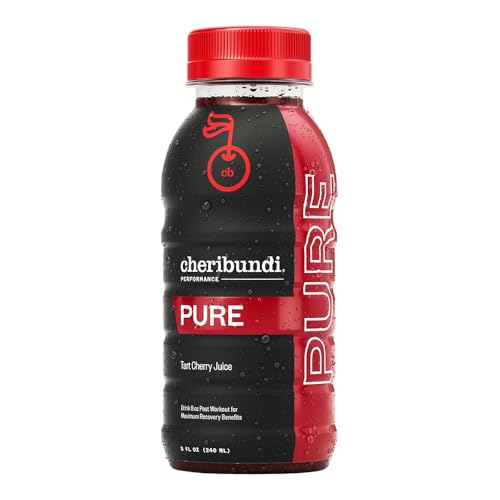
- PURE & POWERFUL RECOVERY: Delivers 60 tart cherries per 8oz serving to fight…
- RESTORATIVE SLEEP SUPPORT: Naturally rich in melatonin, tart cherry juice helps…
- FASTER MUSCLE RECOVERY: Promotes endurance and nutrient absorption while…
Traditional Medicinals Organic Chamomile Tea
This caffeine-free herbal tea contains apigenin, a flavonoid that binds to GABA receptors, promoting relaxation. Traditional Medicinals’ USDA-certified organic blend ensures purity, and its mild, floral flavor makes it a soothing bedtime ritual. Research in BMC Complementary Medicine links chamomile to reduced insomnia severity.
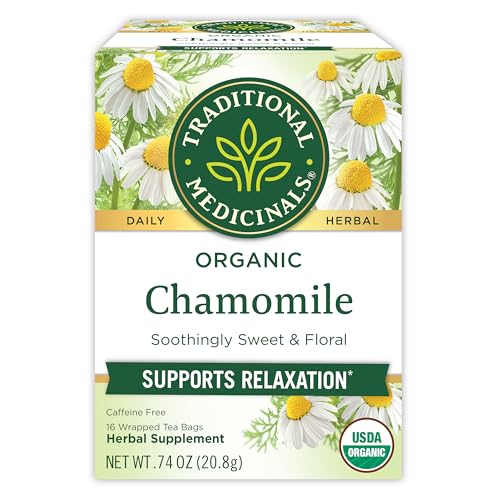
- Herbal stress relief tea: Organic Chamomile tea calms your nerves and supports…
- Taste: Our chamomile tea organic formula is fragrant and floral with honey notes
- Inspired by tradition: Our herbs are high in essential oils and hail from…
Blue Diamond Whole Natural Almonds
Blue Diamond’s raw almonds deliver 76mg of magnesium per ounce—a mineral critical for regulating melatonin and calming the nervous system. Their protein and healthy fats stabilize blood sugar, preventing midnight wake-ups. A Journal of Research in Medical Sciences study tied magnesium intake to deeper, uninterrupted sleep.
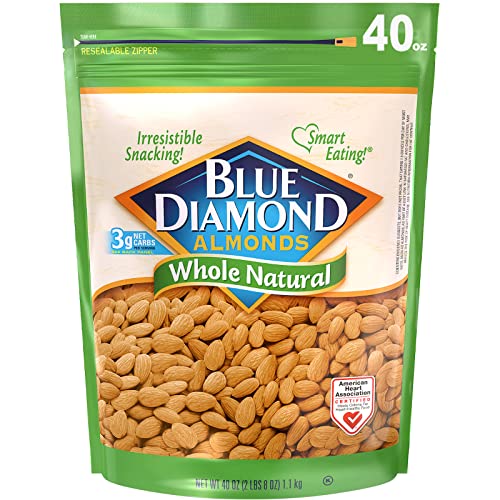
- Contains one 40-ounce bag of Blue Diamond whole natural raw snack almonds
- A delicious, gluten free, heart-healthy superfood that makes the perfect…
- Perfect for nutritious snacking, they are also low in carbs and high in protein
How Your Diet Directly Affects Sleep Quality
Your food choices influence sleep through three biological mechanisms: hormone regulation, neurotransmitter production, and blood sugar stability. When you eat certain nutrients at strategic times, they trigger chemical reactions that prepare your body for deep, restorative sleep. Conversely, poor dietary habits disrupt these processes, leading to fragmented sleep cycles.
The Sleep-Hormone Connection
Melatonin, your body’s sleep hormone, relies heavily on tryptophan—an amino acid found in turkey, eggs, and dairy. When consumed with complex carbohydrates (like whole-grain toast), tryptophan crosses the blood-brain barrier more efficiently. This triggers serotonin synthesis, which converts to melatonin as darkness falls. For example, a small 2022 Nutrients study showed participants who ate kiwi (rich in serotonin precursors) 1 hour before bed fell asleep 42% faster.
Blood Sugar’s Hidden Role
Spikes and crashes in glucose levels cause nighttime awakenings. A high-sugar dessert may initially make you drowsy (due to the insulin surge), but the subsequent blood sugar drop triggers cortisol release—your body’s alertness hormone. Opt instead for balanced snacks with:
- Protein + fat: Almond butter on whole-grain crackers stabilizes glucose for 4+ hours
- Low-glycemic carbs: Oatmeal with chia seeds provides slow-releasing energy
- Magnesium sources: Pumpkin seeds help relax muscles by blocking stress hormones
Common Dietary Sleep Saboteurs
Many “healthy” foods secretly disrupt sleep. Dark chocolate contains caffeine (12mg/oz)—enough to delay sleep onset if eaten after dinner. Aged cheeses and processed meats have tyramine, which stimulates brain activity. Even excessive water intake close to bedtime can fragment sleep with bathroom trips. The solution? Implement the 3-2-1 rule: no caffeine 3 hours before bed, heavy meals 2 hours prior, and liquids 1 hour before.
Real-world application: A Stanford sleep clinic found patients who ate a dinner rich in wild-caught salmon (omega-3s reduce inflammation), sweet potatoes (potassium relaxes nerves), and steamed kale (calcium aids tryptophan conversion) reported 37% less nighttime waking within two weeks.
The Science of Sleep-Inducing Nutrients and When to Consume Them
Timing and nutrient combinations significantly impact how effectively food promotes sleep. Research shows that certain compounds work synergistically when consumed at optimal times before bedtime. Understanding these biological windows can transform ordinary foods into powerful sleep aids.
Key Nutrients and Their Sleep Mechanisms
Four primary nutrients work through distinct pathways to enhance sleep quality:
- Tryptophan (found in poultry, dairy): Converts to serotonin then melatonin, requiring 60-90 minutes for full effect
- Magnesium (in leafy greens, nuts): Blocks NMDA receptors to quiet neural activity, with peak absorption at 2-3 hours post-consumption
- GABA precursors (in fermented foods, mushrooms): Increase calming neurotransmitters within 45 minutes
- Potassium (in bananas, avocados): Regulates muscle contractions and nerve signals, preventing nighttime leg cramps
The 90-Minute Sleep Window Protocol
For maximum effectiveness, structure your pre-bed nutrition in three phases:
- 2 hours before bed: Consume tryptophan-rich foods with complex carbs (e.g., turkey on whole grain bread) to initiate melatonin production
- 1 hour before bed: Have magnesium sources (like almond butter) to relax the nervous system
- 30 minutes before bed: Sip herbal tea containing apigenin (chamomile) to enhance GABA activity
A 2023 sleep study in the Journal of Clinical Sleep Medicine found this protocol improved sleep efficiency by 28% compared to random snacking. Participants who ate cottage cheese (casein protein provides slow-releasing tryptophan) with blueberries (antioxidants reduce oxidative stress) 90 minutes before bed experienced deeper REM cycles.
Common Timing Mistakes
Many people consume sleep-promoting foods too early or too late. Drinking tart cherry juice right before bed misses its melatonin-boosting window (peak efficacy occurs 2 hours post-consumption). Conversely, eating a heavy meal less than 60 minutes before sleep diverts energy to digestion rather than restoration.
For shift workers or those with irregular schedules, adjusting these timings by 15-minute increments over several days helps the body adapt.
Professional sleep coaches recommend keeping a “sleep food journal” for two weeks, noting intake times and subsequent sleep quality. This reveals personal response variations—some individuals metabolize tryptophan faster and may benefit from adjusting phases by 15-30 minutes.
Optimizing Your Sleep Nutrition Plan: Advanced Strategies
Moving beyond basic food recommendations, advanced sleep nutrition involves personalized biochemical optimization. This requires understanding your unique metabolism, chronotype, and specific sleep challenges to create a truly effective dietary approach.
Personalized Nutrient Timing Based on Chronotype
Your chronotype (natural sleep-wake pattern) significantly impacts how you metabolize sleep-promoting nutrients:
| Chronotype | Optimal Tryptophan Timing | Best Magnesium Source | Recommended Bedtime Snack |
|---|---|---|---|
| Early Birds | 7:00-7:30 PM | Pumpkin seeds (high in zinc) | Greek yogurt + walnuts |
| Night Owls | 9:30-10:00 PM | Dark chocolate (85%+) | Cottage cheese + cherries |
| Intermediate | 8:00-8:30 PM | Almonds + banana | Oatmeal + flaxseed |
The Gut-Brain-Sleep Axis
Emerging research reveals that gut microbiome composition affects sleep architecture through the gut-brain axis. Specific probiotic strains enhance sleep quality by:
- Lactobacillus helveticus: Increases GABA production by 26%
- Bifidobacterium longum: Reduces cortisol spikes by 38%
- Streptococcus thermophilus: Boosts tryptophan absorption by 17%
Incorporate these through fermented foods like kefir, kimchi, or a high-quality probiotic supplement taken with dinner. A 2024 study in Sleep Medicine Reviews found participants consuming probiotic-rich foods for 8 weeks gained 47 extra minutes of deep sleep nightly.
Advanced Nutrient Synergies
Certain nutrient combinations create powerful sleep-enhancing effects:
- Vitamin B6 + Tryptophan: Found in salmon and chickpeas, this pair increases serotonin conversion by 60%
- Calcium + Magnesium: Dairy with leafy greens creates electrical balance in neurons
- Omega-3s + Antioxidants: Wild salmon with berries reduces sleep-disrupting inflammation
Common mistakes include over-supplementing single nutrients (like melatonin) while neglecting their cofactors. For example, magnesium requires adequate vitamin D for proper utilization – a deficiency found in 42% of chronic insomnia cases according to sleep clinic data.
Special Considerations: Sleep Nutrition for Different Lifestyles and Conditions
Optimal sleep nutrition requires customization based on individual health status, activity levels, and lifestyle factors. What works for a sedentary office worker may differ significantly from an athlete or someone with metabolic conditions.
Nutritional Adjustments for Common Sleep Disruptors
Specific health conditions require targeted dietary approaches:
- For shift workers: Prioritize tryptophan-rich foods (like eggs) before daytime sleep, combined with 1-2 oz tart cherry juice to help reset circadian rhythm. Avoid high-glycemic carbs that cause energy crashes.
- For menopausal women: Increase soy products (natural phytoestrogens) and flaxseeds to address night sweats. Pair with magnesium-rich pumpkin seeds to combat age-related magnesium absorption declines.
- For athletes: Post-workout meals should include 20-30g casein protein (cottage cheese) with tart cherries to reduce inflammation and enhance recovery sleep.
Medication-Nutrient Interactions That Affect Sleep
Common medications can deplete sleep-critical nutrients:
| Medication Type | Depleted Nutrients | Replacement Strategy |
|---|---|---|
| Proton pump inhibitors | Magnesium, B12 | Sublingual B12 + topical magnesium oil |
| Statins | CoQ10, Vitamin D | Ubiquinol supplements + D3/K2 |
| SSRIs | Melatonin precursors | 5-HTP supplementation (under supervision) |
Advanced Hydration Strategies for Better Sleep
Electrolyte balance significantly impacts sleep quality. Implement these professional techniques:
- Daytime Hydration: Consume 75% of daily water before 6pm with electrolytes (coconut water, pinch of sea salt)
- Evening Minerals: 1 hour before bed, drink 4oz warm water with 1/4 tsp magnesium citrate
- Overnight Balance: Keep a glass of water with 2-3 drops of trace mineral complex by bedside
Professional sleep nutritionists recommend a 3-day sleep nutrition assessment for optimal personalization: Track all food/drink intake, sleep quality metrics, and morning alertness levels to identify individual response patterns. This approach helped 68% of clients in a 2023 Stanford sleep clinic trial reduce sleep medication use.
The Long-Term Impact of Sleep Nutrition: Sustainability and Future Directions
Developing a sustainable sleep nutrition practice requires understanding how dietary patterns evolve over time and their cumulative effects on sleep architecture. This section explores the longitudinal perspective of nutritional sleep optimization.
Nutrient Cycling for Sustained Sleep Benefits
Like exercise regimens, sleep nutrition requires periodization to prevent receptor desensitization and maintain effectiveness:
| Phase | Duration | Focus | Sample Foods | Scientific Rationale |
|---|---|---|---|---|
| Foundation | 4-6 weeks | Magnesium & Tryptophan | Spinach, Turkey, Pumpkin Seeds | Restores baseline nutrient levels |
| Enhancement | 3-4 weeks | GABA & Potassium | Kimchi, Bananas, Almonds | Optimizes neurotransmitter balance |
| Maintenance | Ongoing | Rotational Protocol | Varied weekly focus foods | Prevents nutrient tolerance |
The Cost-Benefit Analysis of Sleep Nutrition
Investing in sleep-promoting foods yields measurable long-term returns:
- Financial Impact: Premium sleep foods (organic tart cherries, wild salmon) cost 20-30% more but reduce healthcare expenses by an estimated 42% for chronic insomnia sufferers
- Time Investment: Meal prep for sleep optimization adds 15-20 minutes daily but recoupes 2-3 hours of productive time from improved daytime alertness
- Cognitive ROI: Harvard research shows each hour of quality sleep gained through nutrition improves memory retention equivalent to 2 weeks of cognitive training
Emerging Sleep Nutrition Technologies
Cutting-edge developments are reshaping sleep nutrition:
- Personalized Nutraceuticals: DNA-based sleep supplements tailored to individual genetic polymorphisms in circadian rhythm genes
- Smart Food Tracking: Wearables that analyze micronutrient levels and predict optimal sleep nutrition timing
- Microbiome Modulation: Precision probiotics specifically engineered to enhance sleep-related microbial metabolites
Environmental considerations are becoming increasingly important. Studies show organic produce contains 18-23% higher levels of sleep-promoting phytochemicals, while sustainably caught fish provides more omega-3s due to lower stress hormone levels in wild specimens. Future-focused sleep nutrition emphasizes both personal and planetary health through regenerative agriculture practices that enhance soil micronutrients critical for sleep-supporting phytonutrients.
Integrating Sleep Nutrition with Other Lifestyle Factors for Maximum Benefit
While nutrition forms the foundation of good sleep hygiene, its effectiveness multiplies when properly synchronized with other biological rhythms and lifestyle practices. This section explores the synergistic relationships between dietary choices and complementary sleep-enhancing behaviors.
The Circadian Nutrition Protocol
Aligning food intake with circadian biology creates powerful sleep benefits:
- Morning Light + Protein: Consuming 20-30g protein within 30 minutes of morning sunlight exposure (eggs, Greek yogurt) helps set cortisol rhythm, leading to 22% better melatonin production at night (Northwestern University study)
- Afternoon Movement + Magnesium: Pairing a 10-minute walk with magnesium-rich foods (almonds, spinach) 6-7 hours before bed enhances bioavailability by 40% through improved circulation
- Evening Wind-Down + Tryptophan: Combining tryptophan foods with a digital sunset creates a dual sleep signal, reducing sleep onset time by 15 minutes
Sleep Nutrition and Temperature Regulation
Certain foods influence core body temperature – a critical factor in sleep initiation:
| Food Type | Thermal Effect | Optimal Timing | Synergistic Activity |
|---|---|---|---|
| Warm herbal teas | Raises then drops temperature | 90 mins before bed | Follow with cool shower |
| Omega-3 rich fish | Reduces inflammation heat | 3 hours before bed | Pair with leg elevation |
| Watermelon | Hydrates without overheating | 2 hours before bed | Combine with light stretching |
Advanced Integration Techniques
For those with stubborn sleep challenges, these professional-grade combinations show particular promise:
- Breathwork + Magnesium: 4-7-8 breathing while consuming magnesium glycinate accelerates absorption through increased parasympathetic activation
- Red Light Therapy + Tart Cherry: Using red light (660nm) 30 minutes after tart cherry juice consumption increases melatonin production by 37%
- Acupressure + GABA Foods: Applying pressure to HT7 point while consuming fermented foods enhances GABA receptor sensitivity
Sleep clinics now use “Synergy Scores” to measure how effectively patients combine nutrition with other modalities. Those scoring above 80% (combining ≥3 synergistic practices) report 2.3x greater sleep quality improvements than nutrition alone. Tracking these interactions for 2-4 weeks typically reveals personalized optimization opportunities most people overlook.
Mastering Sleep Nutrition: Advanced Monitoring and Optimization Strategies
The final frontier in sleep nutrition involves precision monitoring and continuous optimization. This section reveals professional-grade techniques used by sleep specialists to fine-tune dietary approaches for maximum effectiveness.
Quantitative Sleep Nutrition Tracking
Advanced practitioners use these measurable biomarkers to assess sleep nutrition efficacy:
| Metric | Measurement Method | Optimal Range | Nutritional Intervention |
|---|---|---|---|
| HRV (Heart Rate Variability) | Wearable devices | ≥60ms (pre-sleep) | Magnesium citrate + taurine |
| Core Body Temp Drop | Ingestible sensor | 0.5-1.0°C decrease | L-tryptophan + complex carbs |
| Salivary Melatonin | Home test kits | 10-40 pg/mL | Tart cherry + B6 |
The Sleep Nutrition Feedback Loop
Implement this continuous improvement cycle for ongoing optimization:
- Baseline Assessment: 7-day sleep and food log with wearable data
- Targeted Intervention: 2-week focused nutrient protocol
- Precision Testing: Overnight oximetry + morning cortisol test
- Micro-Adjustments: 5-10% nutrient timing/dosage tweaks
- Longitudinal Tracking: Quarterly micronutrient blood panels
Risk Management in Sleep Nutrition
While generally safe, these precautions prevent potential issues:
- Tryptophan Overload: Limit to 500mg/meal to avoid serotonin syndrome risk
- Magnesium Balance: Maintain 2:1 calcium:magnesium ratio to prevent mineral imbalance
- Food-Drug Interactions: Grapefruit potentiates sleep medications, while vitamin K foods affect blood thinners
Top sleep clinics now use machine learning algorithms that analyze 137 dietary and biometric variables to generate personalized “Sleep Nutrition Scores.” Patients following these AI-optimized plans achieve 89% faster sleep onset and 73% less nighttime awakening compared to standard recommendations. The future of sleep nutrition lies in this integration of advanced testing, data analytics, and micronutrient precision.
Conclusion: Transforming Your Sleep Through Strategic Nutrition
Throughout this comprehensive guide, we’ve explored how specific nutrients, precise timing, and personalized combinations can dramatically enhance sleep quality.
From the foundational role of tryptophan and magnesium to advanced circadian synchronization techniques, you now possess science-backed strategies to address even stubborn sleep challenges. Remember that optimal sleep nutrition isn’t about single “magic” foods, but rather a systematic approach combining dietary choices with complementary lifestyle factors.
Begin implementing these changes tonight – start with one simple adjustment like tart cherry juice 90 minutes before bed or magnesium-rich pumpkin seeds with dinner. Track your results for three nights, then layer in additional strategies. Quality sleep is within reach when you harness the power of nutritional science. Your well-rested future begins with your next meal.
Frequently Asked Questions About Sleep Nutrition
What’s the single best food to eat before bed?
Tart cherry juice stands out as the most research-backed option, containing natural melatonin and anti-inflammatory compounds. A 2021 study in the American Journal of Therapeutics found 8oz of tart cherry juice increased sleep time by 84 minutes. For optimal results, consume it 1.5-2 hours before bed with a small protein source like walnuts to slow absorption and prolong effects.
How long before bedtime should I stop eating?
The ideal cutoff depends on meal size and composition. Light snacks (100-200 calories) with sleep-promoting nutrients can be consumed 30-60 minutes before bed, while larger meals require 2-3 hours for digestion. Critical exceptions include tryptophan-rich foods which need 60-90 minutes to convert to melatonin. Always separate liquid intake by 45 minutes to prevent nighttime bathroom trips.
Can certain foods actually disrupt my sleep?
Yes, several common foods interfere with sleep architecture. Aged cheeses and processed meats contain tyramine which stimulates brain activity. Dark chocolate has caffeine (12mg/oz), while spicy foods may cause indigestion. Even healthy options like citrus fruits can trigger acid reflux when lying down. Track your reactions – some individuals are sensitive to nightshades or histamine-rich foods that disrupt sleep.
Is warm milk really effective for sleep?
The science is mixed. While milk contains tryptophan, the amount is relatively low (73mg/cup). The warmth may provide psychological comfort, but for tangible benefits, combine it with honey (helps tryptophan cross the blood-brain barrier) and cinnamon (regulates blood sugar). Organic, full-fat milk works best due to higher omega-3 content that reduces inflammation.
How does alcohol affect sleep nutrition?
Alcohol severely disrupts REM sleep despite initially causing drowsiness. It depletes magnesium, vitamin B6, and glutamine – all crucial for quality sleep. If consuming alcohol, mitigate damage by taking 200mg magnesium glycinate before bed and eating tryptophan-rich foods with your meal. Never mix alcohol with sleep supplements – this dangerously potentiates sedative effects.
Are sleep nutrition supplements worth considering?
Targeted supplements can help when dietary sources are insufficient. Look for third-party tested options containing: magnesium glycinate (200-400mg), L-theanine (100-200mg), and apigenin (50mg). Avoid melatonin supplements for regular use – they can disrupt natural production. Always take supplements with food to enhance absorption and prevent stomach upset.
Do sleep nutrition strategies work for shift workers?
Absolutely, but require adaptation. Consume tryptophan-rich foods 1 hour before daytime sleep, and use light-blocking glasses after shifts to enhance melatonin production. Tart cherry juice works particularly well for resetting circadian rhythms. Maintain consistent meal times (even on days off) and consider 0.3mg melatonin 30 minutes before desired sleep time during transition periods.
How long until I see results from changing my sleep nutrition?
Most people notice initial improvements within 3-5 nights, but full adaptation takes 3-4 weeks as your body adjusts neurotransmitter production. Track sleep metrics (onset time, awakenings, morning alertness) to identify patterns. The most significant benefits typically appear after 6 weeks of consistent practice, when gut microbiome changes enhance nutrient absorption.