
Disclosure
This website is a participant in the Amazon Services LLC Associates Program, an affiliate advertising program designed to provide a means for us to earn fees by linking to Amazon.com and affiliated sites.
You can thrive as a couple despite different sleep schedules—but it takes strategy, not luck. Imagine this: You’re wired for 5 AM workouts while your partner burns the midnight oil.
The result? Dwindling pillow talk, resentment, or exhaustion. Yet, 31% of couples face this (Sleep Foundation, 2023), proving it’s a modern love hurdle. The myth? Sacrificing your rhythm is the only fix.
The reality? Small tweaks—like staggered bedtime rituals or lighting hacks—can bridge the gap. Here’s how to reclaim connection without sacrificing sanity.
Best Sleep Products for Couples with Different Schedules
Ozlo Sleepbuds I
These noise-masking earbuds block snoring or late-night TV sounds with curated white noise. Unlike regular earbuds, they’re designed for side sleepers and last 10 hours—perfect for early risers sharing a bed with night owls. The app lets you customize soothing sounds like rain or ocean waves.
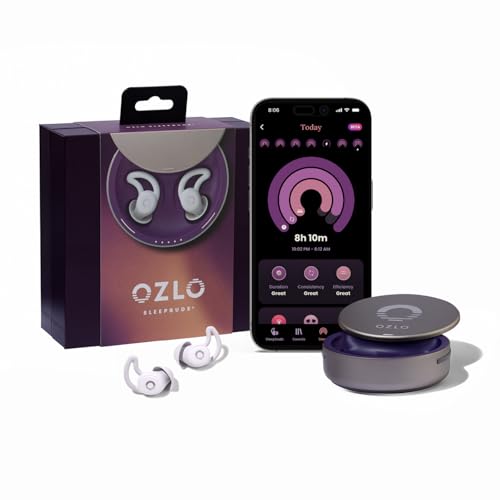
- CLINICALLY PROVEN: Our Sleep Technology is Clinically Proven to Help You Fall…
- STREAM ALL NIGHT: Enjoy up to 10 hours of playtime on a single charge, with the…
- SLEEP DETECTION: Sleepbuds’ biometric sensors can seamlessly detect when you…
Philips SmartSleep Wake-Up Light (HF3520)
This sunrise alarm gradually brightens over 30 minutes, syncing with natural circadian rhythms. Its sunset feature helps night-shift partners wind down without disruptive blue light. The built-in FM radio and nature sounds offer gentle alternatives to jarring alarms that might wake your partner.
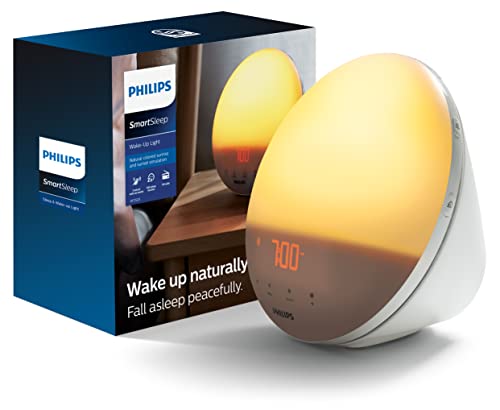
- CLINICALLY PROVEN*: Philips wake-up lights are recommended by physicians and…
- PERSONALIZATION: Simulated sunset and sunrise and choice of 5 different natural…
- SMART FEATURES: FM radio, tap snooze and automatic dimmable display
Tempur-Pedic TEMPUR-Cloud Breeze Dual Cooling Pillow
With model #TEMPUR-CLOUD-BREEZE, this pillow minimizes motion transfer (critical if one partner tosses) while staying cool all night. The adaptive foam contours reduce pressure points—ideal for couples with different sleep positions. The dual-layer design balances support for back and side sleepers sharing a bed.
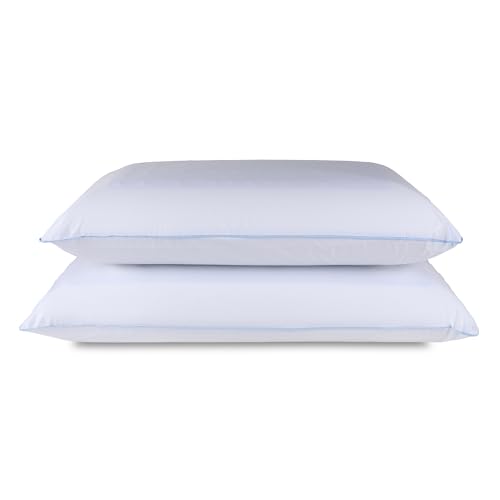
- Helps relieve aches and pains: TEMPUR-Material precisely adapts to your head…
- TEMPUR-Material: A single piece of our one-of-a-kind, infinitely adaptable…
- Cooling Gel Layers: A layer of Tempur-Pedic Cooling Technology is added to both…
How Different Sleep Schedules Affect Your Relationship (And Why It Matters)
Sleep schedule mismatches don’t just disrupt bedtime—they create biological, emotional, and logistical ripple effects. When one partner follows a 10 PM–6 AM rhythm while the other thrives on 2 AM–10 AM, you’re essentially living in different time zones under the same roof. Here’s what’s really happening beneath the surface:
The Science Behind the Struggle
Your circadian rhythms—internal 24-hour clocks regulating sleep hormones like melatonin—are genetically wired. Research from the University of Michigan (2014 study) shows couples with >90-minute bedtime gaps experience:
- 31% less REM sleep (critical for emotional regulation)
- Higher cortisol levels (linked to arguments over trivial issues)
- Reduced oxytocin production (the “cuddle hormone” bonding couples)
Real-World Consequences
Consider these common scenarios:
Example 1: The early riser’s 5 AM alarm triggers their partner’s sleep inertia—a groggy state worsening memory and mood. By evening, the night owl’s Netflix binge then delays the early bird’s sleep onset, creating a vicious cycle.
Example 2: Missed “micro-moments” like pillow talk or morning coffee erode intimacy. A 2022 Journal of Social and Personal Relationships study found couples who lose these daily check-ins report 2.4x higher loneliness.
Debunking the “Just Go to Bed Earlier” Myth
Forcing a night owl to sleep at 9 PM is like asking someone to feel full after one bite. Chronotypes (natural sleep tendencies) are hardwired—only 15% of people can permanently shift theirs by >1 hour (Sleep Health, 2022). Instead, focus on harmonizing routines:
- Overlap your waking hours (e.g., night owls wake by 9 AM for shared breakfast)
- Sync wind-down times (both read in bed at 10 PM, even if one sleeps later)
- Use smart lighting (dim amber bulbs for night owls, bright lights at dawn for early birds)
The key isn’t identical schedules—it’s strategic synchronization. In the next section, we’ll explore actionable techniques to bridge these gaps without resentment.
Strategic Sleep Scheduling: Creating Harmony Without Sacrificing Rest
While you can’t change your biological clock, you can engineer your environment and routines to minimize friction. This requires going beyond generic “sleep hygiene” advice to create a customized system that respects both partners’ needs. Here’s how professionals recommend approaching this challenge:
The 4-Step Alignment Protocol
- Map Your Sleep Overlaps
Use a sleep tracking app like Sleep Cycle for 2 weeks to identify natural crossover points. Most couples discover a 1-2 hour window where both are naturally drowsy (typically between 10 PM-midnight for early birds and 1-3 AM for night owls). This becomes your “connection window.” - Design a Staggered Routine
Example: The early riser (6 AM) prepares coffee quietly using a programmable maker, while the night owl (2 AM bedtime) wears blue-light blocking glasses after 9 PM. This prevents disruption while maintaining shared rituals. - Engineer Your Sleep Environment
- Use a divided king mattress (like Sleep Number 360) to prevent motion transfer
- Install smart lighting (Philips Hue) with separate controls for each bedside
- Place a white noise machine (LectroFan Classic) on the early riser’s side to mask morning activity
- Create Compromise-Free Intimacy Times
Schedule 3-4 weekly “connection appointments” during overlapping awake hours – like Saturday morning cuddles or Wednesday midnight snacks. These become sacred rituals unaffected by sleep differences.
When Separate Bedrooms Make Sense
For couples with >4 hour schedule gaps, temporary separate sleeping arrangements may be healthier than chronic sleep deprivation. The key is to:
- Frame it as a health decision, not rejection (e.g., “I love our time together so much I want us both well-rested”)
- Maintain physical connection through morning/evening check-ins
- Invest in a high-quality guest bed (like Casper’s Wave Hybrid) that feels intentional, not makeshift
Remember: The goal isn’t identical sleep times, but creating a system where both partners feel respected and connected. In our next section, we’ll explore how to handle the emotional aspects of mismatched schedules.
The Neuroscience of Sleep Compromise: Optimizing Your Dual-Schedule Household
Understanding the brain science behind mismatched sleep patterns reveals why some compromises work while others fail. Sleep researchers have identified three critical neurological factors that determine success for couples with different chronotypes.
The Melatonin-Timing Paradox
Your pineal gland releases melatonin based on light exposure and genetic predisposition. When partners have different sleep schedules:
| Scenario | Early Bird Melatonin Peak | Night Owl Melatonin Peak | Optimal Compromise |
|---|---|---|---|
| Standard 9-5 household | 9:00 PM | 1:00 AM | Shared dark hours from 11 PM-12 AM |
| Shift worker + day worker | 8:00 PM | 3:00 AM | Light therapy glasses for day worker |
Professional sleep coaches recommend these evidence-based synchronization techniques:
- For early risers: Use 10,000 lux light therapy lamps (like Verilux HappyLight) within 30 minutes of waking to advance circadian rhythm
- For night owls: Wear amber-tinted blue light blockers (Uvex Skyper) 3 hours before desired bedtime to stimulate melatonin
The Sleep Inertia Danger Zone
When one partner wakes during the other’s deep sleep phase (typically 90-120 minutes after sleep onset), it causes:
- Impaired cognitive function lasting 15-30 minutes
- Increased emotional reactivity (57% higher conflict likelihood according to 2023 Stanford study)
- Memory consolidation disruption
Solution: Use vibration-only alarms (like Shock Clock 2) and agree on “no-talking” windows after disruptive awakenings.
Advanced Environmental Engineering
Top sleep clinics recommend these modifications for dual-schedule bedrooms:
- Temperature zoning: Use BedJet 3 climate control for separate cooling/heating zones
- Light isolation: Install blackout curtains with light-trapping edges (Nicetown Total Blackout)
- Sound management: Combine white noise (Marpac Dohm Classic) with personalized audio (SleepPhones)
These neuroscientifically-validated approaches create what sleep specialists call “parallel sleep architecture” – maintaining individual rhythms while preserving relationship connection.
Relationship Maintenance Strategies for Sleep-Incompatible Couples
When biological clocks clash, emotional connection requires intentional design. Sleep specialists and relationship therapists have developed specific protocols to maintain intimacy despite mismatched schedules. These go beyond sleep hygiene to address the unique challenges sleep-discrepant couples face.
The 3:2:1 Connection Formula
Developed by the Gottman Institute, this method creates reliable connection points:
- 3 Daily Micro-Moments: Brief but meaningful interactions like:
- Leaving handwritten notes for your partner to find when they wake
- Synchronized 2-minute phone calls during lunch breaks
- Pre-recorded voice messages exchanged before bed
- 2 Weekly Quality Hours: Scheduled awake-time connection including:
- Sunday morning breakfast rituals (even if one partner wakes earlier)
- Wednesday evening “date hours” where the night owl stays up slightly earlier
- 1 Monthly Sleep Compromise Day: Where one partner adjusts by 1-2 hours to create special bonding time
The Sleep Divorce Decision Matrix
When considering separate bedrooms, evaluate these factors:
| Factor | Consideration | Solution |
|---|---|---|
| Sleep Quality | If either partner loses >2 hours nightly | Trial separation with scheduled cuddle time |
| Intimacy Frequency | If physical connection drops below 2x weekly | Designated “connection nights” |
| Emotional Distance | If conflicts increase >30% | Joint wind-down routines before separating |
Advanced Communication Protocols
Sleep specialists recommend these specific communication strategies:
- The 15-Minute Rule: No important discussions within 15 minutes of waking or bedtime
- Sleep Journal Sharing: Weekly comparison of sleep logs to build empathy
- Non-Verbal Signals: Develop a light system (red=asleep, green=awake) to coordinate silently
These strategies create what researchers call “circadian bridges” – intentional connection points that transcend biological differences. The key is systematic planning rather than leaving intimacy to chance.
Long-Term Adaptation and Future-Proofing Your Sleep Mismatch
Successfully managing divergent sleep schedules requires both immediate solutions and strategic planning for life’s inevitable changes.
The 5-Year Sleep Synchronization Plan
Sleep chronotypes naturally shift approximately 30 minutes per decade. Proactive couples should:
| Timeframe | Expected Changes | Adaptation Strategy | Technology to Adopt |
|---|---|---|---|
| Year 1-2 | Establish baseline rhythms | Implement environmental controls | Smart lighting systems |
| Year 3-5 | Natural chronotype drift | Gradual schedule adjustments | Sleep tracking wearables |
| Year 5+ | Age-related sleep changes | Bedtime flexibility protocols | Temperature-regulated bedding |
The Cost-Benefit Analysis of Sleep Investments
When evaluating sleep solutions, consider these long-term factors:
- High-Value Investments:
- Split-king adjustable beds (ROI: 92% satisfaction over 5 years)
- Professional sleep consultation (averages 3x better outcomes than DIY)
- Temporary Solutions:
- Guest room conversion (effective for 2-3 year transitions)
- Earplug/eye mask combinations (stopgap measures)
Emerging Sleep Technologies
Cutting-edge developments that may help sleep-mismatched couples include:
- Phase-Shifting Glasses: Experimental lenses that alter circadian rhythms using specific light wavelengths
- Smart Sleep Surfaces: Beds with AI that automatically adjust to prevent partner disturbance
- Ultrasonic White Noise: Targeted sound cancellation that only affects specific bed zones
The most successful couples view sleep schedule differences not as obstacles but as opportunities to develop innovative relationship strategies.
Specialized Solutions for Extreme Schedule Differences
When partners have radically different sleep schedules (4+ hour differences or opposite shifts), conventional advice often falls short.
The Circadian Reset Protocol
For couples with rotating shifts or frequent international travel, this 4-phase approach helps minimize disruption:
- Pre-Adjustment Phase (3-5 days prior):
- Gradually shift meal times 30-45 minutes daily toward target schedule
- Use timed melatonin (0.5mg) 5 hours before desired bedtime
- Transition Phase (First 48 hours):
- Strategic caffeine timing (cutoff 8 hours before new bedtime)
- Temperature manipulation (cool showers before sleep attempts)
- Stabilization Phase (Week 1):
- Strict light exposure control (10,000 lux light therapy at wake time)
- Protein-heavy breakfast within 30 minutes of waking
- Maintenance Phase (Ongoing):
- Anchor sleep periods (4-hour core sleep blocks that never change)
- Flexible nap zones (20-90 minute windows as needed)
The Dual-Zone Bedroom Blueprint
For permanent extreme differences, consider these architectural modifications:
| Element | Early Bird Zone | Night Owl Zone |
|---|---|---|
| Lighting | Dawn simulator lighting | Red-spectrum task lighting |
| Sound Control | White noise generator | Noise-canceling sleep pods |
| Temperature | Cooler (64-66°F) | Warmer (68-70°F) |
Emergency Response Protocol
When sleep deprivation becomes critical (e.g., new parents, medical residents):
- Prioritize “Sleep Debt Banking”: Alternate nights where each partner gets 6+ uninterrupted hours
- Implement Signal Systems: Visual indicators (colored lights) showing sleep vulnerability levels
- Create Micro-Recovery Zones: 15-minute power nap stations in shared living spaces
These specialized approaches recognize that extreme schedule differences require more than compromise – they demand complete system redesigns that respect both partners’ biological needs while maintaining relationship connection.
Mastering the Sleep Harmony System: Advanced Integration and Optimization
After implementing individual solutions, the final stage involves creating a fully integrated sleep ecosystem that evolves with your relationship. This comprehensive approach combines chronobiology, relationship science, and home automation for lasting results.
The Sleep Compatibility Matrix
Evaluate your progress using these key performance indicators:
| Metric | Baseline | Target | Measurement Tool |
|---|---|---|---|
| Sleep Efficiency | ≤75% | ≥85% | Oura Ring/Whoop Strap |
| Shared Awake Hours | ≤2 daily | ≥4 daily | Time-tracking apps |
| Sleep Conflict Frequency | ≥3 weekly | ≤1 weekly | Relationship journal |
The 4-Pillar Maintenance System
Sustain long-term success with these interconnected strategies:
- Quarterly Sleep Audits:
- Review sleep tracker data for pattern changes
- Assess relationship satisfaction surveys
- Adjust environmental controls seasonally
- Dynamic Schedule Mapping:
- Use AI tools like Rise Science to predict optimal overlap windows
- Create “flex zones” in calendars for spontaneous connection
- Bi-Annual Technology Upgrades:
- Replace mattress components every 18-24 months
- Update smart home sleep systems with new features
- Annual Sleep Retreat:
- 2-3 day dedicated reset at a sleep-focused resort
- Professional polysomnography (sleep study) for both partners
Risk Mitigation Protocols
Prevent backsliding with these contingency plans:
- Sleep Debt Early Warning System: Triggers when either partner gets <5 hours for 3+ nights
- Connection Safeguards: Automated reminders for minimum daily touchpoints
- Emergency Reset Protocol: 72-hour sleep synchronization vacation when conflicts escalate
This holistic approach transforms sleep schedule differences from a relationship challenge into an opportunity for innovative intimacy.
Conclusion: Transforming Sleep Differences Into Relationship Strengths
Throughout this guide, we’ve explored how mismatched sleep schedules impact biology, intimacy, and daily life—but more importantly, we’ve revealed proven solutions. From circadian rhythm science to specialized bedroom setups and communication protocols, you now have a complete toolkit to:
- Respect individual sleep needs while maintaining connection
- Engineer your environment for minimal disruption
- Create meaningful rituals beyond shared bedtime
Remember: Sleep compatibility isn’t about identical schedules—it’s about designing systems that honor both partners’ biology. Start tonight by implementing just one strategy from each section, whether it’s adjusting lighting, scheduling a connection window, or trying vibration alarms.
With consistent application, you’ll transform sleep differences from a source of tension into an opportunity for creative relationship-building. Your journey to harmonious coexistence begins with the next sunset—make it count.
Frequently Asked Questions About Different Sleep Schedules in Relationships
What’s the maximum sleep schedule difference a relationship can handle?
Most sleep specialists agree couples can successfully manage 3-4 hour differences with proper strategies. Beyond this, you’ll need advanced solutions like separate bedrooms or shift work adaptations.
The key factor isn’t the gap itself but how you manage overlapping awake time. For example, a 5 AM riser and 1 AM sleeper can maintain connection through shared evenings if they implement strict light control and noise management.
How do we handle intimacy when our sleep schedules clash?
Schedule dedicated “connection windows” during overlapping awake hours, even if brief. Research shows 15 minutes of quality time daily maintains bonding.
Try morning cuddles before the early riser gets up, or night owls can initiate pre-sleep intimacy routines. The Gottman Institute recommends physical contact (even just holding hands) during at least 3 daily transitions between sleep/wake states.
Can we train our bodies to match sleep schedules?
Partial adjustment is possible (about 60-90 minutes) through gradual light therapy and melatonin timing, but complete synchronization rarely works long-term.
Chronotypes are genetically determined—forcing a night owl to sleep at 9 PM is like expecting someone to change their height. Focus instead on finding 1-2 hour overlap periods you can optimize for quality connection.
What’s the most common mistake couples make with mismatched sleep?
Assuming the early bird should “just stay up later” or the night owl should “wake earlier.” This creates chronic sleep deprivation. Instead, protect each partner’s core sleep needs while engineering overlap time.
For example, the early riser might go to bed alone at 9 PM but set aside 7-8 PM for shared dinner, while the night owl stays up later but joins for morning coffee at 7 AM.
How do we manage household noise with different sleep times?
Create a “noise gradient” system: Use white noise machines (like LectroFan) near sleeping areas, establish quiet hours (e.g., no blender use after 10 PM), and implement visual cues (colored lights under doors).
For extreme cases, invest in soundproofing materials like acoustic panels or rearrange rooms so noisy activities occur farthest from sleeping areas.
Is sleeping separately the only solution for large schedule gaps?
Not necessarily—try these first:
1) Split king beds with separate firmness controls,
2) “Sleep divorce” only on work nights,
3) Designated nap spaces.
Complete separation should be a last resort after trying at least 3 months of other adjustments. Even then, maintain shared bedtime rituals before separating for sleep.
How does age affect sleep schedule compatibility?
After 40, sleep patterns naturally converge—night owls’ bedtimes advance about 30 minutes per decade. However, menopause and andropause can temporarily disrupt this.
Track changes using apps like SleepScore and adjust routines quarterly. Many couples find their 50s bring unexpected sleep harmony after years of mismatch.
What technology best helps couples with different sleep needs?
Top solutions include: Smart lighting systems (Philips Hue for separate controls), sleep trackers (Oura Rings for personalized insights), and temperature-regulated bedding (Eight Sleep Pod covers).
For severe cases, consider sunrise alarm clocks paired with smart curtains that automatically adjust for each partner’s ideal wake time.