
Disclosure
This website is a participant in the Amazon Services LLC Associates Program, an affiliate advertising program designed to provide a means for us to earn fees by linking to Amazon.com and affiliated sites.
Choosing the right mattress topper thickness is essential for achieving your ideal sleep comfort and support. It directly impacts pressure relief, spinal alignment, and overall sleep quality.
A thicker topper offers more cushioning for side sleepers and plush comfort, while a thinner option provides subtle contouring for back sleepers or firmer beds. Your body weight and mattress condition are also key deciding factors.
Waking Up Achy Because Your Mattress Feels Like a Rock?
That relentless morning stiffness and pressure point pain mean your mattress support has failed. The DUMOS Dual Layer 3 Inch Topper solves this by combining a soft, pressure-relieving top with a supportive core, transforming a too-firm surface into a cloud-like yet properly aligned sleep sanctuary.
For truly transformative comfort, we suggest: DUMOS Dual Layer 3 Inch Mattress Topper
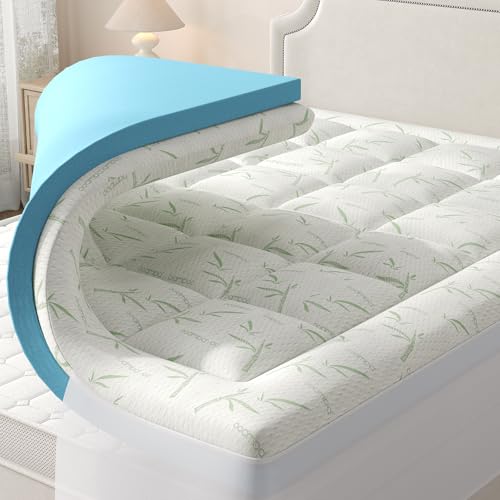
- 【Upgrade 2 In 1 Dual Layer Design】Combines a 2 inch cooling gel-infused...
- 【Relieve Pain & Contouring Support】This topper softens firm mattresses and...
- 【Ultra Cooling & Breathable】The innovative fiber pillowtop cover uses...
Mattress Topper Thickness and Sleep Quality
Selecting the correct topper depth is more than just a comfort choice; it’s a decision that affects your sleep posture and health. The right thickness can transform a mattress, addressing specific issues like pressure points or excessive firmness.
How Topper Thickness Impacts Support and Comfort
The depth of a mattress topper determines how much it can alter the feel of your existing bed. A thin layer provides minor adjustments, while a thicker pad offers significant cushioning and contouring.
- Pressure Relief: Thicker toppers, typically 3 inches or more, excel at cushioning hips and shoulders for side sleepers.
- Support Layer: A medium thickness of 2 to 3 inches often combines comfort with maintained support for proper spinal alignment.
- Surface Feel: Thin toppers, around 1 to 2 inches, primarily change the surface texture without drastically altering mattress firmness.
Key Factors for Choosing Your Ideal Thickness
Your perfect topper depth depends on several personal and practical factors. Consider these elements before making your purchase to ensure optimal results.
Your primary sleep position is the most critical factor. Furthermore, your body weight influences how much a topper will compress and feel.
- Sleep Position: Side sleepers generally need 3+ inches, back sleepers suit 2-3 inches, and stomach sleepers often prefer 2 inches or less.
- Body Weight: Heavier individuals may compress a topper more, potentially requiring a thicker profile for adequate cushioning.
- Mattress Condition: A severely sagging mattress needs a thicker, more supportive topper, while a slightly firm new bed may only need a thin comfort layer.
Mattress Topper Thickness Guide by Material Type
Different topper materials perform uniquely at various depths. The ideal thickness for you depends heavily on whether you choose memory foam, latex, or feather.
Memory Foam and Latex Topper Thickness Options
These are the most popular materials, each with distinct compression and support profiles. Their performance changes significantly with added inches.
- Memory Foam (2-4 inches): Requires sufficient depth to properly contour. A 2-inch topper offers noticeable pressure relief, while 3-4 inches creates a deep, plush “sinking” feel.
- Latex (2-3 inches): Naturally more supportive and bouncy. A 2-inch latex topper can provide the same level of support as a 3-inch memory foam one, making it ideal for those who want cushioning without too much sink.
- Density Matters: A 3-inch, high-density foam will feel firmer and more supportive than a 3-inch low-density foam of the same material.
Choosing Thickness for Feather, Wool, and Fiberfill Toppers
These traditional fill materials offer a different type of comfort focused on softness and temperature regulation. Their loft and compression are key considerations.
They tend to compress more over time and with weight. Therefore, a thicker initial profile is often necessary to maintain longevity and comfort.
- Feather/Down (3+ inches): Best at greater depths (3 to 4 inches) to create a fluffy, cloud-like surface that doesn’t flatten completely. Provides minimal support but maximum plushness.
- Wool or Fiberfill (2-3 inches): Often used in combination with other materials. A 2-inch wool topper adds breathable cushioning, while a 3-inch version offers more pronounced softness and insulation.
- Maintenance Note: These toppers often require fluffing to maintain their loft and intended thickness over time.
Practical Considerations and Thickness Recommendations
Beyond comfort, practical factors like bed height, fitted sheets, and budget are crucial in your final decision. Let’s explore how thickness interacts with everyday use.
Bed Height, Sheet Fit, and Other Physical Constraints
Adding a topper increases the height of your mattress. This can affect aesthetics, accessibility, and even safety if the bed becomes too tall.
Always measure your bed’s current height and the depth of your fitted sheets. Standard deep-pocket sheets typically accommodate up to 15 inches total.
- Total Height: A 3-inch topper on a 10-inch mattress creates a 13-inch profile, which most deep-pocket sheets will fit.
- Bed Frame Compatibility: Ensure the new total height doesn’t exceed your headboard or footboard slots.
- Ease of Use: A very thick topper can make getting in and out of bed difficult, especially for children or individuals with mobility concerns.
Step-by-Step Guide to Finalizing Your Thickness Choice
Follow this simple process to narrow down the best mattress topper thickness for your specific situation. This method combines all the factors discussed.
- Identify Your Need: Decide if you need major comfort change (thicker) or a slight adjustment (thinner).
- Match Material to Position: Select your preferred material type, then apply the standard thickness guidelines for your sleep position.
- Check Practical Limits: Verify the chosen thickness works with your sheets, bed frame, and budget before purchasing.
| Sleep Position | Recommended Thickness | Primary Benefit |
|---|---|---|
| Side Sleeper | 3 to 4 inches | Deep pressure relief for hips & shoulders |
| Back Sleeper | 2 to 3 inches | Balanced contouring and support |
| Stomach Sleeper | 1 to 2 inches | Minimal sinkage for spinal alignment |
| Combination Sleeper | 2 to 3 inches | Versatile comfort for changing positions |
Common Thickness Mistakes and How to Avoid Them
Choosing the wrong topper depth is a common error that leads to discomfort and wasted money. Recognizing these pitfalls can save you from buyer’s remorse and ensure long-term satisfaction.
Overlooking Your Existing Mattress Condition
A topper is a comfort layer, not a structural fix. The state of your current mattress is the most critical factor many people ignore when selecting thickness.
- Sagging Mattress: Adding a thin 1-2 inch topper to a deeply sagging bed will not provide adequate support. The topper will conform to the dip, failing to correct the underlying issue.
- Extremely Firm Mattress: If your mattress feels like a rock, a thin topper may be insufficient. A thicker profile (3+ inches) of a soft material is often needed to create a noticeable comfort change.
- Assessment Tip: Place a straight edge or broomstick across your mattress. If the sag in the middle is greater than 1.5 inches, a topper alone may not be the complete solution.
Misunderstanding the Relationship Between Thickness and Firmness
Thickness and firmness are related but distinct characteristics. A thicker topper is not automatically softer, and a thinner one is not always firmer.
The material’s density and construction dictate firmness. You can have a very firm 4-inch topper or a very soft 2-inch topper. Always check the product’s firmness rating (soft, medium, firm) in addition to its thickness.
Ignoring Trial Periods and Return Policies
Comfort is highly subjective and difficult to judge from online descriptions alone. The feel of a topper in your home is the only true test.
- Always Verify: Before purchasing, confirm the company offers a sleep trial or a reasonable return window. A 30-night trial is a good minimum target.
- Allow Adjustment Time: Your body may need a few nights to adapt to a new sleep surface, especially with memory foam, which softens with body heat.
- Check Return Costs: Some companies require you to pay for return shipping on bulky items like mattress toppers, which can be expensive.
Specialized Thickness Needs and Final Decision Tips
Certain sleepers and situations require tailored thickness considerations. From managing pain to accommodating two sleepers, these scenarios demand a more nuanced approach.
Choosing Thickness for Pain Relief and Medical Needs
For those with back pain, arthritis, or other conditions, topper thickness becomes a therapeutic choice. The goal is to offload pressure without compromising spinal support.
- Chronic Pain (Back/Hips): A medium-thickness topper (2-3 inches) of medium-firm memory foam or latex often works best. It provides cushioning without the excessive sink that can misalign the spine.
- Pressure Sores or Sensitivity: A thicker (3-4 inch), soft topper made of viscoelastic foam or airy fiberfill can create a protective, pressure-dissipating buffer.
- Consult a Professional: If pain is severe, consult a physical therapist or occupational therapist. They can recommend specific support surfaces and appropriate thickness for your condition.
Finding the Right Thickness for Couples and Split Kings
When two people share a bed, compromise on firmness and thickness is common. Fortunately, modern solutions allow for personalized comfort on each side.
The most effective solution is a split topper (two separate twin XL toppers on a king bed). This allows each person to choose their ideal thickness and material without affecting their partner’s side.
- Differing Weights: A heavier partner may need a thicker or higher-density topper on their side to prevent bottoming out, while a lighter partner uses a standard thickness.
- Motion Isolation: Thicker memory foam toppers (3+ inches) excel at absorbing movement, preventing disturbance when one person shifts or gets out of bed.
- Sleep position and primary comfort need are identified.
- Material type and its corresponding ideal thickness range are selected.
- Body weight and mattress condition have been factored in.
- Total bed height is compatible with sheets and bed frame.
- The retailer offers a reliable trial period or return policy.
Long-Term Performance and Thickness Maintenance
Your topper’s thickness and performance will change over time. How to care for it and when to expect replacement ensures your investment continues to deliver comfort.
How Thickness Affects Durability and Lifespan
Generally, a thicker topper made of quality materials will last longer than a thin one. It has more material to compress before losing its supportive properties.
- Compression Over Time: All toppers will compress slightly with use. A 3-inch topper that compresses 0.5 inches still provides 2.5 inches of comfort, whereas a 1.5-inch topper compressed the same amount offers only 1 inch.
- Material Quality: High-density foams and natural latex retain their shape and thickness far longer than low-density polyfoam or feather clusters, which can flatten permanently.
- Warranty as a Guide: A longer warranty often indicates the manufacturer expects the topper to maintain its supportive thickness for more years.
Care Instructions to Preserve Your Topper’s Thickness
Proper maintenance is essential to slow down the natural compression process and extend the usable life of your topper’s plush profile.
Always follow the manufacturer’s specific care label. However, some universal practices help maintain loft and hygiene.
- Use a Protector: A waterproof, breathable mattress protector is non-negotiable. It prevents stains, moisture, and dust mites from degrading the materials.
- Rotate Regularly: Every 3-6 months, rotate your topper 180 degrees (head to foot). This ensures even wear and compression across its surface.
- Air it Out: When changing sheets, allow the topper to breathe for 30 minutes. For foam toppers, avoid direct sunlight which can break down the material.
Best Mattress Topper Thickness Recommendations
Based on common thickness needs, here are three highly-rated options. Each excels for specific sleep positions and comfort goals, helping you find the right depth.
ChiXpace Dual Layer 4 Inch Memory Foam Mattress Topper – Best for Deep Pressure Relief
This 4-inch topper is ideal for side sleepers and those needing maximum cushioning. Its dual-layer design combines 2 inches of cooling gel foam with 2 inches of supportive base foam for a plush yet supportive feel that tackles pressure points.
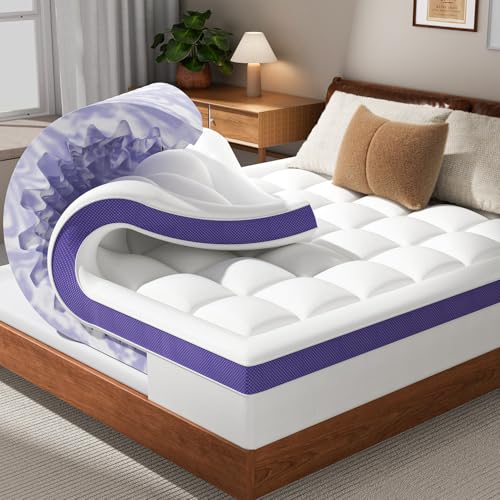
- Dual-Layer Design: This is Queen (60" x 80") size mattress topper. Our mattress...
- Comfortable Support: The memory foam with an egg-crate pattern provides...
- Cooling & Breathable: The ultra-soft fabric and premium gel-infused memory foam...
Sleep On Latex Pure Green Natural Latex Mattress Topper – Best for Supportive Contouring
Available in 2-inch and 3-inch profiles, this natural latex topper offers responsive, buoyant support. The 3-inch thickness is perfect for back sleepers or anyone who wants cushioning without sinking, providing excellent durability and breathability.
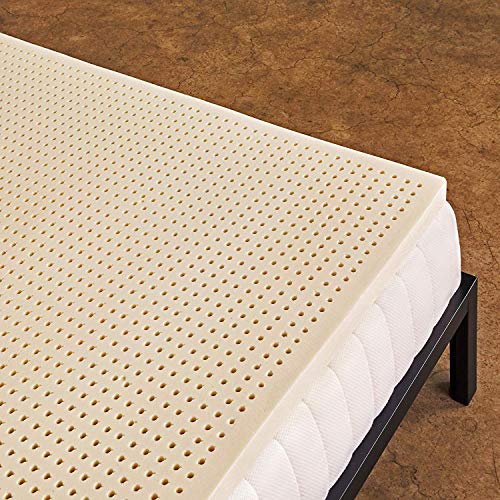
- Soft - Great for Adding Softness to the Surface of a Mattress
- Adjusts to Your Body Instantly - Latex Foam Naturally Stays Cool
- Made of Natural Latex Harvested from Organically Grown Rubber Trees
NicePlus Dual Layer 4 Inch Memory Foam Mattress Topper – Best for Firm Mattress Transformation
Transform an overly firm mattress with this 4-inch dual-layer topper. It features a soft, ventilated top layer and a high-density support core, making it an excellent choice for couples due to its superior motion isolation and deep comfort.
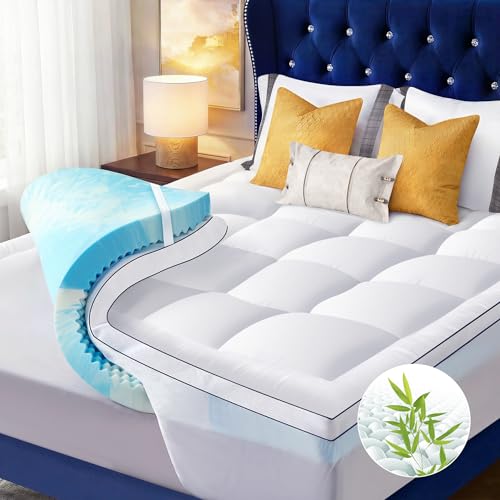
- 2-in-1 Double-Layer Mattress Topper: Featuring a dual-layer structure, designed...
- Relieves Pain & Supports Restful Sleep: The soft mattress topper bottom features...
- Cooling & Breathable: The 4 inch mattress topper fabric contains 40% Viscose...
Conclusion
Choosing the right mattress topper thickness is a balance of personal comfort, sleep position, and practical needs. From material type to your existing mattress condition, each factor plays a crucial role in the final decision.
The main point is to match the topper’s depth to your primary sleep need: thin for slight adjustments, medium for balanced support, and thick for deep pressure relief. By carefully considering the guidelines outlined, you can confidently select a topper that enhances your sleep for years to come.
Frequently Asked Questions about What Thickness Topper Is Right For You
What is the most popular mattress topper thickness?
The 3-inch mattress topper is often considered the most versatile and popular thickness. It provides a substantial comfort upgrade for most sleepers without being excessively plush. This depth effectively relieves pressure points while still offering adequate support for spinal alignment.
It strikes an ideal balance for combination sleepers and works well with various materials like memory foam and latex. For many, a 3-inch topper transforms a mattress feel without the potential drawbacks of a very thick profile.
Can I use a mattress topper to fix a sagging mattress?
A topper can mask minor sagging or body impressions but cannot fix structural failure. It adds a new comfort layer on top of the existing problem. For small dips, a thicker, firmer topper (3+ inches) may help create a more even surface temporarily.
However, if the sag is deep or the mattress is old and broken down, the underlying lack of support remains. In such cases, a topper will eventually conform to the sag, and replacing the mattress is the only permanent solution.
How does my weight affect which topper thickness I need?
Body weight significantly impacts how a topper feels and performs. Heavier individuals compress materials more, which can cause them to “bottom out” on a thin topper. They often require a thicker profile (3-4 inches) or a higher-density material to achieve adequate cushioning and support.
Lighter sleepers may find a thick topper feels too firm or non-conforming, as they cannot compress it enough. They often achieve better comfort and contouring with a medium-thickness topper (2-3 inches).
Is a thicker topper always better for side sleepers?
Generally, yes, side sleepers benefit most from thicker toppers (3 to 4 inches) to cushion the hips and shoulders. This extra depth allows for proper contouring, keeping the spine aligned by filling the gap at the waist. It prevents pressure points that can cause numbness and pain.
However, the material’s firmness is also critical. An overly soft, thick topper can still allow misalignment. The best combination for side sleepers is a thicker topper with a medium-firm feel to provide both cushioning and support.
Will a mattress topper make my bed sleep hotter?
It depends on the material. Traditional memory foam can retain body heat, and a thicker layer may amplify this effect. However, many modern toppers incorporate cooling technologies like gel infusions, copper, or open-cell structures to improve airflow.
Materials like natural latex and wool are naturally breathable and less likely to sleep hot, regardless of thickness. Always check for cooling features if temperature regulation is a concern, and consider using breathable, natural fiber sheets.
How often should I replace my mattress topper?
A good quality mattress topper typically lasts between 3 to 5 years with proper care. Signs it needs replacing include permanent loss of comfort, visible sagging or indentations that don’t rebound, and increased allergy symptoms. The material breaking down reduces its supportive properties.
Regular maintenance, like using a protector and rotating the topper, can extend its lifespan. Higher-density foams and natural latex generally offer greater durability and maintain their shape and thickness longer than lower-quality materials.