
Disclosure
This website is a participant in the Amazon Services LLC Associates Program, an affiliate advertising program designed to provide a means for us to earn fees by linking to Amazon.com and affiliated sites.
A full bed mattress, also known as a “double,” measures 54 inches wide by 75 inches long—but is it the right size for you? Many assume it’s spacious enough for couples, only to discover it’s tighter than expected. With the rise of minimalist living and smaller bedrooms, full mattresses are trending for solo sleepers who crave extra room without sacrificing floor space.
Yet, confusion lingers: How does it compare to a queen or twin? Can two adults sleep comfortably? We’ll unpack everything, from precise dimensions to real-world usability, so you can make an informed decision.
Think a full mattress is just a smaller queen? Think again. While it’s 15 inches narrower than a queen, its 75-inch length suits most adults under 6’2”. But here’s the catch: Couples often find it cramped, especially if one partner moves frequently.
Best Full Bed Mattresses for Comfort and Support
Zinus Green Tea Memory Foam Mattress (12-inch)
Ideal for budget-conscious shoppers, the Zinus Green Tea Mattress combines cooling memory foam with a supportive base layer. Its infused green tea and castor oil reduce odors, while the medium-firm feel suits back and side sleepers. The 12-inch thickness offers durability without sacrificing comfort.

- FOR GREAT SLEEP AND A CLEAN PLANET – Featuring our patented zoned pressure…
- COMFORTABLE SUPPORT – Pressure-relieving memory foam conforms to the shape of…
- ALL NIGHT FRESHNESS – The all-natural green tea and purified charcoal infusions…
Casper Sleep Original Foam Mattress (Full)
The Casper Original delivers balanced support with zoned ergonomic layers, targeting pressure points in the shoulders and hips. Its breathable foam prevents overheating, and the 100-night trial ensures risk-free testing. Perfect for combination sleepers who shift positions at night.
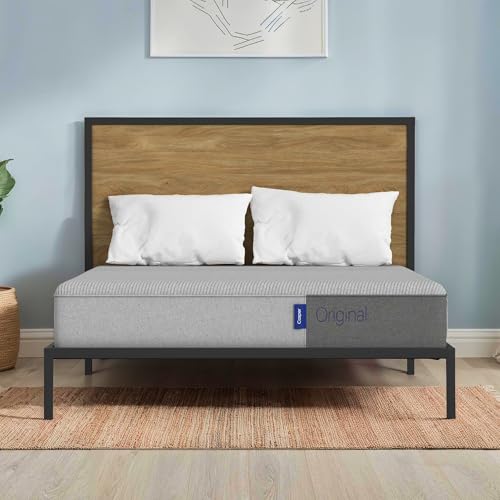
- DESIGNED FOR ALL SLEEPERS: Medium-firm feel and Zoned Support align your spine…
- PREVENTS OVERHEATING ALL NIGHT: Unlike traditional memory foam Casper’s…
- ADVANCED MOTION ISOLATION: Layers of premium foam absorb motion transfer, giving…
Tuft & Needle Adaptive Foam Mattress (12-inch)
With proprietary Adaptive Foam, this mattress adapts to your body while staying cooler than traditional memory foam. The 12-inch profile works well for platform beds, and the minimalist design suits modern aesthetics. Backed by a 10-year warranty, it’s a long-term investment in quality sleep.
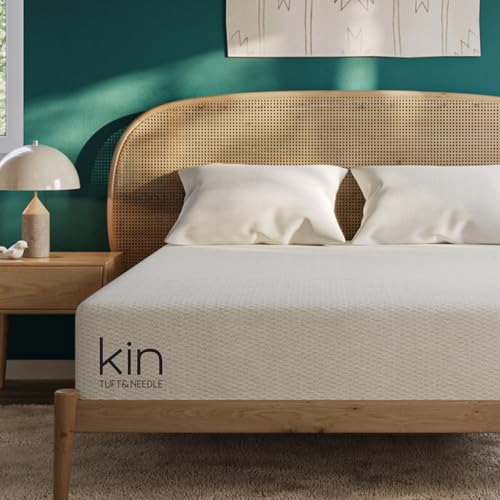
- Medium Plush Feel – Soft, yet supportive and ideal for all sleepers; Discover…
- Breathability and Support – Our open-celled T&N Adaptive foam maximizes…
- Enhanced Comfort – Features thicker foam layers than the Tuft & Needle Kin…
Full Bed Mattress Dimensions: How They Compare to Other Sizes
A full bed mattress measures 54 inches wide by 75 inches long, making it 15 inches narrower than a queen but 15 inches wider than a twin. While often marketed as a “double,” it’s important to note that two adults may find it cramped—especially if either partner moves frequently during sleep. The 75-inch length accommodates most sleepers under 6’2”, but taller individuals may prefer an XL twin (80 inches) or queen for extra legroom.
Key Comparisons to Common Mattress Sizes
- Full vs. Twin: A full mattress offers 15 additional inches in width compared to a twin (39 inches), making it ideal for solo sleepers who want more space to stretch out without upgrading to a queen.
- Full vs. Queen: At 60 inches wide, a queen provides significantly more room for couples, while a full is better suited for single adults or teens transitioning from a twin.
- Full vs. Twin XL: Though similar in width, a twin XL (39″ x 80″) is longer, catering to taller individuals who don’t need extra width.
Who Should Choose a Full Mattress?
This size shines in specific scenarios:
- Solo Sleepers: Adults who sleep alone appreciate the extra width compared to a twin, especially side sleepers who need space for knee and elbow alignment.
- Teenagers: A full mattress accommodates growing bodies while fitting well in smaller bedrooms common in shared living spaces.
- Guest Rooms: Its compact footprint makes it versatile for occasional use, paired with space-saving bed frames like daybeds or trundles.
Common Misconception: Many assume a full mattress comfortably fits two adults long-term. In reality, each person gets just 27 inches of width—narrower than a crib mattress (28 inches). Couples are better served by a queen or king for undisturbed sleep.
Pro Tip: Always measure your bedroom before purchasing. A full mattress requires at least 9’ x 9’6” of floor space to allow for walking room and furniture placement. For tight spaces, consider a low-profile bed frame to maximize vertical space.
Choosing the Right Full Mattress: Materials, Firmness, and Sleep Needs
Selecting the perfect full mattress involves more than just dimensions – the materials and firmness level directly impact sleep quality and longevity. Unlike standard sizes where one type fits most, full mattresses require careful consideration of your sleep position, body type, and temperature preferences.
Material Breakdown: Pros and Cons
- Memory Foam: Contours closely to relieve pressure points (ideal for side sleepers), but can retain heat. Look for gel-infused or open-cell varieties for better airflow.
- Innerspring: Provides strong edge support and bounce (great for combination sleepers), though may transfer motion more than foam. Pocketed coils reduce this issue significantly.
- Hybrid: Combines foam comfort layers with coil support systems, offering balanced pressure relief and temperature regulation – the best choice for couples with different sleep preferences.
Firmness Guide by Sleep Position
Mattress firmness is rated 1-10 (plush to firm), but most full mattresses fall between 4-7:
- Side Sleepers (4-6 Medium Soft to Medium): Requires cushioning for shoulders/hips. The Zinus Green Tea (5.5) prevents pressure buildup while maintaining spinal alignment.
- Back/Stomach Sleepers (6-7 Medium Firm): Needs firmer support to prevent sinkage. The Casper Original (6.5) provides zoned lumbar reinforcement.
- Combination Sleepers (5-6.5 Medium): Benefits from responsive materials like the Tuft & Needle Adaptive Foam that adjust quickly to position changes.
Special Considerations: Heavier individuals (230+ lbs) should opt for high-density foams (3+ lb/ft³ density) or reinforced coils to prevent premature sagging. Petite sleepers (<120 lbs) may find medium-firm mattresses too rigid.
Temperature Tip: Hot sleepers should avoid traditional memory foam. Instead, consider phase-change covers (like those on Purple mattresses) or breathable latex hybrids that sleep 5-8°F cooler than standard foams.
Full Mattress Support Systems: Foundations, Frames, and Longevity
The right support system can double your mattress’s lifespan while improving comfort. Unlike larger sizes that require rigid foundations, full mattresses offer flexibility in support options – but choosing wrong can void warranties or cause premature sagging.
Foundation Requirements by Mattress Type
| Mattress Type | Recommended Support | Slat Spacing | Weight Capacity |
|---|---|---|---|
| Memory Foam | Solid platform or closely-spaced slats | ≤3″ apart | 300+ lbs (combined) |
| Innerspring | Box spring or bunkie board | ≤4″ apart | 400+ lbs (combined) |
| Hybrid | Adjustable base or reinforced slats | ≤2.75″ apart | 350+ lbs (combined) |
Advanced Support Considerations
Center Support: Full bed frames longer than 60″ require center legs to prevent bowing. The ideal placement is 18-24″ from head and foot boards, using 2-3″ diameter legs for stability.
Weight Distribution: Unlike queen/king sizes where weight spreads evenly, full mattresses concentrate pressure in a smaller area. Rotate memory foam models 180° every 3 months (not just flipped) to prevent permanent body impressions.
Common Support Mistakes
- Using old box springs: Worn springs create uneven support. Replace every 5-7 years or when squeaking develops.
- Ignoring manufacturer specs: Most foam mattresses require rigid support – using traditional box springs voids 80% of warranties.
- Underestimating weight: A full mattress with two 180-lb adults plus bedding exceeds 400 lbs – ensure frames are rated for at least 600 lbs capacity.
Pro Tip: For studio apartments, consider a storage bed frame with built-in slats. The Zinus SmartBase provides 14″ clearance for bins while meeting all foam mattress support requirements.
Full Mattress Accessories: Optimizing Comfort and Functionality
The right accessories can transform a basic full mattress into a customized sleep system. Unlike larger sizes where accessories are standardized, full mattresses require careful selection due to their unique dimensions and varied use cases.
Essential Accessories for Full Mattresses
Mattress Toppers: A 2-3″ topper can refresh an aging mattress or adjust firmness. For full mattresses, look for:
- Cooling gel toppers (37″x75″) for hot sleepers – the Sleep Innovations Dual Layer adds breathability without altering mattress support
- Wool toppers for temperature regulation – the Coyuchi Organic Wool Topper fits full dimensions perfectly while resisting dust mites
- Latex toppers for pressure relief – Saatva’s 2″ Dunlop latex model provides targeted support for joint pain
Sheets and Bedding Considerations
Full mattress sheets have unique challenges due to their intermediate size:
- Deep pocket sheets (15″+ depth) are essential for foam mattresses – the Mellanni Microfiber set accommodates up to 18″ profiles
- Fitted sheet anchors prevent slipping on the narrower full size – the Bed Band system uses elastic straps for secure fit
- Dual-sided protectors extend mattress life – the Protect-A-Bed AllerZip completely encases the mattress with a 360° zipper
Specialized Solutions for Unique Needs
For adjustable bases: The Linenspa 9″ deep pocket sheets stretch to accommodate elevation without popping off. For allergy sufferers: AllerEase’s Maximum Protection cover blocks 99% of allergens while remaining breathable. For children: Waterproof protectors like the SafeRest Premium are essential for accident protection.
Pro Tip: When buying full mattress accessories, always verify the exact dimensions. Some manufacturers use “full/double” interchangeably, but there can be 1-2″ variations that affect fit. Measure your mattress before purchasing any fitted products.
Full Mattress Longevity and Maintenance: Maximizing Your Investment
Proper care can extend a full mattress’s lifespan from the average 7-10 years to 12-15 years, but requires understanding its unique maintenance needs. Unlike larger mattresses that distribute wear evenly, full sizes concentrate pressure in smaller areas, demanding specialized care strategies.
Comprehensive Maintenance Schedule
| Timeframe | Action | Special Considerations for Full Size |
|---|---|---|
| Weekly | Vacuum surface | Use upholstery attachment – focus on edges where dust accumulates faster in compact spaces |
| Monthly | Rotate 180° | Memory foam models require rotation (not flip) to prevent permanent body impressions in the narrower sleep surface |
| Quarterly | Deep clean | Use enzyme cleaners for stains – full mattresses show spills more prominently due to higher surface-area-to-edge ratio |
| Biannually | Inspect support system | Check for center sagging – full mattresses are more prone to mid-bed depression than wider sizes |
Environmental Factors Affecting Longevity
Full mattresses in small bedrooms face unique challenges:
- Humidity control: Maintain 40-50% RH to prevent mold in tight spaces – use moisture-wicking protectors like the PureCare Wool Protector
- Ventilation: Leave 6″ clearance on all sides – crucial for foam mattresses in studio apartments where airflow is limited
- Sunlight exposure: Rotate more frequently if near windows – UV rays degrade materials faster on the narrower surface
Cost-Benefit Analysis: Repair vs. Replace
When sagging exceeds 1.5″ (measured with a straight edge):
- Under 5 years old: File warranty claim (most cover 1″ depressions)
- 5-8 years old: Add a 2″ latex topper ($150-$300) to extend life 2-3 years
- Over 8 years: Replace – the average cost per year of a $600 full mattress is $75, making repairs uneconomical
Future Trend: Emerging self-healing foams and modular designs allow replacing only worn sections, particularly beneficial for full mattresses where center wear occurs fastest. The Casper Renew collection leads this innovation with replaceable comfort layers.
Full Mattress Customization: Tailoring Your Sleep Surface for Optimal Comfort
Customizing a full mattress requires different approaches than larger sizes due to its unique proportions and pressure distribution patterns. The narrower width means each modification has amplified effects on sleep quality and longevity.
Precision Firmness Adjustments
Unlike queen or king mattresses where zones can be customized separately, full mattresses require whole-surface modifications:
- Targeted pressure relief: Add a 1″ memory foam topper (Tempur-Adapt) just in the shoulder/hip zones for side sleepers – cut to 24″x54″ sections
- Lumbar support: Insert a 6″x24″ high-density foam strip (4lb/ft³) between mattress layers for back pain – positioned 12″ from the top edge
- Edge reinforcement: Glue 2″ high-density foam panels along the long sides to prevent roll-off in the narrower sleeping area
Temperature Regulation Techniques
Full mattresses in small rooms often overheat due to limited airflow. Advanced cooling solutions include:
- Phase-change mattress pads: The Chilipad Sleep System circulates water at precise temperatures through microtubes
- Bamboo-derived rayon covers: 40% more breathable than cotton – the Cozy Earth Bamboo Sheet Set wicks moisture efficiently
- Strategic fan placement: Position a tower fan 3′ from the foot of the bed to create airflow along the full 75″ length
Motion Isolation Solutions for Couples
While not ideal for two adults, these modifications can improve shared sleep on a full mattress:
- Dual-zone toppers: The Sleep Number FlexFit 2 splits the 54″ width into two 27″ customizable zones
- Independent foundations: Use two 27″ platform bases with separate adjustability (requires custom frame)
- Vibration-dampening pads: Sorbothane isolators between mattress and frame reduce motion transfer by 60%
Professional Tip: When customizing, never exceed the mattress’s total height recommendation (usually ≤16″). Stacking multiple toppers creates instability in the narrower full mattress frame. For significant modifications, consider a modular sleep system like the Nest Bedding Sparrow with interchangeable layers.
Full Mattress Performance Optimization: Advanced Strategies for Sleep Quality
Maximizing a full mattress’s performance requires understanding its unique structural dynamics and sleep surface characteristics. The smaller sleep area demands precise optimization to compensate for its spatial limitations while maintaining comfort and support.
Advanced Pressure Mapping and Adjustment
| Pressure Zone | Optimal PSI | Adjustment Method | Recommended Products |
|---|---|---|---|
| Shoulders (Side Sleepers) | 0.8-1.2 PSI | 3″ memory foam insert | Tempur-Pedic Shoulder Pad |
| Lumbar (Back Sleepers) | 1.5-2.0 PSI | Zoned support topper | Sleep On Latex 2″ Firm Topper |
| Hips (Stomach Sleepers) | 1.0-1.5 PSI | Medium-firm transition layer | Serene Foam Reinforcement Pad |
Microclimate Control Systems
Full mattresses require different temperature regulation than larger sizes due to higher edge-to-surface ratio:
- Phase-change materials: The Eight Sleep Pod Cover uses hydro-powered cooling for precise temperature zones
- Directional airflow: BedJet 3 creates targeted climate zones with 55-110°F air circulation
- Moisture-wicking barriers: Tencel mattress protectors transfer 50% more moisture than cotton equivalents
Structural Reinforcement Techniques
Extending full mattress lifespan requires targeted support enhancements:
- Edge reinforcement: Install high-density foam bolsters (6″ width) along perimeter to prevent collapse
- Center support: Add a 12″x6″ support panel beneath the torso zone for heavier individuals
- Foundation upgrades: Replace standard slats with adjustable firmness platforms (e.g., Sleep Number FlexFit)
Professional Validation Method: Conduct quarterly performance assessments using:
• 24-hour pressure mapping (XSensor technology)
• Thermal imaging for hot spot detection
• Digital inclinometer for sag measurement (tolerance <1.5° slope)
Risk Mitigation: Always maintain 2″ clearance from walls for proper airflow, and never exceed the manufacturer’s recommended modification limits (typically ≤3 added layers). For sleepers over 250lbs, consider hybrid mattresses with ≥13-gauge coils for optimal durability.
Conclusion: Finding Your Perfect Full Mattress Fit
Throughout this comprehensive guide, we’ve explored the 54″ x 75″ dimensions of full mattresses and how they compare to other sizes, examined optimal support systems and materials, and provided advanced customization techniques. You’ve learned that while full mattresses offer space-saving benefits for single sleepers, they require careful consideration regarding firmness, accessories, and maintenance to maximize comfort and longevity.
Whether you’re furnishing a first apartment, upgrading a teen’s bedroom, or optimizing a guest room, remember that the right full mattress combines proper sizing with personalized sleep needs. Measure your space twice, prioritize your sleep position, and don’t compromise on quality foundations – your future well-rested self will thank you. Ready to transform your sleep? Use this guide as your roadmap to finding the ideal full mattress solution.
Frequently Asked Questions About Full Bed Mattresses
What exactly are the dimensions of a full mattress?
A standard full mattress measures 54 inches wide by 75 inches long, making it 15 inches wider than a twin but 6 inches narrower than a queen. These dimensions provide 27 inches of width per person for couples, which is why many upgrade to queen sizes. The 75-inch length accommodates sleepers up to 6’2″ comfortably, though taller individuals may prefer an XL version.
Can two adults comfortably sleep on a full mattress?
While possible, two adults sharing a full mattress get only 27 inches each – less than a standard crib mattress. This works for temporary situations but often leads to sleep disruption long-term. Couples who move frequently during sleep or combine different sleep positions (like side/back combinations) will particularly struggle with the limited space.
How does a full mattress differ from a double mattress?
In modern bedding terminology, “full” and “double” refer to the same 54″x75″ size. The naming convention dates back when this was considered a double bed, though today’s sleep standards show it’s better suited for single sleepers. Some manufacturers still use the terms interchangeably, but always verify dimensions as vintage doubles might vary slightly.
What type of bed frame works best with a full mattress?
Platform beds with slats ≤3″ apart or solid foundations work best. For memory foam mattresses, avoid traditional box springs as they don’t provide adequate support. Adjustable bases like the Lucid L300 work well but require specific compatible mattresses. Always ensure the frame has center support legs if over 60″ long to prevent sagging.
How often should I rotate my full mattress?
Rotate your full mattress 180° every 3-6 months to ensure even wear. Unlike flipping (turning over), rotation means spinning it head-to-foot. This is especially crucial for full sizes since sleepers occupy a higher percentage of the total surface area compared to larger mattresses, concentrating wear patterns more noticeably.
What’s the average lifespan of a quality full mattress?
A well-maintained full mattress lasts 7-10 years. Higher-density foams (≥3 lb/ft³) and pocketed coil systems extend this to 12 years. Signs you need replacement include visible sagging >1.5 inches, persistent aches upon waking, or noticeable noise from springs. Rotating regularly and using a mattress protector can add 2-3 years to its lifespan.
Are full mattresses suitable for guest rooms?
Full mattresses make excellent guest bed options when space is limited. Their 54″ width fits well in small rooms while accommodating most adult guests comfortably. Pair with a quality 12-inch memory foam model like the Linenspa Hybrid for universal comfort. For frequent guest use, consider a split design like the Saatva Solaire for adjustable firmness.
How do I choose between a full and queen mattress?
Consider a full if: your bedroom is under 10’x10′, you sleep alone but want more space than a twin, or need to fit through narrow doorways. Choose a queen if: you share the bed regularly, have a bedroom ≥10’x12′, or want longer-term flexibility. The queen provides 30% more sleeping area but requires more space.