
Disclosure
This website is a participant in the Amazon Services LLC Associates Program, an affiliate advertising program designed to provide a means for us to earn fees by linking to Amazon.com and affiliated sites.
Daylight savings time (DST) is more than just adjusting clocks twice a year—it’s a global practice with surprising impacts on health, economy, and daily life.
You might think it’s just about “saving daylight,” but the reality involves complex trade-offs, from energy use to sleep disruption. As debates grow over its relevance in modern society, understanding DST’s origins and effects becomes crucial.
Many assume daylight savings benefits everyone, but studies reveal unintended consequences, like increased heart attack risks post-time change.
Best Clocks and Gadgets for Adjusting to Daylight Savings
Philips SmartSleep Wake-Up Light HF3520
This sunrise-simulating alarm clock gradually brightens to mimic natural dawn, easing the transition during daylight savings. Its 20 brightness levels and sunset feature help regulate circadian rhythms, reducing grogginess. Ideal for those struggling with darker mornings in winter.
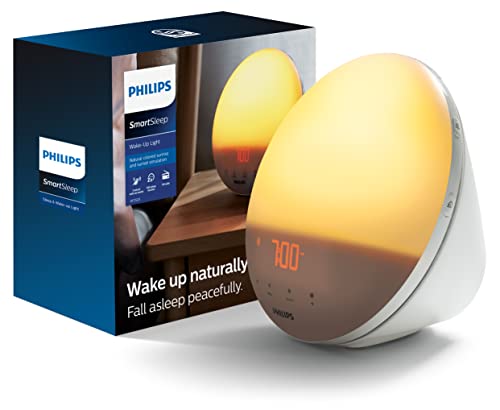
- CLINICALLY PROVEN*: Philips wake-up lights are recommended by physicians and…
- PERSONALIZATION: Simulated sunset and sunrise and choice of 5 different natural…
- SMART FEATURES: FM radio, tap snooze and automatic dimmable display
Casio Wave Ceptor
A self-adjusting atomic clock that syncs with radio signals for pinpoint accuracy—no manual changes needed during DST shifts. The WV-200E’s solar-powered design ensures reliability, while its large display shows dual time zones, perfect for travelers.

- 200M Water Resistance provide safety during water activities
- Self-Adjusting Atomic Timekeeping ensures you’re always on-time with automatic…
- Illuminator function provides added visibility in darker environments
Hatch Restore 2
Combining a smart alarm, sunrise light, and white noise machine, the Restore 2 personalizes sleep routines disrupted by time changes. Its app-controlled settings adapt to seasonal shifts, offering guided wind-down routines to combat daylight savings fatigue.

- This product is Restore 2. Please note there is now an upgraded version also…
- …
- …
The History and Purpose of Daylight Savings Time
Daylight Savings Time (DST) was first proposed in 1895 by New Zealand entomologist George Hudson, who wanted more daylight hours for collecting insects.
However, it wasn’t widely adopted until World War I, when Germany implemented it in 1916 to conserve coal by reducing artificial lighting needs. The U.S. followed suit in 1918 with the Standard Time Act, though it was repealed after the war and reinstated during World War II for similar energy-saving reasons.
How Daylight Savings Works
DST involves moving clocks forward by one hour in spring (“spring forward”) and back by one hour in fall (“fall back”). This shift aims to align waking hours with natural daylight:
- Spring: Longer evenings reduce reliance on artificial light, theoretically saving energy.
- Fall: Reverting to standard time provides more morning daylight, benefiting early risers like schoolchildren.
For example, in the U.S., DST runs from the second Sunday in March to the first Sunday in November, though dates vary globally.
Debunking Common Myths
A persistent myth is that DST was created for farmers, but agricultural groups often oppose it because livestock and crops operate on sunlight, not clocks.
Another misconception is universal energy savings—modern studies show marginal benefits due to increased air conditioning use in warmer evenings. For instance, a 2008 U.S. Department of Energy report found DST reduced electricity use by just 0.5%.
Global Adoption and Variations
Not all countries observe DST. Near the equator, daylight hours barely fluctuate, making DST irrelevant. Meanwhile, the European Union planned to abolish DST in 2021 but postponed the decision due to logistical challenges. Arizona (except the Navajo Nation) and Hawaii skip DST entirely, citing minimal daylight variation and energy impact.
The Health and Productivity Impacts of Daylight Savings Time
How Time Changes Affect Your Body
Our circadian rhythms – the body’s internal 24-hour clock – take days to adjust to even one-hour time shifts. The spring transition is particularly disruptive because it forces us to wake up earlier relative to sunrise. Studies show this causes:
- Increased heart attack risk: A 2014 University of Michigan study found a 24% spike in heart attacks on the Monday after springing forward
- Sleep deprivation: The average person loses 40 minutes of sleep that first night, with effects lasting nearly a week
- Workplace accidents: Mining injury rates rise 6% following the spring transition according to Journal of Applied Psychology data
Optimizing Your Transition Strategy
To minimize health impacts, sleep specialists recommend a gradual adjustment:
- 3-4 days before: Shift bedtime and wake time by 15-20 minutes daily
- Light exposure: Seek morning sunlight after springing forward, evening light when falling back
- Sleep hygiene: Avoid caffeine after noon and screens 1 hour before adjusted bedtime
The Productivity Paradox
While DST was meant to boost productivity, modern research reveals mixed results. Retail and recreation industries benefit from extended evening daylight (golf courses see 20-30% more revenue), but knowledge workers experience a 5-15% productivity dip in the transition week. Tech companies like Google now schedule fewer critical meetings during adjustment periods.
Interestingly, the fall transition shows different patterns – while the extra hour of sleep provides short-term benefits, the sudden darkness at 5pm leads to a 11% increase in seasonal depression cases according to Mayo Clinic research.
The Global Debate: Should Daylight Savings Time Be Permanent?
Current Legislative Trends Worldwide
The movement to eliminate seasonal time changes has gained significant momentum in recent years. The European Parliament voted to abolish DST in 2019 (though implementation remains stalled), while in the U.S., the Sunshine Protection Act of 2021 proposed making DST permanent nationwide. Key arguments include:
| Pro-Permanent DST | Pro-Standard Time |
|---|---|
| More evening daylight for commerce and recreation | Better alignment with human circadian biology |
| Potential energy savings (0.5-1% according to DOE) | Reduced seasonal depression rates |
| Eliminates adjustment health impacts | More morning light for schoolchildren |
The Science of Permanent Time Standards
Sleep researchers overwhelmingly favor permanent Standard Time because it better aligns with solar noon (when the sun is highest). The American Academy of Sleep Medicine notes that permanent DST would mean:
- Winter mornings: Many areas wouldn’t see sunrise until 8:30-9:00 AM
- Chronic circadian misalignment: Our body clocks would permanently lag behind clock time
- Increased health risks: Studies show higher rates of cancer and metabolic disorders in western time zones where solar time lags further behind clock time
Implementation Challenges
When Arizona rejected DST in 1968, it created complications for:
- Transportation: Airlines must adjust schedules for connecting flights
- Broadcasting: TV networks must alter program times for different markets
- Technology: Computer systems require complex timezone exception programming
The U.S. actually tried permanent DST in 1974 but reversed it after public outcry over dark winter mornings. Modern proposals suggest regional adoption could create even more complex time boundaries than currently exist.
Practical Strategies for Adapting to Daylight Savings Time Changes
Preparing Your Household for the Transition
Successful adaptation to DST changes requires a systematic approach. Begin adjusting sleep schedules 3-4 days before the time change by gradually shifting bedtimes and wake times in 15-minute increments. For families with children:
- Infants: Adjust feeding schedules by 10 minutes daily starting a week prior
- School-age children: Use blackout curtains to maintain sleep environment consistency
- Teens: Limit screen time after 8pm to combat natural circadian delays
Workplace Adaptation Techniques
Businesses can minimize productivity loss through strategic planning:
- Critical tasks: Schedule important meetings 2-3 days after the transition when cognitive performance rebounds
- Shift workers: Implement split shifts during transition week to ease adjustment
- Lighting solutions: Install 10,000 lux light therapy lamps in break rooms
Technology and Smart Home Adjustments
Modern smart devices offer automated solutions to ease the transition:
| Device Type | Recommended Settings |
|---|---|
| Smart Thermostats | Program gradual temperature adjustments to match new wake times |
| Lighting Systems | Set circadian lighting schedules to shift 15 minutes daily |
| Sleep Trackers | Enable DST transition mode for personalized adjustment recommendations |
For optimal results, begin implementing these strategies at least one week before the time change. Research shows this proactive approach can reduce adjustment time from 5-7 days to just 2-3 days, significantly minimizing the negative impacts on health and productivity.
The Economic and Environmental Impact of Daylight Savings Time
Energy Consumption: Myths vs Reality
While DST was originally implemented to conserve energy, modern studies reveal complex outcomes. The U.S. Department of Energy found lighting electricity use decreases by 0.5%, but this is offset by:
- Increased HVAC usage: Extended daylight hours raise cooling demand by 2-4% in warmer months
- Gasoline consumption: The petroleum industry reports 1% increase in fuel sales due to extended driving hours
- Regional variations: Northern states see net energy savings while southern states experience losses
Economic Sector Analysis
DST creates winners and losers across industries:
| Benefiting Sectors | Impact | Challenged Sectors | Impact |
|---|---|---|---|
| Retail | 3-5% sales increase (BBQ, sports equipment) | Agriculture | Milk production drops 2% during adjustment |
| Entertainment | Golf courses gain 20-30% revenue | Healthcare | 5-15% more workplace accidents |
| Construction | Extra daylight adds 1 productive hour | Stock Markets | 0.5-1.5% volatility increase |
Environmental Considerations
The carbon footprint impact is surprisingly nuanced. While lighting-related emissions decrease by approximately 100,000 metric tons annually in the U.S., this is partially negated by:
- Increased ozone formation: Additional evening sunlight boosts smog production by 3-5%
- Wildlife disruptions: Bird migration patterns show 18-22% more collisions during adjustment weeks
- Waste generation: More outdoor activities lead to 7% increase in park litter
Future policy considerations must weigh these complex trade-offs, especially as climate change alters traditional daylight patterns. Some experts propose regional DST policies that account for latitude-specific solar conditions.
Daylight Savings Time and Technology: System Integration Challenges
How Modern Systems Handle DST Transitions
Time-sensitive technologies require sophisticated DST handling protocols. The Internet Assigned Numbers Authority (IANA) maintains the Time Zone Database (tzdb), which is updated quarterly to reflect global DST changes. Key implementation challenges include:
- Database synchronization: Systems must regularly update their tzdb copies to reflect legislative changes
- Event scheduling: Calendar applications use UTC timestamps with timezone offsets to prevent duplicate/missing events
- Log file consistency: Systems log in UTC while displaying local time to maintain chronological integrity
Critical Infrastructure Vulnerabilities
Historical incidents reveal the importance of proper DST handling:
- 2011 Australian DST glitch: Premature iOS transition caused missed alarms and appointments
- 2018 Chilean change: Unpatched medical equipment displayed incorrect timestamps
- 2020 Israeli transition: Banking systems processed transactions with wrong timestamps
Best Practices for Developers
Robust DST implementation requires:
| System Component | Implementation Standard |
|---|---|
| Database Storage | Always store timestamps in UTC with timezone metadata |
| User Interfaces | Display local time but show timezone clearly |
| Scheduled Events | Use “floating time” for user-entered recurring events |
For mission-critical systems, organizations should conduct biannual DST transition tests 60 days before changes, verifying: time synchronization across servers, log consistency, scheduled job execution, and timezone-aware API responses. The financial sector typically runs full failover tests during these periods.
Future of Daylight Savings: Emerging Trends and Policy Considerations
Global Standardization Efforts
The International Organization for Standardization (ISO) is developing new timekeeping protocols to address DST fragmentation. Key proposals include:
- ISO 8601-2 Extension: Adding DST metadata to timestamp formats
- Timezone API Standards: Creating universal interfaces for DST rule distribution
- Legislative Coordination: Establishing global change notification systems
Technological Innovations in Time Management
Next-generation solutions are transforming how we handle DST:
| Technology | Application | Benefit |
|---|---|---|
| Blockchain Timestamping | Immutable event recording | Eliminates DST-related disputes |
| AI-Powered Scheduling | Dynamic calendar adjustments | Automatically manages transitions |
| IoT Synchronization | Smart device coordination | Prevents home automation failures |
Policy Development Framework
Governments are adopting evidence-based approaches to DST decisions:
- Impact Assessment: Mandatory health/economic studies before changes
- Regional Flexibility: Latitude-based timezone proposals
- Transition Periods: Phased implementation over 3-5 years
The World Health Organization now recommends DST impact statements similar to environmental assessments, evaluating sleep health consequences alongside energy savings.
This holistic approach may lead to more nuanced time policies that balance economic, health, and technological considerations in our increasingly connected world.
Conclusion: Navigating the Complexities of Daylight Savings
From its wartime origins to modern-day controversies, daylight savings time remains a surprisingly complex institution with far-reaching impacts. We’ve explored its effects on health, productivity, technology, and the economy – revealing both unintended consequences and potential benefits.
As global debates continue about whether to maintain, modify, or eliminate DST, individuals and organizations can take proactive steps to mitigate its disruptions. Whether you’re adjusting sleep schedules, updating systems, or advocating for policy changes, understanding these daylight dynamics empowers better decision-making.
As we move forward, the conversation about timekeeping continues to evolve – and your awareness of these issues positions you to adapt successfully to whatever changes may come.
Frequently Asked Questions About Daylight Savings Time
What exactly is daylight savings time and why was it created?
Daylight Savings Time (DST) is the practice of adjusting clocks forward by one hour in spring and back in fall to maximize daylight during waking hours.
Originally implemented in 1916 by Germany during WWI to conserve coal, it aimed to reduce artificial lighting needs. Today, about 70 countries use DST, primarily to theoretically save energy and provide more evening daylight for recreation and commerce, though modern studies question these benefits.
How does daylight savings time affect my sleep and health?
The time change disrupts circadian rhythms, potentially causing sleep deprivation, increased heart attack risk (24% spike post-spring transition), and workplace accidents (6% increase).
It takes most adults 5-7 days to adjust. To mitigate effects, gradually adjust sleep schedules 15 minutes daily starting a week before, seek morning sunlight exposure, and maintain consistent sleep hygiene practices.
Why don’t all states and countries observe daylight savings time?
Areas near the equator (like Hawaii) experience minimal daylight variation, making DST unnecessary. Arizona (except Navajo Nation) opted out in 1968 due to extreme summer heat making extended daylight undesirable.
Globally, many African and Asian nations don’t observe DST because their daylight hours remain relatively constant year-round. The EU planned to abolish DST in 2021 but postponed due to coordination challenges.
What’s the best way to prepare my home for the time change?
Start adjusting smart devices 3-4 days early: program thermostats to shift temperatures gradually, set circadian lighting systems to change in 15-minute increments, and update all clocks the night before.
For families, adjust children’s bedtimes incrementally and use blackout curtains to maintain sleep environments. Don’t forget to update less obvious devices like car clocks, sprinkler systems, and medical equipment.
How does daylight savings impact technology and computer systems?
Modern systems rely on the IANA Time Zone Database (tzdb) which updates quarterly. Critical systems must patch this database to avoid timestamp errors.
Best practices include storing all timestamps in UTC with timezone metadata, displaying local time with clear labels, and conducting biannual transition tests. Historical failures include missed medical treatments and financial transaction errors during DST transitions.
Is daylight savings time actually saving energy today?
Modern studies show minimal net energy savings (0.5% reduction) because decreased lighting use is offset by increased air conditioning demand (2-4% rise) and gasoline consumption (1% increase).
Northern states may save energy while southern states often lose it. The 2005 U.S. energy bill extended DST by 4 weeks, resulting in only 0.02% total electricity savings nationwide.
What are the economic impacts of daylight savings time?
DST creates economic winners and losers: Retail sees 3-5% sales boosts (especially BBQ and sports equipment), golf courses gain 20-30% revenue, but agriculture suffers 2% milk production drops.
The stock market experiences 0.5-1.5% increased volatility post-transition. Overall, studies estimate a $434 million annual economic impact just from disrupted work productivity during adjustment periods.
Will daylight savings time be abolished in the future?
While the EU and several U.S. states have considered permanent DST or standard time, complete abolition faces hurdles. The Sunshine Protection Act (U.S. 2021) proposed permanent DST but stalled.
Challenges include coordinating across time zones, updating technology infrastructure, and resolving disagreements between health experts (who favor standard time) and business groups (preferring DST). Regional adoption may precede nationwide changes.