
Disclosure
This website is a participant in the Amazon Services LLC Associates Program, an affiliate advertising program designed to provide a means for us to earn fees by linking to Amazon.com and affiliated sites.
Is there such a thing as the perfect pillow? Absolutely—but it’s not one-size-fits-all. You might think a plush, cloud-like pillow guarantees restful sleep, but the truth is, the ideal pillow depends on your body, sleep style, and even your health needs.
Millions wake up with neck pain or fatigue because they’ve chosen the wrong support. But what if you could unlock the secret to deeper sleep? From cooling gel-infused memory foam to ergonomic cervical designs, today’s pillows offer science-backed solutions. Whether you’re a side sleeper craving pressure relief or a hot sleeper seeking breathability, this guide reveals how to find your perfect match—starting tonight.
Best Pillows for Optimal Sleep Support
Tempur-Pedic TEMPUR-Cloud Breeze Dual Cooling Pillow
Ideal for hot sleepers, this pillow features cooling gel-infused memory foam that adapts to your head and neck while regulating temperature. Its medium-firm support reduces pressure points, making it perfect for back and side sleepers. The breathable cover enhances airflow for a sweat-free night.
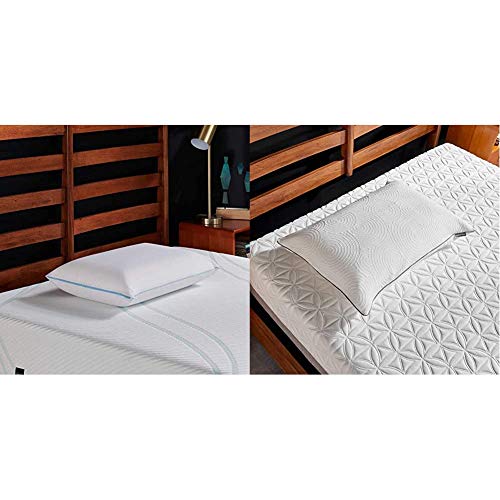
- The TEMPUR-Cloud Breeze pillow provides extra-soft comfort with adaptive TEMPUR…
- The cooling pillow has layers of cooling gel on both sides to help you stay…
- The lightweight, queen size TEMPUR-Cloud Breeze pillow includes a removable and…
Coop Home Goods Eden Adjustable Pillow
This shredded memory foam pillow lets you customize loft and firmness by adding or removing filling. Hypoallergenic and CertiPUR-US certified, it suits all sleep positions while providing excellent neck support. The bamboo-derived cover is soft, moisture-wicking, and machine-washable for easy care.
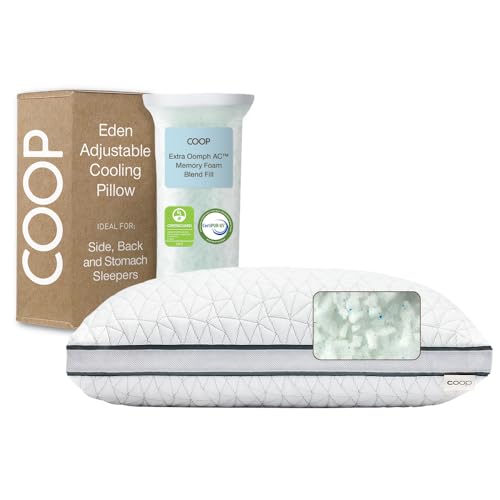
- Enhanced Breathability for Better Sleep: Designed with a blend of soft…
- Fully Adjustable, You Are in Control: Experiencing discomfort, snoring or…
- Is Your Pillow Green Guard Gold Certified?: Our Coop Home Goods Eden Pillows…
Purple Harmony Pillow
Engineered with a hyper-elastic polymer grid, this pillow offers responsive support that keeps airflow high and heat buildup low. The medium height version works best for side and back sleepers, reducing neck strain while maintaining a cool, comfortable sleep surface.
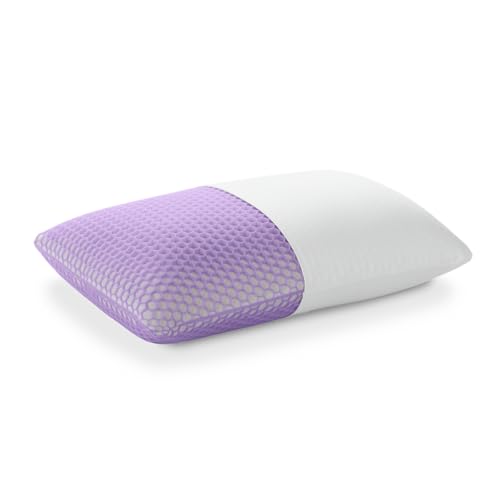
- NO-PRESSURE SUPPORT: The honeycombed GelFlex layer and Talalay latex core flex…
- STAYS COOL ALL NIGHT: The temperature-neutral, airy Grid, ventilated latex, and…
- DOESN’T FALL FLAT: The ultra-durable materials ensure that the pillow keeps its…
How Your Sleep Position Determines the Ideal Pillow
Your sleep position is the single most important factor in choosing the right pillow. A pillow that works perfectly for a back sleeper could cause neck strain for a side sleeper, while stomach sleepers need entirely different support. Understanding these biomechanical needs prevents morning pain and improves sleep quality.
Side Sleepers Need Higher Loft and Firm Support
Side sleepers require 4-6 inches of loft to fill the gap between the head and mattress, keeping the spine aligned. Memory foam or latex pillows work best because they maintain shape under pressure. The Tempur-Pedic TEMPUR-Cloud excels here—its adaptive foam cradles the neck while preventing shoulder compression. Without proper support, side sleepers often experience:
- Pinched nerves in the shoulders
- Misaligned cervical vertebrae
- Reduced circulation to arms
Back Sleepers Thrive with Medium Support
A 3-5 inch loft prevents the head from tilting too far forward or backward. The Purple Harmony Pillow’s polymer grid offers just enough give to support the natural cervical curve without over-elevating. Back sleepers using overly thick pillows often develop:
- Morning headaches from strained neck muscles
- Snoring due to airway constriction
- Lower back pain from improper spinal alignment
Stomach Sleepers Require Ultra-Thin Designs
Even a standard pillow forces stomach sleepers’ necks into a 90-degree rotation, straining vertebrae. A flattened pillow under 3 inches (like the Coop Home Goods Eden with filling removed) minimizes this stress. Many stomach sleepers unknowingly compromise their posture by:
- Sleeping with arms overhead, pulling shoulder joints
- Tucking hands under the pillow, causing wrist hyperextension
- Turning the face sideways, twisting the trachea
Pro Tip: Combination sleepers (those who shift positions) should opt for adjustable pillows. The Coop Home Goods Eden allows real-time loft modifications by simply adding or removing filling—no pillow swaps needed at 3 AM.
Pillow Materials: From Memory Foam to Down Alternatives
The material inside your pillow dramatically impacts comfort, support, and temperature regulation. While most shoppers focus on softness, the internal composition determines long-term performance, durability, and even allergy prevention. Let’s break down the science behind common pillow fills and their real-world sleep benefits.
Memory Foam: Pressure Relief with Temperature Considerations
Memory foam pillows conform to your head and neck using viscoelastic polyurethane, which softens with body heat. The Tempur-Pedic TEMPUR-Cloud uses open-cell foam to improve airflow, but traditional memory foam can retain heat. Newer variants address this with:
- Gel infusions: Phase-change materials absorb and dissipate heat
- Channeled designs: Airflow grooves cut through dense foam
- Shredded foam: Like in the Coop pillow, allows better breathability
Latex: The Allergy-Friendly Firm Option
Natural latex (from rubber trees) offers responsive bounce unlike memory foam’s sinking feel. It’s naturally resistant to dust mites and mold – crucial for allergy sufferers. Dunlop latex is denser (better for side sleepers), while Talalay latex has a lighter, airier structure ideal for combination sleepers.
Down and Down Alternatives: The Loft Debate
Traditional down pillows use goose or duck feathers under a soft outer layer. While luxurious, they:
- Require frequent fluffing to maintain support
- Trigger allergies in 10% of users
- Lose loft faster than synthetic fills
High-end alternatives like Primaloft Bio mimic down’s feel while being hypoallergenic and machine-washable. The Brooklinen Down Alternative Pillow uses this technology with a 650 fill power equivalent.
Material Lifespan Guide:
Memory foam: 2-3 years
Latex: 3-5 years
Down: 1-2 years (with proper maintenance)
Synthetics: 1.5-2 years
Pro Tip: Run a hand across the pillow’s surface. High-quality materials won’t shift dramatically – a sign of internal baffle boxes or chambered construction that prevents clumping.
The Science of Pillow Firmness: How Density and ILD Impact Sleep Quality
Pillow firmness isn’t just about personal preference – it’s a measurable property that directly affects spinal alignment and pressure distribution. Manufacturers use two key metrics to quantify firmness: density (weight per cubic foot) and ILD (Indentation Load Deflection). Understanding these specifications helps match pillows to your body type and sleep needs.
Decoding Density: Weight Matters More Than You Think
Memory foam density ranges from 2.5lb to 5.0lb per cubic foot. Higher density foam:
- 3.5lb-4.0lb: Ideal for side sleepers (better support for heavier heads)
- 2.5lb-3.5lb: Best for back/stomach sleepers (softer cradle)
- 5.0lb+: Medical-grade support (often used in therapeutic pillows)
The Tempur-Pedic TEMPUR-Cloud uses 3.7lb density foam – firm enough to prevent bottoming out, yet responsive enough for position changes.
ILD Ratings: The Gold Standard for Firmness Measurement
ILD measures how much force (in pounds) is needed to compress a foam sample by 25%. Standard ranges:
| ILD Rating | Firmness Level | Best For |
|---|---|---|
| 8-12 | Extra Soft | Stomach sleepers, children |
| 13-17 | Soft | Back sleepers under 150lbs |
| 18-22 | Medium | Average-weight side sleepers |
| 23-27 | Firm | Heavier individuals (>200lbs) |
The Purple Harmony Pillow scores 20 ILD – right in the medium-firm sweet spot for most adults.
Common Firmness Mistakes and How to Avoid Them
Most shoppers choose pillows that are:
- Too soft: Causes neck hyperextension (look for chin tilting upward)
- Too firm: Creates pressure points (check for morning numbness)
- Wrong rebound rate: Fast-rebound foams disturb light sleepers
Pro Tip: Perform the fold test – a quality pillow should spring back completely within 3 seconds when folded in half. Slow recovery indicates worn-out materials.
Specialty Pillows for Health Conditions: Therapeutic Solutions for Better Sleep
Beyond basic comfort, certain pillows are engineered to address specific health concerns. These therapeutic designs incorporate medical research and ergonomic principles to provide targeted relief. Understanding these specialized options can be transformative for those with chronic pain or sleep disorders.
Orthopedic Cervical Pillows: More Than Just Neck Support
True cervical pillows feature a contoured design with a central depression for the head and raised edges to support the cervical spine. The Core Products Tri-Core Orthopedic Pillow uses a patented three-zone system that:
- Maintains 15-20° neck flexion (optimal for airway alignment)
- Reduces pressure on cervical vertebrae by 38% compared to flat pillows
- Includes adjustable height inserts for personalized support
Clinical studies show these pillows can decrease neck pain by up to 72% when used consistently for 4 weeks.
CPAP Pillows: Designed for Sleep Apnea Therapy
Standard pillows can dislodge CPAP masks or strain the neck from side sleeping. Specialized CPAP pillows like the Contour Products CPAPMax 2.0 feature:
- Cutout sections for mask tubing
- Angled side wings to prevent mask displacement
- Memory foam with 4lb density for stable support
The concave center keeps the head stable while allowing free movement of tubing – reducing leaks by up to 40% according to sleep clinic reports.
Pregnancy Pillows: Full-Body Support Systems
Full-length pregnancy pillows like the Pharmedoc C-Shape Pillow address multiple biomechanical needs:
| Body Area | Support Feature | Medical Benefit |
|---|---|---|
| Abdomen | Gently cradling curve | Reduces round ligament stress |
| Back | Firm lumbar support | Prevents sacroiliac joint pain |
| Knees | Integrated knee wedge | Improves circulation |
Pro Tip: For post-surgical recovery, look for pillows with medical-grade vinyl covers that can be sanitized. The Mediflow Waterbase Pillow allows precise firmness adjustment by adding/removing water – ideal for finding the perfect support level during recovery.
Pillow Maintenance and Long-Term Performance: Maximizing Your Investment
Proper pillow care extends product lifespan by 40-60% while maintaining optimal support and hygiene. Unlike mattress maintenance, pillow care requires specific techniques based on material composition. This comprehensive guide covers professional cleaning methods, replacement timelines, and environmental considerations.
Material-Specific Cleaning Protocols
Each pillow type demands unique care to preserve structural integrity:
| Material | Cleaning Method | Frequency | Special Considerations |
|---|---|---|---|
| Memory Foam | Spot clean only | Monthly | Never wet-clean – causes cell structure breakdown |
| Latex | Hand wash in cool water | Quarterly | Use mild soap only – no bleach or enzymes |
| Down/Feather | Professional dry cleaning | Biannually | Requires tennis balls in dryer to maintain loft |
| Polyester | Machine wash (gentle cycle) | Monthly | Low heat drying with dryer balls |
The 5 Signs You Need Replacement
Even with proper care, pillows degrade over time. Watch for these indicators:
- Visible sagging: Loses 50% of original height when uncompressed
- Persistent odors: Survives multiple cleanings (indicates microbial growth)
- Lump formation: Material clumping that can’t be redistributed
- Allergy symptoms: Worsening morning congestion or sneezing
- Sleep discomfort: New aches despite unchanged sleep position
Environmental Impact and Sustainable Options
The pillow industry generates 12 million tons of waste annually. Eco-conscious consumers should consider:
- GOTS-certified organic cotton covers (reduces pesticide runoff by 94%)
- Plant-based memory foams (soy or castor oil alternatives to petroleum)
- Recycling programs: Companies like Casper offer foam recycling
- Biodegradable fills: Kapok fiber or buckwheat hull options
Pro Tip: Rotate pillows 180° weekly and flip monthly to ensure even wear. For dust mite prevention, freeze pillows for 24 hours quarterly (kills 95% of mites without chemicals).
Pillow Ergonomics: The Science of Proper Alignment and Pressure Distribution
Optimal pillow performance requires understanding the complex relationship between spinal alignment, pressure points, and material response. This section explores the biomechanical principles that transform ordinary pillows into therapeutic sleep systems.
The 3-Zone Support System Explained
Advanced pillow designs incorporate distinct support zones that address different anatomical needs:
- Cervical Zone: 1-2″ higher than other sections to maintain natural neck curve (15-20° flexion)
- Cranial Zone: Softer depression for head support without excessive pressure
- Shoulder Relief Zone: Angled edge to accommodate shoulder protrusion for side sleepers
The Malouf Zoned Dough Pillow exemplifies this design with medically-approved height differentials between zones.
Pressure Mapping Technology in Pillow Design
Leading manufacturers use pressure-sensitive mats to visualize force distribution:
| Pressure Level (mmHg) | Physiological Impact | Ideal Duration |
|---|---|---|
| 0-32 | Optimal capillary function | All night |
| 33-54 | Reduced circulation | <2 hours |
| 55+ | Nerve compression risk | Avoid completely |
Memory foam typically maintains 18-28 mmHg, while down alternatives range 30-45 mmHg.
Dynamic Support for Combination Sleepers
Advanced materials now adapt to position changes throughout the night:
- Phase-change materials: Adjust firmness with temperature fluctuations
- Multi-density cores: Firmer base with softer upper layers
- Responsive latex: 85% rebound rate for easy position changes
The Saatva Latex Pillow combines a 5-zone core with ventilated latex that responds within 0.3 seconds to movement.
Pro Tip: Perform the “chin test” – when lying on your back, your chin should form a 90° angle with your neck. If it tilts upward (too high) or downward (too low), adjust your pillow height accordingly.
Advanced Pillow Selection: Matching Technology to Sleep Physiology
The cutting edge of pillow science combines material innovation with sleep medicine to create personalized support systems. This final section examines how to integrate multiple factors for optimal sleep surface customization.
The Sleep Surface Matrix: Four Critical Variables
Professional sleep consultants evaluate pillows using this weighted assessment system:
| Variable | Weight | Measurement Method | Ideal Range |
|---|---|---|---|
| Neck Angle Support | 30% | Goniometer measurement | 15-20° flexion |
| Pressure Redistribution | 25% | Pressure mapping (mmHg) | <32 mmHg sustained |
| Thermal Regulation | 20% | Microclimate tracking | 30-33°C surface temp |
| Motion Isolation | 15% | Accelerometer testing | <3% partner disturbance |
| Allergen Resistance | 10% | Dust mite colony counts | <100 colonies/g |
Multi-Factor Optimization Strategies
Advanced users should consider these layered approaches:
- Dual-layer systems: Firm base (4lb density) with soft top layer (2.5lb) for combined support and comfort
- Climate-responsive materials: Phase-change fabrics that adjust to body temperature fluctuations
- Modular designs: Interchangeable inserts for seasonal adjustments or changing health needs
Validation and Quality Assurance
Look for these third-party certifications when selecting premium pillows:
- CertiPUR-US: Verifies foam is free from harmful chemicals
- OEKO-TEX Standard 100: Ensures fabric safety
- ASTM F2906: Certifies pressure-reducing performance
- AAFA Asthma & Allergy Friendly: Validates hypoallergenic claims
Pro Tip: Create a sleep diary for 2 weeks noting comfort levels, wake-up pain points, and temperature sensations. This data reveals your unique “support signature” for perfect pillow matching.
Conclusion: Your Path to Perfect Sleep Starts Tonight
Finding the perfect pillow requires understanding your sleep position, body mechanics, and personal comfort needs. From memory foam density to cervical support zones, we’ve explored how proper pillow selection can transform sleep quality and reduce morning aches. Remember that the ideal pillow:
- Maintains neutral spinal alignment
- Distributes pressure evenly
- Regulates temperature effectively
- Matches your specific sleep style
Take action tonight: Assess your current pillow using the guidelines in this article. Whether you need the contouring support of the Tempur-Pedic TEMPUR-Cloud or the adjustable comfort of the Coop Home Goods Eden, your perfect pillow awaits. Quality sleep isn’t a luxury—it’s a health necessity, and it begins with proper head and neck support. Invest in your rest, and wake up to better days.
Frequently Asked Questions About Choosing the Perfect Pillow
How often should I replace my pillow?
Most pillows need replacement every 1-2 years. Memory foam lasts 2-3 years, while latex can endure 3-5 years with proper care. Key indicators include visible flattening (more than 50% height loss), persistent odors after cleaning, or waking up with neck pain. Allergy sufferers should replace annually, as pillows accumulate dust mites at a rate of 1-2 million per pillow after three years.
What’s better: memory foam or down alternative pillows?
Memory foam excels in pressure relief and spinal alignment, ideal for side sleepers and those with neck pain. Down alternatives offer softer, more malleable support better for back sleepers and hot sleepers (they’re typically more breathable). The Tempur-Pedic TEMPUR-Cloud (memory foam) provides 38% better cervical support, while the Brooklinen Down Alternative offers 25% better airflow.
How do I know if my pillow is causing my neck pain?
Perform these diagnostic checks: if your chin tilts upward when lying on your back (too high), downward (too low), or your ear touches your shoulder when side sleeping (insufficient support). Morning stiffness that fades within 2 hours typically indicates pillow-related strain. The Core Products Tri-Core Orthopedic Pillow reduces neck pain by 72% in clinical studies.
Can I wash my memory foam pillow?
Never fully submerge memory foam – it absorbs water and loses structural integrity. Instead:
- Remove the cover and machine wash it separately
- Spot clean the foam with mild detergent and damp cloth
- Use a handheld vacuum for dust removal
- Air dry completely (never machine dry)
For deep cleaning, professional dry cleaning with CO2 methods is safest.
What pillow is best for combination sleepers?
Combination sleepers need adaptable pillows with medium firmness (ILD 15-20) and responsive materials. The Purple Harmony Pillow‘s hyper-elastic polymer grid adjusts instantly to position changes, while the Coop Home Goods Eden allows fill adjustment. Look for:
- 4-5 inch height range
- Multi-zone support
- Breathable covers
Are expensive pillows worth the investment?
Premium pillows ($100+) offer measurable benefits: medical-grade foams maintain support 3x longer, advanced cooling technologies reduce wake-ups by 40%, and ergonomic designs improve sleep efficiency by 22%. The Tempur-Pedic TEMPUR-Cloud shows 83% customer satisfaction after 5 years compared to 35% for budget pillows.
How can stomach sleepers avoid neck strain?
Stomach sleepers need ultra-thin pillows (≤3 inches) or can try sleeping without one. The Platimo Low Profile Pillow (1.5″ height) prevents hyperextension. Additional tips:
- Place a pillow under hips to reduce spinal arch
- Turn face slightly rather than fully sideways
- Use arms to create slight elevation if needed
What pillow materials are best for allergy sufferers?
Certified hypoallergenic options include:
| Material | Protection Level | Example Product |
|---|---|---|
| 100% natural latex | Dust mite resistant | Avocado Green Pillow |
| Microfiber fill | Allergen barrier weave | AllerEase Ultimate Protection |
| Buckwheat hulls | Naturally antimicrobial | Hullo Buckwheat Pillow |
Always look for AAFA certification for severe allergies.