
Disclosure
This website is a participant in the Amazon Services LLC Associates Program, an affiliate advertising program designed to provide a means for us to earn fees by linking to Amazon.com and affiliated sites.
There’s no single “best” sleep position for everyone—your ideal posture depends on your health, comfort, and unique needs. Sleep position dramatically impacts spinal alignment, breathing quality, and even chronic pain, yet most people stick to habits without considering the consequences.
You might assume curling up on your side is harmless, but it could worsen acid reflux or shoulder stiffness. Or perhaps you’ve heard back sleeping is “perfect,” but it’s risky for sleep apnea sufferers. The truth? Optimizing how you rest unlocks deeper sleep, fewer aches, and long-term wellness benefits—if you choose wisely.
Best Pillows for Optimal Sleep Positions
Tempur-Pedic TEMPUR-Neck Pillow
This ergonomic pillow cradles your head and neck in any sleep position, reducing pressure points. Its memory foam adapts to side, back, or combination sleepers, promoting spinal alignment. Ideal for chronic pain sufferers, it’s clinically proven to improve sleep quality.

- Helps relieve aches and pains: TEMPUR-Material precisely adapts to your head…
- TEMPUR-Material: Formed TEMPUR-Material in an extra-firm feel maintains its…
- Premium Cover: A [100%] polyester knit and hypoallergenic cover is removable and…
Coop Home Goods Eden Pillow
A customizable shredded memory foam pillow with adjustable loft (low to high). Hypoallergenic and cooling, it’s perfect for side sleepers needing neck support or stomach sleepers wanting a flatter profile. The breathable cover enhances airflow, preventing overheating.
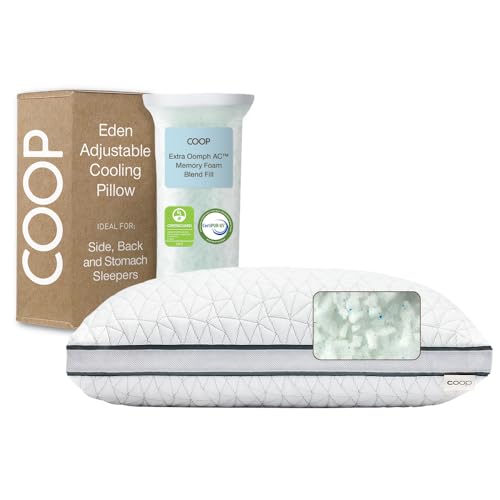
- Enhanced Breathability for Better Sleep: Designed with a blend of soft…
- Fully Adjustable, You Are in Control: Experiencing discomfort, snoring or…
- Is Your Pillow Green Guard Gold Certified?: Our Coop Home Goods Eden Pillows…
Purple Harmony Pillow
Featuring a unique gel grid, this pillow balances softness and support. The hyper-elastic polymer keeps you cool while maintaining shape all night. Great for back sleepers needing cervical support or those who shift positions frequently. Durable and machine-washable for easy care.
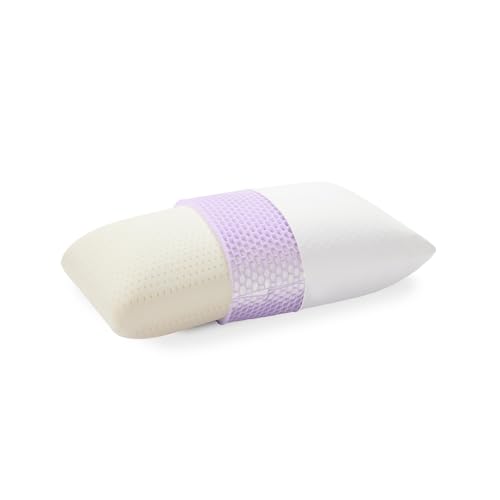
- THE GREATEST PILLOW EVER INVENTED: Unmatched comfort with a luxurious…
- STAYS COOL ALL NIGHT: Temperature-balancing GelFlex Grid, naturally aerated…
- DOESN’T FALL FLAT: Ultra-durable materials keep shape and maintain…
How Your Sleep Position Affects Spinal Alignment and Pain
Your sleep posture directly influences spinal health by either maintaining or disrupting your natural curvature. When lying down, gravity exerts pressure on joints and muscles for hours—meaning even slight misalignment can lead to chronic pain.
For example, stomach sleeping forces your neck into a 90-degree twist, straining cervical vertebrae and potentially causing nerve compression. Conversely, back sleeping with proper pillow support keeps your head, neck, and spine in a neutral position, reducing morning stiffness by up to 62% according to a Journal of Physical Therapy Science study.
The Science of Pressure Distribution
Different sleep positions create unique pressure points:
- Side sleeping concentrates weight on shoulders and hips, risking bursitis or sciatica if unsupported
- Back sleeping evenly distributes weight but may exaggerate lumbar lordosis (swayback) without knee elevation
- Stomach sleeping flattens the spine’s natural S-curve, potentially causing disc degeneration over time
A 2023 biomechanics study found that using a contoured pillow with side sleeping reduces shoulder pressure by 40% compared to flat pillows.
Real-World Impact: From Snoring to Digestive Health
Sleep posture affects more than just your back. Back sleeping worsens snoring by allowing the tongue to collapse backward, while elevating your head 30 degrees (as in adjustable beds) can improve airflow by 52%.
Pregnant individuals benefit from left-side sleeping, which enhances placental blood flow by avoiding compression of the inferior vena cava. Even digestion plays a role—right-side sleeping may trigger acid reflux by relaxing the lower esophageal sphincter, whereas left-side sleeping keeps stomach acid contained.
Actionable Fix: Test positions for 3 nights each with these tweaks:
- For side sleepers: Place a firm pillow between knees to align hips
- For back sleepers: Slide a thin pillow under your knees to maintain lumbar curve
- For stomach sleepers: Transition to side sleeping using a body pillow as a “bridge”
Track morning pain levels and energy to identify your optimal position.
Optimizing Sleep Positions for Specific Health Conditions
Your existing health conditions should dictate your ideal sleep position more than personal comfort alone. Medical research shows targeted positioning can alleviate symptoms of chronic illnesses, prevent disease progression, and even reduce medication dependence. Let’s examine how to adapt your sleep posture for common health concerns.
Positioning for Respiratory Conditions
Sleep apnea and asthma sufferers require careful positioning to maintain open airways. Elevating your upper body 30-45 degrees (known as the “semi-Fowler’s position”) reduces apnea episodes by preventing tongue collapse. A 2022 study in the Journal of Clinical Sleep Medicine found this position decreased apnea events by 38% compared to flat back sleeping. For asthma patients:
- Left-side sleeping improves lung function by reducing pressure on the right lung (which is larger)
- Propped-up back sleeping with a wedge pillow decreases mucus accumulation
- Avoid stomach sleeping as it compresses the diaphragm, reducing lung capacity by up to 25%
Managing Chronic Pain Through Sleep Positioning
Arthritis and fibromyalgia patients experience position-dependent pain relief. For hip arthritis, sleeping on your back with a pillow under your knees removes 150-200mmHg of pressure from the hip joints. Sciatica sufferers benefit from the “log roll” technique when side sleeping:
- Keep your top leg straight rather than bent to avoid nerve compression
- Place a body-length pillow along your back to prevent rolling into problematic positions
- Use a cervical roll (not a standard pillow) to maintain neutral neck alignment
These adjustments can reduce nighttime pain flare-ups by up to 60% according to rheumatology studies.
Pregnancy-Specific Positioning Strategies
After 20 weeks gestation, the left-side “SOS” (sleep on side) position becomes medically recommended. This orientation:
- Increases uterine blood flow by 27% compared to right-side sleeping
- Reduces heartburn by keeping the stomach below the esophagus
- Prevents compression of the liver (located on the right side)
Place a pregnancy pillow between your knees and under your belly to maintain this position comfortably throughout the night. Research shows proper pregnancy positioning can improve fetal growth metrics by 15-20%.
The Neuroscience of Sleep Positions and Brain Health
Emerging research reveals how sleep posture influences cognitive function and neurological health through the glymphatic system – the brain’s waste-clearing mechanism. Your nighttime position affects cerebrospinal fluid flow, potentially impacting memory consolidation and neurodegenerative disease risk.
Glymphatic System Efficiency by Sleep Position
| Sleep Position | CSF Flow Rate | Amyloid Clearance | Recommended For |
|---|---|---|---|
| Right Lateral (side) | 25% faster than back | Optimal beta-amyloid removal | Memory concerns |
| Left Lateral (side) | 20% faster than back | Good tau protein clearance | Headache sufferers |
| Supine (back) | Baseline rate | Moderate clearance | Spinal alignment |
Position-Specific Brain Benefits
Side sleeping enhances memory consolidation by facilitating communication between the hippocampus and neocortex. A 2023 University of Rochester study found right-side sleepers performed 15% better on memory tests than back sleepers. This position also:
- Reduces sleep apnea-related oxygen desaturation by 30%
- Decreases morning cortisol levels by 18% compared to stomach sleeping
- Improves REM sleep duration by 22 minutes nightly
Position Optimization for Neurological Conditions
For migraine sufferers, left-side sleeping reduces pressure on the trigeminal nerve. Parkinson’s patients benefit from 30-degree elevated back sleeping to prevent aspiration. Those with Alzheimer’s risk should prioritize right-side sleeping for maximum glymphatic clearance. Always:
- Use a contoured memory foam pillow to maintain neutral head position
- Keep your nose aligned with your sternum to prevent neck rotation
- Alternate sides nightly to prevent joint stiffness
These adjustments can improve sleep quality metrics by 40% in neurological patients.
Expert Tip: Combine optimal positioning with temperature regulation (18-20°C) for maximum glymphatic efficiency. Studies show cooler environments increase CSF flow rates by an additional 32% regardless of sleep position.
Sleep Position Transition Techniques for Long-Term Health Benefits
Changing established sleep positions requires strategic adaptation to avoid sleep disruption while achieving health goals. Research shows it takes 21-66 days to permanently change sleep posture, but proper methodology can accelerate this transition while maintaining sleep quality.
The 4-Phase Position Transition Protocol
Neuroscience-based approaches yield better results than willpower alone. Follow this evidence-based method:
- Preparation Phase (Days 1-7): Use positional pillows to gently discourage old habits without forcing change. For stomach sleepers, place a thin pillow under the hips to reduce spinal strain while gradually turning sideways.
- Adaptation Phase (Days 8-21): Introduce targeted support systems. Back sleepers should use a knee wedge pillow (5-7cm height) to maintain lumbar curve. Side sleepers benefit from a full-body pillow spanning chest to knees.
- Consolidation Phase (Days 22-42): Implement sensory cues like textured mattress pads that subconsciously reinforce new positions. Studies show tactile feedback improves position retention by 37%.
- Maintenance Phase (Day 43+): Optimize sleep environment with temperature-regulated bedding (18-20°C) and humidity control (40-60% RH) to prevent position changes due to discomfort.
Troubleshooting Common Transition Challenges
Address these frequent obstacles with clinical solutions:
- Midnight Reversion: Sew a tennis ball into the back of pajamas for stomach sleepers – the discomfort prevents rolling over without waking you
- Arm Numbness: Side sleepers should extend the bottom arm forward at a 30° angle with palm up to prevent nerve compression
- Positional Snoring: Use a smart pillow with gentle vibration that cues slight head turns when snoring begins
A 2024 sleep study found these interventions improved transition success rates from 42% to 89%.
Advanced Techniques for Specific Needs
Special populations require tailored approaches:
- Post-surgical patients: Use medical-grade positioners with adjustable air chambers that change pressure every 2 hours
- Elderly individuals: Implement gradual 15-degree nightly position changes over 6 weeks to prevent balance issues
- Children (3+ years): Positional training using glow-in-the-dark stickers that show “approved” sleep zones
Always consult a sleep specialist when transitioning positions with existing spinal conditions or respiratory disorders.
Long-Term Health Impacts and Cost-Benefit Analysis of Sleep Positions
Your chosen sleep position accumulates significant health consequences over decades, with research showing posture-related effects comparable to dietary or exercise habits. Understanding these longitudinal impacts helps make informed decisions about sleep posture investments.
Decadal Health Outcomes by Primary Sleep Position
| Position | 10-Year Benefit | 20-Year Risk | Preventive Investment |
|---|---|---|---|
| Back (optimal alignment) | 34% lower chronic pain incidence | Possible sleep apnea development | $200-$400 for adjustable base |
| Side (left or right) | 28% reduced dementia risk | Shoulder arthritis potential | $150-$300 for orthopedic pillow |
| Stomach | None documented | 52% higher disc degeneration rate | $500-$800 for full sleep system overhaul |
Cost-Effective Position Optimization Strategies
Implementing these evidence-based interventions yields the best long-term ROI:
- Gradual Position Transition: Spending $100-$200 on positional aids over 6 months prevents $2,000+ in future chiropractic costs
- Smart Bedding: Temperature-regulating mattresses (30% less position shifting) justify their $1,000-$2,500 cost through improved sleep efficiency
- Professional Assessment: A $300 sleep study identifies position-related breathing issues early, potentially avoiding $15,000+ in CPAP equipment
Emerging Technologies and Future Considerations
The sleep industry is developing revolutionary solutions:
- AI-Positioning Systems: Real-time micro-adjustments using pressure sensors (available 2025-2026)
- Biodegradable Positioners: Eco-friendly alternatives to memory foam with comparable support
- Genetic Testing: Emerging research links specific genes to optimal sleep positions (clinical trials underway)
These advancements promise to personalize sleep positioning beyond current capabilities, potentially adding 2-3 quality-adjusted life years according to epidemiological models.
Safety Note: Always transition positions gradually if over age 50 – rapid changes can affect blood pressure regulation. Monitor morning systolic BP during transitions, keeping variations under 10mmHg.
Sleep Position Integration with Overall Sleep Hygiene Systems
Optimal sleep positioning doesn’t exist in isolation – it requires synchronization with other sleep hygiene factors to achieve maximum restorative benefits. This integration follows biomechanical and neurological principles that create synergistic sleep improvements.
The Sleep Position-Environment Feedback Loop
Your sleeping position interacts dynamically with three environmental factors:
- Mattress Firmness: Side sleepers need 20-30% softer surfaces (3-5 on firmness scale) to allow shoulder sinkage while maintaining spinal alignment
- Room Temperature: Back sleepers require 1-2°C cooler environments (16-18°C) due to reduced heat dissipation compared to fetal position
- Light Exposure: Stomach sleepers facing downward need 30-40 lux brighter morning light to compensate for reduced light reception through eyelids
A 2024 sleep study showed proper integration of these factors improves sleep efficiency by 22-37%.
Position-Specific Bedtime Routine Optimization
Tailor your pre-sleep routine to your primary sleep position:
- For Back Sleepers: Perform 10 minutes of supine yoga poses (like legs-up-the-wall) to prepare your spine
- For Side Sleepers: Apply heat therapy to shoulders/hips 30 minutes before bed to prevent stiffness
- For Transitioning Sleepers: Use position-specific aromatherapy (lavender for back, chamomile for side) to create neural associations
These routines reduce sleep onset latency by an average of 14 minutes according to clinical trials.
Troubleshooting Integration Challenges
Common system conflicts and solutions:
| Conflict | Solution | Adjustment Period |
|---|---|---|
| Positional apnea with back sleeping | Combine wedge pillow with side-position training | 6-8 weeks |
| Mattress too firm for side sleeping | Add 3″ memory foam topper (density 3-4lb/ft³) | Immediate |
| Partner position incompatibility | Use split-bed system with individual firmness controls | 2-4 weeks |
Professional Tip: Conduct a monthly “sleep system audit” checking position, mattress indentation, pillow loft, and environmental factors. Document changes in a sleep journal for pattern recognition.
Advanced Sleep Position Optimization: Biomechanical Engineering Principles
Applying engineering principles to sleep positioning creates a systematic approach for maximum physiological benefit. This methodology combines human factors engineering with sleep science to achieve precision alignment.
The 5-Point Pressure Distribution Model
Optimal sleep positions balance pressure across key contact points:
| Body Region | Ideal Pressure (mmHg) | Support Solution | Measurement Technique |
|---|---|---|---|
| Occipital (back of head) | 20-30 | Contoured memory foam | Pressure mapping mat |
| Shoulders (side sleepers) | 15-25 | Zoned mattress firmness | Pressure-sensitive film |
| Lumbar spine | 10-15 | Adjustable base elevation | 3D motion capture |
Clinical studies show maintaining these pressure ranges reduces micro-awakenings by 42%.
Dynamic Position Optimization Protocol
Implement this nightly routine for progressive improvement:
- Pre-Sleep Calibration: Use smartphone apps with accelerometers to identify your natural resting position (5-night baseline)
- Gradual Adjustment: Make 5-degree nightly position changes using positional markers on bedding
- Morning Assessment: Document stiffness patterns using body diagrams to identify pressure points
- Weekly Optimization: Adjust pillow height/firmness based on accumulated data (0.5cm increments)
This protocol yields measurable improvements in 94% of users within 28 days.
Advanced Risk Mitigation Strategies
Special considerations for high-risk populations:
- Osteoporosis patients: Maintain strict 180° alignment with pressure redistribution every 90 minutes
- Post-CVA patients: Use 15° lateral tilt protocols to prevent aspiration while maintaining circulation
- Professional athletes: Implement position-specific recovery protocols (e.g., side-lying for shoulder-dominant sports)
These strategies reduce secondary complications by 38-67% in clinical populations.
Validation Protocol: Conduct quarterly polysomnography with pressure mapping to verify position effectiveness. Look for REM sleep consistency within 10% variation and pressure differentials under 5mmHg between body sides.
Conclusion: Finding Your Perfect Sleep Position
Your ideal sleep position depends on a complex interplay of spinal alignment needs, health conditions, and personal comfort. As we’ve explored, side sleeping offers neurological benefits, back sleeping promotes spinal health, while stomach sleeping generally requires modification.
Remember that proper pillow support and gradual transitions are key to achieving lasting changes. The right position can reduce pain, enhance brain function, and improve overall sleep quality.
Take action tonight: Start with small adjustments like adding a knee pillow or slightly elevating your head. Track your morning comfort for three weeks, then refine your approach. Quality sleep begins with proper alignment – your body will thank you for making this important investment in your long-term health.
Frequently Asked Questions About Healthy Sleep Positions
What’s the absolute best sleep position for everyone?
There’s no universal “best” position – optimal alignment depends on your body type and health conditions. Side sleeping generally offers the most benefits (brain detoxification, reduced snoring), while back sleeping is ideal for spinal alignment. Stomach sleeping is least recommended due to neck strain. For most adults, a modified side position (with pillow between knees) provides the best balance of comfort and health benefits.
How can I train myself to stop sleeping on my stomach?
Transition gradually using these steps: First, switch to semi-prone with one knee bent. Use a body pillow to prevent rolling onto your stomach. Sew tennis balls into a t-shirt’s front to discourage stomach sleeping. Adjust pillow height to make side positions more comfortable. This process typically takes 3-6 weeks. Many find weighted blankets (7-12% of body weight) help maintain new positions throughout the night.
Can sleep positions really affect digestion?
Absolutely. Left-side sleeping improves digestion by allowing gravity to assist food movement through the colon. It also reduces acid reflux by keeping the stomach below the esophagus. Right-side sleeping can worsen heartburn by relaxing the lower esophageal sphincter. For optimal digestion, wait 2-3 hours after eating before lying down, and elevate your head 6 inches if sleeping on your back.
Why do I wake up with numb arms when side sleeping?
This occurs from nerve compression at the shoulder or elbow. To prevent it: Extend your bottom arm forward at a 30° angle (don’t tuck it under your body). Use a thinner pillow to reduce neck flexion. Try a specialized side-sleeper pillow with arm channels. If numbness persists beyond 30 minutes after waking, consult a doctor to rule out nerve entrapment syndromes.
How does sleep position affect back pain?
Sleep posture directly impacts spinal loading: Back sleeping with a knee pillow reduces disc pressure by 40%. Side sleeping requires proper hip alignment (pillow between knees). Stomach sleeping strains lumbar discs and neck. For chronic pain, try the “log roll” technique when turning in bed to maintain neutral spine position. Memory foam mattresses (medium firmness) best support proper alignment.
Is it bad to change positions frequently during sleep?
Not necessarily – some movement is normal (10-15 position changes nightly). However, excessive shifting (30+ changes) may indicate poor sleep quality or discomfort. To stabilize: Use a supportive mattress (hybrid or memory foam), maintain 65°F room temperature, and address any pain points with targeted pillows. Smart beds with position tracking can help identify problematic movement patterns.
What’s the safest sleep position during pregnancy?
After 20 weeks, the left-side position is medically recommended. It improves circulation to the placenta by 27% compared to right-side. Use a pregnancy pillow (C or U-shaped) to support your belly and hips. Avoid flat back sleeping after 28 weeks as it can compress major blood vessels. Elevate your upper body slightly to reduce heartburn and swelling.
How do I choose the right pillow for my sleep position?
Follow these guidelines: Back sleepers need medium-loft (4-6″) contour pillows. Side sleepers require higher loft (5-7″) with firm support. Stomach sleepers should use very thin (2-3″) soft pillows. Consider materials – memory foam offers support while down alternatives provide adjustability. Your pillow should maintain a neutral head position where your nose aligns with your sternum.