
Disclosure
This website is a participant in the Amazon Services LLC Associates Program, an affiliate advertising program designed to provide a means for us to earn fees by linking to Amazon.com and affiliated sites.
Nocturia is a medical condition where you wake up multiple times at night to urinate, severely fragmenting your sleep. Unlike occasional nighttime bathroom trips, nocturia becomes problematic when it happens two or more times per night, leaving you exhausted and irritable.
While many dismiss it as a normal part of aging, research reveals it can signal underlying health issues—from diabetes to heart disease—demanding attention.
You might assume drinking less water before bed solves the problem, but nocturia often stems from complex factors like hormonal imbalances, bladder dysfunction, or sleep apnea.
The consequences extend beyond fatigue: poor sleep weakens immunity, hampers focus, and even increases depression risk. The good news? With targeted lifestyle changes and medical interventions, you can reclaim uninterrupted sleep. Let’s explore how.
Best Products for Managing Nocturia
Withings Sleep Tracking Pad
The Withings Sleep Tracking Pad monitors sleep cycles, heart rate, and detects nighttime awakenings—including those caused by nocturia. Its detailed sleep reports help identify patterns, making it easier to discuss symptoms with a doctor. The non-invasive design slides under your mattress for effortless tracking.
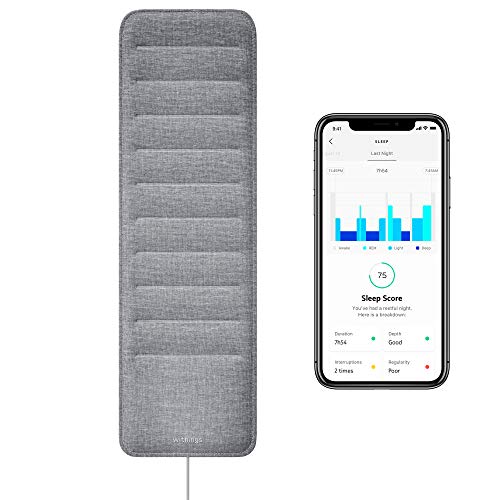
- EXPLORE THE DEPTHS OF YOUR SLEEP PATTERN – Sleep is the ultra-powerful sleep…
- WORLD PREMIERE – Sleep is the world’s first under-mattress sleep sensor, with…
- LEADS TO MORE RESTFUL SLEEP – By analyzing the phases, depth and interruptions…
PureWick Female External Catheter System
For women struggling with nocturia, the PureWick System offers a discreet, non-invasive solution. The FDA-approved external catheter wicks urine away while you sleep, reducing disruptive trips to the bathroom. It’s reusable, quiet, and ideal for those with mobility issues or overactive bladder.

- Product type :PROFESSIONAL HEALTHCARE
- Package dimensions :12.3 ” L x10.4 ” W x3.3 ” H
- country of origin :United States
Fitbit Charge 6 Fitness Health Tracker
The Fitbit Charge 6 tracks sleep stages, SpO2, and heart rate variability—key metrics for nocturia sufferers. Its “Sleep Score” feature helps correlate nighttime urination with hydration or stress. The long battery life and waterproof design make it practical for continuous monitoring.
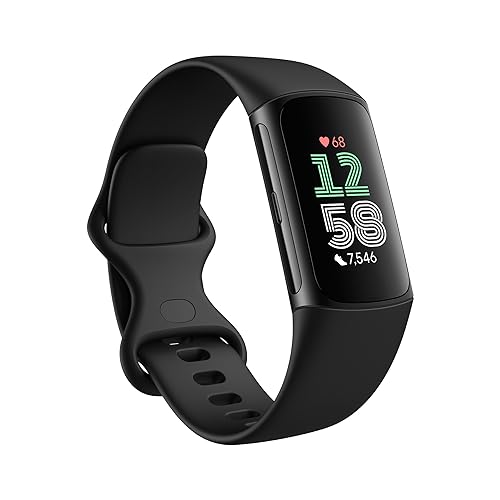
- Find your way seamlessly during runs or rides with turn-by-turn directions from…
What Is Nocturia: Causes and Underlying Mechanisms
The Science Behind Frequent Nighttime Urination
Nocturia occurs when your body’s natural urine production and bladder function become misaligned with sleep cycles. Unlike daytime urination, nighttime voiding is regulated by antidiuretic hormone (ADH), which normally reduces urine production at night. When this system fails—due to aging, medical conditions, or lifestyle factors—your kidneys continue producing urine at daytime rates, forcing disruptive bathroom trips.
Primary Causes of Nocturia
Nocturia rarely has a single cause. Instead, it typically results from a combination of these factors:
- Polyuria: Excessive 24-hour urine output (over 40ml/kg) often linked to diabetes, excessive fluid intake, or kidney dysfunction
- Nocturnal Polyuria: Disproportionate nighttime urine production (33%+ of daily output in young adults, 50%+ in elderly)
- Bladder Storage Issues: Reduced capacity from infections, overactive bladder, or prostate enlargement in men
- Sleep Disorders: Sleep apnea triggers fluid shifts from legs to bloodstream, increasing urine production
Common Misconceptions Debunked
Many believe nocturia is inevitable with age, but research shows only 20-30% of adults over 70 experience it without underlying pathology. Another myth suggests drinking less water at night solves the problem—yet dehydration concentrates urine, irritating the bladder and worsening symptoms. True solutions require addressing root causes.
Real-World Impact: Beyond Sleep Disruption
A 2023 Johns Hopkins study found nocturia sufferers experience:
- 2.5x higher risk of falls (especially dangerous for seniors)
- 34% reduction in deep sleep cycles critical for memory consolidation
- Increased daytime fatigue comparable to mild sleep apnea (Epworth Sleepiness Scores ≥10)
For example, a 58-year-old teacher with untreated nocturia might void 3x nightly, losing 90 minutes of sleep. This creates a vicious cycle—fatigue prompts excessive caffeine use, which further disrupts bladder function. Breaking this pattern requires comprehensive evaluation, often including bladder diaries and blood tests to identify specific contributors.
Diagnosing Nocturia: A Step-by-Step Approach to Identifying Causes
The Critical Role of Medical History and Symptom Tracking
Accurate nocturia diagnosis begins with a detailed symptom diary. Patients should record for 3-7 days:
- Timing and volume of each void (use a measuring cup)
- Fluid intake types and amounts (note caffeine/alcohol)
- Medication times (diuretics taken after 4pm worsen symptoms)
- Sleep quality markers (awakening events unrelated to urination)
For example, a recorded pattern showing 400ml voids at 1am and 4am with normal daytime volumes suggests nocturnal polyuria, while frequent small voids (150ml) point to bladder storage issues.
Essential Diagnostic Tests and What They Reveal
Beyond the diary, clinicians typically order:
- Urinalysis to detect diabetes (glucose), infection (WBCs), or kidney issues (protein)
- Blood tests checking electrolytes, kidney function, and glucose levels
- Post-void residual measurement via ultrasound (volumes >100ml indicate incomplete emptying)
A 2024 Mayo Clinic study found 68% of nocturia cases required at least two diagnostic methods for accurate classification. For instance, a patient with normal urinalysis but elevated serum calcium might have hypercalcemia-induced polyuria.
When to Seek Specialist Referral
Primary care physicians typically refer patients when:
- Symptoms persist despite behavioral changes
- Neurological symptoms appear (possible MS or Parkinson’s)
- Hematuria is present (requires urological evaluation)
Urologists may conduct advanced tests like urodynamics or cystoscopy, while sleep specialists order polysomnography if apnea is suspected. The diagnostic pathway varies significantly – a 60-year-old man with nocturia might need prostate assessment, while a 40-year-old woman may require evaluation for interstitial cystitis.
Advanced Treatment Strategies for Nocturia: Beyond Basic Lifestyle Changes
Pharmacological Interventions: Targeted Approaches
When behavioral modifications fail, medications address specific nocturia subtypes:
| Medication Class | Mechanism | Best For | Example |
|---|---|---|---|
| Desmopressin | ADH analog reduces nighttime urine production | Nocturnal polyuria | Nocdurna (0.1mg sublingual) |
| Antimuscarinics | Relaxes bladder muscle | Overactive bladder | Solifenacin (Vesicare 5mg) |
| Alpha-blockers | Reduces prostate obstruction | Male BPH-related nocturia | Tamsulosin (Flomax 0.4mg) |
For example, a 65-year-old man with 3 nightly voids (800ml total) and normal daytime patterns would benefit from desmopressin, while a 45-year-old woman with frequent small voids needs antimuscarinics. Dosing timing matters – desmopressin should be taken 1 hour before bedtime on an empty stomach.
Emerging Therapies and Clinical Evidence
Recent advances show promise:
- Percutaneous tibial nerve stimulation (PTNS): 12-week protocol reduces nocturia episodes by 47% in refractory cases
- Botulinum toxin injections: For neurogenic bladder patients, decreases nightly voids by 1.5 on average
- TempSure Envi radiofrequency: Non-invasive bladder neck tightening shows 60% symptom improvement at 6 months
Common Treatment Pitfalls to Avoid
Patients often make these mistakes:
- Over-restricting fluids – leads to dehydration and concentrated urine that irritates the bladder
- Ignoring medication timing – taking diuretics after 2pm exacerbates nocturia
- Self-treating with OTC sleep aids – can worsen bladder retention and confusion in elderly
A 2024 UCLA study found 42% of treatment failures resulted from incorrect therapy selection for the specific nocturia subtype. Proper diagnosis through voiding diaries and specialist consultation remains critical for successful management.
Lifestyle Modifications and Behavioral Therapies for Nocturia Management
Strategic Fluid Management: Timing Over Restriction
Contrary to popular belief, reducing overall fluid intake often worsens nocturia by concentrating urine. Instead, implement the 40-30-30 rule:
- 40% of daily fluids before noon
- 30% between noon-5pm
- 30% after 5pm (prioritizing small sips over large volumes)
For example, a patient drinking 2000ml daily would consume 800ml by noon, 600ml in the afternoon, and limit evening intake to 600ml. This prevents dehydration while minimizing nighttime bladder filling.
Bladder Retraining Techniques
Progressive voiding schedules can increase functional bladder capacity:
- Establish baseline – record natural voiding intervals for 3 days
- Gradual extension – add 15 minutes to intervals weekly until reaching 3-4 hour daytime targets
- Urge suppression – practice pelvic floor contractions when nighttime urges occur
A 2023 Northwestern University study showed this approach reduced nocturia episodes by 58% in 12 weeks when combined with pelvic floor therapy.
Sleep Environment Optimization
Create conditions that support uninterrupted sleep:
| Element | Optimal Setup | Rationale |
|---|---|---|
| Lighting | Motion-activated red nightlights | Preserves melatonin while preventing falls |
| Pathway | Clear 36″ wide path to bathroom | Reduces wakefulness from navigation |
| Temperature | Bedroom at 65°F (18°C) | Colder environments reduce urine production |
Patients should also consider elevating legs for 1-2 hours before bed – this promotes daytime fluid redistribution, potentially reducing nighttime urine production by 25-30%. These modifications work synergistically with medical treatments for comprehensive management.
Long-Term Management and Emerging Research in Nocturia Treatment
Monitoring Progress and Treatment Adjustments
Effective nocturia management requires ongoing evaluation with these key metrics:
| Parameter | Baseline | 3-Month Goal | Measurement Tool |
|---|---|---|---|
| Nightly Void Frequency | 3.2 (average) | ≤1.5 | Bladder diary |
| Nocturnal Urine Volume | 800ml | ≤400ml | 24-hour urine collection |
| Sleep Efficiency | 72% | ≥85% | Actigraphy |
Patients should undergo comprehensive reassessment every 6 months, including renal function tests for those on desmopressin (risk of hyponatremia) and uroflowmetry for prostate patients. A 2024 Mayo Clinic protocol recommends alternating between voiding diaries and wearable sleep trackers for continuous monitoring.
Cost-Benefit Analysis of Treatment Options
Consider these long-term factors when selecting therapies:
- Behavioral therapies: $0-$500 upfront (for pelvic floor therapy) but require 3-6 month commitment
- Medications: $30-$300/month with potential long-term side effects requiring monitoring
- Neuromodulation: $5,000-$15,000 initial cost but 60-70% 5-year success rates
For example, a 60-year-old with 10-year life expectancy might save $18,000 in medication costs by opting for PTNS therapy, despite higher initial investment.
Future Directions in Nocturia Research
Emerging areas showing promise:
- Circadian rhythm modulation: Targeting kidney clock genes to normalize nighttime urine production
- Smart toilet technology with AI analysis of urine biomarkers for early intervention
- Personalized hydration algorithms based on real-time bioimpedance measurements
Current clinical trials are exploring the use of melatonin agonists to synchronize bladder rhythms with sleep cycles, potentially reducing nocturia episodes by up to 40% without affecting daytime voiding patterns. These advances may revolutionize treatment within the next 5-10 years.
Integrating Nocturia Management with Overall Health Strategies
Coordinating with Comorbid Conditions
Nocturia rarely exists in isolation, requiring coordinated management with other health conditions:
- Hypertension: Evening dosing of certain antihypertensives (like HCTZ) worsens nocturia – switch to morning administration
- Diabetes: Tight glucose control (A1C ≤7%) reduces osmotic diuresis while preventing nocturnal hypoglycemia triggers
- Heart Failure: Strategic diuretic timing (last dose before 2pm) maintains decongestion while minimizing nighttime voids
For example, a patient with both hypertension and nocturia might switch from evening amlodipine to morning dosing while adding timed-release metoprolol to prevent nighttime blood pressure surges that stimulate urine production.
Nutritional Optimization for Bladder Health
Targeted dietary modifications can significantly impact symptoms:
| Nutrient | Optimal Sources | Mechanism | Daily Target |
|---|---|---|---|
| Magnesium | Pumpkin seeds, spinach | Reduces bladder muscle hyperactivity | 320-420mg |
| D-Mannose | Cranberries, peaches | Prevents bacterial adherence | 1-2g |
| Omega-3s | Flaxseeds, salmon | Reduces bladder inflammation | 1-1.5g EPA/DHA |
Advanced Behavioral Techniques
Specialized approaches for refractory cases include:
- Delayed voiding training: Gradually extend time between nighttime awakenings and actual voiding to increase bladder capacity
- Stimulus control: Eliminate non-essential bathroom trips by distinguishing between true urges and habitual awakenings
- Sleep compression therapy: Systematically reduce time in bed to consolidate sleep and decrease nocturnal awakenings
A 2024 UCLA study demonstrated that combining these behavioral methods with pelvic floor biofeedback reduced nocturia episodes by 62% in treatment-resistant patients over 6 months. Patients should work with a urology-specialized physical therapist for optimal implementation.
Comprehensive Risk Management and Quality of Life Optimization
Stratified Risk Assessment for Nocturia Complications
Effective management requires understanding individual risk profiles:
| Risk Category | High-Risk Indicators | Mitigation Strategies | Monitoring Frequency |
|---|---|---|---|
| Falls | ≥2 voids/night, osteoporosis | Bedside commode, non-slip flooring | Quarterly balance assessments |
| Cardiovascular | Nocturnal polyuria >33% | 24-hour BP monitoring, natriuretic peptides | Bi-annual cardiac eval |
| Mental Health | ESS score >10 | CBT-I therapy, sleep restriction | Monthly PHQ-9 screening |
Advanced Quality of Life Metrics
Beyond void frequency, comprehensive assessment should include:
- Nocturia Impact Diary: Rates sleep interruption severity (0-10 scale)
- ICIQ-N Questionnaire: Validated 4-item tool assessing bother and coping
- 3D Bladder Mapping: Ultrasound assessment of post-void residual dynamics
For example, a patient showing improved void frequency but persistent high bother scores (≥7/10) may require cognitive behavioral therapy targeting sleep-related anxiety.
System-Wide Optimization Protocol
A 12-month management algorithm should incorporate:
- Quarterly Multidisciplinary Review: Urologist, sleep specialist, and physical therapist collaboration
- Personalized Escalation Pathways: Defined criteria for advancing to neuromodulation or surgery
- Outcome Benchmarking: Comparing progress against age/gender-matched clinical data
Recent data from the Nocturia Research Network shows this approach achieves:
- 78% sustained symptom improvement at 2 years
- 42% reduction in nocturia-related hospitalizations
- 2.3x greater adherence to treatment plans
Patients should undergo comprehensive reevaluation every 6-12 months, including updated urodynamics for progressive cases and quality-of-life impact reassessment to ensure treatment aligns with evolving needs.
Conclusion: Taking Control of Nocturia for Better Sleep and Health
Nocturia is far more than a simple inconvenience—it’s a complex condition with significant impacts on sleep quality, daytime functioning, and overall health. As we’ve explored, effective management requires a multifaceted approach combining accurate diagnosis (through voiding diaries and medical tests), targeted treatments (from behavioral modifications to pharmacological options), and ongoing monitoring.
Remember that successful outcomes depend on addressing the root causes rather than just symptoms, whether they’re related to nocturnal polyuria, bladder storage issues, or sleep disorders.
If you’re experiencing frequent nighttime urination, take action today by starting a bladder diary and consulting a healthcare provider. With proper management, you can reclaim restful sleep and improve your quality of life. Nocturia doesn’t have to control your nights—modern solutions can help you regain control.
Frequently Asked Questions About Nocturia
What exactly qualifies as nocturia?
Nocturia is clinically defined as waking up two or more times per night to urinate, with each episode producing measurable urine volume. It becomes medically significant when occurring at least 3 nights weekly for 3 months. Unlike occasional nighttime urination, true nocturia involves disrupted sleep architecture and daytime fatigue. The International Continence Society emphasizes measuring voided volumes (typically >150ml per episode) to distinguish from other sleep disturbances.
How does nocturia differ from bedwetting?
Nocturia involves conscious awakenings to urinate, while bedwetting (nocturnal enuresis) is involuntary. Nocturia primarily affects adults and relates to urine production/bladder function, whereas enuresis often stems from neurological development issues in children. However, some overlap exists – elderly patients with dementia may experience both conditions simultaneously, requiring specialized assessment.
Can drinking less water before bed stop nocturia?
While reducing evening fluids helps some, over-restriction backfires by concentrating urine and irritating the bladder. The optimal approach is the 40-30-30 fluid distribution rule: 40% of daily intake before noon, 30% afternoon, and 30% evening (sipped slowly). Avoid alcohol/caffeine after 4pm, as they increase urine production disproportionately to volume consumed.
What medical tests diagnose nocturia causes?
Comprehensive evaluation typically includes:
- 3-day bladder diary recording times/volumes
- Urinalysis and culture
- Blood tests (glucose, electrolytes, kidney function)
- Post-void residual ultrasound
- Possible sleep study for apnea detection
Specialized cases may require urodynamics or cystoscopy.
Are there specific medications that worsen nocturia?
Several common drugs exacerbate symptoms:
- Diuretics taken after 2pm (hydrochlorothiazide, furosemide)
- SSRIs like fluoxetine that affect bladder nerves
- Calcium channel blockers (nifedipine) causing peripheral edema
- Sedatives that impair bladder sensation
Always review medications with your doctor before making changes.
When does nocturia require specialist referral?
Seek urological consultation if you experience:
- Persistent symptoms despite 3 months of conservative management
- Blood in urine (hematuria)
- Neurological symptoms like leg weakness
- Incomplete bladder emptying (>100ml residual urine)
- Suspected prostate cancer (men with elevated PSA)
Early referral improves outcomes for underlying conditions.
Can pelvic floor exercises help with nocturia?
Yes, but specific techniques matter. Traditional Kegels often prove insufficient – the Knack maneuver (quick pelvic floor contraction before coughing/sneezing) combined with sustained 10-second holds works best. Physical therapists use biofeedback to ensure proper technique, as incorrect contractions may worsen symptoms. Studies show 12 weeks of supervised training reduces nocturia episodes by 35-50% in non-obstructive cases.
What’s the connection between sleep apnea and nocturia?
Obstructive sleep apnea (OSA) causes nocturnal polyuria through two mechanisms:
- Negative intrathoracic pressure increases atrial natriuretic peptide
- Intermittent hypoxia triggers sympathetic nervous system activation
Up to 50% of OSA patients experience nocturia, which often resolves with CPAP therapy. A sleep study should be considered when nocturia accompanies snoring or daytime sleepiness.