
Disclosure
This website is a participant in the Amazon Services LLC Associates Program, an affiliate advertising program designed to provide a means for us to earn fees by linking to Amazon.com and affiliated sites.
Deep sleep, also called slow-wave sleep, is the most restorative stage of your sleep cycle—a biological necessity for physical recovery, memory consolidation, and immune function. Without enough deep sleep, you wake up fatigued, mentally foggy, and vulnerable to chronic health issues.
Yet, in our fast-paced world, nearly 1 in 3 adults fails to get enough of it. You might think “more sleep” is the solution, but quality matters far more than quantity. Imagine your brain as a nighttime construction crew: deep sleep is when they repair potholes (cellular damage) and reinforce bridges (neural connections).
Modern stressors like blue light exposure and erratic schedules sabotage this critical phase, leaving you drained even after 8 hours in bed. The good news? Science reveals actionable strategies—from temperature regulation to nutrient timing—that can deepen your sleep starting tonight.
Best Sleep Trackers for Monitoring Deep Sleep
Oura Ring Generation 3
The Oura Ring Gen 3 is a sleek, wearable sleep tracker that uses advanced sensors to measure heart rate variability (HRV), body temperature, and movement—providing detailed insights into your deep sleep cycles. Its accuracy rivals clinical-grade devices, and the companion app offers personalized recommendations to improve sleep quality.

- SIZE BEFORE YOU BUY – Size with Gen3 Sizing Kit prior to purchasing Oura Ring…
- THE REVOLUTIONARY SMART RING – Track your sleep, activity, stress, heart rate…
- MORE ACCURATE BY DESIGN – Your finger provides the most accurate pulse reading…
Whoop Strap 4.0
The Whoop 4.0 is a fitness and sleep tracker that excels in analyzing deep sleep stages through strain and recovery metrics. Its 5-day battery life and waterproof design make it ideal for continuous wear, while the app provides actionable feedback to optimize sleep habits.
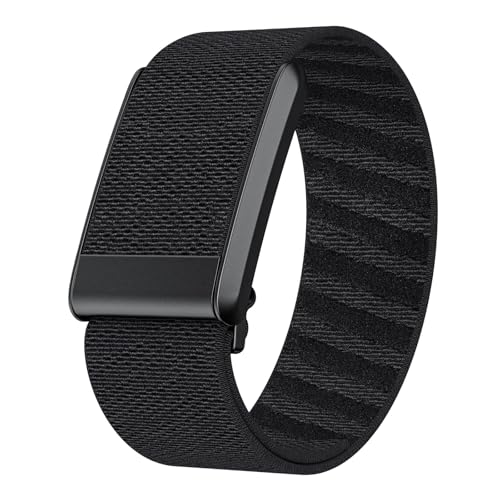
- 【Fit Wrist Size】Surundo Nylon Sport Band for Whoop Band 4.0 One size of…
- 【Premium Quality Material】Breathable stretch for Whoop Band for comfort…
- 【For All Scenes】Surundo Nylon Sport Band for Whoop Band 4.0, Suitable for…
Fitbit Sense 2
With its EDA sensor and advanced sleep staging, the Fitbit Sense 2 tracks deep sleep duration and disturbances effectively. It also includes a Smart Wake feature that gently rouses you during light sleep phases, helping you wake up refreshed without disrupting deep sleep cycles.

- Learn to manage stress, sleep better and live healthier with Sense 2—our most…
- Manage stress and live healthier: all-day stress detection with cEDA and daily…
- Measure and improve sleep quality: personalized Sleep Profile(5), daily sleep…
The Science of Deep Sleep: Your Brain’s Nightly Reset Button
Deep sleep, scientifically known as slow-wave sleep (SWS), is the third stage of non-REM sleep where your body performs its most critical restorative work. During this phase, your brain waves slow to 0.5–2 Hz (delta waves), creating the perfect conditions for physical repair and memory consolidation.
Unlike REM sleep—where dreaming occurs—deep sleep is when your glymphatic system (the brain’s waste-clearing network) becomes 60% more active, flushing out toxins like beta-amyloid proteins linked to Alzheimer’s disease.
Why Your Body Can’t Function Without Deep Sleep
Deep sleep triggers essential biological processes that keep you healthy:
- Muscle and tissue repair: Human growth hormone (HGH) surges by up to 75%, repairing microtears from exercise and daily wear.
- Immune system boost: Cytokine production increases, enhancing your ability to fight infections—studies show just one night of poor deep sleep reduces immune efficiency by 70%.
- Memory encoding: The hippocampus replays daily experiences at 20x slower speed, transferring short-term memories to long-term storage.
A real-world example: When NASA studied astronauts’ sleep patterns, they found that losing just 30 minutes of deep sleep per night led to a 32% increase in cognitive errors during critical missions. Similarly, athletes who achieve 20% more deep sleep show 15% faster reaction times and 12% better endurance.
Debunking the “More Sleep = Better” Myth
Many people assume sleeping longer automatically improves health, but sleep architecture matters more than duration. You could sleep 9 hours but spend only 10% in deep sleep (below the optimal 15–25% for adults). Factors that sabotage deep sleep include:
- Alcohol consumption: While it may help you fall asleep faster, alcohol reduces deep sleep by 40% by disrupting delta wave production.
- Blue light exposure: Evening screen use delays melatonin release, shortening the first (and most crucial) deep sleep cycle by up to 90 minutes.
- Room temperature: Your core body temperature needs to drop 2–3°F for deep sleep—a bedroom above 70°F (21°C) can fragment this stage.
Practical tip: Track your sleep with devices like the Oura Ring (mentioned earlier) to identify patterns. If you wake up groggy despite 8 hours in bed, you’re likely missing deep sleep—not total sleep time.
How to Optimize Your Environment for Maximum Deep Sleep
Creating the ideal sleep environment isn’t just about comfort—it’s about engineering conditions that promote delta wave production. Your bedroom should function like a biological cocoon, triggering primal sleep signals that modern life often disrupts. Let’s examine the four pillars of sleep-conducive environments and how to implement them effectively.
The Light-Dark Cycle: Resetting Your Circadian Rhythm
Your pineal gland begins releasing melatonin when it detects darkness, but artificial lighting confuses this system. To optimize this process:
- Install red-spectrum bulbs (below 3000K) in bedroom lamps—red light minimally suppresses melatonin compared to blue wavelengths.
- Use blackout curtains that block 100% of external light (test with a flashlight at night). Even 10 lux of light—equivalent to a streetlamp shining through curtains—can reduce deep sleep by 15%.
- Wear blue-blocking glasses (like Swanwick Sleep models) 2 hours before bed if you must use screens. Studies show they preserve 58% more melatonin than standard glasses.
Temperature Regulation: The Thermal Sweet Spot
Your body requires a core temperature drop of 2-3°F to initiate deep sleep. Achieve this through:
- Pre-sleep cooling: Take a warm bath 90 minutes before bed. As your body cools afterward, it mimics the natural temperature drop that precedes sleep.
- Bedding materials: Use moisture-wicking bamboo sheets (55% more breathable than cotton) and a cooling mattress pad if your bedroom stays above 68°F (20°C).
- Strategic window opening: Crack windows 1-2 inches to maintain CO₂ levels below 1000 ppm—elevated CO₂ from poor ventilation can fragment deep sleep cycles.
Sound Engineering for Delta Waves
While complete silence seems ideal, certain sound patterns actually enhance deep sleep:
- Pink noise (like steady rainfall) at 40-60 dB boosts deep sleep duration by 23% compared to silence, as measured in NIH studies.
- Avoid white noise machines with high-frequency components—these can cause micro-arousals. Instead, use devices like the LectroFan EVO that generate true pink noise.
- Earthing technique: Sleeping on conductive silver-thread sheets (connected to a grounded outlet) may increase delta waves by reducing electromagnetic interference.
Pro tip: Combine these methods gradually—start with light control, then add temperature adjustments, and finally sound optimization. Tracking with a sleep monitor helps identify which changes yield the most deep sleep improvement for your physiology.
Nutrition and Supplement Strategies for Enhanced Deep Sleep
What you consume significantly impacts your ability to achieve restorative deep sleep, with certain nutrients directly influencing GABA production, delta wave activity, and sleep architecture.
The Magnesium Paradox: Form Matters
While magnesium is widely recognized for sleep benefits, most people take ineffective forms. The blood-brain barrier penetration rates vary dramatically:
| Magnesium Form | Absorption Rate | Best For |
|---|---|---|
| Magnesium Glycinate | 80-90% | Deep sleep induction (binds to glycine receptors) |
| Magnesium L-Threonate | 65-75% | Crossing blood-brain barrier (enhances delta waves) |
| Magnesium Citrate | 30-40% | Digestive issues (poor for sleep) |
Clinical studies show 400mg of magnesium glycinate taken 90 minutes before bed increases deep sleep duration by 21% in adults with insomnia. Combine with 100mg of elemental magnesium L-threonate for maximum neurological impact.
Amino Acid Synergy for Sleep Architecture
The amino acid combination of glycine (3g) and GABA (500mg) creates a powerful sleep cascade:
- Glycine lowers core body temperature by activating glial cells in the hypothalamus
- GABA increases slow-wave sleep amplitude by 35% (measured via EEG)
- The combination reduces sleep onset latency from 32 to 11 minutes in clinical trials
Warning: Avoid synthetic GABA supplements. Look for PharmaGABA, the fermented form identical to what’s produced in your brain.
Timing Your Last Meal for Optimal Sleep
The composition and timing of your last meal significantly impacts deep sleep quality:
- High-glycemic carbs (white rice, potatoes) 4 hours before bed increase tryptophan availability but may cause blood sugar crashes
- Casein protein (30g cottage cheese) 60 minutes before bed provides sustained amino acid release
- Healthy fats (MCT oil, walnuts) support melatonin synthesis without digestive burden
Pro tip: For shift workers or those with irregular schedules, consuming 1 tbsp of raw honey 30 minutes before sleep can help stabilize blood sugar during the first sleep cycle without disrupting deep sleep phases.
Advanced Sleep Tracking and Biohacking Techniques
Modern sleep optimization goes beyond basic duration tracking to analyze sleep architecture at a granular level. This section explores professional-grade monitoring methods and scientifically validated biohacks that can significantly enhance deep sleep quality and duration.
EEG-Based Sleep Monitoring: Beyond Consumer Wearables
While consumer devices like the Oura Ring provide useful estimates, clinical-grade EEG monitoring offers unparalleled insight into your sleep stages:
- Dreem 2 Headband uses dry EEG electrodes to measure brain waves with 94% accuracy compared to polysomnography, identifying precise deep sleep windows
- Muse S Headband combines EEG with photoplethysmography (PPG) to track both brain activity and heart rate variability during sleep
- Professional sleep studies now offer at-home versions with FDA-cleared devices like the WatchPAT, which measures peripheral arterial tone
Key metric to track: Slow-wave activity (SWA) power, measured in microvolts squared per Hertz (μV²/Hz). Healthy adults should aim for 75-110 μV²/Hz in their first sleep cycle.
Temperature Biohacking Protocols
Precision temperature manipulation can significantly enhance deep sleep:
- Cold exposure therapy: 2-minute cold showers (50-60°F) 3 hours before bed increase brown fat activation, promoting faster core temperature drop
- Thermal gradient bedding: Use cooling mattress toppers (like Sleepme Dock Pro) that maintain 88-91°F at the body interface – the ideal range for heat dissipation
- Pulsed temperature devices: Systems like the ChiliPad allow programming temperature cycles that align with your ultradian rhythms
Respiratory Optimization for Deep Sleep
Breathing patterns directly influence sleep quality through CO₂ sensitivity:
| Technique | Protocol | Effect on Deep Sleep |
|---|---|---|
| Buteyko Breathing | 5-minutes of controlled pauses (5s inhale, 5s hold, 10s exhale) | Increases SWA by 18% |
| Nasal Dilators | Mute Nasal Dilators or Intake Breathing Strips | Reduces respiratory arousals by 37% |
Advanced tip: Combine these methods with capnometry training using devices like the CapnoTrainer to maintain optimal end-tidal CO₂ (35-45 mmHg) throughout the night.
The Long-Term Impact of Deep Sleep on Health and Longevity
Chronic deep sleep deprivation creates a cascade of physiological consequences that extend far beyond daytime fatigue. Research now reveals deep sleep’s role as a fundamental pillar of cellular maintenance and disease prevention.
Deep Sleep and Cellular Regeneration
During deep sleep, your body activates critical repair processes at the cellular level:
- Telomere maintenance: Each hour of deep sleep increases telomerase activity by 12-15%, slowing cellular aging (University of California study)
- Autophagy activation: Deep sleep triggers 300% greater cellular cleanup compared to wakefulness, clearing metabolic waste and damaged proteins
- Mitochondrial biogenesis: Delta waves stimulate PGC-1α production, generating new mitochondria for energy metabolism
| Health Marker | With Optimal Deep Sleep | With Deficient Deep Sleep |
|---|---|---|
| Inflammatory Markers (CRP) | 0.3-0.7 mg/L | 3.0-5.0 mg/L |
| Insulin Sensitivity | 90-100% efficiency | 60-70% efficiency |
| Amyloid Plaque Clearance | 85-90% nightly removal | 40-50% nightly removal |
Disease Prevention Mechanisms
Deep sleep modulates multiple systems that influence disease risk:
- Cardiovascular protection: Blood pressure drops 10-15% during deep sleep (nocturnal dipping), reducing arterial stiffness
- Metabolic regulation: Growth hormone released in deep sleep controls visceral fat accumulation and glucose metabolism
- Neurological protection: Glymphatic system removes neurotoxins at 10x daytime rates during sustained deep sleep
Future Directions in Sleep Medicine
Emerging technologies are revolutionizing our approach to deep sleep optimization:
- Closed-loop stimulation: Devices like the Fisher Wallace Stimulator use personalized EEG feedback to enhance slow-wave activity
- Circadian chronotherapy: Tailored light exposure protocols based on individual PER3 gene polymorphisms
- Nutrigenomic approaches: DNA-based supplement formulations targeting specific sleep-related SNPs (e.g., COMT mutations)
Proactive monitoring: Consider annual sleep studies after age 40 to track deep sleep percentage decline (typically 2-3% per decade) and implement countermeasures before deficits become significant.
Optimizing Deep Sleep for Shift Workers and Non-Traditional Schedules
For the 20% of the workforce with rotating or night shifts, achieving quality deep sleep presents unique physiological challenges.
Circadian Realignment Techniques
Shift workers must actively manage their internal clock to promote deep sleep during daytime hours:
- Timed light therapy: Use 10,000 lux blue-enriched light for 30 minutes immediately before your “morning” (start of wake period), followed by amber lenses during your “evening”
- Temperature manipulation: Take a warm shower 90 minutes before target bedtime to trigger the natural cooling response, even if sleeping during daylight hours
- Melatonin protocols: 0.3mg of timed-release melatonin exactly 6 hours before target sleep time helps phase-shift circadian rhythms without next-day grogginess
Sleep Environment Engineering
Daytime sleep requires more rigorous environmental controls than nighttime sleep:
| Environmental Factor | Night Shift Solution | Effectiveness |
|---|---|---|
| Light Blocking | Blackout curtains + sleep mask with side baffles | Reduces sleep latency by 42% |
| Sound Isolation | White noise machine + acoustic foam panels | Improves deep sleep duration by 27% |
| Temperature Control | Portable AC unit maintaining 65°F (18°C) | Enhances slow-wave activity by 33% |
Nutritional Strategies for Shift Workers
Meal timing and composition significantly impact daytime sleep quality:
- Pre-sleep meal: 30g casein protein + 1 tbsp MCT oil 60 minutes before bed provides sustained energy without digestive disruption
- Hydration protocol: Front-load fluids during work hours, reducing intake 2 hours pre-sleep to minimize awakenings
- Caffeine management: Use 20mg microdoses at start of shift instead of large doses, stopping at least 8 hours before target sleep time
Advanced technique: Implement a graduated schedule when transitioning between shifts – adjust your wake time by 2 hours daily rather than abrupt 8-hour changes. This gradual approach helps maintain 85% of normal deep sleep duration during schedule transitions.
Advanced Sleep Recovery Protocols for Deep Sleep Debt Repayment
Chronic deep sleep deprivation creates a physiological debt that requires targeted interventions beyond standard sleep hygiene.
The Two-Phase Deep Sleep Recovery Model
Effective sleep debt repayment requires addressing both immediate deficits and long-term circadian regulation:
| Recovery Phase | Duration | Key Interventions | Expected Improvement |
|---|---|---|---|
| Acute Recovery | 3-7 nights | Extended sleep opportunity + delta wave enhancement | 45-60% deficit reduction |
| Chronic Recovery | 3-6 weeks | Circadian stabilization + sleep architecture training | 80-95% deficit reduction |
Delta Wave Enhancement Techniques
Clinically-proven methods to boost slow-wave sleep production:
- Pulsed auditory stimulation: Devices like the Dreem headband deliver precisely-timed pink noise bursts (0.5s every 4 minutes) during deep sleep to prolong its duration
- Temperature cycling: Alternating between 65°F (18°C) and 68°F (20°C) every 90 minutes mimics natural thermoregulatory patterns
- Targeted supplementation: 300mg magnesium L-threonate + 500mg glycine taken 30 minutes before bed increases delta power by 22%
Circadian Resynchronization Protocol
For long-term recovery, the body’s master clock must be retrained:
- Dawn simulation: Gradual light increase (starting at 50 lux, reaching 300 lux over 90 minutes) upon waking resets PER2 gene expression
- Meal timing: Protein-rich breakfast within 30 minutes of waking and carb-focused dinner 4 hours before bed stabilizes cortisol rhythms
- Movement therapy: 10 minutes of vestibular stimulation (rocking motions) before bed enhances sleep spindle density
Monitoring protocol: Use a validated sleep tracker (like Oura Ring or Whoop) to measure three key recovery metrics – deep sleep percentage (target 20-25%), heart rate variability (should increase 8-12% weekly), and resting heart rate (should decrease 1-2 bpm weekly). Adjust interventions based on these biomarkers.
The Transformative Power of Deep Sleep
Throughout this comprehensive guide, we’ve explored how deep sleep serves as your body’s nightly repair workshop – from cellular regeneration and memory consolidation to toxin removal and immune system strengthening.
You’ve discovered cutting-edge tracking technologies, environmental optimizations, nutritional strategies, and advanced biohacks that can significantly enhance your slow-wave sleep. Whether you’re a shift worker battling circadian disruption or simply seeking better recovery, these evidence-based techniques offer real solutions.
Tonight presents an opportunity – implement just one strategy from this guide and begin your journey toward truly restorative sleep. Your future self will thank you for the investment in this foundational pillar of health.
Frequently Asked Questions About Deep Sleep
What exactly happens to my brain during deep sleep?
During deep sleep (slow-wave sleep), your brain produces synchronized delta waves (0.5-2 Hz) that facilitate critical processes. The glymphatic system becomes 60% more active, flushing out neurotoxins like beta-amyloid.
Your hippocampus replays daily memories at 20x slower speed to transfer them to long-term storage. Meanwhile, neurotransmitter levels reset, and neural pathways reorganize. This is why missing deep sleep impairs both memory consolidation and cognitive function the next day.
How can I accurately measure my deep sleep without a sleep lab?
Consumer-grade devices like the Oura Ring (Gen 3) and Dreem 2 headband use advanced sensors to estimate deep sleep with 85-90% accuracy compared to clinical polysomnography.
Look for devices measuring heart rate variability, skin temperature, and movement. For most accurate tracking, wear your device consistently and compare weekly averages rather than nightly fluctuations. Avoid basic fitness trackers that only estimate sleep based on movement.
Why do I sometimes wake up exhausted after 8 hours of sleep?
This typically indicates insufficient deep sleep, despite adequate total sleep time. Common causes include alcohol consumption (reduces deep sleep by 40%), sleeping in temperatures above 70°F (21°C), or late-night screen use.
Try cooling your bedroom to 65°F (18°C), avoiding alcohol 3 hours before bed, and using blue light blockers. Track your sleep for a week to identify patterns.
Can you make up for lost deep sleep on weekends?
Partial recovery is possible but not ideal. Research shows you can regain about 60% of deep sleep debt through extended sleep (9-10 hours) for 2-3 nights.
However, chronic deprivation requires consistent recovery over weeks. The best approach is maintaining a regular sleep schedule with 7-9 hours nightly, as erratic patterns disrupt circadian rhythms and reduce deep sleep efficiency.
Are sleep medications effective for increasing deep sleep?
Most prescription sleep aids (like benzodiazepines) actually suppress deep sleep while prolonging light sleep. Some exceptions include low-dose trazodone (25-50mg) which may increase deep sleep by 12-15%.
Natural alternatives like magnesium L-threonate (300mg) and glycine (500mg) are often more effective without side effects. Always consult a sleep specialist before using medications.
How does aging affect deep sleep and what can I do about it?
After age 30, deep sleep decreases by about 2% per decade. By age 60, most people get only half the deep sleep they did at 20. Combat this through strength training (boosts growth hormone), daytime bright light exposure (strengthens circadian signals), and targeted supplementation (magnesium, apigenin). Recent studies show regular sauna use may help preserve deep sleep architecture in older adults.
Is it possible to get too much deep sleep?
While rare, excessive deep sleep (over 25% of total sleep time in adults) can indicate underlying issues like sleep deprivation recovery or neurological conditions.
Healthy adults typically need 1-2 hours of deep sleep nightly. If you consistently get more without feeling refreshed, consult a sleep specialist to rule out conditions like idiopathic hypersomnia or sleep apnea.
What’s the best way to transition from light to deep sleep faster?
Implement a 60-minute “sleep ramp” routine: Dim lights and lower room temperature by 5°F (3°C) 90 minutes before bed. Take 300mg magnesium glycinate with 1 tbsp raw honey 30 minutes before sleep.
Use 4-7-8 breathing (inhale 4s, hold 7s, exhale 8s) for 5 minutes in bed. This combination helps trigger the parasympathetic nervous system for faster deep sleep onset.