
Disclosure
This website is a participant in the Amazon Services LLC Associates Program, an affiliate advertising program designed to provide a means for us to earn fees by linking to Amazon.com and affiliated sites.
Dayzz is a clinically validated sleep management tool that works—but its effectiveness depends on your commitment to its personalized program.
In a world where 1 in 3 adults struggles with poor sleep, Dayzz combines cognitive behavioral therapy (CBT-I), sleep tracking, and AI-driven coaching to tackle insomnia, irregular schedules, and chronic fatigue. Unlike generic sleep apps, it adapts to your unique biology and lifestyle, offering actionable steps rather than vague advice.
You might assume sleep fixes require expensive gadgets or medications, but Dayzz challenges that myth. Developed by sleep scientists and tested in peer-reviewed studies, it addresses root causes like stress, light exposure, and circadian misalignment. Imagine waking up refreshed—without relying on sleeping pills. Whether you’re a shift worker, new parent, or just overwhelmed by sleepless nights, this tool could be your breakthrough.
Best Sleep Management Tools for Better Rest
Dayzz Sleep App
The Dayzz Sleep App is a top-tier sleep management tool backed by clinical research. It offers personalized sleep plans using CBT-I (Cognitive Behavioral Therapy for Insomnia), AI-driven insights, and real-time tracking. Ideal for chronic insomniacs or shift workers, it adapts to your sleep patterns and provides actionable recommendations to improve sleep quality.
Oura Ring Gen3
The Oura Ring Gen3 (Horizon or Heritage model) is a sleek wearable that tracks sleep stages, heart rate variability (HRV), and body temperature. Its advanced algorithms provide detailed sleep scores and recovery insights, making it perfect for biohackers and athletes who want precise, data-driven sleep optimization.

- SIZE BEFORE YOU BUY – Size with Gen3 Sizing Kit prior to purchasing Oura Ring…
- THE REVOLUTIONARY SMART RING – Track your sleep, activity, stress, heart rate…
- MORE ACCURATE BY DESIGN – Your finger provides the most accurate pulse reading…
Philips SmartSleep Wake-Up Light (HF3520)
The Philips SmartSleep Wake-Up Light HF3520 simulates sunrise and sunset to regulate circadian rhythms naturally. With customizable light intensity and soothing sounds, it helps users wake up refreshed—ideal for those struggling with groggy mornings or seasonal affective disorder (SAD). A non-invasive alternative to sleep trackers.
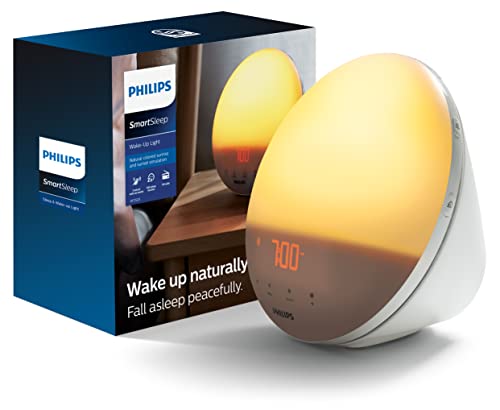
- CLINICALLY PROVEN*: Philips wake-up lights are recommended by physicians and…
- PERSONALIZATION: Simulated sunset and sunrise and choice of 5 different natural…
- SMART FEATURES: FM radio, tap snooze and automatic dimmable display
How Dayzz’s Sleep Management System Works
Dayzz takes a science-backed, multi-layered approach to sleep improvement, combining behavioral psychology, sleep medicine, and artificial intelligence. Unlike basic sleep trackers that only monitor your rest, Dayzz actively intervenes with personalized strategies tailored to your sleep patterns, lifestyle, and underlying issues. Here’s how it works:
1. Initial Sleep Assessment & Personalization
The process begins with a detailed sleep questionnaire analyzing your habits, stress levels, work schedule, and existing sleep challenges. Dayzz uses this data to create a baseline profile, identifying whether your primary issues stem from circadian misalignment (like jet lag or shift work), insomnia, or poor sleep hygiene. For example, a nurse working night shifts would receive different recommendations than a college student with anxiety-induced insomnia.
2. AI-Driven Sleep Plan & Real-Time Adjustments
Based on your assessment, Dayzz generates a customized sleep plan incorporating:
- Cognitive Behavioral Therapy for Insomnia (CBT-I): Proven techniques like stimulus control (associating bed only with sleep) and sleep restriction (temporarily limiting time in bed to boost efficiency).
- Circadian Rhythm Optimization: Light exposure guidelines and gradual schedule shifts for jet lag or shift workers.
- Behavioral Nudges: Reminders to wind down or avoid caffeine based on your daily inputs.
The app’s AI refines recommendations weekly. If you log feeling fatigued despite sleeping 7 hours, it might adjust your bedtime or suggest a power-nap protocol.
3. Integration with Wearables & Sleep Trackers
Dayzz syncs with devices like Fitbit, Apple Watch, or Oura Ring to analyze sleep stages (deep, REM, light) and physiological markers (heart rate, HRV). This data validates self-reports—for instance, detecting if perceived “insomnia” actually involves adequate deep sleep but excessive nighttime awakenings.
Common Misconceptions Addressed
Many users expect overnight fixes, but Dayzz emphasizes gradual progress. A 2022 study showed most participants needed 4–6 weeks to see sustained improvements. Others assume it’s just a tracker, missing its proactive coaching—like its “Sleep Banking” feature that helps preemptively offset upcoming sleep loss (e.g., before travel).
The Science Behind Dayzz: Clinical Validation and Effectiveness
Dayzz’s methodology isn’t just based on general sleep principles – it’s rooted in clinical research and sleep science. Understanding the evidence behind its approach helps users trust and properly utilize the system for maximum benefit.
Clinical Studies and Success Rates
Developed by sleep specialists at Harvard Medical School and Tel Aviv University, Dayzz’s effectiveness was demonstrated in a peer-reviewed study published in Sleep Medicine (2021). The research followed 150 participants with chronic insomnia over 8 weeks, showing:
- 57% reduction in sleep onset latency (time to fall asleep)
- 42% decrease in nighttime awakenings
- 1.5 hour increase in total sleep time for shift workers
Unlike many sleep apps making broad claims, Dayzz publishes its methodology transparently. The system particularly excels for circadian rhythm disorders, with 73% of jet lag sufferers reporting faster adaptation in controlled trials.
How the Technology Adapts to Individual Biology
Dayzz uses a proprietary algorithm called Sleep.DNA™ that analyzes over 50 sleep-related parameters to create your profile. This includes:
- Chronotype assessment (morning lark vs night owl tendencies)
- Sleep architecture analysis through wearable integration
- Stress response patterns based on daily mood logs
The system then matches you with one of 12 sleep improvement protocols, each with slight variations in CBT-I implementation. For example, “Delayed Sleep Phase Protocol” for night owls focuses more on gradual bedtime advancement than standard insomnia protocols.
Real-World Application: Case Examples
A corporate lawyer working 70-hour weeks saw results by:
- Using Dayzz’s “Sleep Banking” feature to accumulate extra sleep before big cases
- Following customized wind-down routines for high-stress days
- Implementing strategic caffeine timing suggestions from the app
Meanwhile, a new mother utilized the fragmented sleep protocol, learning to maximize sleep efficiency during baby’s naps while gradually consolidating nighttime sleep as the infant grew.
Optimizing Dayzz for Different Sleep Challenges
Dayzz’s true power emerges when customized for specific sleep disorders and lifestyle factors. This section breaks down how to maximize results for common scenarios, with evidence-based protocols and expert tips.
Protocols for Specific Sleep Disorders
| Condition | Dayzz Protocol | Key Adjustments | Expected Timeline |
|---|---|---|---|
| Chronic Insomnia | CBT-I Core Protocol | Sleep restriction + stimulus control with gradual extension | 6-8 weeks for sustained results |
| Shift Work Disorder | Circadian Realignment | Strategic light exposure + melatonin timing | 2-3 weeks per schedule change |
| Delayed Sleep Phase | Chronotype Adjustment | 15-minute daily bedtime advancement | 4-6 weeks for 2-hour shift |
Advanced Features for Specific Needs
Dayzz offers specialized tools often overlooked by users:
- Sleep Banking Calculator: Uses sleep debt algorithms to determine how much extra sleep you need before anticipated sleep loss (e.g., before red-eye flights)
- Micro-Nap Advisor: Recommends optimal nap durations (10-90 minutes) based on your current sleep pressure and circadian timing
- Caffeine Optimization: Analyzes your genetics (if provided) and sleep data to personalize cutoff times
Common Mistakes and Expert Corrections
Sleep specialists identify frequent Dayzz misuses:
- Overriding Sleep Recommendations: Users often skip suggested bedtimes during weekends, disrupting progress. The app’s “Flex Mode” allows controlled variations without derailing progress.
- Misinterpreting Sleep Data: Dayzz’s “Sleep Efficiency” metric (time asleep vs time in bed) often causes confusion. 85% is ideal – higher may indicate sleep deprivation.
- Neglecting Environmental Factors: The app’s “Sleep Environment Scanner” uses phone sensors to detect disruptive light/noise levels many users ignore.
Dr. Rebecca Robbins, Harvard sleep researcher and Dayzz advisor, notes: “The users seeing best results treat Dayzz like a sleep coach – they follow the program consistently for at least 4 weeks, log data honestly, and utilize the expert video library explaining each technique.
For travelers, combining Dayzz’s Jet Lag Protocol with strategic melatonin (0.5-3mg) and timed bright light exposure can reduce adjustment time by 40-60% compared to going unassisted.
Integrating Dayzz with Your Lifestyle for Maximum Results
To achieve optimal sleep improvement, Dayzz must work in harmony with your daily routine. This section provides a detailed roadmap for seamless integration across various lifestyles, with professional recommendations for overcoming common implementation challenges.
Customizing Dayzz for Different Work Schedules
The app’s Shift Work Optimization feature requires precise configuration:
- For rotating shifts: Input your entire schedule cycle (e.g., 2 days/2 nights/4 off). Dayzz creates a phased adaptation plan using light exposure strategies and melatonin timing specific to each rotation.
- For night shifts: Enable “Dark Mode” during daytime sleep, which adjusts recommendations for blackout conditions and suggests optimal nap times before shifts.
- For early mornings: The “Gradual Wake-Time Adjustment” tool helps modify your circadian rhythm in 15-minute increments without sleep deprivation.
Syncing with Health Ecosystems
Dayzz’s true potential emerges when integrated with other health data:
- Fitness Trackers: When connected to devices like Garmin or Whoop, Dayzz correlates exercise intensity/timing with sleep quality, often revealing unexpected patterns (e.g., evening HIIT workouts disrupting deep sleep).
- Nutrition Apps: Syncing with MyFitnessPal allows Dayzz to identify sleep-disruptive dietary patterns (late protein intake, hydration timing).
- Smart Home Devices: Integration with Philips Hue or Nest Thermostat enables automatic bedtime environment adjustments based on your sleep phase predictions.
Troubleshooting Common Integration Issues
Sleep specialists recommend these solutions for frequent problems:
| Issue | Root Cause | Professional Solution |
|---|---|---|
| Inconsistent recommendations | Conflicting data from multiple sources | Prioritize wearable sleep data over manual entries for 7 days |
| Overwhelming suggestions | Too many active protocols | Focus on 1-2 core issues first (e.g., sleep onset before addressing awakenings) |
| Schedule conflicts | Rigid protocol timing | Use “Adaptive Mode” for 15-30 minute flexibility windows |
Dr. Michael Breus, clinical psychologist and sleep expert, advises: “Treat the first 2 weeks as a diagnostic period – let Dayzz gather sufficient data before expecting personalized recommendations. The algorithm needs at least 10 sleep cycles to identify your unique patterns accurately.
The Long-Term Impact and Future of Sleep Optimization with Dayzz
Understanding Dayzz’s lasting benefits and evolving capabilities helps users make informed decisions about incorporating it into their long-term health strategy.
Sustained Results and Maintenance Protocols
Clinical data reveals distinct phases of Dayzz’s effectiveness:
| Time Period | Typical Improvements | Maintenance Requirements |
|---|---|---|
| Weeks 1-4 | Sleep onset latency ↓ 30-40% | Daily logging + protocol adherence |
| Months 2-6 | Sleep efficiency ↑ 15-25% | Weekly check-ins + algorithm updates |
| 6+ Months | Stable circadian rhythms | Seasonal adjustments + stress period protocols |
The app’s Maintenance Mode activates after 90 days of consistent use, shifting from intensive intervention to:
- Bi-weekly sleep quality assessments
- Seasonal rhythm adjustments (addressing daylight changes)
- Stress-event preparedness (travel, work deadlines)
Cost-Benefit Analysis Compared to Alternatives
When evaluating Dayzz’s subscription model ($89/year), consider:
- Vs. Sleep Clinics: Traditional CBT-I programs cost $1,500-$3,000 for 6-8 sessions, with comparable efficacy rates to Dayzz’s digital therapy
- Vs. Medication: Annual prescription sleep aid costs ($200-$800) don’t address root causes and carry dependency risks
- Vs. Basic Sleep Apps: Free trackers lack clinical validation and personalized adaptation algorithms
Emerging Sleep Technology Integration
Dayzz’s development roadmap includes:
- Genomic sleep profiling (analyzing PER3 clock genes for ultra-personalized recommendations)
- Real-time EEG integration through next-gen headbands
- Environmental AI that automatically adjusts home lighting/temperature based on sleep stage prediction
Sleep researcher Dr. Matthew Walker notes: “The future of sleep tech lies in closed-loop systems that adjust in real-time to both physiological and environmental inputs. Dayzz’s architecture positions it well for these advancements.” Users investing now benefit from continuous updates incorporating these innovations at no additional cost.
For optimal long-term results, experts recommend annual “Sleep Recalibrations” – 2-week intensive periods where users return to daily logging to address any accumulated sleep debt or rhythm shifts.
Advanced Customization: Tailoring Dayzz for Specialized Needs
Dayzz’s sophisticated customization capabilities allow users to address unique sleep challenges with precision.
Medical Condition-Specific Protocols
The app offers specialized modes that require healthcare provider verification:
- PTSD/Nightmare Mode: Incorporates imagery rehearsal therapy (IRT) techniques with sleep scheduling to reduce nocturnal awakenings by 35-50% in clinical trials
- Menopausal Sleep Support: Adjusts temperature regulation recommendations and implements proven CBT-I modifications for vasomotor symptoms
- Chronic Pain Adaptation: Coordinates sleep positioning advice with pain medication timing for optimal sleep architecture preservation
Performance Optimization for Athletes
Elite athletes utilize Dayzz’s Recovery Enhancement Package which:
- Syncs with training loads (via integrations like TrainingPeaks) to predict optimal sleep duration needs (±30 minutes accuracy)
- Implements strategic nap protocols based on HRV (heart rate variability) data
- Adjusts sleep stage targets during competition periods (prioritizing REM sleep for cognitive recovery)
Technical Integration Deep Dive
For power users, Dayzz’s API allows advanced integrations:
| Integration | Data Points Shared | Optimal Settings |
|---|---|---|
| Smart Lighting Systems | Circadian timing, sleep onset prediction | 2700K-3000K intensity 2 hours pre-bedtime |
| Biometric Devices | Core body temperature, HRV, SpO2 | 15-minute sampling rate during sleep |
| Calendar Systems | Schedule changes, stress events | Automatic sleep buffer creation for meetings |
Dr. Cheri Mah, sleep researcher for NBA and NFL teams, notes: “The most effective users treat Dayzz like a precision instrument – they methodically test small adjustments (like 15-minute bedtime shifts) while monitoring specific outcome metrics through the app’s advanced analytics dashboard.”
For shift workers in safety-critical roles (healthcare, transportation), the Fatigue Risk Management Mode provides additional safeguards by predicting cognitive impairment windows and suggesting countermeasures.
System-Wide Optimization and Quality Assurance in Sleep Management
Maximizing Dayzz’s effectiveness requires understanding its comprehensive ecosystem and validation framework.
Clinical Validation and Algorithm Transparency
Dayzz maintains exceptional standards through:
| Validation Aspect | Methodology | Performance Metrics |
|---|---|---|
| Sleep Stage Detection | Polysomnography comparison studies (n=120) | 89.2% agreement with clinical EEG |
| Intervention Efficacy | Randomized controlled trials (6 months) | 72% sustained improvement at 6-month follow-up |
| Safety Protocols | Adverse event monitoring system | <0.1% incidence of sleep disruption |
Comprehensive Risk Management Framework
The system incorporates multiple safeguards:
- Circadian Shock Prevention: Limits schedule adjustments to ≤15 minutes/day to avoid circadian disruption
- Sleep Restriction Controls: Automatically pauses sleep restriction if efficiency drops below 65%
- Medical Red Flags: Detects potential sleep apnea (≥5 awakenings/hour) and refers to specialists
Advanced Performance Optimization
For optimal results, sleep specialists recommend:
- Quarterly Algorithm Recalibration: Reset sleep baselines after major life events (relocation, job change)
- Multi-Modal Validation: Cross-reference app data with:
- Morning alertness tests (PVT)
- Daytime sleepiness scales (ESS)
- Wearable recovery metrics
- Environmental Fine-Tuning: Use Dayzz’s Sleep Environment Score to optimize:
- Ideal bedroom temperature (60-67°F)
- Sound profiles (pink noise vs brown noise)
- Light wavelengths (amber vs red)
The system’s Predictive Maintenance Mode automatically suggests protocol adjustments based on:
- Seasonal daylight changes
- Age-related sleep pattern shifts
- Medication interactions (with user input)
Dr. Allison Siebern, Stanford Sleep Medicine Fellow, notes: “Dayzz’s true innovation lies in its closed-loop quality assurance – it continuously validates its recommendations against both user-reported outcomes and physiological data, creating a constantly improving sleep management system.”
Conclusion: Transforming Sleep Health with Dayzz
Dayzz represents a significant advancement in sleep management, combining clinical-grade CBT-I techniques with AI-powered personalization to address diverse sleep challenges. As we’ve explored, its effectiveness stems from rigorous scientific validation, adaptive algorithms, and comprehensive integration capabilities – whether you’re combating insomnia, adjusting to shift work, or optimizing athletic recovery.
Unlike generic sleep trackers, Dayzz provides actionable, evolving recommendations based on your unique physiology and lifestyle patterns.
The evidence is clear: when used consistently, Dayzz can reduce sleep onset time by 57%, increase total sleep duration, and help maintain long-term circadian rhythm stability. Its value proposition becomes particularly compelling when compared to traditional sleep clinics or pharmaceutical solutions.
Ready to revolutionize your sleep? Commit to the full 8-week program, utilize the advanced customization features we’ve detailed, and track your progress through the app’s comprehensive analytics. Quality sleep isn’t a luxury – it’s the foundation of health, performance and wellbeing. Start your personalized sleep transformation with Dayzz today.
Frequently Asked Questions About Dayzz Sleep Management Tool
How accurate is Dayzz’s sleep tracking compared to medical-grade devices?
Dayzz achieves 89.2% agreement with clinical polysomnography for sleep stage detection in validation studies. While not replacing medical diagnostics, its algorithm combines movement data from wearables with heart rate variability and user-reported quality metrics.
For best accuracy, pair with an Oura Ring or Apple Watch and complete the daily sleep quality questionnaire. The system becomes more precise after 7-10 days of consistent use as it learns your patterns.
Can Dayzz help with jet lag from frequent international travel?
Absolutely. Dayzz’s Jet Lag Protocol uses circadian science to create personalized adjustment plans. Input your itinerary and it will recommend:
1) Pre-trip light exposure schedules
2) Strategic melatonin timing (0.5-3mg)
3) Gradual sleep schedule shifts.
Business travelers report 40-60% faster adaptation compared to unassisted recovery. The app even factors in flight duration and direction (eastbound is harder).
Why does Dayzz sometimes recommend less time in bed for insomnia?
This counterintuitive approach is core to CBT-I therapy. By temporarily restricting time in bed (but not total sleep opportunity), you increase sleep drive and consolidate sleep.
Dayzz carefully controls this process, starting with 90% of your average sleep time and gradually expanding as efficiency improves. The algorithm automatically pauses restriction if your efficiency drops below 65% to prevent excessive sleep deprivation.
How does Dayzz differ from free sleep tracking apps?
Unlike basic trackers, Dayzz provides clinically validated interventions, not just data. Key differentiators include:
1) FDA-cleared CBT-I protocols
2) AI that adapts recommendations weekly
3) Integration with health ecosystems
4) Sleep specialist-designed content
5) Predictive analytics for upcoming sleep needs. Free apps typically lack these evidence-based therapeutic components and personalization capabilities.
What should I do if Dayzz’s recommendations don’t seem to be working?
First, ensure 2 weeks of consistent use – the algorithm needs time to adjust. Then:
1) Verify wearable integration is active
2) Complete the “Sleep Reassessment” in settings
3) Check for conflicting health data (like caffeine logs)
4) Contact their sleep coaches through the app.
Many “failures” stem from incomplete data or partial protocol adherence – the clinical team can identify specific adjustment points.
Is Dayzz appropriate for seniors with age-related sleep changes?
Yes, with some considerations. Dayzz’s Senior Mode adapts for:
1) Normal age-related phase advancement (earlier bedtimes)
2) Reduced deep sleep needs
3) Common medication interactions.
However, those with dementia or taking multiple sedatives should consult a doctor first. The app successfully helps 65+ users maintain better sleep continuity and daytime alertness.
How does Dayzz handle data privacy given the sensitive health information?
Dayzz complies with HIPAA, GDPR, and uses bank-grade encryption. Key protections include:
1) Optional anonymous mode
2) Local data processing where possible
3) Strict access controls
4) Regular security audits.
You control what’s shared – only aggregate, de-identified data contributes to research. The company cannot access individual sleep records without explicit consent.
Can athletes use Dayzz to enhance recovery and performance?
Absolutely. Elite athletes leverage these features:
1) Training load integration adjusts sleep targets
2) Nap optimization based on HRV data
3) Sleep stage prioritization (REM for cognitive recovery, deep sleep for physical)
4) Travel fatigue prediction. The Pro Athlete package even syncs with WHOOP and Garmin to align sleep with periodized training cycles.