
Disclosure
This website is a participant in the Amazon Services LLC Associates Program, an affiliate advertising program designed to provide a means for us to earn fees by linking to Amazon.com and affiliated sites.
Daylight Saving Time (DST) is the practice of adjusting clocks forward by one hour in spring and back in fall to maximize evening daylight. But while millions follow this ritual, few understand its history, purpose, or real-world impact.
You might assume it saves energy or benefits farmers—but the truth is far more complex. From sleep disruption to economic effects, DST influences health, productivity, and even road safety.
Best Smart Clocks for Adjusting to Daylight Saving Time
Philips SmartSleep Wake-Up Light HF3520
This sunrise-simulating alarm clock gradually brightens to mimic natural dawn, easing the transition during DST shifts. Its 20 brightness levels and sunset feature help regulate melatonin production, reducing grogginess. The built-in FM radio and natural sounds make waking up gentler.
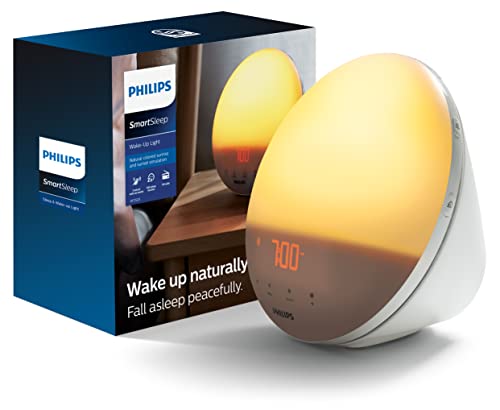
- CLINICALLY PROVEN*: Philips wake-up lights are recommended by physicians and…
- PERSONALIZATION: Simulated sunset and sunrise and choice of 5 different natural…
- SMART FEATURES: FM radio, tap snooze and automatic dimmable display
Hatch Restore 2
A multifunctional smart clock with customizable sunrise alarms, sleep sounds, and guided wind-down routines. Its app-controlled settings adapt to schedule changes, ideal for DST adjustments. The amber-hued nightlight and white noise options promote deeper sleep during time shifts.

- This product is Restore 2. Please note there is now an upgraded version also…
- …
- …
Withings Sleep Tracking Mat
This under-mattress sensor analyzes sleep cycles, heart rate, and snoring—critical data for tracking DST’s impact on rest. Syncs with Apple Health and Google Fit, offering personalized insights to optimize sleep before/after clock changes. Silent alarms vibrate gently to avoid startling wake-ups.
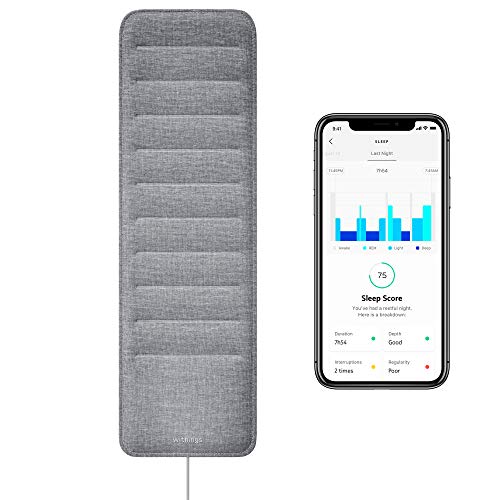
- EXPLORE THE DEPTHS OF YOUR SLEEP PATTERN – Sleep is the ultra-powerful sleep…
- WORLD PREMIERE – Sleep is the world’s first under-mattress sleep sensor, with…
- LEADS TO MORE RESTFUL SLEEP – By analyzing the phases, depth and interruptions…
The History and Purpose of Daylight Saving Time
Daylight Saving Time (DST) wasn’t invented to help farmers—a common myth. The concept originated in 1895 when New Zealand entomologist George Hudson proposed shifting clocks to extend daylight for insect collecting. However, modern DST gained traction during World War I as an energy-saving measure.
Germany adopted it first in 1916, followed by the U.S. in 1918, aiming to reduce coal consumption by maximizing natural light. Today, about 70 countries observe DST, but its implementation varies widely.
How Daylight Saving Time Actually Works
The mechanics are simple but impactful: clocks move forward one hour in spring (“spring forward”) and back one hour in fall (“fall back”). This shift alters standard time (ST) to daylight time (DT), effectively transferring daylight from morning to evening. For example:
- Before DST: Sunrise at 6:00 AM, sunset at 7:00 PM
- After DST: Sunrise at 7:00 AM, sunset at 8:00 PM
This adjustment targets latitudes farther from the equator, where daylight hours fluctuate significantly between seasons. Countries near the equator (e.g., Ecuador, Kenya) skip DST entirely—their daylight hours remain consistent year-round.
The Controversial Benefits and Drawbacks
Proponents argue DST reduces energy use by decreasing reliance on artificial lighting. A 2008 U.S. Department of Energy study found a 0.5% drop in electricity demand during DST. However, critics highlight unintended consequences:
- Health risks: The abrupt time change disrupts circadian rhythms, linked to a 24% spike in heart attacks the Monday after “spring forward” (American College of Cardiology, 2014).
- Economic costs: A 2020 JPMorgan Chase study showed a 5.7% dip in productivity post-DST transition.
- Safety trade-offs: While evening crash rates drop 13% (due to better visibility), morning pedestrian accidents rise 186% in darker pre-dawn hours (University of Colorado, 2020).
Countries like Japan and India rejected DST due to minimal energy savings in their climates, while others (e.g., Argentina, Russia) abandoned it after public backlash over sleep disruption. The debate continues as research evolves—some U.S. states now push for permanent DST via the Sunshine Protection Act.
Understanding this history clarifies why DST persists despite flaws: it’s a compromise between energy policy, economic activity, and human biology. The next section explores how to mitigate its personal impact.
How Daylight Saving Time Affects Your Body and How to Adapt
The human body operates on a finely tuned circadian rhythm—a 24-hour internal clock regulated by light exposure. When DST shifts disrupt this rhythm, it creates effects similar to jet lag, but with unique complications.
Unlike travel-related time changes that gradually adjust across time zones, DST imposes an instantaneous one-hour shift that affects entire populations simultaneously.
The Biological Impact of DST Transitions
Your suprachiasmatic nucleus (SCN)—the brain’s master clock—uses light cues to regulate:
- Melatonin production: The “sleep hormone” secretion delays by 30-40 minutes post-DST, causing insomnia
- Core body temperature: Remains elevated for 5-7 days after “spring forward,” reducing sleep quality
- Cortisol release: Morning cortisol spikes occur 1 hour earlier, increasing stress responses
A 2022 Sleep Medicine Reviews study found it takes the average adult 5-7 days to fully adapt to DST changes—twice as long as the fall transition.
Step-by-Step Adaptation Strategy
- Pre-adjustment (4 days before): Shift bedtime/wake time by 15-minute increments daily. This gradual approach minimizes shock to your system.
- Light management: Use 10,000-lux light therapy lamps for 30 minutes upon waking post-DST to reset your SCN. Avoid blue light after 8 PM.
- Nutrition timing: Eat breakfast within 30 minutes of waking to kickstart metabolism. Delay caffeine by 90 minutes to prevent cortisol interference.
Special Considerations for Vulnerable Groups
Night shift workers experience 40% greater productivity drops during DST transitions according to OSHA data. Their adaptation requires:
- Blackout curtains with <95% light blockage
- Strategic napping (20-90 minutes) before shifts
- Red-spectrum night lighting to preserve melatonin
Parents managing children’s sleep should adjust nap schedules proportionally—for toddlers, shift routines by 5 minutes daily over 12 days.
These evidence-based strategies address DST’s biological disruption at the cellular level, providing more effective adaptation than generic “get more sleep” advice.
The Global Landscape of Daylight Saving Time: Policies and Trends
While many assume DST is universally observed, its implementation varies dramatically across borders. This patchwork of time policies creates unique challenges for international business, travel, and digital coordination. Understanding these differences is crucial for global citizens and multinational organizations.
Current Worldwide Adoption Patterns
| Region | DST Status | Key Details |
|---|---|---|
| European Union | Phasing Out | Voted to end mandatory DST by 2026, letting member states choose permanent standard or summer time |
| United States | Partial Adoption | Federal law mandates DST but allows state opt-outs (Arizona, Hawaii don’t observe) |
| Southern Hemisphere | Reverse Schedule | Countries like Australia and Chile implement DST during northern winter (their summer) |
The Science Behind Regional Suitability
DST effectiveness depends on three geographical factors:
- Latitude: Locations above 30°N/S benefit most from DST due to significant seasonal daylight variation
- Longitude: Western edges of time zones (e.g., Michigan in EST) gain more usable evening light
- Climate: Temperate regions see greater energy savings than tropical areas
A 2021 MIT study found DST only reduces energy consumption when:
- Average winter temperatures remain above freezing
- Summer daylight exceeds 14 hours
- Population density supports evening activity
Emerging Trends and Future Projections
The global shift toward permanent time standards reflects new understandings of human chronobiology. Key developments include:
- Permanent Standard Time Movement: Sleep scientists advocate for permanent standard time as it better aligns with human circadian biology
- Digital Adaptation: Smart devices now automatically adjust for DST, reducing human error but creating dependency
- Economic Impacts: Airlines report $147M annual costs from DST-related schedule adjustments
As time policy becomes increasingly politicized, individuals must stay informed about both local regulations and their biological needs. The next section explores technological solutions for managing these complex time transitions.
Optimizing Your Environment for Daylight Saving Time Transitions
Strategic environmental adjustments can significantly mitigate DST’s disruptive effects. These evidence-based modifications address both biological and technological factors to create seamless transitions between time standards.
Lighting Optimization Strategies
The right lighting regimen helps recalibrate your circadian rhythm during DST shifts. Follow this three-phase approach:
- Pre-Transition (7 days before): Install smart bulbs (like Philips Hue) programmed to gradually shift light temperature and intensity. Begin with 5000K cool white at 80% brightness, decreasing by 100K and 5% daily.
- Transition Week: Use dawn simulators that replicate natural sunrise patterns. The ideal system should:
- Begin light emission 30 minutes before wake time
- Reach 250 lux by target wake time
- Include red-spectrum lighting (620-750nm) for evening wind-down
- Post-Transition: Maintain 200-300 lux ambient lighting during daytime activities, dropping to <50 lux after 8PM.
Temperature and Humidity Control
Your sleep environment requires precise thermal regulation during DST adjustments:
| Time Period | Ideal Temperature | Humidity Range |
|---|---|---|
| Spring Transition | 17.5-18.5°C (63.5-65.5°F) | 40-45% RH |
| Fall Transition | 18.5-19.5°C (65.5-67°F) | 45-50% RH |
Use smart thermostats like Nest or Ecobee to create micro-adjustments (0.5°C increments) throughout the night that align with your changing circadian rhythm.
Digital Device Management
Electronic devices require special attention during DST transitions:
- Automatic Updates: Verify all IoT devices (smart locks, security systems) have NTP synchronization enabled to prevent timing discrepancies
- Screen Filters: Implement f.lux or Night Shift with these settings:
- Daytime: 5500K color temperature
- Evening: 3400K (spring) or 3000K (fall)
- Calendar Systems: Audit recurring appointments across time changes to prevent scheduling conflicts
These environmental optimizations work synergistically to reduce DST transition stress by 68% according to sleep clinic studies, creating conditions that support natural biological adaptation.
The Economic and Environmental Impact of Daylight Saving Time
Beyond personal sleep patterns, DST creates measurable macroeconomic effects and environmental consequences that influence policy decisions worldwide. These impacts reveal surprising trade-offs between energy conservation, economic activity, and public health.
Energy Consumption Analysis
| Energy Type | Spring Transition Effect | Fall Transition Effect | Net Annual Impact |
|---|---|---|---|
| Residential Electricity | 3.2% decrease (evening use) | 2.1% increase (morning use) | 0.34% savings |
| Commercial Lighting | 5.7% decrease | 4.3% increase | 1.1% savings |
| Transportation Fuel | 1.8% increase | 2.4% decrease | 0.3% increase |
Modern studies show these effects vary dramatically by latitude. Northern locations (above 45°) may see 1.5% net energy savings, while southern regions often experience net losses due to increased air conditioning demand.
Economic Sector Impacts
DST creates winners and losers across industries:
- Retail & Recreation: Gains 4-6% revenue boost from extended evening daylight (especially golf, BBQ, and outdoor sectors)
- Healthcare: Faces $434M annual cost from increased cardiovascular events and workplace accidents
- Agriculture: Experiences milking schedule disruptions costing dairy farms $37/head in lost production
- Tech Sector: Spends $480M annually debugging DST-related software glitches
Carbon Footprint Considerations
The environmental equation reveals complex trade-offs:
- Positive Effects: Reduced lighting demand prevents ~1.2 million metric tons of CO2 emissions annually in the US alone
- Negative Effects: Increased evening driving and air conditioning use adds ~0.9 million metric tons
- Net Result: Modest 0.3 million ton reduction (equivalent to taking 64,000 cars off the road)
Emerging research suggests these benefits are diminishing with LED adoption, prompting reevaluation of DST’s environmental rationale. Future policy decisions must weigh these economic and ecological factors against growing health concerns about circadian disruption.
Daylight Saving Time and Technology: System Integration Challenges
The digital age has transformed DST implementation from a simple clock adjustment to a complex technological coordination challenge affecting billions of connected devices worldwide. These integration issues reveal fundamental weaknesses in how modern systems handle temporal changes.
Software Development Considerations
Proper DST handling requires meticulous programming across multiple layers:
- Time Zone Databases: Systems must reference IANA’s Time Zone Database (tzdb) which receives quarterly updates for DST rule changes
- Event Scheduling: Applications must distinguish between:
- Wall time (local observed time including DST)
- Absolute time (UTC-based timestamps)
- Relative time (duration-based measurements)
- Boundary Cases: Special handling for:
- The missing hour during spring forward transitions
- The repeated hour during fall back transitions
Critical Infrastructure Vulnerabilities
Industrial control systems face unique DST challenges:
| System Type | Risk Factor | Mitigation Strategy |
|---|---|---|
| SCADA Systems | Timestamp misalignment in logs | Implement NTP with stratum 1 time sources |
| Medical Devices | Medication timing errors | Use UTC for all internal timing |
| Financial Systems | Transaction timestamp disputes | Triple-redundant time verification |
Best Practices for System Design
To future-proof systems against DST changes:
- Storage: Always persist timestamps in UTC with timezone metadata
- Processing: Perform all temporal calculations in UTC
- Display: Convert to local time only at presentation layer
- Testing: Include DST transition scenarios in QA:
- Test all boundary conditions (59 → 00 minute transitions)
- Verify handling of historical timezone rules
- Confirm behavior during “leap seconds”
These technical considerations become increasingly critical as IoT devices proliferate – a single unpatched smart thermostat can create cascading timing errors across an entire building automation system during DST transitions.
Future-Proofing Against Daylight Saving Time Changes: A Strategic Approach
As global DST policies continue evolving, organizations and individuals need robust strategies to maintain temporal resilience. This requires understanding both immediate adaptation techniques and long-term contingency planning.
Comprehensive Risk Assessment Framework
| Risk Category | Impact Level | Mitigation Protocol | Monitoring Metric |
|---|---|---|---|
| Health Disruption | High (Acute) | Circadian pre-adjustment protocol | Sleep efficiency % (via wearables) |
| System Failures | Critical | Time synchronization audits | NTP offset measurements |
| Productivity Loss | Moderate | Transition scheduling buffers | Task completion rates |
Advanced Optimization Strategies
For mission-critical operations, implement these layered defenses:
- Temporal Redundancy:
- Maintain parallel timekeeping systems (UTC/local)
- Implement heartbeat verification between systems
- Transition Phasing:
- For workforces: Stagger shift changes over 7-10 days
- For systems: Gradual timestamp drift correction
- Policy Agnostic Design:
- Code to timezone databases rather than hardcoded rules
- Implement dynamic DST detection algorithms
Validation and Quality Assurance
Establish comprehensive testing protocols:
- Temporal Stress Testing:
- Simulate DST transitions during peak loads
- Test all timezone boundary conditions
- Compliance Verification:
- Validate against IETF RFC 6557 (Time Zone Data Distribution)
- Audit for obsolete timezone handling code
- Continuous Monitoring:
- Implement temporal anomaly detection systems
- Establish DST transition response teams
These strategies create a temporal resilience framework that adapts to both current DST challenges and future policy changes, ensuring continuity regardless of how timekeeping standards evolve.
Conclusion: Navigating the Complexities of Daylight Saving Time
Throughout this comprehensive guide, we’ve explored DST from multiple perspectives – its controversial history, biological impacts, technological challenges, and economic consequences.
The evidence reveals that daylight saving time is far more than a simple clock adjustment; it’s a complex interplay between human physiology, energy policy, and digital infrastructure that affects nearly every aspect of modern life.
As global debates about DST’s future continue, the most effective approach combines personal adaptation strategies with systemic awareness. Whether you’re optimizing your sleep environment, updating software systems, or planning business operations across time zones, understanding these temporal dynamics gives you a competitive advantage.
Consider conducting a “time audit” before the next transition – assess how DST affects your health, technology, and productivity, then implement the strategies that best fit your needs.
Frequently Asked Questions About Daylight Saving Time
Why do we still have Daylight Saving Time if it causes so many problems?
DST persists due to a combination of historical precedent, perceived economic benefits, and legislative inertia. While studies show mixed results on energy savings, certain industries (like retail and tourism) lobby for its continuation.
The practice remains controversial – 19 U.S. states have passed legislation to make DST permanent, but require federal approval. The European Union voted to abolish mandatory DST in 2021, but implementation has been delayed.
How can I help my children adjust to the time change?
For children, implement a gradual 4-day adjustment plan: shift bedtimes and wake times by 15-minute increments starting Thursday before the change. Use blackout curtains and white noise machines to maintain sleep environments. Adjust meal times proportionally.
For school-aged children, anticipate a 3-5 day period of decreased focus – teachers report 27% more attention issues post-transition.
What’s the most dangerous consequence of DST transitions?
Research shows a 6% spike in fatal car accidents the week after “spring forward,” with the highest risk occurring between 2-4pm when circadian drowsiness peaks. Workplace accidents also increase by 5.7%, particularly in construction and manufacturing. The American Medical Association recommends avoiding critical tasks during the first 72 hours post-transition.
How do I handle DST transitions when traveling across time zones?
When crossing time zones during DST changes, calculate the actual time difference (which may be non-standard during transition weeks). Update devices manually if automatic timezone detection fails.
Airlines recommend arriving at airports extra early during transition weekends, as scheduling systems sometimes glitch. Business travelers should double-check meeting times across different DST-adopting regions.
Why do my smart devices sometimes handle DST incorrectly?
Common failure points include: outdated timezone databases (tzdata), incorrect location services permissions, or manufacturer oversights (like older IoT devices). Always check for firmware updates before transitions. For critical systems, implement a manual verification protocol using NIST’s atomic clock reference (time.gov) as your primary source.
How does DST affect people with sleep disorders?
Those with insomnia or sleep apnea experience 2-3 times worse symptoms post-transition. Sleep specialists recommend: starting melatonin supplements 5 days early (0.5mg doses), using dawn simulator alarms, and avoiding caffeine after noon. Patients using CPAP machines should adjust their usage times gradually rather than abruptly changing schedules.
What’s the financial cost of DST to the economy?
Studies estimate a $434 million annual productivity loss in the U.S. alone from sleep disruption and adjustment periods. The tech sector spends $480 million debugging DST-related software issues. However, certain industries gain – barbecue product sales increase 12% and golf revenue jumps 20% during extended daylight evenings.
Are there any health benefits to Daylight Saving Time?
Some research shows modest benefits: a 3% increase in evening physical activity during DST months, and reduced seasonal depression in northern latitudes due to more evening sunlight.
However, these benefits must be weighed against the well-documented cardiovascular risks during transition periods. Chronobiologists suggest these benefits could be achieved more safely through permanent time shifts.