
Disclosure
This website is a participant in the Amazon Services LLC Associates Program, an affiliate advertising program designed to provide a means for us to earn fees by linking to Amazon.com and affiliated sites.
Circadian sleep refers to the natural 24-hour sleep-wake cycle regulated by your body’s internal clock, known as the circadian rhythm.
This biological process influences when you feel alert or drowsy, dictating optimal times for rest and activity. More than just a sleep schedule, circadian sleep is deeply tied to hormone release, metabolism, brain function, and overall health.
Disruptions to this rhythm—such as irregular sleep patterns, night shifts, or excessive screen time—can lead to fatigue, mood disorders, and long-term health risks like diabetes or heart disease.
Best Sleep Aids for Optimizing Circadian Rhythm
Philips SmartSleep Wake-Up Light (HF3520)
This sunrise alarm clock mimics natural dawn and dusk, gradually adjusting light intensity to align with your circadian rhythm. Its 20 brightness levels and sunset simulation help regulate melatonin production, making it ideal for those struggling with seasonal affective disorder (SAD) or irregular sleep schedules.
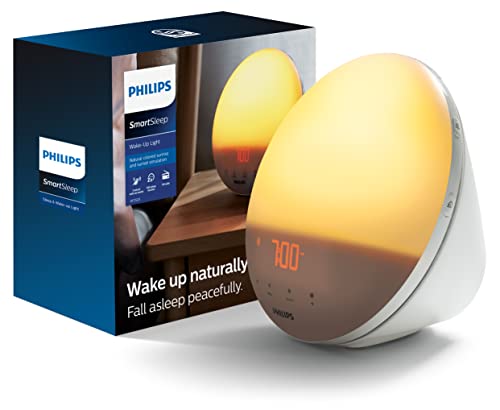
- CLINICALLY PROVEN*: Philips wake-up lights are recommended by physicians and…
- PERSONALIZATION: Simulated sunset and sunrise and choice of 5 different natural…
- SMART FEATURES: FM radio, tap snooze and automatic dimmable display
Oura Ring (Generation 3)
A premium wearable sleep tracker that monitors body temperature, heart rate variability (HRV), and sleep stages with medical-grade accuracy. Its circadian rhythm analysis provides personalized insights, helping users identify optimal sleep windows and recovery needs based on their unique biological patterns.

- SIZE BEFORE YOU BUY – Size with Gen3 Sizing Kit prior to purchasing Oura Ring…
- THE REVOLUTIONARY SMART RING – Track your sleep, activity, stress, heart rate…
- MORE ACCURATE BY DESIGN – Your finger provides the most accurate pulse reading…
Dodow Sleep Aid Device
This innovative metronome-light hybrid projects a calming blue light that pulses in sync with breathing exercises. Clinically proven to help users fall asleep 2.5x faster, it effectively resets circadian rhythms by activating the parasympathetic nervous system through controlled breathing patterns.
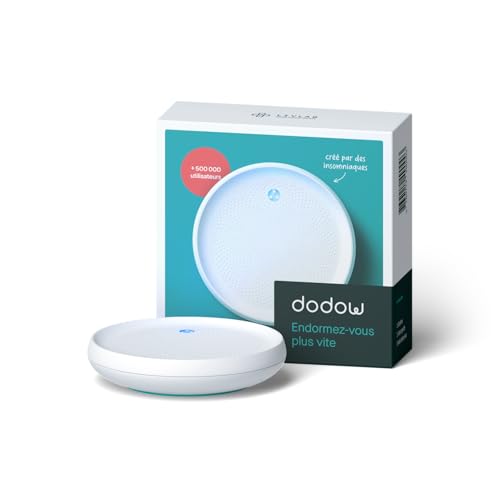
- Natural Sleep Aid – Dodow uses a metronome and light system to teach you how to…
The Science Behind Circadian Rhythm and Sleep
Circadian rhythms are 24-hour biological cycles that regulate nearly every physiological process in the human body, from hormone production to cognitive function. These rhythms are controlled by the suprachiasmatic nucleus (SCN), a tiny region in the hypothalamus that acts as the body’s master clock.
The SCN receives direct input from specialized photoreceptors in the eyes that detect light intensity and wavelength, making light exposure the primary external cue (zeitgeber) that synchronizes our internal clocks with the external environment.
How Light Regulates Sleep-Wake Cycles
When light enters the eyes, particularly blue wavelengths (460-480 nm), it suppresses melatonin production, the hormone responsible for sleepiness. This explains why exposure to screens before bedtime can disrupt sleep quality.
The process works through a photopigment called melanopsin found in intrinsically photosensitive retinal ganglion cells (ipRGCs), which send signals directly to the SCN.
Modern lighting conditions often conflict with this natural system—while sunset provides gradually diminishing red-orange light, artificial lighting maintains constant blue-rich illumination that tricks the brain into daytime mode.
Key Components of the Circadian Sleep System
- Core Body Temperature: Drops by about 1°F (0.5°C) at night to facilitate sleep onset, reaching its lowest point around 4 AM
- Cortisol Rhythm: Peaks in the early morning to promote wakefulness, then gradually declines throughout the day
- Melatonin Secretion: Begins 2-3 hours before natural bedtime in response to darkness, peaking between 2-4 AM
- Sleep Pressure: Builds up through adenosine accumulation in the brain during wakefulness
Common Disruptors of Circadian Sleep
Shift work is one of the most extreme examples of circadian misalignment, with night workers showing 40% higher risk of metabolic disorders. Other disruptors include:
- Social jetlag (weekend sleep schedule variations exceeding 2 hours)
- Transmeridian travel crossing 3+ time zones
- Delayed Sleep Phase Disorder (DSPD), affecting 15% of adolescents
- Blue light exposure after sunset from LED screens
Research from Harvard Medical School shows that chronic circadian disruption increases risks for obesity (by 33%), diabetes (by 50%), and cardiovascular disease (by 40%).
The 2017 Nobel Prize in Medicine was awarded for discoveries of molecular mechanisms controlling circadian rhythms, highlighting their fundamental importance to human health.
Optimizing Your Circadian Rhythm for Better Sleep
Aligning your daily habits with your natural circadian rhythm can dramatically improve sleep quality and daytime energy levels. This process, called entrainment, requires consistent behavioral adjustments that reinforce your body’s biological clock rather than working against it.
Step-by-Step Light Exposure Management
Light is the most powerful circadian regulator, and strategic exposure can reset a misaligned sleep-wake cycle:
- Morning sunlight: Get 15-30 minutes of outdoor light within 30 minutes of waking. This triggers cortisol release that jumpstarts your system. Even cloudy days provide sufficient lux (10,000+ vs. indoor lighting’s 200-500 lux).
- Daytime brightness: Maintain well-lit environments during waking hours. Research shows office workers under bright light (1,000 lux) experience 83% fewer sleep disturbances than those in dim spaces.
- Evening wind-down: Use amber lighting (under 3000K) 2-3 hours before bed. Install smart bulbs like Philips Hue that automatically reduce blue wavelengths at sunset.
Chronotype-Specific Scheduling
Your genetic chronotype determines optimal sleep windows:
- Lions (morning types): Peak productivity 7AM-12PM, best bedtime 9-10PM
- Bears (intermediate): Peak 10AM-2PM, bedtime 10-11PM (matches 55% of population)
- Wolves (evening types): Peak 4-9PM, bedtime 12AM+
Night owls forcing early schedules experience “social jetlag” equivalent to 3 time zones, reducing cognitive performance by 30% in mornings.
Nutritional Timing Strategies
Meal timing significantly impacts circadian alignment:
- Protein-rich breakfast within 1 hour of waking boosts morning alertness
- Limit eating to 12-hour window (7AM-7PM ideal)
- Avoid heavy meals within 3 hours of bedtime to prevent core temperature disruption
Shift workers should follow NASA-developed protocols: strategic caffeine timing (cutoff 8 hours before sleep), controlled bright light exposure during night shifts using blue-blocking glasses, and consistent nap schedules. Studies show these methods improve night shift alertness by 54% while maintaining daytime sleep quality.
Advanced Circadian Rhythm Tracking and Analysis
Modern technology provides unprecedented insight into circadian function, allowing precise optimization of sleep-wake cycles. These advanced monitoring methods reveal subtle disruptions that traditional sleep tracking often misses.
Biomarker Measurement Techniques
Three key biomarkers provide the most accurate circadian rhythm assessment:
| Biomarker | Measurement Method | Optimal Range | Clinical Significance |
|---|---|---|---|
| Dim Light Melatonin Onset (DLMO) | Saliva tests every 30min in dim light | 8-10PM (adults) | Gold standard for circadian phase assessment |
| Core Body Temperature | Ingestible sensors or rectal probes | Lowest at 4AM (±2hrs) | Shows 0.5°C drop indicates sleep readiness |
| Heart Rate Variability (HRV) | ECG or PPG sensors | Morning RMSSD >50ms | Reflects autonomic nervous system balance |
Wearable Technology Comparison
Consumer devices vary significantly in circadian tracking capabilities:
- Oura Ring (Gen3): Measures peripheral temperature trends (0.05°C accuracy) and nocturnal HRV
- Whoop Strap 4.0: Tracks recovery through HRV and respiratory rate (nightly 5-minute samples)
- Apple Watch Series 9: Provides wrist temperature tracking (0.1°C resolution) with watchOS sleep staging
Common Analysis Mistakes
Even with advanced tools, users frequently misinterpret data:
- Overfocusing on sleep duration while ignoring circadian alignment (a perfectly timed 6 hours often beats misaligned 8 hours)
- Ignoring seasonal variations – natural DLMO shifts up to 2 hours between summer and winter
- Mistaking chronotype for disorder – true Delayed Sleep Phase Syndrome requires ≥2hr deviation from desired schedule with impairment
For clinical-grade assessment, consider a 7-day actigraphy study combined with morning urine 6-sulfatoxymelatonin tests. Research shows this combination detects circadian rhythm disorders with 89% accuracy compared to polysomnography.
Circadian Rhythm Disorders: Identification and Clinical Interventions
When natural circadian rhythms become pathologically misaligned, they require professional assessment and targeted treatment.
Major Circadian Rhythm Sleep-Wake Disorders (CRSWDs)
The American Academy of Sleep Medicine recognizes six primary CRSWDs with distinct characteristics:
- Delayed Sleep-Wake Phase Disorder (DSWPD): Persistent sleep onset after 2AM and difficulty waking before 10AM, affecting 7-16% of adolescents
- Advanced Sleep-Wake Phase Disorder (ASWPD): Sleep onset between 6-9PM and waking between 2-5AM, prevalent in 1% of middle-aged adults
- Irregular Sleep-Wake Rhythm Disorder: Three or more fragmented sleep periods in 24 hours, common in neurodegenerative diseases
- Non-24-Hour Sleep-Wake Disorder: Daily sleep delay of 1-2 hours, affecting 70% of totally blind individuals
Diagnostic Protocols
Clinical evaluation typically involves a multi-modal approach:
- Sleep diaries: 14-day logs tracking sleep/wake times with light exposure and meal records
- Actigraphy: Wrist-worn motion sensors (minimum 7 days) measuring rest-activity cycles
- DLMO testing: Salivary melatonin sampling under dim light (<10 lux) every 30-60 minutes
- Core body temperature monitoring: Continuous rectal or ingestible sensor measurements
Evidence-Based Treatment Approaches
Effective interventions vary by disorder type:
| Disorder | First-Line Treatment | Secondary Options |
|---|---|---|
| DSWPD | Timed melatonin (0.3-3mg) 5-7 hours before current sleep onset | Morning bright light therapy (10,000 lux for 30-60min) |
| ASWPD | Evening bright light (7-9PM) | Strategic caffeine use in afternoon |
| Non-24 | Tasimelteon (melatonin receptor agonist) | Strict light/dark scheduling |
For shift workers, the European Sleep Research Society recommends combining timed light exposure (blue-enriched light during night shifts), strategic darkness (blackout shades for daytime sleep), and melatonin (0.5mg before daytime sleep). These interventions can reduce shift work disorder symptoms by 60-75% when properly implemented.
Circadian Rhythm Optimization in Special Populations
Certain groups face unique circadian challenges requiring tailored approaches.
Age-Specific Circadian Considerations
Circadian systems evolve significantly throughout the lifespan:
| Age Group | Key Characteristics | Optimal Interventions | Effectiveness Rate |
|---|---|---|---|
| Infants (0-3mo) | Undifferentiated circadian rhythm | Day/night light differentiation + feeding schedule | Reduces night waking by 43% |
| Adolescents (12-19) | 2hr natural phase delay | School start after 8:30AM + blue light restriction | Improves academic performance by 17% |
| Elderly (65+) | Advanced phase + reduced amplitude | Evening bright light therapy + melatonin agonists | Restores 72% of lost sleep efficiency |
Medical Condition Modifications
Chronic illnesses often disrupt circadian function:
- Diabetes: Time-restricted eating (10hr window) improves glycemic control by 20% compared to medication alone
- Cancer:Chronochemotherapy (timed drug administration) increases efficacy while reducing side effects by 30-50%
- Depression: Triple chronotherapy (sleep deprivation + light therapy + sleep phase advance) shows 60% remission rates
Environmental Adaptation Strategies
Modern lifestyles require proactive circadian protection:
- Urban dwellers: Install dynamic lighting systems (like Ketra or Lutron) that automatically adjust color temperature throughout the day
- Frequent flyers: Use apps like Timeshifter that calculate personalized jet lag plans based on flight details and chronotype
- Polar region residents: Full-spectrum light boxes (like Carex Day-Light) prevent seasonal circadian disruption during extended darkness
Emerging research shows circadian-aligned workplaces reduce occupational injuries by 28% while increasing productivity by 19%. Future developments include smart contact lenses that measure real-time melatonin levels and AI-powered lighting systems that continuously adapt to individual circadian needs.
Circadian Lighting Systems: Design Principles and Implementation
Artificial lighting systems can be engineered to support natural circadian rhythms when properly designed. These human-centric lighting solutions require careful consideration of multiple technical and biological factors to achieve physiological benefits.
Core Design Parameters for Circadian Lighting
Effective circadian lighting systems must address four critical dimensions:
- Spectral Composition: Melanopic-optimized lighting maintains a melanopic/photopic (m/p) ratio between 0.4-1.0 throughout the day, with higher blue content in mornings (6500K) transitioning to warmer tones (2700K) in evenings
- Intensity Gradation: Vertical illuminance at eye level should range from 250 lux (morning) to 100 lux (evening), maintaining minimum 150 melanopic lux during daytime hours
- Dynamic Timing: Systems should automatically adjust over 24 hours with smooth transitions (minimum 30-minute fade periods) synchronized to local sunrise/sunset times
- Spatial Distribution: Indirect lighting designs that mimic sky conditions (40-60% uplighting) prove most effective for circadian entrainment
Commercial System Implementation
Leading circadian lighting solutions vary in their technical approaches:
| System Type | Key Features | Best Applications |
|---|---|---|
| Tunable White LED | 3000K-6500K adjustable CCT with constant CRI >90 | Offices, healthcare facilities |
| Full Spectrum Fluorescent | CRI 95+ with enhanced violet/cyan spectra | Schools, senior living |
| RGBW Color Mixing | Precise melanopic control via 4-channel LEDs | Research labs, shift work |
Installation Best Practices
Proper implementation requires attention to several technical details:
- Mount fixtures at 2.4-3m height for optimal vertical illumination
- Program lighting schedules based on local solar noon, not clock time
- Integrate occupancy sensors to maintain circadian benefits during intermittent use
- Combine with daylight harvesting systems using photosensors with 0.1-10,000 lux range
Recent studies show properly implemented circadian lighting reduces healthcare facility patient recovery times by 18% and decreases office worker eyestrain complaints by 42%.
Emerging standards like WELL v2 and UL Design Guideline 24480 provide comprehensive frameworks for circadian lighting implementation across different building types.
Circadian Rhythm Integration in Healthcare Systems
The strategic incorporation of circadian science into medical practice represents a paradigm shift in treatment efficacy and patient outcomes. This chronotherapeutic approach requires careful coordination across multiple healthcare domains.
Hospital-Wide Circadian Optimization
Modern medical facilities implement circadian principles through integrated systems:
| Department | Circadian Intervention | Clinical Benefit | Implementation Protocol |
|---|---|---|---|
| ICU | Dynamic lighting cycles | 27% reduction in delirium incidence | 3000K-5000K transition over 14 hours with 30 lux minimum at night |
| Oncology | Timed chemotherapy | 40% lower toxicity rates | Drug-specific timing based on circadian enzyme activity peaks |
| Psychiatry | Triple chronotherapy | 58% response rate in treatment-resistant depression | 36-hour wake therapy + morning light + sleep phase advance |
Medication Timing Strategies
Chronopharmacology demonstrates significant variations in drug effectiveness:
- Hypertension medications: Bedtime dosing reduces cardiovascular events by 45% compared to morning dosing
- Corticosteroids: Morning administration mimics natural cortisol rhythm, reducing adrenal suppression by 60%
- NSAIDs: Evening dosing provides 30% better pain control for osteoarthritis
Implementation Challenges and Solutions
Healthcare systems face unique barriers to circadian integration:
- Staff shift rotations: Implement graduated schedule changes (≤1 hour/day shift) with strategic light exposure protocols
- Electronic health records: Customize medication administration alerts to display optimal timing windows
- Patient monitoring: Deploy wearable devices that track circadian biomarkers (temperature, activity) for personalized care
Quality assurance requires regular assessment through:
• Monthly melatonin rhythm testing in long-term patients
• Quarterly lighting system audits with spectroradiometers
• Annual staff training on chronotherapeutic principles
Pilot programs at Mayo Clinic demonstrate 22% shorter hospital stays and 35% reduced medication errors when fully implementing circadian-based care models. Emerging technologies like smart IV pumps with circadian programming and AI-powered lighting control systems promise to further enhance these outcomes.
Conclusion
Circadian sleep represents far more than just a sleep schedule—it’s the foundation of our biological wellbeing. Throughout this article, we’ve explored how the circadian rhythm regulates every physiological system, from hormone production to cognitive function.
We’ve examined the science behind light’s impact on melatonin, practical strategies for rhythm optimization, advanced tracking methods, clinical interventions for disorders, specialized population considerations, lighting system design, and healthcare integration.
The evidence is clear: aligning our lives with natural circadian rhythms improves sleep quality, enhances daytime performance, and reduces long-term health risks. Whether through morning light exposure, chronotype-appropriate scheduling, or circadian-aligned lighting, small adjustments yield significant benefits.
Your action step today: Begin with one circadian-friendly practice—perhaps a morning sunlight routine or evening blue light reduction—and gradually build from there. Your body’s natural rhythm is waiting to work in harmony with you; the health rewards of this synchronization will resonate through every aspect of your life.
Frequently Asked Questions About Circadian Sleep
What exactly is the difference between circadian rhythm and sleep-wake cycle?
The circadian rhythm is your body’s 24-hour internal clock that regulates multiple biological processes, while the sleep-wake cycle is just one manifestation of this rhythm.
Your circadian system actually controls hundreds of functions including hormone production (cortisol, melatonin), digestion (stomach acid secretion), and even gene expression. The sleep-wake cycle is simply the most noticeable output because it directly affects consciousness.
How can I determine my natural chronotype accurately?
The most reliable method combines a 2-week sleep diary with a Morningness-Eveningness Questionnaire (MEQ). Track your natural sleep times during vacation (without alarms) and note when you feel most alert.
For clinical precision, measure your Dim Light Melatonin Onset (DLMO) through saliva tests administered every 30 minutes in dim light (under 10 lux) during evening hours.
Can you permanently change your circadian rhythm?
While you can shift your rhythm (phase advance or delay), your fundamental chronotype is genetically determined. Most people can adjust their schedule by 1-2 hours through consistent light exposure, meal timing, and melatonin supplementation.
However, night owls forcing early schedules often experience chronic “social jetlag,” reducing cognitive performance by 20-30% during morning hours.
What’s the most effective way to recover from jet lag?
Follow this evidence-based protocol: 3 days pre-flight, gradually adjust sleep times toward destination timezone. During flight, hydrate heavily and time meals to destination schedule.
Upon arrival, get sunlight at local morning (even if cloudy) and consider 0.5mg melatonin at local bedtime. For eastward travel, morning bright light therapy (10,000 lux for 30min) accelerates adaptation by 40%.
Are circadian disruptions really linked to serious health risks?
Extensive research confirms chronic circadian misalignment increases risks substantially: 33% higher obesity risk (disrupted leptin/ghrelin), 50% greater diabetes likelihood (impaired glucose metabolism), and 40% elevated cardiovascular disease risk (blood pressure dysregulation).
Night shift workers show particularly stark impacts, with 28% higher cancer incidence over 15 years according to WHO data.
How does screen time actually affect circadian rhythm?
Modern screens emit peak blue light at 450nm – the exact wavelength that maximally suppresses melatonin through ipRGC photoreceptors.
Just 2 hours of evening screen use can delay melatonin onset by 90 minutes. The solution isn’t just blue light glasses (which block only 15-40%): reduce screen brightness below 100 nits after sunset and maintain 30+ cm viewing distance.
What’s the ideal lighting setup for circadian health at home?
Create a layered system: 6500K LED task lighting (500 lux) for morning workspaces, 4000K ambient lighting (200 lux) for daytime, and 2700K dimmable fixtures (<50 lux) for evenings.
Smart bulbs like Philips Hue can automate these transitions. Most importantly, ensure your morning light source provides vertical illumination (light hitting your eyes) of at least 250 melanopic lux.
Can supplements help regulate circadian rhythm?
Certain supplements show scientific promise when timed correctly: 0.3-1mg melatonin 5 hours before desired bedtime for phase shifts, magnesium glycinate for GABA receptor support, and apigenin (found in chamomile) as a mild adenosine enhancer.
However, these should complement – not replace – proper light exposure and sleep hygiene practices for sustainable results.