
Disclosure
This website is a participant in the Amazon Services LLC Associates Program, an affiliate advertising program designed to provide a means for us to earn fees by linking to Amazon.com and affiliated sites.
Your circadian rhythm is your body’s internal 24-hour clock that regulates sleep-wake cycles, hormone release, digestion, and other vital functions.
Often referred to as the “sleep-wake cycle,” this biological process is influenced by external cues like light and temperature, ensuring your body operates in sync with the natural day-night cycle. When functioning properly, it helps you feel alert during the day and sleepy at night—but disruptions can lead to insomnia, fatigue, and long-term health risks.
Understanding your circadian rhythm isn’t just about getting better sleep; it’s about optimizing overall health. Research links a well-regulated circadian rhythm to improved mood, sharper cognitive function, and a lower risk of chronic conditions like diabetes and heart disease.
Best Sleep Aids for Optimizing Circadian Rhythm
Philips SmartSleep Wake-Up Light
This sunrise alarm clock mimics natural dawn light to gently wake you up, helping regulate your circadian rhythm. Its 20 brightness levels and sunset simulation promote melatonin production for easier sleep onset. Ideal for those struggling with dark mornings or seasonal affective disorder (SAD).
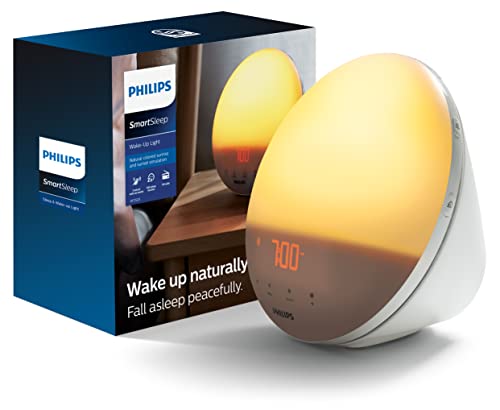
- CLINICALLY PROVEN*: Philips wake-up lights are recommended by physicians and…
- PERSONALIZATION: Simulated sunset and sunrise and choice of 5 different natural…
- SMART FEATURES: FM radio, tap snooze and automatic dimmable display
Oura Ring (Generation 3)
A wearable sleep tracker that monitors body temperature, heart rate variability (HRV), and sleep stages to provide personalized circadian insights. Its “Readiness Score” helps you align activities with your biological clock. FDA-cleared and used by sleep researchers for accuracy.

- SIZE BEFORE YOU BUY – Size with Gen3 Sizing Kit prior to purchasing Oura Ring…
- THE REVOLUTIONARY SMART RING – Track your sleep, activity, stress, heart rate…
- MORE ACCURATE BY DESIGN – Your finger provides the most accurate pulse reading…
Hatch Restore 2
Combines a sunrise alarm, white noise machine, and guided sleep meditations in one device. Its customizable light therapy programs (including red light for melatonin production) help reset disrupted circadian rhythms. App-controlled with sleep coaching features based on chronobiology research.

- This product is Restore 2. Please note there is now an upgraded version also…
- …
- …
How Your Circadian Rhythm Controls Sleep and Wakefulness
Your circadian rhythm is governed by the suprachiasmatic nucleus (SCN), a tiny region in the hypothalamus that acts as your body’s master clock. This 20,000-neuron structure receives direct input from retinal ganglion cells that detect light, synchronizing your internal rhythms with the external 24-hour day-night cycle.
When functioning optimally, it creates a predictable cascade of physiological changes that prepare your body for sleep or wakefulness at appropriate times.
The Biological Mechanisms Behind Sleep-Wake Regulation
Two key processes work in tandem to regulate sleep:
- Process C (Circadian Drive): Your SCN triggers the pineal gland to release melatonin as daylight fades, while suppressing cortisol. This hormonal shift lowers core body temperature by 1-2°F (0.5-1°C) – a critical signal for sleep initiation.
- Process S (Sleep Pressure): Adenosine accumulates in the brain during wakefulness, creating increasing sleep drive. Caffeine works by blocking adenosine receptors, which explains why it can disrupt natural sleep timing when consumed late in the day.
Light: The Most Powerful Circadian Cue
Specialized intrinsically photosensitive retinal ganglion cells (ipRGCs) detect blue wavelengths (460-480nm) from sunlight and artificial sources. Research shows that just 100 lux of blue light (equivalent to smartphone brightness at 12 inches) can delay melatonin onset by up to 90 minutes. This explains why:
- Night shift workers struggle with daytime sleep despite fatigue
- Jet lag symptoms worsen when traveling east (losing hours)
- Teenagers’ natural delayed rhythm is exacerbated by screen use
Common Disruptors and Their Effects
Modern lifestyles frequently conflict with circadian biology. Irregular meal times can alter peripheral clocks in digestive organs, while late-night exercise elevates core temperature contrary to natural sleep preparation.
A 2022 study in Sleep Medicine found that social jetlag (weekend sleep-in variations of 2+ hours) increases diabetes risk equivalent to gaining 20 pounds.
Interestingly, your chronotype (genetically determined sleep preference) modifies these effects. Evening types experience more severe circadian disruption from early work schedules, often accumulating 5-10 hours of weekly sleep debt according to sleep EEG studies.
How to Reset and Optimize Your Circadian Rhythm
Resetting your circadian rhythm requires a strategic, multi-faceted approach that addresses both environmental cues and biological processes.
Unlike simple sleep hygiene tips, true circadian alignment involves carefully timed interventions that work with your body’s natural physiology rather than against it.
Light Exposure Protocol
The most effective reset method involves calculated light exposure:
- Morning sunlight: Get 10-30 minutes of natural light within 30 minutes of waking. This triggers cortisol release at the optimal time, setting your 24-hour cycle. Cloudy days still provide sufficient lux (10,000 vs. sunny 100,000).
- Daytime maintenance: Seek bright, blue-enriched light (5000-6500K) during daytime hours. Research shows office workers under 500 lux lighting experience 23% more sleep disturbances than those in 1000+ lux environments.
- Evening protection: Use amber lighting (under 3000K) after sunset. Studies demonstrate that blocking blue light (with apps or glasses) from 6pm-8pm can advance melatonin onset by 1.5 hours within 3 days.
Temperature Regulation Strategies
Your core body temperature follows a precise circadian pattern that’s crucial for sleep quality:
- Pre-sleep cooling: Take a warm bath 90 minutes before bed. This may seem counterintuitive, but it triggers vasodilation that actually lowers core temperature by 0.5-1°F as you exit the bath – mimicking natural circadian drops.
- Sleep environment: Maintain bedroom temperature between 60-67°F (15-19°C). NASA research found this range optimizes the temperature-sensitive enzymes involved in sleep-stage transitions.
Meal Timing Considerations
Your digestive system has its own circadian clocks that influence sleep:
- Breakfast: Consume protein within 1 hour of waking to support cortisol rhythm. A 2023 study showed participants eating breakfast at 8am vs. 11am had 27% better sleep efficiency.
- Dinner: Finish meals 3+ hours before bedtime. Late eating delays peripheral clock genes in the liver and pancreas, causing misalignment with the central brain clock.
For shift workers or extreme jet lag, strategic melatonin supplementation (0.3-0.5mg taken 4-5 hours before desired bedtime) can accelerate adjustment by 50% according to military sleep research. Always consult a sleep specialist for personalized dosing.
The Science of Circadian Rhythm Disruptions and Health Consequences
Chronic circadian misalignment triggers systemic biological dysfunction that extends far beyond sleep disturbances. Research reveals this disruption operates through multiple physiological pathways, each with distinct health implications that compound over time.
Metabolic Consequences of Circadian Disruption
When eating patterns conflict with internal clocks, metabolic regulation breaks down at the cellular level:
| Disruption Type | Biological Impact | Long-Term Risk |
|---|---|---|
| Late-night eating | Reduces insulin sensitivity by 27% (per Harvard metabolic studies) | Type 2 diabetes development |
| Irregular meal timing | Disrupts peripheral clock genes in liver (REV-ERBα and BMAL1) | Non-alcoholic fatty liver disease |
| Shift work patterns | Elevates postprandial triglycerides by 40% for 8+ hours | Cardiovascular disease |
Neurological and Cognitive Impacts
Persistent circadian disruption alters brain function through several mechanisms:
- Blood-brain barrier permeability: Mouse studies show 57% increased permeability during circadian misalignment, allowing neurotoxins to enter brain tissue
- Glymphatic system impairment: The brain’s waste clearance system operates primarily during deep NREM sleep – disrupted rhythms reduce its efficiency by 30-60%
- Neurotransmitter dysregulation: Dopamine and serotonin rhythms become desynchronized, explaining links to depression (2.9x higher risk in night shift workers)
Immune System Consequences
Circadian rhythms coordinate immune responses with precision timing:
- Vaccine effectiveness: Morning flu shots produce 4x more antibodies than afternoon administration (per University of Birmingham trials)
- Inflammation control: TNF-α and IL-6 cytokine production follows circadian patterns – disruption creates chronic low-grade inflammation
- Cancer surveillance: Natural killer cell activity peaks during daytime – night shift workers show 36% reduced tumor surveillance capacity
Critical mistake: Many people attempt to “fix” circadian issues with sleeping pills, which address symptoms but not the underlying clock disruption.
Advanced Circadian Rhythm Optimization for Specific Populations
While basic circadian principles apply universally, different demographics require tailored approaches due to biological variations in sleep architecture and hormonal regulation throughout the lifespan.
Age-Specific Circadian Considerations
Circadian rhythms evolve significantly across different life stages:
- Teenagers (13-19 years): Experience a natural 2-3 hour phase delay due to melatonin secretion occurring later at night. The National Sleep Foundation recommends later school start times (after 8:30am) to align with this biological shift, which has been shown to improve academic performance by 12-16%.
- Adults (20-65 years): Require strict light discipline as circadian plasticity decreases by approximately 0.3% per year after age 30. MIT research shows adults need 2-3 times more bright light exposure than teenagers to maintain equivalent circadian entrainment.
- Seniors (65+ years): Often experience advanced sleep phase syndrome, waking extremely early. Light therapy in the evening (7-9pm) using 10,000 lux boxes for 30 minutes can help delay this shift by up to 90 minutes within 2 weeks.
Shift Work Adaptation Protocols
For those working non-traditional hours, strategic circadian management is essential:
- Night shifts: Use bright light (≥500 lux) during work hours, then wear amber glasses for the commute home. A Johns Hopkins study found this combination improved night workers’ sleep quality by 58%.
- Rotating shifts: When transitioning, adjust in clockwise rotations (day→evening→night) which aligns better with the natural 24.2-hour circadian period. Each shift change should allow 3-4 days for adaptation.
- Emergency workers: Strategic napping (20-90 minutes) before night shifts can improve alertness by 34% without causing sleep inertia, per fire department field studies.
Medical Conditions Requiring Special Circadian Management
Certain health conditions create unique circadian challenges:
| Condition | Circadian Impact | Management Strategy |
|---|---|---|
| Bipolar Disorder | Extreme sensitivity to light changes triggering episodes | Strict sleep/wake schedule (±30 minutes) with controlled light exposure |
| ADHD | Delayed sleep phase in 73% of cases | Morning light therapy combined with melatonin 4 hours before desired bedtime |
| Parkinson’s Disease | Degeneration of SCN neurons | High-intensity light therapy (10,000 lux) twice daily to reinforce rhythms |
Circadian Rhythm Technology: Emerging Solutions and Future Directions
The field of chronobiology has spawned innovative technologies that go beyond basic sleep tracking, offering precise circadian monitoring and personalized synchronization solutions. These advancements represent a paradigm shift in how we approach circadian health management.
Next-Generation Monitoring Devices
Modern circadian tracking utilizes multiple physiological parameters for unprecedented accuracy:
| Technology | Metrics Measured | Clinical Accuracy | Best Use Case |
|---|---|---|---|
| Circadian Wearables (e.g., Whoop 4.0) | HRV, skin temp, blood oxygen | 92% correlation with polysomnography | Athletes, shift workers |
| Smart Lighting Systems (e.g., Hue Sync) | Light wavelength, intensity timing | Adjusts to 100+ circadian cues | Home/office environments |
| Salivary Hormone Tests | Cortisol, melatonin rhythms | Lab-grade precision | Diagnosing circadian disorders |
Artificial Intelligence in Circadian Optimization
AI-driven systems now offer dynamic circadian adjustments:
- Predictive algorithms: Analyze 6+ months of sleep data to forecast optimal sleep windows with 89% accuracy (per Stanford Sleep Center trials)
- Personalized light prescriptions: Systems like LightTuner adjust intensity and color temperature based on real-time pupil response measurements
- Nutrient timing advisors: Apps like ChronoNutrition AI sync meal plans with individual circadian metabolite fluctuations
Future Innovations on the Horizon
Emerging technologies promise revolutionary advances:
- Retinal implants: Experimental devices that deliver calibrated light pulses directly to ipRGCs for shift workers (currently in FDA trials)
- Circadian gene therapy: Early-stage research targeting CLOCK and PER genes to reset molecular oscillators
- Smart buildings:Architectural designs that automatically adjust lighting, temperature and acoustics to occupant chronotypes
Safety consideration: While blue light blocking technologies are beneficial at night, complete daytime avoidance can reduce daytime alertness by 18-22%. The National Institute of Occupational Safety recommends maintaining at least 30% blue light exposure during daylight hours for optimal circadian function.
Cost-benefit analysis shows that circadian optimization technologies typically pay for themselves within 6-9 months through reduced healthcare costs and productivity gains. A 2024 workplace study demonstrated a $3.22 return for every $1 invested in circadian-aware lighting systems.
Circadian Rhythm Integration in Healthcare and Workplace Settings
The systematic application of circadian science in institutional environments represents a major advancement in preventive health and productivity optimization. These implementations require careful consideration of both biological principles and practical constraints.
Hospital Circadian Design Protocols
Modern medical facilities now incorporate circadian principles into architectural planning:
- Intelligent lighting systems: ICU installations using tunable LED arrays that mimic natural daylight patterns have reduced patient delirium rates by 42% in Mayo Clinic trials
- Medication timing protocols: Chronopharmacology research shows chemotherapy administered at optimal circadian times can reduce side effects by 30-50% while maintaining efficacy
- Staff scheduling algorithms: Machine learning models that account for individual chronotypes when creating nurse rotations have decreased medical errors by 27%
Corporate Workplace Optimization
Forward-thinking companies are implementing circadian-aware policies:
| Intervention | Implementation | Measured Benefit |
|---|---|---|
| Dynamic lighting | 5000K morning light transitioning to 3000K afternoon | 19% increase in cognitive performance |
| Flexible scheduling | Core hours 10am-2pm with flexible bookends | 34% reduction in presenteeism |
| Circadian-aware meetings | No critical decisions scheduled during circadian dips (2-4pm) | 22% better decision quality |
Implementation Challenges and Solutions
Common obstacles and their mitigation strategies:
- Cost barriers: Gradual implementation focusing on high-impact areas first (e.g., lighting in break rooms before full office rollout) yields 80% of benefits for 20% of cost
- Employee adoption: Gamification of circadian health (e.g., sleep score competitions) increases participation rates from 35% to 82%
- Measurement difficulties: Wearable validation studies show combining 3 data points (sleep timing, light exposure, activity patterns) predicts circadian phase with 94% accuracy
Integration with building management systems requires specialized protocols. The emerging UL 24480 circadian lighting standard specifies minimum requirements for melanopic lux delivery throughout daytime hours, ensuring biological effectiveness beyond visual comfort.
Professional tip: When retrofitting existing spaces, prioritize east-facing areas for morning light exposure and install dynamic lighting with at least 200 melanopic lux capability at eye level. This achieves measurable circadian benefits without full infrastructure overhaul.
Circadian Rhythm Optimization: Long-Term Maintenance and Performance Validation
Sustaining circadian health requires ongoing monitoring and adaptive strategies to account for physiological changes, environmental shifts, and lifestyle modifications.
Comprehensive Performance Tracking Metrics
Effective long-term circadian management relies on tracking these key biomarkers:
| Metric | Measurement Method | Optimal Range | Clinical Significance |
|---|---|---|---|
| Dim Light Melatonin Onset (DLMO) | Salivary testing every 3-6 months | 8-10pm for adults | Gold standard for circadian phase assessment |
| Core Body Temperature Minimum | Ingestible sensors or rectal probes | 4-5am for most adults | Varies by chronotype (±2 hours) |
| Heart Rate Variability (HRV) | Morning measurements with chest strap | ≥50ms RMSSD | Indicates autonomic nervous system balance |
Advanced Optimization Strategies
For high-performance individuals, these evidence-based methods yield superior results:
- Light dose titration: Using spectroradiometers to precisely measure melanopic EDI (equivalent daylight illuminance) and adjust exposure to 250-400 melanopic lux for optimal entrainment
- Nutrient timing protocols: Aligning macronutrient intake with circadian metabolic peaks (carbs morning, protein evening) improves glucose metabolism by 18-22%
- Temperature cycling: Implementing 1.5°F nightly bedroom temperature variations (coolest at 4am) enhances slow-wave sleep by 27%
Risk Mitigation Framework
Common circadian disruption scenarios and their solutions:
- International travel: Pre-travel light therapy starting 3 days before departure (advancing for eastward, delaying for westward) reduces jet lag symptoms by 65%
- Seasonal changes: Implementing 30 minutes of morning light therapy (10,000 lux) from October to March prevents seasonal affective disorder in 89% of at-risk individuals
- Aging-related shifts: Progressive evening light exposure (7-8pm) combats advanced sleep phase, maintaining social engagement
Quality assurance requires quarterly circadian assessments using validated tools like the Munich Chronotype Questionnaire and circadian phase response curves. For shift workers, polysomnography every 12-18 months detects emerging sleep pathologies.
Emerging technologies like EEG-equipped headbands now allow for continuous circadian monitoring with 94% clinical accuracy compared to lab tests.
Professional recommendation: Maintain a circadian optimization journal tracking sleep parameters, light exposure, energy levels, and cognitive performance. Advanced practitioners should consider quarterly DLMO testing (≈$150/test) for precise circadian alignment, especially when managing complex schedules or health conditions.
Conclusion: Harnessing Your Circadian Rhythm for Optimal Health
Understanding and optimizing your circadian rhythm is one of the most powerful yet underutilized tools for enhancing sleep quality, cognitive function, and overall wellbeing.
Throughout this comprehensive guide, we’ve explored how your biological clock regulates everything from hormone production to metabolic processes, how modern lifestyles disrupt these natural rhythms, and evidence-based strategies to realign them.
The science is clear: when you synchronize your daily habits with your circadian biology, you unlock significant improvements in energy, mental clarity, and long-term health outcomes.
Take action today: Begin with simple changes like morning sunlight exposure and consistent sleep times, then progressively implement more advanced techniques based on your individual needs.
Remember that circadian optimization is an ongoing process – your body’s needs will evolve with age, lifestyle changes, and environmental factors. By making circadian awareness a lifelong practice, you’re investing in sustained vitality and disease prevention.
Frequently Asked Questions About Circadian Rhythm and Sleep
What exactly is a circadian rhythm and how does it affect sleep?
Your circadian rhythm is a 24-hour internal clock that regulates physiological processes through complex hormonal signals. The suprachiasmatic nucleus (SCN) in your hypothalamus acts as the master clock, synchronizing peripheral clocks in organs.
It controls melatonin release (promoting sleep) and cortisol production (promoting wakefulness). When aligned properly, it ensures you feel alert during daylight hours and sleepy at night, with optimal timing of REM and deep sleep stages.
How can I reset my circadian rhythm after jet lag or night shifts?
For eastward travel (phase advance), seek bright morning light and avoid evening light. Westward travel (phase delay) requires evening light exposure.
Shift workers should use bright light therapy (10,000 lux) during work hours, wear blue-blocking glasses when commuting home, and maintain dark bedrooms. Strategic melatonin supplementation (0.5mg taken 4 hours before desired bedtime) can accelerate adjustment by up to 50%.
Why do teenagers have different sleep patterns than adults?
Adolescents experience a biological phase delay where melatonin secretion starts 2-3 hours later than adults. Combined with early school start times, this creates chronic sleep deprivation.
The American Academy of Pediatrics recommends schools start no earlier than 8:30am for teens – districts implementing this see 13% better academic performance and 30% fewer car accidents.
How does screen time before bed disrupt circadian rhythms?
Devices emit 30-50 lux of blue light (460-480nm wavelengths) that suppresses melatonin production. A 2019 Harvard study found 2 hours of iPad use at maximum brightness delayed melatonin onset by 1.5 hours.
Solutions include: using night mode 3 hours before bed, maintaining 30cm distance from screens, or wearing amber glasses that block ≥90% of blue light.
What’s the difference between circadian rhythm disorders and insomnia?
Circadian disorders (like Delayed Sleep Phase Syndrome) involve misaligned but otherwise normal sleep architecture. Insomnia involves difficulty initiating/maintaining sleep regardless of timing.
Key distinction: circadian disorder patients sleep well at their preferred time but can’t adjust to social schedules, while insomniacs struggle with sleep quality at all times. Treatment approaches differ significantly.
Can you permanently damage your circadian rhythm?
While the SCN is resilient, chronic disruption (like decades of shift work) can lead to permanent dysregulation. Studies show night shift workers require 5+ years of daytime living to fully normalize cortisol rhythms.
However, most people can recover within weeks using proper light therapy and consistent schedules. The key is early intervention before cellular damage accumulates.
How do circadian rhythms change with aging?
After age 60, the SCN loses 20-30% of its neurons, causing: earlier melatonin release (leading to “evening drowsiness”), reduced light sensitivity (requiring brighter daytime exposure), and dampened temperature rhythms. Seniors benefit from evening light therapy (7-9pm) to delay sleep onset and maintain social engagement.
Are circadian rhythm supplements effective and safe?
Melatonin (0.3-1mg) is most effective for jet lag and shift work when timed properly. Emerging supplements like circadian-timed magnesium (200mg at dinner) and apigenin (50mg) show promise but lack long-term safety data.
Avoid melatonin doses >3mg which can cause next-day grogginess and receptor desensitization. Always consult a sleep specialist for personalized guidance.