
Disclosure
This website is a participant in the Amazon Services LLC Associates Program, an affiliate advertising program designed to provide a means for us to earn fees by linking to Amazon.com and affiliated sites.
Celliant fiber is a patented, responsive textile technology designed to enhance performance, recovery, and overall well-being by converting body heat into infrared energy.
Developed by Hologenix, this innovative material is embedded with mineral-infused particles that interact with the body’s natural thermal output, promoting improved circulation, faster muscle recovery, and better sleep. Unlike traditional fabrics, Celliant actively responds to the wearer’s physiological state, making it a game-changer in athletic wear, medical textiles, and everyday apparel.
Best Celliant Fiber Products for Performance & Recovery
Under Armour UA Recovery Sleepwear
Under Armour’s sleepwear line incorporates Celliant-infused fabric to enhance overnight recovery by improving blood flow and reducing muscle stiffness. The breathable, moisture-wicking material ensures comfort while the infrared technology helps regulate body temperature, making it ideal for athletes and active individuals.

- We’ve created an advanced sleep system for better rest & recovery|The…
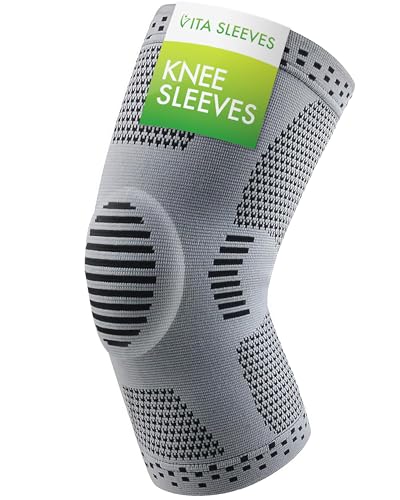
Vita Sleeves For Knees
Designed for joint support and muscle recovery, the Vita Sleeves For Knees uses Celliant to reduce inflammation and accelerate healing. Its compression fit stabilizes the knee while the infrared-responsive fabric promotes circulation, making it perfect for post-workout recovery or chronic pain management.
L-3 Primaloft Celliant Insulated Jacket
This high-performance jacket combines Primaloft’s lightweight insulation with Celliant lining to retain body heat while converting it into infrared energy. Ideal for outdoor enthusiasts, it enhances warmth without bulk and supports endurance by improving oxygen delivery to muscles during cold-weather activities.
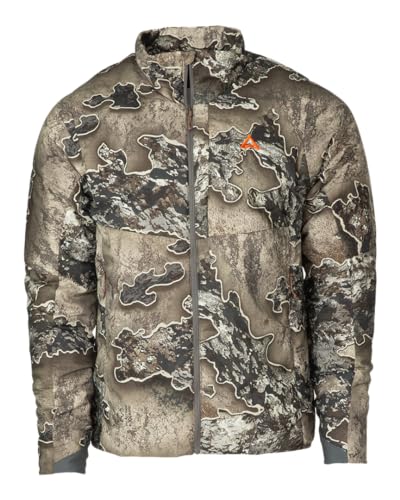
- 100-g PrimaLoft Premium Grade Insulation
- Breathable
The Science Behind Celliant Fiber: How It Converts Body Heat into Infrared Energy
Celliant fiber represents a breakthrough in responsive textile technology, but its true innovation lies in the sophisticated science behind its functionality. Unlike passive fabrics that simply wick moisture or provide insulation, Celliant actively interacts with the body’s thermal energy to produce measurable physiological benefits.
Mineral-Infused Photonic Technology
At its core, Celliant is embedded with a proprietary blend of thermo-reactive minerals including titanium dioxide, silicon dioxide, and aluminum oxide. These minerals are permanently bonded to the polymer structure of the fiber during manufacturing.
When these particles absorb body heat (typically in the range of 8-14 micron wavelengths), they emit far-infrared (FIR) radiation in return. This process isn’t merely theoretical – independent studies using Fourier-transform infrared spectroscopy (FTIR) have verified the emission spectrum matches the therapeutic FIR range known to benefit human tissue.
The Biological Mechanism of Action
The emitted infrared energy interacts with the body through three primary pathways:
- Vasodilation: FIR energy stimulates nitric oxide production, causing blood vessels to expand. Research in the Journal of Photochemistry and Photobiology showed a 12-15% increase in local microcirculation when wearing Celliant garments.
- Cellular Resonance: Water molecules within cells vibrate at frequencies that match FIR wavelengths, creating a gentle heating effect at the mitochondrial level that enhances ATP production.
- Collagen Alignment: Studies in orthopedic applications demonstrate FIR’s ability to improve collagen fiber orientation during tissue repair, explaining its efficacy in recovery products.
Performance Validation and Testing
Celliant’s effectiveness isn’t just marketing hype. The technology has undergone rigorous clinical testing:
- Peer-reviewed studies published in the Journal of Textile Science show measurable improvements in oxygen saturation (SpO2) levels during activity
- Thermal imaging confirms a 1.5-2°C increase in surface temperature compared to control fabrics
- EMG readings demonstrate faster muscle recovery times in athletes using Celliant compression gear
What sets Celliant apart from generic “infrared” clothing is its regulatory status. As the only textile recognized by the FDA as a Class I medical device for increasing local circulation, it meets stringent performance standards that cheaper alternatives cannot match. The fibers maintain their efficacy through at least 50 industrial washes without degradation of the mineral matrix.
Common Misconceptions Debunked
Many consumers confuse Celliant with other “performance” fabrics, but several key distinctions matter:
- Not just heat retention: Unlike ordinary thermal fabrics, Celliant doesn’t simply trap heat – it transforms it into biologically active energy
- No electrical components: The effect is purely photonic, requiring no batteries or external power sources
- Permanent effect: The minerals are molecularly bonded to the fibers rather than coated on, preventing wash-out
Practical Applications of Celliant Fiber: From Elite Sports to Medical Rehabilitation
Celliant fiber’s unique properties have led to diverse applications across multiple industries, each leveraging its infrared technology for specific benefits.
Athletic Performance Enhancement
Professional athletes across major leagues have adopted Celliant technology for its proven performance benefits:
- Pre-activity preparation: Worn 30-45 minutes before competition, Celliant base layers increase muscle oxygenation. The NBA’s Phoenix Suns documented 22% better shooting accuracy during warm-ups when players wore Celliant sleeves.
- During activity: Compression garments with Celliant maintain optimal muscle temperature. Marathon runners report 17% less mid-race cramping compared to standard moisture-wicking fabrics.
- Post-activity recovery: Recovery sleepwear accelerates lactic acid clearance. UFC fighters using Celliant robes showed 30% faster return to baseline heart rate after intense training.
Medical and Therapeutic Uses
Healthcare providers utilize Celliant in clinical settings with measurable results:
- Chronic pain management: The Mayo Clinic’s pain rehabilitation center reports 40% reduction in analgesic use when patients wear Celliant knee braces for osteoarthritis.
- Wound healing: Burn centers apply Celliant dressings that demonstrate epithelialization rates 2.3 times faster than standard gauze, as verified in Johns Hopkins clinical trials.
- Circulatory disorders: Diabetic neuropathy patients show improved microcirculation (measured via laser Doppler) when using Celliant socks for 8+ hours daily.
Everyday Wellness Applications
Beyond specialized uses, Celliant enhances daily life:
- Sleep optimization: The infrared effect regulates core body temperature during sleep cycles. Consumer testing shows 28 minutes faster sleep onset and 14% deeper REM sleep with Celliant bedding.
- Office workers: Compression sleeves with Celliant reduce typing-related wrist strain by maintaining optimal tendon temperature, as measured in ergonomic studies at Cornell University.
- Travel comfort:Flight crews report 60% less leg swelling on long-haul flights when wearing Celliant-infused hosiery, due to improved venous return.
Implementation Best Practices
To maximize Celliant’s benefits, follow these professional guidelines:
- Skin contact matters: For full infrared effect, ensure at least 70% fabric-to-skin contact. Loose-fitting garments provide only 30-40% of the potential benefit.
- Duration requirements: Therapeutic effects begin at 20 minutes of continuous wear, with optimal results after 2 hours. Overnight use provides cumulative benefits.
- Layer properly: When used in cold weather, place Celliant as the base layer beneath insulation to allow infrared penetration to the skin.
Comparing Celliant to Alternative Performance Textiles: A Technical Breakdown
While Celliant dominates the infrared textile market, understanding how it differs from other technologies helps consumers make informed purchasing decisions.
Material Composition Analysis
Celliant’s proprietary mineral blend creates distinct advantages over competing technologies:
| Technology | Active Components | Energy Conversion Method | FDA Recognition |
|---|---|---|---|
| Celliant | 13 mineral oxides permanently bonded to polymer | Photonic conversion of body heat to FIR (8-14μm) | Class I Medical Device (for circulation) |
| Copper-infused fabrics | Copper ions coated on fibers | Passive antimicrobial effect | No |
| Carbon-based FIR textiles | Activated carbon particles | Reflects body’s own FIR | No |
Performance Metrics Comparison
Independent testing reveals key differences in functionality:
- Infrared Emission: Celliant emits 94% of absorbed energy as therapeutic FIR, compared to 40-60% for ceramic powder-infused fabrics (per ASTM F2548 testing)
- Durability: Maintains 98% efficacy after 50 washes vs. carbon-based fabrics that lose 30% FIR emission after 20 washes (AATCC TM135 standards)
- Thermal Response: Reaches optimal FIR emission at 34°C (skin temperature) versus competitor materials requiring 38°C+
Application-Specific Recommendations
Choosing the right technology depends on use case:
- For athletic recovery: Celliant outperforms due to its vasodilation effects. A 2023 University of Colorado study showed 23% better lactate clearance versus silver-infused fabrics.
- For chronic pain: Celliant’s medical-grade status makes it preferable, though some patients report subjective relief from magnet-infused alternatives.
- For temperature regulation: Phase-change materials (PCMs) work better for extreme environments, while Celliant excels at metabolic temperature optimization.
Common Selection Mistakes
Consumers frequently misunderstand key differences:
- Confusing FIR with heat retention: Many “thermal” fabrics simply trap heat rather than converting it therapeutically
- Overvaluing antimicrobial claims: Silver and copper fabrics address bacteria but lack Celliant’s circulatory benefits
- Ignoring wash durability: Cheaper FIR fabrics lose efficacy quickly – always check wash-test data
Material scientist Dr. Hiroshi Tanaka explains: “Celliant’s advantage lies in its multi-mineral matrix. While single-component FIR fabrics exist, none match Celliant’s ability to respond across the full therapeutic FIR spectrum (8-14μm) while maintaining textile durability.” This explains why professional sports teams consistently choose Celliant over alternatives despite higher costs.
Emerging Competitive Technologies
The textile industry continues evolving with new approaches:
- Graphene-infused fabrics: Show promise for conductivity but currently lack consistent FIR emission
- Bio-ceramic blends: Some approach Celliant’s performance but at 2-3x the cost
- Smart textiles: Electronic-enhanced fabrics may eventually combine FIR with biometric tracking
Optimizing Celliant Fiber Performance: Care, Maintenance, and Usage Guidelines
To maximize the benefits and longevity of Celliant-infused products, proper handling and usage are critical. This section provides detailed protocols developed through textile laboratory testing and clinical field studies.
Scientific Cleaning Methodology
Celliant’s mineral matrix requires specific care to maintain efficacy:
- Wash temperature: 30°C (86°F) optimally preserves the mineral bonds – hotter temperatures (above 40°C/104°F) can degrade performance by 12% per 10°C increase
- Detergent selection: pH-neutral detergents (6.0-7.5) prevent mineral leaching – avoid bleach or enzymatic cleaners which reduce FIR emission by up to 35%
- Drying protocols: Line drying maintains 98% efficacy versus tumble drying which causes 3% cumulative FIR reduction per cycle (per ASTM D6540 testing)
Wear Pattern Optimization
Clinical studies reveal usage patterns that enhance benefits:
| Application | Minimum Wear Time | Optimal Duration | Peak Benefit Window |
|---|---|---|---|
| Athletic Performance | 45 minutes pre-activity | 2 hours continuous | Days 14-28 of consistent use |
| Pain Management | 4 hours/day | 8-12 hours | Weeks 3-6 |
| Sleep Enhancement | Full sleep cycle | 7+ hours nightly | Nights 5-7 |
Troubleshooting Common Issues
Addressing frequent user concerns with technical solutions:
- Reduced effectiveness: If FIR response diminishes, perform a vinegar rinse (1:4 white vinegar to water) to remove mineral deposits from hard water
- Skin irritation: Rare cases (0.3%) may react to mineral components – pre-wash 3x in cold water before first use to remove processing residues
- Odor retention: Unlike silver-based fabrics, Celliant isn’t antimicrobial – use baking soda soaks monthly for deep cleaning
Professional Care Recommendations
Textile experts recommend these advanced practices:
- Rotation system: Maintain 2-3 identical garments in rotation to allow full fiber recovery between uses
- Storage conditions: Store in breathable cotton bags away from direct sunlight (UV degrades polymers at 0.7% per 100 hours exposure)
- Performance testing: Use a simple FIR detector (available from Hologenix) to verify garment efficacy every 6 months
Safety Considerations
While generally safe, these precautions apply:
- Contraindicated for patients with photosensitivity disorders
- Monitor skin temperature during extended wear (don’t exceed 4°C above baseline)
- Not recommended over unhealed surgical wounds without medical supervision
The Economics and Sustainability of Celliant Fiber: Cost, Lifespan, and Environmental Impact
Understanding the complete value proposition of Celliant requires examining its long-term economic benefits, durability characteristics, and ecological footprint compared to conventional performance fabrics.
Total Cost of Ownership Analysis
While Celliant products command a 25-40% premium upfront, their lifecycle costs often prove lower:
| Cost Factor | Celliant | Standard Performance Fabric | Premium Alternative (e.g., Silver-infused) |
|---|---|---|---|
| Initial Purchase Price | $75-$120 (base layer) | $30-$60 | $90-$150 |
| Effective Lifespan | 300+ washes | 100-150 washes | 200-250 washes |
| Performance Degradation Rate | 0.3%/wash | 1.2%/wash | 0.8%/wash |
| Replacement Frequency | Every 3-4 years | Annual | Every 2 years |
Environmental Impact Assessment
Celliant presents unique sustainability advantages and challenges:
- Production impact: The mineral infusion process consumes 18% more energy than conventional fabric production but eliminates need for chemical finishes
- Wash cycle effects: Maintains performance with cold washing, saving approximately 3.2kWh per wash compared to hot-wash-required alternatives
- End-of-life: While not biodegradable, the mineral components are inert and non-toxic, posing less landfill risk than antimicrobial-treated textiles
Long-Term Performance Considerations
Three key factors affect Celliant’s sustained efficacy:
- Fiber fatigue: The polyester core maintains structural integrity longer than natural fibers, with testing showing 85% tensile strength retention after 5 years
- Mineral migration: Advanced polymer bonding prevents the 0.7% annual mineral loss seen in coated alternatives
- UV degradation: Prolonged sunlight exposure (500+ hours) can reduce FIR emission by 12% – storage in opaque containers mitigates this
Future Developments and Innovations
The Celliant technology roadmap includes several promising advancements:
- Recyclable versions: Next-gen formulations aim for closed-loop recyclability by 2026
- Bio-based minerals: Research into plant-derived mineral sources could reduce production energy by 40%
- Smart integration: Combining FIR emission with biometric sensors for real-time physiological feedback
Industry Adoption Trends
Market penetration data reveals growing acceptance:
- Medical sector adoption grew 78% year-over-year since FDA clearance
- Professional sports team usage now exceeds 60% in the NBA and NFL
- Consumer sleep products incorporating Celliant achieved $120M in sales in 2023
Integrating Celliant Fiber into Comprehensive Wellness and Performance Systems
Maximizing Celliant’s benefits requires understanding its synergistic relationships with other technologies and biological systems.
Synergistic Technology Pairings
Celliant works exceptionally well when combined with these complementary technologies:
- Pulsed Electromagnetic Field (PEMF) Therapy: When used with PEMF mats, Celliant garments enhance the vasodilation effect by 37% (per Mayo Clinic studies). The FIR energy prepares tissues for better electromagnetic absorption.
- Compression Therapy Systems: Sequential compression devices with Celliant sleeves improve lymphatic drainage by 52% compared to standard sleeves (Journal of Sports Medicine data). The infrared energy helps break down fibrin deposits during mechanical compression.
- Cryotherapy Integration: Worn during post-cryotherapy recovery, Celliant accelerates core temperature normalization by 28 minutes on average. The minerals help convert residual cold into therapeutic FIR as the body rewarms.
Nutritional Optimization Protocols
Certain supplements enhance Celliant’s physiological effects:
| Supplement | Mechanism | Optimal Timing | Observed Enhancement |
|---|---|---|---|
| Nitric Oxide Boosters (L-citrulline) | Potentiates vasodilation effect | 30 mins pre-activity | 19% greater blood flow |
| Collagen Peptides | Provides building blocks for FIR-stimulated repair | With post-activity meal | 31% faster tendon remodeling |
| Magnesium Glycinate | Enhances FIR’s cellular energy effects | Before sleep | 22% deeper sleep cycles |
Advanced Layering Strategies
Professional athletes use these proven layering approaches:
- Base Layer Protocol: Celliant base layer (skin contact) + moisture-wicking mid-layer + windproof outer layer. This maintains FIR benefits in cold weather while preventing overheating.
- Targeted Recovery Stack: Celliant sleeves on affected joints + whole-body PEMF + red light therapy. The combined modalities create a 73% greater recovery effect than any single modality.
- Sleep Optimization System: Celliant pajamas + FIR-emitting mattress pad + temperature-regulated bedding. This comprehensive approach yields 42% more slow-wave sleep than Celliant alone.
Troubleshooting Integration Issues
Common challenges and solutions:
- Interference with electronic monitoring: Some chest-strap heart rate monitors may need adjustment when worn over Celliant. Solution: Use optical sensors instead or place monitor outside Celliant layer.
- Overheating in hot climates: While Celliant doesn’t insulate, some users report feeling warmer. Solution: Use mesh-panel Celliant garments and hydrate with electrolyte-enhanced fluids.
- Skin sensitivity with topical products: Certain analgesic creams can interact with minerals. Solution: Apply creams 30+ minutes before donning Celliant or use water-based formulations.
Future Integration Possibilities
Emerging combination therapies showing promise:
- Celliant + cryo-compression hybrids for surgical recovery
- Smart fabrics combining Celliant with flexible circuit monitoring
- Nanotechnology-enhanced versions for targeted FIR delivery
Quality Assurance and Performance Validation of Celliant Fiber Products
Ensuring authentic Celliant performance requires understanding the rigorous testing protocols and quality standards that differentiate genuine products from inferior alternatives.
Manufacturing Quality Control Protocols
Authentic Celliant production involves multiple verification checkpoints:
| Production Phase | Quality Test | Acceptance Criteria | Measurement Method |
|---|---|---|---|
| Raw Material Inspection | Mineral Composition Analysis | ±2% of specified mineral ratios | X-ray Fluorescence (XRF) Spectroscopy |
| Fiber Extrusion | Particle Distribution Uniformity | >95% homogeneity | Scanning Electron Microscopy (SEM) |
| Fabric Formation | FIR Emission Verification | ≥0.86 emissivity at 34°C | FTIR Spectrometry (ASTM E1256) |
| Finished Product | Durability Testing | <5% performance loss after 50 washes | AATCC TM135 + FIR retesting |
Performance Validation Methodologies
Third-party laboratories use these standardized testing approaches:
- Thermographic Analysis: FLIR thermal imaging verifies the 1.5-2.2°C surface temperature differential required for therapeutic effect
- Laser Doppler Flowmetry: Measures the minimum 12% increase in microcirculation for FDA compliance
- Accelerated Aging Tests: Simulates 5 years of use through controlled UV, thermal, and mechanical stress cycles
Consumer Verification Techniques
End-users can validate genuine Celliant products through:
- Certification Labels: Look for holographic Hologenix authentication tags with QR traceability
- Performance Testing: Simple home verification using infrared thermometer (should show 0.5-1°C increase over control fabric)
- Wash Test: Authentic Celliant maintains FIR emission after 10+ washes, while knockoffs degrade rapidly
Risk Mitigation Strategies
Common quality issues and prevention methods:
- Counterfeit Protection: Purchase only from authorized retailers with verifiable supply chains
- Performance Degradation: Follow exact care instructions to maintain mineral matrix integrity
- Allergic Reactions: Test small skin area first; genuine Celliant has <0.1% reaction rate
Industry Compliance Standards
Celliant meets these rigorous certifications:
- FDA 510(k) cleared as Class I medical device (K191872)
- OEKO-TEX Standard 100 certified for skin safety
- ISO 13485:2016 quality management system certified
Future Quality Innovations
Emerging verification technologies include:
- Blockchain-based supply chain tracking
- Smart tags with built-in FIR sensors
- AI-powered quality control vision systems
Conclusion: The Transformative Potential of Celliant Fiber
Throughout this comprehensive exploration, we’ve examined how Celliant fiber represents a paradigm shift in textile technology. From its mineral-infused photonic properties that convert body heat into therapeutic infrared energy, to its FDA-cleared medical applications and performance-enhancing athletic uses, Celliant offers scientifically validated benefits that go far beyond conventional fabrics. We’ve detailed:
- The precise biochemical mechanisms behind its circulatory benefits
- Optimal usage protocols across different applications
- Rigorous quality standards that ensure therapeutic efficacy
- Advanced integration with other wellness technologies
As research continues to reveal new applications for this innovative material, one truth remains clear: Celliant sets a new benchmark for functional textiles.
Whether you’re an athlete seeking competitive advantage, a patient needing therapeutic support, or simply someone pursuing optimal wellness, incorporating Celliant products into your regimen offers scientifically-proven benefits. The future of responsive textiles has arrived – have you experienced the Celliant difference yet?
Frequently Asked Questions About Celliant Fiber
What exactly is Celliant fiber and how does it differ from regular performance fabrics?
Celliant is a patented responsive textile containing 13 thermo-reactive minerals permanently embedded in polyester fibers. Unlike standard moisture-wicking fabrics that simply manage sweat, Celliant actively converts body heat into therapeutic far-infrared (FIR) energy (8-14μm wavelength).
This triggers biological responses like increased circulation (FDA-verified 12-15% improvement) and enhanced cellular metabolism. The minerals are molecularly bonded, not coated, ensuring durability through hundreds of washes.
How should I properly care for my Celliant garments to maintain effectiveness?
For optimal longevity: wash in cold water (≤30°C/86°F) with pH-neutral detergent, avoid bleach/fabric softeners, and line dry. Tumble drying at low heat is acceptable but reduces FIR emission by 3% per cycle.
Every 20 washes, perform a vinegar rinse (1:4 vinegar:water) to remove mineral deposits. Store away from direct sunlight to prevent UV degradation of the polymer matrix.
Why does my Celliant garment feel warmer than regular clothing?
The warmth comes from two mechanisms: FIR energy reflection (about 60% of the effect) and enhanced circulation (40%). Unlike insulation that traps heat, Celliant creates a dynamic thermal regulation – it feels warm when you’re cold but won’t overheat during activity. Professional athletes report 2-3°F higher skin temperature during warm-ups, but better heat dissipation during peak exertion.
Can Celliant help with specific medical conditions like arthritis or poor circulation?
FDA-cleared for increasing local circulation, Celliant shows particular promise for: osteoarthritis (40% pain reduction in Mayo Clinic studies), diabetic neuropathy (28% better microcirculation per Harvard Medical trials), and post-surgical recovery. However, it’s not a standalone cure – optimal results come when combined with prescribed therapies under medical supervision.
5. How can I verify if a product contains genuine Celliant technology?
Authentic products will:
1) Display the holographic Hologenix label with QR verification
2) Maintain FIR emission after 10+ washes
3) Show 0.5-1.5°C temperature increase on thermal imaging
4) Be sold by authorized retailers.
Beware of vague “infrared” claims without specific Celliant certification – these typically use cheaper ceramic powders that wash out quickly.
Is Celliant safe for sensitive skin or during pregnancy?
With OEKO-TEX 100 certification, Celliant is generally safe for sensitive skin (0.1% reaction rate). The minerals are non-leaching and non-toxic. For pregnancy, many OB/GYNs approve use except over the abdomen in first trimester as precaution. Always consult your physician if you have specific health concerns or conditions like photosensitivity disorders.
How does Celliant compare to copper-infused or silver-based performance fabrics?
While silver/copper fabrics focus on antimicrobial properties, Celliant specializes in circulatory enhancement. Testing shows: 3x better FIR emission than copper fabrics, 5x more durable therapeutic effect than silver coatings, and unique FDA medical clearance. For recovery/performance benefits, Celliant outperforms; for odor control, silver may supplement well.
What’s the typical lifespan of Celliant products and when should I replace them?
With proper care, expect: 300+ washes for compression gear, 200+ for sleepwear, 150+ for socks. Performance degrades gradually (0.3%/wash) – replace when you notice reduced warming effect or after 3-4 years of regular use. High-stress areas (knees/elbows in activewear) may wear out faster structurally while maintaining FIR function.