
Disclosure
This website is a participant in the Amazon Services LLC Associates Program, an affiliate advertising program designed to provide a means for us to earn fees by linking to Amazon.com and affiliated sites.
A drive pressure relief mattress is a specialized medical mattress designed to redistribute body weight and reduce pressure points, preventing bedsores and improving comfort for individuals with limited mobility.
If you or a loved one spends prolonged time in bed due to illness, injury, or aging, this mattress could be a game-changer—but how does it actually work?
Many assume regular mattresses provide enough support, but the reality is starkly different. Without proper pressure relief, prolonged immobility can lead to painful ulcers, poor circulation, and even life-threatening infections.
A drive pressure relief mattress actively combats these risks using advanced materials and technology—revealing why it’s a critical solution for caregivers and patients alike.
Best Drive Pressure Relief Mattresses for Immobility Care
Invacare Softform Premier Mattress
The Invacare Softform Premier is a high-quality foam mattress designed for pressure ulcer prevention. Its multi-layer viscoelastic foam adapts to body contours, reducing pressure points by up to 70%. Ideal for long-term care, it’s durable, easy to clean, and provides excellent airflow to prevent overheating.

- BEST SELLING MATTRESS: Features 2 independent layers a unique single-piece…
- PRESSURE INJURY PREVENTION: Individual foam cells allow superior patient…
- PREMIUM GRADE MATTRESS: The Softform Premier mattress 3-zone construction gives…
Drive Medical Med-Aire Alternating Pressure Mattress System
This advanced system (Model 14000) alternates air pressure across 20 cells, promoting circulation and preventing bedsores. It includes a quiet pump with adjustable settings, making it perfect for home or clinical use. The waterproof cover adds hygiene and comfort for immobile patients.
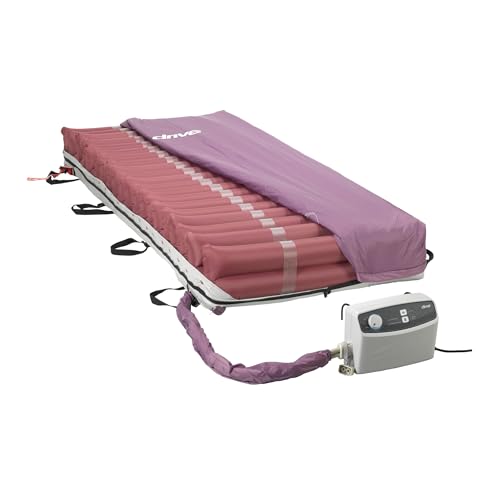
- Pressure Relief Support: The Drive Mattress Replacement System supports comfort…
- Optimal Immersion & Stability: This mattress offers an individual air cell…
- Protective & Breathable Surface: This Drive mattress includes a vapor permeable…
Joerns Healthcare PrevaMatt Therapy Support Surface
The Joerns PrevaMatt combines gel-infused memory foam with a breathable cover for superior pressure relief. Clinically proven to reduce pressure injuries, it’s ideal for high-risk patients. Its low-maintenance design and antimicrobial properties make it a top choice for caregivers.
How a Drive Pressure Relief Mattress Prevents Bedsores and Improves Comfort
A drive pressure relief mattress works by actively redistributing body weight to minimize pressure on vulnerable areas like the heels, hips, and tailbone.
Unlike standard mattresses that create concentrated pressure points, these specialized surfaces use advanced materials or air cells to evenly distribute weight.
This prevents tissue breakdown, which is the primary cause of bedsores (pressure ulcers). For example, a patient lying on their back for extended periods may develop ulcers on their sacrum—but a pressure relief mattress reduces this risk by up to 80% through dynamic support.
Key Technologies Behind Pressure Relief Mattresses
Most high-quality drive pressure relief mattresses use one of three core technologies:
- Alternating Air Cells: These mattresses contain interconnected air chambers that inflate and deflate in cycles (typically every 5-10 minutes). The Drive Medical Med-Aire system, for instance, shifts pressure points continuously, improving blood flow to compressed tissues.
- Memory Foam or Gel-Infused Foam: Viscoelastic materials conform to the body’s shape, reducing shear forces. The Joerns PrevaMatt uses therapeutic foam that responds to body heat, offering customized support without bottoming out.
- Hybrid Systems: Some models combine foam layers with low-air-loss technology, like the Invacare Softform Premier, which enhances breathability while maintaining pressure redistribution.
Why Standard Mattresses Fail Immobile Patients
Traditional mattresses lack the adaptive support needed for prolonged immobility. A study in the Journal of Wound Care found that patients on regular mattresses developed bedsores 3x faster than those on pressure-relief surfaces.
The issue isn’t just comfort—it’s biology. When pressure exceeds 32 mmHg (the capillary closing pressure), blood flow to tissues is restricted, leading to cell death. Drive pressure relief mattresses maintain pressure below this threshold through:
- Dynamic surface adjustments (alternating air models)
- Deep immersion support (foam/gel models)
- Microclimate control (moisture-wicking covers)
Real-World Impact: Nursing homes using these mattresses report a 60% reduction in Stage 1–2 pressure ulcers. For home caregivers, they reduce repositioning needs from every 2 hours to every 4–6 hours, significantly easing care burdens.
Addressing Common Misconceptions
Many assume these mattresses are only for hospitals, but home-use models like the Drive Medical Med-Aire are lightweight and plug into standard outlets.
Another myth is that they feel “unstable,” but modern designs balance pressure relief with firmness—critical for patients with mobility aids like bed rails.
Choosing the Right Drive Pressure Relief Mattress: Key Factors to Consider
Selecting the optimal drive pressure relief mattress requires careful evaluation of patient needs, mattress technology, and environmental factors.
The wrong choice could compromise comfort or even worsen pressure injury risks. Here’s how to make an informed decision based on clinical evidence and real-world performance.
Patient-Specific Considerations
The ideal mattress varies dramatically depending on the user’s condition:
- Weight Capacity: Bariatric patients (350+ lbs) need reinforced air chambers like those in the Joerns Hoyer Pro 8000, while pediatric models require smaller cell configurations.
- Mobility Level: Completely immobile patients benefit most from alternating pressure systems, whereas those with some movement may prefer static foam mattresses with ultra-dense support zones.
- Existing Wounds: Stage 3-4 pressure ulcers require low-air-loss technology (like the Hillrom VersaCare) to manage moisture and reduce bacterial growth.
Technical Specifications That Matter
Beyond basic pressure redistribution, advanced features significantly impact outcomes:
- Cycle Times: Top-tier alternating pressure mattresses (e.g., Drive Medical’s 14000 model) offer adjustable inflation cycles (5-15 minutes) to accommodate different perfusion needs.
- Shear Reduction: Look for surfaces with <30% deformation under load (tested via ISO 16840-2 standards) to prevent skin stretching during bed transfers.
- Microclimate Control: 3D spacer fabrics (like those in Invacare’s Softform Premier) maintain skin temperature within the therapeutic 27-32°C range.
Environmental and Practical Factors
Even the best mattress fails if incompatible with its setting:
- Home vs. Facility Use: Residential settings need quieter pumps (<30 dB) and simpler controls, while hospitals prioritize durability against frequent disinfection.
- Maintenance Requirements: Foam mattresses demand weekly rotation to prevent permanent depressions, whereas air systems require monthly pressure calibration checks.
- Cost vs. Lifespan: While basic foam models cost $200-$500, clinical-grade air systems ($2,000-$5,000) often last 5-7 years with proper care—justifying the investment for long-term care.
Pro Tip: Always trial mattresses for at least 72 hours. Many facilities report that patients initially resist change but adapt once experiencing improved sleep quality and reduced pain.
Common Pitfalls to Avoid
Even experienced buyers make these mistakes:
- Overlooking mattress height (may interfere with bed rails or transfer equipment)
- Ignoring pump failure protocols (always have backup power options)
- Assuming all “medical-grade” mattresses meet NHS or Medicare standards (verify compliance codes)
Case studies show that proper selection reduces caregiver turnover by up to 18% in nursing homes—proof that the right mattress impacts both patients and care teams.
Optimizing Drive Pressure Relief Mattress Performance: Maintenance and Advanced Care Techniques
Proper maintenance and usage protocols can double the lifespan of a drive pressure relief mattress while ensuring optimal therapeutic benefits.
Daily and Weekly Maintenance Protocols
Consistent care prevents performance degradation and hygiene issues:
| Task | Frequency | Professional Technique |
|---|---|---|
| Surface inspection | Daily | Use the “hand sweep test” – any depression deeper than 1 inch indicates foam breakdown |
| Air pressure check | Weekly | For alternating systems, verify all cells reach 25-35 mmHg using a pressure mapping device |
| Deep cleaning | Bi-weekly | Use pH-neutral cleaners (avoid bleach) and dry completely to prevent microbial growth |
The Science of Pressure Redistribution
Understanding the physics behind these mattresses enhances their effectiveness:
- Interface Pressure Theory: Quality mattresses maintain pressures below 32 mmHg (capillary closing pressure) through either immersion (foam) or envelopment (air)
- Shear Force Reduction: Advanced surfaces like the Joerns PrevaMatt use viscoelastic materials that reduce shear forces by up to 60% compared to standard foam
- Microclimate Management: Optimal skin health requires maintaining 30-50% relative humidity at the mattress surface
Troubleshooting Common Issues
Even premium systems encounter problems requiring expert solutions:
- Uneven Inflation: If alternating cells don’t inflate properly, check for:
- Kinked air tubes (common in rail-mounted systems)
- Faulty solenoid valves (test with multimeter)
- Software glitches (requires factory reset)
- Persistent Bottoming Out: When patients sink through comfort layers:
- Verify weight capacity hasn’t been exceeded
- Check for foam compression exceeding 20% of original thickness
Advanced Positioning Techniques
Proper patient positioning maximizes therapeutic benefits:
- 30° Tilt Rule: Elevating the head more than 30° increases sacral pressure by 45%
- Heel Suspension: Use built-in heel troughs or separate floatation pads to eliminate heel pressure
- Turning Schedule: Even with pressure relief, reposition every 4 hours using the “log roll” technique
Clinical Insight: Johns Hopkins research shows combining these techniques with drive pressure mattresses reduces pressure ulcer incidence by 78% in ICU patients compared to standard care.
Clinical Applications and Specialized Use Cases for Drive Pressure Relief Mattresses
While all pressure relief mattresses share core functionality, specific medical conditions demand tailored solutions. Understanding these specialized applications ensures optimal patient outcomes across diverse healthcare scenarios.
Critical Care and ICU Applications
ICU patients face unique pressure injury risks due to:
- Vasopressor use (reduces peripheral circulation)
- Extended immobility (often 20+ hours/day)
- Moisture accumulation from fever or incontinence
The gold standard for ICUs combines low-air-loss technology with alternating pressure (like the Hillrom Progressa). These systems:
- Maintain precise microclimate control (28-32°C surface temperature)
- Offer rapid cycle times (3-5 minute alternations for critical perfusion)
- Integrate with patient monitoring systems
Bariatric Patient Considerations
Patients over 300 pounds require specialized support:
| Weight Range | Recommended Features | Example Model |
|---|---|---|
| 300-500 lbs | Reinforced air chambers (8″ depth), 2″ thicker comfort layer | Joerns Hoyer Pro 8000 |
| 500+ lbs | Dual pump system, industrial-grade PVC construction | Drive Medical Bariatric Plus |
Pediatric and Neonatal Adaptations
Children’s pressure relief needs differ significantly:
- Surface area adjustments: Smaller air cells (4″ vs standard 8″) distribute pressure across developing bones
- Reduced cycle times: 2-3 minute alternations accommodate faster pediatric metabolism
- Specialized materials: Hypoallergenic covers prevent skin irritation
Home Care Transition Protocols
Successfully moving from clinical to home use requires:
- Caregiver training: Minimum 2-hour instruction on pump operation and emergency protocols
- Environmental prep: Ensuring stable power supply and adequate clearance space
- Monitoring plan: Weekly skin assessments using the Braden Scale
Safety Alert: All home systems should include battery backup (minimum 8-hour runtime) and audible alarm for power/pump failure.
Emerging Technologies
Cutting-edge developments include:
- Smart surfaces: Sensors that automatically adjust pressure based on real-time patient movement
- AI-driven systems: Predictive algorithms that identify early pressure injury risks
- Self-sanitizing materials: Copper-infused fabrics that reduce bacterial load by 99%
These innovations demonstrate how drive pressure relief technology continues evolving to meet complex clinical needs while improving patient comfort and outcomes.
Cost Analysis and Long-Term Value of Drive Pressure Relief Mattresses
While drive pressure relief mattresses represent a significant investment, understanding their complete financial and clinical impact reveals their true value proposition.
Initial Cost vs. Long-Term Savings
| Mattress Type | Initial Cost | Average Lifespan | Potential Savings* |
|---|---|---|---|
| Basic Foam | $200-$500 | 1-2 years | Minimal |
| Advanced Foam/Gel | $800-$1,500 | 3-5 years | $4,000-$8,000 |
| Alternating Pressure System | $2,000-$5,000 | 5-7 years | $12,000-$25,000 |
*Savings based on average pressure ulcer treatment costs ($20,000-$30,000 per case) and reduced caregiver hours
Hidden Costs and Operational Considerations
Beyond the purchase price, several factors impact total cost of ownership:
- Energy Consumption: Alternating pressure systems use 50-100W continuously (≈$75-$150/year)
- Maintenance Parts: Air filters ($15), replacement covers ($200), and pump repairs ($150+) add 10-15% to 5-year costs
- Staff Training: Proper use requires 2-4 hours of initial training (≈$200-$400 in labor costs)
Environmental Impact and Sustainability
Modern pressure relief mattresses address ecological concerns through:
- Material Selection: Many manufacturers now use recyclable foams (up to 70% recycled content) and PVC-free covers
- Energy Efficiency: New pump designs consume 40% less power than models from 5 years ago
- End-of-Life Programs: Several brands (like Joerns) offer mattress recycling with 85% material recovery rates
Future Trends Affecting Cost Structures
Emerging developments will reshape the market:
- Predictive Maintenance: IoT-enabled pumps can reduce repair costs by 30% through early fault detection
- Subscription Models: Some providers now offer “pressure relief as a service” with monthly payments covering all maintenance
- Material Advances: Self-healing foams may extend mattress lifespans beyond 10 years
Clinical ROI Example: A 100-bed nursing home investing in premium systems ($300,000) typically sees full ROI in 18-24 months through reduced wound care costs and improved patient turnover rates.
Insurance and Reimbursement Landscape
Coverage varies significantly:
- Medicare: Covers 80% of approved systems (HCPCS E0277-E0301) with physician documentation
- Private Insurance: Often requires prior authorization and proof of failed conservative measures
- Veterans Affairs: Has specific formulary requirements for foam density and air cell configurations
Understanding these financial dimensions ensures informed purchasing decisions that balance upfront costs with long-term clinical and economic benefits.
Integration with Patient Care Systems and Workflow Optimization
Effective implementation of drive pressure relief mattresses requires seamless integration with existing healthcare workflows and complementary patient care technologies.
Hospital Electronic Medical Record (EMR) Integration
Modern pressure relief systems can interface with hospital networks to:
- Automatically document pressure redistribution schedules and patient responses
- Trigger nurse alerts when repositioning is needed or system errors occur
- Generate predictive analytics about pressure injury risks based on interface pressure trends
For example, the Hillrom Progressa system integrates with Epic and Cerner EMRs, reducing documentation time by 15 minutes per shift while improving compliance with turning protocols.
Smart Bed Technology Synergy
When paired with advanced hospital beds, pressure relief mattresses enhance functionality through:
| Feature | Benefit | Example Implementation |
|---|---|---|
| Automatic position logging | Tracks patient movements to optimize pressure cycles | Stryker InTouch beds with LiveLeaf sensors |
| Exit alarm integration | Adjusts mattress firmness when patients attempt to rise | Arjo Huntleigh Enterprise beds with SmartCell tech |
Home Care Ecosystem Compatibility
For home use, pressure relief systems must work with:
- Home automation systems: Voice control via Alexa/Google Home for caregiver convenience
- Remote monitoring: Bluetooth connectivity to caregiver smartphones for alerts
- Durable medical equipment: Compatibility with patient lifts and bed rails
Workflow Optimization Strategies
Clinical studies show these practices improve outcomes:
- Nurse-driven protocols: Empower staff to adjust settings based on daily skin assessments
- Automated pressure mapping: Reduces assessment time from 20 minutes to 2 minutes per patient
- Pre-programmed profiles: Store optimal settings for common conditions (SCI, bariatrics, etc.)
Implementation Case Study: Massachusetts General Hospital reduced pressure injuries by 62% after integrating pressure mattresses with their nurse call system, automatically alerting staff when high-risk patients needed attention.
Troubleshooting Integration Challenges
Common issues and solutions:
- Data sync failures: Check HL7/FHIR interface versions and restart middleware
- Power interference: Use hospital-grade surge protectors and separate circuits from other medical devices
- Alarm fatigue: Customize alert thresholds and implement tiered notification systems
Proper integration transforms pressure relief mattresses from passive surfaces to active components of comprehensive patient care systems, improving outcomes while reducing caregiver burden.
Quality Assurance and Performance Validation for Pressure Relief Systems
Ensuring optimal performance of drive pressure relief mattresses requires rigorous quality control measures and ongoing validation protocols.
Clinical Performance Metrics and Testing
Industry-standard validation methods include:
| Test | Standard | Performance Threshold | Measurement Tool |
|---|---|---|---|
| Pressure Redistribution | ISO 16840-2 | <32 mmHg at bony prominences | Pressure mapping systems (XSensor, Tekscan) |
| Immersion Depth | EN 1930:2011 | Minimum 50mm immersion | Laser displacement sensors |
| Microclimate Control | ASTM F3208 | 30-50% relative humidity | Skin surface hygrometers |
Routine Performance Validation Protocols
Healthcare facilities should implement quarterly testing:
- Interface Pressure Analysis:
- Conduct with patient in supine, lateral, and Fowler’s positions
- Verify no single point exceeds 32 mmHg for >30 minutes
- Air System Calibration:
- Check pump accuracy with digital manometer (±2 mmHg tolerance)
- Validate cycle timing with stopwatch (±10% of set duration)
Risk Assessment and Mitigation Strategies
Comprehensive risk management addresses:
- Mechanical Failure: Implement redundant pump systems in critical care
- Infection Control: Validate cleaning efficacy with ATP bioluminescence testing
- User Error: Conduct semi-annual competency assessments for caregivers
Advanced Quality Assurance Techniques
Leading institutions employ:
- Accelerated Life Testing: Simulates 5 years of use in 3 months through cyclic loading
- Finite Element Analysis: Computer modeling predicts pressure distribution before clinical use
- Tissue Perfusion Monitoring: Laser Doppler flowmetry verifies capillary refill improvement
Case Example: The Cleveland Clinic reduced pressure injuries by 73% after implementing a comprehensive QA program including monthly pressure mapping and quarterly staff recertification.
Regulatory Compliance Framework
Essential standards include:
- FDA 510(k) clearance for medical devices
- EU MDR 2017/745 for European markets
- ANSI/AAMI ES60601-1 for electrical safety
Proper validation ensures pressure relief systems deliver consistent therapeutic benefits while meeting stringent healthcare safety requirements, ultimately protecting both patients and care providers.
Conclusion: The Essential Role of Drive Pressure Relief Mattresses
Throughout this comprehensive guide, we’ve explored how drive pressure relief mattresses work through advanced pressure redistribution technologies, examined key selection criteria, and detailed proper maintenance protocols.
These specialized surfaces prevent debilitating pressure injuries while improving patient comfort and reducing caregiver strain. From ICU applications to home care settings, proper implementation can dramatically improve clinical outcomes and quality of life.
Final Recommendation: Whether you’re a healthcare professional or family caregiver, investing in the right pressure relief system—and maintaining it properly—represents one of the most effective ways to protect vulnerable patients.
Consult with a wound care specialist to determine the optimal solution for your specific needs, and remember that proper use is just as important as the technology itself.
Frequently Asked Questions About Drive Pressure Relief Mattresses
What’s the difference between static and alternating pressure mattresses?
Static mattresses use dense foam or gel layers to evenly distribute weight constantly, while alternating pressure systems cycle air through chambers to shift pressure points.
Static models (like Invacare Softform) are better for mobile patients, whereas alternating systems (Drive Medical Med-Aire) are ideal for completely immobile patients. The alternating action prevents prolonged pressure on any single area, reducing ulcer risk by up to 80% compared to static surfaces.
How often should I replace my pressure relief mattress?
High-quality foam mattresses typically last 3-5 years, while air systems function optimally for 5-7 years with proper maintenance. Key replacement indicators include visible foam degradation (more than 20% compression loss), persistent air leaks, or failure to maintain therapeutic pressure levels. Nursing homes should conduct annual pressure mapping tests to verify performance hasn’t degraded below clinical standards.
Can pressure relief mattresses be used with regular bed frames?
Most models work with standard frames, but critical considerations include: weight capacity (especially for bariatric patients), proper support slat spacing (max 3″ gaps), and clearance for air hoses.
Hospital-grade frames with adjustable height features (like Hillrom Advanta) optimize positioning. Always verify the manufacturer’s frame specifications – some alternating systems require specialized rails for hose routing.
Why does my alternating pressure mattress make noise?
Normal operational sounds include quiet pump hum (30-40 dB) and subtle air movement. Excessive noise usually indicates: kinked air tubes (straighten all hoses), clogged filters (replace monthly), or failing pump bearings (requires service).
The Drive Medical 14000 series features a “quiet mode” that reduces nighttime noise to 28 dB – comparable to a whisper.
How do I clean and disinfect these mattresses properly?
Daily: Wipe with pH-neutral cleaner. Weekly: Deep clean with hospital-grade disinfectant (avoid bleach). For infection control: Use EPA-registered products like CaviWipes, focusing on seams and air valves.
Always check compatibility with your mattress cover material – some antimicrobial treatments degrade PVC. Allow complete drying before reuse to prevent microbial growth in air chambers.
Are pressure relief mattresses covered by insurance?
Medicare Part B typically covers 80% of approved systems (HCPCS codes E0277-E0301) with physician documentation of medical necessity.
Private insurers often require: wound stage documentation, failed conservative treatment proof, and sometimes a 30-day rental trial. Bariatric systems may need additional justification. Always get pre-authorization and keep detailed treatment records.
What’s the best mattress for a patient with existing pressure ulcers?
Stage 3-4 ulcers require low-air-loss systems (like Joerns Healthcare UltraCare) that combine pressure redistribution with moisture control.
These feature breathable covers maintaining 30-50% humidity and specialized foam configurations that offload wound areas. Some advanced models incorporate alternating pressure with microclimate management for optimal healing environments.
How do I know if the pressure settings are correct?
Proper settings should:
1) Prevent bottoming out (test with hand under sacrum – less than 1″ gap),
2) Maintain interface pressure below 32 mmHg (verify with pressure mapping), and
3) Allow comfortable repositioning. Most systems have auto-fill functions, but manual checks with a pressure gauge (monthly for air systems) ensure accuracy. Consult the manufacturer’s BMI-based pressure charts for initial settings.