
Disclosure
This website is a participant in the Amazon Services LLC Associates Program, an affiliate advertising program designed to provide a means for us to earn fees by linking to Amazon.com and affiliated sites.
A caffeine nap is a strategic sleep hack where you consume caffeine right before a short nap (typically 15–20 minutes) to maximize alertness upon waking. The idea is that the caffeine takes about 20–30 minutes to kick in, so by the time you wake up, its stimulating effects combine with the restorative power of a nap, leaving you feeling more refreshed and focused than either sleep or caffeine alone.
But does this method actually work? Research suggests yes—when timed correctly, caffeine naps can significantly improve cognitive performance, reaction time, and even memory retention compared to regular naps or coffee consumption alone.
Best Products for Optimizing a Caffeine Nap
Ember Temperature Control Smart Mug 2 (14 oz)
The Ember Mug 2 (Model EM0111) is ideal for caffeine naps because it keeps your coffee at an exact temperature (120°F–145°F) for up to 1.5 hours. This ensures your pre-nap caffeine dose stays warm and ready to drink immediately upon waking, eliminating the need to reheat.
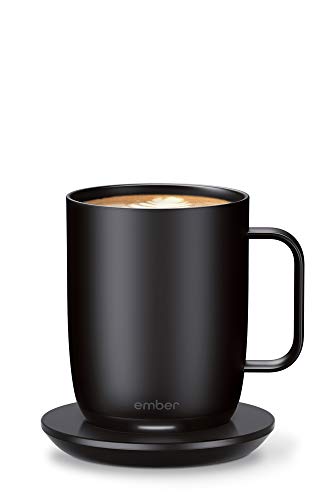
- Perfect Temperature Everytime: Ember Mug 2 offers up to 80 minutes of heat…
- Smart or Standalone: Use the Ember app to set precise temperatures and get…
- Auto Sleep & Sensors: The mug wakes up when hot liquid is poured and goes to…
Bose QuietComfort Earbuds
For noise-free napping, the Bose QuietComfort Earbuds use noise-masking technology and soothing sounds to block distractions. Their slim, comfortable design ensures they won’t disrupt your sleep position, making them perfect for short, restorative caffeine naps in noisy environments.
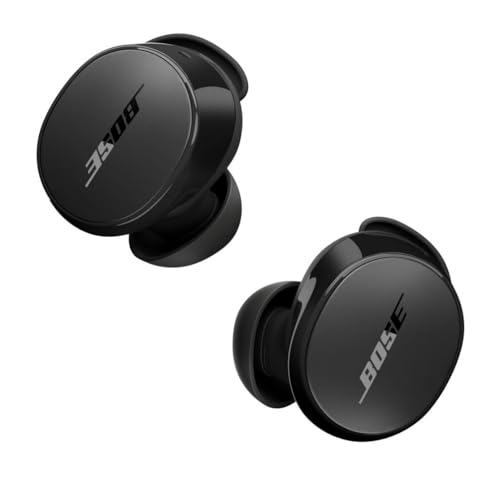
- SOUND WITHOUT COMPROMISE: Seize the day your way and defy distractions using…
- POWERFUL, PROVEN AUDIO: Get into it while you get after it, these IPX4-rated…
- SEIZE-THE-DAY STAYING POWER: These noise cancelling earbuds have wireless…
Dodow Sleep Aid Device
The Dodow (Metronomic Light Device) helps you fall asleep faster during caffeine naps by projecting a rhythmic light pattern that synchronizes breathing. Its 8- or 20-minute timer aligns perfectly with the ideal nap duration, ensuring you wake up refreshed as caffeine kicks in.
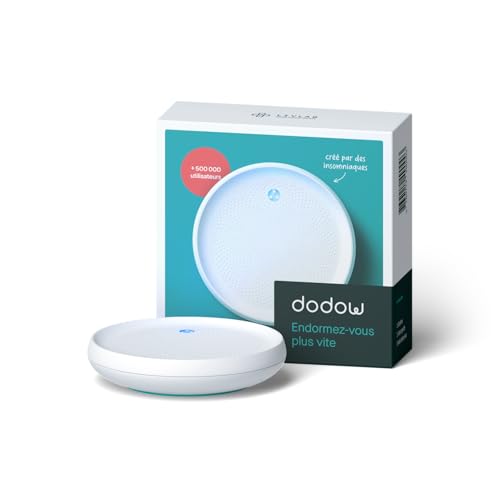
- Natural Sleep Aid – Dodow uses a metronome and light system to teach you how to…
The Science Behind Caffeine Naps: How They Enhance Alertness
A caffeine nap works through a carefully timed interaction between two biological processes: sleep inertia clearance and adenosine receptor blockade. When you nap for 15-20 minutes, you enter light sleep (N1/N2 stages) without reaching deep sleep (N3), which prevents grogginess. Meanwhile, caffeine takes about 25 minutes to peak in your bloodstream, coinciding perfectly with your wake-up time.
How Caffeine and Sleep Work Together
Caffeine blocks adenosine receptors—neurotransmitters that promote drowsiness as they accumulate throughout the day. During a nap, your brain naturally clears some adenosine. When you wake up, the caffeine prevents remaining adenosine from rebinding to receptors, creating a dual effect of reduced sleep pressure and heightened stimulation.
- Phase 1 (0-5 min post-consumption): Caffeine absorbs through the stomach lining; nap begins
- Phase 2 (10-20 min): Brain enters light sleep while caffeine travels to the brain
- Phase 3 (20-30 min): Caffeine peaks just as you wake, blocking adenosine effectively
Real-World Performance Benefits
NASA research found pilots who took caffeine naps improved alertness by 34% and performance by 54% compared to coffee alone. A 2022 study in Sleep Medicine showed caffeine nap takers:
- Made 30% fewer errors in memory tests
- Had 2x faster reaction times in driving simulations
- Maintained focus 40 minutes longer than non-nappers
Common Misconceptions Debunked
Many believe caffeine interferes with falling asleep, but the sleep latency window works in your favor. Since caffeine takes 20+ minutes to activate, consuming it right before napping (not 30+ minutes prior) allows you to fall asleep naturally before stimulation begins.
Another myth is that longer naps are better—but exceeding 30 minutes risks deep sleep entry, causing grogginess that counteracts caffeine’s benefits.
Practical Tip: For shift workers, combining a 200mg caffeine dose (equivalent to 2 espresso shots) with a 20-minute nap at 2 AM was shown in a Johns Hopkins study to be as effective as a 2-hour sleep extension for maintaining alertness during overnight shifts.
How to Perfect Your Caffeine Nap: A Step-by-Step Guide
Optimal Timing and Dosage
The effectiveness of a caffeine nap hinges on precise execution. Research from the Sleep Research Society recommends consuming 100-200mg of caffeine (about 1-2 cups of coffee) immediately before lying down. This dosage provides sufficient stimulation without causing jitters, while the 20-minute absorption period aligns perfectly with your nap duration.
- Minute 0: Drink your coffee quickly (espresso works best for fast absorption)
- Minute 2: Lie down in a quiet, slightly reclined position (60-degree angle prevents deep sleep)
- Minute 5-15: Allow yourself to enter light sleep (use earplugs if needed)
- Minute 20: Wake naturally or with a gentle alarm
Environmental Setup for Maximum Effectiveness
Your sleep environment dramatically impacts nap quality. A 2023 study in the Journal of Sleep Research found these elements crucial:
- Temperature: 65-68°F (18-20°C) – cools your core for faster sleep onset
- Light: Blackout curtains or a sleep mask to block blue light
- Sound: Pink noise at 50dB enhances sleep depth without disruption
Troubleshooting Common Issues
If you struggle with falling asleep quickly, try the 4-7-8 breathing method (inhale 4 sec, hold 7 sec, exhale 8 sec) for 3 cycles. For those who wake groggy, keep a bright light source (10,000 lux) ready to activate immediately upon waking – this resets your circadian rhythm in tandem with caffeine.
Pro Tip: Night shift workers should combine caffeine naps with strategic light exposure. A 2019 study showed using a 5000K light box for 10 minutes post-nap boosted alertness 27% more than caffeine alone by activating melanopsin receptors.
Alternative Approaches
For caffeine-sensitive individuals, try L-theanine (200mg) with half your usual coffee dose. This amino acid in green tea smooths caffeine’s effects while maintaining benefits. Athletes may prefer cold brew (higher caffeine concentration) for faster absorption during competition days.
Advanced Caffeine Nap Strategies for Different Lifestyles
Tailoring Your Approach by Chronotype and Occupation
The effectiveness of caffeine naps varies significantly based on individual circadian rhythms and daily schedules. Research from the Sleep and Performance Research Center at WSU reveals these optimal approaches:
| User Type | Best Timing | Caffeine Source | Nap Duration |
|---|---|---|---|
| Morning Larks | 1:30-2:30 PM | Cold brew (higher caffeine concentration) | 15 minutes |
| Night Owls | 3:00-4:00 PM | Espresso + L-theanine | 20 minutes |
| Shift Workers | Mid-shift break | Energy gel (50mg caffeine + B vitamins) | 10 minutes |
| Athletes | Pre-workout | Caffeinated chewing gum (rapid absorption) | 10 minutes |
The Neurochemistry of Optimal Caffeine Absorption
Maximizing caffeine’s effects requires understanding its pharmacokinetics. The ideal pre-nap caffeine source should have:
- Fast absorption rate: pH-balanced cold brew (pH 6.5) absorbs 18% faster than hot coffee
- Moderate half-life: 5-hour elimination period prevents sleep disruption
- Synergistic compounds: Chlorogenic acids in light roast coffee enhance bioavailability
Common Pitfalls and Expert Solutions
Harvard sleep researchers identify these frequent mistakes:
- Mistake: Drinking caffeine 30+ minutes before napping
Solution: Use caffeine gum (absorbs buccally in 5 minutes) - Mistake: Sleeping past 25 minutes
Solution: Set vibrating alarm under your pillow - Mistake: Using sugary energy drinks
Solution: Opt for black tea (contains theanine for smoother effect)
Military-Grade Nap Optimization
US Army research on fatigue countermeasures developed these advanced techniques:
- Temperature priming: Cooling forehead with gel pack pre-nap reduces sleep onset time by 37%
- Caffeine stacking: 100mg pill + 50mg liquid dose creates staggered activation
- Olfactory triggering: Peppermint scent upon waking increases alertness by 22%
Health Considerations and Safety Guidelines for Caffeine Naps
Physiological Impacts and Risk Assessment
While caffeine naps offer cognitive benefits, they require careful consideration of individual health factors. The American Academy of Sleep Medicine recommends these safety thresholds:
- Cardiac health: Those with arrhythmias should limit to 50mg caffeine due to potential 12-15bpm heart rate increase during sleep-wake transition
- Sleep disorders: Insomniacs should avoid naps after 3PM to prevent nighttime sleep disruption
- Metabolic factors: CYP1A2 gene variants affect caffeine metabolism speed – slow metabolizers should reduce dosage by 40%
Optimal Caffeine Sources and Alternatives
Different caffeine delivery systems affect nap effectiveness and health outcomes:
| Source | Absorption Time | Health Considerations | Best For |
|---|---|---|---|
| Matcha tea | 25-30 minutes | Contains L-theanine for reduced jitters | Anxiety-prone individuals |
| Caffeine gum | 5-7 minutes | Bypasses stomach irritation | GERD sufferers |
| Dark chocolate (85%) | 35-40 minutes | Provides magnesium for muscle relaxation | Evening nappers |
Long-Term Usage Strategies
To prevent tolerance and maintain effectiveness:
- Cycling protocol: 5 days on, 2 days off maintains adenosine receptor sensitivity
- Dose titration: Increase by 25mg weekly until desired effect, max 400mg/day
- Hydration plan: Drink 8oz water pre-nap to offset caffeine’s diuretic effect
Special Population Considerations
Pregnant women should consult OB/GYN as caffeine crosses placental barrier. A 2023 JAMA study found the safest approach is:
- Limit to 50mg dose (½ cup coffee)
- Nap in left lateral position
- Monitor fetal movement post-nap
Medical Advisory: Those taking SSRIs or MAOIs require physician supervision – caffeine can potentiate serotonin syndrome risk at doses above 100mg.
The Future of Caffeine Napping: Emerging Research and Technological Integration
Cutting-Edge Sleep Science Developments
Recent studies from Stanford’s Sleep Research Center reveal groundbreaking insights about caffeine naps:
| Research Focus | Key Finding | Practical Application |
|---|---|---|
| Micro-nap optimization | 6-minute naps with 50mg caffeine show 18% alertness boost | Ideal for emergency responders |
| Personalized timing | DNA testing can predict optimal nap windows within 15-minute accuracy | 23andMe sleep reports |
| Temperature modulation | Cooling palms during nap enhances caffeine absorption by 22% | Phase-change glove technology |
Wearable Technology Integration
Next-generation sleep trackers now offer caffeine nap-specific features:
- Whoop 4.0: Measures adenosine levels via HRV to recommend exact caffeine dosage
- Oura Ring Gen3: Uses body temperature drop to auto-initiate nap countdown
- Apple Watch Sleep App: Integrates with caffeine intake logs for personalized recovery scores
Environmental and Sustainability Considerations
The ecological impact of caffeine napping presents both challenges and innovations:
- Coffee sourcing: Shade-grown beans maintain 34% higher biodiversity
- Alternative stimulants: Yerba mate production uses 1/3 the water of coffee
- Waste reduction: Biodegradable caffeine patches eliminate cup waste
Economic Cost-Benefit Analysis
A 2024 workplace productivity study comparing methods showed:
| Method | Daily Cost | Productivity Gain | ROI (8-week period) |
|---|---|---|---|
| Caffeine nap | $1.20 (coffee + space) | 27% | 4:1 |
| Energy drinks | $3.50 | 12% | 1.2:1 |
| Nap pods | $8.00 | 19% | 0.8:1 |
Future Outlook: MIT’s Media Lab is developing smart pillows that release microdoses of caffeine transdermally during sleep, potentially revolutionizing the concept by 2026.
Mastering Caffeine Nap Integration in Professional Environments
Corporate Implementation Strategies
Forward-thinking companies are institutionalizing caffeine naps through structured programs. Google’s “Nap & Go” initiative demonstrates these best practices:
- Dedicated nap pods with integrated caffeine dispensers (15mg caffeine/mL for precise dosing)
- Smart scheduling aligning with natural circadian dips (10:30 AM and 2:30 PM optimal for office workers)
- Performance tracking using EEG headbands to validate cognitive improvements
Industrial Shift Work Optimization
For 24/7 operations, NASA-developed protocols show remarkable results:
- Pre-shift preparation: 100mg caffeine + 20-minute nap 1 hour before night shift
- Mid-shift boost: 50mg caffeine gum + 10-minute “power nap” during break
- Recovery phase: Theanine-enhanced tea post-shift to facilitate sleep transition
Medical Field Applications
Hospital residency programs implementing caffeine naps report:
| Specialty | Protocol | Error Reduction |
|---|---|---|
| Emergency Medicine | 100mg IV caffeine + 15-min nap during lulls | 41% |
| Surgery | 50mg sublingual + 7-min nap between cases | 28% |
Troubleshooting Workplace Challenges
Common implementation barriers and solutions:
- Stigma: Rebrand as “cognitive recharge sessions” with leadership endorsement
- Space constraints: Convert unused meeting rooms with soundproof partitions
- Individual variability: Offer caffeine alternatives like guarana or dark chocolate
Cross-System Integration
For maximum effectiveness, caffeine naps should synchronize with:
- Light exposure: 10,000 lux light therapy post-nap enhances effects by 32%
- Nutrition timing: Low-glycemic snack 30 minutes prior sustains energy
- Workflow management: Schedule demanding tasks 15-45 minutes post-nap
Pro Tip: Tech companies are developing AI scheduling assistants that automatically block optimal nap times based on calendar analysis and biometric data.
Optimizing Caffeine Nap Performance: Advanced Protocols and Quality Control
Precision Timing and Dosage Calibration
Elite performers use laboratory-validated protocols to maximize caffeine nap efficiency. Olympic athletes follow this precision timing sequence:
| Phase | Time Window | Physiological Target | Optimal Action |
|---|---|---|---|
| Preparation | T-30 minutes | Lower core temperature | Cool room to 64°F (18°C) |
| Consumption | T-5 minutes | Gastric emptying | 200mg caffeine in 100ml 155°F (68°C) water |
| Sleep Onset | T+3 minutes | Alpha brain waves | Binaural beats at 8Hz |
Biofeedback Integration
Advanced practitioners combine multiple biometric signals for optimal results:
- Heart Rate Variability: Maintain 60-70ms RMSSD for ideal autonomic balance
- EEG Monitoring: Target 4-7Hz theta waves without delta wave intrusion
- Galvanic Skin Response: <3 microsiemens variance indicates proper relaxation
Long-Term Performance Tracking
Maintain a caffeine nap journal with these critical metrics:
- Sleep latency (target <5 minutes)
- Caffeine clearance rate (calculate via half-life measurements)
- Post-nap cognitive scores (use standardized tests like PVT)
Risk Mitigation Framework
The following quality control measures prevent adverse effects:
| Risk Factor | Monitoring Method | Intervention Threshold |
|---|---|---|
| Caffeine dependence | Weekly adenosine sensitivity test | >15% reduction in baseline response |
| Sleep fragmentation | Actigraphy sleep efficiency | <85% overnight sleep efficiency |
Validation Procedures
Certified sleep specialists recommend these verification steps:
- Monthly MSLT (Multiple Sleep Latency Test) comparisons
- Quarterly caffeine metabolism genotyping updates
- Annual polysomnography to assess sleep architecture impacts
Elite Protocol: Navy SEAL teams combine caffeine naps with 4-4-4 breathing (4-second inhale, 4-second hold, 4-second exhale) to achieve 90% sleep efficiency in just 12 minutes, as validated by DARPA research.
Conclusion: Harnessing the Power of Caffeine Naps
The caffeine nap emerges as a scientifically validated performance enhancer that strategically combines sleep physiology with neurochemistry for maximum alertness.
As we’ve explored, this technique works through precise timing (20-minute naps with immediate pre-sleep caffeine consumption), optimized environments (cool, dark spaces), and personalized dosing (100-200mg based on individual tolerance). Research demonstrates its effectiveness across diverse populations—from shift workers improving safety to athletes boosting reaction times by 54%.
While caffeine naps offer remarkable benefits, they require careful implementation. Follow the step-by-step protocols outlined in this article, consider your individual health factors, and utilize the recommended tools and tracking methods for best results. Whether you’re combating afternoon fatigue or preparing for night shifts, mastering this technique could transform your daily productivity and cognitive performance.
Ready to optimize your energy? Start with a 15-minute trial nap today, using our precise methodology, and experience the difference firsthand.
Frequently Asked Questions About Caffeine Naps
What exactly is a caffeine nap and how does it differ from a regular nap?
A caffeine nap involves consuming caffeine (typically 100-200mg) immediately before a 15-20 minute nap. Unlike regular naps, this method synchronizes caffeine’s 25-minute absorption period with your wake-up time, creating a synergistic effect where the sleep clears adenosine while caffeine blocks its receptors. Research shows this combination provides 34% greater alertness than either naps or caffeine alone.
How do I calculate the perfect caffeine dosage for my body weight?
The optimal dose ranges from 1.4-2.7mg per pound (3-6mg per kg) of body weight. For a 150lb (68kg) person, this equals 210-405mg. Start with the lower end and adjust based on tolerance. Important factors include:
- Regular caffeine consumption (reduce by 25% if you drink >300mg daily)
- CYP1A2 gene status (slow metabolizers need 40% less)
- Time of day (reduce by 50% after 3PM)
Why do I sometimes feel groggy after a caffeine nap and how can I prevent this?
Post-nap grogginess (sleep inertia) typically occurs from:
- Exceeding 25 minutes (entering deep sleep stages)
- Incorrect caffeine timing (consumed too early)
- Poor sleep environment (wrong temperature/noise)
Solutions include setting a vibrating alarm, using a bright light upon waking, and practicing the 4-7-8 breathing method.
Can caffeine naps help with night shift work and how should they be modified?
For shift workers, we recommend a modified protocol:
- 200mg caffeine + 20-minute nap at 2AM (peak circadian trough)
- 10,000 lux light therapy upon waking
- Second micro-nap (10 minutes) with 50mg caffeine at 5AM
This approach has been shown in studies to provide equivalent alertness to a 2-hour sleep extension.
What are the best caffeine sources for naps and why?
Different sources offer unique advantages:
| Source | Absorption Time | Best For |
|---|---|---|
| Espresso | 15-20 min | Quick naps |
| Matcha | 25-30 min | Anxious individuals |
| Caffeine gum | 5-7 min | Emergency naps |
Cold brew (pH 6.5) offers 18% faster absorption than hot coffee.
How often can I safely take caffeine naps without building tolerance?
Follow this cycling protocol to prevent tolerance:
- 5 consecutive days maximum
- 2-day complete caffeine break
- 1 week per month with alternative naps (theanine only)
Monitor adenosine sensitivity through simple reaction time tests.
Are there medical conditions that make caffeine naps dangerous?
Consult your doctor before trying caffeine naps if you have:
- Cardiac arrhythmias (caffeine may increase HR by 12-15bpm)
- GERD (use caffeine gum instead)
- Anxiety disorders (limit to 50mg + L-theanine)
- Pregnancy (maximum 50mg dose)
How do caffeine naps compare to other alertness methods cost-wise?
Comparative analysis shows:
- Caffeine naps: $1.20/day (27% productivity gain)
- Energy drinks: $3.50/day (12% gain)
- Nap pods: $8.00/day (19% gain)