
Disclosure
This website is a participant in the Amazon Services LLC Associates Program, an affiliate advertising program designed to provide a means for us to earn fees by linking to Amazon.com and affiliated sites.
Choosing the correct ILD rating is crucial for achieving the right balance of comfort and support in your mattress. It directly impacts your sleep quality and spinal health.
ILD measures foam firmness, not mattress support directly. A higher ILD foam provides more resistance, but the overall mattress construction determines proper support for your body.
Waking Up With Aches Because Your Mattress Has Lost Its Support?
That sinking, unsupported feeling ruins sleep and leaves you sore. The BedStory Firm Mattress Topper 3 Inch directly solves this by adding a dense, supportive layer with a high ILD rating. It reinforces your mattress’s sagging surface, providing the firm, even support your body needs for proper spinal alignment and pain-free mornings.
For restoring vital support, we consistently recommend: BedStory Firm Mattress Topper 3 Inch
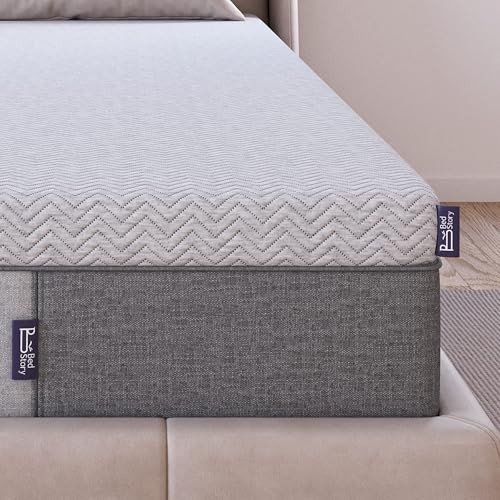
- RELIEVE PAIN & PROTECT THE SPINE - 2-layer pressure-relieving firm memory foam...
- 2-LAYER DESIGN & OPTIONAL FIRMNESS - Featuring double-layer foam design, the top...
- REMOVE MOISTURE & ALLEVIATE FATIGUE - Fusion memory foam contains bamboo...
ILD Ratings for Mattress Firmness and Support
ILD, or Indentation Load Deflection, is the industry standard for measuring foam firmness. It indicates how much pressure is needed to compress a foam sample by 25%. This number is key for predicting feel, but support comes from the entire mattress system.
How ILD Ratings Translate to Mattress Feel
Generally, a higher ILD number means a firmer foam. This scale helps you understand the initial comfort layer of your mattress. For example, memory foam for the top comfort layer often has a lower ILD.
- Soft Foam (10-20 ILD): Provides deep cushioning and pressure relief. Ideal for side sleepers needing contouring for shoulders and hips.
- Medium Firmness (25-35 ILD): Offers a balanced feel of cushioning and push-back. A common choice for comfort layers in many all-foam and hybrid mattresses.
- Firm Foam (40+ ILD): Delivers a solid, supportive surface with minimal sinkage. Often used in the foundational support core of a mattress.
Choosing the Right ILD for Your Sleep Position
Your primary sleep position is the most critical factor in selecting an ILD range for comfort. The goal is to keep your spine in a neutral, aligned position throughout the night.
For instance, side sleepers typically need a lower ILD comfort layer to allow the shoulders and hips to sink in slightly. This prevents pressure points and keeps the spine straight.
| Sleep Position | Recommended Comfort Layer ILD Range | Reasoning |
|---|---|---|
| Side Sleepers | 10-25 ILD | Softer foam contours to relieve pressure on shoulders and hips. |
| Back Sleepers | 25-35 ILD | Medium firmness supports the natural curve of the lower back. |
| Stomach Sleepers | 30-40+ ILD | Firmer foam prevents the hips from sinking and straining the spine. |
ILD vs. Overall Mattress Support and Construction
While ILD is important, it is just one piece of the support puzzle. True mattress support is achieved through layered construction. The support core and transition layers work with the comfort layer to prevent sagging.
The Role of Base Support Layers and Transition Foams
The foundational layer provides the primary, non-negotiable support. This is typically a high-density foam with a high ILD rating, often 40+.
Above this, a transition layer (or encasement layer) is crucial. It bridges the firm base and soft comfort layer, preventing you from feeling the hard support core and enhancing durability.
- Base Support Core: High ILD (36-46+), high-density foam. Provides the foundational push-back and prevents bottoming out.
- Transition Layer: Medium ILD (25-35). Distributes weight and isolates motion. This layer is key for preventing the “hammock” effect in softer mattresses.
- Comfort Layer: Lower ILD (10-25). Provides pressure relief and contouring directly against the body.
How to Evaluate Support Beyond ILD Numbers
Since ILD is a lab measurement for foam blocks, you must assess the final product. Focus on the mattress’s performance with your body weight and sleep position.
Follow this simple evaluation process when testing a mattress, either in-store or during a trial period.
- Lie Down in Your Typical Sleep Position. Spend at least 10-15 minutes on the mattress to allow your body to settle.
- Check Your Spinal Alignment. Have a partner check if your spine is straight, or feel for pressure in your hips and shoulders.
- Test Edge Support. Sit on the edge of the mattress. Good support means you feel secure and not like you will roll off.
Finding Your Ideal ILD Based on Body Weight and Type
Your body weight significantly influences how a mattress with a given ILD will feel. A foam rated as medium-firm will feel much softer to a heavier person. Therefore, weight must be factored into your ILD selection alongside sleep position.
ILD Recommendations for Different Weight Ranges
These are general guidelines to narrow your search. The perfect feel still depends on personal preference and the specific mattress construction.
| Body Weight Range | Recommended Comfort Layer ILD | Considerations for Support |
|---|---|---|
| Under 130 lbs (Light) | 10-25 ILD | Softer foams will compress adequately to provide contouring without feeling overly firm. |
| 130-230 lbs (Average) | 25-35 ILD | The most common range. Provides a balance of cushioning and support for many sleepers. |
| Over 230 lbs (Heavy) | 30-40+ ILD | Firmer foams and a Strong support core are essential to prevent sinking and ensure durability. |
Special Considerations for Couples and Combination Sleepers
Couples with different weights or sleep preferences face a unique challenge. The goal is to find a mattress that offers both motion isolation and zoned support.
Look for mattresses with pocketed coils or specialized foam layers that provide different support zones. These can offer firmer support in the torso area and softer give at the shoulders and hips.
- For Motion Isolation: Memory foam or latex with medium ILD ratings are excellent at absorbing movement.
- For Differing Weights: A medium-firm overall feel (with a firmer support core) often works best as a compromise.
- For Combination Sleepers: A responsive material like latex or a hybrid with a medium ILD comfort layer allows for easier movement.
Practical Tips for Testing and Selecting Your Mattress ILD
Armed with ILD knowledge, you can make a more informed purchase. The final step is applying this information during your mattress search. Always prioritize how the mattress feels to your body over any single specification.
Questions to Ask Retailers About Mattress Firmness and ILD
Many salespeople may not be familiar with ILD. Frame your questions around feel and construction to get the information you need.
- “Can you describe the firmness level of each layer in this mattress?” This prompts discussion about the support core and transition layers.
- “Is the comfort layer memory foam, latex, or polyfoam, and how would you rate its firmness?” This helps you correlate material type with the ILD feel.
- “Do you have a firmness scale for this model, and where does it fall for side/back/stomach sleepers?” A good retailer should have tested their products for different sleep positions.
Utilizing Sleep Trials and Return Policies Effectively
A sleep trial is the most accurate way to test ILD and support in your own home. Your body needs time to adjust to a new sleep surface.
Create a simple evaluation plan for the first 30 nights. This ensures you assess the mattress objectively and don’t miss return deadlines.
- Weeks 1-2: Allow for Adjustment. Some initial stiffness or soreness is common as your body adapts.
- Weeks 3-4: Evaluate Consistently. Note any persistent back pain, pressure points, or discomfort upon waking.
- Before the Trial Ends: Make a Decision. If you are not sleeping soundly and pain-free, initiate the return. Do not settle.
Common ILD Myths and Misconceptions About Mattress Support
Misinformation about ILD can lead to poor mattress choices. Clarifying these myths helps you focus on what truly matters for support and comfort. The limits of this measurement is just as important as its value.
Debunking the “Higher ILD Equals Better Support” Myth
This is a prevalent and costly misconception. An excessively high ILD in the comfort layer can create painful pressure points by failing to contour to your body’s curves.
Proper support is about spinal alignment, not simply a hard surface. A mattress that is too firm can cause the hips and shoulders to be pushed upward, misaligning the spine.
- Myth: A firm mattress (high ILD) is always best for back pain.
- Reality: Back pain often requires contouring to fill the lumbar gap. A medium-firm mattress with appropriate zoning is typically recommended by experts.
The Critical Difference Between ILD, Density, and Durability
These three terms are related but distinct. Confusing them is a common mistake when shopping for a mattress.
| Term | What It Measures | Why It Matters |
|---|---|---|
| ILD (Firmness) | Force to compress foam by 25%. | Determines the initial feel and softness of the foam layer. |
| Density (Quality) | Weight of foam per cubic foot (e.g., 1.8 lb, 2.5 lb, 4.0 lb). | Indicates material quality and longevity. Higher density foam generally lasts longer. |
| Durability (Performance) | How well the foam maintains its support and comfort over years. | The result of good density, quality materials, and proper construction. |
For a durable mattress, look for high-density foam in the support core (≥ 1.8 lb for polyfoam, ≥ 4.0 lb for memory foam) paired with comfort layers that suit your feel preference.
Final Checklist: Choosing Your Mattress ILD for Optimal Support
Use this practical checklist to consolidate your knowledge and make a confident decision. This step-by-step guide combines ILD insights with practical evaluation criteria.
Your Step-by-Step ILD and Support Selection Guide
Follow this process to systematically narrow down your options and find a mattress that provides both comfort and the support you need.
- Identify Your Primary Sleep Position and Weight. Cross-reference these two factors with the ILD guidelines to find your target comfort layer firmness range.
- Research Mattress Construction. Look for models that specify a layered design with a firm, high-density support core and a transition layer. This is more important than a single ILD number.
- Test or Order with a Trial. Physically test in-store if possible, focusing on spinal alignment. If buying online, ensure the company offers a risk-free sleep trial of at least 30 nights.
- Evaluate Thoroughly During the Trial. Sleep on it for a full month, noting any morning pain or discomfort. Give your body time to adjust before making a final decision.
When to Consult a Specialist About ILD and Support
For most people, this guide is sufficient. However, certain conditions warrant professional advice to ensure your mattress supports your health.
If you have chronic back pain, specific orthopedic issues, or are recovering from surgery, a mattress is part of your therapeutic environment. A specialist can provide personalized recommendations.
- Chronic Pain or Injury: A physical therapist or chiropractor can advise on the firmness and support features that may benefit your specific condition.
- Significant Weight Fluctuations: If your weight is changing due to medical treatment or lifestyle, a specialist can help you choose a adaptable mattress.
- Unresolved Discomfort After Trials: If you have tried several mattresses and still experience pain, a sleep specialist or ergonomic consultant can perform a deeper analysis.
ILD in Different Mattress Types: Foam, Latex, and Hybrids
ILD behaves differently across mattress materials. these nuances helps you interpret firmness ratings accurately for each type. The same ILD number can feel distinct in memory foam versus latex.
Comparing ILD Feel in Memory Foam, Latex, and Polyfoam
The material’s response to pressure defines the subjective feel, even with identical ILD ratings. This is why testing is crucial.
| Material | Typical ILD Range (Comfort Layer) | Characteristic Feel at a Given ILD |
|---|---|---|
| Memory Foam | 10-15 (Soft) to 12-15 (Firm) | Slow, deep contouring and pressure relief. Conforms closely to the body. |
| Latex (Dunlop or Talalay) | 15-25 (Soft) to 30-40+ (Firm) | Responsive, buoyant, and bouncy. Provides lift and support with less sinkage. |
| Polyurethane Foam (Polyfoam) | 10-20 (Soft) to 30-40 (Firm) | A more neutral, uniform feel. Often used as a more affordable comfort or transition layer. |
How Hybrid Mattresses Use ILD for Layered Support
Hybrids combine coils with foam or latex layers, creating a unique support dynamic. The coil system provides the primary push-back and edge support.
In a hybrid, the foam comfort layer’s ILD is critical for pressure relief. A medium ILD (20-30) is common here, as the coils handle much of the foundational support. The goal is to prevent feeling the coils while benefiting from their responsiveness.
- Coil Support Core: Provides Strong, durable support and airflow. Replaces the high-ILD foam base in an all-foam bed.
- Foam/Latex Comfort Layer: ILD determines the plushness. Lower ILD (softer) for cushioning, medium ILD for balanced feel.
- Potential Transition Layer: A medium-firm foam layer may be placed atop coils to smooth the feel and protect the comfort layer.
Best Mattress Toppers for Adjusting Support and ILD Feel
If your mattress is too firm or lacks pressure relief, a topper is a cost-effective solution. These recommended toppers allow you to modify the surface feel and effective ILD of your existing bed. They are ideal for fine-tuning comfort and support.
SINWEEK Mattress Topper Twin XL – Best for Targeted Pressure Relief
This 3-inch gel memory foam topper adds a plush, contouring layer to soften a firm mattress. It provides excellent pressure point relief for side sleepers with a low ILD feel and promotes cooler sleep. The Twin XL size is perfect for dorm beds or adjustable bases.

- GEL MEMORY FOAM MATERIAL: Our memory foam mattress topper readily conforms to...
- MORE COMFORTABLE SLEEP: The gel memory foam material used in our mattresses...
- SOFT BUT NOT FOLDABLE: our mattress is soft, do not roll up and store too long...
BEDLORE King Mattress Topper – Best for Balanced Comfort and Support
Featuring a 2-inch bamboo cover and 3-inch memory foam, this King topper offers a medium-firm feel. It effectively revitalizes an aging mattress by adding cushioning without excessive sinkage, providing a balanced ILD adjustment for back and combination sleepers.

- 【Premium Quality】Experience ultimate comfort with our pillow top mattress...
- 【Breathable Design】 Stay cool and cozy all night with the king bed mattress...
- 【Enhanced Comfort】 Upgrade your sleep with this luxurious and durable king...
Sweetcrispy Memory Foam Mattress Topper – Best for Deep Contouring on a Budget
This 3-inch ventilated memory foam topper delivers significant softening and body-hugging comfort. It is the ideal budget-friendly option to transform a too-firm mattress, offering a very soft ILD profile for deep pressure relief. The certified foam ensures safety and quality.
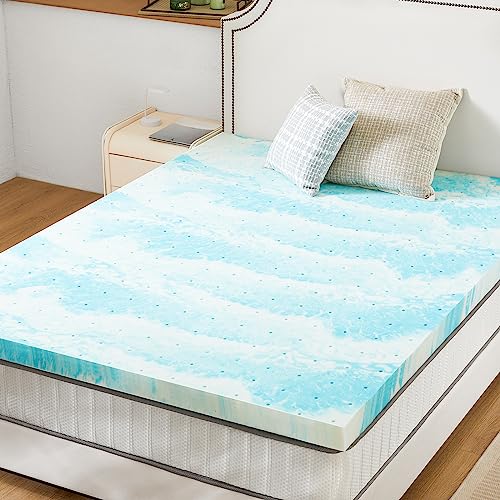
- ENHANCED COMFORT - With this memory foam mattress topper, say goodbye to...
- IMPROVED AIRFLOW - The gel infusion in this mattress pad helps to dissipate heat...
- VERSATILE USE - Whether you use it on your bed, sofa, or even in your RV, this...
Conclusion
Choosing the right ILD rating is a fundamental step in finding a mattress that offers both comfort and proper spinal support. Remember that ILD measures foam firmness, not the support of the entire mattress system.
The main point is to use ILD as a helpful guide alongside your sleep position and body weight, but always let your personal comfort and a thorough sleep trial be the final judge of your ideal support level.
Frequently Asked Questions about What ILD Rating Do You Need For Support
What is a good ILD rating for a mattress?
A “good” ILD depends on your sleep position and weight. For most average-weight back sleepers, a comfort layer ILD of 25-35 provides a balanced feel. Side sleepers often prefer 10-25 ILD, while stomach sleepers may need 30-40+ ILD.
Remember, the support core’s ILD is more critical for longevity. Look for a base layer with a high ILD (36+) and high density to ensure the mattress maintains its shape and support over many years.
Is a higher ILD rating better for back pain?
Not necessarily. While a very soft mattress can lack support, an excessively high ILD can create pressure points. For back pain, proper spinal alignment is key, which often requires contouring.
A medium-firm mattress (with a comfort layer ILD around 25-35) is frequently recommended. This allows the hips to sink slightly while supporting the lumbar spine, keeping it in a neutral position.
How does body weight affect the ILD I need?
Body weight changes how you compress foam. A heavier person will compress a given foam more deeply, making it feel softer. Therefore, heavier individuals generally need higher ILD ratings to achieve adequate support.
Lighter individuals may find lower ILD foams provide sufficient support with better contouring. Always consider weight alongside sleep position when using ILD as a guideline for mattress firmness.
What is the difference between ILD and foam density?
ILD measures firmness—how soft or hard the foam feels. Density measures weight per cubic foot, indicating material quality and durability. They are independent properties.
You can have a high ILD (firm) foam with low density (less durable) that will break down quickly. For longevity, prioritize high-density foam in the support core, regardless of the ILD in the comfort layers.
Can I use a mattress topper to change the ILD feel?
Yes, a mattress topper is an excellent way to adjust the effective surface ILD. A soft memory foam topper can add cushioning to a too-firm mattress, effectively lowering the feel.
Conversely, a firm latex topper can add push-back to a too-soft bed. This is a cost-effective solution to modify comfort and pressure relief without replacing the entire mattress.
How important is ILD compared to overall mattress construction?
ILD is one important spec, but construction is paramount. A mattress with proper support uses a layered system: a firm, high-ILD base, a transition layer, and a comfort layer with your preferred ILD.
The materials, layer thickness, and coil system (in hybrids) ultimately determine support and durability. Always evaluate the entire product, not just a single ILD number from the top layer.