
Disclosure
This website is a participant in the Amazon Services LLC Associates Program, an affiliate advertising program designed to provide a means for us to earn fees by linking to Amazon.com and affiliated sites.
Choosing the right foam type for your weight is crucial for comfort and support. The wrong density can lead to poor sleep and even back pain.
Heavier individuals often require high-density foam to prevent sinking, while lighter sleepers may find medium-density options more comfortable and responsive for proper spinal alignment.
Are You Tired of Waking Up Hot and Achy Because Your Mattress Doesn’t Support Your Weight?
If your current mattress leaves you with pressure points and overheated, it’s likely the wrong foam for your body. The Serta ThermaGel Cooling Topper solves this with weight-adaptive memory foam that cradles your curves for relief, while its gel infusion draws heat away for a consistently cool, supportive sleep surface.
For a cooler, more supportive night’s rest, we recommend: Serta ThermaGel Cooling, Memory Foam Mattress Topper
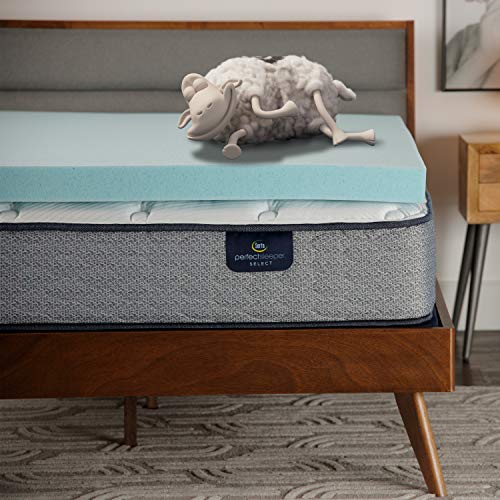
- BREATHABLE GEL-INFUSED FOAM: Engineered with ThermaGel-infused memory foam to...
- COOLING TECHNOLOGY: ThermaGel particles help create a refreshing sleep surface...
- CONTOURING SUPPORT: Adapts and conforms to your body’s natural shape for...
Foam Density and Firmness for Different Body Weights
Foam density and firmness are distinct but interconnected properties that determine mattress performance. Density refers to the weight of foam per cubic foot, indicating durability and support. Firmness describes the initial feel, from plush to extra firm, when you lie down.
How Foam Density Supports Your Body Weight
Foam density is the primary factor for long-term support and preventing sagging. Higher density foam has more material per cubic foot, making it more resilient under greater pressure. This is why weight-based recommendations are essential.
- High Density (4.0+ PCF): Ideal for individuals over 230 pounds. This foam resists deep compression, provides excellent durability, and maintains proper spinal alignment by preventing the hips from sinking too far.
- Medium-High Density (3.0-3.9 PCF): Best for sleepers between 180 and 230 pounds. It offers a balance of contouring comfort and Strong support, effectively cradling the shoulders and hips without bottoming out.
- Medium Density (2.5-2.9 PCF): Suitable for most sleepers under 180 pounds. It provides adequate pressure relief and responsiveness, ensuring lighter individuals do not feel “on top” of an overly rigid surface.
Choosing the Right Firmness Level by Weight
Once you know your required density, firmness fine-tunes the feel. Heavier sleepers often need a firmer surface to counteract sinking, while lighter individuals may find medium-soft options more comfortable.
Consider this practical guide for matching firmness to weight and sleep position:
| Weight Range | Recommended Firmness | Reasoning & Sleep Position Tip |
|---|---|---|
| 130 lbs or less | Soft to Medium-Soft (3-4 on 1-10 scale) | Lighter pressure needs a softer surface to contour; ideal for side sleepers in this range. |
| 130 – 230 lbs | Medium to Medium-Firm (5-7 on 1-10 scale) | Balances cushioning and support; back and stomach sleepers often prefer the firmer end. |
| 230+ lbs | Firm to Extra Firm (8+ on 1-10 scale) | Prevents excessive sinkage and maintains alignment; crucial for combination and stomach sleepers. |
Remember, personal preference matters. Always test a mattress when possible, as your preferred sleeping position also plays a critical role in the ideal firmness feel.
Memory Foam vs. Latex vs. Polyfoam: Best Mattress Material by Weight
Beyond density and firmness, the core foam material dictates pressure relief, motion isolation, and temperature regulation. Each type interacts uniquely with body weight, making some materials better suited for certain weight ranges than others.
Pressure Relief and Support with Memory Foam
Traditional memory foam is renowned for its deep contouring and pressure point relief. It softens with body heat and weight, allowing it to cradle the shoulders and hips. However, its slow response can cause a “stuck” feeling, especially for lighter sleepers or those who change positions frequently.
- For Sleepers Under 180 lbs: Look for low-density memory foam (3-4 PCF) in the comfort layer. It provides gentle contouring without excessive sinkage.
- For Sleepers Over 230 lbs: Opt for high-density (5+ PCF) or gel-infused memory foam. This provides the necessary support to prevent deep sinkage and often improves cooling.
- Universal Tip: Consider open-cell memory foam for better airflow, which helps mitigate heat retention common in traditional viscoelastic foam.
Durability and Responsiveness of Latex Foam
Latex foam, derived from rubber trees or synthetic sources, is naturally buoyant and responsive. It pushes back against the body, offering a more “on top” of the bed feel with excellent support. This makes it a superb choice for heavier individuals who need lift and durability.
Follow this simple process to evaluate if latex is right for your weight:
- Check the ILD Rating: Indentation Load Deflection (ILD) measures firmness. Heavier weights need a higher ILD (e.g., 34-40) for adequate support.
- Identify the Type: Dunlop latex is denser and more supportive at the base, while Talalay is softer and more consistent for comfort layers.
- Consider a Hybrid: A latex-over-coil hybrid can be ideal for weights over 250 lbs, combining latex’s responsiveness with the Strong support of an innerspring unit.
In summary, latex’s natural resilience and long lifespan make it a premium, supportive option, particularly for average to heavier body weights seeking a cooler, bouncier sleep surface.
Hybrid and Zoned Support Mattresses for Targeted Weight Distribution
For many sleepers, especially couples or those with specific pressure points, a single foam type may not be sufficient. Hybrid and zoned support mattresses combine materials to address the unique support needs of different body regions and weights.
Benefits of Hybrid Mattresses for Heavier Weights
A hybrid mattress typically features a foam comfort layer atop a pocketed coil support core. This design is exceptionally beneficial for individuals over 200 pounds, as the coils provide a Strong, non-sagging foundation that foam alone can lack over time.
- Enhanced Edge Support: The coil perimeter prevents the “roll-off” feeling, making the entire sleep surface usable—a common issue for heavier individuals on all-foam beds.
- Improved Airflow: The space between coils allows for significantly better breathability compared to a solid foam block, helping to regulate sleep temperature.
- Dynamic Response: Pocketed coils react independently, offering targeted support and reducing motion transfer, which is ideal for couples with a large weight difference.
How Zoned Support Aligns Your Spine by Weight
Zoned support mattresses feature firmer foam in the middle third (torso/hip zone) and softer foam at the head and foot. This engineering is crucial for maintaining a neutral spine, especially for average to heavier weights where the midsection sinks deepest.
To determine if you need a zoned support system, consider these factors:
| Your Profile | Zoned Support Benefit | Recommended Zone Firmness |
|---|---|---|
| Back or Stomach Sleeper >180 lbs | Prevents hammocking and lower back pain | Firm center zone (7-8 ILD), medium shoulder/heel zones |
| Side Sleeper with broad shoulders/hips | Allows shoulders/hips to sink while supporting waist | Soft shoulder zone, firm lumbar zone, medium transition zone |
| Combination sleeper with back pain | Provides consistent support in all positions | A three to five-zone system with gradual transitions |
Ultimately, these advanced designs solve specific support challenges, ensuring that your weight is distributed evenly to keep your spine in a healthy, aligned position throughout the night.
Practical Guide: Selecting Your Ideal Foam Mattress Based on Weight
Knowing the theory is one thing; applying it is another. This practical guide helps you translate your body weight into a specific mattress purchase decision, focusing on key specifications to check before you buy.
Step-by-Step Foam Mattress Selection Process
Follow this numbered process to systematically narrow down your options and avoid a poor investment. This method ensures you match the mattress construction to your physical needs.
- Identify Your Weight Category: Determine if you are a lightweight (<130 lbs), average weight (130-230 lbs), or heavyweight (>230 lbs) sleeper. This sets your baseline for foam density.
- Check Core Foam Density: Contact the manufacturer to confirm the density (in PCF) of the base support foam. For durability, average weights need 1.8 PCF minimum, while heavyweights need 2.0+ PCF.
- Match Firmness to Sleep Position: Side sleepers generally need softer comfort layers, back sleepers need medium, and stomach sleepers need firm. Adjust this based on your weight category from step one.
- Review the Trial Period & Warranty: Ensure a sleep trial of at least 90 nights and a warranty that covers sagging or indentations over 1.5 inches, which are critical for heavier individuals.
Red Flags and Top Recommendations by Weight Class
Be wary of vague marketing terms like “premium foam” without listed densities. Here are specific considerations and material recommendations for each primary weight class.
- For Lightweight Sleepers (<130 lbs): Avoid overly firm mattresses that won’t contour. Look for soft to medium-soft memory foam or plush latex. A zoned system can be less critical.
- For Average Weight Sleepers (130-230 lbs): This is the widest market. You have the most flexibility. A medium-firm hybrid or an all-foam bed with 3-4 PCF memory foam are excellent, versatile choices.
- For Heavyweight Sleepers (230+ lbs): Steer clear of low-density all-foam beds. Prioritize high-density latex, a hybrid with reinforced coils, or a specialized “big and tall” mattress designed for enhanced durability and support.
By following this guide, you move from guesswork to a confident, informed purchase that will provide lasting comfort and proper spinal support Designed for your body.
Maintaining Your Mattress for Longevity Based on Body Weight
Proper care directly extends the lifespan of your mattress, especially under higher body weights. A maintenance routine Designed for your weight prevents premature sagging and preserves support where you need it most.
Essential Maintenance Schedule for Different Weights
A static maintenance schedule does not work for all sleepers. The frequency of key tasks should scale with the pressure exerted on the mattress, which is a function of body weight.
| Maintenance Task | Lightweight (<180 lbs) | Average to Heavyweight (180+ lbs) |
|---|---|---|
| Mattress Rotation | Rotate head-to-foot every 6 months. | Rotate head-to-foot every 3-4 months to evenly distribute compression. |
| Foundation Inspection | Check slat spacing (<3 inches apart) annually. | Check slats and center support leg every 6 months; use a rigid, non-flex foundation. |
| Surface Cleaning | Vacuum quarterly; address spills immediately. | Vacuum bimonthly; increased body moisture makes prompt spill cleanup critical. |
Protecting Your Investment with the Right Foundation
The foundation or bed frame is just as important as the mattress itself. A weak foundation will void warranties and cause any mattress to fail prematurely, regardless of foam quality.
- For All Weights: Always use a mattress protector. It shields against moisture, dust mites, and stains, which can break down foam fibers over time.
- For Weights Over 200 lbs: Avoid flexible slat foundations. Opt for a solid platform bed, a bunkie board, or a high-quality box spring specifically rated for your mattress type and weight.
- For Adjustable Beds: Ensure the base is rated for your combined weight (you, your partner, and the mattress). Heavier sleepers should look for bases with reinforced hinges and a powerful motor.
Implementing this tailored care plan maximizes the performance and durability of your foam investment, ensuring it continues to provide the correct support for your body weight for years to come.
Addressing Common Weight-Related Mattress Issues and Solutions
Even with careful selection, specific problems can arise based on your body weight. Recognizing these common issues and knowing how to fix them can save you from discomfort and an unnecessary replacement.
Fixing Sagging and Lack of Support Over Time
Sagging is the most frequent complaint, particularly from heavier individuals. It indicates the foam’s core support layer has compressed beyond its recovery point, often due to insufficient density or a poor foundation.
- Diagnose the Cause: Place a straight edge across the mattress. A dip deeper than 1.5 inches often qualifies for a warranty claim. First, rule out a sagging foundation or box spring.
- Immediate Mitigation: For a temporary fix, rotate the mattress 180 degrees. Placing a firm plywood board between the mattress and foundation can also redistribute weight and provide temporary reinforcement.
- Long-Term Solution: If sagging occurs early, you likely need a higher-density foam or a hybrid mattress. For future purchases, prioritize foam with a higher compression modulus (resistance to permanent deformation).
Solving Heat Retention and Motion Transfer Problems
Heat buildup and disruptive motion are exacerbated by body weight, as deeper compression reduces airflow and increases surface contact. These are often design flaws of the mattress material.
Use this targeted approach to address these specific comfort issues:
- For Heat Issues: Switch to breathable, moisture-wicking sheets (e.g., cotton, bamboo). Add a cooling mattress topper made of gel-infused foam or breathable wool. Ensure your room is well-ventilated.
- For Motion Transfer: If you feel your partner move, your mattress lacks isolation. An all-foam mattress with high-density memory foam is best for absorption. For hybrids, look for individually pocketed, wrapped coils.
- For the “Stuck” Feeling: This is common with traditional memory foam for lighter sleepers. A responsive latex topper or a switch to a latex or hybrid mattress provides the buoyant “push-back” needed for easier movement.
Proactively addressing these issues not only improves sleep quality but also helps you make a more informed decision when it is finally time to replace your mattress.
Special Considerations: Couples with Significant Weight Differences
Choosing a mattress becomes more complex when sleep partners have a large weight disparity. The goal is to find a sleep surface that provides individualized support and comfort for both people without compromise.
Best Mattress Types for Divergent Weights
Not all mattress constructions handle significant weight differences well. The ideal choice minimizes motion transfer and prevents the heavier partner from creating a “roll-together” effect in the bed.
- High-Quality Hybrid Mattresses: Models with individually pocketed coils are top contenders. The coils under each sleeper react independently, providing tailored support and isolating motion effectively.
- All-Foam with High-Density Base: A durable all-foam bed with a high-density support core (2.0+ PCF) can work if both partners enjoy the contouring feel. It must be firm enough to support the heavier partner without feeling like a rock to the lighter one.
- Split King Adjustable Beds: This is the ultimate solution. Two separate Twin XL mattresses on a split base allow each person to select their perfect firmness, adjust their head and foot elevation independently, and eliminate all motion transfer.
Firmness and Feel as a Couple
Compromising on a single firmness level often leaves one partner unsatisfied. Strategic selection and the use of accessories can create a harmonious sleep experience for both.
Follow this decision framework to find common ground:
- Test Together: Both partners should test the mattress in their primary sleep positions. The heavier partner should check for sufficient support, while the lighter partner ensures they don’t feel “perched” on top.
- Prioritize the Heavier Partner’s Support Needs: It is generally easier to soften a firm mattress for a lighter person with a plush topper than to add support to a soft mattress for a heavier person.
- Utilize a Zoned Support System: A mattress with firmer zones in the center third (lumbar area) can provide the necessary support for a heavier sleeper’s midsection while still offering softer cushioning at the shoulders for a lighter side sleeper.
Open communication and a focus on support-first purchasing will lead to a mattress that benefits both sleepers, ensuring restful nights for years to come.
Best Recommended Mattress Toppers for Targeted Weight Support
Sometimes, you don’t need a new mattress—just the right topper to adjust comfort and support. These three highly-rated toppers offer solutions for different weight-related needs, from pressure relief to firmness adjustment.
BEDLORE King Mattress Topper – Best for Overall Pressure Relief
This 3-inch gel-infused memory foam topper is ideal for average-weight sleepers seeking cooler comfort. It provides conforming pressure relief for shoulders and hips while the gel beads help dissipate heat. The medium-plush feel revitalizes a too-firm mattress.

- 【Premium Quality】Experience ultimate comfort with our pillow top mattress...
- 【Breathable Design】 Stay cool and cozy all night with the king bed mattress...
- 【Enhanced Comfort】 Upgrade your sleep with this luxurious and durable king...
OLANLY Dual-Layer 4 Inch Memory Foam Mattress Topper – Best for Heavier Sleepers
With a 2-inch support base and 2-inch comfort layer, this topper is built for durability. The dual-density design offers deep contouring without bottoming out, making it an excellent choice for individuals over 230 pounds needing enhanced cushioning and support.

- Dual-Layer Luxury for Supreme Comfort: Designed with a 2-inch gel-infused memory...
- Enhanced Pressure Relief & Body Alignment: Wake up refreshed and ache-free with...
- Snug Fit with Deep Pocket Skirt: The 360° elastic deep-pocket skirt hugs your...
Sweetcrispy Memory Foam Mattress Topper – Best Budget-Friendly Upgrade
This 3-inch ventilated memory foam topper is a cost-effective way to add plush comfort. The open-cell structure improves airflow, and it provides noticeable softness for lightweight to average-weight sleepers looking to alleviate pressure points on a budget.
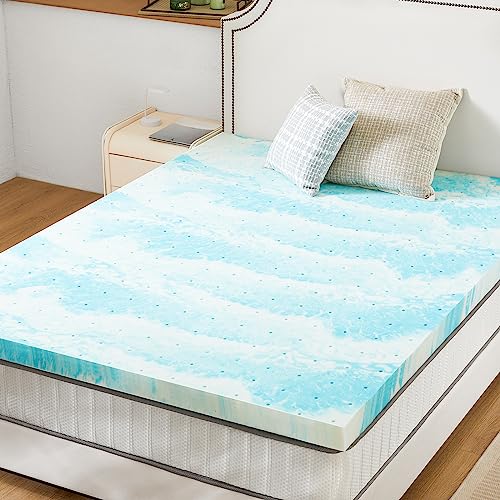
- ENHANCED COMFORT - With this memory foam mattress topper, say goodbye to...
- IMPROVED AIRFLOW - The gel infusion in this mattress pad helps to dissipate heat...
- VERSATILE USE - Whether you use it on your bed, sofa, or even in your RV, this...
Conclusion
Selecting the best foam type for your weight is a precise science that balances density, material, and firmness. From memory foam to latex and hybrid designs, the right choice ensures proper spinal alignment and lasting comfort.
The main point is to prioritize verified foam density and support Designed for your weight category. By following the guidelines , you can invest in a sleep surface that provides restorative rest and durable performance for years to come.
Frequently Asked Questions about What Foam Type Is Best For Your Weight
How do I know if my mattress is too soft for my weight?
If you consistently wake up with back pain or feel your hips and shoulders sinking deeply, the mattress is likely too soft. You may also struggle to change positions or feel a “hammock” effect where your midsection is lower than your legs and head.
This excessive sinkage indicates the foam density is insufficient to support your body weight, failing to keep your spine in a neutral alignment. A firmer mattress or a high-density support topper is often necessary to correct this issue.
Can a mattress topper fix a mattress that is too firm for a lightweight sleeper?
Yes, a plush memory foam or latex topper (2-3 inches) can significantly improve comfort on a too-firm mattress for lighter individuals. It adds a conforming comfort layer that cushions pressure points without compromising the supportive base below.
Choose a topper with a soft to medium-soft feel. This strategy allows you to customize the surface feel while Using the durable, supportive foundation of your existing mattress, making it a cost-effective solution.
What is the most important foam specification for a heavyweight sleeper?
The single most critical specification is the foam density of the support core, measured in pounds per cubic foot (PCF). Heavyweight sleepers should look for high-density polyfoam (2.0+ PCF) or high-density latex as a base.
This high density provides the necessary resilience to prevent permanent sagging and deep compression. Without it, even a firm-feeling mattress will break down quickly, leading to a loss of support and potential warranty issues.
Is memory foam or latex better for a couple with a large weight difference?
Latex or a high-quality hybrid is often better for significant weight differences. Latex is more responsive and provides a buoyant “lift,” which can prevent the heavier partner from sinking in too deeply and creating a roll-together effect.
Hybrids with pocketed coils offer individualized support zones. For the ultimate solution, a split king adjustable base with two separate mattresses allows each partner to choose their perfect firmness and feel.
How often should I replace my mattress based on my weight?
Replacement timelines vary by weight and foam quality. Average-weight sleepers may get 7-10 years from a quality mattress. Heavyweight sleepers (230+ lbs) should plan for replacement closer to the 5-7 year mark due to increased wear.
Monitor for visible sagging over 1.5 inches, increased morning stiffness, or noticeable comfort loss. These are clear signs the materials have degraded and can no longer provide the proper support your body needs.
What type of bed frame is best for supporting a heavier person on a foam mattress?
A solid platform bed or a bunkie board on a sturdy frame is ideal. Avoid flexible slat systems with wide spacing, as they can allow the mattress to sag. The foundation must be rigid, flat, and offer center support for queen and king sizes.
Always check the manufacturer’s weight rating for both the mattress and the bed frame. A Strong foundation is non-negotiable; it ensures the mattress performs as designed and prevents premature wear and voided warranties.