
Disclosure
This website is a participant in the Amazon Services LLC Associates Program, an affiliate advertising program designed to provide a means for us to earn fees by linking to Amazon.com and affiliated sites.
Choosing the right mattress firmness is crucial for side sleepers to achieve proper spinal alignment and avoid pain. The wrong level can lead to pressure points in the shoulders and hips.
Side sleepers generally need a medium-soft to medium-firm mattress to allow the shoulders and hips to sink in slightly. This contouring helps maintain a neutral spine, which is essential for preventing morning aches.
Waking Up with Aching Hips and Shoulders from Your Too-Firm Mattress?
Side sleepers need cushioning for pressure points, but many mattresses are too firm, causing pain. The Serta ThermaGel Cooling Topper adds a soft, conforming memory foam layer that relieves hip and shoulder pressure. Its cooling gel also regulates temperature, solving the discomfort of a hard, hot sleep surface.
For targeted pressure relief, we suggest: Serta ThermaGel Cooling, Memory Foam Mattress Topper
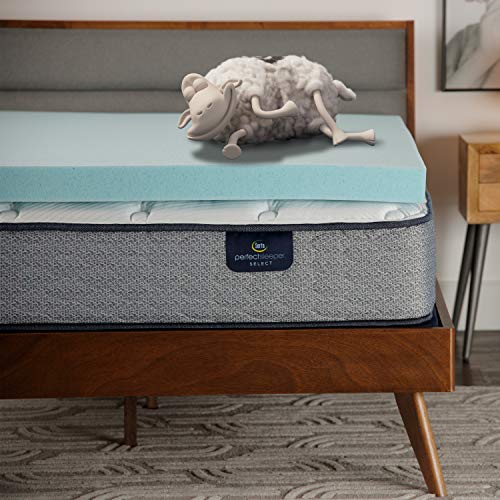
- BREATHABLE GEL-INFUSED FOAM: Engineered with ThermaGel-infused memory foam to...
- COOLING TECHNOLOGY: ThermaGel particles help create a refreshing sleep surface...
- CONTOURING SUPPORT: Adapts and conforms to your body’s natural shape for...
the Ideal Mattress Firmness for Side Sleepers
Finding the correct mattress firmness is not about personal preference alone. It is a critical factor for spinal health and pressure relief. Side sleepers have unique needs that differ from back or stomach sleepers.
Why Side Sleepers Need Softer Mattresses
The primary goal is to achieve spinal alignment. When lying on your side, the body’s heaviest points—the shoulders and hips—protrude. A mattress that is too firm will not allow these areas to sink in, causing the spine to bend.
- Pressure Point Relief: A medium-soft surface contours to the body’s curves. This distributes weight evenly and reduces stress on joints.
- Neutral Spine Maintenance: Proper contouring keeps the head, neck, and hips in a straight line. This alignment prevents lower back and neck pain.
- Improved Circulation: Reducing pressure on the shoulders and hips allows for better blood flow. This helps prevent numbness and tingling in the arms.
How to Test Mattress Firmness for Side Sleeping
You can assess a mattress in-store or during a trial period. Focus on how your body feels in your natural sleeping position. Pay close attention to key pressure areas.
Follow this simple process to evaluate a bed:
- Lie on your side in your usual sleep position for at least 10-15 minutes.
- Ask a partner to check if your spine appears straight from head to hips.
- Note any sensation of “hammocking” or feeling trapped, which indicates the mattress is too soft.
Firmness Scale and Material Considerations
Mattress firmness is typically rated on a scale of 1-10. Side sleepers usually find comfort between a 4 and a 7 on this scale. The ideal number depends heavily on your body weight and the mattress material.
For example, memory foam offers deep contouring, while latex provides a more buoyant support. Heavier individuals may need a slightly firmer mattress within the medium range to prevent excessive sinkage.
Choosing the Best Mattress Type and Firmness for Your Body
Your body weight and preferred mattress material significantly influence the ideal firmness level. A one-size-fits-all approach does not work for side sleepers. Selecting the right combination is key to unlocking restful sleep.
How Body Weight Affects Firmness Choice
Heavier individuals exert more pressure on a mattress, causing greater compression. A mattress that feels medium-soft to a lighter person may feel too soft. Therefore, weight is a primary factor in your final decision.
- Under 130 lbs: Opt for a softer mattress in the 3-5 firmness range. This provides enough cushioning without feeling unsupportive.
- 130-230 lbs: The standard medium-soft to medium (4-7) range is typically ideal. This offers the perfect balance of contouring and support.
- Over 230 lbs: Consider a medium-firm to firm (6-8) mattress. This prevents excessive sinkage and maintains better spinal alignment.
Mattress Materials and Side Sleeper Support
Different materials interact with firmness ratings in unique ways. these differences helps you predict how a bed will feel. The core materials define the sleep experience.
Here is a comparison of common mattress types for side sleepers:
| Material | Best Firmness Range | Key Benefit for Side Sleepers |
|---|---|---|
| Memory Foam | Medium-Soft to Medium (4-6) | Excellent pressure relief by contouring closely to hips and shoulders. |
| Latex | Medium to Medium-Firm (5-7) | Responsive, buoyant support that cushions without the “stuck” feeling. |
| Hybrid (Foam + Coils) | Medium (5-6) | Combines contouring foam with supportive coils for balanced comfort. |
| Innerspring | Medium-Firm (6-7) | Strong edge support, but often requires a plush pillow top for pressure relief. |
Common Mistakes and Adjustments for Side Sleepers
Even with a good mattress, side sleepers can make errors that undermine comfort and support. Recognizing and correcting these mistakes is crucial for pain-free sleep. Often, small adjustments make a significant difference.
Signs Your Mattress Firmness is Wrong
Your body provides clear signals when your mattress firmness is incorrect. Waking up with aches is the most common indicator. Listen to these cues to diagnose the problem.
- Morning Shoulder or Hip Pain: This often means your mattress is too firm. Your pressure points are not receiving adequate cushioning.
- Lower Back Pain: This can indicate a mattress that is too soft. Your hips are sinking too deeply, misaligning your spine.
- Frequent Tossing and Turning: Your body is subconsciously searching for a comfortable position. This suggests poor pressure relief or support.
- Numbness in Arms: Excessive pressure on the shoulder is pinching nerves. A softer, more conforming surface is needed.
How to Adjust an Existing Mattress
You may not need to buy a new mattress immediately. Several effective solutions can modify the feel of your current bed. These adjustments are cost-effective and simple to implement.
- Add a Mattress Topper: A 2-3 inch soft or medium memory foam topper can instantly add pressure-relieving cushioning to a firm mattress.
- Check Your Foundation: Ensure your bed frame or base provides even, firm support. A sagging foundation can make any mattress feel softer and unsupportive.
- Rotate Your Mattress: Regularly rotating your mattress head-to-foot prevents body impressions and ensures even wear, maintaining its intended feel.
When to Consider Replacing Your Mattress
Adjustments have their limits, especially with an older mattress. Most beds have a lifespan of 7-10 years. Beyond this point, materials degrade and lose their supportive properties.
Visible sagging, persistent discomfort despite adjustments, and improved sleep away from home are strong replacement indicators. Investing in a new mattress designed for side sleeping is often the most effective long-term solution.
Is a Soft or Firm Mattress Better for Side Sleepers?
Neither extreme is ideal. A very soft mattress lacks support, while a very firm one lacks cushioning. Side sleepers typically need a medium-firm mattress that offers a balance of both.
This middle-ground firmness allows the shoulders and hips to sink in slightly for pressure relief. Simultaneously, it supports the lower back and waist to maintain alignment. Think of it as “cushioned support” rather than pure softness or firmness.
What is the Best Pillow for Side Sleepers?
The pillow is just as critical as the mattress. Its primary job is to keep your head and neck aligned with your spine. The wrong pillow height can cause neck strain regardless of your mattress quality.
- Height: Look for a loft that fills the space between your neck and the mattress. Your head should not tilt up or down.
- Material: Contouring memory foam or adjustable shredded foam pillows are excellent choices. They cradle the head and support the neck’s natural curve.
- Placement: Ensure the pillow supports your neck fully, not just your head. Your shoulder should rest on the mattress, not on the pillow.
Can a Mattress Be Too Soft for a Side Sleeper?
Yes, a mattress can be too soft. This creates a problem called “hammocking,” where the hips sink too deeply. This curvature puts strain on the lower back and can make moving during sleep difficult.
How Does Sleeping Position Affect Firmness Needs?
If you switch between side and back sleeping, prioritize support for your side position. Choose a medium-firm mattress that offers gentle contouring. This provides adequate support for your back while still cushioning your hips and shoulders when you roll to your side.
Expert Tips for Testing and Buying Your Mattress
Purchasing the right mattress requires a strategic approach beyond just reading reviews. Knowing how to test effectively and what details to prioritize ensures a successful investment. Your goal is to simulate real sleep conditions as closely as possible.
How to Test a Mattress In-Store Like a Pro
Walking into a showroom can be overwhelming. Have a clear plan to cut through the noise and focus on how the bed feels for your body. Spend at least 15-20 minutes on each candidate.
- Wear Comfortable Clothing: Avoid restrictive jeans or jackets. You need to move and lie down naturally in your side-sleeping position.
- Bring Your Pillow: Use your own pillow to accurately judge spinal alignment. Store pillows are often the wrong height or firmness for you.
- Test with a Partner: If you share the bed, test it together. Move around to check for motion transfer and ensure both of you have enough space.
- Ask About Adjustments: Inquire if the model has a zoned support system with softer foam under the shoulders and firmer foam under the hips.
Key Features to Look for in a Side Sleeper Mattress
Modern mattresses include technologies specifically designed for pressure relief and support. these features helps you identify a bed built for side sleeping.
- Zoned Support: This is a top feature. It provides targeted cushioning for shoulders and hips with firmer support for the waist and lower back.
- Pressure-Relieving Comfort Layers: Look for top layers of memory foam, gel foam, or soft latex. These materials excel at contouring to the body’s curves.
- Responsive Transition Layers: Beneath the comfort layer, a responsive polyfoam or latex layer prevents the feeling of being stuck and provides buoyant support.
Warranties and Sleep Trials
The fine print matters. A sleep trial allows you to return the mattress if it’s not right, usually for a full refund. A warranty protects against manufacturing defects like deep sagging.
Ensure the sleep trial is long enough for your body to adapt. Look for a warranty that covers sagging over a certain depth (e.g., 1.5 inches), as this directly impacts support for side sleepers.
Special Considerations for Side Sleepers with Pain
For individuals managing chronic pain, arthritis, or injuries, mattress selection becomes even more critical. The right firmness and material can be a therapeutic tool, while the wrong choice can exacerbate discomfort. Tailoring your choice to your specific condition is essential.
Best Mattress for Side Sleepers with Shoulder Pain
Shoulder pain requires a mattress that offloads pressure from the joint. A too-firm surface will create a pressure point, while a too-soft one may allow the shoulder to sink unnaturally. The goal is gentle cradle and support.
- Opt for Medium-Soft Memory Foam: This material offers the deepest contouring to cradle the shoulder without pushing back against it.
- Consider an Adjustable Base: Slightly elevating the head can reduce pressure on the shoulder. Some sleepers find relief by hugging a body pillow.
- Avoid Ultra-Firm Innersprings: These provide little give and often concentrate pressure on the shoulder and hip.
Choosing a Mattress for Hip and Lower Back Pain
Hip and lower back pain in side sleepers is often linked to spinal misalignment. The hips must sink just enough to keep the spine straight. This requires precise support.
A mattress with zoned lumbar support is highly beneficial. It provides firmer reinforcement under the hips and waist to prevent excessive sinkage, while being softer at the shoulders. This design actively promotes a neutral spine all night.
Mattress Recommendations for Plus-Size Side Sleepers
Durability and deep support are paramount for heavier individuals. A mattress must prevent excessive sinkage that leads to misalignment while being soft enough for pressure relief.
| Priority | Recommended Feature | Reason |
|---|---|---|
| Support | High-Density Foam or Coil Core | Provides a stable, non-sagging foundation that maintains firmness over time. |
| Comfort | Thick Comfort Layer (3-4 inches) | Ensures adequate cushioning for hips and shoulders despite greater compression. |
| Edge Support | Reinforced Perimeter | Prevents roll-off and makes getting in and out of bed easier and safer. |
Long-Term Care and Maintenance for Your Mattress
Protecting your investment ensures your mattress maintains its ideal firmness and support for years. Proper care prevents premature sagging and material breakdown. A well-maintained bed continues to provide the pressure relief side sleepers depend on.
Essential Mattress Maintenance Routine
A simple, consistent routine dramatically extends your mattress’s lifespan. These steps protect the materials from wear and environmental damage. They also promote a cleaner, healthier sleep surface.
- Use a Mattress Protector: A waterproof, breathable protector shields against spills, stains, dust mites, and allergens. This is non-negotiable for preserving the comfort layers.
- Rotate Regularly: Rotate your mattress head-to-foot every 3-6 months. This distributes wear evenly, especially from the heavier hip and shoulder areas of a side sleeper.
- Ensure Proper Support: Check that your foundation (box spring, slats, or platform) is sturdy and undamaged. A sagging base will cause any mattress to dip and feel softer.
- Air It Out: When changing sheets, let the mattress breathe for an hour. This helps manage moisture and keeps the materials fresh.
Signs It’s Time for a Replacement
Even with excellent care, all mattresses eventually wear out. Recognizing the signs prevents you from sleeping on a bed that no longer supports you. Persistent pain is a key indicator.
- Visible Sagging or Body Impressions: Depressions deeper than 1.5 inches disrupt spinal alignment and create pressure points.
- Increased Allergy Symptoms: Old mattresses accumulate dust mites and mold, which can trigger allergies or asthma.
- Constant Morning Aches: If you consistently wake up with stiffness or pain that fades after moving, support has degraded.
- The “Hotel Test”: You sleep significantly better on a different mattress, like one in a hotel or guest room.
Maximizing Your Mattress Warranty
Most warranties cover manufacturing defects, not comfort. To file a valid claim, you typically need proof of proper support and visible sagging exceeding a specific depth (e.g., 1.5 inches). Keep your receipt and a photo of your foundation as documentation.
Best Mattress Toppers to Adjust Firmness for Side Sleepers
If your mattress is too firm, a high-quality topper is a cost-effective solution. These products add a plush comfort layer for immediate pressure relief. We recommend these three options based on value, features, and brand reputation.
Lucid 4 Inch Memory Foam Mattress Topper – Best Budget-Friendly Upgrade
This topper offers exceptional value for side sleepers needing deep cushioning. The 4-inch ventilated memory foam conforms closely to relieve hip and shoulder pressure. It includes a removable, machine-washable cover for easy maintenance.
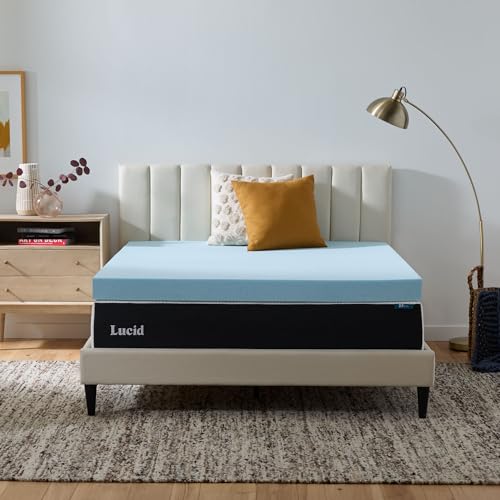
- ULTRA PLUSH FEEL – Lucid memory foam mattress toppers are designed to enhance...
- COOLER SLEEP: Cooling gel is infused in the memory foam to help regulate your...
- CHOOSE YOUR SIZE: 2-inch profile adds a soft layer of support to any mattress...
Zalmureta 4 Inch Dual Layer Memory Foam Mattress Topper – Best Dual-Layer Support
This model features a 2-inch cooling gel foam layer over a 2-inch supportive base foam. The dual-layer design provides contouring comfort with underlying stability, ideal for side sleepers who want to prevent excessive sinkage.
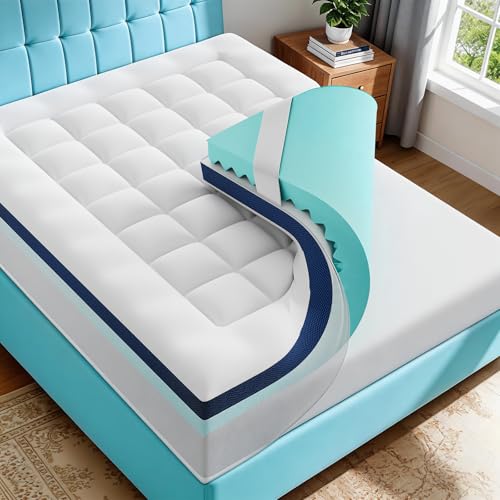
- 【4-Inch Dual-Layer Design】Our mattress topper features a 2-inch cooling...
- 【Breathable Design】This mattress topper is designed with Cold Gel Memory...
- 【Effective Body Support】Our mattress topper are ergonomically designed with...
Tempur-Pedic TEMPUR-Adapt + Cooling 3-Inch Twin XL Mattress Topper – Best Premium Contouring
For unmatched pressure relief, this premium topper uses genuine TEMPUR material. It features 3 inches of adaptive, cooling memory foam that responds to your body’s shape and temperature, making it ideal for sensitive shoulders and hips.

- COOLING 3-INCH TWIN XL TOPPER: TEMPUR-Adapt + Cooling topper is ideal for...
- SOFTEST TEMPUR MATERIAL: 3-inches of exclusive TEMPUR-ES Material precisely...
- WASHABLE COOLING COVER: Premium knit cooling cover provides cool-to-the-touch...
Conclusion
Finding the correct mattress firmness is a foundational step for side sleepers seeking pain-free rest. The ideal balance between cushioning and support prevents pressure points and maintains spinal alignment.
Remember to prioritize a medium-soft to medium-firm feel, consider your body weight and mattress material, and always take advantage of sleep trials. Investing time in this decision will pay dividends in your sleep quality and overall health for years to come.
Frequently Asked Questions about What Firmness Level Do Side Sleepers Need
What firmness level is best for a side and back sleeper?
For combination sleepers, a medium-firm mattress is typically ideal. This firmness provides enough cushioning for your hips and shoulders when on your side. It also offers the necessary support for your lower back when you roll onto your back.
The goal is to find a mattress that doesn’t feel too plush for back sleeping or too rigid for side sleeping. A responsive material like latex or a hybrid can accommodate both positions well by offering balanced support.
Can a mattress topper fix a mattress that is too firm for side sleeping?
Yes, a quality memory foam or latex topper can significantly improve a too-firm mattress. Adding a 2-4 inch soft or medium topper introduces a pressure-relieving comfort layer. This allows your shoulders and hips to sink in slightly for better alignment.
This is a cost-effective solution to extend the life of your current mattress. However, a topper cannot fix a mattress that is sagging or lacks foundational support underneath.
How long does it take to adjust to a new mattress as a side sleeper?
It typically takes your body about 2 to 4 weeks to fully adapt to a new sleep surface. During this break-in period, you may experience some initial stiffness as your muscles adjust to the improved support. This is normal and should fade.
This adjustment period is why generous sleep trials are crucial. Do not judge a mattress solely on the first few nights. Give yourself at least a month to experience its true feel and benefits.
Is memory foam or spring better for side sleepers?
Memory foam is generally better for pressure relief, which is a top priority for side sleepers. It contours closely to the body’s curves, cushioning the shoulders and hips. This helps maintain a neutral spine throughout the night.
Traditional innerspring mattresses often feel too firm and lack contouring. However, a hybrid mattress, which combines foam layers with a coil support core, can be an excellent compromise, offering both contouring and responsive support.
Do side sleepers need a soft or firm pillow?
Side sleepers need a pillow that is both supportive and of adequate height. A medium-firm pillow with enough loft to fill the space between your neck and mattress is ideal. This prevents your head from tilting down or up.
Your pillow and mattress work as a system. Even with a perfect mattress, a pillow that is too flat or too thick will misalign your cervical spine, potentially causing neck pain.
How can I tell if my mattress is too soft for side sleeping?
Signs your mattress is too soft include waking up with lower back pain and feeling “stuck” or unable to move easily. Your hips may sink too deeply, causing your spine to curve unnaturally like a hammock.
You can test this by placing a straight edge across the mattress. If there is a significant dip where your hips lie, the mattress lacks the support needed for proper side sleeping alignment.