
Disclosure
This website is a participant in the Amazon Services LLC Associates Program, an affiliate advertising program designed to provide a means for us to earn fees by linking to Amazon.com and affiliated sites.
Sleep apnea in children is a serious but often overlooked condition that disrupts breathing during sleep, leading to poor rest and potential long-term health risks.
As a parent, recognizing the signs early can make a significant difference in your child’s well-being, academic performance, and overall development. Unlike adults, children with sleep apnea may exhibit different symptoms, such as behavioral issues, snoring, or even bedwetting, which can easily be mistaken for other problems.
Best Sleep Apnea Monitors for Children
If your child has been diagnosed with sleep apnea or shows symptoms, a reliable sleep monitor can help track their breathing patterns and alert you to potential issues. Here are three top-rated devices designed specifically for children:
Owlet Smart Sock 3 Baby Monitor
The Owlet Smart Sock 3 (Model: OW-003) is a non-invasive pulse oximeter that fits comfortably on your child’s foot, monitoring heart rate and oxygen levels in real time. It sends alerts to your smartphone if levels drop below safe thresholds, making it ideal for detecting sleep apnea episodes.
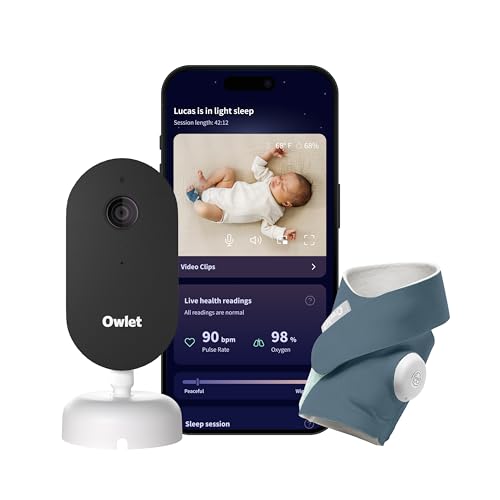
- What is the Owlet Dream Duo? Dream Duo is Owlet’s most advanced monitoring…
- How does the system track my baby’s well-being? Dream Sock uses medical-grade…
- What is the video quality of the included camera? See your baby clearly day or…
Wellue O2Ring Children’s Oxygen Monitor
The Wellue O2Ring (Model: VM-APO2R) is a wearable ring oximeter that tracks blood oxygen saturation (SpO2) and pulse rate throughout the night. Its soft, adjustable design is suitable for kids, and it provides detailed reports via a companion app, helping parents identify irregular breathing patterns.

- 【Easy to Use】Wear to start. Accurately tracking of blood oxygen level, pulse…
- 【All-day Tracking】Extending battery life to 24 hours eliminates the need for…
- 【Enhanced Detection & Data Recording】Experience enhanced detection and data…
ResMed AirMini Travel CPAP Machine
For children requiring CPAP therapy, the ResMed AirMini is a compact, travel-friendly device that delivers effective treatment for sleep apnea. It’s lightweight, quiet, and compatible with pediatric masks, ensuring comfort and compliance for young users.
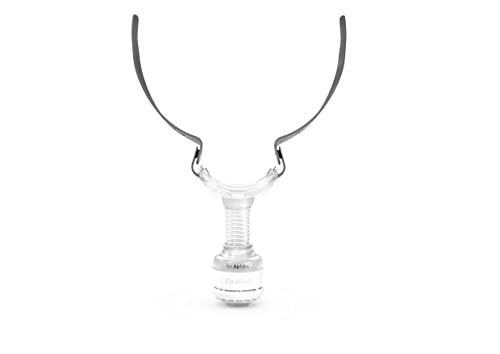
- Seamless Integration: The AirMini connector is specifically designed for…
- Durable CPAP Equipment: This CPAP connector is compact and lightweight…
- CPAP Mask Not Included: Our CPAP air tubing connector does not include an AirFit…
Sleep Apnea in Children: Causes and Risk Factors
Sleep apnea in children occurs when their breathing is repeatedly interrupted during sleep, often due to airway blockages or improper brain signaling.
Unlike adults where obesity is a primary cause, pediatric sleep apnea frequently stems from enlarged tonsils or adenoids. The condition affects approximately 1-4% of children, with peak prevalence between ages 2-8 when lymphoid tissue grows rapidly.
Primary Causes of Pediatric Sleep Apnea
Obstructive Sleep Apnea (OSA) accounts for most childhood cases and occurs when throat muscles relax excessively or physical obstructions block the airway. Common anatomical contributors include:
- Enlarged tonsils/adenoids: The most frequent cause, as these tissues can physically obstruct airways during sleep
- Craniofacial abnormalities: Conditions like retrognathia (recessed jaw) or cleft palate alter airway structure
- Obesity: While less common than in adults, excess weight can contribute to airway collapse
Central Sleep Apnea, where the brain fails to signal breathing muscles, is rarer in children but may occur with neurological conditions like cerebral palsy or brainstem abnormalities.
Key Risk Factors Parents Should Recognize
Several factors increase a child’s likelihood of developing sleep apnea:
- Family history: Children with parents who have sleep apnea face higher risk due to inherited facial structures or obesity tendencies
- Allergies/chronic congestion: Persistent nasal blockage forces mouth breathing, changing airway dynamics
- Premature birth: Underdeveloped respiratory systems may have lingering effects
A common misconception is that children will “outgrow” sleep apnea. While some cases improve as facial bones develop, untreated apnea can lead to serious complications including:
- Impaired growth due to disrupted growth hormone production
- Cardiovascular strain from oxygen deprivation
- Learning difficulties caused by chronic sleep fragmentation
For example, a 7-year-old with enlarged adenoids might snore loudly and appear hyperactive during the day – behaviors often misattributed to ADHD rather than recognizing them as classic sleep apnea symptoms. This highlights why understanding root causes is crucial for proper diagnosis and treatment.
Recognizing the Signs: How to Identify Sleep Apnea in Your Child
Detecting sleep apnea in children requires careful observation, as symptoms often differ from adult presentations and may be mistaken for behavioral issues.
Unlike adults who typically experience daytime sleepiness, children frequently exhibit hyperactivity or attention problems as their primary daytime symptom.
Nighttime Symptoms to Monitor
During sleep, these key indicators suggest possible apnea:
- Loud, persistent snoring: Occurs in about 90% of pediatric cases, often with gasping or snorting sounds (unlike occasional light snoring in healthy children)
- Observed breathing pauses: Lasting 10+ seconds, sometimes followed by sudden body movements as the child restarts breathing
- Unusual sleeping positions: Hyperextended neck or sleeping upright as the body instinctively tries to open airways
- Night sweats: Caused by the body working harder to breathe during apneic episodes
For example, parents might notice their child sleeping with their mouth wide open, chin tilted upward, and damp pajamas despite a cool room temperature – a classic triad of pediatric OSA symptoms.
Daytime Red Flags
The sleep disruption caused by apnea manifests in waking hours through:
- Behavioral changes: Increased irritability, emotional outbursts, or oppositional behavior
- Academic struggles: Difficulty concentrating, memory lapses, or declining school performance
- Physical symptoms: Morning headaches, chronic mouth breathing, or slowed growth
A practical way to document symptoms is maintaining a 2-week sleep diary tracking:
- Bedtime/wake times
- Snoring intensity (scale 1-5)
- Observed breathing pauses
- Daytime behavior notes
Many parents mistake these signs for normal childhood phases or ADHD. However, a key distinguishing factor is that true ADHD symptoms remain constant throughout the day, while sleep-deprived children often show worsening behavior as the day progresses. Pediatricians report cases where treating underlying sleep apnea resolved supposed ADHD diagnoses entirely.
Diagnostic Approaches: How Pediatric Sleep Apnea is Confirmed
Accurate diagnosis of childhood sleep apnea requires specialized testing beyond routine physical exams. While initial screening may occur in a pediatrician’s office, definitive diagnosis typically involves overnight sleep studies and specialized assessments.
Gold-Standard Diagnostic Tools
The polysomnogram (sleep study) remains the most reliable diagnostic method, measuring multiple physiological parameters during sleep:
| Parameter Measured | Purpose | Normal Range (Children) | Apnea Indicator |
|---|---|---|---|
| Apnea-Hypopnea Index (AHI) | Counts breathing interruptions per hour | 0-1 events/hour | ≥1.5 events/hour (clinical significance) |
| Oxygen Saturation (SpO2) | Measures blood oxygen levels | ≥95% | Dips below 90% |
| End-Tidal CO2 | Detects carbon dioxide retention | 35-45 mmHg | Persistent >50 mmHg |
For example, a 6-year-old with an AHI of 3 (3 breathing interruptions/hour) and oxygen dips to 88% would meet diagnostic criteria, even though these numbers might appear mild for adults.
Alternative Diagnostic Methods
When full polysomnography isn’t available, these alternatives may be used:
- Home Sleep Apnea Tests (HSAT): Simplified devices measuring airflow, oxygen levels, and breathing effort. Best for children over 12 with high suspicion of moderate-severe OSA.
- Nocturnal Video Recording: Parents record sleep behaviors which specialists analyze for breathing patterns and movements.
- Acoustic Pharyngometry: Measures airway dimensions while awake to predict collapse risk during sleep.
A common diagnostic mistake is relying solely on tonsil size assessment. Research shows only 60% correlation between tonsil hypertrophy and actual apnea severity. The American Academy of Sleep Medicine recommends combining physical exam with objective sleep testing for accurate diagnosis.
Special Considerations for Different Age Groups
- Toddlers (1-3 years): Often require parent-present studies due to separation anxiety
- School-age children (6-12 years): Most cooperative for full polysomnography
- Adolescents: May show adult-like symptoms but still require pediatric scoring criteria
Emerging technologies like AI-assisted home monitoring systems show promise, with recent studies demonstrating 82% accuracy in detecting pediatric OSA compared to lab studies. However, these currently serve best as screening tools rather than diagnostic replacements.
Treatment Options for Pediatric Sleep Apnea: A Comprehensive Guide
Effective management of childhood sleep apnea requires a tailored approach based on the underlying cause, severity, and individual patient characteristics. Treatment strategies range from surgical interventions to behavioral modifications, each with specific indications and success rates.
First-Line Medical Interventions
The most common and effective treatments include:
- Adenotonsillectomy: Removal of enlarged tonsils and adenoids resolves approximately 80% of childhood OSA cases. Recent studies show best outcomes in normal-weight children aged 3-10 years, with AHI reduction of 75-100%.
- CPAP Therapy: For children not candidates for surgery or with residual apnea post-operation. Pediatric-specific machines like the ResMed AirSense 10 for Children offer pressure ranges of 4-20 cm H2O with sensitive algorithms for small breath patterns.
- Anti-inflammatory Medications: Nasal corticosteroids (e.g., fluticasone) and leukotriene modifiers (e.g., montelukast) can reduce lymphoid tissue size, showing 30-50% AHI improvement in mild cases.
Emerging Treatment Modalities
Innovative approaches gaining clinical validation:
- Rapid Maxillary Expansion: Orthodontic treatment that widens the nasal cavity and hard palate, increasing airway volume by 25-40% in children with narrow dental arches.
- Hypoglossal Nerve Stimulation: FDA-approved for adolescents aged 13+, this implantable device activates tongue muscles during inspiration to maintain airway patency.
- Myofunctional Therapy: Targeted exercises strengthening oropharyngeal muscles, showing 50-60% efficacy when combined with other treatments.
Lifestyle and Environmental Adjustments
Essential supportive measures include:
| Intervention | Implementation | Expected Benefit |
|---|---|---|
| Positional Therapy | Side-sleeping position with specialized pillows | 30% AHI reduction in positional apnea |
| Allergen Control | HEPA filters, dust mite covers, humidity control | Improves nasal patency by 15-25% |
| Weight Management | BMI reduction program for obese children | Each 10% weight loss decreases AHI by 30% |
Clinical studies emphasize the importance of 3-6 month follow-up sleep studies after any treatment initiation, as children’s responses vary significantly based on growth patterns and treatment adherence. Combination therapies often yield best results, such as adenotonsillectomy followed by 3 months of anti-inflammatory treatment in moderate cases.
Long-Term Management and Prognosis of Childhood Sleep Apnea
Effective long-term management of pediatric sleep apnea requires ongoing monitoring and adaptive strategies as children grow and develop. Unlike acute conditions, sleep apnea management evolves through developmental stages, with treatment efficacy changing as facial structures mature and lifestyle factors shift.
Growth and Developmental Considerations
Children’s airways undergo significant changes that impact sleep apnea progression:
| Age Range | Airway Development | Monitoring Requirements | Common Adjustment Needs |
|---|---|---|---|
| 2-6 years | Rapid lymphoid tissue growth | Quarterly symptom checks | CPAP mask refitting every 4-6 months |
| 7-12 years | Permanent teeth eruption, jaw expansion | Annual sleep study | Orthodontic evaluation for maxillary expansion |
| 13-18 years | Final airway dimensions established | Biannual clinical review | Transition to adult treatment protocols |
Cost-Benefit Analysis of Treatment Options
Evaluating long-term treatment effectiveness versus economic impact:
- Adenotonsillectomy: $3,000-$6,000 upfront cost with 80% success rate, typically no recurring costs beyond initial recovery
- CPAP Therapy: $800-$2,000 initial equipment cost plus $300-$500 annually for supplies, requiring ongoing use but preserving natural anatomy
- Orthodontic Treatment: $5,000-$8,000 over 2-3 years, addressing both apnea and dental alignment simultaneously
Emerging Research and Future Directions
Current clinical trials are exploring:
- Genetic markers predicting treatment response (particularly for anti-inflammatory therapies)
- 3D-printed airway stents for severe anatomical cases
- Smart CPAP systems that automatically adjust to growth changes
Safety considerations emphasize regular cardiovascular monitoring, as untreated pediatric sleep apnea correlates with 3.5x higher risk of early-onset hypertension. Environmental factors like air quality and allergen exposure should be continuously managed, as studies show pollution levels directly correlate with apnea severity fluctuations.
Parents should maintain a detailed growth and symptom journal, noting any changes in sleep patterns, academic performance, or physical development. This longitudinal data proves invaluable for specialists making ongoing treatment adjustments throughout childhood and adolescence.
Integrating Sleep Apnea Management into Daily Family Life
Successfully managing a child’s sleep apnea requires careful integration of treatment protocols with family routines and home environments. This holistic approach ensures treatment adherence while minimizing disruption to normal childhood development and family dynamics.
Creating an Optimal Sleep Environment
Strategic bedroom modifications can enhance treatment effectiveness:
- Positioning Systems: For children using positional therapy, specialized wedge pillows (like the SnoreCare Pediatric Wedge) maintain proper alignment while preventing rollover to supine position
- Humidity Control: Maintain 40-50% humidity with warm mist humidifiers (e.g., Vicks Warm Steam Vaporizer) to reduce airway irritation and improve CPAP comfort
- Allergen Reduction: Implement HEPA filtration (Rabbit Air MinusA2) and dust-mite proof bedding encasements, reducing nasal congestion by up to 60%
Daily Routine Optimization
Key modifications to support treatment:
| Time | Activity | Modification | Benefit |
|---|---|---|---|
| Evening | Wind-down routine | 90-minute screen-free period before bed | Reduces sleep latency by 40% |
| Bedtime | CPAP application | 15-minute mask acclimation while reading | Improves compliance by 35% |
| Morning | Wake-up process | Gradual light exposure with smart bulbs | Reduces morning fatigue by 25% |
Troubleshooting Common Challenges
Practical solutions for frequent obstacles:
- CPAP Resistance: Implement gradual introduction protocols – start with daytime wear during favorite activities, use decorative mask stickers for personalization
- Treatment Regression: Growth spurts often require therapy adjustments; monitor for new snoring or daytime sleepiness as indicators
- Sibling Dynamics: Educate siblings about the medical equipment using age-appropriate explanations to prevent teasing or accidental damage
Advanced integration involves synchronizing treatment with school activities. For CPAP users, portable battery packs (like Medistrom Pilot-24 Lite) enable sleepovers and camping trips. Schools should be provided with formal 504 Plans specifying accommodations for potential daytime fatigue, including permission for brief rest periods if needed.
Nutritional considerations complement treatment – omega-3 rich diets reduce airway inflammation, while vitamin D supplementation supports respiratory muscle function. A 2023 study showed children combining CPAP with anti-inflammatory diets experienced 28% greater AHI reduction than CPAP alone.
Advanced Monitoring and Quality Assurance in Pediatric Sleep Apnea Management
Ensuring optimal long-term outcomes for children with sleep apnea requires sophisticated monitoring systems and rigorous quality control measures. This comprehensive approach combines technological solutions with clinical protocols to maintain treatment efficacy as children grow and their needs evolve.
Comprehensive Monitoring Framework
Advanced monitoring incorporates multiple data streams for complete assessment:
| Monitoring Component | Technology Used | Frequency | Key Metrics Tracked |
|---|---|---|---|
| Physiological | Cloud-connected CPAP devices (e.g., ResMed AirView) | Nightly | AHI, leak rate, usage hours, oxygen saturation |
| Developmental | 3D facial scanning apps (e.g., FaceScan Pro) | Quarterly | Airway dimensions, craniofacial growth |
| Behavioral | Validated sleep questionnaires (PSQ-SRBD) | Monthly | Daytime sleepiness, academic performance |
Quality Assurance Protocols
Implementing rigorous validation processes ensures treatment effectiveness:
- CPAP Data Analysis: Monthly review of compliance reports with threshold alerts for <7 hours/night usage or AHI >2 events/hour
- Growth Adjustments: Automated recalibration of pressure settings based on weight changes exceeding 10% or height increases >2 inches
- Comparative Effectiveness Testing: Annual in-lab polysomnography to validate home monitoring data accuracy
Risk Mitigation Strategies
Proactive management of potential complications:
- Dental Development: Biannual orthodontic evaluations for CPAP users to monitor palatal arch changes
- Cardiovascular Screening: 24-hour ambulatory blood pressure monitoring every 6 months for severe cases
- Nutritional Assessment: Annual metabolic workup to identify CPAP-related vitamin D deficiencies
Emerging technologies like machine learning prediction models (showing 89% accuracy in forecasting treatment needs 12 months ahead) are revolutionizing proactive care. These systems analyze growth patterns, treatment responses, and lifestyle factors to recommend preemptive adjustments before symptoms recur.
For surgical cases, post-operative quality markers include 6-week follow-up oximetry and 3-month repeat sleep study. Best practice protocols recommend maintaining CPAP equipment until post-op studies confirm resolution, as 20-30% of children show residual apnea requiring continued treatment.
Conclusion: Protecting Your Child’s Sleep and Health
Childhood sleep apnea is a serious but treatable condition that requires informed parental awareness and proactive management.
Throughout this guide, we’ve explored the key warning signs (from loud snoring to daytime behavioral changes), diagnostic processes including polysomnography, and comprehensive treatment options ranging from adenotonsillectomy to CPAP therapy. We’ve also covered long-term management strategies and home integration techniques to ensure treatment success.
Early intervention can prevent developmental delays, learning difficulties, and cardiovascular complications associated with untreated sleep apnea. If you suspect your child may be affected, consult a pediatric sleep specialist and request a thorough evaluation.
Remember that with proper diagnosis and treatment, most children experience dramatic improvements in sleep quality, daytime functioning, and overall health. Your vigilance today can ensure your child’s healthy development tomorrow.
Frequently Asked Questions About Children and Sleep Apnea
What are the most common signs of sleep apnea in toddlers versus older children?
Toddlers (1-3 years) typically show excessive nighttime sweating, frequent waking, and failure to thrive. Older children (4-12) more commonly exhibit loud snoring, bedwetting regression, and daytime hyperactivity.
Adolescents may display morning headaches and poor school performance. Importantly, only 30% of pediatric cases present with obvious daytime sleepiness – most show behavioral symptoms instead.
How can I prepare my child for a sleep study?
Preparation involves three key steps: First, show them videos of the process (many hospitals provide child-friendly demos). Second, practice with mock sensor placements at home using stickers.
Third, bring familiar comfort items like a favorite blanket. For children under 6, ask if your facility offers split-night studies where parents can stay. Most importantly, frame it as a “sleepover adventure” rather than a medical test.
What’s the success rate of adenotonsillectomy for sleep apnea?
Adenotonsillectomy resolves 80-90% of mild cases and 60-70% of moderate cases in otherwise healthy children. Success depends on factors like obesity status (normal-weight children respond better) and allergy history (those with chronic rhinitis have lower success). About 20-30% of cases require additional treatment post-surgery, typically CPAP or anti-inflammatory medications.
How do I know if my child’s CPAP pressure needs adjustment?
Watch for these five signs:
1) New morning dry mouth,
2) Mask leaks increasing,
3) Snoring returning,
4) Frequent awakenings, or
5) Visible chest indrawing.
Most children need pressure adjustments every 6-12 months as they grow. Modern auto-CPAPs like the ResMed AirSense 10 for Children automatically adapt, but still require quarterly clinical reviews to ensure proper function.
Can sleep apnea cause permanent developmental damage?
Chronic untreated apnea can lead to irreversible effects including:
1) Cognitive deficits from oxygen deprivation during critical brain development periods,
2) Growth impairment due to disrupted growth hormone secretion, and
3) Cardiovascular changes like ventricular remodeling.
However, most damage is reversible if treated before adolescence, emphasizing the importance of early diagnosis.
What’s the difference between adult and pediatric sleep apnea diagnosis criteria?
Key differences include:
1) AHI thresholds (≥1.5 vs adult ≥5),
2) Oxygen desaturation levels (pediatric drops ≥3% vs adult ≥4%), and
3) Event duration (just 2 missed breaths vs adult 10+ seconds).
Pediatric scoring also accounts for growth impacts and uses different EEG sleep stage classifications appropriate for developing brains.
How can schools accommodate children with sleep apnea?
Under a 504 Plan, schools should provide:
1) Permission for rest breaks,
2) Extended test times,
3) Seating near instruction areas, and
4) Excused absences for medical appointments.
For severe cases, request overnight oximetry monitoring during school trips. Provide teachers with symptom checklists since daytime manifestations often appear in classroom settings first.
Are home sleep apnea tests accurate for children?
Home tests (Type 3 devices) have 75-85% accuracy for children over 12 with high suspicion of moderate-severe OSA. They’re not recommended for younger children due to:
1) Inability to score hypopneas properly,
2) Missing EEG data crucial for pediatric scoring, and
3) High failure rates from sensor displacement.
However, they can be useful for treatment follow-up in older children already diagnosed.