
Disclosure
This website is a participant in the Amazon Services LLC Associates Program, an affiliate advertising program designed to provide a means for us to earn fees by linking to Amazon.com and affiliated sites.
Choosing the right density for your mattress topper is crucial for comfort and support. The correct density can transform your sleep, while the wrong one may lead to discomfort and poor rest.
Density, measured in pounds per cubic foot, directly determines how a topper feels and supports your body. A higher density foam offers more durability and deep support, which is often essential for side sleepers and those with pressure points.
Is Your Mattress So Uncomfortable That You Dread Going to Bed?
A mattress that feels too hard or lacks support can ruin your sleep, leaving you achy and exhausted. The Linenspa Memory Foam Mattress Topper solves this by adding a plush, pressure-relieving layer that cradles your body, transforming your existing mattress into a comfortable, supportive sleep surface for a fraction of the cost of a new bed.
For a transformative upgrade, choose: Linenspa Memory Foam Mattress Topper

- PRESSURE RELIEVING MEMORY FOAM: Plush gel infused memory foam conforms to your...
- COOLING GEL INFUSIONS: This topper is infused with a cooling gel that helps...
- MULTIPLE PROFILE OPTIONS: Choose your own level of comfort with a plush 2-inch...
Mattress Topper Density for Better Sleep
Mattress topper density is the weight of foam per cubic foot, a key indicator of quality and feel. This measurement, not thickness, primarily determines the support and longevity of your topper. Selecting the correct foam density is essential for addressing specific sleep needs and body types.
How Foam Density Affects Support and Comfort
The density of a memory foam or latex topper dictates how it responds to your body weight and shape. A higher density material provides more contouring support and resists sagging over time. Conversely, a lower density option offers a plusher, quicker-responding feel but may lack adequate support for heavier individuals.
- Pressure Relief: High-density foam slowly contours to your body, evenly distributing weight to alleviate hip and shoulder pressure.
- Motion Isolation: Denser foam absorbs movement more effectively, making it ideal for couples where one partner tosses and turns.
- Durability: A high-density rating often correlates with a longer lifespan, as the foam cells are more resilient and less prone to permanent indentations.
Choosing Density Based on Sleeping Position
Your preferred sleep position is a major factor in determining the ideal topper density for optimal spinal alignment. The goal is to keep your spine in a neutral position, whether you sleep on your back, side, or stomach. Here is a practical guide to match density with posture.
| Sleeping Position | Recommended Density | Reasoning |
|---|---|---|
| Side Sleepers | Medium to High (3-5 lbs) | Needs deeper contouring to cushion hips and shoulders, preventing misalignment. |
| Back Sleepers | Medium (2.5-3.5 lbs) | Requires balanced support to maintain the natural curve of the lower back. |
| Stomach Sleepers | Low to Medium (1.5-3 lbs) | Benefits from a softer topper to prevent the spine from arching uncomfortably. |
Selecting the Right Density for Your Body Weight
Your body weight is a critical, often overlooked factor when choosing mattress topper density. A topper that is too soft will not provide adequate support, while one that is too firm can create pressure points. Matching density to weight ensures the topper compresses correctly for proper spinal alignment.
Density Guidelines for Different Weight Ranges
Use your body weight as a primary guide to narrow down your ideal foam density range. These guidelines help prevent the common mistake of choosing a topper based on feel alone, which can lead to premature wear. Consider these general recommendations for optimal support.
- Under 130 lbs: Low to medium density (1.5-3 lbs) works well, providing enough cushioning without excessive sinkage.
- 130 to 230 lbs: Opt for medium to high density (3-5 lbs) to achieve the perfect balance of comfort and durable support.
- Over 230 lbs: Prioritize high-density foam (5 lbs and above) for maximum support, durability, and to prevent the topper from collapsing.
How to Test and Feel Density Differences
density numbers is helpful, but knowing how they feel is crucial. You can assess density even before purchasing by applying simple pressure tests. Follow this step-by-step process to evaluate a topper’s density and support level in a store.
- Apply Hand Pressure: Press your hand firmly into the topper. Low-density foam will compress quickly with minimal effort, while high-density foam will offer more resistance.
- Observe Recovery Time: Notice how quickly the foam returns to its original shape. Higher density memory foam recovers slowly, showing its deep contouring ability.
- Check for Bottoming Out: Press down to the base of the topper. If you feel the firm mattress underneath too easily, the density may be too low for your weight.
Memory Foam vs. Latex: Comparing Topper Density and Feel
The material of your mattress topper significantly influences how density translates to comfort. Memory foam and latex, the two most popular materials, have distinct characteristics at similar density ratings. these differences is key to selecting a topper that meets your expectations for support and feel.
Density and Performance in Memory Foam Toppers
In memory foam, density is the primary driver of quality, support, and heat retention. Higher density memory foam provides superior pressure relief and durability but may sleep warmer. This material is ideal for those who want pronounced contouring and excellent motion isolation.
- Contouring & Support: High-density (4-5+ lbs) memory foam offers the classic “hug” that cradles pressure points like hips and shoulders.
- Heat Retention: Denser foam can trap more body heat; look for open-cell or gel-infused versions for better airflow.
- Off-Gassing: New high-density memory foam may have a stronger initial odor, which dissipates in a well-ventilated room over a few days.
Density and Feel in Latex Mattress Toppers
Latex topper density is still important, but the material’s inherent responsiveness changes the experience. Latex is naturally more breathable and offers a buoyant, supportive push-back. It is an excellent choice for sleepers who dislike the “stuck” feeling of some memory foams.
| Latex Density (lbs/ft³) | Firmness & Feel | Best For |
|---|---|---|
| 3.0 – 4.0 (Low-Medium) | Plush, soft, and highly responsive. | Side sleepers or those wanting a softer, bouncy surface. |
| 4.0 – 5.5 (Medium-High) | Firm, supportive, with durable push-back. | Back and stomach sleepers, or individuals needing more spinal support. |
| 5.5+ (High) | Very firm and exceptionally durable. | Heavier individuals or those who prefer an extremely solid sleep surface. |
How to Choose Mattress Topper Density for Pain Relief
Selecting the correct mattress topper density can be a powerful tool for alleviating common sleep-related aches. The right density provides targeted support to keep your spine aligned and reduce pressure on joints. This approach is often more effective than simply choosing a softer or firmer surface.
Best Density for Back Pain and Spinal Alignment
Back pain often stems from a mattress that allows the spine to sag or arch out of its natural curve. A topper with medium density is typically ideal, as it provides a balance of cushioning and support. The goal is to fill in the gap at the lower back without creating a hammock effect.
- Prevent Sagging: A medium-density (3-4 lb) memory foam or latex topper reinforces the mattress’s support layer to prevent midsection sag.
- Even Support: It keeps the hips and shoulders properly elevated, maintaining a neutral spinal alignment throughout the night.
- Avoid Too Soft: Very low-density toppers can worsen back pain by failing to support the spine’s natural curvature.
Optimal Topper Density for Shoulder and Hip Pain
Shoulder and hip pain, common among side sleepers, requires a topper that cushions these bony pressure points. A higher density foam is necessary to allow deep enough contouring without bottoming out. This density absorbs pressure and prevents misalignment that can cause morning stiffness.
- Identify the Pain Points: Determine if pain is in the shoulder, hip, or both, as this confirms you are a side sleeper needing contouring.
- Choose High-Density Contouring: Select a memory foam topper with a density of at least 4 lbs/ft³ to allow deep, pressure-relieving sinkage.
- Ensure Adequate Thickness: Pair high density with a topper that is 2 to 3 inches thick to provide enough material to fully cushion the joints.
Mattress Topper Density and Longevity: What to Expect
The density of your mattress topper is the most reliable predictor of its durability and lifespan. Higher density foams have more material per cubic foot, making them more resistant to permanent body impressions and sagging. Investing in appropriate density ensures your comfort investment lasts for years.
How Density Affects Durability and Sagging
Low-density foam has larger, more open air cells that can collapse permanently under consistent weight. This leads to the formation of body impressions where you sleep, compromising support. High-density foam has a tighter cell structure that is more resilient and better maintains its original shape.
- Resistance to Indentations: Toppers below 3 lbs/ft³ are prone to quick sagging, especially for average or heavier weight sleepers.
- Material Integrity: Denser foam retains its supportive properties longer, preventing the topper from feeling “flat” or “dead” prematurely.
- Warranty Correlation: Manufacturers often offer longer warranties on higher density products, signaling greater confidence in their longevity.
Cost vs. Value: Investing in the Right Density
While higher density toppers command a higher upfront price, they offer superior long-term value. A cheaper, low-density topper may need replacement in 1-2 years, while a quality high-density option can last 5+ years. Consider this cost-per-year calculation for a true value comparison.
| Topper Type | Typical Density | Expected Lifespan | Value Insight |
|---|---|---|---|
| Budget Memory Foam | 1.5 – 2.5 lbs | 1-2 years | Lower initial cost, but frequent replacement increases long-term expense. |
| Quality Memory Foam | 4.0 – 5.0+ lbs | 5-7 years | Higher initial investment, but provides consistent support and comfort for years. |
| Durable Latex | 5.0 – 6.0+ lbs | 7-10+ years | Premium price for exceptional resilience and the longest potential lifespan. |
Final Decision Guide: Matching Topper Density to Your Needs
Now that you understand the factors, use this final guide to make a confident decision on your mattress topper density. Combine your sleeping position, body weight, and material preference into a single, practical recommendation. This synthesis ensures you select a topper that delivers both immediate comfort and lasting support.
Step-by-Step Density Selection Checklist
Follow this numbered checklist to systematically evaluate your needs and narrow down the perfect density. This process helps avoid overwhelm and ensures you consider all critical variables before purchasing.
- Determine Your Primary Sleep Position: Are you a side, back, or stomach sleeper? This dictates the level of contouring or support needed.
- Note Your Body Weight: Use your weight to adjust the base density recommendation from your sleep position upward if you are heavier.
- Choose Your Material: Decide between the deep contour of memory foam or the buoyant support of latex, knowing this affects feel at similar densities.
- Identify Any Pain Points: Factor in needs for pressure relief (higher density for memory foam) or spinal alignment (medium density).
- Consider Long-Term Value: For durability, lean toward the higher end of your recommended density range.
Quick-Reference Density Recommendation Chart
This chart provides a consolidated view to quickly find your suggested mattress topper density. It combines the key factors of sleep position and approximate weight for a memory foam topper. Use this as your final reference before you shop.
| Sleep Position | Weight Under 180 lbs | Weight 180-230 lbs | Weight Over 230 lbs |
|---|---|---|---|
| Side Sleeper | 3.0 – 4.0 lbs | 4.0 – 5.0 lbs | 5.0+ lbs |
| Back Sleeper | 2.5 – 3.5 lbs | 3.5 – 4.5 lbs | 4.5+ lbs |
| Stomach Sleeper | 2.0 – 3.0 lbs | 3.0 – 4.0 lbs | 4.0+ lbs |
Common Mistakes When Choosing Mattress Topper Density
Many shoppers make avoidable errors that lead to dissatisfaction with their new mattress topper. These mistakes often stem from confusing density with thickness or prioritizing initial softness over long-term support. these pitfalls will help you make a more informed and successful purchase.
Confusing Thickness with Firmness and Support
A thick topper does not guarantee a supportive one. Thickness determines how much material is between you and the mattress, while density defines the firmness and supportive quality of that material. A three-inch, low-density topper will feel plush initially but quickly compress, offering little real support.
- Thickness Role: Adds cushioning and determines the depth of contour; ideal for pressure relief on joints.
- Density Role: Provides the actual supportive structure that prevents bottoming out and maintains spinal alignment.
- The Right Combo: For best results, select adequate thickness (2-3 inches) paired with the correct density for your weight.
Overlooking Density for Initial Softness
It’s tempting to choose the softest, plushest feeling topper in the store. However, low-density foam that feels wonderfully soft under hand pressure may lack the resilience needed for all-night support. This foam will break down quickly, leading to a loss of that comfortable feel and the onset of new pressure points.
| Mistake | Short-Term Result | Long-Term Consequence |
|---|---|---|
| Choosing very low density (<2.5 lbs) | Feels extremely soft and comfortable initially. | Rapid sagging, loss of support, potential increase in back or joint pain within months. |
| Ignoring weight-based guidelines | The topper may seem to fit your sleep position. | Heavier individuals will compress the foam fully, “bottoming out” and feeling the hard mattress below. |
| Not checking material specs | Purchasing based on brand name or price alone. | Uncovering a low-density product after purchase, leading to disappointment and an early replacement cycle. |
Best Recommended Mattress Toppers by Density and Use
Based on the density guidelines discussed, here are three highly-rated mattress toppers that excel for different needs. Each recommendation is linked to its specific use case, ensuring you can find the ideal match for your sleep position and comfort goals.
DOWNCOOL 3 Inch Queen Mattress Topper – Best Overall Value & Support
This topper offers a great balance of medium-high density support and cooling comfort. Its 3-inch profile provides deep pressure relief, making it ideal for back and side sleepers seeking durable contouring without excessive sinkage. The breathable cover enhances airflow for a cooler sleep.
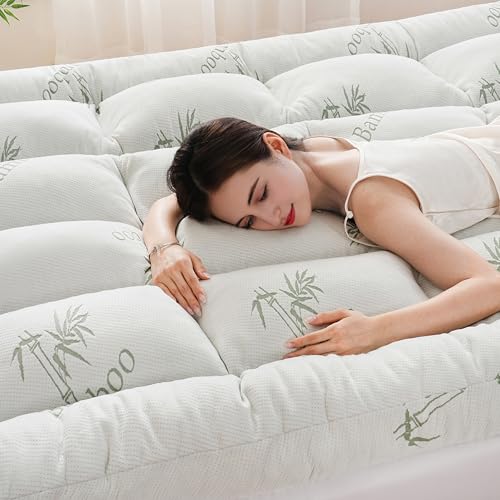
- Cooling Bamboo Viscose Top with 3D Air Layer: Made of 39% bamboo viscose and...
- Plush Pillow Top for Pressure Relief: Made with a thin gel memory foam layer and...
- Secure Deep Pocket Design: The elastic deep pocket skirt wraps around the...
Serta ThermaGel Cooling, Memory Foam Mattress Topper – Best for Hot Sleepers
Designed for temperature regulation, this Serta topper infuses cooling gel into a supportive memory foam core. It is an excellent choice for those who want the contouring benefits of a higher density foam but sleep warm. The ThermaGel technology helps dissipate body heat throughout the night.
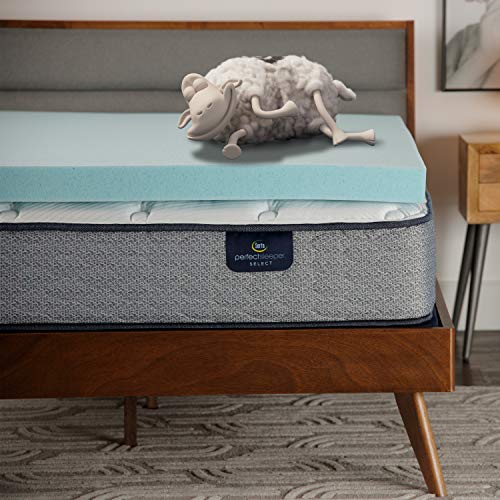
- BREATHABLE GEL-INFUSED FOAM: Engineered with ThermaGel-infused memory foam to...
- COOLING TECHNOLOGY: ThermaGel particles help create a refreshing sleep surface...
- CONTOURING SUPPORT: Adapts and conforms to your body’s natural shape for...
Sleepyhead Twin XL 3 Inch Gel Memory Foam Mattress Topper – Best for Dorm Beds & Pressure Relief
Perfect for upgrading a firm dorm or apartment mattress, this topper features gel-infused foam for cool comfort and pressure point relief. Its 3-inch thickness and responsive density make it a versatile option for Twin XL beds, providing cushioning that adapts to various sleep positions.

- COOLING TWIN XL MATTRESS TOPPER FOR DORM BEDS: Upgrade uncomfortable college...
- THE MUST-HAVE DORM ROOM ESSENTIAL: This mattress topper Twin XL measures 38" x...
- SECURE FIT WITH REMOVABLE COOLING COVER: Our Twin XL mattress topper includes...
Conclusion
Choosing the correct mattress topper density is a precise balance of your sleep position, body weight, and material preference. It is the fundamental factor that determines comfort, support, and the longevity of your investment.
The main point is to prioritize density over thickness. By matching a higher density topper to your specific needs, you ensure proper spinal alignment, effective pressure relief, and a sleep surface that remains supportive for years to come.
Frequently Asked Questions about What Density Mattress Topper Do You Need
What is the best mattress topper density for a side sleeper?
Side sleepers generally need a medium to high density topper, typically between 3-5 pounds per cubic foot. This density allows for deep contouring at the shoulders and hips to keep the spine aligned. It cushions pressure points without letting you sink too far.
If you are a lighter side sleeper, aim for the lower end of that range. Heavier individuals should choose the higher end to ensure the foam doesn’t bottom out, providing consistent support throughout the night.
How does body weight affect the density I should choose?
Body weight directly impacts how much a foam topper compresses. Heavier individuals require higher density foam to provide adequate support and prevent premature sagging. A density that is too low will compress fully, making you feel the firm mattress underneath.
As a general rule, if you weigh over 230 pounds, look for densities of 5 lbs/ft³ or higher. Those under 130 pounds can comfortably use lower density toppers (1.5-3 lbs) and still achieve proper contouring and support.
Is a higher density mattress topper always firmer?
Yes, within the same material, a higher density typically feels firmer and more supportive. Density refers to the weight of the foam, which correlates with its durability and resistance to compression. Higher density means more material and a denser cell structure.
However, firmness is also influenced by the material type. For example, a high-density latex topper will feel more buoyant and responsive than a high-density memory foam topper, which feels more contouring and solid.
Can the wrong mattress topper density cause back pain?
Absolutely. A topper with density that is too low for your weight or sleep position can fail to support your spine, allowing it to sag or become misaligned. This lack of support often leads to or exacerbates morning back pain and stiffness.
Conversely, a topper that is excessively dense and firm for a lightweight sleeper can create pressure points instead of relieving them. The key is finding the balanced density that maintains your spine’s natural curvature.
What is the difference between density and thickness in a topper?
Density measures the weight of the foam per cubic foot, determining its firmness, support, and durability. Thickness is simply the height of the topper, which influences how much cushioning and depth of contour you feel.
You need both adequate thickness for cushioning and the correct density for support. A thick, low-density topper will feel soft initially but quickly lose its shape, while a thin, high-density topper offers firm support with less plush cushioning.
How long will a high-density mattress topper last compared to a low-density one?
A high-density mattress topper (4+ lbs for memory foam) typically lasts 5-7 years or more with proper care. Its tight cell structure resists permanent body impressions and maintains supportive properties over time, offering excellent long-term value.
A low-density topper (under 3 lbs) often shows significant sagging and wear within 1-3 years, especially for average or heavier sleepers. Investing in higher density usually means fewer replacements and more consistent comfort.