
Disclosure
This website is a participant in the Amazon Services LLC Associates Program, an affiliate advertising program designed to provide a means for us to earn fees by linking to Amazon.com and affiliated sites.
Choosing the right foam density is crucial for senior comfort and health. It directly impacts sleep quality, pressure relief, and ease of movement, making it a key decision for well-being.
For seniors, a medium-firm mattress with high-density foam often provides the ideal balance. This combination offers the necessary support for joints while still cushioning pressure points like hips and shoulders.
Waking Up Achy and Stiff? Is Your Mattress Robbing You of Restorative Sleep?
As we age, a mattress that’s too soft fails to support joints and spine, leading to pain and poor sleep. The BedStory Firm Mattress Topper adds a 3-inch layer of high-density foam, transforming a sagging bed into a supportive, pressure-relieving surface that promotes proper alignment and deeper, more comfortable rest.
For reliable support that eases morning aches, we suggest: BedStory Firm Mattress Topper 3 Inch
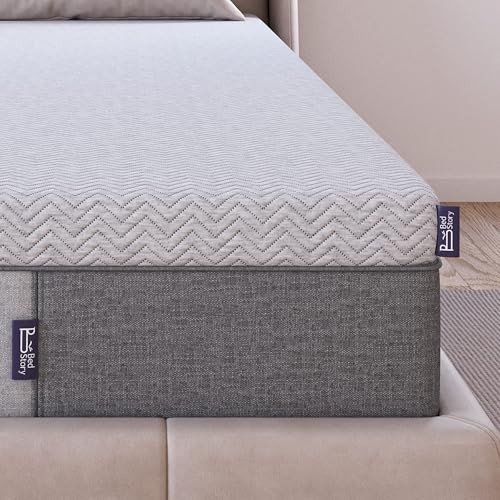
- RELIEVE PAIN & PROTECT THE SPINE - 2-layer pressure-relieving firm memory foam...
- 2-LAYER DESIGN & OPTIONAL FIRMNESS - Featuring double-layer foam design, the top...
- REMOVE MOISTURE & ALLEVIATE FATIGUE - Fusion memory foam contains bamboo...
Foam Density and Firmness for Senior Mattresses
Foam density and firmness are distinct but related concepts critical for senior comfort. Density refers to the weight of foam per cubic foot, indicating durability and support. Firmness is the initial feel of resistance when you lie down.
What Does Foam Density Mean for Support?
High-density foam provides superior longevity and consistent support, which is vital for aging bodies. It resists sagging better, maintaining proper spinal alignment over time. This density level is key for preventing pressure points and discomfort.
- High Density (4-5+ lbs/ft³): Ideal for core support layers. It offers deep compression support, is highly durable, and best for those with mobility or joint issues.
- Medium Density (3-4 lbs/ft³): Often used in comfort layers. It provides a good balance of cushioning and responsiveness for average-weight seniors.
- Low Density (Under 3 lbs/ft³): Generally less durable. It may soften quickly and not provide adequate long-term support for senior sleep needs.
Choosing the Correct Firmness Level
While density handles support, firmness addresses immediate comfort. Most seniors benefit from a medium-firm feel. This level cushions bony prominences without allowing the body to sink too deeply, aiding in turning and getting out of bed.
Consider these factors when assessing firmness:
- Sleep Position: Side sleepers often need slightly softer foam for shoulder and hip relief, while back and stomach sleepers require firmer support.
- Body Weight: Heavier individuals may compress softer foam too much, requiring a firmer, higher-density base for proper alignment.
- Specific Conditions: Arthritis or fibromyalgia sufferers might prefer a plusher top layer over a firm, supportive core for pressure relief.
Best Foam Types and Mattress Features for Elderly Sleepers
Beyond density, the type of foam significantly impacts comfort and health. Memory foam and latex are top contenders, each offering distinct benefits for senior sleep needs. their properties helps in making an informed choice.
Memory Foam vs. Latex for Senior Comfort
Memory foam is renowned for its exceptional pressure relief and body contouring. It cradles the body, which can alleviate pain in shoulders and hips. However, some seniors find it retains too much heat or feels difficult to move in.
Latex foam offers a more responsive and buoyant feel. It provides excellent support with a natural bounce, making it easier to change positions. It is also naturally cooler and more breathable than traditional memory foam.
| Feature | Memory Foam | Latex Foam |
|---|---|---|
| Pressure Relief | Excellent, deep contouring | Very good, more buoyant |
| Ease of Movement | Can feel “stuck,” less responsive | Very responsive, easier to turn |
| Temperature | Can sleep hot; gel-infused versions help | Naturally cooler and breathable |
Essential Mattress Features for Aging Bodies
Specific design features can greatly enhance safety and comfort. Look for mattresses that address common challenges seniors face, such as getting in and out of bed.
- Edge Support: A firm perimeter prevents the feeling of rolling off and provides a stable sitting edge.
- Motion Isolation: Foam excels here, ensuring one partner’s movements don’t disturb the other’s sleep.
- Height and Weight: A mattress between 10-14 inches tall is manageable, and lighter weights aid in cleaning or moving.
How to Test and Select the Right High-Density Foam Mattress
Knowing the specifications is one thing, but practical testing is essential. The right mattress for a senior feels supportive yet comfortable from the first lie-down. Follow a structured approach to evaluate options in-store or at home.
A Step-by-Step Guide for In-Store Testing
Visiting a showroom provides the best opportunity to assess comfort directly. Take your time and simulate real sleep conditions to get an accurate feel.
- Wear Comfortable Clothing: Avoid restrictive outfits. Lie down in your typical sleep position for at least 10-15 minutes per mattress.
- Test with a Partner: If you share the bed, both should test together. Check for motion transfer by having one person move.
- Check the Edges: Sit on the side of the mattress. It should feel firm and supportive, not soft or collapsing, for safe sitting.
- Simulate Getting Up: Practice rolling to your side and pushing up to a seated position. The mattress should offer enough push-back to assist you.
Evaluating Online Purchases and Trial Periods
Buying online requires careful research, as you cannot test the mattress physically beforehand. The fine print of the purchase is crucial for satisfaction.
Focus on these key details when shopping online:
- Detailed Product Specifications: Always check the listed foam densities for each layer. Look for clear information on the support core and comfort layers.
- Sleep Trial Length: A minimum 100-night trial is standard. Ensure you understand any mandatory break-in period before you can return it.
- Return Policy Logistics: Clarify who handles pickup and if there are any return fees. Some companies offer free returns and donation pickups.
Addressing Common Health Concerns with Supportive Foam
The correct foam mattress can directly alleviate specific age-related health issues. It acts as a therapeutic tool by promoting proper sleep posture and reducing pressure. Tailoring your choice to medical conditions ensures both comfort and health benefits.
Foam Solutions for Arthritis and Back Pain
Seniors with arthritis need a surface that cushions joints without forcing them into awkward angles. A mattress that is too soft can cause the body to sag, straining the spine. Conversely, one that is too firm can create painful pressure points.
For arthritis and general back pain relief, consider this approach:
- Zoned Support: Look for mattresses with firmer foam in the lumbar region and softer foam at the shoulders and hips. This design supports the natural spinal curve.
- Pressure-Relieving Top Layer: A 2-3 inch layer of medium-soft memory foam or latex can cushion sensitive joints effectively.
- Responsive Base: Ensure the core is high-density foam to prevent sagging, which is a primary cause of renewed back pain.
Managing Mobility Issues and Pressure Sores
Limited mobility requires a mattress that assists with movement. A surface that is overly plush can make turning and rising difficult, increasing fall risk. The goal is a supportive yet slightly responsive feel.
To enhance safety and prevent pressure sores (bedsores), focus on these features:
- Firm Edge Support: Crucial for providing Use when sitting up or swinging legs out of bed.
- Medium-Firm Overall Feel: This prevents excessive sinking, making it easier to reposition the body throughout the night.
- High-Density, Breathable Foam: Maintains a drier sleep surface by allowing airflow, reducing moisture buildup that can contribute to skin breakdown.
Maintaining Your Foam Mattress for Long-Term Senior Comfort
Proper care extends the life and performance of a high-density foam mattress. A well-maintained bed continues to provide the consistent support seniors rely on for years. Simple, regular habits protect your investment and ensure ongoing sleep quality.
Essential Care Routine for Foam Longevity
Foam mattresses require specific care different from traditional innerspring models. Avoiding moisture and evenly distributing weight are the two most critical factors. Following a basic routine prevents premature sagging and material breakdown.
Implement these key maintenance steps:
- Use a Protective Mattress Cover: A high-quality, waterproof, and breathable cover is essential. It guards against spills, moisture, and allergens, which can degrade foam.
- Rotate the Mattress Regularly: Rotate the mattress head-to-foot every 3-6 months. This prevents body impressions from forming in the same spots, ensuring even wear.
- Ensure Proper Foundation Support: Always use a solid, flat, and slatted foundation with gaps no wider than 3 inches. A weak box spring or platform allows the foam to sag.
- Avoid Jumping or Sitting on Edges: Teach grandchildren to avoid jumping, and avoid prolonged sitting on the mattress edge, which can permanently damage the foam’s support structure.
When to Consider Replacing a Senior’s Mattress
Even the best foam mattress has a finite lifespan. Recognizing the signs of wear is crucial for maintaining proper sleep posture and comfort. Persistent discomfort upon waking is often the first indicator.
- Visible Sagging or Body Impressions: Depressions deeper than 1.5 inches that do not rebound indicate the support core is compromised.
- Increased Morning Pain: New or worsening back, hip, or shoulder pain suggests the mattress is no longer providing adequate support.
- Age of the Mattress: Most high-quality foam mattresses last 7-10 years. If yours is older and showing signs of wear, replacement is likely due.
What is the Ideal Foam Density for an Elderly Person?
The ideal range focuses on durability and deep support. For the primary support core, a density of 4 to 5 pounds per cubic foot or higher is recommended. This ensures the mattress resists sagging and maintains spinal alignment over many years.
For the comfort layer, a medium density of 3 to 4 pounds per cubic foot is often suitable. This combination provides the cushioning needed for pressure relief without sacrificing the foundational support crucial for senior health.
Is Memory Foam Too Hot for Older Sleepers?
Traditional memory foam can retain body heat, which may be uncomfortable. However, modern advancements have effectively addressed this common concern. Many mattresses now incorporate cooling technologies.
- Gel-Infusion: Gel beads or swirls are added to the foam to draw heat away from the body.
- Open-Cell Structure: This design allows for better air circulation within the foam itself.
- Breathable Covers: Look for covers made from natural fibers like cotton, bamboo, or phase-change material covers.
How Firm Should a Mattress Be for a Senior Citizen?
The optimal firmness is typically a medium-firm feel, rated around 6-7 on a 10-point firmness scale. This level provides a balance of cushioning and push-back support. It contours to the body’s curves while making it easier to change positions and get out of bed.
Always consider individual health conditions and weight. A heavier individual may need a firmer mattress to prevent excessive sinkage, while a lighter person or a side sleeper might prefer the slightly softer end of the medium-firm spectrum.
Final Recommendations and Top Mattress Picks for Seniors
Based on the criteria of density, support, and cooling, certain mattress types consistently meet senior needs. These recommendations focus on proven combinations of materials that deliver safety, comfort, and longevity. The goal is to narrow down the overwhelming choices to a few reliable paths.
Recommended Mattress Constructions for Optimal Support
Hybrid mattresses often provide an excellent balance for elderly sleepers. They combine the targeted support of pocketed coils with the pressure relief of high-quality foam. This design promotes airflow and offers a more responsive surface than all-foam models.
For those preferring an all-foam feel, a layered approach is key:
- Base Layer: A minimum 6-inch core of high-density (4-5+ lbs/ft³) polyfoam or latex for unwavering support.
- Transition Layer: A mid-density foam to buffer between the firm base and soft comfort layer.
- Comfort Layer: 2-3 inches of gel-infused memory foam or aerated latex for cooling pressure relief.
Key Features Checklist Before You Buy
Use this final checklist to evaluate any mattress you are considering. It ensures no critical detail is overlooked in your search for the best sleep surface.
- Verified High-Density Core: Confirm the support layer density is explicitly stated as 4 lbs/ft³ or higher.
- Strong Edge Support: Test or research that the perimeter is reinforced for safe sitting and sleeping near the edge.
- Cooling Technology: Ensure the comfort layer includes gel, copper, or open-cell foam to regulate temperature.
- Adequate Sleep Trial: Opt for a brand offering a minimum 100-night trial with a reasonable break-in period.
- Warranty Coverage: Look for a warranty of at least 10 years that specifically covers sagging beyond a certain depth (e.g., 1.5 inches).
Best Recommended Mattress Toppers for Senior Comfort
For seniors not ready to replace a full mattress, a high-quality topper can significantly improve comfort and support. These three options offer different solutions based on specific needs, from firm support to plush pressure relief. Each uses quality foam to enhance your existing sleep surface.
SHOUREN 5 Inch Memory Foam Mattress Topper – Best for Firm Support
This 5-inch topper provides a substantial layer of high-density memory foam to reinforce a sagging mattress. It is ideal for seniors who need a firmer, more supportive sleeping surface to maintain spinal alignment. The removable, machine-washable cover adds convenience and hygiene.
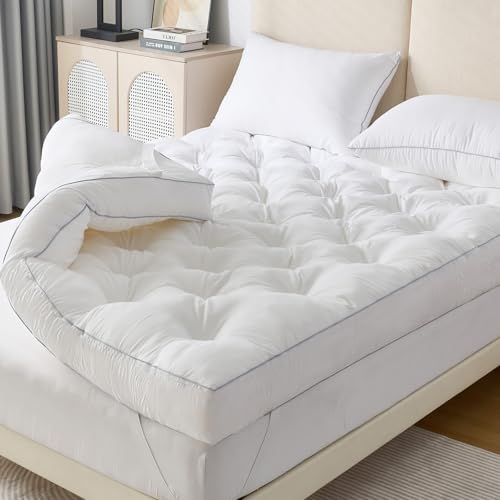
- 【5-Inch Extra Thick Comfort & Support】 SHOUREN mattress topper features a...
- 【Ergonomic Body-Contour Design】 Engineered to naturally fit your body...
- 【Upgraded 4-Way Elastic Anchor Straps】 Equipped with strong elastic straps...
Sleepyhead Twin XL 3 Inch Gel Memory Foam Mattress Topper – Best for Cooling Relief
This 3-inch topper features gel-infused memory foam to draw heat away from the body, ideal for seniors who sleep hot. It offers a perfect balance of cushioning for pressure points without being too soft. The breathable bamboo cover enhances its cooling properties.

- COOLING TWIN XL MATTRESS TOPPER FOR DORM BEDS: Upgrade uncomfortable college...
- THE MUST-HAVE DORM ROOM ESSENTIAL: This mattress topper Twin XL measures 38" x...
- SECURE FIT WITH REMOVABLE COOLING COVER: Our Twin XL mattress topper includes...
Zalmureta 4 Inch Dual Layer Memory Foam Mattress Topper – Best for Pressure Relief
This dual-layer design combines a 2-inch cooling gel foam top with a 2-inch high-density support base. It is the ideal option for deep contouring and pressure relief on a too-firm mattress. The non-slip bottom keeps it securely in place.
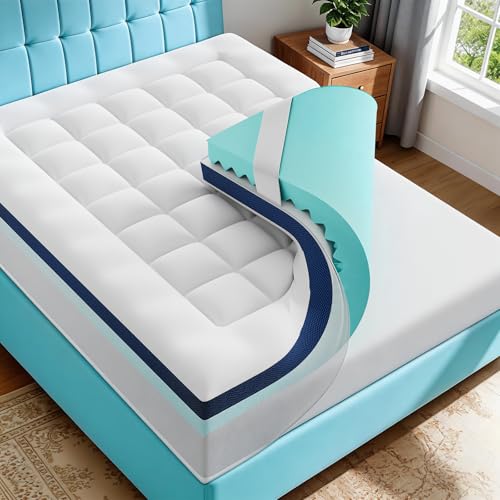
- 【4-Inch Dual-Layer Design】Our mattress topper features a 2-inch cooling...
- 【Breathable Design】This mattress topper is designed with Cold Gel Memory...
- 【Effective Body Support】Our mattress topper are ergonomically designed with...
Conclusion
Selecting the best foam density for a senior is a vital decision impacting sleep quality, joint health, and overall well-being. The ideal choice balances durable support with comfortable pressure relief.
Prioritize a medium-firm feel with a high-density foam core for longevity and proper spinal alignment. Remember to test thoroughly, consider specific health needs, and invest in a mattress or topper that supports restful, pain-free nights for years to come.
Frequently Asked Questions about What Density Foam Is Best For Seniors
What is the difference between foam density and firmness?
Foam density measures the weight of foam per cubic foot, indicating its durability and longevity. A higher density means a more supportive and long-lasting material. Firmness describes the initial feel or softness when you lie down on the mattress surface.
You can have a high-density foam that is engineered to feel medium-soft. For seniors, a high-density foam with a medium-firm feel often provides the best combination of lasting support and comfortable pressure relief.
Is a firm mattress always better for back pain in seniors?
Not necessarily. A mattress that is too firm can create pressure points at the shoulders and hips, misaligning the spine. It may not allow for proper contouring, which is essential for relieving pain. The key is adequate support with some cushioning.
A medium-firm mattress with a high-density support core is generally recommended. This provides the push-back needed for spinal alignment while allowing the comfort layer to cushion bony areas, reducing strain on the back.
How often should a senior replace their foam mattress?
A high-quality foam mattress should be replaced every 7 to 10 years. Over time, even high-density foam will lose some resilience and may develop permanent body impressions. This degradation reduces its supportive properties.
Signs you need a replacement include visible sagging deeper than 1.5 inches, increased morning stiffness or pain, and a general feeling that the mattress is no longer comfortable. Regular rotation can help extend its lifespan.
Can a mattress topper fix a mattress that is too soft for a senior?
A topper can help, but it depends on the severity. A thin, soft topper will not add meaningful support. However, a 3-5 inch topper made of high-density foam can provide a firmer, more supportive top layer over a sagging mattress.
This is a cost-effective solution for mild softening. For a severely broken-down mattress with a compromised support core, a full replacement is the safer and more effective option for maintaining proper spinal health.
What are the benefits of latex foam over memory foam for elderly sleepers?
Latex foam is naturally more responsive and buoyant, making it easier for seniors to change positions and get in and out of bed. It also sleeps cooler due to its open-cell structure and excellent airflow. This can be a major advantage for those who sleep hot.
Memory foam offers superior contouring and pressure relief but can sometimes feel restrictive. For seniors with mobility concerns, the responsive nature of latex is often a significant benefit, though hybrid models combining both materials are also excellent.
Why is edge support so important in a senior’s mattress?
Strong edge support creates a stable, secure perimeter around the mattress. This prevents the feeling of rolling off the bed, which enhances safety. It also provides a firm surface for sitting when getting dressed or putting on shoes.
A mattress with weak edges can compress significantly when sat upon, increasing the risk of falls. When testing a mattress, always check the edge support by sitting on the side to ensure it feels solid and supportive.