
Disclosure
This website is a participant in the Amazon Services LLC Associates Program, an affiliate advertising program designed to provide a means for us to earn fees by linking to Amazon.com and affiliated sites.
Choosing the right cooling technology is essential for comfort, performance, and energy savings. With so many options available, it can be difficult to know which solutions are truly effective for your specific needs.
Modern cooling isn’t just about raw power; it’s about intelligent design and targeted application. The most effective tech often combines active cooling with passive principles to maximize efficiency and comfort.
Are You Tired of Waking Up Hot, Sweaty, and Exhausted Every Night?
Sleeping hot ruins your rest, leaving you drained. Traditional memory foam traps body heat, creating a miserable cycle. The DUMOS Dual Layer Topper solves this with a cooling gel-infused top layer that draws heat away, paired with a supportive base for pressure relief, so you can finally sleep cool and wake up refreshed.
For a truly cool and restorative sleep, we suggest: DUMOS Dual Layer 3 Inch Mattress Topper
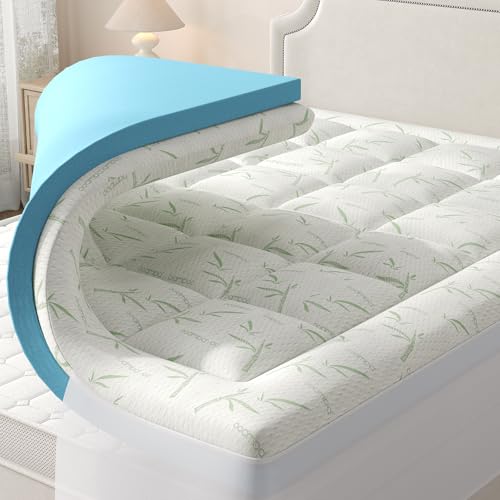
- 【Upgrade 2 In 1 Dual Layer Design】Combines a 2 inch cooling gel-infused...
- 【Relieve Pain & Contouring Support】This topper softens firm mattresses and...
- 【Ultra Cooling & Breathable】The innovative fiber pillowtop cover uses...
Active Cooling Systems: How to Choose the Right Air Conditioner for Your Home
Active cooling systems use mechanical components to remove heat from your living space. Selecting the correct type is crucial for efficiency and comfort. This section breaks down the most common residential options.
Central Air Conditioning vs. Ductless Mini-Splits
Central AC is the traditional choice for whole-house cooling through existing ductwork. Ductless mini-split systems offer flexible, room-by-room temperature control without ducts. Your home’s layout and budget will determine the best fit.
- Central AC: Best for homes with existing ducts; provides uniform cooling but can be less efficient if ducts are leaky.
- Ductless Mini-Split: Ideal for room additions, older homes without ducts, or for creating independent climate zones.
- Energy Efficiency: Look for high SEER (Seasonal Energy Efficiency Ratio) ratings; modern mini-splits often lead in this category.
Portable and Window Air Conditioners for Targeted Cooling
These units are perfect for cooling single rooms or small apartments. They are a cost-effective solution but vary in installation ease and noise level. their key differences will help you avoid common pitfalls.
Window units are generally more powerful and efficient than portable models. However, portable ACs offer greater flexibility as they can be moved from room to room. Both require proper sealing to prevent hot air from leaking back inside.
Smart Thermostats and Advanced Climate Control
Modern thermostats transform how you interact with your cooling system. They learn your schedule and adjust temperatures automatically to save energy. This intelligent management is a form of system optimization that enhances any active cooling tech.
- Geofencing: Uses your phone’s location to turn the AC on as you head home and off when you leave.
- Energy Usage Reports: Provide insights into your cooling habits, helping you identify savings opportunities.
- Remote Access: Allows you to adjust your home’s temperature from anywhere using a smartphone app.
Passive Cooling Techniques to Reduce Your Energy Bills
Passive cooling uses design and natural principles to manage heat without mechanical systems. These strategies work alongside your AC to improve its efficiency. Implementing them can lead to significant long-term savings on energy costs.
Strategic Home Design and Insulation Upgrades
Proper insulation acts as a thermal barrier, keeping cool air in and hot air out. Upgrading attic insulation is often the most effective single improvement. Sealing air leaks around windows and doors is another critical, cost-effective step.
- Attic Insulation: Aim for an R-value of R-38 to R-60, depending on your climate zone, to prevent radiant heat gain.
- Window Treatments: Install reflective window films, solar screens, or insulated cellular shades to block solar heat.
- Air Sealing: Use weatherstripping and caulk to seal gaps; this prevents cooled air from escaping, reducing your AC’s workload.
Natural Ventilation and Landscaping for Shade
Using natural breezes can cool your home effectively during milder weather. Strategic landscaping provides shade, reducing the solar heat absorbed by your home’s structure. This is a long-term, natural approach to temperature control.
Planting deciduous trees on the south and west sides of your home provides summer shade while allowing winter sun. Using ceiling fans to create a wind-chill effect allows you to raise the thermostat setting by about 4°F with no loss of comfort. This practice is known as thermostat setback.
Using Thermal Mass and Night Flushing
Thermal mass, like tile or concrete floors, absorbs heat during the day and releases it slowly at night. The night flushing technique involves opening windows at night to purge stored heat with cool air. This two-step process resets your home’s temperature for the following day.
- Keep windows and blinds closed during the hottest part of the day to trap cool air inside.
- After sunset, when outdoor temperatures drop, open windows on opposite sides of the house to create cross-ventilation.
- Use fans to actively exhaust hot air and draw in the cooler night air, preparing the home’s thermal mass for the next day.
Personal and Device-Specific Cooling Solutions That Work
Beyond whole-room systems, targeted personal cooling can provide immediate relief and save energy. These solutions are perfect for home offices, bedrooms, or for cooling specific high-heat electronics. They address comfort and performance at the point of need.
Effective Personal Cooling Fans and Wearable Tech
Modern personal fans are far more advanced than simple desk models. They use focused airflow and sometimes water evaporation for a cooling sensation. Wearable tech like cooling vests or neck fans provide mobility for outdoor activities or hot work environments.
- Air Circulators: Unlike oscillating fans, these create a powerful, focused stream of air that can be directed across a room for a wind-tunnel effect.
- Evaporative Coolers (Personal): Small, portable units that add moisture to the air; they work best in dry climates and for direct personal use.
- Phase-Change Materials: Used in some vests and bands, these materials absorb body heat as they change from solid to liquid, providing hours of cooling.
Keeping Electronics Cool for Peak Performance
Overheating can throttle performance and shorten the lifespan of computers and gaming consoles. Effective cooling for these devices relies on managing airflow and dissipating heat directly from components. Proper setup is a simple but crucial maintenance task.
| Device | Common Cooling Issue | Effective Solution |
|---|---|---|
| Gaming PC/Laptop | Dust-clogged fans, poor internal airflow | Regular compressed air cleaning; use a laptop cooling pad with elevated fans. |
| Game Consoles | Insufficient ventilation in enclosed media centers | Ensure at least 4-6 inches of clear space on all sides; avoid stacking other devices on top. |
| Network Routers | Heat buildup leading to dropped signals | Place in an open, elevated location; consider a small USB fan pointed at it. |
Choosing Bed Cooling Systems for Sleep Comfort
A cool sleeping environment is essential for quality rest. Specialized bed systems go beyond standard fans to regulate mattress temperature directly. These systems often use water circulation or air channels to draw heat away from the body.
Water-based mattress pads circulate temperature-controlled water through tubes, offering precise cooling. Air-based systems use a fan to push air through a pad, wicking away moisture and heat. Both are more effective than simply cooling the room air, as they target the microclimate around your body.
How to Implement a Layered Cooling Strategy for Maximum Efficiency
The most effective approach combines multiple cooling technologies into a single, intelligent system. A layered strategy uses the right method at the right time to minimize energy use. This creates a comfortable environment while keeping operating costs low.
Step-by-Step Guide to Building Your Cooling Plan
Start by addressing passive measures to reduce the cooling load on your home. Then, select active systems sized appropriately for the remaining demand. Finally, integrate personal solutions for targeted comfort in frequently used spaces.
- Audit and Seal: Conduct a home energy audit or DIY inspection to identify and seal major air leaks and assess insulation levels.
- Optimize Passive Systems: Install window treatments, improve attic ventilation, and use landscaping for shade to block heat gain.
- Select Primary Active Cooling: Choose a central, ductless, or high-efficiency room AC unit based on your sealed home’s calculated needs.
- Add Smart Controls: Install a programmable or smart thermostat to automate temperature setbacks when you are asleep or away.
- Supplement with Personal Cooling: Use ceiling fans, personal fans, or bed coolers to enhance comfort, allowing for a higher thermostat setting.
Prioritizing Cost-Effective Cooling Upgrades
Not all improvements offer the same return on investment. Focus first on low-cost, high-impact upgrades that make your existing systems work better. This phased approach spreads out costs while delivering immediate benefits.
- Highest Priority (Low Cost/High Impact): Weatherstripping, ceiling fan optimization, thermostat programming, and regular HVAC maintenance.
- Medium Priority (Moderate Investment): Adding attic insulation, installing solar window screens, or upgrading to a smart thermostat.
- Long-Term Investment: Replacing an old, inefficient air conditioner with a high-SEER model or installing a ductless mini-split system.
Myths vs. Facts: Common Cooling Misconceptions Debunked
Many widespread beliefs about cooling can lead to higher energy bills and reduced comfort. The truth behind these myths is essential for making smart decisions. Let’s clarify some of the most persistent ones.
Myth: Setting your thermostat much lower cools your home faster.
Fact: Air conditioners cool at a constant rate; a extreme low setting only makes the system run longer, wasting energy.
Myth: Leaving a fan on in an empty room cools the room.
Fact: Fans cool people, not rooms, by creating a wind-chill effect. Always turn fans off when you leave the room.
Myth: Closing vents in unused rooms saves energy.
Fact: In central forced-air systems, this can increase pressure and cause duct leaks, potentially reducing system efficiency.
Future Trends and Innovations in Cooling Technology
The cooling industry is rapidly evolving with a focus on sustainability, intelligence, and integration. Emerging technologies promise greater efficiency and comfort while reducing environmental impact. these trends can help you make future-proof decisions.
Solid-State and Magnetocaloric Cooling Systems
These next-generation technologies move away from traditional vapor-compression cycles used in most AC units. They offer the potential for quieter, more reliable, and significantly more efficient cooling. While mostly in development, they represent the future of climate control.
- Solid-State Cooling: Uses materials that change temperature when an electric field is applied, with no moving fluids or compressors, leading to ultra-quiet operation.
- Magnetocaloric Cooling: Relies on materials that heat up when exposed to a magnetic field and cool down when removed; it is highly efficient and uses eco-friendly coolants.
- Key Benefit: Both technologies eliminate the need for refrigerant gases with high global warming potential (GWP), addressing a major environmental concern.
Integration with Smart Home and Renewable Energy
Modern cooling systems are becoming integral components of the connected smart home. They can now sync with solar power production, weather forecasts, and occupancy sensors. This creates a fully automated, energy-responsive ecosystem for home comfort.
Advanced systems can pre-cool your home using excess solar energy generated during the day. They also use predictive algorithms based on local weather data to optimize run times. This grid-interactive capability helps balance energy demand and supports a cleaner grid.
Advanced Phase-Change Materials in Building Design
Phase-change materials (PCMs) are being incorporated directly into building materials like drywall, ceiling tiles, and flooring. They absorb excess heat during the day as they melt and release it at night as they solidify. This acts as a thermal battery for the building itself.
| Application | How It Works | Potential Impact |
|---|---|---|
| PCM-Enhanced Drywall | Micro-encapsulated waxes in wallboard melt at room temperature, storing heat. | Flattens daily temperature swings, reducing AC runtime by 20-30% in some climates. |
| Rooftop Radiative Coolers | Special coatings reflect sunlight and emit infrared heat directly into space. | Can passively cool a building’s surface below ambient air temperature, even in direct sun. |
These innovations shift cooling from an energy-intensive process to a managed property of the building envelope. They represent a fundamental move towards passive-first architectural design that drastically cuts mechanical cooling needs.
What is the most energy-efficient type of air conditioner for a single room?
For cooling a single room, a properly sized ductless mini-split system is typically the most energy-efficient option. It avoids the duct losses associated with central air and offers superior SEER ratings. A high-efficiency window unit is the next best choice for a more budget-friendly installation.
Key factors for efficiency include correct BTU sizing for the room and an inverter compressor, which adjusts its speed rather than cycling on and off. Always look for the ENERGY STAR label when comparing models to ensure peak efficiency.
How can I cool a room fast without central air conditioning?
To cool a room quickly, you must combine several techniques to manage heat and airflow. Start by blocking heat gain, then use powerful fans to exhaust hot air and circulate cool air. This creates an immediate, noticeable difference in comfort.
- Block the Heat: Close blinds or curtains on sun-facing windows immediately.
- Create Cross-Ventilation: Open windows on opposite sides of the room and use a box fan in one window to exhaust hot air, drawing cooler air in through the other.
- Use a Dehumidifier: In humid climates, lowering humidity makes the air feel cooler and more comfortable, even at a slightly higher temperature.
Is it worth repairing an old air conditioner, or should I replace it?
This decision depends on the age of the unit, the cost of repair, and its current efficiency. A simple rule of thumb is the “$5,000 Rule”: multiply the age of the unit by the repair cost. If the result exceeds $5,000, replacement is usually more cost-effective.
- Consider Replacement if: Your AC is over 10-15 years old, requires frequent repairs, or has a SEER rating below 14.
- Consider Repair if: The unit is under 10 years old, the repair is minor (like a capacitor or contactor), and it has historically been reliable.
- Financial Incentives: Check for federal tax credits, state rebates, or utility company incentives for installing high-efficiency equipment, which can significantly offset replacement costs.
Modern high-efficiency units can reduce your cooling energy consumption by 20-40%. This ongoing savings, combined with fewer repair bills, often justifies the investment in a new system within a few years.
Maintenance and Optimization for Peak Cooling Performance
Even the best cooling technology loses efficiency without proper care. Regular maintenance is not just about preventing breakdowns; it’s about ensuring your system runs at its designed efficiency. A well-maintained system cools better, lasts longer, and costs less to operate.
Essential Seasonal Maintenance Checklist for Homeowners
Performing simple tasks before each cooling season can dramatically improve performance. This checklist focuses on actions you can do yourself to ensure your system is ready. Always prioritize safety and consult a professional for complex issues.
- Clean or Replace Air Filters: Do this every 1-3 months during peak use. A dirty filter restricts airflow, forcing the system to work harder and increasing energy use by up to 15%.
- Clear the Outdoor Unit: Remove any leaves, grass clippings, or debris from the condenser coil. Ensure there is at least two feet of clear space around the unit for proper airflow.
- Inspect and Clean Indoor Vents: Vacuum dust and obstructions from all supply and return air vents. Move furniture, curtains, or rugs that may be blocking airflow.
- Test the System Early: Turn on your AC for a test run before the hot weather arrives. Listen for unusual noises and verify that cool air is blowing strongly from all vents.
Professional HVAC Tune-Up: What to Expect and Why It Matters
An annual professional service goes far beyond a DIY check. A certified technician performs critical measurements, adjustments, and deep cleaning that homeowners cannot. This service is the single best investment for long-term reliability.
- Coil Cleaning: The technician will chemically clean the evaporator and condenser coils, which are vital for heat transfer.
- Refrigerant Charge Check: They will measure the refrigerant level; too much or too little reduces efficiency and can damage the compressor.
- Electrical Inspection: All connections will be tightened, and components like capacitors and contactors will be tested for safe operation.
- System Performance Test: They will measure temperature drop across the evaporator coil and overall system airflow to verify optimal operation.
Optimizing System Settings and Airflow for Efficiency
Correct settings and balanced airflow are the final pieces of the performance puzzle. Small adjustments here can yield significant comfort and energy savings without any new equipment. Focus on your thermostat strategy and ensuring air moves freely.
Set your thermostat to the highest temperature that is still comfortable—every degree higher can save about 3% on cooling costs. Use ceiling fans in the correct direction (counter-clockwise for summer) to create a wind-chill effect. Finally, ensure your home’s air return paths are unobstructed, as restricted returns create pressure imbalances that reduce overall system capacity.
Best Recommended Cooling Products for Enhanced Sleep Comfort
For targeted personal cooling, a quality mattress topper can regulate your sleep surface temperature. These three options offer different approaches to heat dissipation and pressure relief. Each is ideal for specific sleep needs and preferences.
BEDLORE King Mattress Topper – Best for Advanced Cooling Gel
This topper features a 3-inch gel-infused memory foam layer designed to draw heat away from the body. The gel beads help regulate temperature throughout the night, preventing that trapped heat feeling. It provides a balanced, contouring support for a cooler sleep.

- 【Premium Quality】Experience ultimate comfort with our pillow top mattress...
- 【Breathable Design】 Stay cool and cozy all night with the king bed mattress...
- 【Enhanced Comfort】 Upgrade your sleep with this luxurious and durable king...
Niagara Sleep Solution Ultra Soft Mattress Topper – Best for Breathable Fiber
Constructed with a hypoallergenic fiberfill, this topper promotes superior air circulation. Its ultra-soft, fluffy design adds plush comfort without retaining excess heat. This is the ideal option for sleepers who prefer a traditional, breathable feel over memory foam.

- ULTRA SOFT: Niagara Queen Mattress Topper is made from viscose made from bamboo...
- CLOUD-LIKE SLEEP: This queen mattress topper adds an extra cushion to...
- EASY TO USE: The cooling bed pad has a deep pocket, is easy to put on, and has...
NicePlus Dual Layer 4 Inch Memory Foam Mattress Topper – Best for Deep Contouring Support
This dual-layer topper combines a cooling gel foam top layer with a supportive base foam. The 4-inch profile offers significant pressure relief and body contouring while actively managing temperature. It’s the best option for those needing extra cushioning and cooling.
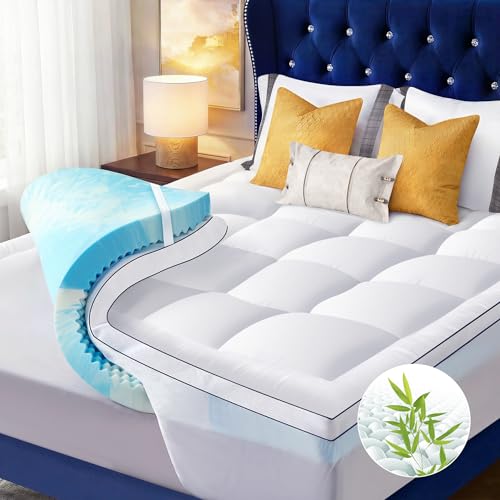
- 2-in-1 Double-Layer Mattress Topper: Featuring a dual-layer structure, designed...
- Relieves Pain & Supports Restful Sleep: The soft mattress topper bottom features...
- Cooling & Breathable: The 4 inch mattress topper fabric contains 40% Viscose...
Conclusion
Effective cooling is not about finding a single miracle solution. It is about The spectrum of technologies, from passive home design to active systems and personal devices. The right choice always depends on your specific environment, needs, and budget.
The most successful strategy is a layered one: first prevent heat entry, then remove heat efficiently, and finally enhance local comfort. By combining these principles, you can achieve a cooler, more comfortable space while maximizing energy savings and system longevity.
Frequently Asked Questions about What Cooling Tech Actually Works For You
What is the single most effective thing I can do to keep my house cool?
The most effective action is to prevent heat from entering. Upgrade attic insulation and install high-quality window treatments like solar screens or reflective film. This addresses the root cause, reducing the workload on your air conditioner immediately.
Sealing air leaks around doors and windows is another high-impact, low-cost step. By creating a tight thermal envelope, you keep the cool air you pay for inside, making any cooling system much more efficient and effective.
Do ceiling fans actually cool a room, or do they just move air?
Ceiling fans cool people, not rooms. They create a wind-chill effect by evaporating moisture from your skin, making you feel several degrees cooler. This allows you to raise your thermostat setting while maintaining the same comfort level.
Because they only cool occupants, it’s crucial to turn fans off when you leave a room. Running them in empty spaces wastes electricity without providing any cooling benefit, as they do not lower the actual air temperature.
How often should I replace the air filter in my AC system?
You should check your air filter every month during peak cooling season. A good rule is to replace standard 1-inch filters every 1-3 months. Homes with pets or higher dust levels will need more frequent changes.
A clogged filter is the leading cause of reduced efficiency and system failures. It restricts airflow, forcing the unit to work harder, which increases energy bills and can lead to the evaporator coil freezing up.
Is a higher BTU air conditioner always better for cooling a room?
No, an oversized unit is less effective and efficient. An AC with too many BTUs will cool the room quickly but shut off before properly dehumidifying the air, leaving a cold, clammy feeling. This short-cycling also wastes energy.
You need a properly sized unit that runs in longer cycles. This ensures it removes humidity effectively while maintaining a steady temperature. Use an online BTU calculator that factors in room size, insulation, and sun exposure.
Can smart thermostats really save me money on cooling?
Yes, smart thermostats can lead to significant savings, typically 10-15% on cooling bills. They automate temperature setbacks when you are asleep or away, which many people forget to do manually with a standard thermostat.
Advanced features like geofencing and learning schedules optimize run times precisely. They also provide energy usage reports, helping you understand your habits and identify further opportunities to save money and energy.
Are portable air conditioners a good long-term cooling solution?
Portable ACs are best as a temporary or supplemental solution. They are less efficient than window or mini-split units because they exhaust hot air through a hose, which can leak heat back into the room. Their cooling capacity is often limited.
For a permanent solution in a room without window access, a ductless mini-split is far superior. It is more energy-efficient, quieter, and provides both heating and cooling. Portable units are ideal for cooling a home office or apartment where installation options are restricted.