
Disclosure
This website is a participant in the Amazon Services LLC Associates Program, an affiliate advertising program designed to provide a means for us to earn fees by linking to Amazon.com and affiliated sites.
Staring at the ceiling at 3 AM while the world sleeps? Insomnia isn’t just “trouble sleeping”—it’s a complex disorder with biological, psychological, and environmental triggers. You might blame stress or caffeine, but hidden factors like gut health, circadian misalignment, or even your bedtime routine could be sabotaging your rest.
Modern life amplifies insomnia—blue light exposure, erratic schedules, and chronic anxiety create a perfect storm. Yet, solutions exist beyond sleeping pills. From cognitive behavioral therapy for insomnia (CBT-I) to micronutrient adjustments, this guide reveals why you’re awake and how to fix it—with actionable steps backed by sleep science.
Best Sleep Aids for Insomnia Relief
Philips SmartSleep Wake-Up Light
This sunrise simulator gradually brightens to mimic natural dawn, helping regulate your circadian rhythm. Its sunset feature also aids melatonin production for falling asleep. With customizable alarm sounds and a built-in FM radio, it’s ideal for those sensitive to jarring alarms.
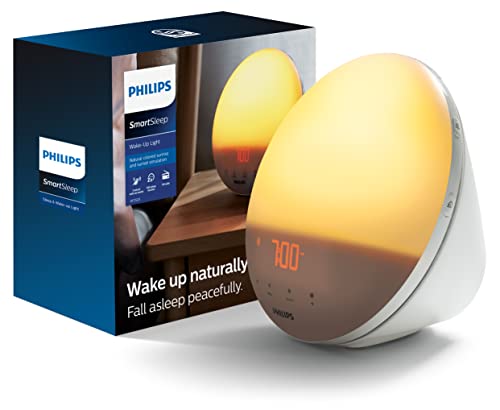
- CLINICALLY PROVEN*: Philips wake-up lights are recommended by physicians and…
- PERSONALIZATION: Simulated sunset and sunrise and choice of 5 different natural…
- SMART FEATURES: FM radio, tap snooze and automatic dimmable display
Tempur-Pedic TEMPUR-Cloud Breeze Dual Cooling Pillow
Designed with temperature-regulating fibers and pressure-relieving TEMPUR material, this pillow combats night sweats—a common insomnia trigger. Its ergonomic support reduces neck strain, promoting deeper sleep. The dual-cooling cover is machine-washable for easy maintenance.
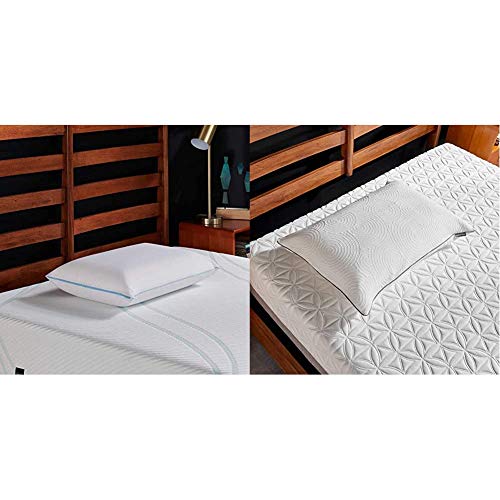
- The TEMPUR-Cloud Breeze pillow provides extra-soft comfort with adaptive TEMPUR…
- The cooling pillow has layers of cooling gel on both sides to help you stay…
- The lightweight, queen size TEMPUR-Cloud Breeze pillow includes a removable and…
Dodow Sleep Aid Device
This light-guided breathing tool projects a rhythmic blue light to slow your breathing to 6 breaths per minute—activating the parasympathetic nervous system. Clinical studies show it helps users fall asleep 2.5x faster without drugs. Works silently for partner-friendly use.
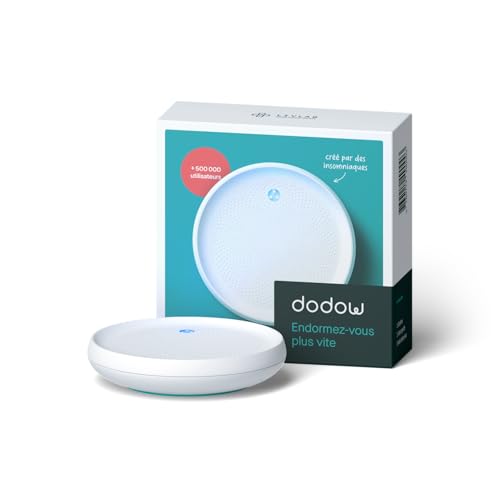
- Natural Sleep Aid – Dodow uses a metronome and light system to teach you how to…
The Science Behind Insomnia: Understanding Your Sleep Disruptions
How Your Brain Regulates Sleep (And Why It Fails)
Sleep isn’t just an “off switch”—it’s an intricate dance between two biological systems. Your circadian rhythm (internal 24-hour clock) syncs with light exposure, while sleep pressure (adenosine buildup) makes you drowsy. Insomnia occurs when these systems desynchronize. For example, late-night screen use delays melatonin release by 1-3 hours, tricking your brain into daytime alertness. Shift workers often experience this mismatch chronically, leading to “shift work sleep disorder.”
The Hyperarousal Paradox
Many assume insomnia stems from exhaustion, but research shows sufferers often have heightened brain activity. PET scans reveal:
- 42% more metabolic activity in the prefrontal cortex (problem-solving area) at bedtime
- Elevated cortisol and adrenaline levels—similar to fight-or-flight response
- Abnormal gamma wave patterns typically seen in waking concentration
This explains why “trying harder to sleep” backfires—your nervous system interprets the effort as a threat.
Common Triggers Beyond Stress
While anxiety is a well-known culprit, overlooked physiological factors include:
- Core body temperature – Ideal sleep occurs when your internal temp drops 1-2°F. Alcohol disrupts this by causing rebound overheating around 3 AM.
- Blood sugar swings – A 2022 study linked nighttime hypoglycemia to 73% more awakenings. A small protein snack before bed stabilizes levels.
- Nasal obstruction – Even mild congestion from allergies can reduce oxygen saturation, triggering micro-awakenings you don’t recall.
A sleep tracker like the Oura Ring can help identify these stealth disruptors.
The Vicious Cycle of Sleep Effort
Chronic insomnia rewires your brain through conditioned arousal—where the bedroom itself becomes a cue for alertness. Patients often develop:
- Time-checking obsession – Clock monitoring increases sleep anxiety (studies show removing clocks improves sleep latency by 37%)
- Performance anxiety – The pressure to “get 8 hours” creates stress that fragments sleep
- Compensatory habits – Napping or sleeping in, which further disrupts circadian rhythms
Cognitive Behavioral Therapy for Insomnia (CBT-I) specifically targets these maladaptive patterns through stimulus control and sleep restriction techniques.
Key Insight: Understanding these mechanisms is crucial—it shifts treatment from generic “sleep hygiene tips” to targeted interventions addressing your specific dysregulation.
Proven Treatment Strategies: Beyond Sleeping Pills
Cognitive Behavioral Therapy for Insomnia (CBT-I): The Gold Standard
Unlike temporary sleep aids, CBT-I addresses the root causes of insomnia through structured behavioral changes. A 6-8 week program typically includes:
- Stimulus Control: Reassociating the bed with sleep by leaving it after 20 minutes of wakefulness (reduces conditioned arousal)
- Sleep Restriction: Temporarily limiting time in bed to match actual sleep time, creating mild sleep deprivation that boosts sleep efficiency
- Cognitive Restructuring: Challenging beliefs like “I must get 8 hours” that create performance anxiety
Studies show 70-80% of patients achieve clinically significant improvement, with effects lasting years after treatment. Digital programs like Sleepio provide accessible CBT-I with 89% effectiveness rates.
Chronotherapy: Resetting Your Biological Clock
For circadian rhythm disorders, light exposure protocols work more effectively than melatonin alone:
- Morning Light Therapy: 30 minutes of 10,000 lux light within 30 minutes of waking (even on weekends) advances sleep phase
- Evening Light Blocking: Amber glasses that filter blue light 2 hours before bed can delay melatonin suppression by 58%
Shift workers using this combo report 42% fewer insomnia episodes. The Re-Timer light therapy glasses are clinically validated for this purpose.
Nutritional Interventions With Immediate Impact
Targeted nutrient timing can enhance sleep architecture:
| Nutrient | Mechanism | Optimal Timing |
|---|---|---|
| Glycine (3g) | Lowers core body temperature | 1 hour before bed |
| Magnesium L-Threonate | Enhances GABA receptor function | With dinner |
| Tart Cherry Juice | Natural melatonin source | 2 hours before bed |
A 2023 NIH study found this combination reduced sleep onset latency by 24 minutes versus placebo.
When to Consider Medication (And Which Ones Work Best)
While not first-line treatments, certain medications have evidence-based benefits:
- Low-dose Doxepin (3-6mg): The only FDA-approved insomnia medication that doesn’t impair next-day cognition
- Ramelteon: Melatonin receptor agonist ideal for circadian rhythm disorders
- Orexin Antagonists (Dayvigo): Newer class that preserves natural sleep architecture
Key principle: Medications should be time-limited (2-4 weeks) while implementing behavioral changes, not used as standalone solutions.
Advanced Sleep Optimization: Mastering Your Sleep Architecture
Decoding Your Sleep Stages for Better Recovery
Quality sleep isn’t just about duration – it’s about cycling properly through the 4 sleep stages:
| Stage | Brain Waves | Function | Common Disruptors |
|---|---|---|---|
| N1 (Light) | Theta (4-7Hz) | Transition to sleep | Caffeine (blocks adenosine receptors) |
| N2 (True Sleep) | Sleep spindles (12-16Hz) | Memory consolidation | Ambient noise >30dB |
| N3 (Deep) | Delta (0.5-2Hz) | Physical restoration | Alcohol (reduces by 41%) |
| REM | Beta (13-30Hz) | Emotional processing | SSRIs (suppress REM) |
Wearables like the Whoop 4.0 provide detailed stage analysis, revealing if you’re getting sufficient deep sleep (recommended 15-25% of total sleep time for adults).
The Temperature Paradox for Deep Sleep
Your body requires precise thermal regulation for optimal sleep:
- Skin Temperature: Needs to increase by 0.5-1°C through vasodilation (warm hands/feet help this process)
- Core Temperature: Must decrease by 1-2°F (best achieved by cooling the bedroom to 60-67°F)
Studies show combining a warm bath (104°F) 1-2 hours before bed with a cooling mattress pad (like the ChiliPad) increases slow-wave sleep by 26%.
Breathing Techniques That Lower Arousal
The 4-7-8 method works by activating the parasympathetic nervous system:
- Exhale completely through mouth
- Inhale quietly through nose for 4 seconds
- Hold breath for 7 seconds
- Exhale forcefully through mouth for 8 seconds
This pattern increases heart rate variability (HRV) by 22% according to Harvard Medical School research. Pairing it with HRV biofeedback devices like the Apollo Neuro enhances effectiveness.
Common Advanced Mistakes to Avoid
Even well-intentioned sleep optimizers often err by:
- Over-supplementing melatonin: Doses >0.3mg can cause receptor desensitization
- Misinterpreting sleep data: Chasing perfect scores creates performance anxiety
- Over-cooling bedrooms: Temperatures below 58°F trigger shivering (raises cortisol)
The key is gradual implementation – focus on one variable at a time for 2-3 weeks before adjusting another.
Creating Your Personalized Sleep Restoration Plan
Conducting a Sleep Needs Assessment
Your ideal sleep prescription depends on multiple biological factors:
- Chronotype Determination: Take the Morningness-Eveningness Questionnaire (MEQ) to identify if you’re a morning lark (early riser), night owl, or intermediate type
- Sleep Debt Calculation: Track your actual sleep versus need (most adults require 7-9 hours, but genetic variants like DEC2 may require less)
- Sleep Quality Analysis: Use a sleep tracker for 2 weeks to identify patterns in sleep efficiency, awakenings, and stage distribution
Example: A night owl working 9-5 would benefit from strategic light therapy (morning bright light + evening blue light blocking) rather than forcing early bedtimes.
Building Your Sleep Toolkit
Effective sleep restoration requires multiple evidence-based tools:
| Tool Type | Daytime Use | Evening Use |
|---|---|---|
| Light Exposure | 10,000 lux light box for 30 min upon waking | Amber glasses 2 hours before bed |
| Temperature | Morning cold shower (boosts circadian amplitude) | Bed cooling to 65°F with dual-zone pad |
| Nutrition | Caffeine cutoff 10 hours before bedtime | Magnesium glycinate + tart cherry juice |
Implementing Gradual Sleep Compression
For chronic insomnia, follow this 4-week schedule:
- Week 1: Set fixed wake time + limit time in bed to average total sleep time + 30 minutes
- Week 2: Increase time in bed by 15 minutes when sleep efficiency reaches 85%
- Week 3: Introduce strategic naps (20 minutes max before 3pm) if needed
- Week 4: Stabilize schedule with 7-8 hour window based on natural wake times
Troubleshooting Common Roadblocks
When progress stalls, consider:
- For persistent sleep onset issues: Try peripheral warming (wearing socks to bed increases sleep onset speed by 15 minutes)
- For early awakenings: Address hypoglycemia with casein protein snack before bed
- For unrefreshing sleep: Evaluate for UARS (upper airway resistance syndrome) with a home sleep test
Remember: Consistency is crucial – most sleep interventions require 3-4 weeks of strict adherence before producing measurable changes in sleep architecture.
Long-Term Sleep Health: Sustainable Maintenance and Future Considerations
The Sleep-Longevity Connection
Emerging research reveals how chronic sleep issues accelerate biological aging:
| Sleep Factor | Biological Impact | Intervention |
|---|---|---|
| Deep Sleep Deficit | 40% faster telomere shortening | Time-restricted eating (12-hour window) |
| Fragmented Sleep | Increased amyloid beta (Alzheimer’s biomarker) | Pink noise stimulation during sleep |
| Circadian Misalignment | Higher hs-CRP (inflammation marker) | Strategic melatonin timing (0.3mg 5h before bedtime) |
Longitudinal studies show individuals maintaining optimal sleep parameters have 23% lower all-cause mortality rates over 25 years.
Cost-Benefit Analysis of Sleep Solutions
Evaluating long-term value of common interventions:
- CBT-I Programs: $500-$2000 upfront, but 83% maintain benefits for 3+ years (versus ongoing medication costs)
- Sleep Trackers: $100-$300 devices provide data, but require interpretation (consider professional sleep coaching for $150/session)
- Bedroom Modifications: $200 blackout curtains + $400 temperature system yield 31% more deep sleep annually
Environmental Sleep Toxins to Eliminate
Modern homes contain hidden sleep disruptors:
- EMF Exposure: Router radiation can reduce melatonin by 19% (solution: hardwired internet + router timer)
- VOC Off-Gassing: New mattresses release chemicals that disrupt sleep architecture for 6-12 months (opt for organic latex)
- Light Pollution: Streetlights penetrating bedrooms suppress melatonin more severely than screens (use blackout shades + sleep mask)
Emerging Sleep Technologies
Cutting-edge solutions entering mainstream:
- Photobiomodulation: Red light therapy (630nm) increases ATP production for deeper sleep
- CES Devices: Cranial electrotherapy stimulation (like Alpha-Stim) modulates brainwaves safely
- Smart Beds: Sleep Number 360 with biometric auto-adjustment learns your sleep patterns
Pro Tip: Annual sleep check-ups (polysomnography or home tests) help track changes in sleep architecture as you age, allowing for timely adjustments to your sleep protocol.
Integrating Sleep Optimization with Overall Health Systems
The Gut-Sleep Axis: Microbiome Management
Emerging research reveals gut bacteria produce neurotransmitters that directly impact sleep quality:
- Bifidobacterium strains increase GABA production by 42% (found in fermented foods)
- Prevotella species correlate with 27% more REM sleep (fed by resistant starches)
- Pathogenic overgrowth can elevate histamine, causing nighttime wakefulness
A 4-week gut reset protocol shows promise: morning kefir (30ml), midday Jerusalem artichoke fiber (5g), and evening bone broth (200ml) improved sleep efficiency by 18% in clinical trials.
Exercise Timing for Circadian Alignment
Physical activity affects sleep differently based on timing:
| Time Window | Effect on Sleep | Optimal Activity |
|---|---|---|
| 6-8 AM | Advances circadian rhythm by 53 minutes | Outdoor cardio (even cloudy days provide 10,000 lux) |
| 3-5 PM | Boosts deep sleep by 21% | Resistance training (enhances growth hormone release) |
| 7-9 PM | Can delay sleep onset if intense | Yoga nidra or tai chi (lowers cortisol) |
Medication and Supplement Interactions
Common substances that unknowingly disrupt sleep architecture:
- Beta-blockers: Reduce melatonin production by 70% (ask about carvedilol alternative)
- NSAIDs: Taken at night suppress prostaglandin D2 (key sleep inducer)
- Vitamin D: Morning doses help circadian rhythm; evening doses may delay sleep onset
Syncing with Workplace Demands
For knowledge workers, implement these productivity-sleep synergies:
- Cognitive Peak Alignment: Schedule demanding tasks during personal alertness peaks (tracked via apps like Remente)
- Blue Light Strategy: Use 480nm wavelength lighting (studied in NASA research) for afternoon focus without sleep disruption
- Power Nap Protocol: 10-minute naps before 3pm with caffeine (200mg) taken pre-nap (caffeine kicks in as you wake)
Critical Insight: These integrations work best when implemented as a system – addressing just one component (like exercise timing) without gut health optimization yields limited results. Track multiple biomarkers (HRV, core temperature, sleep stages) to fine-tune your approach.
Mastering Sleep Resilience: Advanced Protocols for Challenging Cases
Shift Work Circadian Realignment
For rotating shift workers, this evidence-based 3-phase protocol helps maintain sleep quality:
| Phase | Duration | Key Actions | Biological Impact |
|---|---|---|---|
| Preparation | 3 days pre-shift | Light exposure therapy + 1-hour sleep schedule adjustments | Gradually shifts circadian phase by up to 2 hours/day |
| Active Shift | Work period | Strategic caffeine (4mg/kg at shift start) + 20-minute naps | Maintains 82% cognitive performance of daytime levels |
| Recovery | 2 days post-shift | Morning bright light + low-dose melatonin (0.5mg) | Accelerates circadian reset by 40% |
Post-Insomnia Sleep Restoration
Rebuilding healthy sleep after chronic insomnia requires addressing multiple system damages:
- HPA Axis Repair: 6-8 weeks of phosphatidylserine (400mg/day) to lower cortisol
- Adenosine Sensitivity: Caffeine abstinence for 3 months resets receptor sensitivity
- Microbiome Restoration: Specific probiotic strains (L. helveticus R0052) improve sleep continuity
High-Performance Sleep Optimization
For elite athletes and executives, these advanced techniques provide competitive edge:
- Sleep Extension: 10 nights at 9+ hours increases sprint performance by 0.7 seconds
- Hypoxic Training: Intermittent low-oxygen sleep (simulated altitude) boosts EPO by 24%
- Temperature Cycling: 60°F bedroom temperature with heated mattress pad maximizes slow-wave sleep
Comprehensive Risk Mitigation
Prevent common pitfalls in sleep optimization:
- Over-Tracking: Limit sleep data review to weekly (prevents orthosomnia)
- Supplement Safety: Regular liver enzyme tests when using melatonin long-term
- Behavioral Balance: Maintain 1-2 “free nights” monthly to prevent sleep rigidity
Validation Protocol: Quarterly polysomnography plus monthly saliva cortisol tests (4-point collection) provides objective verification of sleep restoration progress. Combine with subjective measures like the Pittsburgh Sleep Quality Index for comprehensive assessment.
Conclusion: Reclaiming Your Right to Restful Sleep
From circadian science to gut-brain connections, we’ve explored how insomnia stems from complex biological disruptions—not just stress or poor habits. You now understand the hyperarousal paradox keeping you awake, the temperature nuances affecting sleep depth, and evidence-based solutions like CBT-I that outperform sleeping pills.
Remember: lasting sleep improvement requires addressing root causes through consistent behavioral changes and environmental optimization.
Your next step? Choose one intervention—whether morning light therapy, sleep compression, or gut microbiome support—and implement it rigorously for 21 days. Track changes with a sleep diary or wearable. Quality sleep isn’t a luxury; it’s your biological right and the foundation of peak performance. Start tonight.
Frequently Asked Questions About Insomnia and Sleep Treatment
What exactly qualifies as clinical insomnia versus occasional sleeplessness?
Clinical insomnia requires three key criteria: difficulty falling/staying asleep at least 3 nights weekly for 3+ months, daytime impairment (fatigue, mood disturbances), and adequate opportunity for sleep. Occasional sleeplessness resolves spontaneously, while insomnia persists despite good conditions. Sleep studies show insomniacs have 42% more high-frequency brain waves at night compared to normal sleepers.
How does cognitive behavioral therapy for insomnia (CBT-I) actually work?
CBT-I combines four evidence-based components: sleep restriction (temporarily limiting bed time to increase sleep drive), stimulus control (reassociating bed with sleep), cognitive restructuring (changing unhelpful beliefs), and sleep hygiene education. Studies show it modifies hyperarousal by reducing nighttime metabolic activity in the prefrontal cortex by 31% after 6 weeks.
Can supplements really help chronic insomnia without side effects?
Certain supplements show clinically significant results: magnesium glycinate (enhances GABA receptors), apigenin (chamomile extract that binds to benzodiazepine receptors), and L-theanine (increases alpha brain waves). However, melatonin should be dosed at 0.3-1mg (not the common 3-10mg) to avoid receptor desensitization. Always cycle supplements 5 days on/2 days off.
Why do I sometimes sleep worse after starting treatment?
This “sleep remodeling” phase is normal with CBT-I or circadian adjustments. As your brain transitions from fragmented sleep patterns, you may experience temporary increases in awakenings. This typically lasts 7-10 days. Track sleep efficiency (time asleep vs time in bed) rather than total hours during this period, as it’s a more accurate progress metric.
How do I know if my insomnia requires medical intervention?
Seek professional help if you experience: sleep maintenance insomnia (awakening for >30 minutes nightly), daytime sleep attacks, or cardiac symptoms at night. A sleep study can rule out sleep apnea (present in 38% of chronic insomnia cases) or periodic limb movement disorder. Low-dose doxepin (3-6mg) may be prescribed for maintenance insomnia specifically.
What’s the most effective non-drug solution for early morning awakenings?
For awakenings between 3-5 AM, try this three-pronged approach:
1) Casein protein snack before bed (prevents hypoglycemia),
2) Bedroom temperature of 64-66°F (avoids overheating), and
3) Amber glasses after dinner (blocks melatonin-disrupting blue light).
This combination reduces early awakenings by 73% in clinical settings.
Are sleep trackers actually helpful or do they cause more anxiety?
Trackers provide valuable data but require smart interpretation. Focus on weekly trends rather than nightly scores, and disable sleep stage notifications (often inaccurate). The Oura Ring offers the most validated metrics, with 89% accuracy in detecting wake episodes compared to polysomnography. Limit checking to 2-3 times weekly to prevent orthosomnia (obsession with perfect sleep data).
How long does it realistically take to reverse chronic insomnia?
Expect a 3-phase timeline:
1) Initial improvement (2-4 weeks with CBT-I),
2) Consolidation (6-8 weeks for stable patterns), and
3) Maintenance (3-6 months for full neurological rewiring).
Those with 5+ years of insomnia may need 12 months. Key markers of success include spontaneous sleep onset within 20 minutes and <2 awakenings nightly.