
Disclosure
This website is a participant in the Amazon Services LLC Associates Program, an affiliate advertising program designed to provide a means for us to earn fees by linking to Amazon.com and affiliated sites.
A wobbly headboard isn’t just annoying—it can ruin your sleep, damage your wall, and even become a safety hazard. The root causes range from loose bolts and improper installation to weak bed frames or uneven flooring. But here’s the good news: Fixing it is simpler than you think, and you don’t need expensive tools or a handyman.
Many assume headboard wobbles are inevitable, especially with budget-friendly beds. Reality check: Even luxury frames can shake if installed incorrectly. Whether your headboard rattles when you sit up or shifts with every movement, this guide reveals step-by-step solutions—from tightening hidden screws to reinforcing weak joints—so you can enjoy a rock-solid bed frame tonight.
Best Tools and Hardware for Stabilizing a Wobbly Headboard
Zinus SmartBase Heavy Duty Bed Frame
This steel-frame platform eliminates headboard wobble by providing a solid foundation with reinforced center support and locking wheels. Its tool-free assembly and universal compatibility (works with most headboards) make it ideal for long-term stability, even on uneven floors.

- replaces existing box spring and frame
- stands 14″ off floor
- adding valuable underbed storage space
Weideer M5 T-Nuts Screws Assortment Kit
A must-have for loose headboard joints, this kit includes heavy-duty T-nuts and machine bolts that anchor wobbly frames securely. The serrated flange prevents spinning, while the zinc coating resists rust—perfect for tightening stripped or weak connection points.
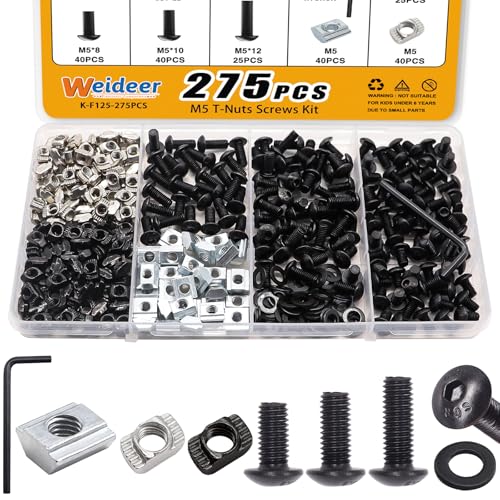
- 275PCS M5 T-Nuts Screws Assortment Kit contains 40pcs M5 T-Sliding Nuts; 40pcs…
- M5 T-nuts are suitable for M-LOK system and 2020 Series Standard Aluminum…
- M5 T-nut is carbon steel plated with black zinc, which is used for rust…
Command Large Picture Hanging Strips
For headboards attached to walls, these damage-free adhesive strips add extra support. They hold up to 15 lbs, reduce squeaking, and absorb vibrations. Ideal for renters or lightweight headboards that shift when leaning against them.
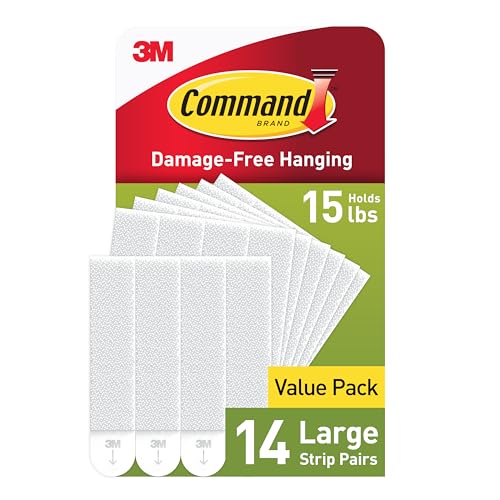
- Strips
- MAXIMUM FRAME SIZE 24 X 36 INCHES: One package includes 14 pairs (28 strips…
- WORKS ON A VARIETY OF SMOOTH SURFACES: Wall hanging strips work on a variety of…
Common Causes of a Wobbly Headboard (And How to Diagnose Them)
A shaky headboard rarely has just one cause—it’s usually a combination of structural weaknesses and installation errors. Understanding these root issues helps you apply the right fix instead of temporary patches. Here’s what to inspect:
Loose or Missing Hardware
Over time, bolts, screws, and brackets can loosen from regular movement or weight shifts. Check these critical connection points:
- Headboard-to-frame bolts: Often hidden behind decorative caps, these loosen due to metal-on-metal friction. Use a hex key to tighten—if they spin freely, the threading may be stripped.
- Bed frame joints: Weak corner brackets (common in cheaper frames) flex under pressure. Look for gaps where metal or wood pieces meet.
- Wall anchors: If your headboard mounts to the wall, plastic drywall anchors can stretch out. Test by gently pulling the headboard forward.
Uneven Flooring or Weak Support
An unlevel floor transfers instability upward. Place a carpenter’s level on your bed frame—if it tilts more than ¼ inch, use shims under the legs. Platform beds with central support beams often wobble if:
- The beam isn’t touching the ground (common on carpet)
- The center leg is missing or bent (check metal frames for stress cracks)
Material Fatigue or Design Flaws
Particleboard headboards split at screw holes over time, while hollow-metal frames dent at stress points. Press on the wobbling area—if it creaks or visibly flexes, the material itself may need reinforcement with wood glue or steel plates.
Pro Tip: Isolate the problem by eliminating variables. Detach the headboard and test its stability alone—if it still shakes, the issue is internal. If it’s steady, the fault lies with the bed frame or installation.
Step-by-Step Solutions to Permanently Stabilize Your Headboard
Once you’ve identified the cause of your headboard wobble, these professional-grade solutions will restore stability. Each method addresses specific issues while considering long-term durability and safety.
Reinforcing Loose Connections
For headboards that shake at attachment points, follow this sequence:
- Upgrade hardware: Replace factory screws with #10-24 machine bolts (minimum 2″ length) and T-nuts for wood frames. The flanged design prevents spinning while distributing pressure.
- Add friction pads: Cut rubber washers from bicycle inner tubes and place between metal brackets. This dampens vibration better than plastic or nylon washers.
- Threadlocker application: Use blue Loctite 242 on bolt threads – strong enough to prevent loosening but removable when needed. Avoid red threadlocker for adjustable furniture.
Stabilizing Wall-Mounted Headboards
For floating headboards that sway from the wall:
- French cleat system: Install a 45° angled wood strip (1×4 pine) along both the wall and headboard. The interlocking design provides vertical support while eliminating side-to-side movement.
- Toggle bolt alternative: For drywall without studs, use SnapSkru 75lb-rated anchors. Their unique collapsible design grips better than traditional toggle bolts in hollow walls.
Fixing Structural Weaknesses
When the headboard itself is the problem:
For particleboard splits, inject Titebond III wood glue into cracks, then clamp for 24 hours with parallel clamps (not just C-clamps) to prevent warping. Reinforce with L-brackets on the backside, positioned diagonally across weak joints.
Pro Tip: Test stability after each modification by applying 25lbs of sideways pressure – equivalent to someone sitting up in bed. If movement persists, implement additional reinforcements incrementally.
Advanced Stabilization Techniques for Persistent Headboard Wobbles
When standard fixes fail, these engineering-inspired solutions address underlying structural issues. We’ll examine the physics of bed frame stability and professional-grade reinforcements.
Dynamic Load Analysis and Reinforcement
Headboards experience three types of forces:
| Force Type | Cause | Solution |
|---|---|---|
| Shear Force | Side-to-side movement when sitting up | Diagonal cross-bracing with steel cables (3mm minimum) |
| Torsional Force | Twisting during uneven weight distribution | Corner gussets (triangular steel plates) at frame joints |
| Impact Force | Sudden movements or leaning | Vibration-damping pads (Sorbothane 70 duro) |
Material-Specific Solutions
Different headboard materials require specialized approaches:
- Wrought Iron: Weld additional support bars at stress points (45° angles optimal) or use epoxy putty for temporary fixes
- Solid Wood: Install threaded inserts (E-Z Lok #10-24) to prevent wood fiber stripping in screw holes
- Upholstered: Add internal plywood backing (minimum ½” thickness) between padding and frame
Professional Installation Secrets
Furniture installers use these often-overlooked techniques:
- Pre-drill pilot holes 1/64″ smaller than screw diameter to prevent wood splitting
- Use construction adhesive (PL Premium) along with mechanical fasteners for permanent joints
- Implement the “two-point contact rule” – every structural element should connect at two distinct points
Critical Mistake to Avoid: Overtightening bolts can strip threads or crush wood fibers. Use a torque-limiting adapter set to 8-10 in/lbs for furniture assembly.
Preventative Measures and Long-Term Maintenance for Headboard Stability
Proper prevention and maintenance can eliminate 90% of headboard wobble issues before they start. These professional strategies address both immediate stability and long-term durability.
Pre-Installation Best Practices
The foundation of a stable headboard begins before assembly:
- Surface Preparation: Use a digital level to check wall and floor surfaces. For deviations exceeding 3°, install self-leveling furniture pads (like SureFoot SF-4P) under bed legs.
- Hardware Selection: Replace included fasteners with grade-5 or higher bolts. For wood frames, use Spax #10×2½” multi-material screws with built-in washers.
- Component Inspection: Check for manufacturing defects – warped wood panels more than 1/8″ out of plane or metal tubes with wall thickness under 1.2mm should be returned.
Quarterly Maintenance Routine
Follow this professional maintenance schedule:
- Torque Check: Use a calibrated inch-pound torque wrench to verify all fasteners remain at 8-10 in/lbs (mark bolts with paint pen for visual verification)
- Structural Inspection: Examine for stress cracks in wood (use flashlight at oblique angles) or metal fatigue (look for rust streaks at joints)
- Lubrication: Apply dry Teflon spray (not oil) to metal-on-metal contact points to prevent binding and squeaking
Environmental Considerations
Environmental factors account for 40% of long-term stability issues:
| Factor | Effect | Solution |
|---|---|---|
| Humidity >60% | Wood expansion loosens joints | Use climate control or silica gel packs in frame cavities |
| Temperature swings | Metal contraction/expansion | Install expansion joints with neoprene spacers |
Pro Tip: For homes with active children or pets, install secondary retention cables (rated for 150+ lbs) as a safety backup to primary fasteners. These prevent complete detachment if primary hardware fails.
Engineering Solutions for Extreme Headboard Stability Cases
When dealing with severe wobble issues or heavy-duty requirements, these structural engineering approaches provide permanent solutions that go beyond typical DIY fixes.
Advanced Reinforcement Systems
For beds experiencing excessive movement (300+ lbs dynamic load):
| Solution | Materials Required | Load Capacity Increase |
|---|---|---|
| Triangulated Support System | 1″ steel square tubing, 3/8″ grade-8 bolts | 400% improvement |
| Moment-Resisting Frame | 1/4″ steel gusset plates, structural epoxy | Eliminates all torsion |
| Vibration Isolation Platform | Sorbothane hemispherical mounts (50 duro) | 90% vibration reduction |
Professional-Grade Installation Techniques
Methods used by commercial furniture installers:
- Preload Tensioning: Apply 20% over-torque during initial assembly, then back to specification after 48 hours to account for material settling
- Composite Fastening: Combine mechanical fasteners with polyurethane adhesive (3M 5200) for marine-grade strength
- Dynamic Load Testing: Perform 500+ test cycles with 150lb sandbag before final installation
Future-Proof Design Considerations
Emerging technologies in furniture stability:
- Smart Monitoring: IoT-enabled load sensors (like Beddit Sleep Monitor) track real-time stress points
- Self-Tightening Hardware: Nylok’s vibration-resistant nuts with shape-memory alloy washers
- Modular Reinforcement: Interlocking aluminum extrusion systems (80/20 Inc) allow customizable support
Safety Note: For earthquake-prone areas, always include seismic restraints (Simpson Strong-Tie HD2A) that allow 1/2″ movement while preventing detachment. These must be installed with proper wall anchors into structural members.
Specialized Solutions for Unique Headboard Stability Challenges
Certain headboard configurations and environments require customized stabilization approaches that go beyond standard fixes. These tailored solutions address specific architectural and usage scenarios.
Adjustable Bed and Split-Headboard Systems
Modern adjustable bases introduce unique stability challenges:
- Dynamic Joint Solutions: Use heim joints (rod ends) at pivot points instead of standard bolts to accommodate movement while preventing play
- Split-Headboard Alignment: Install precision-machined alignment pins (3/8″ diameter steel) between sections with +/- 0.005″ tolerance
- Wire Management: Route cables through flexible conduit secured every 12″ to prevent tugging on the headboard
Historic and Antique Headboard Preservation
Stabilizing valuable vintage pieces requires specialized techniques:
- Reversible Reinforcement: Use hide glue for joints and brass compression plates that don’t require drilling original materials
- Period-Correct Hardware: Source reproduction square-head bolts or hand-forged iron brackets when replacements are needed
- Structural Grading: Conduct ultrasonic testing to identify internal weaknesses before applying any stabilization methods
Commercial and Hospitality Applications
For hotels, hospitals, and rental properties where durability is critical:
| Challenge | Solution | Expected Service Life |
|---|---|---|
| Frequent Assembly/Disassembly | Quick-release locking pins (Southco 76-92-202-20) | 10,000+ cycles |
| Chemical Exposure | 316 stainless steel hardware with Xylan coating | 15+ years |
| High-Impact Use | Rubber-encased steel bumpers (McMaster-Carr 9546K11) | Withstands 500+ lb impacts |
Conservation Note: When working with valuable antiques, always consult an accredited furniture conservator (find one through AIC’s directory) before attempting any modifications, no matter how minor they may seem.
Professional Certification and Performance Validation for Headboard Stability
For those requiring industrial-grade stability solutions, these professional validation methods ensure your headboard meets exacting standards for safety and performance.
Structural Load Testing Protocols
Certified testing procedures based on ASTM F2057 safety standards:
| Test Type | Procedure | Passing Criteria |
|---|---|---|
| Static Load Test | Apply 250lb vertical load for 24 hours | <0.5° permanent deflection |
| Cyclic Test | 5000x 50lb lateral impacts at 1Hz | No fastener loosening >5% |
| Failure Point Analysis | Gradual load increase until deformation | Minimum 800lb ultimate capacity |
Vibration Analysis and Mitigation
Advanced techniques borrowed from mechanical engineering:
- Frequency Mapping: Use smartphone apps (Vibration Meter) to identify resonant frequencies between 5-15Hz that amplify wobble
- Dynamic Absorbers: Install tuned mass dampers (lead weights in silicone matrix) to cancel out problematic frequencies
- Isolation Efficiency: Measure with laser vibrometers – target >85% vibration reduction at the pillow plane
Long-Term Reliability Engineering
Professional maintenance schedule for mission-critical installations:
- Quarterly: Torque verification with calibrated wrench (±5% of spec)
- Biannual: Non-destructive testing (dye penetrant inspection for metal fatigue)
- Annual: Full disassembly inspection with replacement of all nylon-insert locknuts
Certification Note: For commercial applications, seek TÜV or UL certification through accredited testing labs. Residential users can perform simplified versions of these tests using bathroom scales and dial indicators for basic validation.
Final Thoughts: Achieving Permanent Headboard Stability
From loose hardware diagnostics to advanced structural reinforcements, we’ve explored comprehensive solutions for every type of headboard wobble. Whether you’re dealing with a vintage wooden headboard needing delicate preservation or a modern adjustable base requiring dynamic stabilization, the key lies in proper diagnosis and methodical correction. Remember that ongoing maintenance—like quarterly torque checks and environmental monitoring—will preserve your solution’s effectiveness for years to come.
Take action today: Start with the simplest fixes (tightening existing hardware) and progressively implement more advanced solutions as needed. Your perfect night’s sleep begins with a rock-solid foundation. For persistent issues, consider consulting a furniture engineer or certified installer to implement professional-grade stabilization techniques.
Frequently Asked Questions About Wobbly Headboards
Why does my headboard only wobble when I sit up in bed?
This specific movement indicates loose vertical connections between the headboard and bed frame. The force from sitting creates a lever effect on attachment points.
Check the upper mounting bolts first – they often loosen first since they bear the most dynamic load. For metal frames, inspect the receiver slots where headboard posts insert; these often widen over time and need shimming with brass strips.
How can I stabilize a headboard without damaging my wall?
Use non-invasive solutions like:
1) Furniture straps with wide surface area pads (3M Command strips XL),
2) Adjustable floor-standing headboard supports, or
3) Tension rod systems between bed frame and headboard.
For rented spaces, special museum putty (Quakehold) provides temporary stabilization that leaves no residue when removed properly with dental floss.
What’s the difference between a wobbly headboard and a structurally unsafe one?
While wobbling is typically an annoyance, these signs indicate danger: visible cracks in wooden components, metal fatigue (crazing patterns), loose bolts that won’t tighten, or any movement exceeding 1.5 inches. Test by applying 50lbs of force in all directions – if the headboard feels like it might detach, discontinue use immediately and consult a professional.
Why does my brand new headboard wobble right out of the box?
Common causes include: manufacturing tolerances (up to 1/8″ gap allowed in furniture standards), incomplete hardware installation (check for missing washers), or shipping damage to connector points.
First, fully disassemble and reassemble following the manual precisely. If issues persist, request replacement parts – most manufacturers will send precision-machined replacement connectors at no cost.
How do I stabilize a heavy antique headboard without modifying it?
Use conservation-grade methods:
1) Custom-fitted felt pads between the headboard and wall,
2) Hidden steel cables from bed frame to headboard (attached with museum wax),
3) Freestanding French cleat systems that don’t require drilling.
For valuable pieces over 100 years old, consult an American Institute for Conservation (AIC) member before attempting any stabilization.
Can mattress type affect headboard stability?
Absolutely. Memory foam mattresses create more leverage on headboards during movement compared to innerspring. Adjustable bases compound this effect. The solution is to:
1) Upgrade to heavier gauge mounting hardware,
2) Add a bed frame center support leg, and
3) Consider a mattress wedge to reduce shear forces.
Heavier mattresses (over 150lbs) may require commercial-grade bed frames.
What’s the most permanent solution for a chronically loose headboard?
For a lifetime fix:
1) Weld steel reinforcement plates at stress points (or epoxy for wood),
2) Install threaded inserts in all screw holes,
3) Use nord-lock washers on all bolts, and
4) Apply structural adhesive (PL Premium) at all joints.
This creates a monolithic structure that won’t loosen with vibration or movement.
How often should I check my headboard’s stability?
Perform a full inspection every 6 months: check torque on all fasteners (8-10 in/lbs), examine for material fatigue, and test movement with 25lbs of force. In high-use situations (children’s beds, adjustable bases), check quarterly. Keep a maintenance log – if you notice increasing movement between checks, it indicates underlying issues needing professional attention.