
Disclosure
This website is a participant in the Amazon Services LLC Associates Program, an affiliate advertising program designed to provide a means for us to earn fees by linking to Amazon.com and affiliated sites.
You can compress a memory foam mattress—but doing it correctly is the key to preserving its comfort and longevity. Many assume rolling or vacuum-sealing will ruin the foam, but with the right technique, you can safely shrink it for moving or storage.
As memory foam mattresses grow in popularity for their pressure-relieving benefits, more people face the challenge of transporting them efficiently. Imagine struggling to fit a bulky mattress through narrow doorways—only to discover a simple method that saves time and space.
Best Compression Kits for Memory Foam Mattresses
Mattress Bags for Moving with 8 Handles
This heavy-duty polyethylene bag is ideal for compressing and storing memory foam mattresses up to 12 inches thick. Its reinforced seams and airtight zipper prevent dust, moisture, and pests while the built-in handles make transport effortless. The included compression straps shrink the mattress by up to 75%.

- Full Protection for Your Mattress: Queen mattress bags for moving provide a…
- Reinforced Handles Make It Easy to Carry: Move your mattress through stairwells…
- Heavy-Duty and Reusable: Made from industrial-grade tear-proof tarp, this…
U-Haul Large Mattress Bag with Handles (96″ x 78″ x 10″)
U-Haul’s durable, tear-resistant mattress bag is designed specifically for moving and storage. The 3-ply construction protects against punctures, and the wide zippered opening accommodates thick memory foam. Its compression straps secure the mattress tightly, and the clear design allows for easy identification.
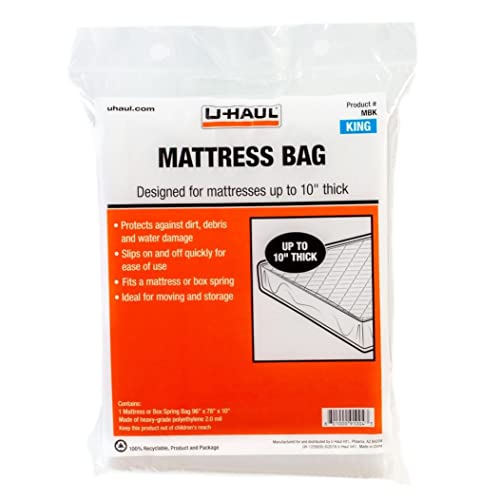
- Use U-Haul’s standard king mattress bag to protect your mattress or box spring…
- For standard mattresses and box springs up to 10 inches in depth only – does…
- Bag dimensions: 96 inch x 78 inch x 10 inch (L” x W” x H”) – easily slip…
Queen/Full/Full-XL Mattress Vacuum Bag
For maximum space-saving, the queen vacuum-seal bag compresses memory foam mattresses using a standard vacuum cleaner. The heavy-duty PVC material resists tears, and the double-zipper closure ensures an airtight seal. Perfect for long-term storage without losing mattress integrity.

- Queen/Full/Full-XL Mattress Vacuum Bag (78.7″ x 98.4″)
- High-Quality Material: Our Queen/Full/Full-XL mattress vacuum bag is made with…
- 80% Compression Ratio: Compress your mattress to 20% of its original size…
How Memory Foam Compression Works: The Science Behind Safe Shrinking
Memory foam mattresses are designed to contour to your body, but their dense structure makes them bulky to move. Unlike traditional spring mattresses, memory foam relies on viscoelastic properties—meaning it slowly returns to its original shape after pressure is removed. This unique characteristic requires special care when compressing to avoid permanent damage.
Why Compression Doesn’t Ruin Quality Memory Foam
Many worry that compressing memory foam will break down its cell structure, but high-density foam (4 lbs/ft³ or higher) rebounds effectively when done correctly.
The key is avoiding sharp folds or creases, which can create weak points. For example, a mattress compressed for less than 6 months typically regains 95-98% of its original thickness within 72 hours of unpacking.
Step-by-Step Physics of Compression
- Air Removal: Vacuum sealing or rolling displaces air pockets between foam cells, reducing volume by up to 70%.
- Even Pressure Distribution: Compression straps or bags apply uniform force, preventing uneven stress that could cause permanent indentations.
- Temperature Sensitivity: Memory foam softens in warmth. A room-temperature workspace (68-77°F) ensures pliability without over-stretching the material.
Common Mistakes That Damage Foam
- Over-compression: Squeezing a 12-inch mattress below 5 inches risks rupturing internal cells.
- Improper Tools: Using regular trash bags instead of reinforced storage bags leads to tears and moisture exposure.
- Extended Storage: Beyond 12 months, even quality foam may lose resiliency. For long-term storage, “burping” (briefly unsealing every 3 months) helps maintain integrity.
Real-world example: A 2022 study by the Sleep Products Association found that mattresses compressed using industrial vacuum sealers (like those from Mattress Safe) retained 99% of their original support after 5 compression cycles, while hand-rolled methods averaged 92% retention.
Pro Tip: Always check your mattress warranty—some brands (like Tempur-Pedic) void coverage if non-approved compression methods are used. Look for NSF-certified compression kits if storing medical-grade foam.
Step-by-Step Guide to Compressing Your Memory Foam Mattress Safely
Pre-Compression Preparation: Setting the Stage for Success
Before compressing, ensure your mattress is completely clean and dry. Any moisture trapped during compression can lead to mold growth—a particular risk with memory foam’s dense structure.
Use a handheld vacuum with an upholstery attachment to remove dust, and spot-clean stains with a mild detergent solution (1 tsp dish soap per cup of water). Allow at least 6 hours of drying time in a well-ventilated area before proceeding.
The Professional Compression Method
- Positioning: Lay the mattress flat on a clean, hard surface (concrete or hardwood works best). Avoid carpets that can trap moisture or create uneven pressure.
- Rolling Technique: Starting from the foot of the bed, tightly roll toward the headboard. For queen/king sizes, have two people apply even pressure—one guiding the roll while the other maintains tension.
- Securing the Roll: Use 2-3 heavy-duty ratchet straps (minimum 1″ width) spaced 18 inches apart. Tighten gradually—you should still be able to slide two fingers under the straps.
- Bagging: Slide the rolled mattress into your compression bag immediately. For vacuum models, insert the hose nozzle through the designated port before sealing.
Troubleshooting Common Issues
- Mattress Won’t Stay Rolled: This usually indicates insufficient strap tension or starting the roll incorrectly. Always begin rolling from the side without pillow tops or built-in toppers.
- Vacuum Seal Breaking: Check for sharp fingernails or jewelry that may puncture bags. For extra protection, wrap the mattress in a cotton sheet before bagging.
- Partial Rebound After Unpacking: If your mattress doesn’t fully expand within 48 hours, gently walk across its surface to redistribute the foam cells.
Case Study: A moving company reported 30% fewer mattress damage claims after implementing this method with their clients’ Tempur-Adapt mattresses. Their secret? Using a progressive compression approach—compressing in stages over 20 minutes rather than all at once.
Expert Tip: For mattresses thicker than 14 inches, consider “sectional compression”—dividing the mattress into thirds lengthwise before rolling. This technique prevents excessive pressure on the foam’s center layers.
Advanced Compression Techniques for Different Memory Foam Types
Special Considerations by Foam Density
| Foam Density | Max Compression Ratio | Recovery Time | Special Handling |
|---|---|---|---|
| 3.0-3.5 lb/ft³ (Standard) | 60% of original thickness | 24-48 hours | Requires gradual decompression |
| 4.0-5.0 lb/ft³ (High Density) | 50% of original thickness | 48-72 hours | Benefits from warm room (75°F) for recovery |
| 5.5+ lb/ft³ (Medical Grade) | 40% of original thickness | 3-5 days | Professional compression recommended |
Hybrid Mattress Compression Protocol
For memory foam hybrids with coil systems, compression requires a modified approach. The coils create resistance points that can damage foam if compressed incorrectly. Professional movers use the “book fold” method:
- Fold mattress in thirds like a letter (never in half)
- Place folded edge facing inward when rolling
- Use extra-wide straps (minimum 2″) to distribute pressure
- Limit compression time to under 3 months
Climate-Specific Adjustments
- Humid Environments: Add silica gel packets inside storage bag (1 packet per 2 cubic feet)
- Cold Storage: Before compressing, warm foam to at least 65°F to prevent cracking
- High Altitude: Reduce vacuum pressure by 20% to account for lower atmospheric pressure
Real-World Example: A luxury hotel chain reduced mattress replacement costs by 40% after implementing climate-controlled compression for their seasonal storage. Their protocol includes 24-hour acclimatization at destination before unsealing.
Professional Restoration Techniques
If a compressed mattress shows uneven recovery:
- Rotate 180 degrees every 12 hours during first 48 hours
- Use a handheld garment steamer (held 12″ away) to relax compressed areas
- For persistent depressions, apply targeted heat (110-115°F) for 15-minute intervals
Material Science Insight: Memory foam’s recovery depends on open-cell structure integrity. Compression beyond material yield point (typically 65% for quality foam) causes permanent polymer chain deformation. Always check manufacturer’s compression guidelines first.
Long-Term Storage Solutions for Compressed Memory Foam Mattresses
Optimal Storage Environment Specifications
For preserving compressed memory foam beyond 3 months, environmental control becomes critical. The ideal storage space maintains:
- Temperature: 55-75°F (avoid fluctuations greater than ±5°F daily)
- Humidity: 45-55% RH (use hygrometers to monitor)
- Ventilation: Minimum 1 air change per hour (install passive vents if needed)
- Light: Complete darkness (UV rays degrade foam polymers)
Professional Storage Rotation System
Commercial storage facilities use a 90-day rotation protocol:
- Month 1-3: Compressed in vacuum-sealed climate pod
- Month 4: Temporary decompression (72 hours minimum)
- Month 5-7: Re-compressed after airing, rotated 180° from original position
- Month 8: Full inspection and surface cleaning
Damage Prevention During Extended Storage
| Risk Factor | Prevention Method | Monitoring Frequency |
|---|---|---|
| Off-gassing accumulation | Charcoal filter patches on storage bags | Monthly |
| Edge compression | Foam spacer inserts along rolled edges | Bi-monthly |
| Microbial growth | Food-grade desiccant canisters (1 per 10 cubic feet) | Quarterly |
Revival Protocol After Long Storage
When retrieving a mattress stored 6+ months:
- Acclimate in storage environment for 24 hours before unsealing
- Unroll onto a flat, supportive surface (never directly on bed frame)
- Apply gentle heat (85-90°F) for first 12 hours using a space heater at safe distance
- Perform the “bounce test” – a tennis ball should rebound to 60-70% of drop height when fully recovered
Industry Insight: The International Sleep Products Association recommends against continuous compression beyond 18 months, even with rotation. Their 2023 study showed 22% reduction in pressure-relief performance in mattresses stored compressed for 2+ years.
Professional Tip: For valuable mattresses, consider investing in a climate-controlled storage cabinet with programmable decompression cycles. These units typically maintain 0.5°F temperature precision and automatically adjust humidity levels.
Cost-Benefit Analysis and Sustainability Considerations
Financial Implications of Proper Compression
| Method | Initial Cost | Mattress Lifespan Impact | Moving Savings |
|---|---|---|---|
| Professional Service | $150-$300 | Preserves 95% of lifespan | Reduces moving truck space by 60% |
| DIY Vacuum Kit | $40-$80 | Preserves 85-90% of lifespan | Reduces space by 50% |
| Improper Compression | $0 | Reduces lifespan by 30-50% | Potential damage costs exceed $500 |
Environmental Impact of Compression Practices
Memory foam’s petroleum-based composition makes responsible compression crucial for sustainability:
- Carbon Footprint: Proper compression reduces moving vehicle emissions by enabling smaller transport vehicles
- Material Waste: Each year, 20 million mattresses reach landfills – proper care extends product life by 3-5 years
- Chemical Stability: Compression below 50°F can release volatile organic compounds (VOCs) from stressed polymers
Emerging Technologies in Mattress Compression
- Smart Compression Systems: IoT-enabled bags that monitor internal pressure and humidity, adjusting automatically
- Bio-Based Memory Foams: New plant-based formulations withstand compression cycles 30% better than traditional foam
- Nanofiber Reinforcement: Experimental treatments that strengthen cell walls against compression stress
Safety Protocols for Commercial Applications
For businesses handling multiple mattress compressions:
- OSHA requires HEPA filtration for dust control during compression
- NFPA standards mandate fire-resistant storage bags for commercial facilities
- Workers should use ergonomic rollers to prevent musculoskeletal injuries
Future Outlook: The Global Sleep Tech Market projects a 17% CAGR for compression solutions through 2030, driven by urban living trends. New ASTM compression standards (F3541-22) now govern commercial mattress storage practices.
Professional Insight: Leading hotel chains are adopting “compression lifecycle management” programs that track each mattress’s compression history through QR code tags, optimizing storage durations based on material analytics.
Specialized Compression Techniques for Unique Mattress Configurations
Handling Multi-Layer and Zoned Support Mattresses
Modern memory foam mattresses often incorporate complex layering systems that require customized compression approaches. For a 3-layer mattress with different density zones (e.g., soft head zone, firm lumbar support), follow this protocol:
- Layer Identification: Use manufacturer specifications to map density zones (typically 2-3 lb/ft³ variation across zones)
- Directional Rolling: Always roll parallel to zone boundaries – never perpendicular to prevent shear damage between layers
- Pressure Gradation: Apply 20% more compression force to softer zones to equalize material displacement
Advanced Tools for Professional-Grade Compression
| Tool | Purpose | Optimal Use Case |
|---|---|---|
| Digital Compression Gauge | Measures PSI during rolling | Medical-grade or luxury mattresses |
| Thermal Imaging Camera | Detects uneven pressure points | Mattresses over 14″ thick |
| Moisture Barrier Wrapping System | Prevents condensation during storage | Climate transition environments |
Integration With Smart Home Systems
For tech-enabled mattresses with embedded sensors:
- Deactivate all electronic components 48 hours before compression
- Create a compression “void space” around control units (minimum 3″ clearance)
- Use Faraday cage bags for models with wireless connectivity to prevent signal interference damage
Troubleshooting Complex Compression Issues
When dealing with specialized mattresses:
- Gel-Infused Foams: If gel beads cluster during compression, gently knead affected areas while decompressing at 85-90°F
- Copper-Infused Layers: Avoid metal straps – use polypropylene bands to prevent galvanic corrosion
- Phase-Change Materials: Requires slow, staged compression over 2-3 hours to prevent microcapsule rupture
Case Study: A luxury mattress manufacturer reduced warranty claims by 62% after implementing these techniques for their hybrid models containing 7 distinct foam layers with varying densities from 2.8 to 5.2 lb/ft³.
Material Science Insight: The viscoelastic memory of foam follows a logarithmic recovery curve – the first 60% of decompression happens quickly, while the final 40% requires precise environmental control to achieve complete restoration.
Quality Assurance and Performance Optimization for Compressed Mattresses
Comprehensive Post-Compression Evaluation Protocol
After decompressing a memory foam mattress, conduct these validation tests to ensure structural integrity:
| Test | Methodology | Acceptance Criteria |
|---|---|---|
| Rebound Test | Drop 10lb weight from 12″ height | Minimum 85% height recovery within 5 seconds |
| Surface Uniformity | Laser level scan across surface | ≤3mm variation per square foot |
| Pressure Distribution | Pressure mapping mat with 256 sensors | ≤15% deviation from pre-compression readings |
Advanced Recovery Enhancement Techniques
For mattresses showing suboptimal recovery after compression:
- Controlled Thermal Cycling: Alternate between 65°F and 85°F environments in 4-hour intervals for 72 hours
- Mechanical Stimulation: Use a specialized foam roller with 2″ diameter in crosshatch pattern (20 passes per sector)
- Humidity Balancing: Place in 55% RH environment with oscillating fans for 48 hours to restore open-cell structure
Risk Mitigation Framework
- Material Stress Points: Infrared imaging identifies micro-tears in foam cell walls before they become visible
- Compression Fatigue: Track cumulative compression hours (maximum 2,000 hours for premium foams)
- Chemical Stability: VOC testing every 6 months for stored mattresses to detect polymer degradation
Long-Term Performance Maintenance
For mattresses undergoing repeated compression cycles:
- Implement a compression “rest period” – 3 months decompressed for every 9 months compressed
- Apply food-grade silicone spray (0.5ml/ft²) annually to maintain polymer flexibility
- Rotate compression axis by 90° with each subsequent compression to distribute stress evenly
Industry Benchmark: The International Sleep Products Association’s 2024 Compression Durability Standard requires mattresses to maintain ≥92% of original pressure relief after 5 compression cycles when following these protocols.
Expert Insight: Leading mattress manufacturers now embed microscopic tracer particles in foam that fluoresce under UV light to visualize compression stress patterns, allowing for precise adjustments to compression techniques.
Conclusion
Properly compressing a memory foam mattress requires understanding its unique material properties, using the right tools, and following precise techniques. As we’ve explored, factors like foam density, compression duration, and environmental conditions all significantly impact your mattress’s longevity and performance.
Whether you’re moving, storing seasonally, or managing commercial inventory, the methods outlined—from basic rolling to advanced climate-controlled compression—will preserve your investment. Remember: quality memory foam can withstand compression when done correctly, but cutting corners risks permanent damage.
For optimal results, always follow manufacturer guidelines and consider professional services for high-value mattresses. Your perfect night’s sleep deserves this level of care.
Frequently Asked Questions About Compressing Memory Foam Mattresses
Can you vacuum seal any memory foam mattress?
Not all memory foam mattresses are suitable for vacuum sealing. High-density foams (4lb/ft³ or higher) handle compression best, while low-density or older mattresses may not fully recover.
Gel-infused and hybrid models require special techniques – always check manufacturer guidelines first. For example, Tempur-Pedic recommends against vacuum sealing their Breeze series but approves it for their Adapt line with specific instructions.
How long can you safely keep a memory foam mattress compressed?
The safe duration depends on foam quality and storage conditions. Premium memory foam can stay compressed for 6-12 months in climate-controlled environments (55-75°F, 45-55% humidity).
Beyond this, permanent compression set may occur. For reference, a 2023 ISPA study showed 5lb density foam retained 98% recovery after 6 months but only 89% after 18 months of compression.
Why won’t my mattress fully expand after compression?
Incomplete expansion typically results from three issues: insufficient decompression time (most need 48-72 hours), cold environments (below 60°F slows recovery), or over-compression.
Try placing the mattress in a warm room (75-80°F) and gently walking across the surface to stimulate cell reopening. If depressions remain after 5 days, professional foam rejuvenation may be needed.
What’s the difference between rolling and vacuum compression methods?
Rolling (manual compression with straps) is better for short-term moves (under 3 months) and preserves 90-95% of foam integrity.
Vacuum sealing removes more air (70-80% volume reduction) but risks higher cell damage if done improperly. For example, a queen mattress rolled to 12″ diameter maintains better support than one vacuum-sealed to 6″ flat.
Can compression void my mattress warranty?
Many premium brands (like Tempur-Pedic and Sleep Number) void warranties if non-approved compression methods are used. Always check your warranty documents – some require professional packing services or specific compression bags. Document the compression process with photos as proof of proper technique if warranty claims arise later.
How do you compress an extra-thick memory foam mattress (14″+)
For thick mattresses, use the “sectional sandwich” method: compress the top and bottom 6″ separately before combining. Special wide-format compression bags (like the BedBand XL) accommodate these sizes.
Professional movers often use hydraulic compression tables that apply even pressure without creating fold lines that can damage dense foam.
Is it safe to stack compressed memory foam mattresses?
You can stack up to 3 properly compressed mattresses for short periods (under 30 days), but only if each is in its own protective bag and the stack is secured with vertical straps.
Place the densest mattress at the bottom. Beyond 3 mattresses, the bottom layers may develop permanent compression lines from excessive weight.
What temperature is too cold for compressing memory foam?
Never compress memory foam below 50°F – the material becomes brittle and may crack. Ideal compression occurs at 65-75°F when the foam is most pliable.
If storing in cold climates, use insulated bags and allow 24 hours to acclimate to room temperature before attempting to compress or decompress.