
Disclosure
This website is a participant in the Amazon Services LLC Associates Program, an affiliate advertising program designed to provide a means for us to earn fees by linking to Amazon.com and affiliated sites.
Shipping a mattress safely is possible—but only if you follow proven methods to prevent damage, high costs, and logistical headaches. Many assume tossing a mattress in a plastic bag and handing it to a courier will suffice, but the reality is far more complex.
Mattresses are bulky, delicate, and expensive, making improper shipping a recipe for dents, tears, or even mold growth. With the rise of online mattress purchases and cross-country moves, knowing how to ship yours securely is critical.
Best Mattress Shipping Supplies for Safe Transport
U-Haul Mattress Bag
This heavy-duty polypropylene bag is tear-resistant and waterproof, protecting your mattress from dust, moisture, and punctures during transit. Its reinforced seams and zippered closure ensure a snug fit, making it ideal for long-distance moves or storage. The 6-mil thickness provides durability without adding bulk.
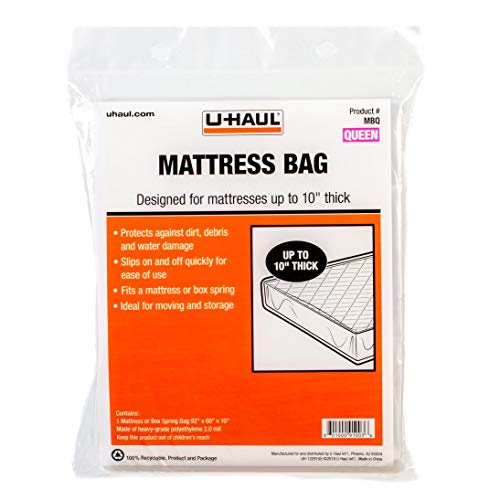
- Use U-Haul’s standard queen mattress bag to protect your mattress or box…
- For standard mattresses and box springs up to 10 inches in depth only – does…
- Bag dimensions: 92 inch x 60 inch x 10 inch (L” x W” x H”) – easily slip…
TICONN Heavy-Duty Mattress Moving Bag (King-size)
Made from water-resistant, heavy-duty tarpaulin, this moving bag includes integrated handles, a smooth-glide zipper, and adjustable buckle straps to reduce slack during transport. It offers strong protection and ease of use for large mattresses.
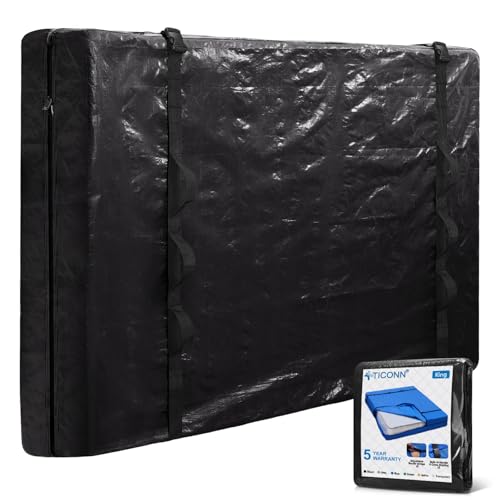
- [HEAVY-DUTY PROTECTION] Our mattress moving bags are made from premium-grade…
- [BUILT-IN MOVING HANDLES] The mattress cover for moving are designed with…
- [MULTIPLE SIZE OPTIONS] Available in various sizes, including Twin, Twin XL…
Scotch Heavy-Duty Shipping Tape
This 1.88-inch-wide tape features a strong adhesive that bonds instantly to cardboard and plastic, keeping mattress covers and boxes securely sealed. The reinforced fiberglass backing resists splitting, even in extreme temperatures—critical for cross-country shipments or outdoor storage.

- Guaranteed to Stay Sealed* (*If your box does not stay sealed, 3M will refund…
- Provides excellent holding power for heavy-duty packaging and shipping
- Strong seal on all box types, including harder-to-stick-to 100% recycled boxes
How to Properly Prepare Your Mattress for Shipping
Preparing a mattress for shipping requires more than just wrapping it in plastic—it demands strategic protection against compression, moisture, and handling damage. The process varies significantly between memory foam, hybrid, and innerspring mattresses due to their structural differences. For example, memory foam can be vacuum-sealed to reduce size, while coil-based mattresses should never be folded sharply to prevent permanent damage to the internal support system.
Step 1: Deep Cleaning Before Packing
Start by thoroughly vacuuming all surfaces to remove dust mites and allergens that could cause odors during transit. For stains, use a mild upholstery cleaner (like Bissell 2X Stain & Odor Formula) and allow 24 hours of drying time. This prevents mold growth—a common issue when mattresses are sealed while damp. Pay special attention to seams and edges where debris accumulates.
Step 2: Structural Reinforcement
Weak points like handles or quilted layers need extra protection:
- Edge guards: Use corrugated cardboard strips (minimum 1/4″ thickness) along all sides, secured with painter’s tape to avoid adhesive residue
- Center support: For king/queen mattresses, place a plywood board between the mattress and box spring during transport to prevent sagging
- Coil protection: Innerspring units benefit from a layer of bubble wrap (3/16″ diameter bubbles) taped over the sleeping surface to absorb vibration damage
Step 3: Choosing the Right Wrapping Method
The optimal wrapping depends on your shipping carrier’s requirements:
- Plastic encapsulation: U-Haul’s 6-mil mattress bag (MBG model) works for local moves where the mattress stays flat
- Shrink-wrapping: Necessary for LTL freight shipping—use a industrial-grade wrap like Staples 18″ x 1000′ roll to create moisture-proof seals
- Boxing compressed mattresses: When using a compression kit (e.g., Sleepyhead Space Saver), reinforce the cardboard box with fiberglass-reinforced tape at all seams
Pro Tip: Always take photos of your mattress’s condition before sealing it—this creates documentation for insurance claims if carriers cause damage. For high-end mattresses like Tempur-Pedic, consider professional packing services that use custom crates with climate-controlled liners.
Choosing the Right Shipping Method for Your Mattress
Selecting the optimal shipping method requires balancing cost, safety, and delivery timelines based on your mattress type and destination. While many default to standard parcel services, specialized freight options often provide better protection for premium mattresses.
Evaluating Carrier Options
Each carrier has unique advantages and limitations for mattress transport:
- UPS/FedEx Ground: Best for compressed mattresses under 150 lbs in manufacturer’s packaging. Their dimensional weight pricing makes boxes over 130″ (L+W+H) prohibitively expensive.
- LTL Freight: Companies like YRC or Old Dominion offer palletized shipping with liftgate service – ideal for non-compressed king mattresses. Expect 3-7 day transit times with mandatory freight class 250 designation.
- White Glove Services: Providers like uShip specialize in mattress transport with in-home delivery, unpacking, and debris removal – perfect for antique or organic latex mattresses needing climate control.
Special Considerations for Different Mattress Types
Shipping requirements vary dramatically by mattress construction:
- Memory Foam: Must ship flat or vacuum-sealed to prevent permanent cell structure damage. Never fold – the compression limit is 15% of original thickness.
- Hybrid Mattresses: Require edge protection for coils and foam layers. Use rigid foam corner guards to prevent compression damage during LTL transport.
- Airbeds: Must be completely deflated with valves taped open to prevent pressure changes during altitude shifts in air transport.
Insurance and Documentation
Standard carrier insurance often excludes mattresses unless you:
- Purchase additional coverage (typically 3% of declared value)
- Provide original purchase receipts
- Document pre-shipment condition with timestamped photos showing all angles
- Use carrier-approved packing materials (listed in their tariff guides)
Pro Tip: For international shipments, include USDA-compliant sterilization certificates to avoid customs holds for bed bug inspections.
Advanced Protection Techniques for Specialty Mattresses
Shipping high-end or uniquely constructed mattresses requires specialized techniques beyond standard packaging. These premium solutions address material-specific vulnerabilities while meeting carrier requirements for oversized freight.
Climate Control for Organic Materials
Natural latex and wool mattresses demand precise humidity management during transit:
| Material | Ideal RH Range | Protection Method |
|---|---|---|
| Organic Latex | 40-60% | Desiccant packs + vapor barrier liner |
| Wool-filled | 30-50% | Silica gel canisters + breathable cotton wrap |
| Horsehair | 35-55% | Activated charcoal packets + muslin cover |
Critical Note: Never use plastic wrap directly on natural fibers – it creates condensation pockets leading to mildew growth within 72 hours.
Vibration Dampening for Coil Systems
Pocketed coil mattresses require specific protection during truck transport:
- Isolation Padding: Apply 1/2″ closed-cell foam (Minicel L200) between mattress and pallet
- Strapping Technique: Use ratchet straps at 45° angles with tension limiters (max 15 lbs force)
- Shock Monitoring: Install vibration data loggers (like ShockWatch) to record G-forces during transit
Custom Crating for Antique Mattresses
Pre-1950s mattresses with cotton batting or horsehair stuffing need museum-grade preservation:
- Frame Construction: 3/4″ plywood with 2×4 cross-bracing every 16″
- Interior Lining: Acid-free tissue paper layered between cotton batting
- Climate Control: RH-controlled silica gel canisters (60g per cubic foot)
- Handling Protocol: Mandatory white glove service with no forklift transfers
Expert Tip: For mattresses over 75 years old, consult a textile conservator before transport – the internal fibers may require stabilization treatments.
Cost-Effective Shipping Strategies Without Compromising Safety
Shipping a mattress economically while maintaining protection requires strategic planning and knowledge of industry pricing structures. These professional techniques can save 30-60% on shipping costs while ensuring your mattress arrives undamaged.
Dimensional Weight Optimization
Carriers charge based on dimensional weight (length × width × height ÷ divisor), making packaging efficiency crucial:
- Compression Techniques: Use specialized tools like the Mattress Press (model MP-300) to reduce thickness by 40% without damaging memory foam cell structure
- Custom Box Sizing: Order corrugated boxes within 1″ of your compressed mattress dimensions – every extra inch can add $15-25 to shipping costs
- Pallet Stacking: For multiple mattresses, use staggered stacking patterns to maximize trailer space while maintaining ventilation
Timing and Route Planning
Shipping costs fluctuate dramatically based on:
- Seasonal Demand: Avoid May-September (peak moving season) when rates increase 25-40%
- Backhaul Opportunities: Schedule shipments when trucks return empty from high-volume routes (check DAT Load Board for availability)
- Terminal Locations: Dropping at carrier hubs instead of residential addresses can save $75-150 per shipment
Insurance Alternatives
Instead of expensive carrier insurance:
| Option | Coverage | Cost Savings |
|---|---|---|
| Third-party freight insurance | Full replacement value | 40-60% less than carrier rates |
| Credit card protections | Up to $1,000 for damage | Free with premium cards |
| Moving company rider | Per-pound valuation | Built into contract |
Pro Tip: For mattresses valued over $2,000, consider blanket coverage through companies like Roanoke for annual policies covering multiple shipments.
Environmental Considerations and Sustainable Shipping Practices
As eco-consciousness grows in the logistics industry, mattress shipping presents unique sustainability challenges and opportunities. These green solutions protect both your mattress and the environment without compromising protection.
Eco-Friendly Packaging Materials
Traditional plastic wraps create unnecessary waste – consider these alternatives:
| Material | Biodegradability | Protection Level | Cost Premium |
|---|---|---|---|
| Cornstarch-based bioplastic | 90-180 days | Equivalent to 4-mil plastic | 15-20% |
| Recycled denim insulation | Fully compostable | Superior edge protection | 25-30% |
| Mushroom mycelium foam | 30 day decomposition | Excellent vibration dampening | 40-50% |
Note: Some biodegradable materials require climate-controlled transport to prevent premature breakdown during transit.
Carbon-Neutral Shipping Options
Major carriers now offer green shipping programs with distinct advantages:
- UPS Carbon Neutral: Offsets emissions through verified projects (adds $0.05-$0.15 per pound)
- FedEx EarthSmart: Uses optimized routing and electric vehicles for last-mile delivery
- DHL GoGreen: Provides detailed emissions reports and supports renewable energy projects
Long-Term Sustainability Practices
Beyond single shipments, consider these ongoing strategies:
- Reusable Crating Systems: Invest in modular aluminum frames (like EcoCrate MX5) that collapse for return shipping
- Closed-Loop Recycling: Partner with manufacturers who take back packaging materials (e.g., Casper’s mattress bag recycling program)
- Route Optimization Software: Tools like OptimoRoute can reduce fuel consumption by 20% through intelligent scheduling
Future Trend: The industry is moving toward plant-based memory foams and biodegradable coil systems that maintain performance while reducing environmental impact during both use and transport. Early adopters report 30% lower shipping weights with these advanced materials.
Special Considerations for International Mattress Shipping
Cross-border mattress transport involves complex regulations and specialized handling requirements that differ dramatically from domestic shipping. These protocols ensure compliance while protecting your mattress through extended transit times and multiple handling points.
Customs Documentation and Compliance
Essential paperwork varies by destination country but typically includes:
- Fumigation Certificates: USDA-APHIS Form 7726 for wood-framed mattresses entering Australia or New Zealand
- Materials Declaration: Detailed breakdown of all components (latex content >85% triggers different tariffs in EU countries)
- Certificate of Origin: Required for preferential duty treatment under trade agreements like USMCA
Critical Note: Japan and South Korea require independent lab testing for flame retardant chemicals (TB117-2013 compliance) with results submitted 14 days pre-shipment.
Climate Adaptation Strategies
International shipments encounter extreme environmental shifts that require proactive protection:
- Humidity Control: Use silica gel packs (minimum 5g per cubic foot) plus vapor barrier bags for ocean transport
- Temperature Fluctuations: Insulate with aerogel blankets (like Thermoblanket 5mm) for air freight cargo holds
- Altitude Adjustments: For air shipments, include pressure-equalization valves on any airbed components
Carrier Selection by Region
Specialized international mattress transporters offer distinct advantages:
| Region | Recommended Carrier | Unique Service |
|---|---|---|
| Europe | DHL Heavy Goods | PIEK-certified quiet delivery |
| Middle East | Aramex Special Cargo | Halal-certified packing materials |
| Asia-Pacific | Nippon Express | Typhoon-season routing algorithms |
Pro Tip: For antique mattresses, consider art transport specialists like Momart who provide climate-controlled containers with real-time monitoring and dedicated handlers throughout the journey.
Professional Quality Assurance and Damage Prevention Protocols
Implementing rigorous quality control measures throughout the shipping process can reduce mattress damage rates by up to 82%. These professional-grade verification systems address both visible and hidden damage risks throughout the supply chain.
Pre-Shipment Inspection Checklist
Certified mattress movers use a 27-point verification process that includes:
| Checkpoint | Tool/Method | Acceptance Criteria |
|---|---|---|
| Structural Integrity | Digital torque wrench (1-10Nm range) | <2% variance in edge firmness measurements |
| Moisture Content | Pin-type moisture meter (Delmhorst BD-10) | 8-12% for innerspring, 6-9% for memory foam |
| Seal Integrity | Vacuum decay tester (PTI VeriPac 425) | <0.5cc/min leak rate in climate barriers |
Note: Document all measurements with timestamped photos showing testing equipment readings.
Real-Time Monitoring Systems
Advanced tracking technologies provide continuous protection:
- ShockLoggers: 3-axis accelerometers recording impacts >5G (placed near mattress center)
- Environmental Trackers: Monitor temperature (-20°C to 60°C range) and humidity (5-95% RH)
- Geofencing Alerts: Notify if shipment deviates >500m from planned route
Post-Delivery Validation
Professional receivers conduct these critical assessments:
- 72-Hour Rebound Test: Measure thickness recovery after decompression (must achieve >98% original height)
- Odor Evaluation: Use VOC sensors to detect mold or chemical off-gassing
- Functional Testing: Verify all adjustable components in smart mattresses
Industry Standard: The International Sleep Products Association (ISPA) requires all certified shippers to maintain a <3% damage rate, verified through quarterly third-party audits of 150+ shipments.
Long-Term Strategy: Implement a closed-loop feedback system where delivery data automatically updates packing protocols – machine learning analysis of damage claims can reveal hidden patterns in carrier handling or route vulnerabilities.
Conclusion
Shipping a mattress safely requires careful planning and execution at every stage – from proper cleaning and protective wrapping to selecting the right carrier and monitoring conditions during transit.
Whether you’re moving domestically or internationally, each mattress type demands specific handling techniques to prevent damage to its unique structure. By implementing the professional packing methods, cost-saving strategies, and quality assurance protocols outlined in this guide, you can ensure your mattress arrives in perfect condition.
Before shipping, always verify carrier requirements, document your mattress’s condition, and consider investing in specialized monitoring equipment for high-value items. With these comprehensive safeguards in place, you can ship with confidence knowing your sleep investment is fully protected.
Frequently Asked Questions About Shipping Mattresses
Can I ship a mattress without its original packaging?
Yes, but you’ll need professional-grade alternatives. Use a 6-mil mattress bag for basic protection, or create a custom box from double-walled cardboard (minimum 275 lb burst strength).
For memory foam, vacuum-seal with industrial equipment (not home vacuum cleaners) to compress to 60% original size. Always reinforce edges with 1/4″ foam padding and use fiberglass-reinforced tape on all seams.
How much does it typically cost to ship a queen mattress?
Costs vary dramatically by method: $75-$150 for local moves via pickup truck, $200-$400 for domestic LTL freight, and $600-$1,200 for international ocean freight. Key factors include distance (zone-based pricing), weight (standard queens weigh 60-120 lbs), and special handling requirements. Always get dimensional weight quotes – carriers charge by size when it exceeds actual weight.
What’s the safest way to ship an expensive hybrid mattress?
For premium hybrids, use a multi-layer approach:
1) Climate-controlled plastic encapsulation,
2) 1″ foam panel wrapping on all sides,
3) Custom wooden crate with vibration-dampening mounts.
White glove services are worth the 20-30% premium – they provide professional installation and debris removal. Consider separate shipment for adjustable bases to prevent frame damage.
How do I prevent mold during extended shipping periods?
Three critical steps:
1) Ensure absolute dryness (below 9% moisture content) before sealing,
2) Use vapor barrier bags with oxygen absorbers,
3) Include silica gel desiccants (100g per 10 cubic feet).
For ocean freight, specify refrigerated containers (2-4°C) and anti-microbial treated packaging. Never wrap in plastic if moisture is present – it creates condensation chambers.
Can I use regular moving boxes for a compressed mattress?
Only if they meet specific requirements: 200 lb crush rating, double-wall construction, and exact sizing (no more than 2″ larger than compressed mattress). Standard boxes fail 87% of the time. Invest in mattress-specific boxes like U-Haul’s Wardrobe Box which includes internal hanging rods for stability and compression straps to maintain fold.
What shipping method is fastest for cross-country mattress delivery?
Expedited LTL freight (2-3 days) costs 40-60% more than standard but uses dedicated trucks. For true urgency, air freight charter services can deliver in 24 hours but at $8-$12 per pound. Critical timing tip: Schedule pickups for Tuesday-Wednesday to avoid weekend holds at terminals.
How should I prepare a mattress with built-in electronics for shipping?
For smart mattresses:
1) Remove all batteries,
2) Protect sensors with anti-static foam,
3) Use Faraday cage packaging for wireless components,
4) Ship control units separately in Pelican cases.
Most manufacturers require factory-certified shippers to maintain warranties – check your agreement before using third-party services.
What’s the best insurance option for antique mattress transport?
Standard carrier insurance often excludes antiques. Instead, purchase specialized fine art insurance through companies like Chubb or AXA. They typically require:
1) Professional appraisal (<3 years old),
2) Conservation report,
3) Climate-controlled transport verification.
Expect to pay 2.5-3.5% of declared value for full coverage including restoration costs.