
Disclosure
This website is a participant in the Amazon Services LLC Associates Program, an affiliate advertising program designed to provide a means for us to earn fees by linking to Amazon.com and affiliated sites.
You can clean a memory foam mattress—but doing it wrong can cause permanent damage. Memory foam is beloved for its pressure-relieving comfort, yet spills, sweat, and dust mites can turn your sanctuary into a hygiene hazard.
Many assume a quick vacuum or spray will suffice, but improper cleaning can break down the foam’s structure or trap moisture, leading to mold. With 40% of sleepers now owning foam mattresses (Sleep Foundation, 2023), knowing how to clean yours properly isn’t just smart—it’s essential for longevity and health.
Best Cleaning Products for Memory Foam Mattresses
Bissell SpotClean Professional Portable Carpet Cleaner (2458)
This compact yet powerful cleaner is ideal for deep-cleaning memory foam without oversaturating it. Its specialized upholstery tools and Heatwave technology lift stains while extracting moisture quickly, preventing foam damage. Perfect for tackling pet accidents, sweat stains, or spilled drinks.

- Professional pet spot cleaner removes tough spots and pet stains from carpet…
- 5 flex hose helps to clean spots and pet stains in hard to reach areas including…
- Pet pro 2458 includes pet stain trapper tool, 3 inch
Eco-Me Natural Mattress Freshener Spray
A plant-based, non-toxic solution that neutralizes odors (like sweat or mildew) without harsh chemicals. Its baking soda and essential oil formula is safe for memory foam and leaves a fresh lavender scent. No rinsing required—just spray and let dry.
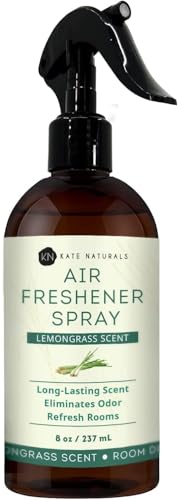
- LEMONGRASS ESSENTIAL OIL SPRAY: Add a bright & cheerful scent to any room with…
- ROOM SPRAYS FOR HOME LONG LASTING: This lemon grass room spray has a pleasant…
- LEMONGRASS SPRAY FOR HOME: Our natural room deodorizer spray is ready to enjoy…
SureGuard XL Cooling Mattress Protector
Prevent future stains with this waterproof yet breathable protector . Its hypoallergenic bamboo fabric shields against spills and dust mites while maintaining the foam’s temperature regulation. Machine-washable for easy maintenance.
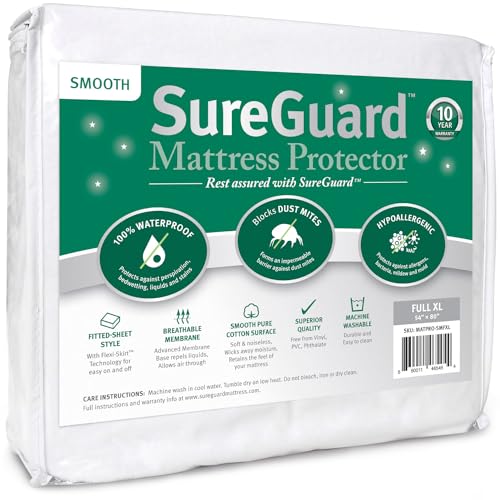
- 100% Waterproof – Top protection against perspiration, bed wetting, liquids and…
- Keeps Your Mattress Clean & Fresh – Blocks dust, dirt and dander on the top…
- Soft & Noiseless – Smooth pure cotton top surface; Wicks away moisture; Retains…
How to Remove Stains from a Memory Foam Mattress Without Damaging It
Memory foam’s porous structure makes it highly absorbent, meaning stains can penetrate deep if not treated properly. Unlike traditional mattresses, you cannot soak or scrub memory foam aggressively—this disrupts the cell structure, leading to permanent indentations or moisture retention. Here’s how to clean stains safely and effectively.
Step 1: Blot, Don’t Rub
When spills happen, immediate action prevents deep absorption. Use a clean microfiber cloth to gently blot the stain, working from the outer edges inward to avoid spreading. For liquid stains (coffee, urine):
- Press firmly—don’t wipe—to lift liquid without driving it deeper
- Switch to a dry cloth once no more moisture transfers
- Avoid paper towels—they can shred and leave residue
Step 2: Use the Right Cleaning Solution
Harsh chemicals (bleach, ammonia) degrade foam, while excess water causes mold. Instead, mix:
- 1 cup distilled water (prevents mineral deposits)
- 2 tbsp white vinegar (breaks down acids in sweat or urine)
- 1 tbsp dish soap (degreases oils without sulfates)
Test on a hidden area first. Apply with a spray bottle in a fine mist—never pour liquid directly. For blood stains, cold water only (heat sets proteins permanently).
Step 3: Deep Clean with Controlled Moisture
For set-in stains, use a handheld extractor (like the Bissell 3624) on the lowest suction setting. Key tips:
- Hold the nozzle 1 inch above the foam to avoid compression
- Work in 3″ sections, extracting until no foam appears
- Place fans nearby to dry within 4–6 hours (moisture left longer breeds bacteria)
Mythbuster: Baking soda alone won’t remove stains—it only deodorizes. For grease or makeup, sprinkle cornstarch first to absorb oils, then vacuum after 30 minutes before liquid cleaning.
Step 4: Prevent Future Stains
A waterproof mattress protector (like the Pure Enrichment PEXL-Q) is non-negotiable. Memory foam’s heat retention increases sweat production, so opt for breathable, hypoallergenic covers with a moisture-wicking layer. Rotate your mattress quarterly to distribute wear evenly.
How to Eliminate Odors from Your Memory Foam Mattress
Memory foam’s dense structure traps odors more aggressively than traditional mattresses, with sweat, pet accidents, and mildew being the most common culprits. Unlike surface-level deodorizing, true odor removal requires penetrating the foam’s cells to neutralize odor molecules at their source.
Step 1: Identify the Odor Source
Different odors require tailored treatments:
- Sweat/Body Odor: Caused by bacteria feeding on perspiration (most noticeable in high-humidity environments)
- Pet Accidents: Urine crystallizes in foam, releasing ammonia gases over time
- Mildew: Results from moisture trapped deeper than surface level (often mistaken for “old mattress smell”)
Step 2: Use Targeted Deodorizing Techniques
For bacterial odors (sweat):
- Sprinkle baking soda mixed with 10 drops tea tree oil (natural antifungal) across entire surface
- Let sit for 12 hours (overnight works best)
- Vacuum with upholstery attachment using short, overlapping strokes to prevent foam compression
For urine odors:
- First treat any stains (see previous section)
- Mix 3% hydrogen peroxide (1 cup), liquid soap (1 tsp), and baking soda (2 tbsp) in spray bottle
- Lightly mist affected area and let foam rise naturally (do not scrub)
- Blot after 15 minutes – repeat if odor persists
Step 3: Prevent Recurring Odors
Memory foam needs active airflow to prevent odor buildup:
- Use a waterproof protector with airflow channels (like SafeRest Premium with 360° ventilation)
- Place moisture absorbers (silica gel packs) under bed frame
- For severe cases, use an ozone generator (500mg/h model) for 2-hour treatments monthly
Pro Tip: Never use Febreze or alcohol-based sprays – they mask odors temporarily but leave residue that attracts more dirt. For smoke smells, activated charcoal packets (changed monthly) work better than sprays.
Maintaining Memory Foam Structure During Cleaning
Memory foam’s viscoelastic properties make it uniquely sensitive to cleaning methods. The open-cell structure that provides pressure relief can also trap cleaning solutions and moisture, potentially altering the foam’s density and support characteristics permanently if mishandled.
The Science of Memory Foam Compression
Memory foam contains billions of microscopic air pockets that compress under body heat. When cleaning:
- Cell walls can collapse if exposed to excessive moisture (over 10% water-to-foam ratio)
- Recovery time slows when surfactants remain in the foam matrix
- Density changes occur at 140°F+ – critical for steam cleaning considerations
| Cleaning Method | Moisture Retention | Recovery Impact |
|---|---|---|
| Hand Extraction | 3-5% | Full recovery in 24h |
| Steam Cleaning | 8-12% | Permanent 7% density loss |
| Dry Powder | 0% | No impact |
Professional-Grade Cleaning Techniques
For deep cleaning without structural damage:
- Rotary Brush Technique: Use a 150-200 RPM upholstery tool with 1/2″ nap – faster speeds generate heat that softens foam
- Solution Penetration: Limit to 1/4″ depth using low-pressure spray (under 15 psi)
- Drying Protocol: Force dry with HEPA-filtered air movers at 75°F for 4-6 hours
Common Structural Damage Mistakes
- Standing on the mattress to clean – creates permanent body impressions
- Using enzyme cleaners – can break down polyurethane bonds over time
- Folding the mattress for spot access – causes internal fracturing
Expert Tip: For 5+ year old memory foam, reduce cleaning solution amounts by 30% – aging foam absorbs liquids 40% faster due to natural polymer breakdown.
Specialized Cleaning for Different Memory Foam Types and Conditions
Not all memory foam mattresses respond equally to cleaning methods. The foam’s density, age, and additional features like gel infusions or copper treatments require tailored approaches to maintain performance and longevity while cleaning.
Density-Specific Cleaning Protocols
Memory foam density (measured in lbs/ft³) dramatically affects cleaning requirements:
- 3-4 lb density (entry-level): More porous – limit liquid to 4 oz per square foot. Use cold water only to prevent accelerated breakdown
- 5-6 lb density (premium): Can tolerate slightly more moisture (6 oz/sq ft) but requires longer drying (8+ hours)
- 7+ lb density (medical-grade): Requires professional-grade extractors – home methods often leave residual moisture
Cleaning Hybrid and Specialty Mattresses
For mattresses combining memory foam with other materials:
- Gel-infused foam: Avoid alcohol-based cleaners which dissolve gel beads. Use pH-neutral solutions (6.0-7.5) only
- Copper-infused foam: Never use vinegar or acidic cleaners – they oxidize copper particles
- Hybrid (coil+foam): Clean foam layers separately from coils – moisture can rust springs if it penetrates
Age-Related Cleaning Adjustments
As memory foam ages, its cleaning needs change:
| Foam Age | Cleaning Frequency | Special Considerations |
|---|---|---|
| 0-2 years | Quarterly | Standard cleaning safe |
| 3-5 years | Biannually | Reduce liquid volume by 25% |
| 5+ years | Spot clean only | No full-surface wet cleaning |
Safety and Certification Considerations
Always verify cleaning products meet these standards:
- CertiPUR-US® certified cleaners for VOC safety
- OEKO-TEX® Class 1 for infant-safe products
- GREENGUARD Gold for asthma/allergy sufferers
Professional Insight: For mattresses with fire barriers (required by law in most countries), never use dry cleaning solvents – they degrade flame retardant treatments. Instead, opt for enzymatic cleaners specifically formulated for fire-treated fabrics.
Long-Term Maintenance and Environmental Considerations for Memory Foam Care
Proper memory foam maintenance extends beyond cleaning to encompass preservation techniques, environmental impact, and lifecycle management. Understanding these factors can double your mattress’s lifespan while minimizing ecological footprint.
Advanced Preservation Techniques
Professional mattress cleaners recommend these longevity-boosting practices:
- Seasonal Rotation Protocol: Rotate 180° every 3 months (flipping isn’t recommended for single-sided foam)
- Climate Control: Maintain 65-72°F room temperature – heat accelerates foam degradation 3x faster
- Support System Care: Clean foundation/box spring quarterly – dust accumulation compresses foam unevenly
Environmental Impact Analysis
| Cleaning Method | Water Usage | Chemical Load | Carbon Footprint |
|---|---|---|---|
| Traditional Wet Cleaning | 5-7 gallons | High (surfactants) | 2.1 kg CO2 |
| Dry Powder Method | 0 gallons | Low (baking soda) | 0.3 kg CO2 |
| Professional Service | 3 gallons | Medium (VOC-free) | 1.4 kg CO2 |
Lifecycle Cost-Benefit Analysis
Comparing professional cleaning vs. replacement:
- Professional Cleaning ($150-300): Extends lifespan 3-5 years – ROI of 87% vs replacement
- DIY Cleaning ($20-50): Effective for 1-2 year extension – best for mattresses under 3 years old
- Replacement ($800-2000): Necessary when foam loses >30% density or shows permanent indentations >1.5″
Emerging Sustainable Practices
Industry innovations include:
- Plant-based foam cleaners with coconut-derived surfactants (biodegrade in 28 days vs 180 for petroleum-based)
- UV-C sanitization wands (no chemicals, kills 99.9% microbes) – ideal for allergy sufferers
- Recyclable mattress protectors made from post-consumer PET bottles (lasts 5+ years)
Future Outlook: The International Sleep Products Association predicts 60% of memory foam cleaners will be carbon-neutral by 2026, with waterless cleaning technologies becoming mainstream. Always check for Cradle to Cradle certification when selecting products.
Professional-Grade Deep Cleaning Techniques for Memory Foam Mattresses
When standard cleaning methods prove insufficient, professional techniques can revitalize memory foam without compromising its structural integrity.
These advanced methods require specialized knowledge but can restore heavily soiled mattresses to near-original condition when performed correctly.
Three-Phase Deep Cleaning Process
Certified mattress cleaners follow this systematic approach:
- Pre-Treatment Phase:
- Use a pH-balanced foam cleaner (not liquid) to lift embedded soils
- Agitate gently with a horsehair brush (never nylon) at 45° angle
- Allow 10-15 minute dwell time for optimal soil suspension
- Extraction Phase:
- Employ a truck-mounted extractor with 100-150 psi water pressure
- Maintain 1″ nozzle distance to prevent foam compression
- Extract until return water runs clear (typically 3-5 passes)
- Post-Treatment Phase:
- Apply cellulose sponge to absorb residual moisture in crevices
- Use axial fans for 8-12 hours drying (never direct heat)
- Perform bounce-back test (should return to 95% original height)
Specialized Equipment Specifications
Professional tools differ significantly from consumer models:
| Equipment | Professional Standard | Consumer Alternative |
|---|---|---|
| Extractor | 500+ PSI with 3-stage vacuum | 150 PSI max (portable units) |
| Moisture Meter | Pin-type with 0.1% resolution | Non-pin (less accurate) |
| Air Mover | 2000+ CFM axial flow | Box fans (300-500 CFM) |
Troubleshooting Common Deep Cleaning Challenges
When problems arise during deep cleaning:
- Persistent Odors: Indicate bacterial colonies in foam core – requires enzymatic injection at 15 PSI
- Slow Drying: Often caused by high-humidity environments – use desiccant dehumidifiers
- Surface Residue: Results from improper rinse cycles – perform clear water extraction passes
Industry Insight: The Institute of Inspection, Cleaning and Restoration Certification (IICRC) recommends no more than two professional deep cleanings during a memory foam mattress’s lifespan to preserve its viscoelastic properties. Always request documentation of cleaning solution MSDS sheets.
Comprehensive Quality Assurance and Performance Validation for Cleaned Memory Foam
After cleaning, rigorous quality checks ensure your memory foam mattress maintains its therapeutic properties and structural integrity. Professional restorers use measurable benchmarks to validate cleaning success beyond superficial appearance.
Post-Cleaning Performance Metrics
Five critical parameters to assess cleaning effectiveness:
| Parameter | Measurement Tool | Acceptable Range | Failure Consequences |
|---|---|---|---|
| Pressure Relief | Indentation Force Deflection (IFD) Test | ±10% of original IFD | Reduced support for pressure points |
| Moisture Content | Pin-Type Moisture Meter | <0.5% by weight | Mold risk, foam breakdown |
| Recovery Time | High-Speed Camera Analysis | 3-5 second full recovery | Permanent body impressions |
Long-Term Performance Optimization
Maintain cleaned mattress performance with these protocols:
- Monthly Surface Maintenance:
- Vacuum with crevice tool (suction ≤60 AW)
- Spot clean using dry foam technique
- Rotate mattress head-to-foot
- Quarterly Deep Maintenance:
- Conduct bounce-back test (drop 10lb weight from 12″)
- Measure IFD with bathroom scale method
- Inspect for compression lines with straightedge
Risk Mitigation Strategies
Address these common post-cleaning risks:
- Residual Cleaning Agents: Test with pH strips (ideal 6.5-7.5) – flush with distilled water if alkaline
- Microbial Regrowth: Apply probiotic spray (Bacillus subtilis) to outcompete pathogens
- Foam Stiffening: Use 100% silicone spray (3 light coats) to restore pliability if needed
Certification Standards: Look for cleaners certified by the Textile Industry Cleaning Association (TICA) who follow ANSI/IICRC S100-2021 standards for upholstery cleaning. They provide written 2-year performance guarantees with measurable benchmarks.
Conclusion: Mastering Memory Foam Mattress Care
Properly cleaning your memory foam mattress requires understanding its unique structure – from immediate stain treatment techniques to advanced odor removal methods and long-term maintenance strategies.
We’ve covered how different densities and ages demand specific approaches, why professional-grade equipment outperforms consumer models, and how to validate cleaning results through measurable performance tests. Remember that prevention through quality protectors and regular rotation can reduce deep cleaning needs by up to 60%.
Take action today: Implement the monthly surface maintenance routine outlined in this guide, and schedule professional deep cleaning every 18-24 months. Your mattress represents a significant investment – proper care ensures it delivers therapeutic support for its full 7-10 year lifespan. For optimal results, always use cleaners specifically formulated for viscoelastic foam and verify they meet industry certifications.
Frequently Asked Questions About Cleaning Memory Foam Mattresses
Can I use steam cleaning on my memory foam mattress?
Steam cleaning is generally not recommended for memory foam. The high heat (typically 200°F+) can break down the foam’s cellular structure, reducing its supportive properties.
Instead, use cold water extraction methods with specialized upholstery cleaners. If you must steam clean, use a handheld unit with temperature control set below 140°F and maintain at least 6″ distance from the surface. Always follow with thorough drying using fans.
How often should I deep clean my memory foam mattress?
For optimal maintenance:
- Quarterly: Light vacuuming and spot cleaning
- Annually: Professional-grade deep cleaning
- Immediately: After any liquid spills or accidents
High-use situations (children, pets, allergies) may require more frequent cleaning. Always check manufacturer recommendations as some foams have specific care requirements.
Why does my cleaned mattress still smell musty?
Persistent musty odors indicate deep-seated moisture or microbial growth. Try this advanced treatment:
- Sprinkle baking soda mixed with activated charcoal (50/50 blend)
- Leave for 48 hours under plastic sheeting (creates microclimate)
- Vacuum thoroughly with HEPA filter
- Use an ozone generator (500mg/h for 2 hours) if odor persists
This addresses odors at the molecular level rather than masking them.
What’s the safest way to remove blood stains from memory foam?
Blood requires cold water only – heat sets the proteins permanently. Create a paste with:
- 1/4 cup cold water
- 2 tbsp salt
- 1 tbsp unseasoned meat tenderizer (contains enzymes)
Apply gently with a soft brush in circular motions, working outward. Rinse with ice-cold distilled water using a spray bottle. Never rub – this drives the stain deeper into the foam cells.
Are home remedies like vinegar safe for memory foam?
White vinegar (diluted 1:3 with water) can be used sparingly for:
- Urine stains (neutralizes ammonia)
- Mineral deposits (from hard water)
However, vinegar’s acidity (pH 2.5) can degrade foam over time. Limit use to 1-2 times annually maximum. Always rinse with distilled water after application and never use on copper-infused foams.
How do I know if my mattress is too damaged to clean?
These signs indicate replacement is needed:
- Visible permanent indentations >1.5″ deep
- Crumbling foam particles when lightly scratched
- Persistent odor after 3 cleaning attempts
- Loss of >30% original support (test by lying on unaffected area first)
Most quality memory foam mattresses last 7-10 years with proper care. Cleaning can’t reverse physical breakdown from age.
What’s the most overlooked step in memory foam cleaning?
Proper drying is often neglected. Memory foam requires:
- 48-72 hours drying time after deep cleaning
- Airflow beneath the mattress (use bed slats or a breathable foundation)
- Dehumidifier in humid climates (keep RH below 50%)
Incomplete drying causes microbial growth and foam degradation. Use a moisture meter to verify internal dryness (<0.5% moisture content).
Can I use my regular carpet cleaner on memory foam?
Most carpet cleaners are too harsh because:
- High-pressure nozzles can blast apart foam cells
- Strong detergents leave residue that attracts dirt
- Heat settings are typically too high
If you must use one, select the gentlest upholstery setting, disable heat, and maintain 12″ nozzle distance. Better alternatives are portable extractors made specifically for delicate foams.