
Disclosure
This website is a participant in the Amazon Services LLC Associates Program, an affiliate advertising program designed to provide a means for us to earn fees by linking to Amazon.com and affiliated sites.
Sleep deprivation isn’t just about feeling tired—it’s a silent disruptor of your physical health, mental clarity, and emotional stability. You might think skipping a few hours is harmless, but research reveals chronic sleep loss triggers cascading damage, from memory lapses to a weakened immune system. In a world glorifying “hustle culture,” sacrificing sleep has become a badge of honor—but the reality is far darker.
Imagine your brain foggy after one restless night. Now amplify that by weeks or months. The consequences escalate: impaired judgment (similar to being drunk), heightened anxiety, and even long-term risks like heart disease.
But here’s the hope: understanding these effects empowers you to take action. This guide uncovers the science behind sleep deprivation and practical steps to reverse its toll—because quality sleep isn’t a luxury; it’s a biological necessity.
Best Sleep Aids for Combating Sleep Deprivation
Philips SmartSleep Wake-Up Light
This sunrise alarm clock mimics natural light to regulate your circadian rhythm, gently waking you with 20 brightness settings and soothing sounds. Its sunset simulation also helps you wind down, making it ideal for those struggling with insomnia or irregular sleep schedules.
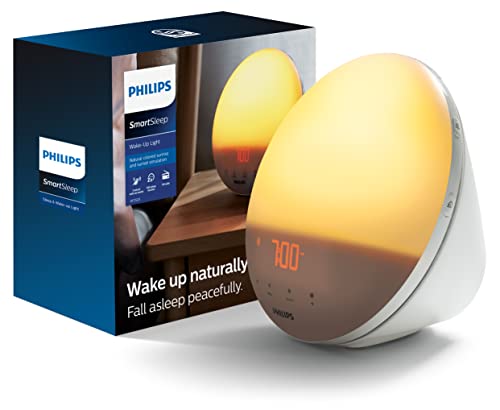
- CLINICALLY PROVEN*: Philips wake-up lights are recommended by physicians and…
- PERSONALIZATION: Simulated sunset and sunrise and choice of 5 different natural…
- SMART FEATURES: FM radio, tap snooze and automatic dimmable display
Tempur-Pedic TEMPUR-Cloud Breeze Dual Cooling Pillow
Designed with cooling gel and pressure-relieving TEMPUR material, this pillow adapts to your head and neck while dissipating heat—key for uninterrupted sleep. Its ergonomic support reduces tossing and turning, especially for side or back sleepers prone to discomfort.
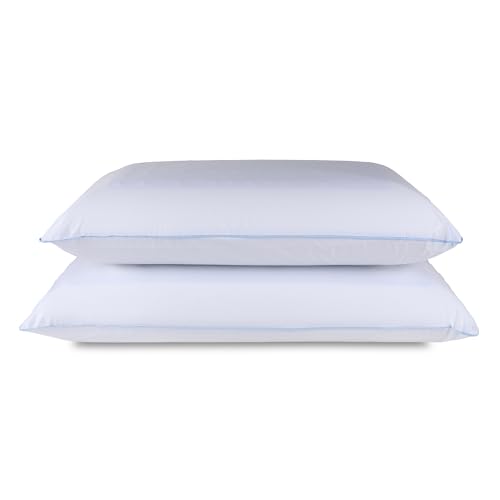
- Helps relieve aches and pains: TEMPUR-Material precisely adapts to your head…
- TEMPUR-Material: A single piece of our one-of-a-kind, infinitely adaptable…
- Cooling Gel Layers: A layer of Tempur-Pedic Cooling Technology is added to both…
Oura Ring Generation 3 (Heritage/Silver)
This sleek wearable tracks sleep stages (deep, REM, light) with medical-grade accuracy, offering personalized insights via its app. Unlike bulky trackers, its 24/7 monitoring detects sleep deprivation patterns and suggests optimizations, like ideal bedtime or activity adjustments.

- SIZE BEFORE YOU BUY – Size with Gen3 Sizing Kit prior to purchasing Oura Ring…
- THE REVOLUTIONARY SMART RING – Track your sleep, activity, stress, heart rate…
- MORE ACCURATE BY DESIGN – Your finger provides the most accurate pulse reading…
How Sleep Deprivation Disrupts Your Brain Function
Sleep deprivation doesn’t just leave you groggy—it fundamentally alters how your brain processes information. During deep sleep, your brain consolidates memories by transferring short-term recollections from the hippocampus to long-term storage in the neocortex. Without this critical process, studies show recall accuracy drops by up to 40%, explaining why you forget names or tasks after sleepless nights.
The Cognitive Domino Effect
Your prefrontal cortex—the brain’s CEO for decision-making—is especially vulnerable to sleep loss. Just one night of poor sleep:
- Reduces problem-solving speed by 30%, equivalent to a 0.08% blood alcohol level
- Impairs emotional regulation, heightening amygdala reactivity (why sleep-deprived people overreact to minor stressors)
- Slows synaptic pruning, causing “neural clutter” that manifests as brain fog
NASA’s landmark study on fatigued pilots revealed it takes 20% longer to recognize emergency scenarios when sleep-deprived—a delay that could prove catastrophic in everyday situations like driving.
The Glymphatic System Breakdown
While you sleep, your brain’s glymphatic system flushes out toxic proteins like beta-amyloid (linked to Alzheimer’s). Chronic sleep deprivation:
- Reduces cerebrospinal fluid flow by 60%, allowing toxins to accumulate
- Triggers neuroinflammation, damaging the blood-brain barrier
- Accelerates cognitive decline—adults sleeping ≤6 hours nightly have 30% higher dementia risk
A 2023 Johns Hopkins study found just three nights of restricted sleep increased tau proteins (another Alzheimer’s marker) by 17%. This isn’t mere tiredness—it’s progressive neurological damage.
Practical Consequences You Can’t Ignore
Real-world impacts extend beyond health charts. Consider:
- Work performance: Sleep-deprived employees make 20% more mathematical errors (MIT research)
- Creativity: Architects solving design problems after full sleep outperform sleep-deprived peers by 50%
- Learning: Medical residents working 24-hour shifts retain 40% less surgical skill training
The solution isn’t just “more sleep”—it’s quality deep sleep cycles. Later sections will reveal how to optimize each stage, but first, understand this: when you shortchange sleep, you’re not saving time. You’re stealing cognitive capacity from your future self.
The Physical Toll: How Sleep Deprivation Wreaks Havoc on Your Body
While brain function suffers visibly from sleep loss, your body undergoes equally devastating – yet often invisible – changes. Every major physiological system relies on sleep for repair and regulation, and chronic deprivation creates a cascade of dysfunction.
Metabolic Mayhem
Sleep deprivation triggers a perfect storm for weight gain and diabetes through three interconnected mechanisms:
- Hormonal imbalance: Just 4 hours of sleep for 2 nights increases ghrelin (hunger hormone) by 28% while decreasing leptin (satiety hormone) by 18%
- Insulin resistance: Sleep-deprived cells become 30% less responsive to insulin, spiking blood sugar levels comparable to prediabetes
- Fat storage: The body preferentially stores abdominal fat when sleep-deprived, even with identical calorie intake
A University of Chicago study found participants sleeping 5.5 hours nightly lost 55% less fat than those sleeping 8.5 hours – despite following the same diet.
Cardiovascular Consequences
Your heart and blood vessels suffer silently from sleep debt:
- Blood pressure fails to dip normally during sleep, increasing stroke risk by 83%
- C-reactive protein (inflammation marker) rises 60%, accelerating arterial plaque formation
- Heart rate variability decreases, indicating stressed cardiovascular function
Harvard researchers found people sleeping ≤5 hours nightly had a 45% higher coronary artery calcification score – a direct measure of heart disease progression.
Immune System Sabotage
One night of poor sleep creates measurable immune deficiency:
- Natural killer cell activity drops by 72%, your frontline defense against viruses and cancer
- Vaccine effectiveness decreases by 50% when administered to sleep-deprived individuals
- Wound healing slows by 40% due to reduced growth hormone secretion
The 2023 sleep-immune connection study showed just 6 weeks of mild sleep restriction (6 hours nightly) made participants’ white blood cells respond like those of people 20 years older. This isn’t fatigue – it’s accelerated biological aging at the cellular level.
The Hidden Psychological Impact of Chronic Sleep Loss
Beyond cognitive and physical effects, sleep deprivation systematically rewires your emotional processing and mental health in ways that often go unrecognized until significant damage occurs. The psychological consequences create a vicious cycle where poor sleep worsens mental health, which then further disrupts sleep.
Emotional Dysregulation Circuitry
Sleep deprivation creates a neurological imbalance in emotional processing:
| Brain Region | Normal Function | Sleep-Deprived State |
|---|---|---|
| Amygdala | Moderate emotional responses | 60% more reactive to negative stimuli |
| Prefrontal Cortex | Regulate emotional impulses | 40% less effective at emotional control |
| Anterior Cingulate | Conflict resolution | Reduced activity leads to poor coping |
This explains why sleep-deprived individuals report feeling emotionally “raw” – their brain’s emotional accelerator is pressed while the brakes fail.
Mental Health Connections
Sleep disturbances precede rather than follow most mood disorders:
- Depression: Insomnia sufferers have 10x higher depression risk, with sleep improvement reducing relapse by 50%
- Anxiety: REM sleep deprivation increases anticipatory anxiety by 30% in brain imaging studies
- Psychosis: 72 hours without sleep can induce hallucinations in healthy individuals
The Stress-Sleep Paradox
Chronic sleep loss creates a biochemical trap:
- Cortisol levels remain elevated at night when they should drop
- This activates the sympathetic nervous system (fight-or-flight)
- Resulting hyperarousal makes falling asleep more difficult
- Which further elevates stress hormones
Breaking this cycle requires targeted interventions like:
- Cognitive Shuffling: A proven technique where you visualize random objects to distract from anxious thoughts
- Temperature Drops: Cooling your core body temperature by 1°F signals sleep readiness
- Light Anchoring: 10 minutes of morning sunlight resets cortisol rhythms
These methods address the root causes rather than just symptoms, creating sustainable sleep improvements that protect mental health.
Sleep Deprivation in Special Populations: Unique Risks and Solutions
While sleep deprivation affects everyone, certain groups face amplified consequences requiring tailored approaches. Understanding these population-specific impacts is crucial for developing effective prevention and recovery strategies.
Shift Workers: The Circadian Crisis
Approximately 20% of the workforce operates outside traditional hours, facing:
- Metabolic disruption: Night shift workers have 29% higher diabetes incidence due to misaligned eating patterns
- Cancer risks: IARC classifies night work as “probably carcinogenic” due to melatonin suppression
- Safety concerns: 3am-5am shifts show 30% more workplace accidents
Strategic countermeasures include:
- Controlled light exposure: Using amber glasses post-shift to block blue light
- Strategic napping: 20-minute power naps before shifts improve alertness
- Meal timing: Eating main meals during “daytime” hours regardless of actual time
Adolescents: The Delayed Phase Dilemma
Teenagers experience biological shifts causing:
- Melatonin release occurring 2-3 hours later than adults
- Need for 9+ hours sleep conflicting with early school starts
- 40% higher depression rates in sleep-deprived teens
Evidence-based solutions:
| Intervention | Effectiveness | Implementation |
|---|---|---|
| Later school starts | Improves grades by 1 letter grade | Minimum 8:30am start time |
| Blue light filters | Advances sleep onset by 38 minutes | Activate after 8pm |
New Parents: The Survival Sleep Scenario
Postpartum sleep deprivation creates unique challenges:
- 50% of new mothers experience clinical insomnia symptoms
- Partners average 6 months of cumulative sleep debt
- Microsleep episodes while caring for infants pose safety risks
Survival strategies backed by pediatric sleep research:
- Tag-team sleeping: Alternate nights of uninterrupted sleep
- Safe co-sleeping: When properly implemented, increases maternal sleep by 2 hours
- Strategic caffeine use: Timed 20-minute naps with immediate caffeine intake
Each population requires customized solutions acknowledging their biological constraints and lifestyle realities. The common thread is prioritizing sleep quality over rigid duration goals.
The Economic and Societal Costs of Sleep Deprivation
Sleep deprivation extends beyond personal health, creating staggering financial and social burdens that ripple through workplaces, healthcare systems, and communities. The true cost of insufficient sleep manifests in measurable economic losses and preventable societal consequences.
Workplace Productivity Drain
Sleep-deprived employees create a hidden productivity crisis:
| Impact Area | Annual Cost (US) | Per Employee Cost |
|---|---|---|
| Presenteeism | $150 billion | $2,280 (salaried workers) |
| Workplace Accidents | $31 billion | 2.4x higher injury rates |
| Turnover | $20 billion | 50% higher in sleep-deprived staff |
A Harvard study found sleep-deprived knowledge workers require 30% more time to complete tasks while making twice as many errors – equivalent to working with a 0.1% blood alcohol level.
Healthcare System Overload
Chronic sleep problems create preventable medical burdens:
- Hospitalizations: Insomnia patients have 2.5x more emergency visits
- Medication Costs: Sleep aid prescriptions increased 293% since 2000
- Chronic Conditions: 90% of insomnia patients develop additional health issues within 5 years
The American Academy of Sleep Medicine estimates proper sleep treatment could reduce national healthcare spending by $100 billion annually through prevented comorbidities.
Public Safety Consequences
Sleep deprivation creates measurable societal risks:
- Transportation: 20% of fatal crashes involve drowsy driving (NHTSA)
- Medical Errors: Residents working 24+ hour shifts make 36% more serious diagnostic mistakes
- Judicial Outcomes: Sleep-deprived jurors demonstrate 40% poorer recall of trial evidence
The ROI of Sleep Investment
Forward-thinking organizations are implementing solutions with proven returns:
- Corporate sleep programs: Every $1 invested yields $4.80 in productivity gains (RAND Europe)
- School time adjustments: Later start times provide $9 economic benefit per $1 invested
- Public awareness: Drowsy driving campaigns reduce accidents by 18% in target regions
As research accumulates, sleep is transitioning from personal responsibility to public health priority – with measurable benefits for individuals and society alike.
Optimizing Sleep Architecture: Science-Backed Strategies for Quality Rest
Understanding sleep architecture—the cyclical pattern of sleep stages—is crucial for combating sleep deprivation effectively. Each 90-minute cycle contains distinct phases that serve specific restorative functions, and optimizing their balance yields greater benefits than simply increasing total sleep time.
Mastering the Sleep Cycle
A complete sleep architecture consists of:
- NREM Stage 1: 5-10 minute transition period where brain waves slow from alpha to theta
- NREM Stage 2: 45-55% of total sleep, crucial for memory consolidation and synaptic pruning
- NREM Stage 3: Deep “delta wave” sleep for physical restoration (15-25% of sleep)
- REM Sleep: 20-25% of sleep for emotional processing and creativity
Sleep trackers reveal most adults experience 4-6 complete cycles nightly, with deep sleep concentrated in early cycles and REM dominating later ones.
Precision Sleep Timing
Optimizing sleep timing involves:
- Calculating your chronotype: Use the Morningness-Eveningness Questionnaire to determine natural sleep windows
- Aligning with circadian rhythm: Core body temperature drops about 2 hours before natural sleep time
- Wake timing: Rising at the end of a sleep cycle (after REM) prevents grogginess
Advanced Sleep Hygiene Techniques
Beyond standard recommendations, research shows:
| Technique | Mechanism | Effect Size |
|---|---|---|
| Temperature Cycling | 90-minute warm bath before bed | 15% faster sleep onset |
| Nasal Breathing | Humming increases nitric oxide | 12% more deep sleep |
| Gravity Blankets | Activates pressure receptors | 32% less nighttime waking |
Troubleshooting Common Disruptions
For specific sleep challenges:
- Early waking: Often indicates cortisol dysregulation—try phosphatidylserine supplements
- Restless legs: Low ferritin levels (<75 ng/mL) exacerbate symptoms
- Sleep maintenance insomnia: Blood sugar crashes may be the culprit—try casein protein before bed
By viewing sleep as an active biological process rather than passive rest, you can implement targeted interventions that maximize each stage’s unique benefits.
Long-Term Sleep Recovery: Rebuilding Your Sleep Health Systematically
Chronic sleep deprivation requires more than temporary fixes – it demands a structured recovery protocol that addresses accumulated sleep debt while restoring natural circadian rhythms. This comprehensive approach goes beyond short-term solutions to rebuild your fundamental sleep architecture.
The Sleep Debt Repayment Protocol
Research indicates sleep debt accumulates differently than previously thought:
| Sleep Debt Duration | Recovery Strategy | Expected Timeline |
|---|---|---|
| 1-2 weeks deficit | 90-minute earlier bedtime + 1 weekend recovery night | 3-5 days |
| 1-3 months deficit | 2-hour sleep extension + strategic napping | 2-3 weeks |
| 6+ months deficit | Medical-grade sleep tracking + chronotherapy | 6-8 weeks |
Stanford Sleep Clinic studies show the brain prioritizes deep sleep recovery first, with REM rebound typically occurring in week 2-3 of proper sleep restoration.
Circadian Rhythm Resynchronization
Effective long-term recovery requires addressing circadian misalignment:
- Light therapy: 10,000 lux morning light for 30 minutes resets melatonin timing
- Temperature manipulation: Evening temperature drops of 1°C strengthen circadian signals
- Meal timing: Protein-rich breakfast within 1 hour of waking stabilizes peripheral clocks
Neuroplasticity-Based Sleep Training
Advanced techniques rewire sleep-related neural pathways:
- Cognitive Behavioral Therapy for Insomnia (CBT-I): Gold-standard treatment with 80% effectiveness rate
- Biofeedback training: Teaches voluntary control of heart rate variability for sleep onset
- Sleep restriction therapy: Temporarily limits time in bed to consolidate sleep efficiency
Maintenance and Relapse Prevention
Sustaining recovered sleep health requires:
- Quarterly sleep audits: Track 7 key metrics including sleep latency and WASO (wake after sleep onset)
- Stress inoculation: Regular mindfulness practice reduces sleep-disrupting cortisol spikes
- Environmental optimization: Continuous bedroom temperature/humidity monitoring
This systematic approach recognizes sleep recovery as a physiological process similar to athletic training – requiring progressive overload, recovery periods, and ongoing maintenance for sustained results.
Conclusion: Reclaiming Your Right to Restorative Sleep
As we’ve explored, sleep deprivation impacts every system in your body – from cognitive function and emotional regulation to metabolic health and immune defense. The evidence is clear: chronic sleep loss isn’t a badge of honor but a serious health liability that accelerates aging, impairs performance, and increases disease risk.
Yet armed with this knowledge, you now possess powerful tools to break the cycle. Whether through sleep architecture optimization, circadian rhythm realignment, or systematic sleep debt repayment, quality rest is within reach.
Tonight isn’t just another night – it’s your next opportunity to invest in a sharper, healthier, more resilient version of yourself. Start with one change, track your progress, and remember: in the equation of health, sleep isn’t a variable – it’s the constant that makes everything else possible.
Frequently Asked Questions About Sleep Deprivation
How quickly does sleep deprivation affect cognitive performance?
Cognitive decline begins after just 16 hours awake, with reaction times slowing by 10-15%. After 24 hours without sleep, impairment equals a 0.1% blood alcohol level.
Critical thinking skills deteriorate fastest – problem-solving ability drops 30% after one night. Memory consolidation suffers immediately too, with studies showing 40% less retention of learned material when sleep-deprived.
Can you recover from years of chronic sleep deprivation?
Yes, but full recovery requires systematic effort. The brain prioritizes deep sleep restoration first (typically 1-2 weeks), followed by REM rebound (3-4 weeks). For long-term deprivation, expect 6-8 weeks of consistent 7-9 hour sleep nights. Key markers of recovery include stabilized mood, restored concentration, and natural wakefulness without alarms.
What’s the most effective natural sleep aid?
Temperature manipulation proves most effective – a warm bath 90 minutes before bed triggers a 1°F core temperature drop that induces sleepiness. Combined with 0.3-0.5mg melatonin (timed 4-5 hours after sunset) and magnesium glycinate, this creates optimal physiological conditions for sleep onset without dependency risks.
How does sleep deprivation contribute to weight gain?
Three mechanisms interact: 1) Leptin drops 18% while ghrelin rises 28%, increasing hunger 2) Insulin sensitivity decreases by 30%, promoting fat storage 3) The body burns 5-20% fewer calories at rest. Together, this creates a 55% reduction in fat loss despite identical calorie intake, with abdominal fat accumulation most pronounced.
Are naps beneficial for sleep-deprived individuals?
Strategic napping helps when limited to 20 minutes (prevents sleep inertia) or 90 minutes (complete full cycle). Best timing is 1-3pm, aligning with circadian dip. NASA studies show 26-minute naps improve performance by 34%. However, naps after 4pm can disrupt nighttime sleep, worsening long-term deprivation.
Why do some people function well on little sleep?
Only 1-3% of the population has the DEC2 gene mutation enabling true short sleep. Most “short sleepers” accumulate massive sleep debt unknowingly. Functional MRI scans reveal their brains work harder to compensate – activity patterns resemble mildly impaired individuals, even if performance seems normal temporarily.
How can night shift workers minimize sleep deprivation effects?
Three strategies help: 1) Wear amber glasses post-shift to block blue light 2) Maintain consistent sleep times (even on days off) 3) Strategic caffeine (200mg at shift start + 20mg hourly). Bright light therapy (10,000 lux) during night shifts also helps maintain alertness while preserving some circadian rhythm.
What’s the most accurate way to track sleep quality?
Combining actigraphy (movement tracking) with heart rate variability (HRV) monitoring provides 92% accuracy versus lab polysomnography. Look for devices measuring: 1) Sleep latency (time to fall asleep) 2) WASO (wake after sleep onset) 3) Deep/REM percentages 4) Resting heart rate dip (indicator of recovery). Avoid relying solely on movement-based trackers.