
Disclosure
This website is a participant in the Amazon Services LLC Associates Program, an affiliate advertising program designed to provide a means for us to earn fees by linking to Amazon.com and affiliated sites.
You’ve probably grumbled about losing an hour of sleep when clocks spring forward—but daylight saving time (DST) hides a trove of bizarre history, scientific effects, and geopolitical drama.
Far from just a clock adjustment, DST has sparked debates, saved energy (or failed to), and even influenced crime rates. Yet most people only know the surface-level frustration, not the compelling stories behind it.
Think DST was invented for farmers? That’s a myth. Believe it’s universally observed? Not even close. From Benjamin Franklin’s sarcastic letter to modern-day sleep science, this system is riddled with contradictions.
Best Smart Clocks for Adjusting to Daylight Saving Time
Philips SmartSleep Wake-Up Light HF3520
This sunrise simulator gradually brightens over 30 minutes, mimicking natural dawn to ease you into waking—perfect for DST transitions. Its amber-to-white light spectrum reduces grogginess, and built-in FM radio or nature sounds offer a gentle alternative to jarring alarms.
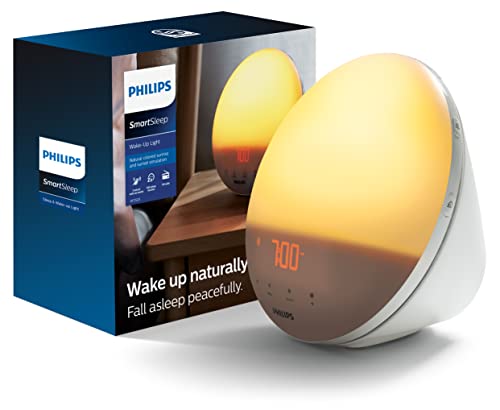
- CLINICALLY PROVEN*: Philips wake-up lights are recommended by physicians and…
- PERSONALIZATION: Simulated sunset and sunrise and choice of 5 different natural…
- SMART FEATURES: FM radio, tap snooze and automatic dimmable display
Hatch Restore 2
A dual-purpose sleep aid and alarm clock, the Restore 2 combines sunrise lighting with customizable wind-down routines. Its “smart rise” feature adjusts brightness incrementally, while guided meditations help recalibrate sleep schedules disrupted by time changes.

- This product is Restore 2. Please note there is now an upgraded version also…
- …
- …
Withings Sleep Analyzer (under-mattress pad)
This discreet tracking pad monitors sleep cycles, heart rate, and snoring, then syncs data to an app. Ideal for DST adjustments, it provides personalized insights to optimize bedtime routines and minimize the impact of lost or gained hours.
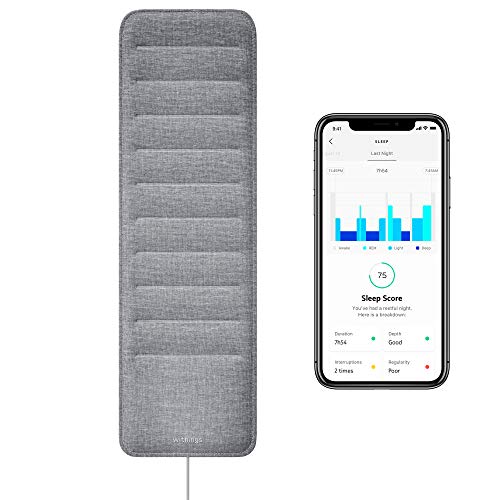
- EXPLORE THE DEPTHS OF YOUR SLEEP PATTERN – Sleep is the ultra-powerful sleep…
- WORLD PREMIERE – Sleep is the world’s first under-mattress sleep sensor, with…
- LEADS TO MORE RESTFUL SLEEP – By analyzing the phases, depth and interruptions…
The Surprising Origins of Daylight Saving Time
Contrary to popular belief, daylight saving time wasn’t created for farmers—in fact, agricultural workers largely opposed it. The concept traces back to Benjamin Franklin’s 1784 satirical essay suggesting Parisians economize candle use by waking earlier.
However, modern DST took shape during World War I when Germany implemented it in 1916 to conserve coal. Within weeks, Britain and allies followed suit, dubbing it “Summer Time.” The U.S. adopted it in 1918, though it was so unpopular Congress repealed it postwar—only to revive it during WWII.
How DST Works: The Science Behind Clock Manipulation
At its core, DST shifts an hour of daylight from morning to evening by moving clocks forward in spring. This relies on Earth’s 23.5° axial tilt, which creates seasonal sunlight variations. For example:
- Latitude matters: Near the equator (where day length barely changes), DST offers minimal benefit. Countries like Ecuador ignore it.
- Energy claims debated: A 2008 U.S. study found DST reduced lighting energy by 0.5%, but increased heating/cooling demands, negating savings.
- Tech complications: Time changes disrupt software systems, requiring patches—like when a 2007 DST extension crashed Zune media players globally.
Global Patchwork: Where DST Succeeds and Fails
Only about 40% of countries use DST today, with wildly inconsistent rules. Arizona (excluding Navajo Nation) and Hawaii reject it, while Chile’s Magallanes region keeps it year-round for tourism.
The EU planned to abolish DST in 2021 but stalled due to Brexit and COVID-19. Meanwhile, Morocco pauses DST during Ramadan nights, creating four annual time changes.
This inconsistency causes real-world chaos. In 2018, Florida’s “Sunshine Protection Act” passed to adopt permanent DST—but without federal approval, it remains in limbo, leaving airlines and broadcasters unable to adjust schedules. Such conflicts reveal how a seemingly simple clock tweak intertwines with economics, culture, and global coordination.
The Biological Impact of Daylight Saving Time on Human Health
While the clock change may seem minor, DST significantly disrupts our circadian rhythms—the 24-hour internal clock regulating sleep, metabolism, and hormone production.
Studies show it takes the average person 5-7 days to fully adjust to the time shift, with measurable health consequences during this transition period.
How the Spring Forward Affects Your Body
The one-hour loss in March triggers a cascade of biological effects:
- Sleep deprivation: Research in the Journal of Applied Psychology found workplace injuries increase 5.7% the Monday after DST begins, attributed to collective fatigue.
- Cardiovascular stress: A 2019 Michigan study showed a 24% spike in heart attacks on the Monday post-time change, likely due to disrupted REM cycles affecting blood pressure.
- Mental health impacts: The Journal of Sleep Medicine reports an 11% rise in depressive episodes following the spring transition, particularly in northern latitudes with drastic daylight shifts.
Mitigating the Health Effects: A Science-Backed Approach
Neurologists recommend these evidence-based strategies to ease the transition:
- Gradual adjustment: Starting 4 days before DST, shift bedtime and meals 15 minutes earlier daily. This incremental approach minimizes circadian shock.
- Light therapy: Use 10,000-lux lamps for 30 minutes upon waking to reset melatonin production. Studies show this cuts adjustment time by 50%.
- Strategic caffeine use: Delay morning coffee by 90 minutes post-wakeup to avoid compounding cortisol spikes that worsen fatigue crashes.
Interestingly, the fall “gain” of one hour proves less harmful. A 2020 study in Sleep Medicine found most people naturally adjust within 2-3 days when clocks fall back, though evening light deprivation can trigger seasonal affective disorder in susceptible individuals.
The Economic and Environmental Consequences of Daylight Saving Time
Beyond biological impacts, DST creates measurable economic ripple effects across industries. While originally implemented to conserve energy, modern analysis reveals surprising trade-offs that challenge conventional wisdom about its benefits.
Energy Consumption: The Complex Reality
| Energy Type | Impact of DST | Key Study Findings |
|---|---|---|
| Residential Lighting | 0.5-1% reduction | DOE 2008 study (7 million metric tons CO2 saved annually) |
| HVAC Systems | 2-4% increase | Indiana University found higher cooling demands in summer evenings |
| Gasoline | 1% increase | 2008 Resources for the Future study showed more leisure driving |
The net effect varies dramatically by region. Southern states often see energy penalties due to extended air conditioning use, while northern states benefit from reduced lighting needs. This geographical split explains why energy arguments dominate legislative debates about DST permanence.
Retail and Workplace Productivity Impacts
DST creates clear winners and losers in the business world:
- Beneficiaries:
- Golf courses gain $200-400 million annually from extra evening play (National Golf Foundation)
- Barbecue product sales jump 27% in the weeks following spring forward (Home Depot data)
- Losers:
- Movie theaters lose 15-20% of early-week attendance post-transition (NATO industry analysis)
- Stock market returns drop 2-5% on the Monday after time changes (Journal of Financial Economics)
Tech companies face unique challenges – Microsoft reports a 32% increase in IT support tickets as calendar systems struggle with time changes, particularly for international meetings spanning DST-adopting and non-adopting regions.
The Hidden Costs of Time Changes
A 2020 Chmura Economics study quantified surprising secondary costs:
- Healthcare: $275 million annually in increased medical errors during adjustment week
- Education: Standardized test scores drop 5-7% in affected weeks
- Transportation: 6% increase in rush hour accidents post-transition
These factors have led 72% of sleep scientists surveyed by the AASM to recommend eliminating seasonal time changes entirely.
Navigating the Global Patchwork of Daylight Saving Time Policies
The worldwide implementation of DST resembles a complex geopolitical puzzle, with neighboring countries and even regions within nations adopting contradictory approaches.
This creates significant challenges for international business, travel, and technology systems that must account for these variations.
Current Global DST Landscape
As of 2024, the global DST situation presents a fragmented picture:
- Complete adopters: Most of North America and Europe (though the EU plans to abolish it)
- Partial adopters: Australia (state-dependent), Brazil (equatorial regions exempt)
- Recent abandoners: Russia (2014), Turkey (2018), Argentina (2009)
- Never adopted: Most of Africa and Asia, excluding Morocco and parts of the Middle East
The most complex cases occur in border regions. For example, the Navajo Nation within Arizona observes DST while the surrounding state does not, creating time zone islands. Similarly, the Mexican city of Juárez follows U.S. DST while neighboring Mexican locations don’t.
Best Practices for Managing DST Complexity
For businesses operating across time zones, these professional strategies help mitigate DST-related issues:
- Technology solutions: Implement IANA Time Zone Database updates at least 60 days before changes
- Meeting coordination: Use time zone-neutral scheduling (UTC) for international appointments
- Employee support: Provide circadian adjustment training for staff facing multiple DST transitions
Emerging Legislative Trends
The global movement against DST is gaining momentum:
- U.S. Sunshine Protection Act: Would make DST permanent but faces opposition from sleep scientists
- EU Directive: Member states must choose permanent standard or daylight time by 2026 (delayed from 2021)
- State-level actions: 19 U.S. states have passed DST permanence bills awaiting federal approval
Experts recommend businesses maintain flexible systems capable of adapting to three potential futures: status quo, permanent DST, or permanent standard time. The World Clock Organization suggests testing systems against all scenarios annually to prevent costly disruptions.
The Future of Daylight Saving Time: Emerging Trends and Scientific Consensus
As research accumulates on DST’s impacts, a paradigm shift is occurring in how governments and organizations approach seasonal time changes.
The Scientific Case Against Seasonal Time Changes
| Research Area | Key Findings | Recommendation |
|---|---|---|
| Sleep Science | 5-7 day circadian disruption twice annually increases chronic disease risks | Permanent standard time aligns better with human biology |
| Economics | $434M annual productivity loss in US alone (Chmura 2023) | Eliminate transitions regardless of permanent choice |
| Public Safety | 6% increase in fatal accidents post-transition (JAMA 2022) | Implement 4-week public awareness campaigns before changes |
Permanent Standard Time vs. Permanent DST: The Great Debate
The scientific community overwhelmingly favors permanent standard time for these reasons:
- Morning light exposure: Essential for circadian regulation, which standard time better provides in winter months
- School safety: Dark winter mornings under permanent DST would force children to wait for buses in darkness
- Health outcomes: Later sunrises correlate with increased rates of obesity and depression
However, permanent DST advocates cite:
- Potential $1.7B annual consumer spending increase from extended evening daylight (Retail Council 2023)
- Tourism benefits in northern latitudes with 300+ more usable daylight hours annually
- Reduced street crime during evening commute hours
Implementation Roadmap for Policy Makers
For jurisdictions considering change, sleep scientists recommend:
- Phased approach: 30-minute adjustments over two years to minimize disruption
- Regional coordination: Align changes with neighboring states/provinces to prevent time islands
- Public education: Fund sleep health programs alongside time policy changes
- Continuous evaluation: Monitor health and economic metrics for 5 years post-implementation
The coming decade will likely see major DST reforms, with the American Academy of Sleep Medicine projecting 60% of North America will eliminate seasonal changes by 2030. Businesses should prepare systems for both permanent time scenarios while advocating for regional consistency.
Daylight Saving Time and Technology: The Hidden Infrastructure Challenge
The twice-yearly time change creates complex technical challenges that most users never see. From banking systems to IoT devices, DST transitions require meticulous planning across multiple technology layers.
Critical Systems Affected by DST Changes
These essential technologies require special handling during time transitions:
- Financial systems: Stock exchanges implement 61-minute or 59-minute intervals to prevent timestamp gaps/overlaps
- Medical devices: FDA requires infusion pumps to undergo DST validation testing to prevent dosage errors
- Industrial controls: Manufacturing plants often freeze SCADA systems during transitions to prevent batch record errors
Best Practices for Enterprise DST Preparation
IT departments should implement this 90-day checklist:
- Inventory assessment: Identify all systems with time dependencies (not just obvious clocks)
- Patch management: Apply IANA timezone updates to all operating systems and databases
- Application testing: Validate scheduled jobs, reporting systems, and audit trails
- Contingency planning: Prepare manual override procedures for critical systems
Special Case: The IoT Time Synchronization Problem
Internet of Things devices present unique challenges:
| Device Type | Common Issues | Solution |
|---|---|---|
| Smart Thermostats | Schedule conflicts after transitions | Force manual sync via cloud update |
| Security Cameras | Timestamp discrepancies in footage | Use NTP servers with DST awareness |
| Fleet Trackers | Location-time mismatches | Implement GPS time as primary source |
Emerging Technical Solutions
The tech industry is developing innovative approaches:
- Blockchain timestamping: Using immutable ledgers to prevent DST-related disputes
- AI time monitoring: Machine learning systems that detect and correct DST anomalies
- Quantum clocks: Future atomic clocks may make timezone adjustments obsolete
As systems become more interconnected, DST transitions require increasingly sophisticated coordination. Many enterprises now treat time changes as critical infrastructure events, with dedicated teams and war rooms to manage the transition.
Strategic Planning for a Post-DST World: Preparing Organizations for Change
As global momentum builds to eliminate seasonal time changes, organizations must develop comprehensive transition plans that address operational, technical, and human factors. This section provides a detailed roadmap for navigating this fundamental shift in timekeeping.
Organizational Impact Assessment Framework
| Department | Key Considerations | Mitigation Strategy |
|---|---|---|
| Human Resources | Shift worker schedules, time-off accruals, payroll systems | Conduct time policy audit 12 months pre-transition |
| IT Infrastructure | Legacy systems with hardcoded DST logic, timestamp dependencies | Implement timezone-agnostic coding standards |
| Supply Chain | Cross-border logistics, just-in-time delivery windows | Develop time-zone resilient scheduling buffers |
| Customer Service | Global support hours, callback scheduling systems | Transition to UTC-based scheduling tools |
Technical Migration Best Practices
For mission-critical systems, follow this phased approach:
- Discovery Phase (6-12 months):
- Inventory all time-dependent systems and processes
- Identify hardcoded DST assumptions in business logic
- Testing Phase (3-6 months):
- Simulate permanent time scenarios in staging environments
- Validate financial reporting periods and audit trails
- Implementation Phase:
- Deploy changes during low-activity periods
- Maintain parallel systems for 72-hour verification
Human Capital Transition Plan
Address workforce adaptation through:
- Circadian adjustment programs: Light therapy stations in workplaces for 4-week post-transition period
- Schedule flexibility: Allow 1-hour schedule variations during 30-day adjustment window
- Education campaigns: “Sleep ambassadors” to train staff on biological adaptation techniques
Long-Term Monitoring Protocol
Establish metrics to evaluate transition success:
- Productivity benchmarks (pre/post-transition comparison)
- System error rates related to timekeeping
- Employee health indicators (absenteeism, healthcare claims)
- Customer satisfaction with service availability
Forward-thinking organizations are already establishing DST Transition Task Forces, with leading enterprises budgeting 0.15-0.3% of annual operating expenses for this multi-year initiative. The most prepared companies view this not as a technical challenge, but as an opportunity to optimize global operations around more stable time references.
Conclusion: Rethinking Our Relationship With Time
From its wartime origins to modern health debates, daylight saving time reveals surprising complexity in what seems like a simple clock adjustment. We’ve explored its biological impacts (including increased heart attack risks), economic paradoxes (where energy savings are offset by productivity losses), technological challenges (affecting everything from medical devices to stock markets), and the growing global movement toward permanent time solutions.
As research mounts against seasonal changes, both individuals and organizations must prepare for inevitable reforms. Whether you’re adjusting your sleep routine or corporate systems, remember: time policy isn’t just about clocks—it’s about human wellbeing, economic efficiency, and technological resilience in an interconnected world.
Next steps: Track your local DST legislation, audit your home/work technology for time dependencies, and consider joining the scientific consensus advocating for permanent standard time. The future of timekeeping is changing—will you be prepared?
Frequently Asked Questions About Daylight Saving Time
Why was daylight saving time originally created?
Contrary to popular belief, DST wasn’t created for farmers. Germany first implemented it in 1916 during WWI to conserve coal by reducing artificial lighting needs.
The concept gained traction when Britain followed weeks later, calling it “Summer Time.” While Benjamin Franklin humorously suggested similar ideas in 1784, modern DST emerged from wartime energy conservation efforts, not agricultural needs.
How does daylight saving time affect our health?
The spring transition particularly impacts health, increasing heart attack risks by 24% and workplace injuries by 5.7% in the following week.
This occurs because the sudden time shift disrupts circadian rhythms, reducing sleep quality and altering cortisol levels. The fall transition is less severe but can trigger seasonal affective disorder in susceptible individuals due to earlier darkness.
Which countries don’t observe daylight saving time?
Most Asian and African nations never adopted DST, while others like Russia (2014) and Turkey (2018) abolished it. In the U.S., Arizona (except Navajo Nation) and Hawaii remain on standard time year-round. Near the equator, countries like Ecuador and Kenya see minimal daylight variation, making DST unnecessary.
How should I prepare my body for daylight saving time changes?
Sleep experts recommend this 4-day adjustment plan: Start shifting bedtime 15 minutes earlier nightly before spring forward (later for fall back).
Morning light exposure helps reset your internal clock – try 30 minutes of outdoor light or a 10,000-lux therapy lamp. Avoid caffeine after noon and heavy meals close to bedtime during transition week.
What’s the difference between permanent DST and permanent standard time?
Permanent standard time aligns better with human biology by providing earlier morning light, crucial for circadian regulation. Permanent DST offers more evening daylight year-round but creates dark winter mornings. Sleep scientists overwhelmingly favor standard time, while retailers and tourism groups often prefer DST for economic benefits.
How do computer systems handle daylight saving time transitions?
Modern systems use the IANA Time Zone Database, updated annually. Critical steps include applying OS patches, testing scheduled jobs, and verifying timestamp-dependent processes.
Special cases like medical devices may require manual intervention. The 2007 U.S. DST extension caused widespread system failures, prompting better preparation protocols.
Could daylight saving time be eliminated in the United States?
The Sunshine Protection Act proposes permanent DST, but faces opposition from sleep scientists and educators. While 19 states have passed permanent DST legislation, federal law currently prohibits such changes without Congressional approval. The EU’s planned 2021 abolition stalled, showing how complex time policy reforms can be.
Why do some regions within countries have different DST policies?
Local geography, economics, and culture drive exceptions. Arizona avoids DST due to extreme summer heat making evening daylight undesirable.
Indiana’s former patchwork system reflected agricultural versus industrial county preferences. These exceptions create “time islands,” complicating transportation and broadcasting schedules across borders.