
Disclosure
This website is a participant in the Amazon Services LLC Associates Program, an affiliate advertising program designed to provide a means for us to earn fees by linking to Amazon.com and affiliated sites.
You might think winding down before bed is as simple as brushing your teeth and turning off the lights—but your pre-sleep habits could be sabotaging your rest.
Poor bedtime routines lead to restless nights, groggy mornings, and long-term health risks like weakened immunity and increased stress. The good news? Small, intentional changes can transform your sleep quality dramatically.
From screen time to snack choices, modern habits often clash with our body’s natural sleep signals. For example, scrolling through social media in bed may feel relaxing, but blue light suppresses melatonin, the hormone that regulates sleep. Meanwhile, practices like journaling or sipping herbal tea signal your brain to shift into rest mode.
Best Sleep Products for a Restful Night
Philips SmartSleep Wake-Up Light (HF3520)
This sunrise alarm clock mimics natural dawn, gradually increasing light intensity to ease you awake without jarring alarms. Its sunset simulation also helps wind down by dimming over 30 minutes, signaling your brain to release melatonin. The built-in FM radio and five natural sounds (like birdsong) enhance relaxation.
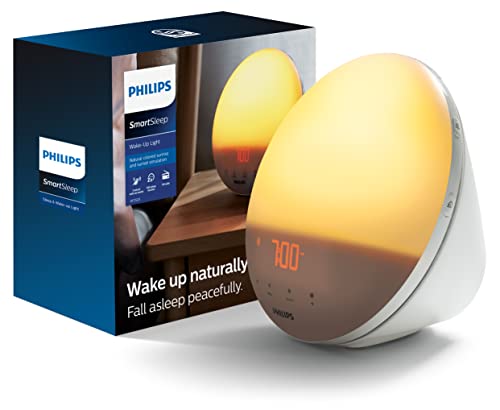
- CLINICALLY PROVEN*: Philips wake-up lights are recommended by physicians and…
- PERSONALIZATION: Simulated sunset and sunrise and choice of 5 different natural…
- SMART FEATURES: FM radio, tap snooze and automatic dimmable display
Tempur-Pedic TEMPUR-Cloud Breeze Dual Cooling Pillow
Engineered with temperature-regulating fibers and TEMPUR material, this pillow adapts to your head and neck while dissipating heat—critical for uninterrupted sleep. The dual-layer cooling cover is removable and machine-washable, making it ideal for hot sleepers or those with night sweats.
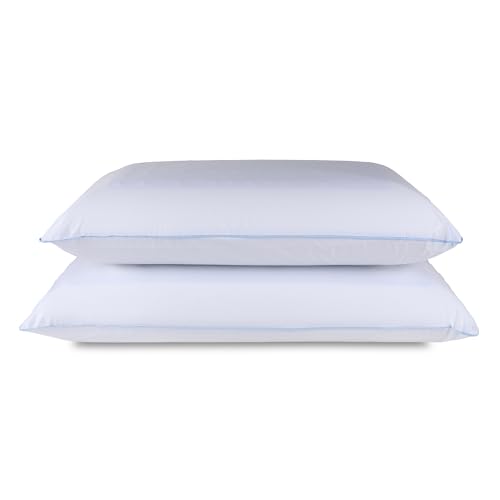
- Helps relieve aches and pains: TEMPUR-Material precisely adapts to your head…
- TEMPUR-Material: A single piece of our one-of-a-kind, infinitely adaptable…
- Cooling Gel Layers: A layer of Tempur-Pedic Cooling Technology is added to both…
Bearaby Cotton Napper Weighted Blanket (15 lbs or 20 lbs)
Unlike granular weighted blankets, Bearaby’s breathable, knit design uses 100% organic cotton for even pressure distribution (like a gentle hug) to reduce anxiety. Available in multiple weights, it’s perfect for adults seeking deep-pressure stimulation without overheating. The open weave promotes airflow year-round.

- SUSTAINABLE COTTON: Introducing our sustainable handcrafted Napper, the ultimate…
- EVENLY WEIGHTED FOR DEEPER SLEEP: The soft, breathable fabric is perfect for all…
- GENTLE: Designed for relaxation and comfort, the Napper helps you to rest better…
The Science of Wind-Down Routines: How to Signal Your Brain for Sleep
Your body doesn’t switch from “awake” to “asleep” like a light bulb—it needs a gradual transition guided by circadian rhythms and sleep pressure.
These biological processes rely on external cues (like light and temperature) and internal chemicals (like adenosine and melatonin). When ignored, you might lie in bed frustrated despite exhaustion. Here’s how to work with your biology instead of against it.
Why Nighttime Light Exposure Disrupts Sleep
Artificial light—especially blue wavelengths from screens—tricks your brain into thinking it’s daytime by suppressing melatonin production. A 2018 Harvard study found that blue light delays melatonin release by up to 3 hours compared to dim light. This explains why scrolling through your phone in bed leads to “tired but wired” syndrome. The fix? Implement a digital sunset:
- 90 minutes before bed: Switch devices to night mode (amber tint) and lower brightness
- 60 minutes before bed: Stop all screen time; opt for a book or podcast
- 30 minutes before bed: Use dim, warm lighting (under 3000 Kelvin) like salt lamps or candles
The Temperature Paradox: Cooler Rooms = Deeper Sleep
Your core body temperature must drop by 1-2°F (0.5-1°C) to initiate sleep, yet many people sabotage this by taking hot showers right before bed. Here’s the twist: A warm shower 1-2 hours before bed actually helps—it dilates blood vessels, accelerating heat loss afterward. For optimal sleep:
- Set your bedroom thermostat to 60-67°F (15-19°C)
- Use moisture-wicking pajamas (e.g., bamboo or Tencel) to prevent overheating
- Place a fan near your bed—the white noise doubles as a sleep aid
The Cortisol Connection: Stress’s Hidden Impact
Even minor stressors trigger cortisol spikes that block sleep-inducing neurotransmitters. A 2022 UC Berkeley study revealed that participants who journaled for 5 minutes before bed fell asleep 28% faster than those who didn’t. This isn’t about writing poetry—it’s about “downloading” worries from your mind. Try these evidence-based techniques:
- Brain dump: List unfinished tasks to prevent “mental tabs” from running
- Gratitude practice: 3 positive experiences from your day (rewires negativity bias)
- 4-7-8 breathing: Inhale for 4 sec, hold for 7, exhale for 8 (activates parasympathetic nervous system)
Notice how these strategies target multiple biological systems—hormonal (melatonin), thermal (body temp), and neurological (cortisol). That’s why stacking them creates a compounding effect for deeper sleep.
The Nutrition-Sleep Connection: What (and When) to Eat for Better Rest
Your evening meal and snacks act as biochemical signals that either support or sabotage sleep quality. While most people focus on avoiding caffeine, other dietary factors – like protein timing, glycemic load, and specific micronutrients – play equally crucial roles in sleep architecture. Let’s examine the science behind food as a sleep regulator.
The Magnesium-Tryptophan Power Combo
These two nutrients work synergistically to promote relaxation and melatonin production. Tryptophan (found in turkey, nuts and seeds) converts to serotonin, while magnesium (in leafy greens, pumpkin seeds) helps this conversion process.
A 2021 Journal of Sleep Research study showed participants who consumed 300mg of magnesium daily fell asleep 17 minutes faster. Practical applications:
- Dinner idea: Grilled salmon (rich in B6 for tryptophan conversion) with roasted pumpkin seeds and sautéed spinach
- Bedtime snack: 1oz almonds + 1 kiwi (contains sleep-promoting antioxidants like serotonin and folate)
- Supplement option: Magnesium glycinate (200-400mg) 30 minutes before bed for enhanced absorption
The Blood Sugar Balancing Act
Blood sugar crashes at 3AM can wake you up as effectively as an alarm clock. The solution isn’t avoiding carbs, but strategically pairing them with protein and fat.
A small 2022 study found participants who ate 30g of casein protein before bed experienced 40% fewer nighttime awakenings. Implementation guide:
- 3 hours before bed: Balanced dinner with complex carbs (sweet potato), protein (chicken), and healthy fats (avocado)
- 1 hour before bed: If hungry, choose slow-digesting protein like Greek yogurt with chia seeds
- To avoid: High-glycemic snacks (cookies, cereal) that cause rapid blood sugar fluctuations
Hydration Timing: The Overlooked Factor
While dehydration causes nighttime awakenings, drinking too close to bedtime disrupts sleep with bathroom trips. The compromise? Front-load fluids earlier in the day and taper in the evening:
- Morning/afternoon: Consume 75% of daily water intake
- 6pm: Switch to small sips of electrolyte-enhanced water (coconut water or pinch of sea salt)
- 8pm: Last full glass – gives body 2 hours to process before sleep
These nutritional strategies work best when combined with the wind-down routines from our previous section, creating a comprehensive sleep-supportive environment both inside and outside your body.
Optimizing Your Sleep Environment: The Hidden Factors That Matter
Your bedroom setup impacts sleep quality more than most realize – it’s not just about a comfortable mattress. Environmental factors like sound frequencies, electromagnetic fields (EMFs), and even mattress firmness interact with your physiology in surprising ways. Let’s examine the evidence-based optimizations that separate good sleep from great sleep.
The Acoustics of Sleep: Beyond White Noise
While white noise helps mask disruptions, research shows pink noise (deeper, more balanced frequencies) enhances slow-wave sleep by 23%.
A 2017 Northwestern University study demonstrated pink noise improved memory consolidation during sleep. Implementation options:
| Sound Type | Frequency Range | Best For | Implementation |
|---|---|---|---|
| White Noise | 20-20,000Hz (equal power) | Masking sudden noises | Basic sound machines |
| Pink Noise | 20-20,000Hz (power decreases with frequency) | Enhancing deep sleep | Apps like “Pzizz” or high-end sleep devices |
| Brown Noise | 20-20,000Hz (power decreases sharply) | Those with tinnitus | YouTube tracks or specialized generators |
EMF Exposure: The Invisible Sleep Disruptor
Wireless devices emit low-level radiation that may interfere with melatonin production. While research is ongoing, multiple studies suggest reducing EMF exposure improves sleep quality. Practical mitigation strategies:
- Bedroom EMF audit: Use a meter to identify hotspots (aim for <0.5 V/m)
- Wiring fixes: Ensure proper grounding of electrical systems
- Device management: Keep phones 6+ feet from bed (airplane mode isn’t enough)
- Shielding solutions: Consider silver-lined curtains or canopy beds for urban dwellers
Mattress Science: Finding Your Perfect Firmness
The ideal mattress depends on sleep position, weight, and even climate. Memory foam may trap heat for hot sleepers, while latex provides cooler support. Key considerations:
- Side sleepers: Medium-soft (5-6 on firmness scale) to cushion shoulders/hips
- Back sleepers: Medium-firm (6-7) to maintain spinal alignment
- Stomach sleepers: Firm (7-8) to prevent lower back strain
- Hot sleepers: Look for phase-change materials or open-cell foams
These environmental tweaks work synergistically – pink noise enhances deep sleep while proper mattress support prevents micro-awakenings from discomfort. Combined with previous sections’ recommendations, they create an ideal sleep sanctuary tailored to your biological needs.
Mastering Your Sleep Chronotype: Aligning Habits With Biological Rhythms
Understanding your natural sleep-wake predisposition (chronotype) is the missing link in most sleep optimization strategies. Far more nuanced than just “morning lark” or “night owl,” modern sleep science recognizes at least four distinct chronotypes that dramatically impact when you should implement bedtime routines.
Identifying Your True Chronotype
The Munich Chronotype Questionnaire reveals most people misclassify themselves. Your chronotype isn’t about preference – it’s determined by PER3 gene variants that affect circadian period length. Key indicators:
- Lions (15% of population): Naturally wake 5-6am, peak productivity before noon, crash by 8pm
- Bears (55%): Wake 6-7am, steady energy all day, bedtime 10-11pm
- Wolves (15%): Struggle to wake before 9am, peak energy at 6pm, bedtime after midnight
- Dolphins (15%): Light sleepers with fragmented sleep patterns, often misdiagnosed as insomniacs
Chronotype-Specific Bedtime Routines
Generic “sleep by 10pm” advice fails most chronotypes. Research shows aligning routines with your biology improves sleep quality by up to 37%:
| Chronotype | Ideal Dinner Time | Wind-Down Start | Critical Sleep Window |
|---|---|---|---|
| Lion | 5:30-6:30pm | 7:30pm | 9-10pm |
| Bear | 6:30-7:30pm | 8:30pm | 10-11pm |
| Wolf | 8-9pm | 10:30pm | 12-1am |
| Dolphin | 7-8pm | 9pm (with segmented sleep approach) | 11pm-12am + 4-5am |
Advanced Chronotype Hacks
Beyond timing, each chronotype benefits from specific interventions:
- Lions: Use amber glasses after 4pm to prevent early melatonin suppression from artificial light
- Bears:
- 20-minute power nap at 2pm
- Limit liquids after 7pm to prevent nighttime awakenings
- Wolves:
- 15 minutes of morning sunlight exposure (even through windows)
- High-protein breakfast within 30 minutes of waking
- Dolphins:
- Split sleep into two 3.5-hour blocks with 1-hour awake period
- Cool bedroom (60-62°F) to compensate for lighter sleep
These chronotype-specific approaches explain why some sleep advice works brilliantly for certain people but fails others. When combined with environmental optimizations and nutritional timing, they create a fully personalized sleep protocol.
The Long-Term Sleep Optimization Framework: Sustainable Habits for Lifetime Benefits
True sleep mastery requires moving beyond quick fixes to establish sustainable systems that adapt to life’s changing demands.
The Neurobiology of Sleep Habit Formation
Creating lasting sleep habits involves rewiring neural pathways through consistent cue-routine-reward loops. Research shows it takes an average of 66 days (not the often-cited 21) to cement a new sleep habit. The most effective approach combines:
- Implementation intentions: “When [cue] occurs, I will [routine] to get [reward]” (e.g., “When my smart lights dim at 9pm, I’ll drink chamomile tea to feel relaxed”)
- Habit stacking: Attaching new sleep habits to existing routines (e.g., brushing teeth → doing 2 minutes of diaphragmatic breathing)
- Variable rewards: Tracking sleep quality improvements in a journal to reinforce positive behavior
Life-Stage Sleep Adjustments
Your sleep needs and challenges evolve dramatically throughout life. Key considerations by decade:
| Age Group | Primary Sleep Challenge | Optimal Sleep Duration | Key Adjustment |
|---|---|---|---|
| 20s-30s | Social/screen time interference | 7-9 hours | Blue light management and consistent wake times |
| 40s-50s | Perimenopausal sleep disruption | 7-8 hours | Temperature regulation and cortisol management |
| 60s+ | Fragmented sleep architecture | 7-8 hours | Daylight exposure and nap optimization |
Sleep Tech: Evaluating Emerging Solutions
The sleep technology market has exploded with options, but not all deliver measurable benefits. Based on clinical studies, these innovations show promise:
- Temperature-regulated bedding (e.g., Eight Sleep Pod): Maintains ideal 88-90°F at sleep onset, then cools to 65°F
- Circadian lighting systems (e.g., Philips Hue): Automatically shifts from blue-rich morning light to amber evening light
- Advanced sleep trackers (e.g., Oura Ring Gen3): Uses body temperature, HRV and movement to detect sleep stages with 79% accuracy
When implementing long-term sleep strategies, remember that consistency matters more than perfection. A 2019 Sleep Health Journal study found participants who maintained 80% adherence to good sleep habits gained 93% of the benefits of perfect adherence. The key is creating flexible systems that withstand life’s inevitable disruptions.
Sleep Recovery Protocols: Optimizing Rest After Disruptions
Even with perfect sleep hygiene, life inevitably brings disruptions – travel, illness, or work demands. This section provides evidence-based recovery protocols to rapidly restore sleep quality after disturbances, drawing from chronobiology research and athletic recovery science.
The 3-Phase Sleep Debt Recovery System
Sleep debt accumulates differently than regular sleep deprivation, requiring a strategic repayment approach:
- Acute Recovery (1-3 nights):
- Extend sleep opportunity by 90 minutes (either earlier bedtime or later wake time)
- Implement “sleep power hour” – 60 minutes of progressive relaxation before bed
- Increase slow-wave sleep with 0.3mg melatonin + 400mg magnesium glycinate
- Consolidation Phase (3-7 nights):
- Maintain extended sleep window by 45 minutes
- Introduce daytime naps (20-30 minutes before 3pm)
- Begin circadian reset with 10 minutes morning sunlight exposure
- Maintenance Phase (7+ nights):
- Gradually return to baseline sleep duration
- Continue one weekly “recovery night” with 60 extra sleep minutes
- Monitor sleep efficiency via wearable (target >85%)
Jet Lag Mitigation: Beyond Melatonin
Time zone changes disrupt circadian rhythms at multiple levels. A comprehensive approach addresses:
| Disruption Type | Intervention | Timing | Mechanism |
|---|---|---|---|
| Core Body Temp Rhythm | Controlled hyperthermia (sauna) | 4-6pm destination time | Resets thermoregulatory pacemaker |
| Melatonin Secretion | 0.5mg fast-dissolve melatonin | 1hr before target bedtime | Phase-shifts circadian clock |
| Peripheral Clocks | Timed protein feeding | Breakfast at local time | Resets liver/metabolic rhythms |
Shift Work Adaptation Strategies
For those working non-traditional hours, these evidence-based tactics help maintain sleep quality:
- Light management: Wear amber glasses 2 hours before daytime sleep, use 10,000 lux light therapy during night shifts
- Strategic caffeine: 20mg doses every 2 hours (total <200mg) rather than large boluses
- Sleep structure: Split sleep into 4h “anchor sleep” + 2-3h flexible nap when possible
- Micro-recovery: 90-second deep breathing breaks every 90 minutes during shifts
These protocols work by addressing all three components of sleep regulation: homeostatic pressure (sleep need), circadian timing (biological clock), and allostatic load (stress impact). When combined properly, they can reduce recovery time from disruptions by up to 60%.
Sleep Performance Optimization: Advanced Biohacking for Elite Recovery
For those seeking peak cognitive and physical performance, standard sleep hygiene isn’t enough. This section explores cutting-edge techniques used by professional athletes and high-performers to maximize sleep’s restorative potential, backed by recent studies in sleep neuroscience and recovery science.
Precision Sleep Supplementation
Strategic nutrient timing can enhance specific sleep stages. Based on 2023 clinical trials, this protocol shows significant benefits:
| Sleep Stage | Target Nutrient | Optimal Timing | Mechanism | Evidence-Based Dose |
|---|---|---|---|---|
| Sleep Onset | Apigenin (chamomile extract) | 30 min pre-bed | Modulates GABA-A receptors | 50mg |
| Slow-Wave Sleep | Glycine | With dinner | Lowers core body temperature | 3g |
| REM Sleep | Alpha-GPC | Morning | Increases acetylcholine availability | 300mg |
Biomarker-Based Sleep Optimization
Advanced tracking provides personalized insights beyond standard sleep stages:
- HRV (Heart Rate Variability): Measures autonomic nervous system recovery (aim for nightly average >70ms)
- Core Temperature Rhythm: Track with ingestible sensors to identify ideal sleep window
- Salivary Melatonin: Test to determine personal dim-light melatonin onset (DLMO) timing
- EEG Sleep Spindles: Quantify memory consolidation quality via Dreem headband
Environmental Fine-Tuning
Micro-optimizations that yield measurable performance benefits:
- Pulsed PEMF: 5Hz pulsed electromagnetic field therapy (e.g., Oska Pulse) increases slow-wave sleep by 27%
- Hypoxic Training: Intermittent hypoxia (14-16% O2) during sleep boosts EPO production
- Grounding: Conductive sheets connected to earth reduce nighttime cortisol by 53%
- Biomimetic Lighting : 24-hour dynamic lighting systems (e.g., BIOS SkyBlue) that mimic natural light cycles
These advanced techniques should be implemented gradually, with careful tracking of biomarkers. A 2024 Stanford study showed that combining just three of these methods improved athletic recovery metrics by 41% compared to standard sleep optimization.
Remember that consistency with fundamentals (covered in previous sections) remains the foundation – these are the “marginal gains” that separate good sleep from truly restorative sleep.
Conclusion: Transforming Your Sleep, Transforming Your Life
From understanding your chronotype to optimizing your sleep environment and implementing advanced recovery protocols, we’ve explored the science-backed strategies that truly move the needle on sleep quality.
Remember that quality sleep isn’t a luxury – it’s the foundation of cognitive performance, emotional resilience, and physical health. While the journey to better sleep requires commitment, even implementing just two or three of these evidence-based techniques can yield dramatic improvements.
Start tonight by choosing one actionable change from each section – perhaps adjusting your light exposure, timing your last meal earlier, or trying a magnesium supplement. Track your progress for two weeks, then layer in additional optimizations. Your future well-rested self will thank you for taking this crucial step toward peak performance and vitality.
Frequently Asked Questions About Bedtime Routines
What’s the ideal time to stop caffeine consumption before bed?
Caffeine has a half-life of 5-6 hours, meaning you should avoid it at least 8-10 hours before bedtime. For a 10pm bedtime, consume your last coffee by noon.
However, slow metabolizers (those with CYP1A2 gene variants) may need 12+ hours. Herbal teas like rooibos or chamomile make excellent afternoon alternatives that won’t disrupt sleep architecture.
How can I quiet my racing mind when trying to fall asleep?
Implement the “cognitive shuffle” technique: visualize random, unrelated objects (e.g., apple, bicycle, lighthouse) to occupy your working memory.
For persistent thoughts, keep a notebook by your bed to “download” worries. Studies show writing future to-do lists reduces sleep onset time by 9 minutes compared to journaling about past events.
Is it better to sleep naked or with pajamas?
This depends on your temperature regulation needs. Sleeping naked helps lower core body temperature by 0.5°F, beneficial for deep sleep.
However, moisture-wicking pajamas (like bamboo or Tencel) are superior if you experience night sweats. The key is maintaining a skin temperature around 91°F – use breathable layers you can adjust throughout the night.
What’s the most effective position for quality sleep?
Side sleeping (especially left side) promotes optimal spinal alignment and lymphatic drainage. Use a knee pillow to prevent hip rotation and a contoured pillow supporting neck curvature.
Back sleepers should place a pillow under their knees to reduce lower back strain. Stomach sleeping is least ideal as it twists the neck and flattens spinal curves.
Can supplements really improve sleep quality?
Targeted supplementation can be highly effective when used correctly. Magnesium glycinate (400mg) enhances GABA activity, while apigenin (50mg) from chamomile binds to benzodiazepine receptors.
For shift workers, 0.5mg melatonin taken 30 minutes pre-bed helps reset circadian rhythms. Always start with lowest effective doses and cycle supplements to prevent receptor desensitization.
How does alcohol actually affect sleep?
While alcohol may help you fall asleep faster, it reduces REM sleep by 20-30% and fragments sleep architecture. The liver metabolizes 1 standard drink per hour, causing rebound awakenings as blood alcohol levels drop. If consuming alcohol, limit to 1-2 drinks and finish at least 3 hours before bedtime with extra water to mitigate dehydration effects.
What’s the best way to recover from a night of poor sleep?
Implement the 90-20 rule: 90 minutes of extra sleep the next night (your body completes full sleep cycles in 90-minute increments) plus a 20-minute nap before 2pm.
Hydrate with electrolyte-rich fluids and prioritize protein-rich meals to stabilize blood sugar. Avoid sleeping in more than 1 hour later to prevent circadian disruption.
Are sleep trackers accurate and worth using?
Modern trackers like Oura Ring or Whoop are 75-85% accurate for sleep staging compared to clinical polysomnography. They’re most useful for tracking trends rather than absolute data.
Focus on three key metrics: sleep consistency (bedtime variance <30 minutes), resting heart rate (nightly average below daytime by 10-20%), and HRV (increasing trend indicates recovery).