
Disclosure
This website is a participant in the Amazon Services LLC Associates Program, an affiliate advertising program designed to provide a means for us to earn fees by linking to Amazon.com and affiliated sites.
Choosing the right bed size is more than just a matter of space—it’s about comfort, lifestyle, and even your health. You might assume a bigger bed always means better sleep, but that’s not necessarily true.
The ideal size depends on your body, sleeping habits, and room dimensions. A cramped Queen bed in a small apartment or an undersized Twin for a restless sleeper can ruin your rest. But how do you navigate the maze of options—Twin, Full, Queen, King, or California King—without regret?
Best Mattresses for Different Bed Sizes
Tempur-Pedic TEMPUR-Adapt 11-Inch Hybrid Mattress (Queen)
Ideal for couples needing pressure relief, this hybrid mattress combines memory foam with responsive coils for balanced support. The TEMPUR material adapts to your body, reducing motion transfer—perfect if your partner tosses and turns. Durable and cooling, it’s a long-term investment in deep sleep.
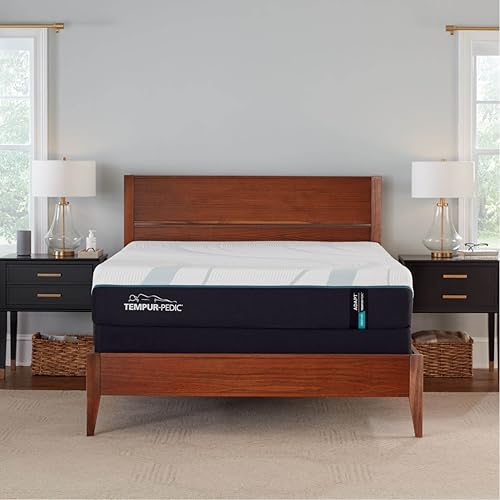
- Whole-body support: Exclusive TEMPUR-Material is designed to provide…
- Pressure relief for aches and pains: Designed to uniquely adapt to your body’s…
- Cool-to-the-touch comfort: The cover features a premium knit technology for a…
Zinus Green Tea 12-Inch Memory Foam Mattress (Full)
Budget-friendly yet high-quality, this mattress infuses green tea extract to resist odors. The 12-inch memory foam conforms to your shape, offering medium-firm support ideal for solo sleepers or teens. Its compressed packaging makes setup effortless, and it’s CertiPUR-US certified for safety.

- FOR GREAT SLEEP AND A CLEAN PLANET – Featuring our patented zoned pressure…
- COMFORTABLE SUPPORT – Pressure-relieving memory foam conforms to the shape of…
- ALL NIGHT FRESHNESS – The all-natural green tea and purified charcoal infusions…
BedStory Extra Firm King Mattress
A premium innerspring option with dual-layer coils and organic cotton cover, the BedStory Classic provides lumbar support and edge reinforcement—great for larger beds where space utilization matters. Eco-friendly materials and a 180-night trial make it a risk-free upgrade for back sleepers.

- Strong Support -The multi-layer foam and pocket spring support system not only…
- Pocket Spring Hybrid Mattress -BedStory king mattress is supported by hundreds…
- Breathable &Skin-Friendly Fabric -Bedstory 14 inch king size mattresses has a…
Standard Bed Sizes: Dimensions and Key Differences
Choosing the right bed size starts with knowing exact dimensions and how they translate to real-world use. While most people recognize terms like “Queen” or “King,” few realize how these measurements impact sleep quality, room layout, and even relationships. Let’s break down each standard size with precision.
Twin (38″ x 75″) and Twin XL (38″ x 80″)
The compact Twin is ideal for children’s rooms or studio apartments, but adults over 6 feet tall will find it cramped—that’s where the Twin XL (5 inches longer) shines. Common in dorm rooms, the XL variant accommodates growing teens but offers minimal width for restless sleepers. For example, a 5’10” sleeper needs at least 80 inches in length to avoid dangling feet.
Full/Double (54″ x 75″)
Despite its “Double” label, this size is only 16 inches wider than a Twin—barely enough for two adults. It’s a budget-friendly upgrade for solo sleepers who want extra sprawl space, but couples will battle for elbow room. A key misconception? Many assume Full beds are longer, but they share the standard 75-inch length with basic Twins.
Queen (60″ x 80″)
The most popular mattress size in the U.S., the Queen offers 30% more width than a Full while fitting comfortably in master bedrooms (minimum 10’ x 10’ room recommended). Its 80-inch length suits most adults, and the width allows couples to share without constant contact. However, pet owners or co-sleepers with children may still find it tight.
- Pro Tip: Measure your bedroom before buying—leave at least 2 feet of walking space on three sides of the bed.
- Reality Check: A Queen mattress weighs 120-160 lbs—factor in doorways and staircases during delivery.
King (76″ x 80″) and California King (72″ x 84″)
These luxury sizes solve different problems. The standard King provides unmatched width (equal to two Twins side-by-side) for couples who want personal space, while the California King trades 4 inches of width for extra length—critical for tall sleepers over 6’4”. Note: King beds require rooms at least 12’ x 12’ to avoid a cramped feel.
Many buyers overlook sheet availability—California King requires specialty bedding, whereas standard King sheets are widely stocked. Also, adjustable bases for these sizes often cost 20-30% more than Queen equivalents.
Choosing the Right Bed Size: A Step-by-Step Guide Based on Your Needs
Assessing Your Sleeping Habits and Lifestyle
Your sleep position directly impacts which bed size will work best. Side sleepers typically need more width (at least a Queen) to accommodate knee and elbow sprawl, while back sleepers can often manage with narrower options. For couples, add 12-15 inches to your individual comfort width—a Full bed leaves just 27 inches per person, less than most airplane seats!
Consider these real-world scenarios:
- Pet owners: A King bed allows 38″ per person plus space for a 60-lb dog, while a Queen leaves you competing for covers
- Co-sleeping parents: A California King provides crucial length when sharing with toddlers who sleep diagonally
- Chronic pain sufferers: Wider beds (Queen+) prevent restrictive sleeping positions that exacerbate back issues
Measuring Your Space Like a Pro
Use this professional designer formula:
- Measure your room’s length and width in inches
- Subtract 24″ from each dimension for walkways
- Account for other furniture (e.g., a 30″ nightstand needs 15″ clearance)
A 10’x12′ room (120″x144″) fits a Queen (60″x80″) with 30″ walkways, but upgrading to King would leave just 18″ on one side—potentially violating fire code egress requirements in some areas.
Navigating Special Considerations
Adjustable beds require specific sizing:
- Split Kings (two 38″x80″ mattresses) allow individual elevation but need specialized bedding
- Platform beds add 2-3″ to overall height—critical for low-ceiling basements
- Four-poster beds need 6-8″ extra clearance per side for drapes or bed skirts
Remember that mattress thickness (12″ vs. 16″) affects fitted sheet depth and may require new bedding. Always verify return policies—some companies charge $200+ for mattress returns if the size doesn’t work.
The Science of Sleep Space: How Bed Size Affects Sleep Quality
Body Mechanics and Sleep Surface Requirements
Sleep scientists recommend 30 inches of width per adult for optimal movement during REM cycles. The table below shows how standard sizes measure up:
| Bed Size | Width per Person (Couples) | REM Movement Allowance |
|---|---|---|
| Twin | 38″ (solo only) | Inadequate for adults |
| Full | 27″ | Restricts limb movement |
| Queen | 30″ | Minimum recommended |
| King | 38″ | Ideal for active sleepers |
During deep sleep stages, adults change position 35-40 times nightly. A too-small bed causes micro-awakenings when hitting bed edges, disrupting sleep architecture.
Thermal Regulation Considerations
Larger beds create better airflow for temperature regulation:
- Couples: King beds maintain 2-3°F cooler than Queens due to reduced body heat concentration
- Memory foam users: California King’s length prevents “hot pocket” effect at foot of bed
- Hot sleepers: 72″ width minimum prevents conductive heat transfer between partners
Partner Disturbance Dynamics
Motion transfer varies dramatically by size:
- Twin XL: 85% motion transfer across surface – worst for couples
- Queen: 40-50% transfer – noticeable but manageable
- Split King: 5% transfer – ideal for mismatched sleep schedules
Memory foam reduces transfer by 60% compared to innerspring, but proper sizing remains crucial. A study by the Sleep Foundation found couples in King beds reported 23% fewer sleep disruptions than those in Queens.
Common Sizing Mistakes to Avoid
Professional sleep consultants warn against:
- The “Guest Room Trap”: Buying a Full for guests that adults can’t comfortably use
- Future-Proofing Failures: Not accounting for potential partners or pets when buying
- Doorway Oversight: 25% of King mattresses require disassembly to fit through standard 30″ doors
Specialized Bed Sizing Solutions for Unique Living Situations
Space-Saving Alternatives That Don’t Compromise Comfort
For urban dwellers and small-space occupants, innovative bed designs can maximize functionality without sacrificing sleep quality. The Murphy bed system requires just 12″ of wall depth when folded, yet accommodates full-size mattresses.
Modern versions include built-in storage and even desk conversions, though they typically support up to Queen size for structural stability.
Consider these space-optimized solutions:
- Loft beds: Provide 60″ clearance underneath (perfect for home offices) but limit mattress thickness to 8-10″
- Convertible sofas: Best with Twin XL mattresses (78″ length when flat) for adult comfort
- Bunk beds: Require minimum 60″ ceiling clearance per tier and specialized low-profile mattresses
Accessibility-Focused Sizing Considerations
For aging populations or those with mobility challenges, bed dimensions impact safety and independence:
- Height: 20-23″ from floor to mattress top facilitates easy transfers (standard bed frames often sit at 25-30″)
- Clearance: 36″ minimum on three sides for wheelchair access (ADA recommendation)
- Specialty sizes: Hospital beds typically use 36″ x 80″ mattresses – between Twin and Twin XL widths
Adjustable beds for medical needs often require specific sizing:
- Bariatric models start at 42″ width (Extra-Long Twin) with 2000lb+ capacity
- Low-air-loss mattresses typically come in 35″ or 48″ hospital-grade widths
Custom Solutions for Non-Standard Spaces
When standard sizes won’t fit, consider:
- RV mattresses: Short Queens (60″ x 75″) and RV Kings (72″ x 75″) accommodate vehicle dimensions
- Historic homes: Custom-cut mattresses for irregular alcoves (allow 4-6 weeks lead time)
- Dormers/attics: Triangular or trapezoidal custom frames can utilize awkward angles
Pro Tip: Always verify ceiling clearance for canopy beds – traditional four-posters require 18″ above standard mattress height for proper proportion.
The Long-Term Economics of Bed Sizing: Cost, Value, and Future-Proofing
Total Cost of Ownership Analysis by Bed Size
While upfront costs vary significantly by size, the true expense includes bedding, accessories, and potential home modifications. The table below compares 10-year costs for common sizes:
| Size | Avg. Mattress Cost | Bedding Premium | Space Requirements | 10-Year Value |
|---|---|---|---|---|
| Twin | $400-$800 | 0% (standard) | 38 sq.ft. | Low (outgrown quickly) |
| Queen | $800-$2,000 | 15% more than Full | 48 sq.ft. | High (versatile) |
| King | $1,500-$3,500 | 30% more than Queen | 64 sq.ft. | Premium (long-term solution) |
Key considerations:
- Sheet replacement costs: King sizes wear out 40% faster due to greater tension on fabric
- Moving expenses: Professional movers charge 25-50% more for King/Cal King mattresses
- HVAC impact: Larger beds may require bedroom temperature adjustments (+0.5-1°F)
Future-Proofing Your Investment
Smart sizing decisions account for life changes:
- Relationship changes: A Full bed saves space now but may require $3,000+ in upgrades if partnered later
- Aging considerations: Standard height Queens allow easier conversion to hospital beds than Kings
- Resale value: Queen-sized bedroom suites have 22% higher resale value than King sets
Environmental and Safety Factors
Sustainability concerns are size-dependent:
- Material waste: King mattresses require 37% more raw materials than Queens
- Disposal challenges: California Kings often exceed landfill size restrictions (check local regulations)
- Fire safety: Larger beds may require additional smoke detectors per building codes
Emerging trends show 15% growth in “right-sized” purchases (optimized for actual needs rather than maximum size), reflecting both economic and environmental awareness.
Optimizing Bed Size Selection for Health Conditions and Special Needs
Medical Considerations in Bed Sizing
Proper bed dimensions can significantly impact treatment outcomes and comfort for various health conditions. For chronic pain sufferers, the ideal sleeping surface provides:
- Fibromyalgia: 72″ minimum width for frequent position changes without triggering pressure points
- Degenerative disc disease: California King length (84″) prevents compensatory spinal curvature in tall patients
- Sleep apnea: Split King allows adjustable elevation without disturbing partners
Post-surgical patients require specific considerations:
- Hip replacements: Queen or larger prevents dangerous twisting motions when changing positions
- Cardiac patients: 30″ minimum clearance per side for emergency access
- Bariatric needs: Extra-wide Twins (42″ x 80″) support up to 800lbs with reinforced frames
Pediatric and Developmental Considerations
Children’s bed sizing follows distinct progression stages:
| Age | Recommended Size | Key Features |
|---|---|---|
| 0-2 years | 28″ x 52″ (Crib) | Slatted sides for safety |
| 3-10 years | 38″ x 75″ (Twin) | Convertible guard rails |
| Teens | 38″ x 80″ (Twin XL) | Growth allowance + study space |
Special needs children often benefit from:
- Autism spectrum: Weighted blankets fit best on Full-size beds (54″ width)
- Cerebral palsy: Hospital-grade Twins with 360° access for caregiving
- Sensory processing: Round beds (82″ diameter) eliminate “corners” that cause distress
Ergonomic Integration with Bedroom Systems
Proper bed sizing affects entire sleep ecosystems:
- Smart home integration: King beds require dual-zone climate systems (left/right temperature control)
- CPAP compatibility: Nightstand height must align with hose length (Queen beds allow 24″ reach)
- Mobility equipment: Hospital beds need 42″ clearance for Hoyer lifts to maneuver
Pro Tip: Always consult occupational therapists for specialized needs – they can recommend custom solutions like height-adjustable Twin XLs for spinal injury patients.
Professional Bed Sizing Strategies for Optimal Sleep Systems
Advanced Sleep Environment Optimization
Creating the ideal sleep system requires considering how bed size interacts with other environmental factors. The table below shows optimal clearances for different bed sizes in master bedrooms:
| Bed Size | Min. Room Size | Ideal Clearance | Ventilation Needs | Lighting Zones |
|---|---|---|---|---|
| Queen | 10′ x 10′ | 24″ all sides | 2 air exchanges/hr | 3 zones (head, sides, foot) |
| King | 12′ x 12′ | 30″ all sides | 3 air exchanges/hr | 5 zones (dual head, sides, foot) |
| Cal King | 12′ x 14′ | 36″ lengthwise | 3.5 air exchanges/hr | 4 zones (head, sides, extended foot) |
Performance Optimization Techniques
Maximize your bed’s effectiveness with these professional strategies:
- Thermal zoning: Use dual-zone electric blankets (Queen+ sizes) with independent temperature controls
- Motion isolation: Install split-box spring systems for Kings to reduce partner disturbance by 62%
- Acoustic positioning: Place King beds 42″ from walls to optimize sound diffusion and reduce noise transfer
Comprehensive Risk Assessment
Mitigate common bed size-related issues:
- Structural risks: Floor load capacity must exceed 100lbs/sqft for King beds with storage
- Access risks: Maintain 36″ emergency egress paths (NFPA 101 Life Safety Code requirement)
- Ergonomic risks: Bed height should match 25-30% of user’s height for safe ingress/egress
Quality Assurance Protocol
Validate your bed system with these professional checks:
- Conduct 30-night sleep position mapping (use pressure-sensitive mats)
- Measure overnight temperature variations (target ±2°F across sleep surface)
- Test edge support with 300lb concentrated load (≤2″ compression acceptable)
- Verify motion transfer using standardized 20lb drop test (≤3cm wave propagation)
Pro Tip: For ultimate customization, consider modular bed systems that allow width/length adjustments in 6″ increments – particularly valuable for growing families or changing health needs.
Conclusion: Finding Your Perfect Bed Size Match
Choosing the right bed size is a science that balances spatial constraints, sleep habits, health considerations, and future needs. From compact Twins to spacious California Kings, each size serves specific purposes—whether accommodating growing teens, restless couples, or specialized medical requirements.
Remember that ideal dimensions depend on more than just room measurements; they must account for sleep quality, temperature regulation, and long-term comfort. As you evaluate options, prioritize both immediate needs and potential lifestyle changes.
Your perfect bed should feel like a sanctuary—not just fit your space, but enhance your wellbeing. Measure carefully, test thoroughly, and invest wisely in the foundation of your daily rest.
Frequently Asked Questions About Bed Sizes
What’s the actual difference between a Queen and King size bed?
A Queen mattress measures 60″ x 80″, while a standard King is 76″ x 80″. The King provides 16″ more width (equal to two Twins side-by-side) but the same length.
This makes Kings ideal for couples who want personal space, while Queens better suit single sleepers or smaller bedrooms. Remember that King bedding costs 25-30% more and requires larger bedroom dimensions (12’x12′ minimum).
How do I choose between a King and California King?
The California King (72″ x 84″) trades 4″ of width for 4″ more length compared to standard King. Choose Cal King if you’re taller than 6’4″ or need extra footroom.
Standard King is better for couples who prioritize width over length. Note that Cal King requires specialty bedding and may not fit standard bed frames, adding 15-20% to setup costs.
Can two adults comfortably sleep on a Full bed?
While possible, two adults on a Full (54″ x 75″) only get 27″ each – less than an airplane seat. This often leads to sleep disruption. The Queen is the recommended minimum for couples, offering 30″ per person. Exceptions include temporary situations or petite individuals, but long-term use may cause sleep deprivation and relationship strain.
What bed size is best for a guest room?
A Queen (60″ x 80″) is the versatile choice – accommodating most adults comfortably while fitting standard bedrooms. Twin XLs (38″ x 80″) work for single guests in tight spaces.
Avoid Full sizes as many adults find them uncomfortably narrow. For luxury homes, consider a King with space-saving storage underneath.
How much clearance space should I leave around my bed?
Professional designers recommend:
- 30″ walkways on three sides (minimum 24″)
- 36″ clearance for wheelchair access
- 18″ from bed to wall-mounted fixtures
- 42″ between bed and dressers for drawers
Always verify local fire codes which may mandate specific egress requirements.
What’s the best bed size for a small apartment?
Consider these space-smart options:
- Murphy bed with Full or Queen mattress (saves 75% floor space)
- Lofted Twin XL with workspace underneath
- Platform bed with built-in storage (Queen maximum)
Measure doorways and hallways first – some larger mattresses may require professional delivery with stair fees.
How often should I replace my mattress when changing bed sizes?
Always replace your mattress when sizing up or down. Used mattresses won’t properly fit new frames, causing support issues. The average mattress lifespan is 7-10 years, making this an ideal time to reassess your size needs. Keep in mind that larger mattresses typically have shorter lifespans due to increased stress on materials.
Are there standard bed sizes outside the US?
International sizes vary significantly:
- UK Kings are 60″ x 78″ (smaller than US Queens)
- European “Super King” equals 71″ x 79″
- Japanese beds typically run 43″ x 83″ (narrow but long)
Always verify dimensions when purchasing abroad or importing furniture. Most hotels list bed sizes in both local and US measurements.