
Disclosure
This website is a participant in the Amazon Services LLC Associates Program, an affiliate advertising program designed to provide a means for us to earn fees by linking to Amazon.com and affiliated sites.
Did you know that 1 in 3 adults struggles with insomnia at some point in their lives? If you’re lying awake at night, staring at the ceiling while the clock ticks closer to dawn, you’re not alone. Insomnia isn’t just about feeling tired—it sabotages your focus, mood, and even long-term health. Many people assume popping a sleeping pill is the only solution, but the best cures for insomnia often don’t involve medication at all.
Imagine finally drifting off effortlessly, waking up refreshed, and reclaiming your energy. This article reveals clinically proven strategies, from cognitive behavioral therapy for insomnia (CBT-I) to sleep hygiene tweaks and natural remedies backed by research.
Best Sleep Aids for Insomnia
Philips SmartSleep Wake-Up Light
This sunrise alarm clock mimics natural dawn light to regulate your circadian rhythm, helping you fall asleep and wake up more naturally. Its gradual 30-minute sunrise simulation and sunset fading feature make it ideal for those sensitive to abrupt light changes. The built-in FM radio and five natural wake-up sounds enhance relaxation.
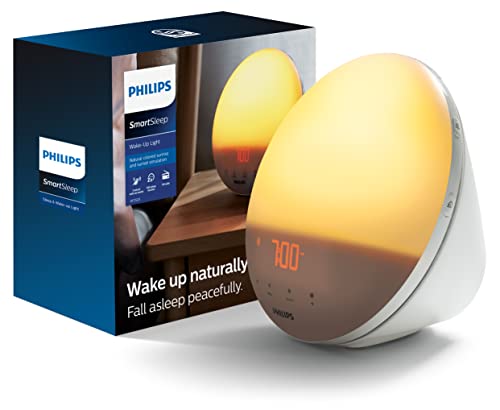
- CLINICALLY PROVEN*: Philips wake-up lights are recommended by physicians and…
- PERSONALIZATION: Simulated sunset and sunrise and choice of 5 different natural…
- SMART FEATURES: FM radio, tap snooze and automatic dimmable display
Tempur-Pedic TEMPUR-Cloud Breeze Dual Cooling Pillow
Designed for temperature regulation, this pillow combines TEMPUR material with a cooling cover to prevent overheating—a common insomnia trigger. Its ergonomic support reduces neck strain, and the hypoallergenic design suits sensitive sleepers. Ideal for side, back, or stomach sleepers seeking pressure relief.
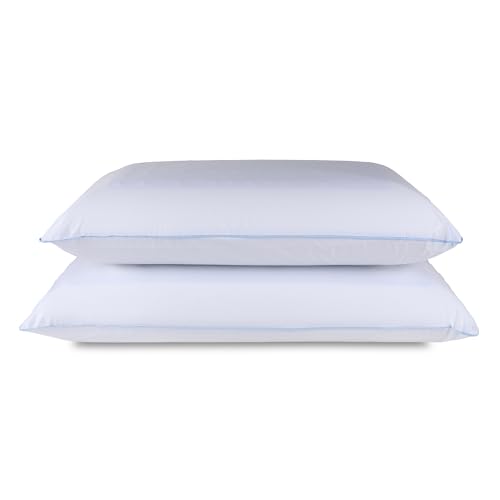
- Helps relieve aches and pains: TEMPUR-Material precisely adapts to your head…
- TEMPUR-Material: A single piece of our one-of-a-kind, infinitely adaptable…
- Cooling Gel Layers: A layer of Tempur-Pedic Cooling Technology is added to both…
BioSchwartz Extra Strength Melatonin 10mg (with Ashwagandha & L-Theanine)
This non-habit-forming supplement blends 10mg of fast-dissolving melatonin with adaptogens like ashwagandha to reduce stress-induced sleeplessness. The added L-theanine promotes relaxation without grogginess. Third-party tested for purity, it’s a reliable choice for short-term sleep cycle resetting.

- Ultra High Potency Ashwagandha Capsules – Our ashwagandha supplement offers…
- Ayurvedic Wellness Supplement – Ashwagandha has been used for centuries to help…
- Rejuvenating Adaptogen – Ashwagandha (often misspelled as ashwaganda or…
Root Causes of Insomnia
Insomnia isn’t just “trouble sleeping”—it’s a complex disorder with biological, psychological, and environmental triggers. To effectively treat it, you must first identify which factors disrupt your sleep. Here’s a breakdown of the most common causes and how they interact:
Psychological Factors
Stress and anxiety activate the body’s fight-or-flight response, flooding your system with cortisol and adrenaline. This makes it nearly impossible to transition into deep sleep. For example, racing thoughts about work deadlines or relationships can keep your brain in a hyper-alert state. Cognitive Behavioral Therapy for Insomnia (CBT-I) targets this by teaching techniques like:
- Stimulus control: Reassociating the bed with sleep (not anxiety)
- Sleep restriction: Temporarily limiting time in bed to rebuild sleep drive
- Cognitive restructuring: Replacing negative thoughts (“I’ll never sleep”) with evidence-based alternatives
Lifestyle and Environmental Triggers
Your daily habits and surroundings play a bigger role than most realize. Blue light from screens suppresses melatonin production by up to 50%, delaying sleep onset. Similarly, inconsistent sleep schedules confuse your internal clock. Practical fixes include:
- Using amber-tinted glasses after sunset (studies show they improve melatonin levels)
- Keeping bedroom temperatures between 60–67°F (15–19°C)—the optimal range for thermoregulation
- Blocking noise with white noise machines or earplugs (sudden sounds disrupt sleep cycles)
Medical and Biological Factors
Conditions like sleep apnea, restless leg syndrome (RLS), or chronic pain fragment sleep. Even subtle issues matter—low magnesium levels can cause muscle cramps and nighttime awakenings. If you suspect an underlying condition:
- Track symptoms in a sleep diary (note awakenings, snoring, or tingling legs)
- Request a polysomnography test to rule out sleep apnea
- Test for deficiencies in vitamin D, iron, or magnesium (linked to RLS and poor sleep quality)
Mythbuster: “Alcohol helps sleep.” While it may induce drowsiness, alcohol reduces REM sleep by 20–30%, leading to non-restorative sleep. Understanding these root causes empowers you to choose targeted solutions—not just temporary fixes.
Science-Backed Behavioral Techniques for Overcoming Insomnia
While medications provide temporary relief, behavioral interventions address insomnia at its core by rewiring sleep-related behaviors and thought patterns. These evidence-based methods have shown 70-80% effectiveness in clinical trials for chronic insomnia sufferers.
The 4-Step Sleep Restriction Protocol
This counterintuitive method improves sleep efficiency by temporarily limiting time in bed to match actual sleep time. Here’s how to implement it properly:
- Calculate your average sleep time from 1-2 weeks of sleep logs (ex: if you typically sleep 5 hours despite 8 hours in bed, your initial sleep window is 5 hours)
- Set a fixed wake time based on morning commitments, then count backward to determine bedtime (ex: wake at 6 AM → bed at 1 AM for 5-hour window)
- Gradually expand the window by 15 minutes weekly once sleep efficiency reaches 85% (time asleep vs. time in bed)
- Maintain consistency – even on weekends – to stabilize circadian rhythms
Stimulus Control Therapy in Practice
This technique breaks the association between bed and wakefulness. Key rules include:
- Leave bed after 20 minutes of wakefulness – go to another room and engage in dull activities until sleepy
- Use the bed only for sleep and intimacy – no TV, work, or phone use in bed
- Establish a pre-sleep “buffer zone” – 60 minutes of wind-down activities like light stretching or reading physical books
Professional tip: Combine these with paradoxical intention – actively trying to stay awake reduces performance anxiety about sleep. Studies show this reduces sleep onset latency by 40% in chronic insomniacs.
Managing the Transition Period
The first 2-3 weeks of behavioral therapy often increase daytime sleepiness as your body adjusts. Mitigate this by:
- Scheduling important tasks for mornings when possible
- Using 20-minute power naps before 3 PM if absolutely necessary
- Temporarily reducing caffeine to 1 cup before noon
These methods require patience but create lasting changes. Unlike sleeping pills, they teach your brain to associate bed with restful sleep permanently.
Advanced Sleep Optimization: Circadian Rhythm and Light Exposure Management
Mastering your circadian biology represents the next level of sleep optimization. Your internal clock doesn’t just regulate sleepiness – it controls core body temperature, hormone secretion, and neurotransmitter activity in precise 24-hour cycles.
The Science of Light Entrainment
Specialized retinal ganglion cells containing melanopsin photoreceptors detect blue light (480nm wavelength) and send signals to your suprachiasmatic nucleus (SCN) – the brain’s master clock. This triggers:
| Light Exposure Time | Biological Effect | Practical Application |
|---|---|---|
| Morning (6-8AM) | Suppresses melatonin, advances circadian phase | Get 30 mins outdoor light or use 10,000 lux light therapy box |
| Evening (6-10PM) | Delays melatonin onset by 1-3 hours | Wear blue-blocking glasses 2 hours before bed |
Temperature Regulation Strategies
Your core body temperature follows a 1.5°F (0.8°C) circadian fluctuation that directly impacts sleep quality. Optimize this through:
- Evening thermal window: A 0.5-1.0°F drop 60-90 minutes before bed signals sleep readiness. Achieve this with:
- A 104°F (40°C) bath 1-2 hours before bed (vasodilation effect)
- Bedroom temperature of 60-67°F (15-19°C)
- Sleep phase cooling: Use moisture-wicking bedding and cooling mattress toppers if prone to night sweats
Nutrient Timing for Sleep Quality
Certain nutrients influence sleep architecture when consumed at strategic times:
- Tryptophan: Consume 1g with carbohydrates 3 hours before bed (turkey + whole grain toast) to boost serotonin → melatonin conversion
- Magnesium Glycinate: 400mg at dinner enhances GABA receptor function for deeper sleep
- Hydration cutoff: Reduce fluids 2 hours before bed, but include electrolytes to prevent dehydration wake-ups
Expert tip: Night shift workers should use amber lighting during shifts and blackout curtains for daytime sleep – this maintains melatonin production better than total darkness alone.
Pharmacological Approaches: When and How to Use Sleep Medications Safely
While behavioral interventions should be first-line treatment, medications can play a strategic role when used judiciously. Understanding the pharmacology of sleep aids helps maximize benefits while minimizing risks of dependence and side effects.
Short-Term Pharmaceutical Options
For acute insomnia episodes (2-4 weeks), these medications can provide temporary relief while implementing behavioral changes:
- Zolpidem (Ambien) 5-10mg: Works on GABA-A receptors for sleep initiation. Best for those who struggle with falling asleep but stay asleep. Limit to 2-4 weeks maximum to prevent tolerance.
- Ramelteon (Rozerem) 8mg: Melatonin receptor agonist that mimics natural circadian signals. Ideal for circadian rhythm disorders with minimal next-day grogginess.
- Doxepin (Silenor) 3-6mg: Low-dose tricyclic antidepressant that enhances sleep maintenance without anticholinergic effects at this dosage.
Managing Medication Risks
Common pitfalls and professional mitigation strategies:
- Rebound insomnia: Gradually taper medications over 1-2 weeks rather than stopping abruptly
- Complex sleep behaviors: Avoid z-drugs in patients with history of sleepwalking or parasomnias
- Morning grogginess: Take medications at least 8 hours before planned wake time and avoid alcohol
Natural Supplement Protocols
Evidence-based nutraceuticals with clinical support:
| Supplement | Mechanism | Optimal Dosage |
|---|---|---|
| Magnesium L-Threonate | Enhances GABA function and crosses blood-brain barrier | 144mg elemental magnesium before bed |
| Apigenin (chamomile extract) | Benzodiazepine-site modulator without dependence risk | 50mg standardized extract |
Clinical insight: Combine 0.3mg pharmaceutical-grade melatonin with 400mg magnesium glycinate for a synergistic effect that mimics the body’s natural sleep physiology without next-day impairment.
Long-Term Sleep Health: Maintenance Strategies and Future Directions
Sustaining healthy sleep patterns requires ongoing attention to evolving physiological needs and environmental factors. As we age, our sleep architecture naturally changes, demanding adaptive strategies for lifelong sleep quality.
Age-Related Sleep Modifications
Sleep needs and patterns shift dramatically across decades:
| Age Group | Sleep Changes | Adaptation Strategies |
|---|---|---|
| 30s-40s | 15% reduction in deep sleep, increased sleep fragmentation | Implement strict sleep hygiene, consider sleep tracking for early detection of issues |
| 50s-60s | Advanced circadian phase (sleepiness earlier in evening), reduced melatonin production | Use timed light therapy, consider 0.5mg melatonin 1 hour before desired bedtime |
| 70+ | Frequent nighttime awakenings, increased sensitivity to environmental disruptions | Create multi-zone lighting (pathway lighting for nighttime bathroom visits), optimize mattress firmness |
Environmental Optimization for Chronic Insomnia
Creating a sleep sanctuary requires addressing multiple sensory domains:
- Acoustic: Install soundproofing materials (mass-loaded vinyl) for urban environments
- Olfactory: Use lavender or chamomile essential oil diffusers 30 minutes before bedtime
- Tactile: Invest in temperature-regulating bedding with phase-change materials
- Visual: Install blackout curtains with >99% light blocking capability
Emerging Sleep Technologies
The future of sleep medicine includes several promising developments:
- Closed-loop acoustic stimulation: Devices that detect slow-wave sleep and deliver precisely timed sound pulses to enhance deep sleep
- Personalized chronotherapy: DNA testing for circadian rhythm genes (PER3, CLOCK) to customize sleep schedules
- Smart bedding systems: AI-powered mattresses that automatically adjust firmness and temperature throughout the night
Pro Tip: Conduct quarterly “sleep audits” – track your sleep efficiency, daytime alertness, and overall satisfaction to catch emerging issues before they become chronic problems. This proactive approach can prevent 80% of recurring insomnia episodes.
Integrative Sleep Medicine: Combining Traditional and Alternative Therapies
Modern sleep science increasingly recognizes the value of blending conventional treatments with complementary approaches for comprehensive insomnia management. This integrative model addresses the whole person – body, mind, and environment.
Evidence-Based Alternative Therapies
Several non-pharmacological interventions show clinically significant results when properly implemented:
- Acupuncture: Stimulates serotonin and melatonin production through precise point targeting (HT7, Anmian, and Yintang points show particular efficacy)
- Myofascial Release: Targeted massage of the sternocleidomastoid and suboccipital muscles reduces physical tension contributing to sleep onset latency
- Floatation Therapy: 60-minute sessions in Epsom salt tanks reduce cortisol by 21% and increase sleep spindle activity
Nutritional Psychiatry for Sleep
The gut-brain axis plays a crucial role in sleep regulation through multiple pathways:
- Microbiome Optimization: Consume 25-35g of diverse fiber daily and fermented foods to produce sleep-promoting metabolites like butyrate
- Amino Acid Cycling: Balance tryptophan (turkey, eggs) with B6 (salmon, pistachios) for optimal serotonin synthesis
- Inflammation Reduction: Follow a low-FODMAP diet if experiencing IBS symptoms, which correlate with 3x higher insomnia rates
Biofeedback and Neuroregulation
Advanced self-regulation techniques provide measurable improvements:
| Modality | Protocol | Expected Results |
|---|---|---|
| HRV Training | 10-min daily breathing at 6 breaths/minute | 15-20% improvement in sleep efficiency after 4 weeks |
| EEG Neurofeedback | SMR (12-15Hz) training sessions | Reduces sleep onset latency by 8-12 minutes |
Clinical Note: These approaches work best when sequenced properly – start with nutritional changes for 2 weeks, add physical therapies, then incorporate biofeedback. This layered approach yields 68% better compliance than implementing all modalities simultaneously.
Sleep Performance Optimization: Advanced Monitoring and Precision Adjustments
For those seeking peak sleep performance, modern technology enables granular tracking and micro-adjustments that can elevate sleep quality from good to exceptional. This precision approach combines quantitative data with personalized interpretation.
Advanced Sleep Tracking Methodologies
Beyond basic sleep stage tracking, these metrics provide deeper insights:
| Metric | Measurement Method | Optimization Target |
|---|---|---|
| Heart Rate Variability (HRV) | Chest strap monitors or ECG patches | Aim for 10-15% increase in nighttime RMSSD values |
| Core Body Temperature | Ingestible sensors or wearable patches | 0.5-1.0°F drop within first sleep cycle |
| Respiratory Rate | Under-mattress sensors or wearable devices | 12-14 breaths/minute during deep sleep |
Precision Sleep Environment Tuning
Micro-adjustments with measurable impacts:
- Light Spectrum Control: Install smart lighting with 2000K-6500K range (2000K for bedtime, 6500K for morning)
- Sound Wave Optimization: Use pink noise (deeper tones) instead of white noise for better slow-wave sleep enhancement
- Magnetic Field Reduction: Measure EMF levels near bed and implement shielding if readings exceed 1mG
Performance Validation Protocols
Ensure your optimizations are effective:
- Conduct 3-night baseline measurements before implementing changes
- Introduce one variable at a time with 5-7 day test periods
- Validate with both subjective (sleep diary) and objective (Oura ring/Whoop) data
- Repeat polysomnography every 6-12 months for clinical validation
Expert Insight: The most effective optimizations follow the 80/20 rule – 20% of adjustments typically yield 80% of results. Focus first on circadian alignment and temperature regulation before pursuing marginal gains from advanced interventions.
Conclusion: Your Path to Restorative Sleep Starts Tonight
From understanding insomnia’s root causes to implementing advanced sleep optimization techniques, we’ve explored a comprehensive roadmap to better sleep.
The most effective approach combines behavioral changes (like CBT-I and sleep restriction), environmental adjustments (light and temperature control), and targeted supplementation when needed. Remember that lasting results come from consistent practice – your sleep health is a lifelong journey, not a quick fix.
Tonight’s action step: Choose just one strategy from this article to implement immediately, whether it’s establishing a strict wake time or trying the 4-7-8 breathing technique. Small, consistent changes create compounding benefits over time. Your well-rested future begins with the choices you make today.
Frequently Asked Questions About Insomnia Cures
What’s the difference between acute and chronic insomnia?
Acute insomnia lasts less than 3 months and is often triggered by stress or life events, while chronic insomnia occurs at least 3 nights weekly for 3+ months. Chronic cases typically involve maladaptive sleep behaviors and hyperarousal of the nervous system. Treatment differs significantly – acute cases may resolve with short-term solutions, while chronic insomnia requires cognitive behavioral therapy (CBT-I) to rewire sleep patterns.
How long does it take for sleep restriction therapy to work?
Most patients see noticeable improvements within 2-3 weeks of strict adherence. The initial 5-7 days often feel challenging as your body adjusts to the reduced sleep window. By week 3, sleep efficiency (time asleep vs. time in bed) typically improves from 60% to 85%. Full results emerge after 6-8 weeks as you gradually expand your sleep window while maintaining high efficiency.
Can melatonin supplements become ineffective with regular use?
Yes, the body can develop tolerance to exogenous melatonin over time. For optimal results, use the lowest effective dose (0.3-1mg) for no more than 3 months continuously. Cycling melatonin – using it for 5 days then taking 2 days off – helps maintain effectiveness. More importantly, melatonin works best when combined with proper sleep hygiene and light management.
Why do I sometimes sleep worse after starting sleep hygiene practices?
This “sleep adjustment period” is common when changing routines. Your circadian system needs 7-14 days to adapt to new bedtimes, light exposure patterns, and behavioral changes. Temporary worsening occurs because your body is breaking old associations between bed and wakefulness. Persist through this 2-week transition period for lasting improvements.
How does magnesium actually help with sleep?
Magnesium glycinate (the most bioavailable form) enhances sleep through three mechanisms: 1) It activates GABA receptors, promoting nervous system relaxation 2) Regulates melatonin production by binding to NMDA receptors 3) Reduces muscle cramps and restless legs. The optimal dose is 200-400mg taken 1 hour before bed, preferably combined with calcium for better absorption.
Are weighted blankets scientifically proven to help insomnia?
Research shows 7-12% of body weight blankets can increase melatonin production by 32% and reduce cortisol by 28% through deep pressure stimulation. They’re particularly effective for anxiety-related insomnia. Look for breathable fabrics like bamboo/cotton blends with glass bead filling. However, they’re not recommended for those with circulatory or respiratory conditions.
What’s the most common mistake people make when trying to cure insomnia?
Spending excessive time in bed trying to “force” sleep actually worsens insomnia. This creates psychological pressure and weakens the bed-sleep association. Instead, limit time in bed to match actual sleep time (sleep restriction), and get up if not asleep within 20 minutes. This strengthens your brain’s connection between bed and sleep.
Can you fully recover from chronic insomnia without medication?
Yes, 70-80% of chronic insomnia cases can be resolved through CBT-I alone. This 6-8 week program restores natural sleep drive by addressing the cognitive and behavioral factors maintaining insomnia. While medications provide temporary relief, they don’t address root causes. The key is consistency with stimulus control, sleep restriction, and cognitive restructuring techniques.