
Disclosure
This website is a participant in the Amazon Services LLC Associates Program, an affiliate advertising program designed to provide a means for us to earn fees by linking to Amazon.com and affiliated sites.
Introduction
The three basics of sleep hygiene are: maintaining a consistent sleep schedule, creating a restful sleep environment, and avoiding stimulants before bedtime. These foundational habits are the building blocks for healthier sleep and better overall well-being.
Have you ever wondered why, even after a full eight hours in bed, you still wake up groggy? The answer often lies not in how long you sleep, but how well you sleep. That’s where sleep hygiene comes in—a term that might sound clinical, but is incredibly personal and powerful. It’s the secret sauce behind waking up refreshed, thinking clearly, and feeling emotionally balanced.
Best Sleep Products for Improving Sleep Hygiene
When optimizing your sleep hygiene, having the right products can make a big difference. Here are three highly recommended products designed to support the basics of good sleep habits:
1.Hatch Restore Smart Sleep Assistant
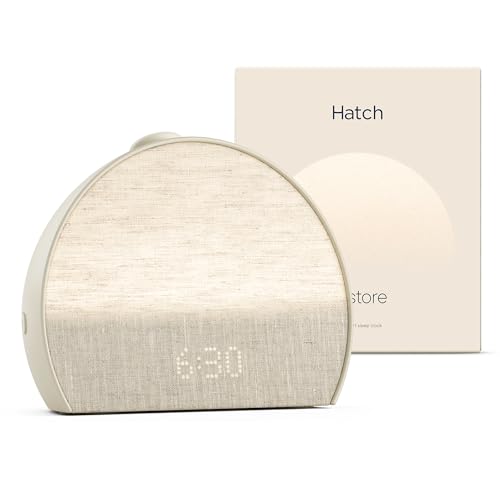
This device combines a gentle sunrise alarm, soothing soundscapes, and guided meditation to help regulate your sleep schedule and create a calming bedtime environment. It’s perfect for those struggling to fall asleep consistently.
2.Casper Sleep Glow Light

- WON’T DISRUPT SLEEP: Softly illuminates your path without waking anyone up
- TWO MODES: Activated by motion for hallways and bathrooms, or by darkness for…
- A LIGHT FOR EVERY ROOM: Perfect for bedrooms, bathrooms, hallways, and kitchens
Designed to mimic natural sunset light, the Casper Glow helps signal your body it’s time to wind down, supporting your body’s internal clock. Its soft, warm glow creates an ideal sleep environment without harsh blue light.
3.ZzzQuil Pure Zzzs Melatonin Gummies

- FALL ASLEEP FAST*, STAY ASLEEP LONGER*: ZzzQuil PURE Zzzs Melatonin Gummies have…
- HELPS YOU FALL ASLEEP NATURALLY*: ZzzQuil PURE ZZZs 2mg Melatonin Gummies help…
- 100% DRUG-FREE SLEEP AID: ZzzQuil PURE Zzzs Melatonin 2mg Gummies are a…
For occasional use, these melatonin gummies help regulate your sleep cycle without heavy sedation. They’re an easy, non-habit-forming option for calming pre-sleep restlessness or adjusting to a new schedule.
Consistent Sleep Schedule: Why It Matters and How to Stick To It
A consistent sleep schedule is the cornerstone of good sleep hygiene. Going to bed and waking up at the same time every day—even on weekends—helps regulate your body’s internal clock, known as the circadian rhythm. This natural rhythm controls sleep-wake cycles and impacts everything from hormone release to body temperature.
Why Consistency Matters:
- Improves Sleep Quality: Your body knows when to expect rest and can enter deeper, more restorative sleep stages.
- Eases Morning Wake-Ups: Regular wake times reduce grogginess and make it easier to feel alert throughout the day.
- Supports Mental Health: Predictable sleep patterns help stabilize mood and reduce stress.
How to Establish and Maintain a Consistent Schedule:
- Set a Fixed Wake-Up Time: Choose a wake time and stick with it, even if you had a poor night’s sleep.
- Gradually Adjust Your Bedtime: Move your bedtime in 15-minute increments if needed until you find a rhythm that allows for 7-9 hours of sleep.
- Limit Napping: Long or irregular naps can throw off your schedule; if you nap, keep it short (20-30 minutes) and early in the day.
- Use Alarms and Reminders: Set reminders to start winding down and head to bed on time.
- Be Patient: It can take a few weeks for your body to adapt, but consistency pays off.
Creating a Restful Sleep Environment: Tips for Your Bedroom Setup
Your bedroom environment plays a critical role in how well you sleep. A calm, comfortable space signals your brain it’s time to relax and helps prevent disturbances that interrupt your sleep cycle.
Key Elements of a Restful Sleep Environment:
- Control Light Exposure:
- Use blackout curtains or shades to block outside light.
- Avoid bright overhead lights before bedtime.
- Consider a warm, dim night light if needed.
- Manage Noise Levels:
- Use white noise machines or fans to mask disruptive sounds.
- Earplugs can be helpful in noisy environments.
- Optimize Temperature:
- Keep your bedroom cool, ideally between 60-67°F (15-19°C).
- Use breathable bedding to regulate body heat.
- Invest in Comfortable Bedding:
- Choose a mattress and pillows that support your preferred sleeping position.
- Opt for soft, natural fabrics like cotton or linen for sheets.
- Minimize Electronics:
- Keep screens and devices out of the bedroom to reduce blue light exposure and mental stimulation.
- If you use your phone as an alarm, switch on “Do Not Disturb” mode at night.
Additional Tips:
- Keep your bedroom tidy and clutter-free to create a peaceful atmosphere.
- Use calming scents like lavender to encourage relaxation.
- Reserve your bed for sleep and intimacy only—avoid work or TV in bed.
Avoiding Stimulants and Screen Time Before Bed
What you consume and how you spend your time before bed greatly affects your ability to fall asleep and stay asleep. Avoiding stimulants and limiting screen time are vital to maintaining healthy sleep hygiene.
Why Avoid Stimulants?
Stimulants like caffeine and nicotine increase alertness and delay sleep onset by interfering with your natural sleep hormones. Even alcohol, though it may initially make you sleepy, disrupts sleep cycles and reduces overall sleep quality.
- Caffeine: Found in coffee, tea, chocolate, and some medications. Avoid at least 6 hours before bedtime.
- Nicotine: A powerful stimulant that disrupts sleep patterns and causes more awakenings.
- Alcohol: Can fragment sleep and reduce REM sleep, leading to less restorative rest.
Screen Time and Blue Light Exposure:
Electronic devices such as smartphones, tablets, and TVs emit blue light, which suppresses melatonin—the hormone that signals your body to sleep. This makes falling asleep more difficult and can shift your internal clock.
How to Reduce Impact:
- Set a “Screen Curfew”: Stop using electronic devices 1-2 hours before bed.
- Use Blue Light Filters: Enable night mode or blue light filters on devices if you must use them late.
- Replace Screens with Calming Activities: Read a physical book, listen to soothing music, or practice relaxation techniques.
- Avoid Stimulating Content: Steer clear of exciting or stressful media close to bedtime.
Additional Tips:
- Opt for herbal teas like chamomile or valerian root as a calming alternative to caffeine.
- Create a relaxing pre-sleep routine to signal your body it’s time to wind down.
Conclusion
Understanding and practicing the three basics of sleep hygiene—maintaining a consistent sleep schedule, creating a restful sleep environment, and avoiding stimulants and screen time before bed—can dramatically improve the quality of your sleep and overall well-being.
Key Takeaways:
- A regular sleep routine helps regulate your body’s internal clock.
- A calming bedroom environment reduces disruptions and promotes relaxation.
- Steering clear of caffeine, nicotine, alcohol, and screens before bed supports natural sleep processes.
Frequently Asked Questions About the 3 Basics of Sleep Hygiene
What exactly is sleep hygiene?
Sleep hygiene refers to the habits and environmental factors that promote consistent, uninterrupted, and restorative sleep. It includes behaviors like keeping a regular sleep schedule, managing your bedroom environment, and avoiding stimulants before bedtime.
How long does it take to improve sleep hygiene?
Improvement can be noticed within a few days, but it generally takes about 2-4 weeks of consistent habits for your body’s internal clock and sleep quality to fully adjust.
Can poor sleep hygiene cause health problems?
Yes. Poor sleep hygiene can lead to chronic sleep deprivation, which increases the risk of obesity, diabetes, heart disease, depression, and impaired cognitive function.
Is it okay to nap during the day?
Short naps (20-30 minutes) early in the day can be beneficial, but long or late naps may interfere with your nighttime sleep schedule.
How does screen time affect my sleep?
Screens emit blue light that suppresses melatonin production, delaying sleep onset and reducing sleep quality. Reducing screen time before bed can significantly improve your ability to fall asleep.
What if I can’t avoid caffeine completely?
Try to consume caffeine only in the morning or early afternoon. Avoid it at least six hours before your planned bedtime to minimize its impact on sleep.
Can using sleep products replace good sleep hygiene?
Sleep aids and devices can support better sleep, but they work best when combined with consistent sleep hygiene habits. They are not a substitute for lifestyle changes.