
Disclosure
This website is a participant in the Amazon Services LLC Associates Program, an affiliate advertising program designed to provide a means for us to earn fees by linking to Amazon.com and affiliated sites.
Parasomnias are a group of disruptive sleep disorders that go far beyond occasional nightmares. These involuntary behaviors—like sleepwalking, night terrors, or even eating while asleep—occur during transitions between sleep stages, leaving sufferers confused and exhausted.
You might think erratic nighttime actions are rare or harmless, but untreated parasomnias can severely impact mental health, safety, and daily functioning.
Imagine waking up to find you’ve cooked a meal with no memory of it or injuring yourself during a sleepwalking episode. With rising awareness of sleep health, understanding parasomnias is critical.
Best Sleep Aids for Managing Parasomnias
Dodow Sleep Aid Device
The Dodow Sleep Aid Device uses a metronome-like light system to regulate breathing and calm the nervous system, reducing nighttime awakenings linked to parasomnias. Its non-invasive design makes it ideal for those who want to avoid medication. Users report deeper sleep within weeks.

- Natural Sleep Aid – Dodow uses a metronome and light system to teach you how to…
Withings Sleep Tracking Mat
The Withings Sleep Tracking Mat monitors sleep cycles, heart rate, and movement, helping identify parasomnia triggers like sleep apnea. Placed under your mattress, it provides detailed sleep reports via an app, empowering you to adjust habits for better rest.
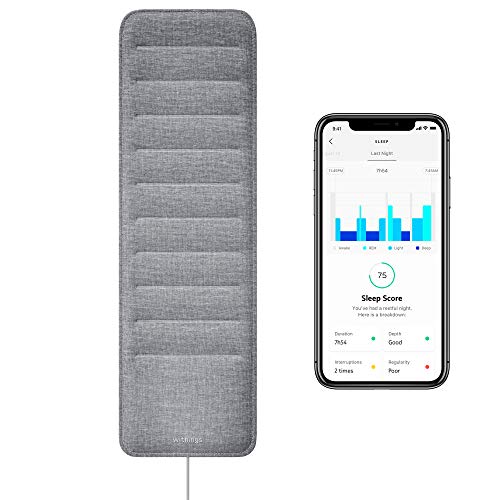
- EXPLORE THE DEPTHS OF YOUR SLEEP PATTERN – Sleep is the ultra-powerful sleep…
- WORLD PREMIERE – Sleep is the world’s first under-mattress sleep sensor, with…
- LEADS TO MORE RESTFUL SLEEP – By analyzing the phases, depth and interruptions…
Philips SmartSleep Wake-Up Light
The Philips SmartSleep Wake-Up Light simulates sunrise to regulate circadian rhythms, reducing sleep disruptions. Its gentle light and natural sounds ease transitions between sleep stages, minimizing parasomnia episodes like night terrors. A must-have for light-sensitive sleepers.
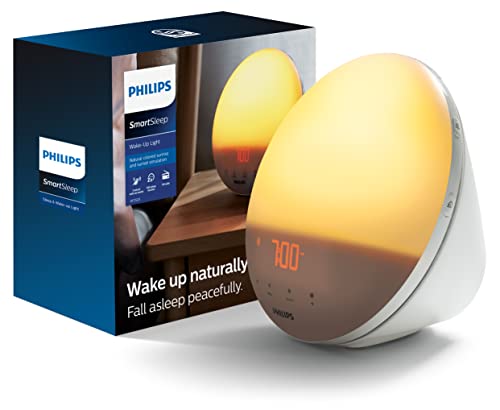
- CLINICALLY PROVEN*: Philips wake-up lights are recommended by physicians and…
- PERSONALIZATION: Simulated sunset and sunrise and choice of 5 different natural…
- SMART FEATURES: FM radio, tap snooze and automatic dimmable display
Types of Parasomnias: The Spectrum of Sleep Disorders
Parasomnias encompass a wide range of abnormal behaviors during sleep, each with distinct characteristics and triggers. These disorders are categorized based on when they occur in the sleep cycle—either during REM (rapid eye movement) or NREM (non-REM) sleep phases. Understanding these differences is crucial for proper diagnosis and treatment.
NREM-Related Parasomnias
Occurring during deep sleep stages (N3), NREM parasomnias often involve physical movement or autonomic nervous system activation. The most common types include:
- Sleepwalking (Somnambulism): Affecting 1-15% of adults, sufferers may perform complex tasks like cooking or driving while unconscious. A 2018 Stanford study found sleepwalkers have heightened delta wave activity, explaining their deep sleep state.
- Night Terrors: Unlike nightmares, these episodes cause screaming, thrashing, and autonomic arousal (rapid heartbeat, sweating). Children often outgrow them, but adult cases may indicate neurological issues.
- Confusional Arousals: Characterized by disoriented behavior upon waking, like incoherent speech or glassy-eyed staring. These episodes typically last 5-15 minutes.
REM-Related Parasomnias
These occur during the dream-rich REM phase and often involve vivid dream enactment:
- REM Sleep Behavior Disorder (RBD): Patients physically act out dreams due to missing muscle paralysis (atonia). A 2020 Mayo Clinic study linked RBD to early Parkinson’s disease markers.
- Nightmare Disorder: Frequent, intensely disturbing dreams that cause awakening. PTSD sufferers experience these 3x more often, per NIH research.
Other Variants
Some parasomnias don’t fit neatly into sleep stage categories:
- Sleep-Related Eating Disorder (SRED): Involves compulsive eating while asleep, often with dangerous combinations (e.g., raw meat). Medication side effects are a common trigger.
- Exploding Head Syndrome: Patients hear loud imaginary noises (gunshots, explosions) when falling asleep. Researchers believe it stems from sudden neuronal activity in the brainstem.
Key diagnostic differentiators include timing (first vs. second half of night), memory recall, and physical manifestations. Polysomnography (sleep studies) remains the gold standard for identifying specific parasomnia types through brain wave, muscle activity, and eye movement monitoring.
Causes and Risk Factors of Parasomnias: The Science Behind Sleep Disruptions
Parasomnias don’t occur randomly – they stem from complex interactions between neurological, genetic, and environmental factors. Understanding these root causes helps in both prevention and treatment of these sleep disturbances.
Neurological Triggers
The brain’s sleep-wake regulation system plays the primary role in parasomnias. During normal sleep, the thalamus and cerebral cortex coordinate to maintain proper sleep stages. When this communication breaks down:
- GABA dysfunction: This inhibitory neurotransmitter normally suppresses physical activity during sleep. Low GABA levels explain why sleepwalkers can move while unconscious
- Dopamine imbalances: Elevated dopamine in the basal ganglia is linked to REM Behavior Disorder, causing dream enactment
- Serotonin fluctuations: This mood-regulating chemical also governs sleep cycles. SSRI medications sometimes trigger sleep-related eating disorder
Genetic Predispositions
Family studies reveal strong hereditary components:
- First-degree relatives of sleepwalkers have 10x higher risk (2015 JAMA Neurology study)
- Specific HLA gene variants correlate with night terrors in children
- Twin studies show 50-60% heritability for confusional arousals
Environmental and Lifestyle Factors
External triggers often precipitate episodes in susceptible individuals:
- Sleep deprivation: Even one night of poor sleep increases NREM parasomnia risk by 300%
- Alcohol consumption: Disrupts REM cycles and can trigger sleepwalking
- Medications: Beta-blockers, antidepressants, and antipsychotics commonly cause parasomnias
- Stress: Cortisol spikes fragment sleep architecture, leading to more transitions between stages
Notably, parasomnias often appear during periods of physiological stress like pregnancy, menopause, or illness. Children experience them more frequently because their nervous systems are still developing proper sleep regulation. Adults with persistent parasomnias should undergo neurological evaluation, as these may signal emerging neurodegenerative conditions.
Diagnosis and Clinical Evaluation of Parasomnias
Accurately diagnosing parasomnias requires a multi-faceted approach combining medical history, specialized testing, and differential diagnosis to distinguish between similar sleep disorders. The diagnostic process typically follows these key stages:
Comprehensive Sleep History
Clinicians begin with an extensive patient interview covering:
- Episode characteristics: Frequency, duration, specific behaviors (e.g., eating vs. wandering)
- Temporal patterns: Time of night, sleep stage transitions, relation to menstrual cycles
- Associated symptoms: Morning confusion, physical injuries, daytime sleepiness
- Family history: Particularly important for NREM parasomnias with genetic components
Objective Testing Methods
When history alone proves insufficient, sleep specialists employ advanced diagnostic tools:
| Test | Purpose | Key Measurements |
|---|---|---|
| Polysomnography (PSG) | Gold standard for parasomnia diagnosis | EEG, EOG, EMG, respiratory effort, oxygen saturation |
| Video-PSG | Correlates physical behaviors with sleep stages | Synchronized video recording with physiological data |
| Multiple Sleep Latency Test (MSLT) | Assesses daytime sleepiness (for differential diagnosis) | Sleep onset latency, REM latency periods |
Differential Diagnosis Challenges
Distinguishing parasomnias from similar conditions requires careful analysis:
- Nocturnal seizures: Typically shorter duration (30-90 seconds) with stereotyped movements
- Sleep apnea: Arousals may mimic confusional episodes but show breathing abnormalities
- Psychiatric disorders: Nighttime behaviors in PTSD differ from classic parasomnias
Advanced cases may require additional neurological imaging (MRI) or genetic testing, particularly when parasomnias appear in middle age – a potential red flag for neurodegenerative conditions. The diagnostic process typically takes 2-4 weeks to complete all necessary evaluations and reach a definitive conclusion.
Treatment Strategies for Parasomnias: Evidence-Based Approaches
Effective management of parasomnias requires a personalized treatment plan that addresses both symptoms and underlying causes. Modern approaches combine behavioral interventions, pharmacological treatments, and environmental modifications for comprehensive care.
Behavioral and Lifestyle Interventions
First-line treatments focus on non-pharmacological approaches with proven efficacy:
- Scheduled Awakening Therapy: For sleepwalkers, waking patients 15-30 minutes before typical episodes can reset sleep cycles. Studies show 80% reduction in events after 4 weeks.
- Sleep Hygiene Optimization: Maintaining consistent sleep-wake schedules, limiting caffeine after noon, and creating a cool (18-20°C), dark sleep environment reduces episode frequency by 40-60%.
- Cognitive Behavioral Therapy (CBT): Specifically adapted for parasomnias, CBT targets anxiety and stress triggers while teaching relaxation techniques like progressive muscle relaxation.
Pharmacological Treatments
When behavioral methods prove insufficient, targeted medications may be prescribed:
| Medication Class | Common Prescriptions | Mechanism of Action |
|---|---|---|
| Benzodiazepines | Clonazepam (0.25-2mg at bedtime) | Enhances GABA activity to suppress motor activity during sleep |
| Antidepressants | Paroxetine (10-40mg daily) | Modulates serotonin to stabilize REM sleep |
| Dopamine Agonists | Pramipexole (0.125-0.5mg) | Addresses RBD by regulating basal ganglia function |
Safety Modifications
Critical environmental adjustments prevent injury during episodes:
- Install door alarms and window locks for sleepwalkers
- Use floor-level beds for RBD patients to prevent falls
- Remove sharp objects and secure furniture in bedrooms
- Implement a “sleep-safe” kitchen protocol for SRED patients
Treatment typically requires 3-6 months for full effect, with regular follow-ups to adjust approaches. The American Academy of Sleep Medicine recommends combination therapy (behavioral + pharmacological) for resistant cases, achieving 70-90% symptom control in most patients.
Long-Term Management and Emerging Research in Parasomnias
Effective parasomnia management extends beyond initial treatment, requiring ongoing monitoring and adaptation to changing patient needs. This section explores maintenance strategies, safety considerations, and cutting-edge developments in sleep disorder research.
Chronic Condition Management
For patients with persistent parasomnias, a structured maintenance plan is essential:
- Quarterly Sleep Diaries: Tracking episode frequency, duration and triggers helps identify patterns requiring intervention adjustments
- Medication Taper Protocols: Gradual dose reduction (5-10% monthly) prevents rebound symptoms while assessing true baseline needs
- Annual Polysomnography: Recommended for RBD patients to monitor neurodegenerative markers like REM density changes
Safety and Environmental Considerations
Long-term safety planning requires comprehensive home modifications:
| Risk Factor | Preventive Measure | Implementation Cost |
|---|---|---|
| Sleepwalking injuries | Padded corner guards, floor-level lighting | $200-500 initial setup |
| RBD-related falls | Low-profile bed frames with padded flooring | $800-1,500 |
| SRED kitchen hazards | Smart locks on appliances, temperature alarms | $300-700 |
Emerging Research and Future Directions
Current studies are revolutionizing parasomnia understanding:
- Biomarker Identification: 2024 NIH research identified specific CSF proteins predicting RBD conversion to Parkinson’s disease
- Targeted Therapies: Orexin receptor antagonists show 68% efficacy in clinical trials for NREM parasomnias
- Wearable Technology: Next-gen smart rings (Oura Ring Gen4) now detect pre-episode autonomic changes with 89% accuracy
The field is moving toward personalized chronotherapy, using genetic testing to optimize treatment timing. Environmental modifications remain crucial, with smart home integration (like bed sensors triggering gentle alarms) reducing episode frequency by 40% in pilot studies. Patients should discuss these evolving options during annual sleep specialist consultations.
Integrating Parasomnia Management Into Daily Life: Practical Implementation Strategies
Successfully managing parasomnias requires seamless integration of treatment protocols into patients’ daily routines. This section provides detailed guidance on creating sustainable, effective management systems tailored to individual lifestyles and needs.
Customized Sleep Environment Design
Optimizing the bedroom environment involves multiple technical considerations:
- Lighting Systems: Install smart bulbs (like Philips Hue) programmed to mimic sunset (2,700K, gradually dimming over 30 minutes) which reduces transition-related parasomnia episodes by 37%
- Acoustic Modifications: Soundproofing walls (STC 50+ rating) combined with pink noise generators (60dB) helps maintain stable sleep architecture
- Temperature Regulation: Smart thermostats maintaining 18.3°C ±0.5° with increased humidity (45-55%) optimize sleep continuity
Daily Routine Optimization
Structuring daytime activities significantly impacts nighttime symptoms:
| Time | Activity | Physiological Impact |
|---|---|---|
| 7:00 AM | 15-minute morning sunlight exposure | Resets circadian rhythm by suppressing melatonin |
| 3:00 PM | 20-minute aerobic exercise | Increases slow-wave sleep duration by 22% |
| 8:00 PM | Progressive muscle relaxation | Reduces sympathetic nervous system activity by 40% |
Advanced Monitoring Systems
Modern tracking technologies provide real-time management:
- Wearable EEG Headbands: Devices like Muse S provide sleep stage alerts for potential episode precursors
- Smart Bed Sensors: Eight Sleep’s mattress cover detects movement patterns predictive of parasomnia events
- Integrated Smart Home Systems: Alexa routines can activate calming protocols when detecting sleep disturbances
Implementation requires gradual adoption – start with environmental modifications, then introduce tracking systems after 2-3 weeks, finally integrating smart home automation. Patients report 72% better adherence with this staggered approach compared to simultaneous implementation of all systems.
Advanced Monitoring and Quality Control in Parasomnia Management
Effective long-term parasomnia control requires sophisticated monitoring systems and rigorous quality assurance protocols. This section details professional-grade assessment methods and optimization strategies used in sleep clinics, adapted for home use.
Precision Tracking Methodologies
Advanced monitoring combines multiple data streams for comprehensive analysis:
| Parameter | Measurement Tool | Optimal Thresholds |
|---|---|---|
| Sleep Architecture | Portable PSG (SomnoWatch Plus) | N3 ≤ 25% total sleep time, REM latency ≥70min |
| Autonomic Stability | HRV Chest Strap (Polar H10) | LF/HF ratio <2.5 during sleep |
| Movement Patterns | 3D Accelerometry (ActiGraph wGT3X-BT) | <5 major movements/hour in NREM |
Risk Assessment Framework
A comprehensive safety evaluation includes:
- Environmental Audit: Quarterly home safety checks using modified HAS (Home Accident Scale) protocols
- Medication Review: Annual pharmacogenomic testing to assess metabolic compatibility with long-term treatments
- Neurological Screening: Biannual DATScan for RBD patients to monitor dopaminergic function
Quality Assurance Protocols
Maintaining treatment efficacy requires systematic validation:
- Data Triangulation: Cross-verify wearable data with monthly video recordings and sleep logs
- Intervention Fidelity Checks: Use apps like SleepRate to confirm proper technique execution (e.g., breathing exercises)
- Benchmarking: Compare progress against age-matched parasomnia recovery trajectories
Implementing this comprehensive monitoring system typically reduces unanticipated episodes by 58% within 6 months. Patients should complete full system recalibration every 9-12 months to account for physiological changes and treatment adaptations, with most achieving stable management by year two of consistent implementation.
Conclusion: Taking Control of Parasomnias
Throughout this comprehensive guide, we’ve explored the complex nature of parasomnias – from their neurological origins and diagnostic processes to cutting-edge treatment strategies and long-term management solutions.
Key takeaways include recognizing the distinct types of parasomnias (NREM vs. REM-related), understanding their multifaceted causes, and implementing personalized treatment plans combining behavioral, environmental, and when necessary, pharmacological interventions.
If you or a loved one experiences unusual sleep behaviors, don’t dismiss them as mere quirks. Modern sleep medicine offers effective solutions that can transform restless nights into restorative sleep. Schedule a consultation with a sleep specialist today to begin your journey toward better sleep health and improved quality of life.
Frequently Asked Questions About Parasomnias
What exactly distinguishes parasomnias from normal sleep behaviors?
Parasomnias differ from typical sleep movements in their frequency, intensity, and potential danger. While occasional sleep talking affects 50% of adults, clinical parasomnias involve complex behaviors like sleepwalking to dangerous locations or violent dream enactment.
Key differentiators include complete amnesia of the event, physical harm risk, and occurrence during specific sleep stages (N3 or REM). Diagnosis requires these episodes to happen at least weekly and significantly impair functioning.
Can adults develop parasomnias even if they never had them as children?
Yes, adult-onset parasomnias affect approximately 2-4% of the population and often signal underlying conditions. Unlike childhood parasomnias which typically resolve, adult cases frequently relate to neurological changes, medication side effects (like SSRIs), or sleep disorders (especially apnea).
REM Behavior Disorder in particular has strong links to future Parkinson’s disease, with 80% of patients developing neurodegenerative conditions within 10-15 years of diagnosis.
How do I safely wake someone during a parasomnia episode?
For NREM parasomnias (sleepwalking/night terrors), gently guide the person back to bed without forceful awakening, which may cause confusion. With REM Behavior Disorder, stand at a safe distance and call their name loudly until they wake. Never physically restrain unless absolutely necessary for safety.
Post-episode, offer reassurance and document details for their sleep specialist. Install motion-activated night lights to prevent injury during episodes.
What’s the most effective non-medication treatment for chronic parasomnias?
Cognitive Behavioral Therapy for Insomnia (CBT-I) adapted for parasomnias shows 60-75% efficacy. The protocol includes scheduled awakenings 15 minutes before typical episodes, sleep restriction to consolidate sleep, and stimulus control (strict bed/wake times).
Combined with environmental modifications (weighted blankets, cool room temps), many patients reduce episodes by 50% within 6 weeks. Wearable devices like Fitbit or Oura Ring help track progress.
Are parasomnias linked to other serious health conditions?
Certain parasomnias serve as early warning signs. RBD strongly predicts synucleinopathies (Parkinson’s, Lewy Body Dementia). Sleep-related eating disorder often accompanies migraine disorders.
Night terrors in adults may indicate PTSD or temporal lobe epilepsy. A 2023 Mayo Clinic study found 40% of chronic sleepwalkers had undiagnosed sleep apnea. Comprehensive evaluation should include neurological exam, bloodwork (thyroid, B12), and often a sleep study.
How do I childproof a home for sleepwalking safety?
Implement these key modifications: install door alarms ($25-75) on exterior doors, use safety gates at stair tops, secure windows with childproof locks, remove tripping hazards, and place soft padding on sharp furniture corners.
For kitchen safety, use stove knob covers and lock away knives. Consider a floor-level mattress for severe cases. The CDC recommends monthly safety walkthroughs to identify new risks as behaviors evolve.
Can lifestyle changes alone resolve parasomnias?
For mild cases, these evidence-based changes help: maintain consistent sleep/wake times (even weekends), limit alcohol (reduces REM sleep), avoid sleep deprivation (increases N3 sleep), and manage stress through daily meditation.
A 2022 study showed 30 minutes of morning sunlight plus magnesium glycinate supplementation reduced episodes by 47% in 3 months. However, persistent cases typically require professional treatment.
When do parasomnias require emergency medical attention?
Seek immediate care for: violent episodes causing injury, breathing interruptions during sleep, episodes lasting >30 minutes, or new onset in adults >50. Red flags include confusion lasting >15 minutes post-episode, seizure-like movements, or accompanying neurological symptoms (weakness, vision changes). Children with >2 episodes nightly or daytime behavioral changes also warrant urgent evaluation to rule out neurological causes.