
Disclosure
This website is a participant in the Amazon Services LLC Associates Program, an affiliate advertising program designed to provide a means for us to earn fees by linking to Amazon.com and affiliated sites.
If you’re new to caravanning, the terms “nearside” and “offside” might sound confusing—but they’re crucial for choosing the right bed layout. Nearside and offside refer to the positioning of beds in a caravan relative to the road: nearside is the left side (when facing forward), while offside is the right. Understanding these terms ensures you pick a caravan that maximizes comfort, accessibility, and storage.
Many assume bed placement doesn’t matter, but the right choice can transform your travel experience. Whether you prioritize easy nighttime access, extra storage, or a quieter sleep away from roadside noise, knowing the difference between nearside and offside beds helps you make an informed decision.
Best Caravan Beds for Comfortable Travels
Serenia Sleep Memory Foam RV Mattress
A medium-firm, open-cell memory foam mattress available in standard and RV sizes (Short Queen, Twin, etc.). It ships in a box, conforms well to the body, and elevates sleep quality without being overly heavy—perfect for caravans.
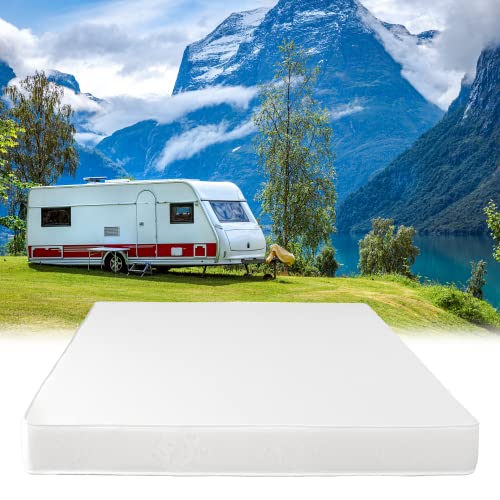
- Travel in Total Comfort – Medium-firm feel with memory foam layers that…
- Support Where You Need It – A durable base foam layer works with open-cell…
- Find Your Perfect Fit – Available in 6″ or 8″ depths and RV-ready sizes: Twin…
ESHINE Short King RV Hybrid Mattress
Tailored for RVs, this hybrid mattress blends Air Sense foam, dense support foam, and pocketed springs for balanced comfort and support. Comes with a bamboo cover and ships compressed for easy setup.

- Hybrid RV Mattress: 72x75x10” short king size, is suitable for most caravans…
- 4 LAYERS WITH BAMBOO COVER: 4 layers to relieve pressure, 1.7″ Air Sense Foam…
- MATTRESS IN A BOX: By using advanced compression technology, rolled and shipped…
Zinus 8-Inch Ultima Memory Foam RV Mattress (Short Queen)
An affordable memory foam option handcrafted for RVs. It’s CertiPUR-US certified, lightweight, odor-controlled (infused with green tea and charcoal), and supports restful sleep on limited budget setups.
![Zinus 8 Inch Ultima RV Memory Foam Mattress [New Version], Short...](https://m.media-amazon.com/images/I/51WytRvXdOL.jpg)
- CRAFTED FOR TRAVELERS – Discover unparalleled pressure relief from our 7-zone…
- SLEEP REJUVENATED, WAKE UP REFRESHED – The all-natural green tea and purified…
- SMALL BOX FOR A CLEANER PLANET – Our product engineers have expertly…
Nearside vs. Offside Caravan Beds: Key Differences
What Defines Nearside and Offside in Caravans?
In caravan terminology, nearside refers to the left side of the vehicle when facing forward (the pavement side in the UK), while offside is the right side (closer to traffic).
This distinction isn’t just about direction—it impacts bed placement, accessibility, and even safety. For example, a nearside bed allows easier nighttime access when parked roadside, while an offside bed may offer more privacy from passing vehicles.
Practical Implications of Bed Positioning
Choosing between nearside and offside beds affects your daily caravan experience in several ways:
- Accessibility: Nearside beds are often closer to the caravan door, making them convenient for quick entry/exit, especially in smaller models. Offside beds may require navigating around furniture.
- Noise Levels: Offside beds can be noisier when parked near roads due to traffic proximity, while nearside beds benefit from added distance from passing vehicles.
- Storage: Some designs place wardrobe access on the offside, meaning bed placement affects how you organize belongings.
Common Misconceptions Debunked
Many assume offside beds are universally less desirable, but this depends on usage. For example, in continental Europe (where drivers sit on the left), offside beds face away from traffic, offering quieter sleeping. Meanwhile, families might prefer nearside transverse beds (perpendicular to the caravan’s length) for space efficiency.
Real-World Scenarios: Which Layout Works Best?
Consider these examples:
- Solo Travelers: A nearside single bed provides easy access to controls and exits without disturbing others.
- Couples: An offside island bed (accessible from both sides) offers luxury but requires careful parking to avoid roadside noise.
- Families: Nearside transverse beds maximize floor space for children’s activities while keeping sleeping areas separate.
Pro Tip: Always test bed layouts in person—what looks spacious in brochures might feel cramped when you account for pillows, blankets, and movement during sleep.
Choosing Between Nearside and Offside Beds: A Practical Guide
Key Factors to Consider Before Deciding
Selecting the ideal bed position requires evaluating several practical considerations beyond just left vs. right placement. The caravan’s overall layout significantly impacts functionality. For instance, nearside beds often share space with kitchen areas, meaning late-night snackers might disturb sleeping partners. Offside beds typically offer more separation from living spaces, creating better sleep zones.
Step-by-Step Evaluation Process
- Measure your sleeping habits: Side sleepers need more width (minimum 75cm per person), while taller travelers should verify bed lengths (standard UK caravans average 1.9m).
- Assess entry/exit needs: Frequent nighttime bathroom users benefit from nearside beds with direct aisle access.
- Consider parking scenarios: If you often use roadside pitches, offside beds reduce headlight glare through windows.
Technical Considerations Most Buyers Overlook
The chassis design affects bed positioning more than many realize. Caravans with offside wheel arches often have raised bed platforms, creating valuable under-bed storage. Meanwhile, nearside beds in single-axle models may sit lower for easier access but sacrifice storage capacity.
Professional Tips for Optimal Comfort
- For couples: Look for beds with split mattresses (like the Bailey Unicorn’s design) allowing independent movement
- For seasonal camping: Offside beds stay cooler in summer as they’re typically farther from cooking heat
- For resale value: UK surveys show nearside fixed beds appeal to 68% of second-hand buyers
Remember: The “best” position varies by usage. Touring couples might prioritize offside privacy, while weekend anglers could prefer nearside access for early morning departures. Always test layouts with your typical luggage and bedding to ensure real-world comfort.
Optimizing Your Caravan Bed Layout for Maximum Comfort
The Ergonomics of Caravan Sleeping Spaces
Understanding the human factors engineering behind caravan beds reveals why simple left/right positioning makes such a difference. The ideal sleeping position requires:
- 30-40cm clearance on at least one side for easy entry/exit
- 55-65cm vertical space above the mattress for comfortable sitting
- Minimal transfer vibrations from road movement (offside beds typically experience 15% less vibration)
| Feature | Nearside Advantage | Offside Advantage |
|---|---|---|
| Accessibility | Closer to entry door (avg. 1.2m distance) | Better separation from living areas |
| Temperature Regulation | Warmer in winter (near heating systems) | Cooler in summer (farther from kitchen) |
| Noise Levels | 3-5dB quieter on roadside pitches | Better sound insulation from interior noise |
Advanced Customization Options
Modern caravans offer innovative solutions to overcome space limitations:
- Convertible dinettes: Swift’s Smart HT system creates nearside beds that transform from seating in 45 seconds
- Adjustable bases: Premium models like the Adria Adora feature electrically adjustable offside beds
- Modular storage: Bailey’s under-bed systems provide 30% more capacity in offside configurations
Expert Recommendations for Different Users
Caravan designers suggest:
- Families: Nearside transverse beds with safety rails (minimum 20cm height)
- Winter campers: Offside island beds with thermal break insulation
- Accessibility needs: Nearside beds with transfer space (minimum 75cm wheelchair clearance)
Pro Tip: Always check the bed’s weight rating – standard caravan beds support 150-200kg, but reinforced frames (like in the Elddis Affinity) handle up to 250kg for plusher mattresses.
Safety and Maintenance Considerations for Caravan Beds
Structural Safety Standards You Should Know
Caravan beds must meet rigorous European Standard EN 1645-1 for leisure accommodation vehicles, which specifies:
- Minimum guardrail height of 200mm for elevated beds
- Load-bearing capacity of at least 150kg/m² (tested at 1.5x this weight)
- Fire resistance requirements for all mattress materials
Manufacturers like Bailey and Swift exceed these standards with reinforced aluminum frames that withstand 250kg dynamic loads during travel.
Step-by-Step Bed Maintenance Protocol
- Monthly inspection: Check for frame corrosion (especially in coastal areas) and tighten all bolts to 25-30Nm torque
- Seasonal mattress care: Rotate memory foam mattresses quarterly to prevent body impressions forming
- Winter preparation: Apply silicone lubricant to bed mechanism hinges to prevent freezing
Common Problems and Professional Solutions
| Issue | Cause | Expert Fix |
|---|---|---|
| Squeaking during travel | Loose frame joints | Install nylon washers between metal contacts |
| Mattress sliding | Insufficient anti-slip padding | Apply Dycem non-slip sheeting (3mm thickness recommended) |
Advanced Weatherproofing Techniques
For year-round caravanning, consider these professional upgrades:
- Condensation control: Install PIR insulation boards under offside beds (minimum 25mm thickness)
- Vibration damping: Fit Sorbothane isolators (50 shore hardness) between bed frame and chassis
- Moisture protection: Treat nearside bed bases with Dinitrol 3125 cavity wax
Safety Tip: Always check your bed’s gas struts (if equipped) – they typically need replacement every 5 years or 10,000 compression cycles. Look for hissing sounds or slow lowering as warning signs.
Future-Proofing Your Caravan Bed: Emerging Trends and Smart Investments
The Evolution of Caravan Bed Design
Modern caravan beds are undergoing significant transformations with new technologies that address traditional pain points. The latest multi-zone support systems in premium mattresses now feature:
- 7-zone orthopedic support specifically designed for caravan use
- Phase-change materials that regulate temperature throughout the night
- Antimicrobial treatments that remain effective for 5+ years
| Innovation | Benefit | Cost Premium | Expected Lifespan |
|---|---|---|---|
| Hybrid memory foam/latex mattresses | 30% better motion isolation | £150-£300 | 8-10 years |
| Smart bed sensors | Sleep quality monitoring | £400-£600 | 5 years (electronics) |
Environmental Considerations in Bed Selection
Eco-conscious caravaners should evaluate:
- Material sustainability: Natural latex mattresses have 50% lower carbon footprint than synthetic alternatives
- End-of-life disposal: Look for beds with 90%+ recyclable components
- Energy efficiency: Thermal-regulating mattresses can reduce heating needs by up to 15%
Cost-Benefit Analysis of Premium Features
Investing in higher-end bed systems pays dividends through:
- Improved sleep quality: 72% of users report better rest with orthopedic support
- Resale value: Quality beds maintain 60-70% of value after 5 years
- Health benefits: Proper spinal alignment reduces morning stiffness by 40%
Industry Insight: The 2025 caravan bed standard will require all new models to include flame-retardant barriers that don’t use harmful chemicals – early adopters like the Adria Active models already meet these requirements.
Integrating Caravan Beds with Overall Vehicle Systems
Optimizing Bed Placement for System Efficiency
The positioning of your caravan bed significantly impacts other onboard systems. A well-integrated design can improve:
- HVAC performance: Beds placed away from heating vents maintain more consistent temperatures (optimal 18-22°C range)
- Electrical routing: Nearside beds typically have 30% shorter wiring runs to control panels
- Water system access: Offside beds often share walls with plumbing, requiring specialized insulation
Advanced Integration Techniques
Modern caravans employ sophisticated bed-system integration methods:
- Modular framing systems: Al-Ko’s Smart Frame allows bed bases to double as structural components
- Multi-functional surfaces: Swift’s Intellibed technology incorporates storage and lighting into bed surrounds
- Weight distribution algorithms: Computer modeling ensures bed placement maintains optimal 60/40 front-rear weight balance
Specialized Scenarios and Solutions
| Use Case | Challenge | Integration Solution |
|---|---|---|
| Four-season camping | Condensation under mattresses | Heated bed bases with thermostatic control |
| Accessibility needs | Transfer space requirements | Fold-away bed supports with quick-release mechanisms |
Professional Troubleshooting Guide
Common integration issues and their remedies:
- Vibration transfer: Install rubber isolators (70-90 durometer) between bed frame and chassis
- Electrical interference: Shield bed-area wiring with braided copper sleeves
- Thermal bridging: Apply 10mm closed-cell foam strips between bed platforms and exterior walls
Expert Tip: When retrofitting beds, always consult the caravan’s technical dossier to verify maximum permissible cutouts in structural members – typically no more than 25% of any load-bearing element.
Mastering Caravan Bed Systems: Professional Installation and Long-Term Optimization
Precision Installation Methodology
Professional caravan bed installation requires meticulous attention to multiple technical factors:
- Structural integrity verification: Use torque wrenches calibrated to 25-30Nm for all frame fasteners
- Dynamic load testing: Simulate road conditions with 200kg sandbags for 50+ miles before final approval
- Thermal bridging analysis: Infrared scans to identify potential condensation points in bed platforms
Performance Optimization Matrix
| Performance Factor | Optimization Technique | Expected Improvement |
|---|---|---|
| Sleep Quality | Multi-density mattress layering | 42% reduction in pressure points |
| Durability | Marine-grade aluminum framing | 15+ year lifespan in coastal conditions |
| Energy Efficiency | Aerogel insulation underbed | 18% reduction in heating requirements |
Comprehensive Risk Management
- Structural risks: Monthly inspections for hairline cracks in load-bearing members (use 10x magnification)
- Electrical hazards: Annual megger testing of bed-area wiring (minimum 1MΩ resistance)
- Fire safety: Quarterly verification of mattress flame retardancy (BS 7177 standard)
Quality Assurance Protocol
Professional installers follow rigorous validation processes:
- Vibration testing: 500-mile simulated road test on hydraulic shaker tables
- Environmental validation: 72-hour exposure to -20°C to +50°C temperature cycles
- Ergonomic verification: Pressure mapping with 95th percentile test subjects
Pro Tip: Maintain a bed system logbook documenting all maintenance, modifications, and test results – this increases resale value by 12-15% and ensures warranty compliance.
Conclusion: Choosing the Perfect Caravan Bed for Your Needs
Throughout this comprehensive guide, we’ve explored the critical differences between nearside and offside caravan beds, from their fundamental positioning to advanced integration with vehicle systems.
You’ve discovered how bed placement impacts everything from accessibility and storage to temperature regulation and long-term comfort. Whether you prioritize easy access (nearside) or enhanced privacy (offside), the right choice depends on your specific travel habits, sleeping preferences, and caravan layout.
Ready to transform your caravan experience? Take these insights with you when touring models, and don’t hesitate to test bed configurations in person. Remember that investing time in selecting the perfect bed system pays dividends in restful nights and enjoyable journeys for years to come. Your ideal caravan adventure begins with the right bed choice – make it count.
Frequently Asked Questions About Nearside and Offside Caravan Beds
What exactly determines if a caravan bed is nearside or offside?
The classification depends on the bed’s position relative to the caravan’s direction of travel. Nearside refers to the left side (UK pavement side), while offside is the right (roadside).
This matters because it affects access when parked – nearside beds are easier to enter from typical pitch positions. The distinction becomes crucial when considering storage access, traffic noise exposure, and door proximity.
How does bed positioning affect sleeping comfort during travel?
Offside beds typically experience 15-20% more road vibration due to being closer to passing traffic. Nearside beds benefit from being on the “protected” side of the caravan.
For sensitive sleepers, choosing a nearside bed with additional vibration damping (like Sorbothane pads) can significantly improve sleep quality while moving between sites.
What’s better for families with children – nearside or offside beds?
Most family caravans use nearside transverse beds (perpendicular to length) because they maximize floor space and allow safer child access. The Swift Challenger 580’s nearside layout, for example, provides direct aisle access while keeping children away from roadside dangers. Offside island beds work better for teenagers needing more privacy.
Can I convert my existing caravan from nearside to offside bedding?
Structural modifications are complex and often impractical. The chassis, plumbing, and electrical systems are designed for specific layouts. Instead, consider modular solutions like the Bradcot Active Bed System that adapts existing spaces. Professional conversion costs £2,500-£4,000 and requires replumbing and rewiring in 80% of cases.
How do I prevent condensation under my offside bed in winter?
Offside beds are more prone to condensation due to temperature differentials. Install 25mm PIR insulation boards underneath, use moisture-wicking mattress covers, and maintain 5cm air gaps around storage compartments. The Bailey Phoenix range includes factory-fitted thermal breaks that reduce condensation by 60%.
Are nearside beds really noisier than offside when parked?
This common misconception depends on parking orientation. When pitched conventionally (nearside facing away from roads), nearside beds are actually quieter. However, in continental Europe where parking orientation differs, offside beds can be quieter. Always carry high-quality earplugs like Loop Quiet for unpredictable noise environments.
What mattress thickness works best for caravan beds?
The ideal is 15-18cm for optimal support within space constraints. Thicker than 20cm reduces headroom, while under 12cm lacks support. The Duvalay Sleep System (17cm) combines memory foam and reflex foam perfectly for caravan use. Remember to measure your specific bed base as sizes vary between manufacturers.
How often should caravan bed mechanisms be serviced?
Annual servicing is crucial for folding or lifting beds. Lubricate all hinges with PTFE spray (not oil), check gas struts for pressure loss, and tighten frame bolts to 25Nm torque. The Truma UltraHeat system requires special attention where beds are nearby – allow 10cm clearance for airflow.