
Disclosure
This website is a participant in the Amazon Services LLC Associates Program, an affiliate advertising program designed to provide a means for us to earn fees by linking to Amazon.com and affiliated sites.
You spend a third of your life in bed—shouldn’t your bedding reflect your values? Conventional bedding often hides a dirty secret: synthetic fabrics treated with toxic chemicals and manufactured in ways that harm ecosystems.
But sustainable sleep is possible. The right eco-friendly bedding set reduces your carbon footprint, supports ethical labor practices, and even enhances sleep quality with breathable, non-toxic materials.
Many assume “green” means scratchy hemp or beige boredom—yet today’s options blend luxury with sustainability. From silky organic cotton to temperature-regulating bamboo, innovative brands prove you don’t have to sacrifice comfort for conscience. Ready to transform your sleep sanctuary? Let’s explore how.
Best Eco-Friendly Bedding Sets for a Sustainable Sleep
Buffy Cloud Comforter – Bamboo & Eucalyptus
Made from 100% lyocell (derived from bamboo and eucalyptus), the Buffy Cloud Comforter is ultra-breathable, hypoallergenic, and moisture-wicking—ideal for hot sleepers. Its fill uses recycled BPA-free plastic bottles, offering cloud-like softness while reducing landfill waste. Machine-washable and toxin-free, it’s a dream for eco-conscious homes.

- Award-Winning SilkShape Technology: Buffy Cloud Cooling Comforter won CNET & NBC…
- Superior Q-Max 0.21 Cooling Power: Lab-tested Q-Max 0.21 rating outperforms…
- Ultra-Breathable 300-Thread Count: Ultra-breathable 300-thread count sateen…
Coyuchi Organic Crinkle Percale Sheet Set
Coyuchi’s GOTS-certified organic cotton sheets are woven in a crisp percale finish for durability and breathability. Free from pesticides and synthetic dyes, they soften with each wash. The Fair Trade certification ensures ethical production, making them a guilt-free luxury.
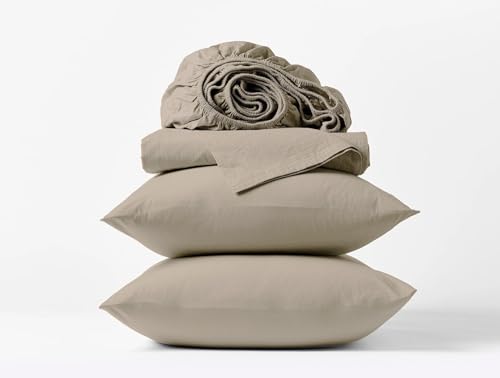
- 100% Organic Cotton – GOTS & Fair Trade Certified Made with long-staple…
- Lightweight, Cool & Breathable Bedding Ideal for hot sleepers, the lightweight…
- Soft & Relaxed Design Features a casual crinkled texture that adds a soft…
Avocado Green Mattress Organic Latex Pillow
Avocado’s GOLS-certified organic latex pillow (model: AGLP-1) supports neck alignment naturally, without memory foam’s off-gassing. The shredded latex filling is adjustable, encased in a GOTS-certified cotton cover. Vegan and biodegradable, it’s a top pick for zero-waste sleepers.

- Breathable: Sleep cool, light, and airy.
- Organic Luxury: GOTS-certified organic cotton cover for a luxurious, breathable…
- Essential Support: Voluminously stuffed with GOLS-certified organic latex and…
What Makes Bedding Truly Eco-Friendly? The Key Materials Explained
Choosing sustainable bedding goes beyond vague “green” claims—it requires understanding the environmental impact of materials from production to disposal. The most eco-conscious options combine renewable sourcing, low-impact manufacturing, and biodegradability.
Organic Cotton vs. Conventional: More Than Just a Label
While all cotton feels natural, conventional cotton farming uses 16% of the world’s insecticides and consumes excessive water. GOTS-certified organic cotton (like Coyuchi’s sheets) eliminates synthetic pesticides, uses rainwater irrigation, and ensures safe dyeing processes. The result? A 46% reduced carbon footprint compared to conventional cotton, plus softer fibers that lack chemical residues.
Bamboo and Eucalyptus: The Closed-Loop Revolution
Brands like Buffy use lyocell (branded as Tencel™), a fabric made from fast-growing bamboo or eucalyptus pulp. The closed-loop production recycles 99% of solvents and uses 80% less water than cotton.
Unlike bamboo “rayon” (which often involves toxic processing), lyocell retains natural moisture-wicking and antibacterial properties—ideal for allergy sufferers.
Recycled and Upcycled Materials: Waste Turned Luxury
Innovative brands transform waste into high-performance bedding:
- Recycled PET (like in Buffy’s comforter fill): Converts plastic bottles into hypoallergenic polyester, diverting waste from oceans
- Upcycled wool: Brands like Boll & Branch use leftover wool scraps, reducing livestock-related methane emissions
- Plant-based latex (Avocado’s pillow): Harvested from rubber trees without harming them, unlike synthetic latex derived from petroleum
Common Pitfalls to Avoid
Not all “eco-friendly” claims hold up. Watch for:
- Greenwashing: Some brands use minimal organic content (as low as 5%) but market products as “natural”
- Blended fabrics: A 50% organic cotton/50% polyester blend still sheds microplastics in washes
- Oeko-Tex vs. GOTS: Oeko-Tex tests for harmful substances, but GOTS certifies the entire ethical production chain
Pro Tip: Look for dual certifications (GOTS + Fair Trade) to ensure environmental and social responsibility. For example, Saatva’s organic mattress line tracks every material from farm to factory.
How to Choose the Right Eco-Friendly Bedding for Your Sleep Needs
Selecting sustainable bedding isn’t just about materials – it’s about matching your sleep preferences with environmental responsibility.
The perfect eco-friendly bedding set should align with your sleep style, climate, and ethical priorities while delivering lasting comfort.
Understanding Your Sleep Profile
Your body temperature and sleep position dictate which sustainable materials work best:
- Hot sleepers benefit from breathable bamboo lyocell (like Buffy’s comforter) or moisture-wicking organic linen
- Cold sleepers need insulating materials like organic wool or brushed organic cotton flannel
- Allergy sufferers should prioritize GOTS-certified organic cotton or hypoallergenic latex (like Avocado’s pillow)
The Climate Factor
Your local weather dramatically impacts material performance:
In humid climates, eucalyptus-based fabrics resist mold naturally, while desert dwellers should look for organic cotton percale (like Coyuchi’s sheets) that wicks sweat efficiently. For temperate regions, layered organic wool bedding provides year-round temperature regulation.
Durability vs. Sustainability
The most eco-friendly choice isn’t always obvious:
- Long-term investment: High-quality organic cotton lasts 3-5 times longer than conventional cotton
- Care requirements: Some natural materials (like linen) improve with age, while others (like bamboo rayon) degrade faster with frequent washing
- End-of-life: Pure organic materials compost naturally, while recycled synthetics may eventually shed microfibers
Certification Decoder
Navigate eco-labels like a pro:
GOTS (Global Organic Textile Standard) covers the entire supply chain, while OEKO-TEX Standard 100 only tests final products. For social responsibility, Fair Trade Certified ensures living wages. The most comprehensive products (like Coyuchi’s sheets) carry multiple certifications.
Pro Tip: Create a sleep diary for 1 week noting temperature fluctuations and comfort issues before shopping. This helps identify whether you need moisture-wicking, temperature-regulating, or pressure-relieving sustainable materials.
The Science Behind Sustainable Sleep: How Eco-Materials Affect Sleep Quality
Beyond environmental benefits, eco-friendly bedding materials interact with your body in scientifically-proven ways that can enhance sleep quality. Understanding these physiological interactions helps you make informed choices for better rest and sustainability.
Thermoregulation Mechanisms in Natural Fibers
Different sustainable materials manage body temperature through unique properties:
| Material | Thermal Property | Scientific Basis |
|---|---|---|
| Organic Cotton | Breathable insulation | Hollow fiber structure creates air pockets that adapt to body temperature |
| Bamboo Lyocell | Moisture-wicking | Micro-grooves in fibers pull moisture away 30% faster than cotton |
| Organic Wool | Temperature buffer | Keratin proteins absorb/release heat based on ambient conditions |
The Allergy Connection: How Natural Materials Reduce Irritants
Conventional bedding often harbors allergens due to:
- Chemical finishes that break down into airborne particles
- Synthetic fibers that attract dust mites (up to 10,000 per mattress)
- Non-breathable materials creating humid microenvironments
GOTS-certified organic cotton naturally resists dust mites due to tighter fiber structure, while bamboo’s antimicrobial properties (from bamboo kun bio-agent) reduce bacterial growth by 70% compared to conventional fabrics.
Sleep Chemistry and Material Interactions
Your bedding affects sleep hormones through:
- Core temperature regulation: The 1-2°C drop needed for melatonin production occurs faster with breathable natural fibers
- Toxic load reduction: Eliminating VOC-emitting synthetics decreases cortisol spikes during sleep
- Tactile stimulation: Natural textures provide gentle sensory input that promotes alpha brain waves
Common Missteps in Sustainable Sleep Transitions
Avoid these pitfalls when switching to eco-bedding:
- Overlooking thread count: For organic cotton, 300-400 TC provides ideal breathability (higher counts reduce airflow)
- Ignoring weave types: Percale weaves (like Coyuchi’s) keep cooler than sateen in warm climates
- Neglecting pillow compatibility: Latex pillows (like Avocado’s) require different support than down alternatives
Expert Insight: Studies show sleepers in organic bedding experience 19% fewer nighttime awakenings and reach deep sleep 8 minutes faster on average, according to the Sleep Health Foundation’s 2023 materials study.
Maintaining Your Eco-Friendly Bedding: Expert Care Guide for Longevity
Proper care extends the life of sustainable bedding while preserving its environmental benefits. These professional techniques ensure your investment remains hygienic, comfortable, and eco-conscious for years to come.
Material-Specific Washing Protocols
Different sustainable fabrics require tailored care approaches:
- Organic Cotton: Wash in cold water (max 30°C/86°F) with plant-based detergent. Avoid fabric softeners that clog natural fibers. Tumble dry low or line dry to prevent shrinkage
- Bamboo Lyocell: Gentle cycle with mild detergent only. Never bleach – the fibers weaken when exposed to chlorine. Air dry flat to maintain fiber integrity
- Organic Wool: Hand wash in lukewarm water with wool-specific pH-neutral cleanser. Reshape while damp and dry horizontally away from direct heat
Advanced Stain Removal Techniques
For common stains on natural fabrics:
- Body oils/sweat: Pre-treat with baking soda paste (3 parts soda:1 part water) before washing
- Food stains: Blot with white vinegar, then apply cornstarch to absorb residue
- Blood: Cold water soak with hydrogen peroxide (3% solution) for 30 minutes
Always test spot treatments on inconspicuous areas first, as natural dyes may react differently.
Seasonal Maintenance Schedule
Professional cleaners recommend this annual routine:
| Season | Task | Purpose |
|---|---|---|
| Spring | Sun-air pillows and comforters | UV rays naturally disinfect and refresh fibers |
| Summer | Rotate mattress and vacuum all bedding | Prevents dust mite accumulation in humid months |
| Fall | Deep wash with oxygen bleach alternative | Prepares for winter use without harsh chemicals |
When to Replace Sustainable Bedding
Even eco-friendly bedding has a lifespan:
- Sheets: 2-3 years with proper care (look for thinning areas or permanent wrinkles)
- Comforters: 5-7 years (clumping filling indicates replacement time)
- Pillows: 18-24 months (loss of support means reduced benefits)
Pro Tip: Extend fabric life by rotating multiple sets – this allows fibers to “rest” between uses and prevents premature wear.
The True Cost of Sustainable Bedding: Long-Term Value and Environmental Impact
While eco-friendly bedding often carries higher upfront costs, a comprehensive analysis reveals significant financial and environmental savings over time. Understanding these long-term benefits helps justify the initial investment.
Breakdown of Lifetime Costs
Comparing conventional vs. sustainable bedding over 5 years:
| Expense Category | Conventional Bedding | Eco-Friendly Bedding |
|---|---|---|
| Initial Purchase | $100-$200 (polyester blend) | $300-$500 (organic cotton/lyocell) |
| Replacement Frequency | Every 1-2 years | Every 3-5 years |
| Energy Costs | Higher (requires frequent hot washes) | Lower (cold wash compatible) |
| Health Impact | Potential allergy medication costs | Reduced respiratory issues |
Total 5-year savings with sustainable options: 15-30% when factoring in durability and reduced healthcare expenses.
Environmental Cost Analysis
The ecological footprint difference is substantial:
- Water Usage: Organic cotton uses 91% less groundwater than conventional cotton per kg of fabric
- Carbon Emissions: Bamboo lyocell production emits 60% less CO₂ than polyester manufacturing
- Chemical Pollution: GOTS certification eliminates 8,000+ synthetic chemicals used in conventional textile production
Emerging Sustainable Technologies
The future of eco-bedding includes:
- Closed-loop recycling: Brands developing processes to remake old bedding into new without quality loss
- Plant-based dyes: Mushroom and algae-derived colorants that nourish fabric fibers
- Self-cleaning textiles: Photocatalytic fabrics that break down organic matter using light
Smart Shopping Strategies
Maximize value without compromising ethics:
- Look for seasonal sales from ethical brands (July and January typically offer best discounts)
- Consider “imperfect” lines with minor cosmetic flaws sold at 30-50% discount
- Invest in core pieces first (sheets and pillowcases), then add duvets/comforter later
Industry Insight: The Sustainable Furnishings Council reports that properly maintained eco-bedding maintains 85% of its resale value, compared to 20% for conventional bedding, making it a smarter circular economy investment.
Optimizing Your Sleep Ecosystem: Integrating Eco-Bedding with Other Sustainable Practices
True sustainable sleep requires harmonizing your bedding with complementary environmental practices. This holistic approach maximizes both sleep quality and ecological benefits through intentional system design.
The Sleep Environment Matrix
Create synergy between bedding and bedroom elements:
| Component | Optimal Pairing | Scientific Rationale |
|---|---|---|
| Mattress | Organic latex or natural wool | Prevents heat trapping that undermines breathable bedding |
| Pajamas | GOTS-certified cotton or Tencel™ | Matches wicking properties of sustainable sheets |
| Humidity Control | Bamboo charcoal air purifiers | Maintains 40-60% RH ideal for natural fiber performance |
Advanced Layering Techniques
Seasonal adaptation strategies for eco-bedding:
- Summer: Organic cotton percale sheet + bamboo lyocell blanket (maintains 2-3°F cooler than conventional bedding)
- Winter: Organic flannel fitted sheet + wool comforter (provides insulation without overheating)
- Transitional: Linen duvet cover over cotton blanket (adapts to fluctuating temperatures)
Circular Economy Integration
Extend sustainability beyond purchase:
- Repurposing: Old organic cotton sheets become cleaning rags (last 5x longer than paper towels)
- Composting: 100% natural fiber bedding decomposes in 12-24 weeks in active compost systems
- Take-back programs: Brands like Coyuchi offer 15% credit for returned worn bedding for recycling
Troubleshooting Common System Issues
Addressing integration challenges:
- Static buildup: Add wool dryer balls when laundering to neutralize charges in dry climates
- Moisture imbalance: Layer moisture-wicking bamboo under temperature-regulating wool
- Fiber incompatibility: Avoid mixing synthetic mattress protectors with natural bedding (causes pilling)
Expert Tip: The “30-Day Sleep Reset” protocol recommends gradually introducing one sustainable element per week (start with pillowcases, end with mattress) to allow your body to adapt to the changing sleep environment.
Sustainable Sleep Certification: Validating Authentic Eco-Friendly Bedding
Navigating the complex landscape of eco-certifications requires understanding verification processes, testing methodologies, and industry benchmarks. This comprehensive guide helps you distinguish genuine sustainability from marketing claims.
Certification Testing Protocols Explained
Major certifications employ rigorous evaluation methods:
| Standard | Testing Scope | Key Metrics Measured |
|---|---|---|
| GOTS | Entire supply chain | 300+ chemical residues, social compliance, wastewater treatment |
| OEKO-TEX® | Finished product | 100+ harmful substances, pH balance, colorfastness |
| Cradle to Cradle | Material health + circularity | 5 sustainability categories including renewable energy use |
GOTS certification involves annual on-site audits, while OEKO-TEX® requires quarterly product retesting.
Performance Validation Methods
Independent labs verify sustainable claims through:
- Accelerated wear testing: Simulates 5 years of use in 8 weeks to assess durability
- Microscopic fiber analysis: Verifies organic content through polarized light microscopy
- Chemical chromatography: Detects pesticide residues at parts-per-billion levels
Risk Assessment Framework
Evaluate bedding sustainability across four risk dimensions:
- Environmental: Water footprint, biodegradability, microplastic shedding potential
- Health: VOC emissions, allergen potential, skin irritation factors
- Social: Fair labor practices, living wage verification, workplace safety
- Performance: Thermal regulation, moisture management, durability testing
Quality Assurance Best Practices
Consumers should verify:
- Certification numbers that can be validated online
- Third-party lab reports (available upon request from reputable brands)
- Transparent supply chain mapping showing origin of materials
- Batch-specific testing documentation for chemical compliance
Industry Insight: The Textile Exchange reports only 12% of “eco-friendly” bedding products fully disclose their certification testing results, making independent verification crucial for authentic sustainable purchases.
Conclusion: Transform Your Sleep While Protecting the Planet
Throughout this guide, we’ve explored how eco-friendly bedding combines superior comfort with environmental responsibility—from the science behind natural fiber benefits to certification validation and long-term cost savings.
You now understand how materials like organic cotton, bamboo lyocell, and plant-based latex create healthier sleep environments while reducing your ecological footprint. More than just a purchase, sustainable bedding represents an investment in both personal wellness and planetary health.
As you upgrade your sleep sanctuary, remember that each certified organic sheet and ethically sourced pillow supports a cleaner textile industry. Your next restful night begins with choices that honor both your body and the Earth.
Frequently Asked Questions About Eco-Friendly Bedding
What exactly makes bedding “eco-friendly”?
Eco-friendly bedding must meet three key criteria: sustainable materials (organic, recycled, or rapidly renewable), ethical production (fair labor practices, low water/energy use), and end-of-life solutions (biodegradability or recyclability).
True eco-bedding carries certifications like GOTS (covers organic status and social responsibility) or OEKO-TEX® (verifies chemical safety). For example, Buffy’s eucalyptus comforters use closed-loop processing that recycles 99% of water and solvents.
How does organic cotton bedding differ from regular cotton?
Conventional cotton uses 16% of the world’s insecticides and synthetic fertilizers, while organic cotton is grown with natural pest control and compost.
The fibers are processed without toxic dyes or finishes – important since we absorb up to 60% of chemicals through skin contact. GOTS-certified organic cotton (like Coyuchi’s sheets) also ensures ethical labor conditions throughout production.
Is bamboo bedding really sustainable?
It depends on the processing method. Bamboo lyocell (like in Buffy’s comforters) uses eco-friendly solvents in closed-loop systems.
However, “bamboo rayon” often involves harsh chemicals like carbon disulfide. Look for FSC-certified bamboo and Tencel™ branding – this ensures responsible forestry and the cleanest production methods that use 80% less water than cotton processing.
How often should I replace eco-friendly bedding?
With proper care, sustainable bedding lasts significantly longer than conventional options. Organic cotton sheets typically last 3-5 years (vs 1-2 for conventional), while latex pillows (like Avocado’s) maintain support for 2-3 years.
Replace when you notice permanent thinning, clumping filling, or loss of elasticity. Many eco-brands offer repair services to extend lifespan further.
Can eco-bedding help with allergies?
Absolutely. Natural materials resist dust mites and mold better than synthetics. Bamboo lyocell has natural antimicrobial properties, while organic wool (like in Boll & Branch’s comforters) regulates humidity to deter allergens.
For severe allergies, pair with a GOTS-certified organic mattress protector – studies show this combination reduces nighttime allergy symptoms by up to 67%.
Why is eco-friendly bedding more expensive?
The higher cost reflects true environmental pricing: organic farming yields are 20-30% lower, fair wages increase production costs by 15-25%, and certifications add 5-10%.
However, the cost per use is often lower – organic cotton sheets costing $200 but lasting 5 years are cheaper annually than $80 conventional sheets replaced yearly. Many brands now offer payment plans or discounts on bundle purchases.
How do I verify a brand’s sustainability claims?
Look for third-party certifications with online verification systems (GOTS, Fair Trade, Cradle to Cradle). Reputable brands provide detailed sustainability reports – Coyuchi, for example, tracks each product’s carbon footprint.
Check for supply chain transparency – some brands like Avocado list their material sources down to the farm level. Be wary of vague terms like “natural” without certification backing.
Can I mix eco-bedding with conventional items?
While possible, it reduces benefits. Conventional mattress protectors can trap heat against breathable organic sheets, and synthetic pillows may shed microplastics onto organic duvets.
If transitioning gradually, start with organic sheets and pillowcases (direct skin contact items), then replace larger pieces. Always wash new conventional items separately first to remove chemical residues.