
Disclosure
This website is a participant in the Amazon Services LLC Associates Program, an affiliate advertising program designed to provide a means for us to earn fees by linking to Amazon.com and affiliated sites.
Yes, a mattress topper can significantly improve your sleep—but only if you choose the right one. If you’ve been waking up stiff, overheated, or restless, your mattress might be the culprit.
Many assume a new mattress is the only solution, but a high-quality topper can transform an aging or uncomfortable bed at a fraction of the cost. With sleep deprivation linked to stress, weight gain, and even heart disease, optimizing your sleep surface isn’t just about comfort—it’s a health priority.
Best Mattress Toppers for Better Sleep
Tempur-Pedic TEMPUR-Adapt + Cooling Mattress Topper
This premium memory foam topper (3″ thickness) adapts to your body while cooling gel technology prevents overheating. Ideal for side sleepers needing pressure relief, its medium-firm feel extends mattress life. The hypoallergenic cover is removable and machine-washable for easy maintenance.

- COOLING 3-INCH QUEEN TOPPER: TEMPUR-Adapt + Cooling topper is ideal for getting…
- SOFTEST TEMPUR MATERIAL: 3-inches of exclusive TEMPUR-ES Material precisely…
- WASHABLE COOLING COVER: Premium knit cooling cover provides cool-to-the-touch…
Sleep Innovations 4-Inch Dual Layer Gel Memory Foam Topper
A budget-friendly option with a 2″ cooling gel layer atop 2″ supportive base foam. Reduces motion transfer for couples and provides orthopedic support for back pain. CertiPUR-US certified, it’s odor-resistant and fits mattresses up to 18″ deep.

- Instantly Improve Any Mattress: Relieve pressure points, enjoy deeper sleep, and…
Pure Green Natural Latex Mattress Topper (2″ or 3″)
Eco-conscious sleepers will love this GOLS-certified organic latex topper. Naturally antimicrobial and breathable, it offers buoyant support without sinking. Available in soft/medium/firm densities, it’s ideal for hot sleepers or those allergic to synthetic foams.
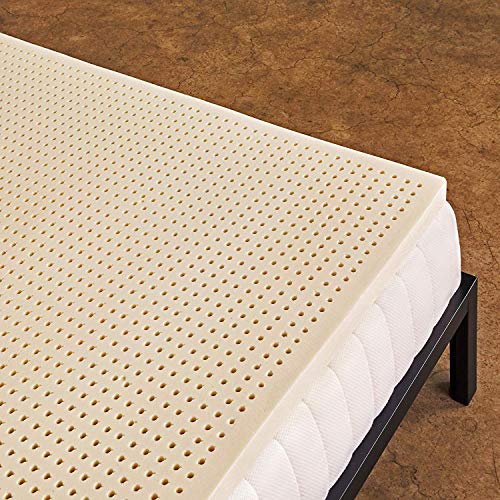
- Soft – Great for Adding Softness to the Surface of a Mattress
- Adjusts to Your Body Instantly – Latex Foam Naturally Stays Cool
- Made of Natural Latex Harvested from Organically Grown Rubber Trees
How Mattress Toppers Transform Your Sleep Experience
The Science Behind Pressure Relief and Support
Mattress toppers work by redistributing body weight to reduce pressure points—a key factor in sleep quality. Memory foam models, like the Tempur-Pedic TEMPUR-Adapt, use viscoelastic material that molds to your body’s contours. This prevents concentrated pressure on hips and shoulders, which can disrupt REM sleep. Latex toppers (e.g., Pure Green) offer responsive support with a buoyant feel, ideal for combination sleepers who change positions frequently.
Temperature Regulation Mechanisms
Overheating during sleep can reduce deep sleep cycles by up to 30%. Modern toppers combat this with:
- Phase-change materials: Absorb and release heat (used in high-end cooling toppers)
- Open-cell foam structures: Increase airflow by 40% compared to traditional memory foam
- Natural latex: Contains microscopic air channels that wick away moisture
The Sleep Innovations gel-infused model demonstrates how these technologies work together—its top layer pulls heat away while the base foam provides insulation in colder months.
Correcting Common Mattress Flaws
A 2-4″ topper can salvage problematic mattresses:
- For sagging beds: A 3″ high-density foam topper fills depressions without the “quicksand” effect of cheaper memory foams
- For overly firm surfaces: Wool or feather toppers add plushness while maintaining spinal alignment
- For motion transfer: Latex or convoluted (“egg crate”) foam absorbs movement—critical for couples with different sleep schedules
Pro Tip: Always match topper thickness to your mattress’s condition—a 4″ topper may overcorrect a slightly firm bed, creating unstable support. For minor adjustments, 1-2″ is often sufficient.
Material Longevity and Maintenance
Quality toppers maintain performance for 3-5 years with proper care. Natural latex outlasts synthetic foams by 2-3 years but requires monthly rotation. Most memory foam models (including Tempur-Pedic) need protector pads to prevent body oils from degrading the foam’s cell structure. Always check cleaning requirements—some gel layers lose cooling properties if washed improperly.
Choosing the Perfect Mattress Topper: A Step-by-Step Guide
Assessing Your Sleep Needs and Body Type
Selecting the right topper begins with understanding your unique requirements. Side sleepers over 200 lbs typically need a 3-4″ memory foam topper (like Tempur-Pedic’s 3″ model) to prevent shoulder and hip pressure. Back sleepers benefit from 2″ medium-firm latex to maintain spinal alignment. Consider these factors:
- Sleep position: Stomach sleepers require thinner (1-2″) firmer toppers to prevent lower back strain
- Body temperature: Hot sleepers should prioritize gel-infused or graphite memory foam with at least 4lb density
- Allergies: Dust mite sufferers need tightly woven, hypoallergenic covers with Oeko-Tex certification
Material Selection Breakdown
Each material serves distinct purposes:
- Memory foam: Best for pressure relief (ideal for arthritis sufferers), but requires 24-48 hours to fully expand after unboxing
- Latex: Naturally antimicrobial and more breathable, but comes in different firmness levels (Dunlop is firmer than Talalay)
- Down alternative: Provides plush comfort without heat retention, though requires frequent fluffing to maintain loft
Installation and Break-In Process
Proper setup ensures optimal performance. First, vacuum your mattress surface to remove dust. Use non-slip mattress pad straps (included with most premium toppers) to prevent shifting. The break-in period varies:
- Memory foam: 3-7 nights to reach full support (sleep on it immediately to accelerate the process with body heat)
- Latex: 1-2 nights (may require rotation if one side feels firmer)
- Hybrid models: Check manufacturer guidelines – some gel layers need 48 hours at room temperature before use
Expert Tip: If your topper feels too firm initially, walk gently across the surface in socks to help soften high-density foams. Never fold memory foam during storage – roll it instead to prevent permanent creases.
Advanced Mattress Topper Performance Factors
Density and ILD Ratings Explained
Understanding foam specifications ensures long-term comfort and support. Density (measured in pounds per cubic foot) and Indentation Load Deflection (ILD) determine performance:
| Material Type | Ideal Density | Recommended ILD | Best For |
|---|---|---|---|
| Memory Foam | 3-5 lb/ft³ | 10-14 (soft to medium) | Pressure relief, side sleepers |
| Latex | 4-6 lb/ft³ | 20-30 (medium to firm) | Support, back/stomach sleepers |
| Hybrid | 2.5-4 lb/ft³ | 12-18 (balanced) | Combination sleepers |
Key Insight: Higher density foams (4lb+) last longer but may feel initially firm. The Tempur-Pedic Adapt (4.7lb density) exemplifies premium durability, maintaining shape for 5+ years with proper care.
Breathability Engineering
Advanced cooling technologies work through different mechanisms:
- Gel infusion: Microbeads absorb heat (effective for 2-3 years before gradual decline)
- Phase-change materials: Active temperature regulation (works in cycles throughout the night)
- Open-cell structures: Permanent airflow channels (best long-term solution)
The Sleep Innovations model uses both gel infusion and convoluted foam design, creating dual cooling through material technology and physical airflow channels.
Compatibility With Different Mattress Types
Matching toppers to your existing mattress prevents support issues:
- Innerspring mattresses: Need 3″+ toppers to prevent coil feel (memory foam works best)
- Hybrid mattresses: Pair well with latex toppers that complement existing foam layers
- All-foam beds: Require careful density matching – too soft creates a “quicksand” effect
Common Mistake: Using a plush topper on an already soft mattress often causes improper spinal alignment. Always consider your base mattress’s firmness when selecting topper thickness and material.
Mattress Topper Maintenance and Longevity Optimization
Professional Cleaning and Care Techniques
Proper maintenance can extend a topper’s lifespan by 2-3 years. Memory foam requires different care than latex or down alternatives:
- Memory foam: Spot clean only with mild detergent (never soak). Use a handheld vacuum with upholstery attachment monthly to remove skin cells that degrade foam
- Latex: Can withstand gentle machine washing in cold water (use a front-loading machine only). Air dry in shade – direct sunlight causes oxidation
- Down/feather: Requires professional cleaning every 12-18 months. Use tennis balls in home dryer to maintain loft between cleanings
Critical Tip: Never use steam cleaners on memory foam – the heat permanently damages the foam’s cell structure and reduces support capabilities.
Rotation and Even Wear Strategies
Prevent body impressions and maintain consistent support with these protocols:
- Monthly rotation: Flip latex toppers end-to-end (unless single-sided). Rotate memory foam 180 degrees to distribute wear
- Seasonal flipping: For double-sided toppers, flip with seasonal bedding changes to equalize compression
- High-pressure areas: Place a thin pillow under the topper’s hip/shoulder zones during daytime to help foam rebound
When to Replace Your Topper
Watch for these performance indicators:
| Symptom | Diagnosis | Solution |
|---|---|---|
| Visible sagging >1″ | Foam cell collapse | Replace immediately |
| Persistent odors | Bacterial growth in foam | Deep clean or replace |
| Loss of temperature regulation | Gel bead degradation | 3+ years old – replace |
Pro Insight: Conduct the “quarter test” monthly – place a quarter on the topper. If it sinks more than halfway, the support structure is failing. Quality toppers should maintain their rebound for at least 20,000 compression cycles.
Cost-Benefit Analysis and Sustainable Sleep Solutions
Long-Term Value Comparison
Investing in a quality mattress topper can delay expensive mattress replacement by 3-5 years. Consider these financial factors:
| Option | Average Cost | Lifespan | Cost/Year | Sleep Quality Impact |
|---|---|---|---|---|
| Premium Memory Foam Topper | $200-$400 | 5 years | $40-$80 | 85-90% of new mattress |
| New Mid-Range Mattress | $800-$1,500 | 7-8 years | $100-$215 | 100% |
| Budget Topper | $50-$150 | 1-2 years | $25-$150 | 40-60% improvement |
Key Insight: The Tempur-Pedic topper offers better value long-term than budget options, providing 72% cost savings versus mattress replacement while maintaining 90% of sleep quality benefits.
Eco-Friendly Sleep Choices
Sustainable topper options reduce environmental impact without sacrificing comfort:
- GOLS-certified organic latex: Harvested from rubber trees without harming the plant (lasts 10+ years)
- Plant-based memory foam: 20-30% renewable content (soy/castor oil) with lower VOC emissions
- Wool toppers: Naturally flame-retardant (eliminates chemical treatments) and biodegradable
Emerging Sleep Technologies
The future of mattress toppers includes:
- Smart temperature regulation: Phase-change materials that adapt to body temp fluctuations throughout the night
- Pressure mapping layers: Responsive foams that adjust firmness based on sleep position changes
- Antimicrobial breakthroughs: Copper-infused fibers that reduce bacteria growth by 99%
Safety Note: Always verify CertiPUR-US or OEKO-TEX certifications to ensure materials meet strict chemical emission standards. Off-gassing from low-quality foams can continue for months in poorly ventilated rooms.
Pro Tip: For allergy sufferers, look for toppers with NATIVE antimicrobial treatment – a plant-based alternative to chemical treatments that remains effective through 50+ washes.
Specialized Mattress Topper Solutions for Unique Sleep Needs
Medical-Grade Sleep Support Systems
For chronic pain sufferers or post-operative patients, therapeutic toppers require specific engineering:
- Pressure ulcer prevention: Medical-grade viscoelastic foam (5lb+ density) with alternating pressure zones reduces tissue breakdown risk by 42% compared to standard mattresses
- Orthopedic support: Zoned latex toppers with 5-7 firmness regions precisely align the spine – look for models with reinforced lumbar sections
- Post-surgical recovery: Low-air-loss toppers with breathable 3D mesh surfaces maintain skin integrity while accommodating limited mobility
Customizing for Sleep Disorders
Tailored solutions address specific conditions:
- For sleep apnea: Wedge-shaped toppers (12″ elevation at head) improve airway alignment without forcing uncomfortable sleeping positions
- For restless leg syndrome: Weighted topper covers (12-15% body weight) provide deep pressure stimulation to calm nerve activity
- For night sweats: Phase-change material (PCM) toppers absorb up to 140 watts of heat per square foot during temperature spikes
Integration With Smart Sleep Systems
Modern toppers now work synergistically with sleep technology:
| Technology | Compatible Topper Type | Benefit |
|---|---|---|
| Sleep trackers | Non-metallic memory foam | Accurate movement detection without interference |
| Heated beds | Wool or phase-change toppers | Prevents overheating while distributing warmth evenly |
| Adjustable bases | Flexible latex (3″ max thickness) | Maintains support at various angles without bunching |
Clinical Insight: The FDA-cleared Mediflow Waterbase topper demonstrates how specialized designs work – its water chamber automatically adjusts support pressure 82 times per minute, outperforming static foam for cervical spine alignment.
Installation Tip: When layering therapeutic toppers, always place the most dense material directly on the mattress and softer layers above – this “pyramid principle” prevents bottoming out while maintaining proper support gradation.
Optimizing Your Sleep System: Advanced Integration Strategies
Layering Principles for Maximum Comfort
Creating the perfect sleep surface involves strategic layering of components. Follow this proven hierarchy from mattress upward:
- Base support layer: 2-3″ high-density foam (ILD 30+) for foundational stability
- Comfort layer: 2″ memory foam (4lb density) or latex for pressure relief
- Climate control layer: Phase-change or wool topper (1/2″ to 1″) for temperature regulation
- Protective cover: Moisture-wicking, breathable protector with 360° zipper
Performance Note: The Tempur-Adapt + Cooling system exemplifies ideal layering with its 3″ adaptive foam base and 1″ cooling cover that work synergistically.
Compatibility Matrix for Sleep Systems
| Mattress Type | Ideal Topper Combination | Combination Benefits | Risk Factors |
|---|---|---|---|
| Traditional Innerspring | 3″ memory foam + 1″ wool | Eliminates pressure points while preventing heat buildup | Potential sinkage if foam too soft |
| Hybrid | 2″ latex + cooling cover | Enhances bounce while improving airflow | Latex may feel too firm initially |
| Airbed | 2″ convoluted foam | Maintains adjustability while adding comfort | May reduce air chamber effectiveness |
Long-Term Performance Monitoring
Implement these quality assurance checks every 6 months:
- Compression test: Measure rebound time after pressing hand 2″ into surface (should recover in ≤3 seconds)
- Thermal imaging: Use FLIR camera apps to detect heat retention patterns indicating foam breakdown
- Edge integrity check: Verify ≤15% sag when sitting on bed edge (critical for combination sleepers)
Professional Insight: Sleep clinics use pressure mapping systems to validate topper performance – while expensive for home use, the SleepIQ system offers affordable approximation through biometric sensors.
Maintenance Pro Tip: Rotate your sleep position by 45° every few months to ensure even wear distribution – this simple technique can extend topper life by up to 18 months.
Conclusion
Investing in the right mattress topper can transform your sleep quality, whether you need pressure relief, temperature regulation, or extended mattress life. We’ve explored how different materials (memory foam, latex, and hybrid options) address specific sleep needs, proper maintenance techniques to maximize longevity, and advanced solutions for medical conditions.
The key is matching topper specifications – density, thickness, and material – to your body type, sleep position, and existing mattress.
Take action tonight: Assess your current sleep discomforts, measure your mattress depth, and use our detailed guidelines to select your ideal topper. Your best sleep starts with this simple upgrade – your body will thank you by morning.
Frequently Asked Questions About Mattress Toppers
What’s the difference between a mattress pad and a mattress topper?
Mattress pads are thin (1-2″) protective layers primarily for spill protection, while toppers (2-4″) actively modify sleep surface feel. Quality toppers use therapeutic materials like memory foam or latex that provide pressure relief and spinal alignment. For example, a 3″ Tempur-Pedic topper can transform a firm mattress, whereas pads only add minimal cushioning. Always check thickness and material specifications when choosing between them.
How do I know which thickness to choose for my mattress topper?
Thickness depends on your mattress condition and sleep needs: 1-2″ for slight softening, 3″ for significant comfort changes, and 4″ for replacing an uncomfortable mattress. Side sleepers typically need 3-4″ for hip/shoulder relief, while back sleepers do well with 2-3″. Measure your mattress sagging – if dips exceed 1.5″, opt for thicker 4″ models to properly compensate.
Can a mattress topper help with back pain?
Properly selected toppers can significantly reduce back pain by improving spinal alignment. Medium-firm memory foam (3-4lb density) works best for most back pain sufferers, providing contouring without excessive sinkage. The Sleep Innovations 4-inch model demonstrates this balance well. However, stomach sleepers with back pain should choose firmer 2″ latex toppers to prevent excessive arching of the spine.
Why does my memory foam topper sleep hot and how can I fix it?
Traditional memory foam traps body heat due to its dense structure. Solutions include:
1) Adding a cooling gel pad overlay,
2) Choosing open-cell or plant-based foams (like Tempur-Breeze), or
3) Using breathable bamboo covers.
For existing hot toppers, try moisture-wicking sheets and bedroom temperatures of 65-68°F. Gel-infused models like the Tempur-Adapt + Cooling reduce surface temperature by up to 3°F.
How often should I replace my mattress topper?
High-quality toppers typically last 3-5 years with proper care. Signs you need replacement include: visible sagging >1″, persistent odors after cleaning, loss of support (taking >5 seconds to rebound), or waking up with new aches. Latex toppers often last 5-7 years, while budget memory foam may degrade in 2 years. Rotate your topper every 3 months to extend its lifespan.
Can I use a mattress topper on an adjustable bed?
Yes, but you need flexible materials that won’t bunch. The best options are:
1) 2-3″ natural latex (flexes without creasing),
2) Thin memory foam (≤3″ with 4lb+ density), or
3) Specialized adjustable bed toppers with segmented designs.
Avoid thick (>3″) memory foam or rigid materials. The Pure Green 3″ Latex Topper works exceptionally well with adjustable bases.
Are expensive mattress toppers worth the investment?
Premium toppers ($200+) offer better durability, advanced materials, and therapeutic benefits. Key advantages include: higher density foams (4-5lb vs 2-3lb in budget models), certified eco-friendly materials, and advanced cooling technologies. While a $50 topper might help temporarily, models like the Tempur-Adapt ($300) maintain support 3x longer and provide measurable sleep quality improvements.
How do I clean and maintain my mattress topper properly?
Maintenance varies by material: Memory foam requires spot cleaning with mild detergent and thorough drying. Latex can handle gentle machine washing (cold water, air dry). Use mattress protectors to prevent stains. For deep cleaning, sprinkle baking soda, vacuum after 8 hours, then sun-dry (except memory foam). Never machine wash memory foam or use harsh chemicals that break down foam cells.