
Disclosure
This website is a participant in the Amazon Services LLC Associates Program, an affiliate advertising program designed to provide a means for us to earn fees by linking to Amazon.com and affiliated sites.
You can buy a mattress online—but whether you should depends on your priorities. For decades, mattress shopping meant trudging through stores, lying on dozens of beds, and dealing with pushy salespeople.
Today, the rise of online mattress brands promises convenience, lower prices, and risk-free trials—but is it really better? The truth is, both options have unique advantages. In-store shopping lets you test firmness and support firsthand, while online purchases offer unbeatable convenience and cost savings.
Best Mattresses for Buying Online or In-Store
Tempur-ProAdapt 2.0 Medium 12inch Hybrid Mattress
If you prefer in-store testing, the TEMPUR-ProAdapt Hybrid is a top pick. Its adaptive memory foam and pocketed coils provide pressure relief and support, making it ideal for back and side sleepers. Available at major retailers like Mattress Firm, you can try it in person before committing.
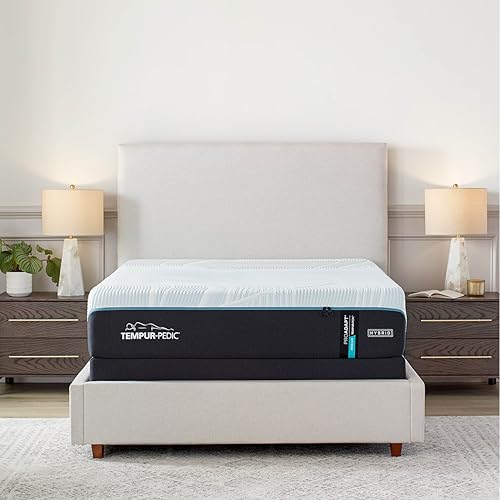
- 12″ HYBRID MATTRESS: Provides the perfect balance of luxurious comfort and…
Casper Sleep Original Foam Mattress
For online shoppers, the Casper Original offers a balanced medium-firm feel with zoned support for spinal alignment. Its 100-night trial and free returns make risk-free buying easy. Plus, compressed shipping means it arrives at your door in a box.
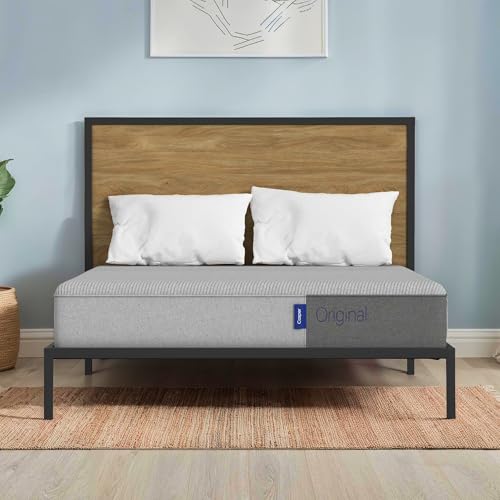
- DESIGNED FOR ALL SLEEPERS: Medium-firm feel and Zoned Support align your spine…
- PREVENTS OVERHEATING ALL NIGHT: Unlike traditional memory foam Casper’s…
- ADVANCED MOTION ISOLATION: Layers of premium foam absorb motion transfer, giving…
Awara Natural Hybrid Mattress
An eco-conscious hybrid combining Dunlop latex with individually wrapped coils, encased in a breathable New Zealand wool and cotton cover. It delivers firm, aligning support and excellent airflow—great for hot sleepers and back support. Includes a 365-night trial.

- CERTIFIED NATURAL LATEX AND MADE FREE OF FIBERGLASS- Awara is made free of…
- NATURAL NEW ZEALAND WOOL & COTTON COVER – Awara’s cover features a breathable…
- INDIVIDUALLY WRAPPED STEEL SPRINGS – Awara has 8 inches of steel springs…
Key Differences Between Buying a Mattress In-Store vs. Online
Hands-On Testing vs. Virtual Research
In-store shopping lets you physically test mattresses for firmness, support, and comfort—critical factors for long-term sleep quality. For example, side sleepers can immediately feel if a mattress cushions their hips and shoulders properly. However, online brands compensate with detailed product descriptions, video reviews, and sleep quizzes to match you with the right bed. Many also offer risk-free trials (often 100+ nights), allowing you to test the mattress at home.
Price Transparency and Hidden Costs
Online retailers typically offer lower prices by cutting out middlemen and showroom overhead. Brands like Casper and Nectar list all costs upfront, including shipping and returns. In contrast, brick-and-mortar stores may have:
- Markup fees (up to 50% higher than online)
- Upselling tactics (e.g., “protective” mattress covers)
- Delivery charges (often $100+) unless negotiated
However, some in-store retailers price-match online deals if you ask.
Delivery and Setup Process
Online mattresses arrive compressed in a box—convenient for DIY setups but labor-intensive for heavier models (e.g., hybrid mattresses over 12″ thick). In-store purchases often include white-glove delivery: professionals assemble the bed and remove old mattresses. This is ideal for:
- Elderly or mobility-limited buyers
- Bulky mattresses (e.g., king-size latex)
- Urban apartments with narrow staircases
Return Policies and Buyer Protection
Most online brands offer hassle-free returns (e.g., Saatva’s 365-night trial), but you may cover return shipping (~$100). In-store returns are rarer—many charge restocking fees (15–20%) or only allow exchanges. Always check fine print for:
- Mandatory trial periods (e.g., 30 days before returns)
- Condition requirements (stains or damage void returns)
- Refund timelines (2–4 weeks for processing)
Pro Tip: Hybrid shoppers can test in-store, then buy the same model online during holiday sales (e.g., Memorial Day) for deeper discounts.
How to Choose the Right Purchase Method for Your Needs
Assessing Your Sleep Preferences and Priorities
Before deciding where to buy, conduct a thorough sleep needs assessment. Start by analyzing your:
- Sleep position (side sleepers often need plusher mattresses)
- Body type (heavier individuals may require firmer support)
- Temperature regulation needs (hot sleepers benefit from cooling gels or breathable latex)
For example, combination sleepers who frequently change positions might prefer visiting a store to test hybrid mattresses like the Sealy Posturepedic Plus Hybrid, which combines responsive coils with pressure-relieving foam layers.
Navigating the Online Buying Process Step-by-Step
When purchasing online, follow this professional approach:
- Research sleep technology – Understand terms like “zoned support” or “Talalay vs. Dunlop latex”
- Utilize virtual tools – Many brands offer AI sleep quizzes (Nectar’s takes just 30 seconds)
- Review return policies carefully – Note if you need original packaging for returns
- Time your purchase – Best deals typically appear during holiday weekends
Mastering the In-Store Shopping Experience
To get the most from physical stores:
- Visit during weekdays for more attentive service
- Wear comfortable clothing to properly test beds
- Spend 10-15 minutes per mattress in your normal sleep position
Sales associates at stores like Mattress Firm can provide valuable insights about mattress construction, but remember they often work on commission. Ask specific technical questions like: “What’s the density of this memory foam layer?” to gauge their expertise.
Expert Tip: Consider hybrid shopping – test models in-store, then search for the same specifications online. Many manufacturers sell identical models under different names to prevent price matching.
The Science Behind Mattress Comfort: What Really Matters
Mattress Materials and Construction
The materials used in mattress construction directly impact comfort and durability. High-quality mattresses typically feature:
| Material | Benefits | Best For | Density Range (lbs/ft³) |
|---|---|---|---|
| Memory Foam | Pressure relief, motion isolation | Side sleepers, couples | 3.0-5.0 (higher is more durable) |
| Latex | Cooler sleep, responsive support | Hot sleepers, eco-conscious buyers | 4.5-6.5 (varies by type) |
| Innerspring | Firm support, airflow | Stomach sleepers, budget shoppers | 12.5-15.5 gauge (lower is firmer) |
The Physics of Proper Spinal Alignment
Quality sleep requires maintaining neutral spinal alignment throughout the night. This involves:
- Zoned support systems that provide firmer support under heavier body areas (hips) while cushioning pressure points (shoulders)
- Transition layers that prevent the “hammocking” effect of sinking too deeply into soft foams
- Edge support systems using high-density foam or reinforced coils to prevent roll-off
For example, the Purple Hybrid Premier uses a patented polymer grid that adapts differently to various body parts, providing targeted support where needed most.
Temperature Regulation Technologies
Modern mattresses incorporate advanced cooling solutions:
- Phase-change materials (PCMs) absorb and release heat at specific temperatures
- Gel-infused foams with thermally conductive properties
- Breathable covers using moisture-wicking fabrics like Tencel lyocell
Common Mistake: Many buyers focus solely on initial firmness without considering how materials will break in over time. High-density foams may feel firm initially but soften appropriately after 30-60 days of use.
Expert Insight: The ideal mattress maintains your spine in the same alignment as standing with good posture. Bring a partner to stores to check your spinal alignment while testing beds.
Mattress Buying Strategies for Different Budgets and Lifestyles
Investment-Level Purchases ($1,500+)
For buyers considering premium mattresses, focus on long-term value through:
- Material longevity – Look for high-density foams (4.0+ lbs/ft³) and tempered steel coils that maintain integrity for 10+ years
- Advanced sleep technologies – Features like adjustable firmness (Sleep Number 360 Smart Bed) or biometric tracking (Eight Sleep Pod Pro)
- Customization options – Split king configurations for couples with different firmness needs
The Tempur-Pedic TEMPUR-LuxeAdapt demonstrates this category with a 15-year warranty and NASA-developed memory foam that adapts to body temperature.
Mid-Range Smart Shopping ($800-$1,500)
This price bracket offers the best balance of quality and value when you:
- Time purchases strategically – Target Presidents’ Day or Labor Day sales for 30-50% discounts
- Consider online brands – Direct-to-consumer companies like Helix or Bear offer comparable quality to luxury brands at lower prices
- Verify certifications – Look for CertiPUR-US® foams and OEKO-TEX® Standard 100 materials
Budget-Conscious Options (Under $800)
Smart shopping techniques for limited budgets include:
| Strategy | Example | Savings Potential |
|---|---|---|
| Floor models | Mattress Firm clearance centers | 40-60% off retail |
| Online basics | Zinus Green Tea Memory Foam | $300-$500 for queen |
| Futon alternatives | Natural latex futon mattresses | $400-$700 with dual-use |
Professional Tip: Always verify warranty transferability if considering floor models or secondhand purchases. Most manufacturers void warranties for non-original owners.
Safety Consideration: Budget memory foam mattresses may off-gas more initially. Allow 72 hours of ventilation in a well-ventilated room before use, especially for allergy sufferers.
Long-Term Mattress Ownership: Maintenance, Lifespan, and Replacement
Optimal Mattress Care for Maximum Longevity
Proper maintenance can extend your mattress lifespan by 3-5 years. Follow this professional care protocol:
| Maintenance Task | Frequency | Key Benefit | Tools Needed |
|---|---|---|---|
| Rotating (non-flip models) | Every 3 months | Prevents body impressions | Mattress handles or helper |
| Deep cleaning | Twice yearly | Removes allergens and dust mites | Upholstery cleaner, baking soda |
| Foundation inspection | Annually | Ensures proper support | Level, flashlight |
When to Replace: The 5 Warning Signs
Monitor these indicators of mattress failure:
- Visible sagging exceeding 1.5 inches (use a straightedge to measure)
- Persistent morning pain that improves when sleeping elsewhere
- Noise development in coil systems indicating spring fatigue
- Allergy flare-ups from accumulated dust mites (10+ year old mattresses can contain 10 million mites)
- Sleep quality decline despite good sleep hygiene practices
Environmental Considerations and Disposal
Eco-conscious disposal options include:
- Mattress recycling programs (85% of materials are recyclable – springs become scrap metal, foam becomes carpet padding)
- Donation requirements – Most charities require mattresses to be clean, stain-free, and under 7 years old
- Upcycling projects – Convert old mattresses into garden cushions or pet beds
Future Trend: Emerging biodegradable materials like plant-based memory foams (from soy or algae) and mushroom-based packaging are reducing mattress environmental impact. Brands like Avocado lead in sustainable practices with GOLS-certified organic latex.
Cost-Benefit Insight: While premium mattresses cost more upfront, their 10-15 year lifespan often makes them cheaper per year than replacing budget mattresses every 5-7 years. A $2,000 mattress lasting 12 years costs $167/year versus a $600 mattress replaced every 6 years at $100/year.
Special Considerations for Unique Sleep Needs and Situations
Medical Conditions and Therapeutic Support
Selecting the right mattress becomes critical when addressing specific health concerns. For chronic pain sufferers, medium-firm mattresses (5-7 on the firmness scale) with zoned support provide optimal pressure relief. Consider these specialized requirements:
- Fibromyalgia: Look for viscoelastic memory foam with 4+ inch comfort layers to reduce pressure points
- Degenerative disc disease: Hybrid mattresses with individually wrapped coils offer both support and contouring
- GERD/Acid reflux: Adjustable base compatibility is essential for elevating the upper body
The Sleep Number 360 Smart Bed with its adjustable firmness and sleep tracking capabilities proves particularly beneficial for monitoring chronic conditions.
Couples With Divergent Sleep Preferences
When partners have different needs, consider these solutions:
| Solution | Implementation | Best For |
|---|---|---|
| Split firmness mattresses | Two different comfort levels on each side | Significant weight differences (>40lbs) |
| Dual-layer toppers | Different firmness toppers on each side | Moderate preference differences |
| Motion isolation systems | High-density foam or pocketed coils | Light sleepers with restless partners |
Climate-Specific Considerations
Environmental factors dramatically affect mattress performance:
- Humid climates: Opt for natural latex or innerspring with breathable covers to prevent moisture buildup
- Cold regions: Memory foam retains body heat, while wool or phase-change material covers regulate temperature
- High-altitude locations: Lower air pressure can cause foams to feel firmer – consider softer options
Professional Tip: For combination sleepers with arthritis, look for responsive transition layers (like latex) that make position changes easier without compromising pressure relief.
Emerging Solution: Smart climate-control systems like the Eight Sleep Pod Cover actively heat or cool each side of the bed independently, solving both partner preference and climate challenges simultaneously.
Advanced Mattress Selection: Performance Optimization and Quality Assurance
Comprehensive Mattress Evaluation Framework
Implement this professional assessment protocol when evaluating mattress quality:
| Evaluation Criteria | Testing Methodology | Performance Thresholds |
|---|---|---|
| Durability | Rollator test (30,000+ cycles) | <1.5″ impression after testing |
| Motion Isolation | 20lb drop test from 12″ | <1″ transfer on opposite side |
| Edge Support | 200lb sitting edge test | <4″ compression |
| Temperature Regulation | 8-hour thermal imaging | <5°F variance from ambient |
Risk Mitigation Strategies for Online Purchases
Minimize potential issues with these comprehensive safeguards:
- Validate trial periods: Confirm the trial actually begins upon delivery (not purchase date) and includes all fees
- Document unboxing: Video record the unpacking process to validate any manufacturing defects
- Verify warranty coverage: Ensure the warranty covers both material defects and workmanship issues
- Check return logistics: Confirm whether the company handles mattress retrieval or requires customer coordination
Long-Term Performance Optimization
Maximize your mattress lifespan with these professional maintenance techniques:
- Foundation maintenance: Rotate box springs quarterly and check for center support sag every 6 months
- Climate control: Maintain bedroom humidity between 40-60% to prevent foam degradation
- Protective systems: Use waterproof protectors with breathability ratings >200 CFM
- Load distribution: For heavier individuals, add a 1″ high-density foam overlay to reduce wear patterns
Quality Assurance Insight: Premium manufacturers like Hastens conduct 21-point hand inspections, while mid-range brands typically use 5-7 automated quality checks. Look for ISO 9001 certification as evidence of robust quality systems.
Emerging Standard: The new ASTM F3499-21 test method evaluates mattress durability under simulated real-world conditions, providing more accurate lifespan predictions than traditional rollator tests alone.
Conclusion: Making Your Ideal Mattress Decision
Whether you choose to buy in-store or online ultimately depends on your specific sleep needs, budget, and shopping preferences. We’ve explored the key differences in testing methods, pricing structures, delivery options, and return policies between these purchasing approaches.
The right mattress should align with your sleep position, body type, and any special requirements while fitting within your financial parameters.
Remember that quality sleep is an investment in your health – take advantage of trial periods, research thoroughly, and don’t hesitate to consult sleep specialists when needed. Your perfect mattress is out there; now you’re equipped with the knowledge to find it confidently.
Ready to transform your sleep? Start by measuring your current mattress wear patterns tonight, then use our detailed buying guides to make an informed choice tomorrow.
Frequently Asked Questions About Buying Mattresses In-Store vs. Online
How can I truly test comfort when buying a mattress online?
While you can’t physically test online mattresses, reputable brands provide detailed sleep quizzes analyzing your weight, sleep position, and preferences. Many offer 100+ night trial periods with full refunds. Look for models with detailed specifications – for example, a side sleeper under 130lbs should target 10-12 ILD (Indentation Load Deflection) foam softness. Some companies like Casper even offer augmented reality previews.
What hidden costs should I watch for with in-store mattress purchases?
Beyond the sticker price, in-store purchases often include delivery fees ($100+), removal charges ($50-$100), and potential sales tax on the full amount. Many retailers push add-ons like overpriced protectors ($150+) or extended warranties. Always negotiate these fees – most stores will waive delivery if you’re purchasing a mattress over $1,000.
How do return policies differ between online and physical stores?
Online brands typically offer no-questions-asked returns within 100+ nights, though you may pay return shipping ($100+). Physical stores often impose 15-30% restocking fees and only allow exchanges. Exception: Mattress Firm offers 120-night trials on select models. Always verify whether the trial period starts at purchase or delivery date.
Can I get the same quality mattress online for less money?
Yes – online brands cut retailer markups (typically 40-60%) and showroom costs. A $1,500 retail hybrid might cost $900 online with comparable materials. However, some manufacturers produce nearly identical models under different names for online vs. stores to prevent price matching. Check foam densities and coil counts for true comparisons.
What’s the best way to handle mattress delivery in apartments?
Online “bed-in-a-box” options excel for tight spaces – compressed mattresses fit in elevators and can be maneuvered solo. For in-store purchases, verify if “white glove” service includes stair navigation (often extra). In buildings with narrow hallways, measure your entry path first – standard queen mattresses need 30″ clearance when upright.
How can I verify mattress quality without seeing it in person?
Examine three key specifications: foam density (3.0+ lb/ft³ for durability), coil count (800+ for queens), and warranty terms (10+ years indicates manufacturer confidence). Certifications like CertiPUR-US validate material safety. For hybrids, pocketed coils outperform interconnected systems for motion isolation. Review third-party tear-downs like Sleepopolis for construction details.
Are floor models safe to purchase from stores?
Floor models can offer significant discounts (40-60% off) but require inspection. Check for stains, odors, and sagging beyond 1″. Verify the warranty remains valid (some manufacturers void coverage). Request fresh protective covers and deep cleaning. Ideal for those wanting to bypass the break-in period, as most display models have 3-6 months of use.
What’s the real lifespan difference between budget and premium mattresses?
Quality materials dramatically affect longevity. A $500 all-foam mattress typically lasts 5-7 years before sagging, while a $1,500+ hybrid with high-density foams and tempered coils can last 10-15 years. Calculate cost-per-year: $100/year for budget vs. $100-$150/year for premium, making higher quality often more economical long-term.