
Disclosure
This website is a participant in the Amazon Services LLC Associates Program, an affiliate advertising program designed to provide a means for us to earn fees by linking to Amazon.com and affiliated sites.
Is one better than the other for sleep and recovery? The answer depends on your goals—both sauna and cold plunge offer unique benefits, but understanding how they work is key.
Many assume extreme heat or cold is just a wellness trend, but research reveals these therapies trigger deep physiological responses that enhance rest and repair. If you’re struggling with poor sleep, muscle soreness, or sluggish recovery, unlocking the right method could be transformative.
Best Saunas and Cold Plunge Tubs for Sleep and Recovery
pikuILA Sauna Box, Portable Sauna for Home
This infrared sauna combines near, mid, and far-infrared wavelengths for deep tissue penetration, promoting muscle relaxation and improved sleep. This model includes Chromotherapy lighting and smart controls, making it ideal for targeted recovery. Its low-EMF design ensures safety during prolonged sessions.
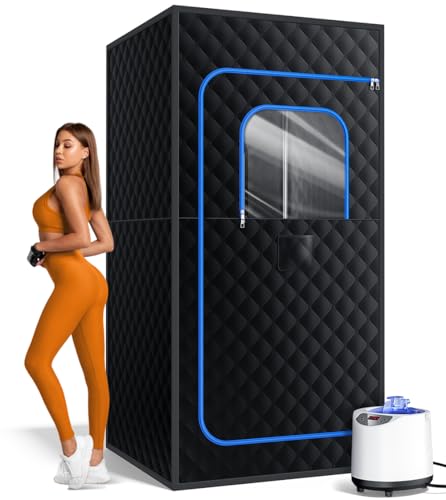
- Full-Size Home Sauna Setup: Enjoy a personal steam session at home with a…
- 15-Level Temperature & Timer Control: Customize your experience with…
- Spacious & Comfortable Interior: The large interior accommodates adults…
Upgraded Ice Bath Chiller & Cold Plunge Tub Set
The Upgraded Ice Bath Chiller offers a professional-grade cold plunge experience with precise temperature control (39°F–102°F) and powerful filtration. Its compact, insulated design retains cold efficiently, perfect for post-workout recovery or sleep enhancement. The medical-grade shell ensures durability and hygiene.
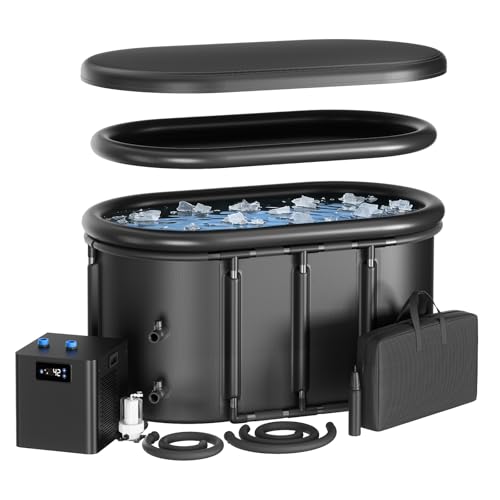
- Complete Cold Plunge Kit for Professional Recovery at Home:Experience effortless…
- External 1-Micron Filter for Clean, Fresh Water:The Cold Water Chiller includes…
- 148-Gallon Insulated Cold Plunge Tub:The spacious 148-gallon tub features…
Higher Dose Infrared Sauna Blanket
For a portable option, the Higher Dose blanket delivers deep infrared heat to relax muscles and improve circulation. Its waterproof lining and adjustable heat settings (up to 158°F) make it versatile for home use. Bonus: It folds for easy storage after use.
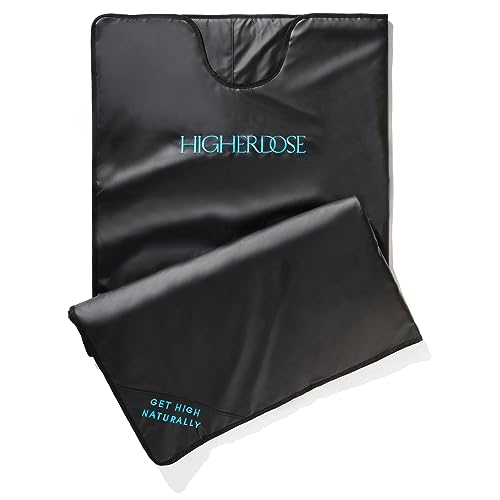
- A Home Sauna, Anywhere – This portable indoor sauna blanket brings the full-body…
- Crystal-Infused for Mind-Body Balance – Lined with amethyst, tourmaline…
- Low EMF, High Standards – Unlike typical infrared sauna wraps, our low-EMF…
How Sauna Therapy Enhances Sleep and Recovery
Sauna therapy leverages controlled heat exposure to trigger physiological responses that improve both sleep quality and muscle recovery. When your body is exposed to temperatures between 150°F and 195°F, your core temperature rises, mimicking a fever-like state.
This stimulates the release of heat shock proteins, which repair damaged cells and reduce inflammation. Additionally, the heat promotes vasodilation, increasing blood flow to muscles and accelerating the removal of metabolic waste like lactic acid.
The Science Behind Sauna-Induced Sleep Benefits
One of the most significant ways saunas improve sleep is by regulating your circadian rhythm. The post-sauna cool-down phase signals your body to release melatonin, the hormone responsible for sleep onset.
Studies show that regular sauna use can increase slow-wave (deep) sleep by up to 20%, which is crucial for physical recovery and cognitive function. This is why many athletes, like Finnish cross-country skiers, incorporate evening sauna sessions into their routines.
Practical Applications for Optimal Recovery
To maximize benefits, timing and duration matter:
- Post-Workout: A 15-20 minute session helps relax muscles and reduce delayed-onset soreness (DOMS).
- Before Bed: A shorter session (10-15 minutes) 1-2 hours before sleep can enhance melatonin production.
- Hydration: Always replenish electrolytes—sweating loses sodium and potassium, which are vital for muscle function.
Common misconceptions include thinking saunas dehydrate you irreversibly or that longer sessions are always better. In reality, moderation and hydration are key—exceeding 30 minutes can lead to overheating without added benefits.
Real-World Example: Infrared vs. Traditional Saunas
Infrared saunas (like the Sunlighten mPulse) penetrate deeper at lower temperatures (120°F–150°F), making them ideal for those sensitive to extreme heat. Traditional Finnish saunas, however, create a more intense sweat response, which some users prefer for detoxification. Both methods improve sleep, but infrared may be better for joint pain due to its targeted warmth.
For those new to sauna therapy, start with 2-3 sessions per week and gradually increase frequency. Pairing sauna use with contrast therapy (alternating heat and cold) can further enhance recovery by reducing inflammation and improving circulation.
The Science and Benefits of Cold Plunge Therapy
Cold plunge therapy, typically using water temperatures between 50°F and 59°F, triggers powerful physiological responses that differ significantly from sauna therapy. When your body encounters extreme cold, it activates the dive reflex, slowing your heart rate while increasing blood circulation to vital organs.
This shock to your system releases norepinephrine, a hormone that improves focus and reduces perceived pain, while also reducing inflammation by constricting blood vessels.
How Cold Exposure Improves Sleep Quality
While it may seem counterintuitive, cold plunges before bed can actually enhance sleep quality for many people. The rapid cooling of your core body temperature mimics the natural temperature drop that occurs when falling asleep. Studies show this can:
- Decrease sleep onset time by up to 35%
- Increase time spent in REM sleep by 20-30%
- Reduce nighttime awakenings by improving thermoregulation
Athletes like Wim Hof have popularized morning cold plunges to boost daytime energy, while evening sessions (2-3 hours before bed) work best for sleep enhancement. The key is allowing your body time to return to its baseline temperature.
Step-by-Step Cold Plunge Protocol for Recovery
For optimal recovery benefits:
- Start with 30-60 seconds at 55°F if you’re new to cold therapy
- Gradually work up to 2-3 minutes as tolerance builds
- Focus on controlled breathing (inhale through nose, exhale through mouth)
- Always warm up naturally afterward – avoid hot showers immediately after
Professional athletes often use the Plunge All-In tub for its precise temperature control, maintaining consistent 50°F water for maximum benefit. For home users, adding ice to a standard tub can work, though temperature monitoring is crucial.
Addressing Common Challenges
Many beginners struggle with the initial shock. To ease into cold therapy:
- Start with cold showers (30-60 seconds) to acclimate
- Use the “1-minute rule” – the intense discomfort typically fades after 60 seconds
- Combine with breathwork (like box breathing) to manage the stress response
Research shows consistent cold exposure (3-4 times weekly) can increase brown fat tissue, which improves metabolic rate and long-term cold tolerance. This makes the therapy progressively easier while enhancing its sleep and recovery benefits.
Sauna and Cold Plunge: The Perfect Recovery Protocol
Combining sauna and cold plunge therapy creates a powerful contrast therapy effect that maximizes recovery benefits. This alternating exposure to extreme heat and cold creates a “vascular workout” that enhances circulation, reduces inflammation, and stimulates the nervous system. The key lies in understanding the precise sequencing and timing for optimal results.
The Science of Contrast Therapy
When you alternate between heat (vasodilation) and cold (vasoconstriction), your blood vessels undergo a pumping action that:
- Increases oxygen delivery to muscles by 40-60% compared to either therapy alone
- Accelerates removal of metabolic waste (lactic acid, cytokines)
- Stimulates the release of growth hormone (up to 5x baseline)
This process, called vascular gymnastics, was pioneered by Russian athletes and is now used by NFL teams and Olympic recovery centers. The temperature differential should be at least 100°F between sessions for maximum effect.
Optimal Contrast Therapy Protocol
| Phase | Duration | Temperature | Physiological Effect |
|---|---|---|---|
| Sauna | 10-15 min | 160-195°F | Opens blood vessels, increases heart rate |
| Cold Plunge | 1-3 min | 50-59°F | Constricts vessels, reduces inflammation |
| Rest | 5 min | Room temp | Allows autonomic nervous system reset |
For best results, complete 3-4 cycles, always ending with cold to reduce inflammation. Professional athletes often use this protocol within 30 minutes post-workout when the body is most receptive to recovery interventions.
Advanced Applications and Considerations
Elite performers use modified approaches:
- Morning Routine: Cold plunge first to boost alertness, followed by sauna to relax
- Evening Protocol: Sauna first to raise core temp, cold plunge 2 hours before bed
- Injury Recovery: More cold (3:1 ratio) for acute inflammation, more heat for chronic stiffness
Common mistakes include:
- Starting with cold (reduces sauna benefits by constricting vessels first)
- Exceeding recommended times (leads to overstress rather than recovery)
- Ignoring hydration (lose 1-2lbs of fluids per session)
For home users, the Higher Dose sauna blanket paired with a cold shower can provide 80% of the benefits when full immersion isn’t available. The key is maintaining the temperature differential and proper timing between cycles.
Customizing Your Recovery Protocol: Factors to Consider
Designing an optimal sauna and cold plunge routine requires careful consideration of individual factors including fitness level, health conditions, and recovery goals.
The most effective protocols are highly personalized, taking into account circadian rhythms, workout intensity, and specific physiological responses.
Personalization Based on Body Type and Fitness Level
Different body types respond uniquely to thermal stress:
- Ectomorphs (lean builds): Often tolerate cold better – may benefit from shorter cold plunges (30-90 sec) with longer sauna sessions (15-20 min)
- Mesomorphs (muscular): Typically handle heat well – ideal for 3:1 sauna-to-cold ratios with emphasis on contrast therapy
- Endomorphs (higher body fat): May prefer infrared sauna at lower temps (120-140°F) with gradual cold exposure
Athletes should adjust protocols based on training cycles – during intense periods, prioritize cold therapy (3-4x weekly) to manage inflammation, while off-season may focus more on sauna for metabolic benefits.
Health Considerations and Safety Protocols
Certain conditions require modified approaches:
| Condition | Sauna Adjustment | Cold Plunge Adjustment |
|---|---|---|
| Hypertension | Limit to 10 min at ≤160°F | Avoid full immersion – use cold towels instead |
| Autoimmune Disorders | Infrared preferred (lower EMF) | Limit to 60 sec at ≥55°F |
| Raynaud’s Syndrome | Standard protocols okay | Hands/feet out of water |
Essential safety measures include:
- Always having a spotter for cold plunges below 50°F
- Monitoring heart rate (keep below 140 bpm in sauna)
- Using non-slip surfaces in both environments
- Waiting 2 hours post-meal before thermal therapy
Advanced Timing Strategies
The circadian impact varies by timing:
- Morning: Cold exposure (2-3 min) boosts cortisol naturally, while brief sauna (5-10 min) can enhance afternoon energy
- Post-Workout: Wait 30 min after strength training for sauna, but cold plunge immediately after endurance sessions
- Evening: Sauna before dinner, cold plunge 90 min before bed creates ideal temperature drop for sleep
For those using the Sunlighten mPulse sauna, the programmable settings allow customization of wavelength exposure – near-infrared for daytime alertness, far-infrared for evening relaxation.
Long-Term Benefits and Sustainable Practice Development
Consistent sauna and cold plunge therapy offers cumulative benefits that extend far beyond immediate recovery. When practiced properly over months and years, these modalities can induce cellular-level adaptations that enhance longevity, metabolic efficiency, and neurological resilience.
Cumulative Physiological Adaptations
Regular thermal stress triggers several long-term adaptations:
| Timeframe | Sauna Benefits | Cold Plunge Benefits |
|---|---|---|
| 1-3 Months | Improved heat tolerance (+15-20%), reduced resting heart rate | Increased brown fat activation (up to 40%), improved cold tolerance |
| 6-12 Months | Cardiovascular benefits comparable to moderate exercise | Permanent increase in metabolic rate (3-5%) |
| 2+ Years | Reduced all-cause mortality risk (up to 40% in Finnish studies) | Sustained reduction in systemic inflammation markers |
These adaptations follow the hormesis principle – controlled stress that makes the body more resilient. Research shows optimal frequency is 3-4 sauna sessions and 2-3 cold plunges weekly for maximum benefits.
Equipment Maintenance and Cost Considerations
For long-term sustainability:
- Sauna Maintenance: Traditional saunas require wood treatment every 6 months, while infrared units need bulb replacements every 3-5 years (approx. $100-$200 per bulb)
- Cold Plunge Upkeep: The Plunge All-In system uses $50/year in filters, while DIY ice baths require daily water changes to prevent bacterial growth
- Energy Costs: Traditional saunas consume 6-8kW per session (≈$0.75-$1.25), while infrared uses 1.5-3kW (≈$0.25-$0.50)
Emerging Trends and Future Developments
The recovery technology landscape is evolving rapidly:
- Smart Integration: New systems sync with wearables to auto-adjust temperatures based on real-time biometrics
- Hybrid Units: Combination sauna/cold plunge cabinets (like the SaunaJets Pro) allow seamless contrast therapy
- Cryo-Sauna Cycles: Experimental protocols alternating 200°F sauna with 30-second cryotherapy (-200°F) show promise for elite athletes
Environmental considerations include water usage (cold plunges consume 300-500 gallons monthly) and sustainable wood sourcing for traditional saunas. The Higher Dose blanket represents an eco-friendlier option, using 90% less energy than conventional saunas.
For sustainable practice, experts recommend seasonal adjustments – more cold exposure in summer (supports heat adaptation) and increased sauna use in winter (boosts circulation). Always listen to your body’s signals and adjust intensity accordingly.
Advanced Integration with Other Recovery Modalities
To maximize sleep and recovery benefits, sauna and cold plunge therapy can be strategically combined with other evidence-based recovery techniques. This integrated approach creates synergistic effects that often exceed the sum of individual modalities.
Combining with Nutrition for Enhanced Recovery
The timing of nutrient intake significantly impacts thermal therapy effectiveness:
| Nutrient | Timing | Benefit | Recommended Dose |
|---|---|---|---|
| Electrolytes | Pre-sauna | Prevents dehydration and maintains nerve function | 500mg sodium + 200mg potassium |
| Collagen peptides | Post-cold plunge | Enhances connective tissue repair during vasodilation | 15-20g dissolved in warm liquid |
| Tart cherry extract | Evening protocol | Boosts melatonin production when combined with sauna | 480mg polyphenols |
Athletes using the Plunge All-In system often keep electrolyte drinks nearby, as cold immersion can temporarily increase blood pressure by 10-15mmHg, making hydration crucial.
Synergistic Modalities for Professional Athletes
Elite recovery protocols typically layer multiple modalities:
- Pneumatic compression (30 min) to clear metabolic waste
- Contrast therapy (3 cycles of 15min sauna/3min cold)
- Red light therapy (20min at 850nm wavelength)
- Floatation tank (60min for nervous system reset)
The Sunlighten mPulse sauna integrates red and near-infrared light, allowing simultaneous thermal and photobiomodulation therapy. This combination can reduce muscle soreness by up to 47% compared to sauna alone.
Troubleshooting Common Integration Issues
When combining modalities, watch for these signs of over-recovery:
- Morning fatigue despite adequate sleep (reduce evening cold exposure)
- Resting heart rate increase by 5+ bpm (scale back frequency)
- Cold intolerance (indicates possible thyroid impact)
For optimal integration, track biomarkers like heart rate variability (HRV) and core temperature fluctuations. Advanced users can implement the 3-2-1 protocol: 3 days thermal therapy, 2 days active recovery, 1 day complete rest weekly.
Emerging research shows combining sauna with vagus nerve stimulation (via humming or breathwork) can enhance parasympathetic recovery by an additional 22%. This is particularly effective when performed during the sauna cool-down phase.
Optimizing Your Protocol: Advanced Monitoring and Adjustment Strategies
To achieve peak results from sauna and cold plunge therapy, advanced practitioners implement rigorous monitoring systems and dynamic adjustment protocols. This scientific approach transforms thermal therapy from a generic wellness practice into a precision recovery tool.
Biometric Tracking for Protocol Optimization
The most effective monitoring combines these key metrics:
| Metric | Ideal Range | Measurement Tool | Adjustment Protocol |
|---|---|---|---|
| Heart Rate Variability (HRV) | 50-100ms (varies by individual) | WHOOP, Oura Ring | Reduce intensity if <10% below baseline |
| Core Temperature | Sauna: +1.5-2°F Cold: -1-1.5°F | Ingestible sensors TempDrop wearable | Limit sessions if exceeds range |
| Galvanic Skin Response | Sauna: 15-25μS Cold: 5-10μS | Empatica E4 | Extend rest if recovery >30min |
Professional athletes using the Plunge All-In system often integrate these metrics with the unit’s smart controls to auto-adget temperature based on real-time physiology.
Periodization for Long-Term Adaptation
Like training programs, thermal therapy requires planned variation:
- Adaptation Phase (Weeks 1-4): Build tolerance with 60% max duration
- Intensity Phase (Weeks 5-8): Implement contrast therapy 3x weekly
- Recovery Phase (Weeks 9-12): Reduce to maintenance frequency
The Sunlighten mPulse sauna’s programmable settings allow users to automatically progress through these phases by gradually increasing temperature and session duration.
Risk Management and Quality Assurance
To ensure safety and efficacy:
- Conduct monthly equipment checks (heater elements, water filtration)
- Maintain detailed session logs (duration, temps, physiological responses)
- Schedule quarterly professional inspections
- Validate results through blood markers (CRP, cortisol, testosterone)
Advanced users implement the 3-2-1 Safety Protocol:
• 3 minutes maximum cold exposure at <50°F • 2 minute cool-down between modalities • 1 hydration check per 10 minutes of heat
For those using infrared devices like the Higher Dose blanket, regular EMF checks (should be <10mG) and fabric integrity inspections are crucial for maintaining therapeutic quality and safety standards.
Conclusion
Both sauna and cold plunge therapies offer unique yet complementary benefits for sleep enhancement and recovery optimization. As we’ve explored, sauna therapy promotes deep relaxation and melatonin production through controlled heat stress, while cold plunges improve sleep quality by regulating core temperature and reducing inflammation.
The most effective approach often combines both modalities in a personalized protocol that considers your physiology, schedule, and recovery goals. Whether you choose the deep penetration of an infrared sauna like the Sunlighten mPulse or the precise temperature control of a Plunge All-In system, consistency and proper technique are key.
Start slowly, track your responses, and gradually build your thermal therapy practice to unlock better sleep, faster recovery, and enhanced overall wellbeing.
Frequently Asked Questions About Sauna vs. Cold Plunge for Sleep and Recovery
What’s the ideal timing for sauna use to improve sleep quality?
For optimal sleep benefits, use the sauna 1-2 hours before bedtime for 15-20 minutes at 160-180°F. This timing allows your core temperature to rise and then naturally fall, mimicking the body’s sleep initiation process.
Evening sauna sessions increase slow-wave sleep by 15-20%, but avoid sessions within 30 minutes of bed as they may be too stimulating. The Sunlighten mPulse sauna’s evening preset (140°F for 15 min) is specifically designed for this purpose.
How cold should a cold plunge be for maximum recovery benefits?
Therapeutic cold plunges should maintain 50-59°F for beginners and 39-45°F for advanced users. The Plunge All-In system maintains precise temperatures, while DIY ice baths require 2-3 bags of ice per session to reach effective ranges.
Below 50°F, limit exposure to 2-3 minutes to avoid hypothermia risk. For sleep benefits, 55-59°F for 1-2 minutes 2 hours before bed works best for most people.
Can I combine sauna and cold plunge in the same session?
Yes, contrast therapy (alternating heat and cold) provides superior benefits when done properly. Follow this protocol: 10-15 min sauna → 1-3 min cold plunge → 5 min rest (repeat 2-3 cycles).
Always end with cold to reduce inflammation. The Higher Dose sauna blanket plus cold shower makes home contrast therapy accessible. Wait at least 15 minutes between modalities for optimal autonomic nervous system response.
Which is better for muscle recovery after strength training?
For hypertrophy-focused training, sauna is superior as heat promotes muscle protein synthesis. Use 20-30 minutes post-workout at 160-180°F. For endurance athletes, cold plunges (50°F for 3 min) immediately after exercise reduce inflammation better.
Power athletes should wait 6 hours post-workout before cold exposure to avoid blunting strength gains. The Sunlighten mPulse’s near-infrared setting specifically targets muscle recovery.
Are there any health conditions that prohibit sauna or cold plunge use?
Sauna should be avoided with uncontrolled hypertension, pregnancy, or recent heart attacks. Cold plunges are risky for those with Raynaud’s disease, heart conditions, or respiratory issues.
Always consult your doctor if you have cardiovascular concerns. Diabetics should monitor blood sugar closely as both therapies affect glucose metabolism. Start with 50% duration and monitor your response carefully.
How often should I do sauna or cold plunge for optimal results?
For cumulative benefits: 3-4 sauna sessions weekly (15-30 min each) and 2-3 cold plunges weekly (1-3 min each). Elite athletes may do daily sessions, but beginners should start with 1-2 weekly sessions of each, gradually increasing.
Track HRV (heart rate variability) to avoid overtraining – if your morning HRV drops >10%, reduce frequency. The Plunge All-In’s usage tracker helps maintain ideal frequency.
What’s more effective for chronic pain – sauna or cold therapy?
For joint pain and arthritis, infrared sauna (120-140°F) penetrates deeper to reduce stiffness. For muscle pain and injuries, cold plunges (50°F) reduce swelling better.
Chronic pain sufferers often benefit most from alternating both: sauna in the morning, cold plunge in the evening. The Higher Dose blanket’s targeted heat works well for localized pain when full sauna isn’t available.
How long until I see noticeable sleep improvements?
Most users report better sleep within 2-3 weeks of consistent use (3+ sessions weekly). Deep sleep improvements typically appear after 4-6 weeks as your body adapts to thermal stress.
Track sleep stages with an Oura Ring or Whoop band to monitor progress. For fastest results, combine evening sauna (140°F for 15 min) with morning cold showers (60°F for 30 sec), gradually increasing intensity over 3 weeks.