
Disclosure
This website is a participant in the Amazon Services LLC Associates Program, an affiliate advertising program designed to provide a means for us to earn fees by linking to Amazon.com and affiliated sites.
Introduction
Pillowcases and pillow shams may look similar, but they serve very different purposes in both function and design. If you’ve ever stood in a bedding aisle wondering which one you need—or why both even exist—you’re not alone.
Let’s break it down with a quick comparison:
- Pillowcases are primarily functional. They’re made to cover pillows you sleep on and protect them from oils, sweat, and dirt.
- Pillow shams, on the other hand, are decorative. They’re designed to enhance the aesthetic of your bed and are usually removed before sleeping.
Why does the difference matter?
- Choosing the right type can improve your bedroom’s visual appeal, comfort, and even sleep hygiene.
- Understanding their roles helps you shop smarter, avoid confusion, and create a layered bedding look that feels as good as it looks.
Best Pillow Shams and Pillowcases for Everyday Use
When it comes to choosing pillow shams and pillowcases, comfort, durability, and style are key. Here are three top picks that combine all these qualities perfectly:
1.Brooklinen Luxe Core Pillowcase

- STANDARD SIZE: Featuring a rich, buttery-smooth sateen weave, our pillowcases…
- SECURE ENVELOPE CLOSURE & PREMIUM COMFORT: Our Brooklinen Luxury Sateen…
- MACHINE WASHABLE AND EASY CARE: Hassle-free upkeep. Toss the Luxury Sateen…
Crafted from 100% long-staple cotton with a sateen weave, this pillowcase offers a silky smooth feel and excellent breathability. It’s durable and machine washable, making it perfect for everyday use.
2.Linen Home Percale Sham

- 100% COTTON PILLOWCASES – 100% Cotton Percale Weave Pillowcases brings the…
- BEST FIT with EFFICIENT WASH. Queen Size Pillowcases Includes – 2 Piece Pillow…
- LINEN HOME QUALITY – At Linen Home we do number of tests like no pilling, low…
Known for its crisp, cool texture, the Parachute Percale Sham adds a clean, polished look to your bedding. It’s lightweight and breathable, ideal for warmer climates or anyone who prefers a matte finish.
3.Boll & Branch Signature Pillow Sham
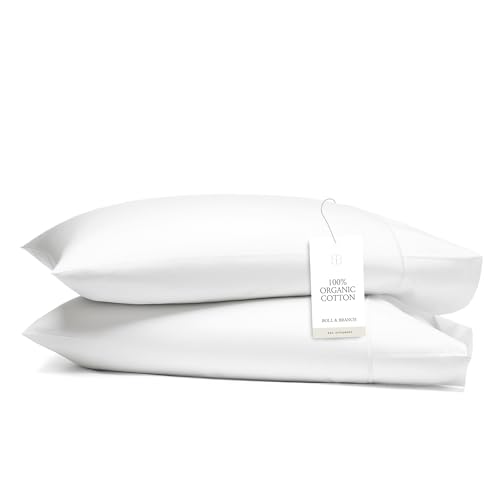
- SIGNATURE HEMMED PILLOWCASE SET: Experience the difference with this bestselling…
- 100% ORGANIC COTTON: Made from premium long-staple 100% certified organic…
- SOFT SIGNATURE FABRIC: The duvet set’s high quality threads are woven in a…
Made from organic cotton with a soft sateen finish, this sham is ethically made and luxuriously soft. It’s designed to be both beautiful and sustainable, giving your bed a cozy yet stylish touch.
What Is a Pillowcase?
A pillowcase is a simple yet essential part of your bedding that most people use every night. Its primary purpose is practical—it protects your pillow from dirt, oils, and sweat while also providing a soft, comfortable surface for your head.
Key features of pillowcases:
- Material: Usually made from soft fabrics like cotton, linen, or silk to ensure comfort and breathability.
- Design: Typically a rectangular fabric sleeve with an open end where you insert the pillow.
- Function: Protects the pillow from stains and wear, prolonging its lifespan.
- Ease of use: Pillowcases are designed for daily use, making them easy to remove and wash regularly.
Besides protection, pillowcases can also impact your sleep quality:
- Smooth fabrics such as silk reduce friction on your skin and hair, which can help prevent wrinkles and hair breakage.
- Breathable materials keep you cool and comfortable throughout the night.
Why pillowcases matter:
- They’re essential for hygiene—without them, pillows can quickly absorb sweat and oils.
- Regularly washing pillowcases keeps your sleeping environment fresh.
- Choosing the right fabric can enhance your comfort and skin health.
What Is a Pillow Sham?
While pillowcases focus on function, pillow shams are all about style and decoration. They are designed to add a polished, layered look to your bed and often serve as a finishing touch in your bedroom decor.
Key features of pillow shams:
- Design: Usually larger than standard pillowcases and feature decorative flanges, embroidery, or piping around the edges.
- Material: Made from a variety of fabrics like cotton, linen, velvet, or satin to match or complement bedding sets.
- Closure: Often have an envelope or flap closure on the back to keep the pillow securely inside.
- Purpose: Intended primarily for decoration and to protect pillows from dust when not in use, rather than for sleeping on.
Why pillow shams matter:
- They help create a cohesive and inviting bedroom look by matching or contrasting with your duvet, comforter, or sheets.
- Pillow shams are typically removed before sleeping because their decorative fabrics and trims may not be comfortable for resting your head.
- They offer an easy way to switch up your bedroom style seasonally or for special occasions without changing your entire bedding set.
When to use pillow shams:
- On decorative pillows placed at the front of the bed.
- For guests or when you want your bed to look well-dressed and hotel-like.
- As a protective layer for decorative pillows that you don’t use for sleeping.
Pillowcases vs. Pillow Shams: Key Differences Explained
Understanding the differences between pillowcases and pillow shams helps you make smarter choices when shopping for bedding or styling your bedroom. Though they may seem interchangeable, they have distinct functions, designs, and uses.
Main differences at a glance:
- Purpose:
- Pillowcases are functional, designed to protect pillows and provide a clean surface for sleeping.
- Pillow shams are decorative, meant to enhance the visual appeal of your bed.
- Design and Construction:
- Pillowcases are simple sleeves, usually without embellishments, made for comfort and ease of washing.
- Pillow shams often include decorative elements like flanges (fabric borders), embroidery, or piping for added style.
- Size and Fit:
- Pillowcases fit standard, queen, or king-sized sleeping pillows snugly.
- Pillow shams tend to be slightly larger to accommodate different pillow types and to create a fuller look.
- Usage:
- Pillowcases are used every night and changed frequently for hygiene.
- Pillow shams are typically placed on pillows during the day or for guests and removed before sleeping.
- Material Differences:
- Pillowcases prioritize soft, breathable fabrics for comfort.
- Pillow shams may use heavier or more textured fabrics aimed at durability and visual appeal rather than comfort.
Why it matters:
- Knowing these differences ensures you don’t confuse a pillow sham for a pillowcase when shopping, saving you from buying something uncomfortable for sleeping.
- Combining both allows you to achieve a layered, stylish bed while keeping it practical and cozy.
- Mixing and matching shams and pillowcases can give your bedroom a fresh, customizable look without a full bedding overhaul.
How to Choose Between a Pillowcase and a Pillow Sham?
Deciding whether to use a pillowcase or a pillow sham depends on your needs—whether you prioritize comfort, style, or both. Here’s a simple guide to help you make the right choice:
Consider your primary purpose:
- For sleeping comfort and hygiene:
Choose pillowcases. They are designed to be soft, breathable, and easy to wash, protecting your pillow and ensuring a clean surface every night. - For bedroom decor and style:
Opt for pillow shams. They add texture, color, and a polished look to your bed, making it feel inviting and well put together.
Think about your lifestyle and routine:
- If you change bedding frequently and prioritize cleanliness, pillowcases are essential.
- If you enjoy decorating your bed with layers and often entertain guests, pillow shams are a great addition.
- For mixed use, consider using pillowcases under pillow shams to combine hygiene with style.
Evaluate the fabric and maintenance:
- Pillowcases often use lightweight, breathable fabrics like cotton or silk that feel comfortable against your skin.
- Pillow shams may be made from heavier or more delicate materials like velvet or linen, which might require gentler care.
Match to your bedding style:
- Choose pillow shams that complement your duvet or comforter in color and texture.
- Select pillowcases that coordinate with your sheets for a cohesive sleep setup.
Bonus tip:
- Invest in extra pillowcases for daily use and keep your shams for decoration, so you always have a fresh, comfortable pillow to sleep on without sacrificing style.
Caring for Pillowcases and Pillow Shams: Maintenance Tips
Proper care helps extend the life of both pillowcases and pillow shams, keeping your bedding fresh, comfortable, and looking great. Since these two items serve different purposes and often come in different fabrics, following the right maintenance routine is important.
Caring for pillowcases:
- Wash frequently: Pillowcases should be washed at least once a week to remove oils, sweat, and dirt that accumulate from nightly use.
- Use gentle detergent: Choose a mild detergent to preserve fabric softness and color.
- Wash in warm water: Warm water helps eliminate bacteria and allergens without damaging the fabric.
- Avoid bleach: Bleach can weaken fibers and cause discoloration.
- Dry properly: Air dry or use a low-heat setting to prevent shrinking and maintain fabric integrity.
- Iron if needed: Some cotton pillowcases benefit from ironing for a crisp look.
Caring for pillow shams:
- Wash less often: Since shams are decorative and not used for sleeping, wash them only when visibly dirty or at the start/end of the season.
- Check care labels: Some shams have delicate trims or fabrics requiring hand washing or dry cleaning.
- Spot clean for small stains: Use a mild detergent and water to gently clean minor spots without a full wash.
- Avoid frequent drying: Air drying is best to prevent damage to embellishments like embroidery or piping.
- Store carefully: When not in use, store shams in a dry, clean place to avoid dust buildup and fabric deterioration.
Bonus tips:
- Rotate pillowcases and shams regularly to reduce wear and tear.
- Consider using pillow protectors under pillowcases for extra defense against spills and allergens.
Conclusion
Understanding the difference between pillowcases and pillow shams can transform how you approach your bedding—both functionally and stylistically. Here’s a quick recap:
- Pillowcases are essential for daily comfort and hygiene, protecting your pillows and ensuring a clean, soft surface to sleep on.
- Pillow shams are decorative pieces that enhance the look of your bed, adding style and texture but are generally removed before sleeping.
- Choosing the right one depends on your priorities: comfort and cleanliness or aesthetic appeal and layering.
- Proper care and maintenance help both pillowcases and shams stay fresh and last longer.
Frequently Asked Questions About Pillowcases vs. Pillow Shams
Can I sleep on a pillow sham?
- Pillow shams are primarily decorative and often have embellishments or thicker fabric, making them less comfortable for sleeping.
- It’s best to sleep on pillowcases designed for comfort and hygiene.
How often should I wash pillowcases and pillow shams?
- Pillowcases should be washed weekly or more often to keep them clean and fresh.
- Pillow shams can be washed less frequently, such as once every few weeks or when visibly dirty.
Are pillow shams and pillowcases the same size?
- Pillowcases fit standard sleeping pillows snugly.
- Pillow shams are usually slightly larger to accommodate decorative pillows and create a layered look.
Can pillow shams be used on throw pillows?
- Yes! Pillow shams are often used on larger decorative or throw pillows to add style and texture to your bed or sofa.
What fabrics are best for pillowcases and shams?
- Pillowcases: soft, breathable fabrics like cotton, linen, or silk are ideal for comfort and skin health.
- Pillow shams: a wider variety of fabrics including velvet, satin, and heavier linens are used for decorative appeal.
How do I keep pillow shams looking fresh?
- Spot clean minor stains promptly.
- Follow care instructions on labels carefully, especially for delicate materials or embellishments.
- Store shams in a cool, dry place when not in use.