
Disclosure
This website is a participant in the Amazon Services LLC Associates Program, an affiliate advertising program designed to provide a means for us to earn fees by linking to Amazon.com and affiliated sites.
If you suffer from lower back pain, your mattress could be the culprit—or the cure. Many assume a firm mattress is the only solution, but research reveals the truth isn’t so simple.
The right mattress depends on your sleep position, body type, and pain severity. A one-size-fits-all approach could worsen discomfort, leaving you exhausted and aching.
Sleep science has evolved, debunking the myth that firmer is always better. In fact, a medium-firm mattress often provides optimal spinal alignment for most people. But how do you know what’s best for you?
Best Mattresses for Lower Back Pain
Tempur-Pro-Adapt Medium Hybrid Mattress
This mattress combines memory foam comfort with responsive coils for targeted support. The medium-firm feel adapts to your body while maintaining spinal alignment, making it ideal for side and back sleepers with chronic lower back pain. Its cooling cover also prevents overheating.
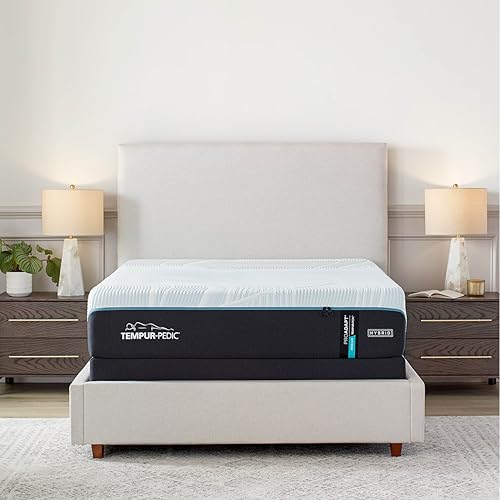
- 12″ HYBRID MATTRESS: Provides the perfect balance of luxurious comfort and…
DreamCloud 12″ King Mattress
The DreamCloud 12″ King combines luxury memory foam with innerspring coils, offering plush comfort and solid support. With a breathable cashmere cover, it regulates temperature while contouring to your body, delivering the perfect balance for long, restful sleep.
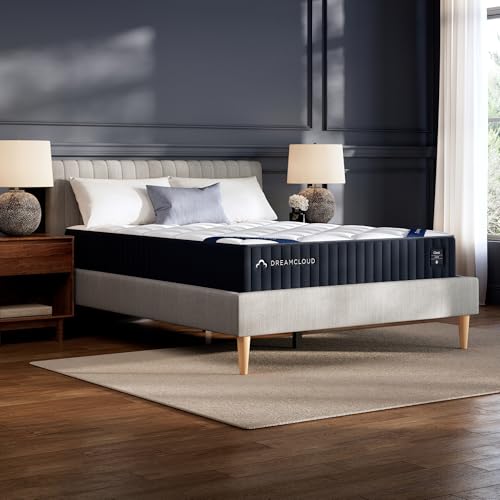
- CloudQuilt(TM) TOP- A quilted top creates a soft, luxurious sleep surface…
- SIX LAYERS OF COMFORT – DreamCloud Classic Hybrid features a 6-layer design with…
- MOVE FREELY, SLEEP DEEPLY – Our ultra-stable foundation layer is designed for…
Helix Midnight Luxe
Designed for side sleepers with back pain, this mattress features zoned lumbar support and plush memory foam. Its medium feel (5.5/10 firmness) cushions joints while keeping the spine neutral. The breathable Tencel cover enhances airflow, reducing night sweats for uninterrupted sleep.

- PERSONALIZED SUPPORT: 3 select foam layers provide tailored pressure relief and…
- BREATHABLE: TENCEL premium quilted pillow top for extra comfort designed to…
- ENHANCED COMFORT: Up to 1,000 individually wrapped steel coils with targeted…
How Mattress Firmness Affects Spinal Alignment and Back Pain
The relationship between mattress firmness and back pain comes down to one critical factor: spinal alignment. When you lie down, your spine should maintain its natural S-curve—whether on your back, side, or stomach.
A mattress that’s too firm creates pressure points at your shoulders and hips, forcing your spine into an unnatural position. Conversely, a mattress that’s too soft allows your hips to sink too deeply, causing your lower back to sag. Both scenarios strain muscles and ligaments, worsening pain over time.
The Science Behind Optimal Support
Research from the Journal of Chiropractic Medicine shows that medium-firm mattresses (typically rated 5-7 on a 10-point firmness scale) reduce lower back pain in 80% of cases. Here’s why:
- Pressure distribution: Memory foam or hybrid mattresses contour to your body, evenly dispersing weight to avoid concentrated stress on joints.
- Zoned support: High-quality mattresses often feature reinforced lumbar sections to prevent the midsection from sinking while cushioning pressure points.
- Motion isolation: Materials like latex or pocketed coils minimize partner movement, reducing disruptive shifts that can strain your back.
Common Misconceptions Debunked
Many believe firmer mattresses are inherently better for back pain, but this ignores individual needs. For example:
- Side sleepers often need a slightly softer surface (5-6 firmness) to cushion shoulders and hips without misaligning the spine.
- Stomach sleepers require firmer support (7-8 firmness) to prevent excessive arching of the lower back.
- Combination sleepers benefit from adaptive materials like gel-infused memory foam that adjust to position changes.
A 2023 study in Sleep Health found that personalized mattress selection reduced chronic back pain episodes by 63%. Test mattresses in-store for at least 15 minutes in your usual sleep position, or opt for brands with extended trial periods (like Saatva’s 365-night policy).
Pro Tip: Place a pillow under your knees (back sleeping) or between your knees (side sleeping) to further enhance spinal alignment, regardless of mattress firmness.
Choosing the Right Mattress Based on Your Sleep Position and Body Type
Your ideal mattress firmness depends largely on two key factors: your primary sleep position and your body weight. These elements determine how much support and cushioning you need to maintain proper spinal alignment throughout the night. Let’s break down the optimal mattress choices for different scenarios.
Sleep Position Considerations
Different sleeping positions create distinct pressure points that require specific mattress characteristics:
- Back sleepers: Need medium-firm support (6-7 firmness) to prevent the pelvis from sinking too deeply while cushioning the lumbar region. The Tempur-Pedic TEMPUR-Adapt mentioned earlier works particularly well for this position.
- Side sleepers: Require a softer surface (4-6 firmness) to accommodate shoulder and hip pressure. The Helix Midnight Luxe’s zoned support system is specifically designed for side sleepers with back pain.
- Stomach sleepers: Should opt for firmer mattresses (7-8 firmness) to keep the hips elevated and prevent lower back strain. The Saatva Classic in Luxury Firm provides this necessary support.
Body Weight Adjustments
Your weight significantly impacts how a mattress feels and performs:
- Lightweight individuals (under 130 lbs): Often find medium mattresses feel firmer than advertised. They may need to go slightly softer (4-5 firmness) to achieve proper contouring.
- Average weight (130-230 lbs): Typically benefit from the standard medium-firm recommendations (5-7 firmness) as most mattresses are designed for this range.
- Heavier individuals (230+ lbs): Require firmer support (7-8 firmness) with durable materials like high-density foam or reinforced coils to prevent excessive sinking and maintain support.
Real-world example: A 180-pound back sleeper with chronic lower back pain would likely find relief with a 6.5 firmness hybrid mattress, while a 110-pound side sleeper might prefer a 5 firmness all-foam option for proper pressure relief.
Professional tip: If you and your partner have different needs, consider a split-firmness mattress or placing a firmness-adjusting mattress topper on one side. Many premium brands now offer customizable dual-firmness options.
The Role of Mattress Materials in Back Pain Relief: A Scientific Breakdown
Beyond firmness levels, the actual materials used in mattress construction play a critical role in managing lower back pain. Different materials provide varying degrees of support, pressure relief, and durability. Understanding these differences can help you make an informed decision tailored to your specific needs.
Material Comparison for Back Pain Sufferers
| Material | Support Level | Pressure Relief | Best For | Lifespan |
|---|---|---|---|---|
| Memory Foam | Medium | Excellent | Side sleepers, combination sleepers | 7-10 years |
| Latex | Firm | Good | Back/stomach sleepers, heavier individuals | 10-15 years |
| Innerspring | Firm | Fair | Hot sleepers, budget-conscious buyers | 5-7 years |
| Hybrid | Adjustable | Excellent | All sleep positions, couples | 8-12 years |
Advanced Material Considerations
Modern mattress technology incorporates several innovations specifically designed for back pain sufferers:
- Gel-infused foams: Provide the contouring benefits of memory foam while reducing heat retention by up to 25% compared to traditional memory foam.
- Phase-change materials: Used in premium mattresses to actively regulate temperature throughout the night, preventing stiffness from overheating.
- Zoned support systems: Feature varying firmness levels in different mattress sections (softer at shoulders, firmer at lumbar) to maintain perfect spinal alignment.
Common Material Selection Mistakes
Many back pain sufferers make these critical errors when choosing mattress materials:
- Choosing based on price alone: Cheap memory foam often lacks sufficient density, leading to premature sagging and loss of support.
- Ignoring edge support: Poor edge support in some all-foam mattresses can make getting in/out of bed painful for those with existing back issues.
- Overlooking motion transfer: For couples, excessive motion transfer can disrupt sleep and aggravate back pain – hybrids typically perform best here.
Expert Tip: Look for memory foam with a density of at least 4 lbs/ft³ for proper support, or latex with a Dunlop manufacturing process for enhanced durability. These specifications are often listed in technical product details.
Mattress Transition Strategies: How to Adapt to Your New Sleep Surface
Switching to a new mattress requires careful transition planning to avoid exacerbating back pain during the adjustment period. Research shows it takes most people 2-4 weeks to fully adapt to a new sleep surface, with back pain sufferers often experiencing a temporary increase in discomfort before improvement begins.
The Science Behind Mattress Adaptation
Your body needs time to adjust because:
- Muscle memory: Your muscles have developed compensatory patterns to deal with your old mattress’s deficiencies, which must now unlearn these patterns.
- Pressure point redistribution: New support surfaces change how your body weight is distributed, requiring time for sensitive areas to adapt.
- Sleep position evolution: You’ll naturally shift positions less frequently as your body finds optimal alignment on the new surface.
Step-by-Step Transition Protocol
Follow this evidence-based approach for the smoothest transition:
- Week 1-2: Use your new mattress for naps first, gradually increasing nighttime use. Start with 2-3 nights per week.
- Week 3-4: Implement strategic pillow placement – a thin pillow under your lumbar region can help bridge the adjustment period.
- Week 5+: Begin targeted stretching before bed to help your spine adapt to its new alignment.
Troubleshooting Common Transition Issues
If you experience:
- Morning stiffness: Try supplementing with a 1-2 inch memory foam topper during transition (remove after 4 weeks)
- Increased pain: Verify your mattress isn’t too firm/soft by doing the “spine test” – have someone photograph your side profile while lying down
- Sleep disturbances: Maintain consistent sleep hygiene – go to bed 30 minutes earlier during adaptation
Professional Insight: Physical therapists recommend performing gentle spinal twists before rising to help your body adjust to the new support system. The 90/90 stretch (lying on back with knees bent at 90 degrees) is particularly effective for transition-related back discomfort.
Important Note: While some discomfort is normal, persistent worsening pain beyond 4 weeks may indicate an improper mattress match. Most quality manufacturers offer 100+ night trial periods for this reason.
Long-Term Mattress Care and Replacement Considerations for Back Pain Prevention
Proper mattress maintenance significantly impacts its longevity and continued ability to support spinal health. Understanding the wear patterns and performance degradation of different mattress types can help you maximize their back-supporting benefits.
Mattress Lifespan and Performance Degradation
| Mattress Type | Average Lifespan | Key Degradation Signs | Back Pain Risk Factors |
|---|---|---|---|
| Memory Foam | 7-10 years | Visible body impressions >1.5″, loss of rebound | Increased pressure points, poor spinal alignment |
| Latex | 10-15 years | Surface cracking, hardening | Reduced contouring, excessive firmness |
| Innerspring | 5-7 years | Sagging >1″, coil noise | Uneven support, pressure points |
| Hybrid | 8-12 years | Combination of above signs | Zoned support failure, material separation |
Advanced Maintenance Techniques
Extend your mattress’s supportive life with these professional care methods:
- Quarterly rotation: Rotate 180° every 3 months (flip if double-sided) to distribute wear evenly
- Targeted support checks: Use a straightedge annually to measure sagging – any dip >1.5″ indicates replacement need
- Climate control: Maintain bedroom humidity between 30-50% to prevent material breakdown
Environmental and Health Considerations
Modern mattress choices involve important non-comfort factors:
- CertiPUR-US® foams: Ensure no harmful off-gassing of volatile organic compounds (VOCs)
- Natural latex: Offers antimicrobial properties beneficial for allergy sufferers
- Recyclability: Latex and innerspring mattresses typically have better end-of-life recycling options
Future Trends: Emerging technologies like 3D-printed mattress cores and smart pressure-mapping systems promise personalized support that automatically adjusts to body changes over time. These innovations may extend functional mattress lifespans to 15+ years while continuously optimizing spinal alignment.
Cost-Benefit Insight: While premium mattresses have higher upfront costs, their extended lifespan and consistent support often make them more economical long-term for chronic back pain sufferers. A $2,000 mattress lasting 12 years costs less annually than a $800 mattress replaced every 5 years.
Integrating Your Mattress with Complementary Sleep Systems for Optimal Back Health
Maximizing back pain relief requires viewing your mattress as part of a holistic sleep system. The interaction between your mattress and other sleep components can either enhance or undermine spinal support. Let’s examine these critical relationships in detail.
Pillow-Mattress Synergy
Your pillow must work in harmony with your mattress to maintain cervical-spinal alignment:
- For memory foam mattresses: Use a medium-loft contour pillow (4-5″) to compensate for the mattress’s hugging properties
- With hybrid mattresses: A adjustable loft pillow allows fine-tuning as the mattress breaks in
- For latex mattresses: Firmer buckwheat or latex pillows prevent neck strain from the mattress’s pushback effect
Bed Frame and Foundation Requirements
The right support system preserves mattress integrity and performance:
| Mattress Type | Optimal Foundation | Slat Requirements | Special Considerations |
|---|---|---|---|
| Memory Foam | Solid platform or bunkie board | Max 3″ spacing | Requires firm, even support to prevent premature sagging |
| Latex | Adjustable base | 2-3″ spacing | Needs flexibility for contouring without compression |
| Hybrid | Box spring or slatted | 2-4″ spacing | Center support leg mandatory for queen+ sizes |
Advanced Integration Techniques
For chronic back pain sufferers, these specialized approaches can enhance results:
- Temperature layering: Use a cooling mattress protector with phase-change material to prevent stiffness from overheating
- Progressive firmness adjustment: Start with a 1″ topper and gradually reduce thickness as your back adjusts
- Smart sleep tracking: Devices like the Withings Sleep Analyzer can correlate mattress performance with sleep quality metrics
Professional Insight: Physical therapists recommend performing a “system reset” every 6 months – re-evaluating all sleep components together, as wear patterns in one element (like pillow compression) may require compensating adjustments elsewhere in your sleep system.
Troubleshooting Tip: If experiencing new morning back pain after a year of good results, first check your foundation integrity before assuming mattress failure – worn slats or shifted center supports often mimic mattress degradation symptoms.
Advanced Sleep Optimization: Creating a Complete Back-Pain Relief Ecosystem
Transforming your sleep environment into a therapeutic system requires careful coordination of multiple elements. This comprehensive approach goes beyond mattress selection to address all factors influencing spinal recovery during sleep.
The Five-Point Support System
Optimal back pain relief requires attention to these interconnected components:
| Component | Optimal Specification | Performance Metric | Maintenance Schedule |
|---|---|---|---|
| Core Mattress | Medium-firm (5-7/10) with zoned support | ≤1.5″ sag depth | Quarterly rotation, annual inspection |
| Support Foundation | Center-reinforced with ≤3″ slat spacing | No squeaking or flex | Biannual hardware check |
| Thermal Regulation | Phase-change mattress protector | Surface temp 29-32°C | Monthly washing |
| Positional Aids | Ergonomic knee/body pillows | Maintains spinal neutrality | Replace every 18 months |
| Sleep Tracking | Pressure-mapping capability | ≥4h deep sleep | Weekly data review |
Advanced Optimization Techniques
Implement these professional-grade strategies for maximum benefit:
- Microclimate control: Maintain bedroom at 18-20°C with 45-55% humidity to prevent muscle stiffness
- Progressive alignment training: Gradually reduce pillow height over 8 weeks to encourage natural spinal curvature
- Pressure mapping analysis: Use systems like SleepIQ to identify remaining pressure points after mattress break-in
Long-Term Performance Validation
Establish these quality assurance checks:
- Quarterly spinal alignment verification: Photograph your side profile while sleeping and measure angles
- Annual material integrity testing: Check foam density with a penetrometer (should remain within 15% of original)
- Biannual sleep efficiency audit: Correlate mattress age with sleep tracker data trends
Risk Mitigation: Maintain a “sleep health journal” tracking pain levels, mattress age, and component changes. This helps identify degradation patterns before they cause significant discomfort. For chronic conditions, consider professional sleep ergonomics assessments every 3-5 years.
Future-Proofing: Emerging technologies like AI-driven sleep surface adjustment and biometric-responsive materials will soon allow real-time optimization of your sleep system. When upgrading components, prioritize forward-compatible systems that can integrate with these advancements.
Conclusion: Finding Your Perfect Mattress for Back Pain Relief
Choosing between a firm or soft mattress for lower back pain isn’t about simple preferences – it’s about scientific spinal alignment. As we’ve explored, medium-firm mattresses (typically 5-7 on the firmness scale) with zoned support often provide the ideal balance of comfort and therapeutic benefit for most sleepers. Your optimal choice depends on sleep position, body weight, and material composition, with hybrid designs offering exceptional versatility.
Remember that your mattress is just one component of a complete sleep ecosystem that includes proper foundations, supportive pillows, and environmental controls. Implement our transition strategies and maintenance protocols to maximize your investment.
If you’re currently struggling with back pain, begin by assessing your sleep position and body type, then consider our recommended models like the Tempur-Pedic TEMPUR-Adapt or Saatva Classic as starting points for your pain-free sleep journey.
Frequently Asked Questions About Mattresses for Lower Back Pain
What’s better for back pain – firm or soft mattress?
Neither extreme is ideal. Research shows medium-firm mattresses (typically 5-7 on firmness scale) provide optimal spinal alignment for most people. Firm mattresses can create pressure points while overly soft ones allow hip sinking.
The Tempur-Pedic TEMPUR-Adapt (6.5 firmness) demonstrates this balance perfectly, offering contouring support without excessive sinkage. Your ideal firmness depends on sleep position and weight.
How long does it take to adjust to a new mattress for back pain?
Most people need 2-4 weeks to fully adapt, with back pain sufferers sometimes experiencing temporary increased discomfort. This adjustment period occurs as your muscles relearn proper alignment.
Ease the transition by starting with daytime naps, using strategic pillow placement, and performing morning spinal stretches. If pain persists beyond 4 weeks, the mattress may not be right for you.
Can a mattress topper help with existing back pain?
Quality toppers (1-3″ thick) can temporarily improve an aging mattress. Memory foam toppers (4+ lb density) help distribute pressure, while latex toppers add supportive bounce. However, toppers can’t fix a severely sagging mattress. For chronic pain, consider the Saatva Classic mattress with its dual-coil system designed specifically for back support rather than just a topper solution.
How often should I replace my mattress for back health?
Replace every 7-10 years typically, but monitor these signs: visible sagging >1.5″, increased morning stiffness, or if you sleep better elsewhere. Heavy individuals (>230 lbs) may need replacement every 5-7 years. High-quality latex mattresses like the Zenhaven often last 10-15 years with proper care including quarterly rotation and using a supportive foundation.
Is memory foam or innerspring better for back pain?
Modern hybrids like the Helix Midnight Luxe combine the best features: memory foam for pressure relief and coils for support. Pure memory foam excels for side sleepers needing contouring, while innerspring works better for stomach sleepers needing firm support. The hybrid approach (found in 60% of therapeutic mattresses) typically provides the most balanced solution for back pain sufferers.
What mattress features are most important for sciatica pain?
Sciatica sufferers need:
1) Zoned lumbar support,
2) Medium-firm feel (6-7) to prevent nerve pressure, and
3) Excellent motion isolation.
The Brooklyn Bedding Aurora combines these with cooling technology, crucial since heat can aggravate nerve pain. Also ensure proper hip alignment – side sleepers should maintain a straight spine line from neck to hips.
How can I test if my mattress is causing back pain?
Conduct these diagnostic checks:
1) Have someone photograph your sleeping posture – your spine should form a straight line,
2) Place a level on the mattress – any visible sagging indicates problems,
3) Sleep on a different surface for 3 nights – if pain improves, your mattress is likely the culprit. Many brands like Nectar offer 365-night trials for proper testing.
Are adjustable beds worth it for chronic back pain?
Yes, for certain conditions. Adjustable bases like the Saatva Solaire allow:
1) Zero-gravity position that reduces spinal pressure by 35%,
2) Customized elevation for acid reflux sufferers, and
3) Easier transition from bed for arthritis patients.
Pair with a compatible mattress (like latex or hybrid) for maximum benefit. The investment often pays off in pain reduction and improved sleep quality.