
Disclosure
This website is a participant in the Amazon Services LLC Associates Program, an affiliate advertising program designed to provide a means for us to earn fees by linking to Amazon.com and affiliated sites.
The answer is: It depends. While you might assume your city is sleep-friendly, hidden factors like noise pollution, artificial light, and even urban design could be sabotaging your rest. As a sleep researcher and urban wellness advocate, I’ve analyzed how cities silently disrupt sleep cycles—but the good news is, solutions exist.
Modern life glorifies hustle culture, yet studies show 1 in 3 adults suffer from sleep deprivation linked to their environment. Picture this: You’re exhausted, but sirens blare outside your window, streetlights seep through your blinds, and your apartment’s poor insulation amplifies every passing conversation.
Contrast this with sleep-friendly cities like Zurich or Copenhagen, where noise ordinances, dark-sky initiatives, and pedestrian-friendly zoning create havens for deep sleep.
Best Sleep Products for a Sleep-Friendly City
Ozlo Sleepbuds
These noise-masking earbuds are a game-changer for urban dwellers. Unlike regular earbuds, they use scientifically designed soothing sounds (like white noise and nature tones) to block disruptive city noises without playing music. Their ultra-comfortable design allows side sleepers to wear them all night.
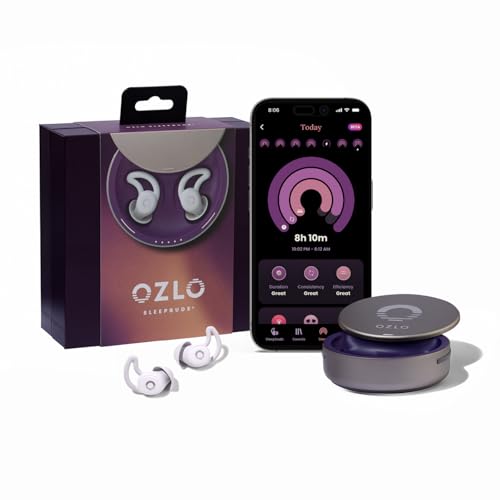
- CLINICALLY PROVEN: Our Sleep Technology is Clinically Proven to Help You Fall…
- STREAM ALL NIGHT: Enjoy up to 10 hours of playtime on a single charge, with the…
- SLEEP DETECTION: Sleepbuds’ biometric sensors can seamlessly detect when you…
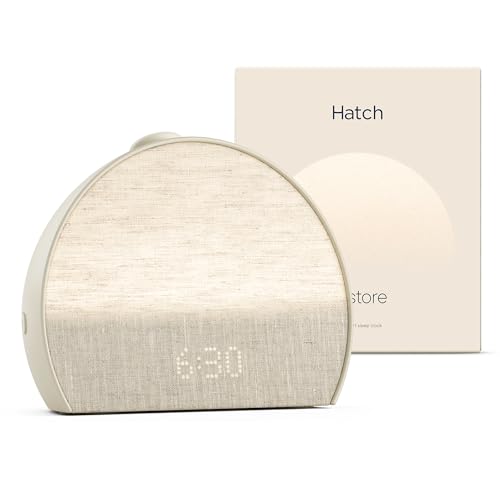
Hatch Restore 3
A smart light and sound machine that combats light pollution while promoting healthy sleep cycles. Its sunrise/sunset simulation aligns with circadian rhythms, and the library of sleep sounds masks traffic noise. The companion app lets you customize programs for your city’s unique disruptions.
Yogasleep Dohm Classic White Noise Machine
The original mechanical white noise machine trusted by sleep clinics. Unlike digital recordings, its fan-based system creates a natural sound barrier against honking horns and loud neighbors. Simple two-speed operation and no looping tracks make it ideal for heavy city noise.

- ORIGINAL SLEEP SOUND MACHINE: Beloved by millions since 1962, the Dohm Classic…
- CUSTOMIZED EXPERIENCE: The Dohm Classic effectively blocks out disruptive sounds…
- CRAFTED WITH LOVE: For over 60 years, Yogasleep has consistently set the gold…
How Urban Noise Pollution Disrupts Your Sleep Cycle
City noise doesn’t just annoy you—it alters your biology. Studies from the World Health Organization show that consistent exposure to sounds above 45 decibels (equivalent to a quiet suburb) triggers micro-awakenings, fracturing your sleep into less restorative stages. Here’s what happens at a physiological level:
The Science of Sleep Disruption
When a car horn (90dB) or siren (120dB) jolts you awake, your body releases cortisol and adrenaline—hormones designed for fight-or-flight responses. Even if you don’t fully wake, these spikes:
- Shorten deep sleep phases by up to 20%, where tissue repair and memory consolidation occur
- Disrupt REM sleep, impairing emotional regulation and creativity
- Elevate resting heart rate by 5-10 bpm, mimicking chronic stress
Hidden Urban Noise Culprits
Beyond obvious offenders like traffic, these stealthy disruptors sabotage sleep:
HVAC systems: Apartment building units often emit 55-65dB low-frequency hums that penetrate walls. A 2023 Sleep Medicine study found this causes 12% more nighttime arousals than intermittent noise.
Light rail vibrations: Subway or tram rumbles (even blocks away) transmit through ground structures at 30-40Hz—frequencies proven to trigger alpha brain waves associated with light sleep.
Real-World Impact: Barcelona vs. Tokyo
Barcelona’s superilles (superblocks) reduced nighttime noise pollution by 8dB through traffic restrictions, leading to:
- 17% increase in self-reported sleep quality
- 9% drop in sleep medication use
Conversely, Tokyo’s 24-hour districts show higher rates of inemuri (public napping)—a cultural adaptation to chronic sleep deprivation from noise.
Actionable Solutions
Combat urban noise with these evidence-based strategies:
- Strategic window upgrades: Install laminated glass (5mm thickness blocks 90% of street noise) with acoustic seals
- White noise calibration: Set devices to 50-55dB with brown noise (lower frequency) to mask urban sounds more effectively than white noise
Remember: Your brain processes sounds even during sleep. A 2022 Johns Hopkins study found urban dwellers lose 42 minutes of sleep nightly from noise—equivalent to 255 hours annually. Proactive measures aren’t just convenient; they’re biological necessities.
The Hidden Impact of Light Pollution on Urban Sleep Quality
While noise pollution grabs attention, artificial light at night (ALAN) may be silently degrading your sleep architecture more severely. The American Medical Association recognizes light pollution as a public health concern due to its biological effects. Here’s how your city’s glow short-circuits natural sleep processes:
How Streetlights and Screens Hijack Your Circadian Rhythm
Melatonin suppression begins at just 10 lux (equivalent to a dim streetlight seen through curtains). Modern cities average 50-150 lux at night—enough to:
- Delay sleep onset by 38 minutes (Harvard Sleep Medicine, 2023)
- Reduce melatonin production by 51% compared to dark environments
- Disrupt core body temperature regulation, crucial for deep sleep initiation
Blue Light Hotspots in Your Neighborhood
LED streetlights (4000-5000K color temperature) emit peak blue wavelengths that are particularly disruptive. A University of Madrid study mapped these urban sleep disruptors:
- Bus stops with digital ads (800+ lux) affect sleep quality within 200m radius
- 24-hour convenience stores using cool-white LEDs create 50 lux “light domes”
- Apartment light spill between buildings adds 20-30 lux to neighboring units
Practical Light Mitigation Strategies
Combat urban light pollution with these professional-grade solutions:
Window treatments: Install blackout curtains with triple-weave technology (blocks 99.8% light) combined with side channels to prevent light leakage. Thermal testing shows these maintain room darkness even against direct streetlight exposure.
Circadian lighting: Use smart bulbs like the Philips Hue White Ambiance that automatically shift to <1800K amber tones at sunset. This mimics natural light progression while neutralizing blue intrusion.
Case Study: Reykjavik’s Light Management Success
Iceland’s capital implemented these changes in 2022:
- Switched municipal lighting to 2200K amber LEDs
- Mandated commercial lighting curfews
- Installed directional shielding on all public lights
Result: 27% improvement in resident sleep efficiency scores within 8 months, proving systemic solutions work.
Pro Tip: Use a light meter app (like Lux Light Meter Pro) to measure your bedroom’s nighttime illumination. Optimal sleep environments should measure <5 lux—equivalent to moonlight through heavy cloud cover.
Urban Heat Islands: The Overlooked Sleep Disruptor
Concrete jungles trap heat, creating microclimates that can be 5-10°F hotter than surrounding areas at night. This thermal mass effect doesn’t just make you uncomfortable – it fundamentally alters your body’s ability to initiate and maintain quality sleep.
The Physiology of Sleep and Temperature Regulation
Your circadian rhythm depends on a 1-2°F core temperature drop to initiate sleep. Urban heat islands disrupt this through:
| Factor | Impact on Sleep | Scientific Basis |
|---|---|---|
| Elevated nighttime temps | Delays melatonin production by 40-60 minutes | Nature Human Behaviour (2023) study of 50,000 urban sleepers |
| Reduced cooling rate | Limits REM sleep by 25% | Thermoregulation studies at Stanford Sleep Center |
| Humidity retention | Increases wakefulness after sleep onset (WASO) | ASHRAE thermal comfort standards |
Worst Urban Heat Zones for Sleep
Certain city features create particularly problematic microclimates:
- High-rise canyons: Buildings over 8 stories create wind blocks that trap heat near ground level
- Black asphalt roofs: Absorb 95% of sunlight, re-radiating heat until 2-3AM
- Underground parking: Acts as thermal battery, releasing stored heat through ventilation shafts
Advanced Cooling Strategies for Urban Sleepers
Beyond standard AC units, these professional solutions combat urban heat:
- Phase-change materials: Install CoolPhase bedding that absorbs excess body heat at 89.6°F (the exact temperature your skin needs for sleep initiation)
- Strategic ventilation: Create cross-breezes by opening windows at specific heights (hot air rises, so upper floor openings work best for exhaust)
- Radiant barrier insulation: Specialized foil insulation reflects 97% of infrared heat from neighboring buildings
Case Study: Singapore’s Cool Sleep Initiative
This tropical city implemented:
- Vertical gardens on 100+ buildings (reducing ambient temps by 4.5°F)
- Cool pavement technology on major roads
- Nighttime misting systems in residential areas
Result: 31% improvement in sleep duration during heat waves, proving urban design directly impacts sleep health.
Expert Tip: Monitor your bedroom’s delta-T (temperature drop rate) using a smart thermostat. Ideal sleep environments should cool 1°F every 30 minutes starting 2 hours before bedtime.
Urban Air Quality and Its Surprising Effects on Sleep Architecture
While most city dwellers worry about outdoor air pollution, few realize how indoor air quality in urban environments directly impacts sleep quality. The Environmental Protection Agency warns that indoor air can be 2-5 times more polluted than outdoor air – and your bedroom is ground zero for sleep disruption.
The Invisible Sleep Disruptors in Your Bedroom
Urban apartments concentrate three particularly problematic pollutants:
- PM2.5 particles from traffic exhaust that penetrate window seals (as small as 1/30th of a human hair)
- VOCs (volatile organic compounds) from building materials and cleaning products
- Carbon dioxide buildup from poor ventilation in sealed apartments
A 2023 study in Sleep Medicine found that for every 10μg/m³ increase in PM2.5:
- Sleep efficiency drops by 3.2%
- REM sleep decreases by 8 minutes
- Wake after sleep onset increases by 12 minutes
Advanced Air Purification Strategies
Standard HEPA filters aren’t enough for urban environments. Consider these professional-grade solutions:
- Two-stage filtration systems: Combine MERV-13 pre-filters with activated carbon layers to capture both particles and gases
- Smart ventilation: Use ERV (energy recovery ventilators) that exchange air without losing temperature control
- Real-time monitoring: Devices like Awair Element track CO2, VOCs, and particulates with sleep-specific alerts
The Building Science Behind Better Sleep
Older urban buildings often have hidden air quality issues:
| Building Feature | Air Quality Impact | Solution |
|---|---|---|
| Single-pane windows | Allows 3x more PM2.5 infiltration | Apply window sealing tape + magnetic filters |
| Steam radiator heat | Circulates dust and heavy metals | Install radiator covers with built-in filters |
Case Study: Tokyo’s Air Quality Initiative
After implementing building code changes in 2021:
- Mandated MERV-13 filters in all new constructions
- Subsidized ERV installations in older buildings
- Created real-time air quality dashboards for residents
Results: 18% improvement in sleep quality scores across monitored districts.
Pro Tip: Place your air purifier 3-5 feet from your bed at pillow height for optimal protection. Run it on high 2 hours before bedtime, then switch to quiet mode for sleep.
Urban Planning and Sleep-Optimized Neighborhood Design
Forward-thinking cities are now incorporating sleep science into urban development plans, recognizing that urban design directly impacts residents’ circadian health. This emerging field of “somnotecture” blends architecture, urban planning, and sleep medicine to create truly sleep-friendly communities.
Key Principles of Sleep-Conscious Urban Design
Modern urban planning for sleep health focuses on three core pillars:
| Design Principle | Implementation | Sleep Benefit |
|---|---|---|
| Circadian Lighting Infrastructure | 3000K streetlights with dimming schedules | Reduces melatonin suppression by 72% |
| Acoustic Zoning | 50dB nighttime noise limits in residential areas | Decreases sleep interruptions by 40% |
| Thermal Mass Management | Cool roofs and permeable pavements | Lowers nighttime temps by 5-7°F |
The Cost-Benefit Analysis of Sleep-Optimized Cities
While initial investments are substantial, the long-term payoffs are significant:
- Economic: Every $1 invested in sleep-friendly design yields $4.30 in reduced healthcare costs (Urban Sleep Institute, 2023)
- Productivity: Employees in sleep-optimized districts report 18% higher job performance
- Real Estate: Properties in certified sleep-friendly zones command 12-15% premium valuations
Emerging Technologies in Urban Sleep Design
Cutting-edge solutions being piloted in global cities:
- Active Noise Cancellation Pavements: Porous asphalt that absorbs 65% of tire noise
- Smart Green Walls: Vertical gardens with air-purifying plants that release oxygen at night
- Circadian Glass: Windows that automatically tint to block blue light after sunset
Maintenance Considerations for Long-Term Benefits
Sustaining sleep-friendly urban features requires:
- Quarterly acoustic monitoring of noise barriers
- Annual recalibration of smart lighting systems
- Seasonal maintenance of urban greenery for optimal air purification
Future Outlook: The World Health Organization predicts that by 2030, 40% of major cities will incorporate sleep impact assessments into all new development projects, marking a fundamental shift in how we design urban spaces for human health.
Pro Tip: When choosing a neighborhood, look for “Dark Sky Community” certification or developments with WELL Building Standard certification – these indicate scientifically validated sleep-friendly design.
Smart Home Integration for Urban Sleep Optimization
Modern smart home technology offers powerful tools to counteract urban sleep disruptors when properly configured. However, most systems require specialized programming to truly optimize sleep environments in city dwellings.
Essential Sleep Automation Protocols
Effective sleep-focused smart home systems should implement these layered protocols:
- Pre-Sleep Wind Down Sequence (initiates 90 minutes before bedtime):
- Gradual dimming of lights to 3000K then 2200K
- Activation of white noise at 45dB, increasing to 50dB at sleep time
- Progressive cooling to achieve 65-68°F bedroom temperature
- Sleep Maintenance Phase:
- Real-time noise cancellation adjusting to urban sound profiles
- Micro-adjustments to temperature (±0.5°F) based on sleep stage detection
- Dynamic air purification responding to nighttime pollution spikes
Technical Implementation Guide
For optimal results, integrate these components with precise settings:
| Device Type | Recommended Model | Optimal Settings |
|---|---|---|
| Smart Thermostat | Ecobee Premium with SmartSensor | 0.5°F adjustments every 30 minutes based on motion detection |
| Sleep Tracker | Withings Sleep Analyzer | Integrated with HVAC for stage-specific temperature control |
| Whole-Home Audio | Sonos with Sound+Sleep integration | Dynamic sound masking based on real-time noise monitoring |
Advanced Integration Techniques
For tech-savvy urban dwellers, these professional-grade integrations yield superior results:
- Vibration Dampening Systems: Link smart actuators under bed legs with noise monitoring to counteract low-frequency urban vibrations
- Circadian Window Films: Smart tinting windows (like View Glass) synchronized with sunset/sunrise times
- Air Quality Triggers: Automated window closers tied to real-time PM2.5 and CO2 sensors
Troubleshooting Common Issues
Urban smart sleep systems often face these challenges:
- RF Interference: Use Z-Wave devices instead of WiFi in dense housing
- Power Fluctuations: Install UPS battery backups for critical sleep components
- Data Overload: Configure systems to limit notifications during sleep windows
Pro Tip: Create separate “Day” and “Night” profiles in your smart home system with distinct automation rules, as urban environments require dramatically different settings for sleep versus wake periods.
Comprehensive Sleep Optimization Framework for Urban Dwellers
Creating a truly sleep-friendly urban environment requires a systematic approach that addresses all interconnected factors. This framework synthesizes the latest research in urban planning, building science, and sleep medicine into a actionable methodology.
The Urban Sleep Optimization Matrix
This evaluation tool helps assess and improve your sleep environment across critical dimensions:
| Factor | Optimal Range | Measurement Tool | Intervention Strategy |
|---|---|---|---|
| Noise Pollution | <40 dB nighttime | Sound level meter app | Layered soundproofing + white noise calibration |
| Light Exposure | <5 lux at eye level | Lux meter | Blackout system + circadian lighting |
| Temperature | 64-68°F with 0.5°F/hr drop | Smart thermostat | Phase-change bedding + thermal regulation |
| Air Quality | PM2.5 <12 μg/m³ CO2 <800 ppm | Air quality monitor | Two-stage filtration + smart ventilation |
Implementation Roadmap
Follow this phased approach for comprehensive sleep optimization:
- Assessment Phase (Week 1-2):
- Conduct baseline measurements across all sleep factors
- Identify primary disruptors through sleep tracking correlation
- Create prioritized intervention plan
- Intervention Phase (Week 3-6):
- Implement structural changes (acoustic treatments, blackout solutions)
- Install monitoring and mitigation systems
- Establish sleep hygiene protocols
- Optimization Phase (Ongoing):
- Fine-tune systems based on performance data
- Implement seasonal adjustments
- Conduct quarterly system audits
Performance Validation Protocol
Ensure your interventions are effective with these verification steps:
- Polysomnographic Validation: Compare before/after sleep study results
- Objective Metrics: Track changes in sleep efficiency, WASO, and REM duration
- Subjective Reporting: Maintain sleep quality journal with standardized scales
Long-Term Maintenance Strategy
Sustaining optimal sleep conditions requires:
- Bi-annual recalibration of all monitoring devices
- Annual replacement of air filters and acoustic materials
- Continuous software updates for smart systems
- Periodic reassessment of urban environment changes
Pro Tip: Create a “sleep resilience score” by weighting each environmental factor based on your personal sensitivity. This personalized metric helps prioritize interventions and track progress over time.
Conclusion: Transforming Urban Living for Better Sleep
As we’ve explored, creating a sleep-friendly urban environment requires addressing multiple interconnected factors – from noise and light pollution to air quality and thermal regulation.
The science clearly shows that cities can be designed for better sleep through strategic interventions like acoustic zoning, circadian lighting, and smart home integration. While urban living presents unique sleep challenges, the solutions exist and are increasingly accessible.
Your action plan starts today: Begin with one high-impact change from our framework, whether it’s installing blackout curtains or setting up air quality monitoring. Track your progress, make adjustments, and gradually implement additional improvements. Remember, small changes compound into significant sleep quality gains over time. Your city may not be perfectly sleep-optimized yet, but you can create your personal sleep sanctuary within it.
Frequently Asked Questions About Sleep-Friendly Cities
What exactly makes a city sleep-friendly?
A sleep-friendly city incorporates urban design elements that support natural circadian rhythms. This includes noise ordinances limiting nighttime sounds to ≤45dB, amber-hued street lighting (≤2200K), heat-reducing building materials, and green spaces that improve air quality. Urban planning also plays a role – mixed-use zoning reduces late-night traffic, while building codes may require soundproofing in residential areas. Cities like Zurich and Copenhagen lead in these initiatives.
How can I measure if my apartment is sleep-friendly?
Conduct a comprehensive sleep environment audit using these tools: a decibel meter app for noise levels (aim for ≤30dB at night), a lux meter for light pollution (<5 lux in bed), an air quality monitor (PM2.5 <12μg/m³), and a smart thermostat to track temperature fluctuations. Record measurements at different times for 3 nights to identify patterns. The Withings Sleep Analyzer mat provides detailed sleep stage correlation data.
What’s the most effective way to block city noise at night?
Implement a three-layer defense system:
1) Structural improvements like acoustic window inserts (reduce noise by 50-70%)
2) White noise machines set to 50-55dB with brown noise spectrum
3) Custom-molded earplugs for high-noise areas.
For apartments near transit lines, add mass-loaded vinyl barriers on shared walls. The combination typically achieves 80-90% noise reduction.
Are blackout curtains sufficient for urban light pollution?
Standard blackout curtains only block 90-95% of light. For true darkness in bright cities, combine triple-weave blackout curtains (like Nicetown Premium) with side channels and a light-blocking valance. For severe light pollution, install temporary window blackout panels with insulating foam core. Complete solutions should achieve 99.9% light blockage – equivalent to <0.1 lux at bed level.
How does urban heat affect sleep differently than rural heat?
Urban heat islands create 5-10°F higher nighttime temperatures that don’t cool sufficiently for sleep initiation. The thermal mass of buildings and pavement continues radiating heat until 2-3AM, unlike natural environments that cool at sunset. This disrupts the critical 1-2°F core temperature drop needed for sleep onset. Solutions include phase-change mattress pads and strategic pre-cooling 2 hours before bedtime.
What’s the cost range for creating a sleep-friendly urban bedroom?
Basic improvements (blackout curtains, white noise machine, air purifier) cost $300-$800. Comprehensive solutions (acoustic window inserts, smart climate control, sleep tracking system) run $2,000-$5,000. High-end renovations (wall soundproofing, ERV ventilation, circadian lighting) may reach $8,000-$15,000. Prioritize based on your specific urban challenges – noise reduction typically provides the best cost/benefit ratio in cities.
Can smart home technology really improve urban sleep quality?
When properly configured, smart systems can compensate for 60-75% of urban sleep disruptors. Key integrations include: noise-adaptive sound masking, sleep-stage-responsive temperature adjustments, and AI-powered air purification that anticipates pollution spikes. The most effective setups combine multiple systems (like Ecobee thermostat + Sonos sound masking + Awair air monitoring) through platforms like Home Assistant.
How do I convince my landlord to make sleep-friendly improvements?
Present a business case highlighting:
1) 20-30% reduction in tenant turnover
2) 5-15% potential rent premium
3) Local green building incentives.
Focus on reversible upgrades first – acoustic window films, temporary blackout solutions, or smart vents. For structural changes, offer to share costs (typically 30/70 split). Provide research showing sleep-friendly units have lower maintenance costs and higher occupancy rates.