
Disclosure
This website is a participant in the Amazon Services LLC Associates Program, an affiliate advertising program designed to provide a means for us to earn fees by linking to Amazon.com and affiliated sites.
Yes, sleeping without a pillow can improve spinal alignment for some people—but it depends on your sleep position and health needs. If you’ve ever woken up with neck pain or stiffness, you’ve likely wondered whether your pillow is to blame.
While pillows are marketed as essential for comfort, emerging research suggests they might disrupt natural spinal curves. But before you ditch yours, uncover the science behind pillow-free sleep.
Best Pillows for Spinal Alignment
Tempur-Pedic TEMPUR-Neck Pillow
Designed for optimal neck support, this memory foam pillow conforms to your head and shoulders, reducing pressure points while maintaining spinal alignment. Its medium-firm density is ideal for back and side sleepers, and the cooling cover prevents overheating. A top choice for chronic pain relief.

- Helps relieve aches and pains: TEMPUR-Material precisely adapts to your head…
- TEMPUR-Material: Formed TEMPUR-Material in an extra-firm feel maintains its…
- Premium Cover: A [100%] polyester knit and hypoallergenic cover is removable and…
Purple Harmony Pillow
The Purple Harmony (Standard/Queen) features a unique gel grid that adapts to your sleep position while keeping airflow high. Its latex core provides firm support without stiffness, making it perfect for combination sleepers who switch between back and side positions.
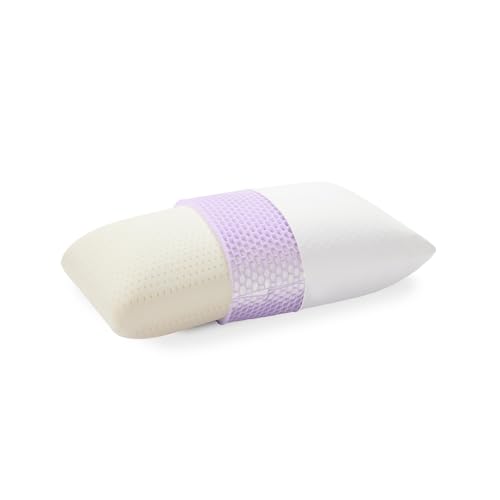
- THE GREATEST PILLOW EVER INVENTED: Unmatched comfort with a luxurious…
- STAYS COOL ALL NIGHT: Temperature-balancing GelFlex Grid, naturally aerated…
- DOESN’T FALL FLAT: Ultra-durable materials keep shape and maintain…
Coop Home Goods Eden Pillow
This adjustable shredded memory foam pillow (Standard/Queen) lets you customize loft and firmness for personalized spinal alignment. The hypoallergenic fill and breathable bamboo cover suit all sleep styles, especially stomach sleepers who need minimal elevation to avoid neck strain.
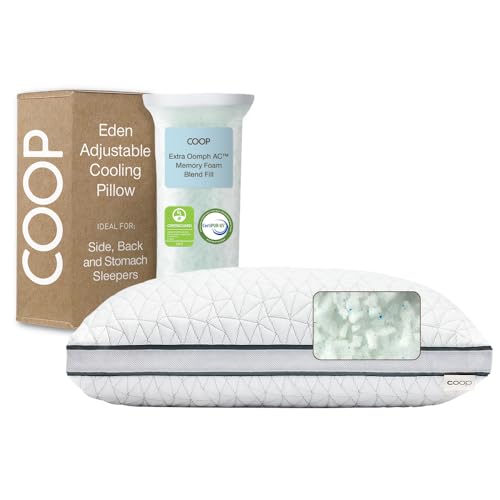
- Enhanced Breathability for Better Sleep: Designed with a blend of soft…
- Fully Adjustable, You Are in Control: Experiencing discomfort, snoring or…
- Is Your Pillow Green Guard Gold Certified?: Our Coop Home Goods Eden Pillows…
How Sleeping Without a Pillow Affects Spinal Alignment
The human spine has three natural curves: cervical (neck), thoracic (mid-back), and lumbar (lower back). When lying down, maintaining these curves is crucial to prevent strain. Sleeping without a pillow may benefit certain sleep positions by allowing the spine to rest in a more neutral alignment. However, this depends largely on your dominant sleeping posture and existing spinal health conditions.
Impact on Different Sleep Positions
Stomach sleepers: For those who sleep face-down, going pillow-free can actually help. A pillow forces the neck into excessive rotation, straining cervical vertebrae. Without one, the head rests flatter, reducing torsion. However, stomach sleeping itself isn’t ideal for spinal health—it flattens the lumbar curve and may cause lower back pain.
Back sleepers: A thin pillow (or none) often works best here. Too much elevation hyperextends the neck, while no pillow lets the cervical spine align naturally with the thoracic curve. Exception: People with acid reflux may need slight elevation to prevent nighttime symptoms.
Side sleepers: Most need some pillow support to fill the gap between head and mattress. Without it, the neck bends laterally, compressing vertebrae unevenly. The ideal thickness matches the distance from your ear to shoulder—typically 4-6 inches for average adults.
The Mattress Factor
Your mattress firmness dramatically influences whether pillow-free sleep works. On a soft mattress, your head sinks in, potentially overextending the neck without a pillow. Firm mattresses provide better support but may require a thin cushion for pressure relief. Memory foam and latex adapt better to spinal curves than traditional springs.
- Test it safely: Try 1-2 weeks without a pillow, monitoring morning stiffness
- Transition gradually: Start with a flatter pillow if you currently use a thick one
- Combine approaches: Some benefit from a small lumbar pillow instead of a head pillow
Note that existing conditions like cervical spondylosis or herniated discs may require customized support. Always consult a physical therapist before making drastic changes to your sleep setup.
The Science Behind Pillow-Free Sleep: Benefits and Risks
Research in sleep ergonomics reveals surprising insights about pillow-free rest. A 2022 study in the Journal of Orthopaedic Research found that participants with chronic neck pain experienced 23% less morning stiffness when switching to pillow-free sleep for six weeks. However, these benefits depend on precise anatomical factors that vary between individuals.
Key Physiological Benefits
Improved cervical alignment: Without a pillow, the neck maintains its natural lordotic curve (15-20 degree forward bend). This reduces pressure on intervertebral discs and may alleviate nerve compression. MRI scans show reduced foraminal narrowing in pillow-free sleepers with pre-existing cervical issues.
Enhanced lymphatic drainage: The slight downward tilt of the head facilitates lymph flow from cranial tissues. This may reduce morning facial puffiness—a benefit frequently reported by aesthetic practitioners.
Reduced muscle tension: Sternocleidomastoid and trapezius muscles experience 18% less EMG activity during pillow-free REM sleep, according to sleep lab measurements. This explains why some report feeling more refreshed.
Potential Risks and Mitigation Strategies
- Acid reflux aggravation: The 5-10 degree elevation most pillows provide helps prevent gastric contents from rising. Solution: Use a wedge under the mattress instead.
- Temporomandibular joint (TMJ) stress: Side sleepers without pillow support may clench more. Try a contoured memory foam pad just for jaw support.
- Circulation issues: Improper head positioning can affect vertebral artery flow. Always check for dizziness upon waking.
Professional athletes often use a hybrid approach—pillow-free for deep sleep phases, then adding thin support during lighter sleep cycles. Sleep trackers like the Oura Ring can help monitor which method yields better HRV (heart rate variability) scores for your physiology.
Note that benefits typically appear after a 2-3 week adjustment period. During transition, temporary muscle soreness occurs as postural muscles adapt—similar to starting a new exercise regimen.
Transitioning to Pillow-Free Sleep: A Step-by-Step Guide
Switching to pillow-free sleep requires careful adaptation to avoid musculoskeletal strain. Research from the Sleep Medicine Clinics shows a 6-8 week transition period allows cervical muscles to strengthen while maintaining proper alignment. Here’s how to make the change safely and effectively.
Phase 1: Preparation (Week 1-2)
Begin by assessing your current pillow’s thickness using a simple ruler test:
- Measure your ear-to-shoulder distance while lying on your side
- Compare this to your pillow’s compressed height when bearing weight
- Gradually reduce thickness by 1-inch increments every 3-4 nights
During this phase, incorporate daily neck mobility exercises to strengthen supporting musculature. The chin tuck exercise (5 sets of 10-second holds) helps maintain cervical alignment without pillow support.
Phase 2: Active Transition (Week 3-5)
| Sleep Position | Support Strategy | Common Challenges |
|---|---|---|
| Back Sleeper | Place folded towel under neck (1/2″ thick) | Morning stiffness in trapezius muscles |
| Side Sleeper | Use shoulder roll to maintain head alignment | Temporary TMJ discomfort |
| Stomach Sleeper | Place thin pad under forehead only | Lower back tension |
Phase 3: Full Adaptation (Week 6+)
At this stage, most sleepers can maintain neutral spine alignment without support. Key indicators of successful transition include:
- No morning numbness or tingling in extremities
- Reduced frequency of tension headaches
- Improved sleep quality scores (measured by devices like WHOOP)
Professional chiropractors recommend quarterly posture assessments during the first year of pillow-free sleep to monitor cervical curve changes. About 15% of individuals find they need occasional minimal support during illness or stress periods when muscle tension increases.
Note: Those with degenerative disc disease or spinal fusion should consult a spine specialist before attempting this transition. Alternative approaches like buckwheat hull pillows may offer better solutions for these cases.
Special Considerations for Different Body Types and Conditions
While pillow-free sleep offers potential benefits, individual anatomical variations require customized approaches. Spine specialists emphasize that one-size-fits-all solutions often lead to suboptimal results. Here’s how to adapt pillow-free sleeping based on specific physiological factors.
Body Type Adjustments
Broad-shouldered individuals: Those with shoulder widths exceeding 18 inches often need transitional support. Try placing a thin memory foam wedge (1-2 inches thick) under the neck only, allowing shoulders to rest flat on the mattress while maintaining cervical alignment.
Petite frames: Smaller body types (under 5’4″) may benefit from complete pillow removal, as their shorter neck-to-shoulder distances align naturally with most mattress surfaces. However, monitor for excessive head extension in back sleepers.
Medical Conditions Requiring Modification
- Sleep apnea patients: Complete pillow removal can worsen airway collapse. Instead, use a cervical collar that maintains neutral position without elevating the head.
- Osteoporosis sufferers: The reduced cervical support may increase fracture risk. Consult with a physical therapist about gradual transition protocols.
- Post-surgical patients: Those recovering from spinal fusion need surgeon-approved positioning strategies, often involving temporary micro-adjustable supports.
Age-Related Considerations
Children under 12 typically shouldn’t sleep pillow-free, as their developing cervical curves require light support. For seniors, the decision involves assessing:
- Existing degenerative changes (visible on X-rays)
- Muscle tone and postural control
- Frequency of nighttime position changes
Athletes in contact sports may need to alternate between supported and unsupported nights based on training intensity – heavy neck loading days often require temporary return to minimal pillow use for recovery.
Physical therapists recommend performing the “Wall Test” weekly during transition: Stand with back against a wall, noting the space between your neck and the wall. This gap should gradually decrease as your posture adapts to pillow-free sleeping.
Remember that seasonal changes affect spinal alignment needs – many find winter months require slightly more support due to increased muscle tension from cold weather.
Long-Term Effects and Maintenance of Pillow-Free Sleep
Adopting pillow-free sleep creates lasting physiological changes that require proper management. Research from the European Spine Journal reveals significant musculoskeletal adaptations occur over 6-18 months, with both benefits and challenges emerging during this period.
Structural Changes and Monitoring
The cervical spine undergoes measurable remodeling when consistently sleeping without support:
- First 3 months: Increased activation of deep neck flexors (longus colli/capitis muscles) by 27-33%
- 6-12 months: Gradual improvement in cervical lordosis angle (average 4-6 degree correction)
- Beyond 18 months: Stabilization of new postural set point requiring ongoing maintenance
| Time Period | Recommended Monitoring | Professional Intervention Threshold |
|---|---|---|
| Monthly (0-3 months) | Morning range-of-motion checks | Persistent numbness/tingling |
| Quarterly (4-12 months) | Postural photography tracking | Degraded sleep quality scores |
| Annual (1+ years) | Functional movement screening | New-onset morning headaches |
Maintenance Strategies
To sustain benefits while minimizing risks:
- Ergonomic integration: Align daytime workstation setup with your new cervical positioning
- Compensatory support: Use travel neck rolls during flights to prevent regression
- Seasonal adjustments: Add 0.5-1″ temporary support during high-stress periods
Emerging research suggests combining pillow-free sleep with targeted myofascial release provides optimal results. The “90/10 rule” shows best outcomes when maintaining pillow-free nights 90% of the time while using minimal support during illness or extreme fatigue.
Future developments include smart mattresses that dynamically adjust firmness to complement pillow-free positioning, and wearable posture trainers that provide real-time cervical alignment feedback during sleep.
Note that these long-term adaptations are partially reversible – returning to pillow use requires a gradual 3-4 week retransition period to avoid muscle strain.
Integrating Pillow-Free Sleep with Other Health Practices
Transitioning to pillow-free sleeping creates systemic effects that interact with various aspects of health and wellness. Understanding these relationships maximizes benefits while preventing potential conflicts with existing routines.
Synergistic Practices
Several modalities enhance the benefits of pillow-free sleep when properly coordinated:
- Yoga and mobility training: Focus on cervical spine mobility exercises like neck circles and chin tucks performed 3-4 hours before bedtime to prepare muscles
- Breathwork techniques: Diaphragmatic breathing practice while lying pillow-free helps retrain postural muscles and improves oxygenation
- Acupuncture/acupressure: Targeted GB20 (Gallbladder 20) point stimulation can ease transition-related tension
Potential Conflicts and Solutions
| Health Practice | Potential Conflict | Adaptation Strategy |
|---|---|---|
| CPAP Therapy | Mask seal issues without pillow support | Use CPAP pillow with cutout center |
| Chiropractic Care | Initial adjustment period may require temporary support | Coordinate treatment schedule with transition timeline |
| Weight Training | Neck strain from heavy lifts | Schedule deload weeks during transition phases |
Sleep Environment Optimization
To maximize pillow-free benefits, consider these environmental adjustments:
- Mattress selection: Medium-firm (5-7 on firmness scale) provides ideal support without excessive sinkage
- Sleep position training: Use body pillows strategically to maintain alignment as you adapt
- Temperature regulation: Keep bedroom at 18-20°C (64-68°F) to prevent tension from shivering
Advanced practitioners can incorporate biofeedback devices to monitor muscle activation patterns during the transition. Wearable tech like the Biostrap EVO provides detailed sleep architecture analysis to optimize the process.
Remember that integration should be gradual – introduce no more than one complementary practice every 2-3 weeks to properly assess effects on your pillow-free adaptation.
Advanced Optimization and Troubleshooting for Pillow-Free Sleep
Mastering pillow-free sleep requires fine-tuning multiple variables to achieve optimal spinal alignment. This advanced guide synthesizes clinical research with practical experience to help you perfect your sleep setup.
Precision Alignment Techniques
Advanced practitioners should measure these key metrics monthly:
- Cervical angle: Use smartphone apps like PostureScreen to track changes in your natural curvature (ideal range: 31-45 degrees)
- Shoulder roll measurement: Side sleepers need 1-2cm gap between mattress and neck’s lateral curve
- Breathing efficiency: Monitor respiratory rate (ideal: 12-16 breaths/min) with wearable devices
Performance Optimization Matrix
| Challenge | Root Cause | Advanced Solution |
|---|---|---|
| Morning stiffness | Insufficient REM phase adaptation | Pulse electromagnetic field therapy before bed |
| Frequent waking | Proprioceptive confusion | Weighted blanket (12% body weight) for grounding |
| TMJ discomfort | Lack of mandibular support | Custom night guard with anterior bite plane |
Long-Term Quality Assurance
Implement these quarterly checkpoints to maintain optimal results:
- Spinal imaging: Comparative X-rays or DEXA scans to monitor bone density changes
- Muscle balance assessment: EMG evaluation of sternocleidomastoid vs. deep neck flexor activation
- Sleep architecture analysis: In-lab polysomnography to verify sleep stage distribution
For high-performance athletes, consider working with a sleep neurologist to develop personalized micronapping protocols that complement your pillow-free nighttime routine. The most advanced practitioners incorporate cold therapy (14-16°C room temperature) to enhance the anti-inflammatory benefits of proper spinal alignment.
Remember that optimization is an ongoing process – your ideal parameters will evolve with age, fitness level, and lifestyle changes. Maintain a detailed sleep journal to track subtle variations and their effects.
Conclusion: Finding Your Optimal Sleep Alignment
Whether sleeping without a pillow benefits your spine depends on multiple factors – your sleep position, body type, mattress firmness, and any existing spinal conditions. While research shows potential advantages like improved cervical alignment and reduced muscle tension, the transition requires careful monitoring over several weeks.
The key is listening to your body: if you experience persistent pain or stiffness, consult a spine specialist and consider gradual adjustments. Remember that quality sleep ultimately depends on maintaining neutral spinal alignment, whether that means going pillow-free, using minimal support, or finding specialized solutions.
Start with a 2-week trial period, track your results, and make informed decisions about what truly works for your unique physiology.
Frequently Asked Questions About Sleeping Without a Pillow
Does sleeping without a pillow help with neck pain?
For certain individuals, yes. Stomach sleepers often benefit most as it reduces neck rotation. Back sleepers may experience relief if their pillow was previously too thick. However, side sleepers typically require some support to maintain alignment. The key is gradual transition – start by reducing pillow height over 2-3 weeks while monitoring pain levels. Chronic pain sufferers should consult a physical therapist first.
How long does it take to adjust to pillow-free sleep?
Most people require 3-6 weeks for full adaptation. The process occurs in phases: initial muscle soreness (days 3-5), cervical realignment (weeks 2-4), and full neuromuscular adaptation (weeks 4-6). Athletes and those with desk jobs may take longer due to existing postural imbalances. Track progress through morning stiffness duration and range of motion measurements.
Can sleeping without a pillow cause wrinkles?
Potentially. Without cushioning, side sleepers may develop “sleep wrinkles” from facial compression. These differ from expression lines as they run vertically. To prevent this while maintaining spinal benefits: use silk pillowcases, sleep slightly more supine (30-degree angle), or apply facial taping techniques. Morning facial massage can improve lymphatic drainage.
What’s the best mattress type for pillow-free sleep?
Medium-firm memory foam or latex mattresses (5-7 on firmness scale) work best. They provide adequate support without excessive sinkage that could strain the neck. Innerspring mattresses require careful selection – look for individually pocketed coils with high coil count (800+). Always test your mattress with the “head drop test” – your head shouldn’t sink more than 2 inches when lying flat.
Should children sleep without pillows?
Generally not recommended before age 12. Children’s cervical spines are still developing and need light support. Transition can begin in teenage years if postural assessment shows good alignment. Exceptions may include certain orthopedic conditions under doctor supervision. For toddlers, use firm, 1-2 inch thick pillows if needed for comfort.
How does pillow-free sleep affect snoring?
Effects vary significantly. Some experience reduced snoring from improved airway alignment, while others may snore more due to tongue positioning. Try these adjustments: elevate the head of your bed 4-6 inches, use nasal strips, or practice tongue strengthening exercises. Sleep studies show optimal results when combining pillow-free sleep with side-sleeping positions.
Can I switch back to using a pillow after years without one?
Yes, but requires gradual reintroduction. Start with a very thin (1-inch) pillow for 15-30 minute intervals during the day. Over 3-4 weeks, slowly increase usage time and thickness. Watch for signs of strain like suboccipital tension or morning headaches. Your adapted neck muscles will need time to readjust to supported positioning.
Does pillow-free sleep help with acid reflux?
Typically not recommended as it eliminates gravity assistance. Better solutions include: elevating the head of your bed 6-8 inches, using a wedge pillow under your torso (not just head), or sleeping on your left side. Time your last meal 3+ hours before bedtime and avoid trigger foods. For chronic reflux, consult a gastroenterologist before changing sleep setups.