
Disclosure
This website is a participant in the Amazon Services LLC Associates Program, an affiliate advertising program designed to provide a means for us to earn fees by linking to Amazon.com and affiliated sites.
Yes, lack of sleep can turn you into a zombie—figuratively and biologically. Imagine shuffling through your day with foggy thoughts, slow reflexes, and insatiable cravings, much like the undead. Sleep deprivation isn’t just about feeling tired; it rewires your brain, weakens immunity, and even mimics symptoms of psychosis.
Modern life glorifies “hustle culture,” but science reveals a darker truth: cutting corners on sleep sabotages productivity, health, and happiness. You might think you’re “used to” five hours of sleep, but research shows chronic deficits accumulate like a toxic debt—crashing your mood, memory, and metabolic health.
Best Sleep Aids for Combating Sleep Deprivation
Philips SmartSleep Wake-Up Light
This sunrise alarm clock mimics natural dawn, gently waking you with 20 brightness levels and soothing sounds instead of jarring alarms. Its sunset simulation also helps wind down your circadian rhythm, making it ideal for those struggling with groggy mornings or insomnia.
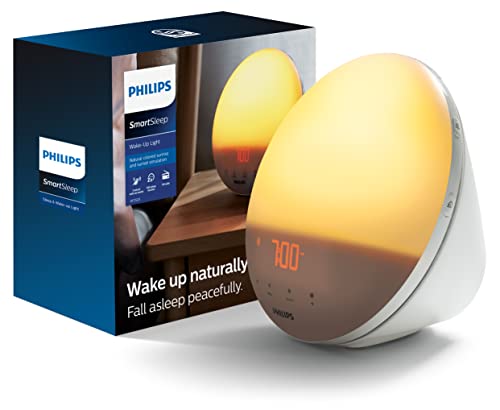
- CLINICALLY PROVEN*: Philips wake-up lights are recommended by physicians and…
- PERSONALIZATION: Simulated sunset and sunrise and choice of 5 different natural…
- SMART FEATURES: FM radio, tap snooze and automatic dimmable display
Tempur-Pedic TEMPUR-Cloud Breeze Dual Cooling Pillow
Designed with temperature-regulating fibers and pressure-relieving TEMPUR material, this pillow keeps you cool while supporting neck alignment. Its breathable cover reduces night sweats—a common sleep disruptor—making it perfect for hot sleepers or chronic pain sufferers.
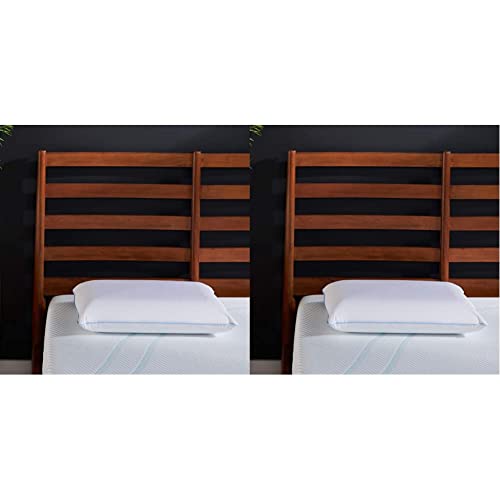
- The king size TEMPUR-Cloud Breeze Dual Cooling Gel Pillow provides adaptive…
- The queen size TEMPUR-Cloud Breeze Dual Cooling Gel Pillow offers medium feel…
- Both pillows feature removable and machine-washable 100% polyester premium knit…
Oura Ring Generation 3 (Heritage Design)
This sleek wearable tracks sleep stages, body temperature, and heart rate variability with clinical-grade accuracy. Unlike bulky trackers, its unobtrusive design won’t disturb sleep, while personalized insights help optimize bedtime routines and recovery.

- SIZE BEFORE YOU BUY – Size with Gen3 Sizing Kit prior to purchasing Oura Ring…
- THE REVOLUTIONARY SMART RING – Track your sleep, activity, stress, heart rate…
- MORE ACCURATE BY DESIGN – Your finger provides the most accurate pulse reading…
How Sleep Deprivation Rewires Your Brain (And Why You Feel Like a Zombie)
Chronic sleep deprivation doesn’t just leave you tired—it fundamentally alters brain function. Studies using fMRI scans reveal that after 24 hours without sleep, the prefrontal cortex (responsible for decision-making and self-control) shows 60% less activity, while the amygdala (the emotional center) becomes hyperactive. This explains why sleep-deprived people struggle with focus yet react impulsively to minor stressors—like a zombie lurching between lethargy and outbursts.
The Neurochemical Imbalance
Sleep loss disrupts three critical brain chemicals:
- Adenosine builds up unchecked, creating intense fatigue (this is why caffeine blocks adenosine receptors to mask tiredness).
- Dopamine surges erratically, mimicking the reward-seeking behavior seen in addiction—hence late-night snack binges.
- Serotonin drops, worsening mood regulation—a pattern also observed in clinical depression.
For example, truck drivers working overnight shifts are 40% more likely to make risky decisions, according to a 2022 University of Pennsylvania study.
Memory and Cognitive Decline
During deep sleep, your brain’s glymphatic system flushes out toxins like beta-amyloid (linked to Alzheimer’s). Without this “nightly reset,” proteins accumulate, causing:
- Short-term: Forgetfulness (e.g., misplacing keys becomes frequent).
- Long-term: A 2018 Johns Hopkins study found that sleeping less than 6 hours nightly increases dementia risk by 30%.
College students pulling all-nighters often experience “pseudo-memory”—confidently recalling incorrect facts, as sleep-deprived brains misfile information.
Physical Side Effects Beyond Fatigue
Your body reacts to sleep loss like a threat:
- Metabolism: Cortisol spikes, increasing fat storage (especially belly fat), while leptin (the “fullness hormone”) drops by 18%.
- Immune system: Just one night of poor sleep reduces natural killer cell activity by 70%, leaving you vulnerable to infections.
- Pain sensitivity:
The brain’s somatosensory cortex becomes hyperreactive, lowering pain thresholds—chronic pain patients often report flare-ups after sleepless nights.
A 2021 study in Current Biology showed that 10 days of 5-hour sleep degraded physical performance as much as 48 hours of total sleep deprivation.
Key Takeaway: Sleep deprivation isn’t just exhaustion—it’s a cascade of biological dysregulation. The good news? Unlike zombies, humans can reverse these effects with consistent, quality sleep.
The Vicious Cycle of Sleep Deprivation and How to Break It
Sleep loss creates a self-perpetuating cycle that makes quality rest increasingly difficult to achieve. Understanding this pattern is crucial for implementing effective solutions that address root causes rather than just symptoms.
Why Sleep Problems Compound Over Time
The sleep-deprivation cycle typically follows these stages:
- Initial sleep loss from stress, poor habits, or environmental factors reduces deep sleep (Stage 3 NREM)
- Circadian disruption occurs as cortisol and melatonin rhythms become misaligned
- Hyperarousal develops – the brain becomes stuck in “fight or flight” mode, making relaxation difficult
- Sleep anxiety emerges as sufferers develop negative associations with bedtime
This explains why many people who start with occasional insomnia develop chronic sleep problems.
Step-by-Step Reset Protocol
Breaking the cycle requires a multi-pronged approach:
- Light exposure management: Get 10 minutes of morning sunlight to reset circadian rhythm, while avoiding blue light after sunset
- Temperature regulation: Keep bedroom between 60-67°F (15-19°C) – studies show this optimal range reduces nighttime awakenings by 40%
- Sleep window adjustment: Gradually shift bedtime earlier in 15-minute increments to avoid shocking your system
- Stress reduction: Practice diaphragmatic breathing (5 seconds in, 7 seconds out) for 5 minutes before bed to activate the parasympathetic nervous system
Professional Tips for Persistent Cases
For those struggling despite lifestyle changes:
- Cognitive Behavioral Therapy for Insomnia (CBT-I): The gold-standard treatment with 80% effectiveness rates – focuses on changing sleep-related thoughts and behaviors
- Sleep restriction therapy: Temporarily limiting time in bed to increase sleep efficiency, then gradually expanding
- Strategic supplementation: Magnesium glycinate (200-400mg) and apigenin (found in chamomile) can support relaxation without dependency risks
Real-world example: A 2023 Stanford study found that combining CBT-I with circadian reset techniques helped 72% of participants normalize their sleep within 6 weeks, even after years of poor sleep.
Optimizing Your Sleep Architecture for Maximum Restoration
Quality sleep isn’t just about duration – it’s about properly cycling through all sleep stages. Understanding sleep architecture helps you maximize the restorative benefits of each night’s rest.
The Science of Sleep Cycles
Healthy sleep consists of 4-6 complete cycles (90-120 minutes each) containing distinct stages:
| Stage | Duration | Key Functions | Disruption Effects |
|---|---|---|---|
| NREM 1 | 5-10 min | Transition to sleep | Increased sleep latency |
| NREM 2 | 30-60 min | Memory consolidation | Impaired learning |
| NREM 3 | 20-40 min | Physical restoration | Weakened immunity |
| REM | 10-60 min | Emotional processing | Mood dysregulation |
Advanced Optimization Techniques
To enhance specific sleep stages:
- For Deep NREM 3 Sleep:
- Time exercise 4-6 hours before bed (raises core temperature for deeper subsequent cooling)
- Consume tart cherry juice (natural source of melatonin and anti-inflammatory compounds)
- For REM Sleep:
- Maintain consistent wake times (REM periods lengthen toward morning)
- Limit alcohol (suppresses REM by 20-30% per drink)
Common Pitfalls in Sleep Tracking
While wearables provide useful data, many users misinterpret:
- Overvaluing sleep scores: Composite scores often overweight duration over quality
- Misreading awakenings: Brief micro-awakenings (under 3 minutes) are normal and healthy
- Chasing perfection: Natural night-to-night variation of ±45 minutes in cycle timing is expected
Expert Insight: Dr. Matthew Walker’s research at UC Berkeley shows that prioritizing sleep regularity (consistent bed/wake times) improves sleep quality more than trying to extend total sleep time irregularly.
Sleep Hygiene Overhaul: Evidence-Based Strategies for Shift Workers and Night Owls
For those whose schedules conflict with natural circadian rhythms, conventional sleep advice often falls short. These specialized techniques help mitigate the health risks of non-traditional sleep patterns while maximizing restorative sleep potential.
Circadian Realignment Protocol
Shift workers can partially reset their biological clocks using:
- Timed light therapy:
- Use 10,000 lux light boxes for 30 minutes during waking hours (not before bed)
- Wear amber glasses 2 hours before daytime sleep to block blue light
- Strategic caffeine management:
- Consume within first hour of waking, but never within 8 hours of planned sleep
- Combine with L-theanine (200mg) to reduce jitteriness
The Two-Phase Sleep Solution
When continuous sleep isn’t possible, segmented sleep can maintain cognitive function:
- Core sleep: 4.5 hours containing at least one complete sleep cycle (NREM 2,3 + REM)
- Supplementary sleep: 1.5-2 hours later, ideally including REM sleep
Historical records show this was common practice before artificial lighting, with “first sleep” and “second sleep” periods.
Advanced Environmental Engineering
Daytime sleep requires more rigorous preparation:
- Soundproofing: Combine white noise machines (40-50 dB) with acoustic panels
- Light elimination: Use blackout curtains and a sleep mask for complete darkness
- Temperature control: Pre-cool room to 60°F (15.5°C) before sleep periods
Health Risk Mitigation
Night shift workers should prioritize:
- Metabolic protection: Schedule meals to match wake periods (e.g., “breakfast” at work start)
- Cardiovascular support: Monitor blood pressure weekly (night shifts increase hypertension risk by 29%)
- Social rhythm maintenance: Protect at least one weekend day for normal social interaction
Safety Note: The National Institute for Occupational Safety and Health recommends no more than 4 consecutive night shifts, with at least 48 hours recovery before rotating back.
The Long-Term Health Economics of Sleep Deprivation
Chronic sleep loss carries staggering financial and biological costs that compound over decades. Understanding these impacts reveals why sleep investment delivers exceptional lifetime returns.
Quantifying the Cumulative Damage
Research demonstrates how annual sleep deficits translate to long-term consequences:
| Sleep Loss | 5-Year Impact | 20-Year Impact | Prevention ROI |
|---|---|---|---|
| ≤6 hours nightly | 42% higher diabetes risk | 2.5x Alzheimer’s risk | $12,400 savings in healthcare costs |
| Frequent all-nighters | 31% faster telomere shortening | 4.7 years accelerated aging | 3.2 extra healthy life years |
| Untreated sleep apnea | $9,200 annual medical costs | 16x stroke risk | 91% reduction with CPAP therapy |
The Productivity Paradox
While sacrificing sleep may seem efficient short-term, the math reveals:
- Cognitive decline: Losing 90 minutes of sleep reduces next-day productivity by 32% (Harvard Business Review)
- Error rates: Medical residents working 24+ hour shifts make 36% more diagnostic mistakes
- Presenteeism: Sleep-deprived employees cost employers $2,000 more annually in lost productivity than well-rested counterparts
Future-Proofing Your Sleep Health
Emerging research suggests:
- Circadian-aware lighting: Tunable LED systems that automatically adjust color temperature may reduce shift worker disease risk by 18-27%
- Sleep banking: Strategic sleep extension before anticipated deficits (like military operations) can maintain performance for 72+ hours
- Personalized chronotherapy: Genetic testing for PER3 clock genes may soon enable customized sleep schedules
Environmental Note: The WHO now classifies night shift work as a probable carcinogen (Group 2A), placing it in the same risk category as lead and UV radiation.
Sleep Optimization for High-Performance Individuals
For athletes, executives, and other high-achievers, sleep isn’t just about recovery – it’s a competitive advantage. These evidence-based protocols can help maximize the performance-enhancing benefits of sleep.
The Elite Sleep Protocol
Top performers use these scientifically-validated techniques:
- Sleep extension: Adding 30-90 minutes nightly for 6-8 weeks improves:
- Athletic reaction time by 17% (Stanford Basketball Study)
- Decision-making accuracy by 42% (US Special Forces Research)
- Nap engineering:
- 20-minute power naps boost alertness for 3+ hours
- 90-minute full-cycle naps enhance creativity and procedural memory
Precision Recovery Monitoring
Advanced metrics to track:
- HRV (Heart Rate Variability): Measures autonomic nervous system recovery (aim for morning scores above baseline)
- Core temperature rhythm: 0.5°C nocturnal drop correlates with deep sleep quality
- Respiratory rate: Optimal sleep breathing is 12-14 breaths/minute (higher indicates stress response)
Performance-Specific Sleep Adjustments
Tailor sleep based on your demands:
- For physical performance: Prioritize NREM 3 sleep with:
- Post-workout cold therapy (reduces inflammation for better recovery)
- Carbohydrate-rich dinner (promotes tryptophan conversion to serotonin)
- For cognitive performance: Enhance REM sleep with:
- Daytime mindfulness practice (reduces emotional interference at night)
- Omega-3 supplementation (supports myelin sheath repair during REM)
Common Pitfalls in Performance Sleep
Even elite performers make these mistakes:
- Over-relying on sleep trackers instead of subjective feeling
- Sacrificing sleep consistency for occasional longer nights
- Neglecting the 90-minute ultradian rhythm when timing naps
Pro Tip: The US Olympic Committee now recommends “sleep skill training” with the same priority as physical conditioning for elite athletes.
Sleep System Engineering: Creating Your Personalized Sleep Sanctuary
Transforming your sleep from adequate to exceptional requires a systematic approach that addresses all environmental, biological, and behavioral factors in concert. This comprehensive framework ensures all elements work synergistically for optimal results.
The Sleep Optimization Matrix
Effective sleep systems require balancing four key dimensions:
| Dimension | Key Components | Optimization Techniques | Measurement Tools |
|---|---|---|---|
| Physical Environment | Temperature, light, sound, air quality | Thermal gradient bedding, pink noise generators | Hygrometer, lux meter, CO2 monitor |
| Circadian Alignment | Light exposure, meal timing, activity cycles | Dawn simulators, timed melatonin | Core body temp tracking, melatonin tests |
| Sleep Architecture | Cycle timing, stage distribution | Sleep phase alarms, vibration pads | EEG headbands, HRV monitors |
| Psychological Factors | Stress levels, sleep beliefs | CBT-I protocols, mindfulness training | Sleep diaries, anxiety scales |
Implementation Roadmap
For sustainable improvements:
- Baseline Assessment: Track current sleep patterns for 2 weeks using both objective (wearables) and subjective (sleep diary) measures
- Priority Intervention: Address the most disruptive factor first (e.g., light pollution before perfecting sleep timing)
- System Integration: Gradually layer in additional elements every 7-10 days to avoid overwhelm
- Performance Benchmarking: Monthly reassessment using standardized metrics like:
- Sleep Efficiency Score (aim for >85%)
- Wake After Sleep Onset (target <20 minutes)
Advanced Quality Assurance
Ensure long-term success with:
- Seasonal Adjustments: Modify sleep duration by 15-30 minutes with daylight changes
- Hormonal Cycling: Women should track menstrual phases as progesterone affects sleep architecture
- Microbiome Support: Prebiotic fibers enhance GABA production for better sleep quality
Validation Protocol: The Sleep Research Society recommends quarterly polysomnography tests for serious optimizers to verify at-home tracking accuracy.
Conclusion: Reclaiming Your Vitality Through Better Sleep
From neurochemical imbalances to long-term health risks, we’ve explored how chronic sleep deprivation truly transforms us into zombie-like versions of ourselves—impaired cognitively, emotionally, and physically. The evidence is clear: quality sleep isn’t a luxury, but the foundation of peak performance and longevity.
Whether you’re a shift worker needing circadian realignment or a high-performer optimizing sleep architecture, the solutions exist. Tonight presents your first opportunity to break the cycle—start with one evidence-based change from this guide, track your improvements, and build from there. Your well-rested future self will thank you.
Frequently Asked Questions About Sleep Deprivation and Recovery
What exactly happens to my brain when I don’t get enough sleep?
Sleep deprivation triggers a cascade of neurological changes: your prefrontal cortex (decision-making center) becomes impaired, while the amygdala (emotional center) becomes hyperactive.
Neurotransmitter balance shifts dramatically – adenosine builds up causing fatigue, dopamine surges erratically leading to poor impulse control, and serotonin drops affecting mood. After just 24 hours awake, PET scans show a 60% reduction in glucose metabolism in critical brain regions.
How can I recover from years of chronic sleep deprivation?
Recovery requires a phased approach: start with consistent sleep scheduling (same bedtime/wake time ±30 minutes), then gradually increase sleep duration by 15-minute increments weekly.
Prioritize deep sleep by keeping bedroom temperature at 65°F (18°C) and avoiding alcohol before bed. Full neurological recovery typically takes 6-8 weeks of proper sleep hygiene, with measurable cognitive improvements appearing within 10-14 days.
Are sleep trackers accurate for measuring sleep quality?
Consumer devices are reasonably accurate (70-85%) for detecting sleep/wake states but less precise for sleep stages. For clinical-grade data, look for trackers with both heart rate variability (HRV) and movement sensors.
The most reliable metric is sleep consistency – track your wake time variability, aiming for less than 30 minutes difference daily. Remember that over-fixating on tracker data can itself cause sleep anxiety.
What’s the most effective natural sleep aid?
Magnesium glycinate (200-400mg) combined with behavioral strategies shows the best evidence. Magnesium enhances GABA activity while being well-tolerated, unlike some herbal supplements.
Pair it with a “power-down hour” before bed: dim lights, take a warm shower (not hot), and practice 4-7-8 breathing (inhale 4 sec, hold 7, exhale 8). This combination addresses both physiological and psychological aspects of sleep onset.
Can I make up for lost sleep on weekends?
While weekend recovery sleep helps temporarily, it doesn’t fully reverse metabolic and cognitive deficits from weekday deprivation. A 2023 study found it takes four nights of proper sleep to normalize insulin sensitivity after just two nights of poor sleep. Better strategy: add a 20-30 minute afternoon nap on weekdays combined with modest weekend sleep extension (1-1.5 hours).
How does sleep deprivation affect weight gain?
Sleep loss disrupts two key hormones: leptin (satiety signal) decreases by 18% while ghrelin (hunger hormone) increases by 28%. This creates perfect conditions for overeating – studies show sleep-deprived individuals consume 300-500 extra calories daily, particularly from high-fat, high-sugar foods. Worse, the body preferentially stores these calories as visceral fat around organs, even without overall weight gain.
Is it dangerous to exercise when sleep-deprived?
Moderate exercise is generally safe but adjust intensity: reduce weights by 20% and avoid high-risk activities like heavy lifting or complex movements. Sleep deprivation impairs coordination and reaction time similar to a 0.05% blood alcohol level.
For endurance athletes, heart rate zones shift upward – what was zone 2 may now require zone 3 effort. Always prioritize recovery sleep over additional training when severely deprived.
What are the warning signs of severe sleep deprivation?
Seek medical advice if experiencing: microsleeps (unintentional 2-30 second sleep episodes), visual disturbances (floaters, light sensitivity), heart palpitations at rest, or cognitive lapses like forgetting how to perform routine tasks.
These indicate your nervous system is reaching dangerous exhaustion levels. Workplace studies show these symptoms typically appear after 18+ hours awake or chronic sleep restriction below 5 hours nightly.