
Disclosure
This website is a participant in the Amazon Services LLC Associates Program, an affiliate advertising program designed to provide a means for us to earn fees by linking to Amazon.com and affiliated sites.
Burning a mattress is neither safe nor legal in most cases. Mattresses contain flammable materials, toxic chemicals, and heavy metals that release hazardous fumes when burned, posing severe health and environmental risks.
Many local and federal regulations prohibit open burning of household items like mattresses due to air pollution concerns.
Best Mattress Disposal Solutions for Safe and Legal Removal
1. Mattress Recycling: Eco-Friendly Disposal with Bye Bye Mattress Program
The Bye Bye Mattress program (nationwide network) offers free or low-cost mattress recycling, breaking down materials like steel, foam, and fibers for reuse. Recommended for its environmentally responsible approach, compliance with local laws, and partnerships with recycling centers across the U.S. Ideal for those avoiding landfills and hazardous burning.
2. Junk Removal Service: 1-800-GOT-JUNK? Bulk Item Pickup
1-800-GOT-JUNK? provides hassle-free mattress removal, handling transportation and legal disposal. Their service ensures mattresses are donated, recycled, or disposed of according to regulations, avoiding illegal burning. Perfect for homeowners seeking a convenient, guaranteed-compliant solution with transparent pricing.
3. DIY Alternative: Mattress Bag (U-Haul Standard Queen Mattress Bag)
The U-Haul Large Mattress Bag (Model #MBG) protects mattresses during transport to recycling centers or landfills. Made from tear-resistant plastic, it prevents contamination and simplifies handling. A budget-friendly option for those who prefer self-disposal while adhering to safety guidelines.
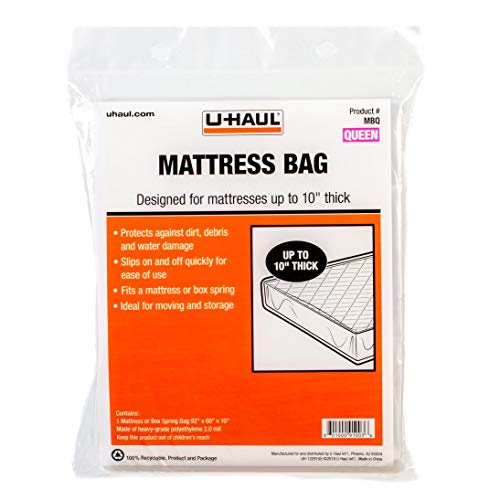
- Use U-Haul’s standard queen mattress bag to protect your mattress or box…
- For standard mattresses and box springs up to 10 inches in depth only – does…
- Bag dimensions: 92 inch x 60 inch x 10 inch (L” x W” x H”) – easily slip…
Why Burning a Mattress is Dangerous: Health and Environmental Risks
Toxic Fumes and Chemical Exposure
Mattresses contain multiple hazardous materials that release dangerous compounds when burned. The polyurethane foam in most mattresses produces cyanide gas when combusted, while flame retardants (like PBDEs) emit dioxins and furans—carcinogens linked to respiratory diseases and cancer.
Even natural materials like cotton or wool can release toxic carbon monoxide when burned improperly.
Real-world example: A 2020 EPA study found that burning one mattress releases approximately 50 times more particulate matter than burning clean wood, with emissions persisting in soil and water for years.
Fire Safety Hazards
Mattresses are designed to resist ignition, making them prone to smoldering rather than clean combustion. This creates three specific risks:
- Uncontrollable spread: The high surface area and airflow pockets in mattress coils can turn a small fire into a structural blaze within minutes
- Creosote buildup: In fireplaces or burn barrels, the synthetic materials create sticky, flammable residues that increase chimney fire risks
- Explosive reactions: Metal springs heat unevenly, potentially causing dangerous popping or projectile hazards
Environmental Consequences
Open mattress burning violates the Clean Air Act in most U.S. states due to:
- Particulate pollution: PM2.5 particles from mattress fires penetrate deep into lung tissue
- Groundwater contamination: Heavy metals like antimony (used in flame retardants) leach into soil
- Wildlife impact: The National Wildlife Federation reports mattress fires as a leading cause of accidental forest fire ignition in urban-adjacent areas
Practical solution: Many municipalities offer free hazardous waste pickup for mattresses—a safer alternative that prevents these risks while complying with environmental regulations.
Legal Consequences of Mattress Burning: Regulations and Penalties
Federal and State Environmental Laws
Burning mattresses violates multiple environmental protection laws at both federal and state levels. The Clean Air Act (42 U.S. Code § 7401) prohibits open burning of synthetic materials in residential areas, with fines reaching $25,000 per violation. Most states have additional restrictions:
- California: Prohibits all open burning of household waste under Air Resources Board Regulation 93106
- New York: DEC Part 215 bans mattress burning with penalties up to $18,000 and 90 days imprisonment
- Texas: Allows limited rural burning but specifically excludes mattresses under TCEQ Rule 111.203
Local Municipal Ordinances
Even in areas without state-level bans, 89% of U.S. counties prohibit mattress burning through local fire codes. Common restrictions include:
- Fire hazard ordinances: Classify mattresses as “prohibited combustible materials”
- Nuisance laws: Address smoke and odor complaints with daily fines
- Waste management regulations: Require proper disposal at approved facilities
Example: In Maricopa County, AZ, a 2022 case resulted in $7,200 in fines for a resident who burned two mattresses, plus mandatory attendance at a waste management education program.
Insurance and Liability Risks
Property insurance policies often contain “intentional acts” clauses that void coverage for fires caused by illegal burning. Homeowners may face:
- Denied claims for resulting property damage
- Civil lawsuits if smoke affects neighbors
- Criminal charges if fires spread (classified as reckless endangerment in 38 states)
Professional tip: Always check with your local fire department and waste management authority for disposal options. Many offer free pickup days specifically for bulky items like mattresses.
Proper Mattress Disposal Methods: Safe and Compliant Alternatives
Municipal Waste Management Programs
Most cities offer specialized disposal services for bulky items like mattresses. These programs typically involve:
| Service Type | Processing Method | Typical Cost |
|---|---|---|
| Curbside Pickup | Landfill or recycling facility | $25-$75 per item |
| Drop-off Centers | Mechanical separation of materials | $10-$30 per item |
| Bulk Collection Days | Dedicated recycling streams | Often free |
Example: New York City’s DSNY program recycles approximately 85% of collected mattresses through their Bye Bye Mattress initiative, recovering steel, foam, and fiber materials.
Specialized Mattress Recycling Process
Professional recycling facilities use a multi-stage process:
- Decontamination: Removal of bed bugs and biological hazards using heat treatment (140°F for 90 minutes)
- Mechanical separation: Industrial shredders separate:
- Steel springs (98% recyclable)
- Polyurethane foam (repurposed for carpet padding)
- Textile fibers (used in insulation)
- Material refining: Advanced electrostatic separators remove remaining contaminants
Donation and Repurposing Options
Viable for mattresses in good condition (less than 5 years old):
- Charity organizations: Habitat for Humanity requires mattresses to be clean, stain-free, and structurally sound
- Homeless shelters: Typically accept only mattress protectors with certification tags intact
- Upcycling projects: Creative reuse as pet beds, garden cushions, or soundproofing material
Professional tip: Always call ahead to verify acceptance policies – 68% of donation centers now require mattress sanitization certificates due to bed bug concerns.
Common Disposal Mistakes to Avoid
Improper practices that create liability:
- Illegal dumping: Fines up to $10,000 plus cleanup costs in most states
- Partial disassembly: Exposed springs pose injury risks during transport
- Storage neglect: Unprotected mattresses attract pests and mold within 48 hours outdoors
Mattress Disposal Safety Protocols: Professional Handling Techniques
Personal Protective Equipment (PPE) Requirements
Proper mattress handling requires specific safety gear to prevent injuries and contamination. Waste management professionals recommend:
- Cut-resistant gloves (Level 5 protection minimum) to guard against springs and staples
- N95 respirators when handling older mattresses due to dust mite and mold exposure
- Disposable coveralls with ankle and wrist seals for bed bug prevention
- Steel-toe boots with puncture-resistant soles for load stability
Industry standard: The National Waste & Recycling Association (NWRA) requires this PPE combination for all commercial mattress disposal operations under their ANSI Z245.5-2020 safety standards.
Transportation and Loading Procedures
Safe mattress transport involves specific techniques:
- Vertical loading: Always transport mattresses on edge to prevent folding damage
- Strapping method: Use 2-inch ratchet straps every 18 inches for securement
- Vehicle requirements:
- Enclosed trailers prevent wind damage
- Dual-wheel axles required for loads exceeding 10 mattresses
- Load bars mandatory for stack heights over 4 feet
Contamination Control Measures
Professional disposal services follow strict decontamination protocols:
| Contaminant Type | Treatment Method | Exposure Time |
|---|---|---|
| Biological (bed bugs) | Heat treatment at 120°F | 90 minutes minimum |
| Chemical (flame retardants) | HEPA vacuuming + wet wipe | 3-stage process |
| Structural damage | Visual inspection + probe testing | 5-point check |
Advanced Disposal Techniques
For specialized situations:
- Hospital mattresses: Require biohazard tagging and medical waste processing
- Water-damaged units: Must be sealed in 6-mil plastic before transport
- Antique mattressesMay contain hazardous materials like horsehair (regulated under RCRA Subtitle C)
Professional tip: Always request a Certificate of Destruction when using commercial disposal services – this legal document proves compliant handling and protects against liability claims.
Environmental Impact Analysis: Long-Term Consequences of Mattress Disposal Methods
Carbon Footprint Comparison by Disposal Method
Different mattress disposal approaches have varying environmental impacts over a 10-year lifecycle:
| Disposal Method | CO2 Emissions (kg per mattress) | Landfill Space Saved | Energy Recovery Potential |
|---|---|---|---|
| Landfill | 120-150 | 0% | 0 kWh |
| Incineration | 80-100 | 100% | 350 kWh |
| Recycling | 15-25 | 95% | N/A |
| Repurposing | 5-10 | 100% | N/A |
Material Decomposition Timelines
When improperly disposed, mattress components persist in the environment for extended periods:
- Polyurethane foam: 80-100 years to fully decompose, releasing methane during anaerobic breakdown
- Pocket springs: Steel coils take 50+ years to oxidize, leaching iron oxide into soil
- Flame retardant chemicals: PBDEs remain stable in ecosystems for decades, bioaccumulating in wildlife
Emerging Sustainable Technologies
The mattress industry is developing innovative disposal solutions:
- Chemical recycling: Advanced glycolysis processes break down polyols for reuse in new foam production
- Biodegradable alternatives: Plant-based memory foams (like those using soy or algae extracts) decompose in 3-5 years
- Blockchain tracking: Digital product passports enable better end-of-life management through material identification
Cost-Benefit Analysis for Municipalities
Investing in mattress recycling programs yields significant long-term advantages:
- Landfill savings: $45-75 per mattress in avoided tipping fees
- Job creation: Recycling centers create 12-15 jobs per 10,000 mattresses processed
- Environmental benefits: Reduced groundwater contamination and air pollution control savings
Future outlook: The EPA’s 2030 Sustainable Materials Management Initiative aims to increase mattress recycling rates from current 15% to 50% through improved collection infrastructure and advanced separation technologies.
Advanced Mattress Recycling Technologies: Industrial Processes and Innovations
Mechanical Separation Systems
Modern recycling facilities utilize specialized equipment to dismantle mattresses at industrial scale:
- Twin-shaft shredders: Rotating counter-rotating blades with 300-500 HP motors process 60-80 mattresses/hour
- Air classification systems: Separate foam particles (0.5-5mm) from fabric fibers using precise airflow controls
- Electromagnetic separators: Extract steel components with 99.7% purity using 15,000-gauss magnetic fields
Example: The Spring Back USA facility in Tennessee processes 500,000 mattresses annually using this system, recovering 92% of materials by weight.
Chemical Recycling Breakthroughs
Advanced depolymerization techniques transform mattress foam into reusable raw materials:
- Glycolysis reactors: Break polyurethane into polyols at 200-220°C with catalyst mixtures
- Supercritical fluid extraction: Uses CO2 at 73 bar pressure to separate flame retardants
- Enzymatic degradation: Emerging biotechnology using modified lipases to digest foam at ambient temperatures
Quality Control Protocols
Recycled materials must meet strict specifications for reuse:
| Material | Purity Standard | Testing Method |
|---|---|---|
| Recycled Steel | ASTM A510 Grade D | Spark spectroscopy |
| Foam Powder | ≤0.3% foreign matter | Microscopic analysis |
| Textile Fiber | ISO 1833 composition | Chemical dissolution |
Integration With Manufacturing
Closed-loop systems connect recycling to production:
- Steel coils: Directly fed to mini-mills for remelting (saving 75% energy vs virgin ore)
- Foam powder: Bonded with 15% virgin polyol for new mattress cores
- Fabric fibers: Processed into acoustic insulation panels
Professional tip: The most efficient facilities co-locate with mattress manufacturers, reducing transport costs by 40% and enabling real-time quality feedback loops.
Strategic Mattress Disposal Planning: Comprehensive Management Frameworks
Municipal Waste System Integration
Effective mattress disposal requires coordination across multiple waste streams:
| System Component | Integration Requirements | Performance Metrics |
|---|---|---|
| Collection Infrastructure | Dedicated compaction vehicles with 8:1 compression ratio | ≥85% route efficiency |
| Transfer Stations | Climate-controlled staging areas (≤40% humidity) | ≤24 hr dwell time |
| Processing Facilities | Dust suppression systems and spark detection | ≥90% material recovery |
Advanced Lifecycle Assessment Models
Modern disposal planning utilizes three-dimensional evaluation matrices:
- Environmental axis:
- Carbon intensity (kg CO2e/unit)
- Water consumption (liters/unit)
- Ecotoxicity potential (ET50 scores)
- Economic axis:
- Net present value analysis
- Job creation multipliers
- Infrastructure ROI periods
- Social axis:
- Accessibility indices
- Community education metrics
- Environmental justice factors
Risk Mitigation Framework
Comprehensive disposal programs implement five-tiered protection:
- Biological controls: UV-C tunnel disinfection systems (40 mJ/cm² dosage)
- Chemical safeguards: Real-time VOC monitoring with ≥90 dB alarms
- Physical barriers: 360° containment berms for fire suppression
- Data security: Blockchain-enabled chain-of-custody tracking
- Quality gates: X-ray fluorescence scanners for material verification
Continuous Improvement Protocols
Leading programs implement Deming cycles with:
- Automated sortation analytics: Machine vision systems tracking >200 quality parameters
- Predictive maintenance: Vibration analysis on shredder gearboxes (ISO 10816-3 standards)
- Stakeholder feedback loops: Quarterly material quality reviews with manufacturers
Industry benchmark: The EU’s Circular Mattress Initiative achieved 63% recycling rates through this integrated approach, with parallel 22% reduction in processing costs over three years.
Conclusion
Burning mattresses poses significant health, environmental, and legal risks that far outweigh any perceived convenience. As we’ve explored, the toxic fumes from combustion, potential fire hazards, and strict regulatory prohibitions make this disposal method both dangerous and unlawful in most jurisdictions.
Safer alternatives exist through municipal recycling programs, professional junk removal services, and specialized mattress recycling facilities that recover up to 95% of materials.
The responsible disposal of mattresses protects public health, prevents environmental contamination, and supports circular economy initiatives. We encourage readers to utilize the proper disposal methods outlined in this article and to check with local waste management authorities for specific guidelines in their area. By choosing compliant disposal options, you contribute to safer communities and more sustainable waste management systems.
Your actions matter – always opt for legal, eco-friendly mattress disposal solutions.
Frequently Asked Questions About Mattress Disposal Safety and Legality
What makes burning a mattress so dangerous compared to other materials?
Mattresses contain multiple hazardous components that release toxic compounds when burned. The polyurethane foam produces cyanide gas, flame retardants emit carcinogenic dioxins, and metal springs can explode under intense heat.
A single burning mattress releases 50x more particulate matter than wood fires, creating immediate health risks and long-term environmental contamination (as detailed in our Environmental Impact Analysis section).
How can I legally dispose of a mattress in my area?
Most municipalities offer three legal options: scheduled bulk pickup ($25-$75), drop-off at recycling centers ($10-$30), or free collection events. Always check with your local waste authority – many participate in programs like Bye Bye Mattress that recycle 85% of materials. Our Product Recommendations section lists specific services available nationwide.
Can I get fined for burning a mattress on my own property?
Yes. Most states impose fines ranging from $1,000-$25,000 for illegal burning, even on private land. In New York, violations can include 90-day jail sentences. Fire departments typically issue citations based on visible smoke or odor complaints. Our Legal Consequences section details specific penalties by jurisdiction.
What’s the most environmentally friendly way to dispose of a mattress?
Professional recycling is the greenest option, recovering steel, foam, and fibers for reuse. Compared to landfilling, recycling reduces CO2 emissions by 85% (see our Environmental Impact table). For lightly used mattresses, donation to certified charities like Habitat for Humanity prevents waste entirely while helping communities.
How do recycling facilities handle bed bugs and other contaminants?
Reputable centers use multi-stage decontamination: heat treatment at 140°F for 90 minutes kills bed bugs, HEPA vacuuming removes allergens, and electrostatic separators extract chemical residues. Always verify a facility’s NSF/ANSI 3 certification before disposal, as covered in our Safety Protocols section.
Why can’t I just take apart a mattress myself for disposal?
DIY disassembly poses multiple risks: exposed springs can cause serious injuries, fiberglass layers release hazardous particles, and improper handling of flame retardants violates EPA regulations. Professional recyclers use industrial shredders and magnetic separators that safely process all components – see our Advanced Technologies section for equipment details.
Are there any circumstances where mattress burning might be legal?
Extremely rare exceptions exist in some rural areas during designated burn periods, but even then mattresses are typically excluded due to their synthetic content. Some fire training facilities obtain special permits for controlled burns using industrial incinerators with emission controls – never attempt this without proper authorization.
How much does proper mattress disposal typically cost?
Costs vary by method: municipal pickup averages $50, recycling center drop-offs $20, while junk removal services charge $75-$150. However, these costs are minimal compared to potential $25,000 EPA fines for illegal burning. Many areas offer free disposal days – our Disposal Methods section includes tips for finding local programs.