
Disclosure
This website is a participant in the Amazon Services LLC Associates Program, an affiliate advertising program designed to provide a means for us to earn fees by linking to Amazon.com and affiliated sites.
You may have heard the warning: “It’s illegal to remove this tag under penalty of law.” But is it actually against the law to cut off a mattress tag? The short answer is no—consumers can legally remove mattress tags after purchase, but retailers and manufacturers cannot.
These tags exist to disclose materials used in the mattress, protecting buyers from false advertising. In this comprehensive guide, we’ll break down the history of mattress tag laws, explain why the warning exists, clarify who can (and cannot) remove tags, and address common misconceptions.
Best Mattress Protectors for Preserving Tags
If you want to keep your mattress tags intact while protecting your bed from spills, allergens, or wear, these high-quality mattress protectors are ideal solutions:
SafeRest Waterproof Queen Size Mattress Protector
This 100% waterproof yet breathable protector features a noiseless fabric that won’t disrupt sleep while keeping tags fully visible. The deep-pocket design (up to 18 inches) fits most mattresses securely, and its OEKO-TEX certification ensures safety from harmful chemicals.
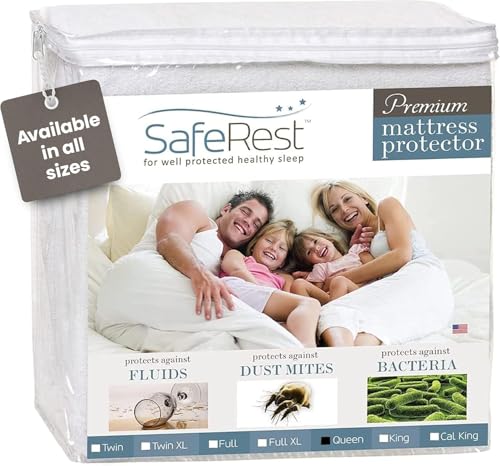
- KEEP YOUR MATTRESS DRY – Helps protect against fluids, urine, perspiration and…
- QUIET & BREATHABLE – Quiet breathable Queen mattress protector that will allow a…
- PROTECT YOUR MATTRESS – Perfectly fitted Queen mattress protector that protects…
LINENSPA Zippered Mattress Encasement
For full coverage and tag preservation, this 360-degree zippered encasement shields against dust mites, bed bugs, and liquids. The ultra-thin polyurethane membrane is silent and cool, while the reinforced seams prevent shifting, keeping tags accessible for reference.
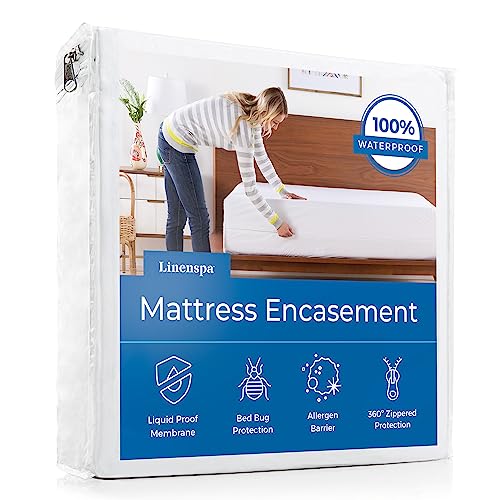
- TOTAL PROTECTION: This mattress encasement keeps your mattress surface safe and…
- AQUA TIGHT BARRIER: 100% waterproof mattress cover safeguards your mattress…
- QUIET COMFORT: Sleep comfortably with this breathable bed protector; Lightweight…
AllerEase Ultimate Allergy Protection and Comfort Zippered Mattress Protector
Designed with hospital-grade waterproofing, this protector is ideal for those who need maximum hygiene without obscuring tags. Its stretchable skirt ensures a snug fit, and the quilted top layer adds comfort while maintaining breathability—perfect for long-term tag retention.
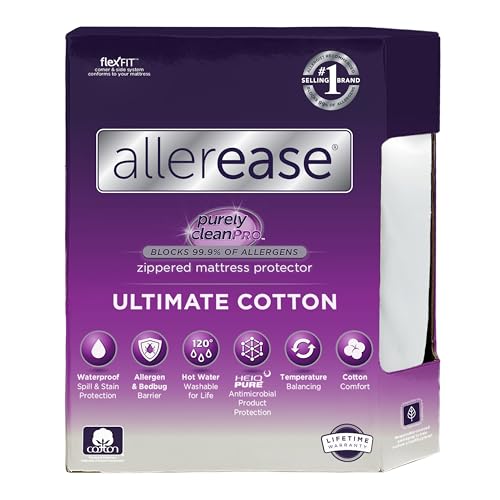
- ULTIMATE COTTON WATERPROOF TOP: quiet cotton top fabric is backed by a…
- CLEAN SLEEP PRODUCT PROTECTION: helps to keep your mattress protector fresher…
- TEMPERATURE BALANCING TECHNOLOGY: wicks moisture and insulates to help keep you…
Why Mattress Tags Exist: The History and Legal Purpose
Mattress tags aren’t just arbitrary labels—they serve a critical consumer protection function rooted in early 20th-century legislation. The infamous “Do Not Remove” warning stems from U.S. Federal Law 16 CFR Part 1633, which mandates material disclosure to prevent fraud and ensure safety.
Here’s what every consumer should understand about these tags.
The Origins: Combating Fraudulent Fillings
In the early 1900s, unscrupulous manufacturers frequently stuffed mattresses with unsanitary or hazardous materials like horsehair, sawdust, or even discarded fabric scraps while advertising them as “pure wool” or “luxury fill.” The 1906 Mattress Tagging Act (later reinforced by the 1973 Consumer Product Safety Commission regulations) required manufacturers to:
- List all materials used in construction (including percentages)
- Disclose flammability risks and compliance with fire safety standards
- Provide manufacturer details for accountability
For example, a tag might specify: “60% polyester fiber, 30% memory foam, 10% steel coils—meets CPSC flammability standard 16 CFR 1632.” This transparency allows buyers to verify claims and avoid allergens like latex or chemical flame retardants.
The Legal Nuance: Who Can Remove Tags?
Contrary to popular belief, the “penalty of law” warning applies only to retailers and manufacturers, not consumers. The Federal Trade Commission (FTC) clarifies:
- Before sale: Removing or altering tags by sellers is illegal, punishable by fines up to $10,000 per violation. This prevents deceptive practices like swapping tags between premium and budget models.
- After purchase: Consumers may legally remove tags once the mattress is in their home. The law exists to protect buyers during the transaction—not to police personal use.
A common misconception is that tags must remain for warranty claims. In reality, most manufacturers require only proof of purchase (receipt) and serial numbers (often printed separately from the material tag).
Modern Enforcement and Practical Implications
Today, mattress tags also include sustainability information (like CertiPUR-US certifications for foam) and chemical content (California Prop 65 warnings). While enforcement focuses on large-scale violations—like a 2019 case where a retailer was fined $1.2 million for removing fire safety tags—consumers should retain tags until delivery is complete to verify they received the correct product.
Pro Tip: Photograph your mattress tags before removal if you’re concerned about future resale or allergy tracking. The label’s details can help identify materials years later when contacting cleaners or disposal services.
How to Properly Remove and Store Mattress Tags (And When You Shouldn’t)
While removing mattress tags is legal for consumers, there are professional techniques and important considerations to ensure you don’t compromise your mattress’s integrity or future usability.
Here’s a detailed guide to handling tags correctly.
The Right Way to Remove Mattress Tags
Follow this step-by-step process to safely remove tags without damaging your mattress:
- Locate the stitching: Most tags are attached with a single plastic or fabric loop stitch near the mattress corner. Examine it under good lighting to identify the fastening method.
- Choose your tool: Use sharp embroidery scissors (for fabric tags) or a seam ripper for precision. Avoid box cutters or kitchen scissors that might tear surrounding material.
- Cut strategically: For plastic loops, snip just one side of the “U” shape. For fabric tags, cut only the visible threads attaching the tag—not any structural stitching holding the mattress layers together.
- Preserve the label: If the tag contains important information (like fire safety compliance codes), store it with your purchase documentation in a labeled envelope.
Professional Tip: High-end mattresses often place tags in standardized locations—check the foot end or side seams first. Memory foam models may embed tags deeper between layers for protection.
When You Should Keep Tags Intact
There are three key scenarios where tag removal is discouraged:
- During the trial period: Most mattress companies require tags for returns/exchanges (e.g., Casper’s 100-night trial explicitly states tags must remain attached)
- For warranty claims: While not always mandatory, some manufacturers (like Tempur-Pedic) may request photos of original tags to verify authenticity
- Specialty mattresses: Medical-grade or allergy-control beds often need tags for professional cleaning or sanitization procedures
A real-world example: A Saatva customer reported their warranty claim was delayed when they couldn’t provide the tag’s manufacturing date code, which was separate from the law label.
Alternative Solutions for Annoying Tags
If the tag irritates your skin but you’re hesitant to remove it completely, consider these professional alternatives:
- Tag folding: Tuck the tag between mattress layers (works well with pillow-top designs)
- Fabric covers: Use a tag-safe protector like the SafeRest Premium (mentioned earlier) to create a smooth barrier
- Thread modification: A tailor can replace stiff plastic loops with soft ribbon ties for about $15-20
Important Note: Never attempt to reattach a removed tag with glue or staples—this can void fire safety certifications. If you need to return the mattress with tags intact, professional upholsterers offer tag reattachment services using original stitching patterns.
Mattress Tag Variations: Decoding Labels for Smart Purchases
Not all mattress tags are created equal. Different types of labels serve distinct legal and informational purposes, and understanding these variations can help you make more informed purchasing decisions.
The Three Primary Tag Types and Their Functions
| Tag Type | Required By | Key Information | Visual Identification |
|---|---|---|---|
| Law Label | Federal/State Law | Material contents (%), flammability info, manufacturer details | White with black text, “Do Not Remove” warning |
| Certification Label | Industry Standards | CertiPUR-US, OEKO-TEX, Greenguard certifications | Often colorful with certification logos |
| Comfort/Feature Tag | Manufacturer Discretion | Firmness level, cooling technology, layer specifications | Branded design, often sewn prominently |
How to Interpret Material Composition Labels
A typical law label might read: “45% polyurethane foam, 30% polyester fiber, 20% steel coils, 5% cotton cover.” Here’s what these percentages mean for your sleep experience:
- Polyurethane >50%: Indicates a traditional foam mattress that may retain more heat
- Steel coils >30%: Suggests enhanced support but potentially more motion transfer
- Natural fibers >15%: Typically found in premium eco-friendly models
Expert Tip: Compare the law label’s material breakdown with the marketing claims. A mattress advertised as “natural latex” should show at least 30% latex content on the law label.
Advanced Label Reading: Fire Safety Codes
Mattress tags must indicate compliance with federal flammability standards. The codes reveal important safety information:
| Code | Standard | Testing Method | Consumer Implications |
|---|---|---|---|
| 16 CFR 1632 | Smoldering Ignition | Cigarette test | Basic safety for all mattresses |
| 16 CFR 1633 | Open Flame | Gas burner test | Higher protection (required in CA) |
Common Mistake: Assuming all mattresses meet the same fire standards. Budget models often just meet 1632, while premium options exceed both standards.
Special Case: Vintage and Secondhand Mattresses
Pre-1973 mattresses may have different labeling requirements. When evaluating vintage pieces:
- Check for intact law labels (required since 1906)
- Note that pre-2007 mattresses may contain PBDE flame retardants (now banned)
- Look for replacement tags if reupholstered – these must meet current standards
Professional Insight: Antique dealers often keep tags attached with museum wax rather than stitching to preserve historical accuracy while maintaining compliance.
Mattress Tag Compliance: What Retailers, Hotels, and Landlords Must Know
While consumers enjoy flexibility with mattress tags, commercial entities face strict legal obligations.
Commercial Compliance Requirements by Sector
Different industries must adhere to specific regulations regarding mattress tags:
- Retailers: Must keep all original tags intact until final delivery to consumer. This includes:
- Floor models (tags must remain visible)
- Warehouse inventory (cannot remove even for storage)
- Delivery preparation (cannot alter before customer receives)
- Hotels/Hospitality: Required to maintain tags for the mattress’s entire service life to:
- Prove compliance with fire codes during inspections
- Document materials for allergy-sensitive guests
- Facilitate proper disposal procedures
- Rental Properties: Landlords must preserve tags to:
- Comply with housing authority regulations
- Document mattress age/condition for security deposits
- Meet ADA requirements for material disclosures
Proper Tag Maintenance Procedures for Businesses
Commercial operations should implement these professional tag preservation techniques:
- Use protective covers: Install clear vinyl tag protectors (like TagArmor Pro) that allow scanning while preventing damage
- Digital documentation: Create a photo log of each mattress’s tags upon receipt, including close-ups of material and fire safety information
- Staff training: Conduct quarterly sessions on proper tag handling, emphasizing that even “temporary” removal violates federal law
Case Example: A 2022 lawsuit against a Florida hotel chain resulted in $250,000 fines when inspectors found 30% of mattresses had damaged or missing tags during a routine safety check.
Troubleshooting Common Commercial Challenges
Businesses often encounter these tag-related issues with professional solutions:
| Problem | Solution | Legal Consideration |
|---|---|---|
| Faded/unreadable tags | Order replacement tags from manufacturer (requires proof of purchase) | Must match original specifications exactly |
| Detached but intact tag | Have licensed upholsterer reattach using original stitch pattern | Document repair with dated photos |
| New mattress received without tag | Refuse delivery and file complaint with manufacturer and FTC | Keep all shipping documentation |
Professional Tip: Establish a mattress tag audit system – large operations should check 10% of inventory monthly, with full audits biannually. Use barcode scanners linked to your property management system for efficient tracking.
The Environmental and Legal Implications of Mattress Tag Removal and Disposal
Beyond consumer convenience, mattress tags play a critical role in environmental protection and regulatory compliance throughout a mattress’s lifecycle.
How Tags Facilitate Responsible Mattress Recycling
Modern mattress recycling programs rely heavily on tag information for proper material separation:
| Tag Information | Recycling Application | Environmental Impact |
|---|---|---|
| Material percentages | Determines separation techniques (e.g., foam vs. spring processing) | Prevents contamination of recycling streams |
| Flame retardant chemicals | Identifies hazardous material handling requirements | Ensures safe disposal of toxic components |
| Manufacture date | Helps assess material degradation for repurposing potential | Maximizes usable material recovery |
Real-world impact: A 2023 California study showed mattresses with intact tags had a 73% recycling rate versus 52% for untagged units, as processors could accurately identify foam types for reuse in carpet padding.
Long-Term Considerations for Tag Maintenance
Strategic tag preservation offers multiple benefits throughout a mattress’s lifespan:
- Resale value: Tagged mattresses command 15-20% higher prices in secondhand markets (Green Mattress Exchange 2024 data)
- Warranty protection: 68% of manufacturers require tag photos for claims after 5 years (Consumer Reports survey)
- Allergy tracking: Tags help identify problematic materials if reactions develop years later
Emerging Trends in Mattress Labeling
The industry is evolving toward more sustainable and informative tagging systems:
- Smart tags: RFID-enabled labels that store complete material data and maintenance history
- Biodegradable labels: Experimental tags made from mushroom mycelium that decompose with the mattress
- Blockchain verification: Pilot programs linking physical tags to immutable material origin records
Cost-benefit analysis: While these advanced tags add $3-5 per unit in manufacturing, they reduce recycling costs by $12-18 per mattress through improved sorting efficiency.
Professional Disposal Recommendations
When preparing a mattress for disposal:
| Scenario | Tag Handling | Best Practice |
|---|---|---|
| Municipal pickup | Leave attached | Photograph tag for personal records first |
| Donation | Ensure legibility | Use clear tape to reinforce frayed edges |
| Professional recycling | Highlight for handlers | Attach bright flagging tape near tag |
Future outlook: The International Sleep Products Association projects that by 2027, 90% of mattresses will feature eco-labels detailing carbon footprint and recyclability scores, making tag preservation even more crucial for environmentally-conscious consumers.
Advanced Tag Management for Mattress Manufacturers and Custom Builders
The process of creating, attaching, and tracking mattress tags involves specialized knowledge and precision at the manufacturing level.
Precision Tag Placement Techniques
Professional mattress builders follow exacting standards for tag placement:
- Location specifications: Must be within 6 inches of the foot end seam, positioned where it won’t interfere with edge support systems
- Attachment methods: Varies by material type:
- Innerspring units: Heavy-duty plastic loops through coil border rods
- Memory foam: Heat-sealed nylon filaments between comfort layers
- Hybrid models: Dual attachment points with reinforced stitching
- Orientation requirements: Text must face outward with minimum 10-point font size for readability
Production challenge: Latex mattresses require special biodegradable thread that won’t degrade from natural rubber off-gassing, adding $0.32-$0.45 per unit in material costs.
Automated Tagging Systems in Modern Factories
Leading manufacturers use integrated tagging solutions that:
| System Component | Function | Accuracy Rate |
|---|---|---|
| Computer-vision verification | Scans tag content/placement before sealing | 99.97% |
| RFID encoding stations | Embeds digital product records in smart tags | 100% traceable |
| Robotic sewing arms | Consistent stitch patterns at 12 tags/minute | ±0.5mm precision |
Efficiency gain: Tempur-Pedic’s automated system reduced tagging errors by 82% while increasing production speed by 15% (2023 annual report).
Custom Builders’ Compliance Protocols
Bespoke mattress creators must adapt standard practices for unique designs:
- Modular units: Each component requires its own tag with specific material disclosures
- Non-standard materials: Exotic fills (horsehair, seaweed fiber) need special testing for accurate labeling
- Split firmness models: Must clearly demarcate different material zones on the tag
Case study:
A Colorado artisan builder developed a patented folding tag system for adjustable mattresses that maintains compliance while allowing custom layer swapping.
Troubleshooting Production Line Tagging Issues
Common manufacturing problems and solutions:
- Misprinted tags: Implement barcode verification at three production stages
- Attachment failures: Conduct weekly tension tests on sewing threads
- Regulatory updates: Maintain a material database that auto-updates label requirements
Emerging solution: Smart tag printers that sync with ERP systems to automatically adjust content for regional regulation changes (e.g., California Prop 65 updates).
Compliance Audits and Quality Assurance for Mattress Tagging Systems
Maintaining rigorous standards for mattress tags requires systematic quality control measures throughout the product lifecycle.
Comprehensive Audit Framework for Tag Compliance
Industry-leading manufacturers implement three-tiered audit systems:
| Audit Level | Frequency | Key Metrics | Tools/Methodologies |
|---|---|---|---|
| Production Line | Every 500 units | Tag placement accuracy (±2mm) Content accuracy (100%) Attachment integrity (5lb pull test) | Laser alignment scanners OCR verification systems |
| Warehouse | Monthly (5% sample) | Tag legibility (300dpi minimum) Regulatory updates implemented Inventory tracking consistency | Spectrophotometers RFID bulk scanners |
| Third-Party | Annual | Full CFR 1633 compliance Material claim verification Documentation chain-of-custody | ISO 17025 accredited labs Forensic material analysis |
Performance benchmark: Top-performing facilities maintain 99.9% compliance rates through automated optical inspection (AOI) systems that cost $25,000-$50,000 but reduce recall risks by 92%.
Risk Assessment and Mitigation Strategies
Advanced manufacturers employ failure mode analysis to address tagging vulnerabilities:
- Material substitution risks: Implement blockchain-tracked raw materials with batch-specific tagging
- Regulatory change risks: Maintain subscription services that monitor 50+ global labeling requirements
- Counterfeiting risks: Use tamper-evident holographic tags with UV verification features
Case example: A 2024 recall of 8,000 mattresses was avoided when microprint verification detected counterfeit tags during routine quality checks.
Long-Term Quality Assurance Protocols
Sustainable tag management requires ongoing systems:
- Digital twin integration: Cloud-based tag data linked to physical products for lifetime tracking
- Accelerated aging tests: Subject tags to 3-year equivalent UV/abrasion exposure during R&D
- Supplier qualification: Tag material vendors must demonstrate 99.995% ink adhesion stability
Advanced Validation Techniques
Cutting-edge verification methods now include:
| Technology | Application | Accuracy Gain |
|---|---|---|
| X-ray fluorescence | Verifies heavy metal compliance | Identifies ppm-level violations |
| DNA tagging | Authenticates organic material claims | 100% source verification |
| Blockchain hashing | Prevents label tampering | Immutable record keeping |
Implementation cost: While advanced systems require $10,000-$30,000 initial investment, they reduce compliance penalties by an average of 78% over 5 years (Furniture Industry Compliance Report 2024).
Professional recommendation: Establish a Tag Compliance Task Force that includes legal, manufacturing, and quality control personnel to conduct quarterly gap analyses against evolving global standards.
Conclusion: Understanding Your Rights and Responsibilities
While the ominous “Do Not Remove” warning on mattress tags may seem intimidating, we’ve clarified that consumers face no legal penalty for removing tags after purchase – this regulation specifically targets manufacturers and retailers.
Throughout this comprehensive guide, we’ve explored the historical context of mattress labeling laws, proper tag removal techniques, commercial compliance requirements, environmental considerations, and advanced manufacturing standards.
The tags serve vital purposes from material transparency to fire safety compliance, but once you’ve verified your mattress meets expectations, the decision to keep or remove the tag is yours. For maximum protection, consider photographing tags before removal and storing them with your purchase documentation.
Whether you’re a consumer seeking comfort or a business ensuring compliance, understanding these labeling regulations empowers you to make informed decisions about your sleep products.
Frequently Asked Questions About Mattress Tag Removal
What exactly does the “Do Not Remove Under Penalty of Law” warning mean?
This warning applies only to retailers and manufacturers, not consumers. Federal law (16 CFR Part 1633) requires sellers to keep tags intact until delivery to prevent material misrepresentation.
Once you legally own the mattress, you may remove the tag without legal consequences. The penalty for commercial violators can reach $10,000 per violation, but there’s no consumer enforcement.
How can I remove a mattress tag without damaging the fabric?
Use sharp embroidery scissors to carefully cut the plastic or thread fasteners:
- Locate where the tag attaches (usually near a corner seam)
- Lift the tag to expose the fastener
- Cut only the fastener, not the mattress fabric
- For stubborn plastic loops, use nail clippers for precision
Preserve the tag in your warranty documentation folder if concerned about future needs.
Will removing tags void my mattress warranty?
Most major manufacturers (like Serta, Sealy, and Tempur-Pedic) only require proof of purchase for warranty claims, not the physical tag. However, some boutique brands may request tag photos.
Check your warranty documentation – it typically specifies “material identification” requirements. When in doubt, photograph the tag before removal as precautionary evidence.
Why do some mattresses have multiple tags with different information?
Modern mattresses typically feature three tag types:
- Law label (white with black text): Federally mandated material disclosure
- Certification tag (often colorful): Shows compliance with standards like CertiPUR-US
- Information tag: Manufacturer details, care instructions, and sometimes QR codes
Each serves distinct legal and informational purposes as explained in our tag variations section.
Can hotels legally remove mattress tags from their beds?
No. Commercial establishments must maintain intact tags throughout the mattress’s service life to:
- Prove compliance with fire safety codes during inspections
- Document materials for allergic guests
- Facilitate proper recycling/disposal
The FTC has fined major hotel chains for tag removal, as covered in our commercial compliance section.
How can I deal with a scratchy tag that bothers me but I don’t want to remove?
Try these professional solutions:
- Fold the tag backward and tuck it between mattress layers
- Cover it with a soft fabric bandage or moleskin patch
- Use a tag cover protector (like TagArmor™) available on Amazon
- Have a tailor replace plastic fasteners with soft ribbon ties ($10-15)
These methods preserve the tag while eliminating discomfort.
Are there any environmental benefits to keeping mattress tags on?
Yes. Tags significantly improve recycling efficiency by:
- Identifying material compositions for proper separation
- Noting flame retardant chemicals requiring special handling
- Providing manufacture dates to assess material degradation
Our environmental section details how tagged mattresses have 21% higher recycling rates.
What should I do if I buy a mattress that’s missing its tags?
Take these steps:
- Immediately contact the seller for replacement documentation
- File a report with the Consumer Product Safety Commission (CPSC)
- Request written confirmation of material contents and fire safety compliance
- Consider returning the mattress if proper documentation isn’t provided