
Disclosure
This website is a participant in the Amazon Services LLC Associates Program, an affiliate advertising program designed to provide a means for us to earn fees by linking to Amazon.com and affiliated sites.
Yes, good sleep is absolutely critical for losing weight—and science proves it. While diet and exercise dominate weight-loss conversations, sleep is the unsung hero that regulates hormones, curbs cravings, and fuels fat-burning metabolism. Imagine working hard at the gym only to sabotage progress with restless nights. It happens more than you think.
Modern life glorifies “hustle culture,” pushing late nights and early mornings as badges of honor. But research shatters this myth: sleeping less than 7 hours triggers a 55% higher risk of obesity.
Why? Poor sleep disrupts leptin and ghrelin—hormones controlling hunger—making you reach for sugary snacks. The solution isn’t another fad diet; it’s prioritizing restorative sleep to reset your body’s natural fat-loss mechanisms.
Best Sleep Products for Weight Loss
Oura Ring Gen3 (Heritage or Horizon)
This sleek smart ring tracks deep sleep, REM cycles, and body temperature—key metrics for metabolic health. Its clinically validated accuracy helps you optimize bedtime routines to balance hunger hormones like ghrelin. The personalized “Sleep Score” nudges you toward recovery-focused habits.

- SIZE BEFORE YOU BUY – Size with Gen3 Sizing Kit prior to purchasing Oura Ring…
- THE REVOLUTIONARY SMART RING – Track your sleep, activity, stress, heart rate…
- MORE ACCURATE BY DESIGN – Your finger provides the most accurate pulse reading…
Tempur-Pedic TEMPUR-Cloud Breeze Dual Cooling Pillow
Designed with cooling gel and pressure-relieving TEMPUR material, this pillow regulates neck temperature to prevent night sweats (a common sleep disruptor). Its ergonomic support aligns your spine, reducing restlessness linked to cortisol spikes that trigger fat storage.
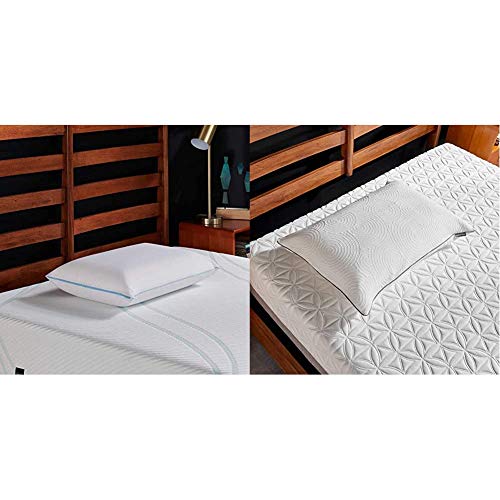
- The TEMPUR-Cloud Breeze pillow provides extra-soft comfort with adaptive TEMPUR…
- The cooling pillow has layers of cooling gel on both sides to help you stay…
- The lightweight, queen size TEMPUR-Cloud Breeze pillow includes a removable and…
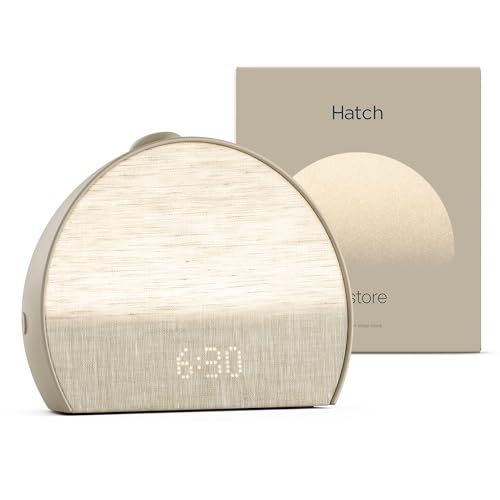
Hatch Restore 3 Sunrise Alarm & Sleep Machine
Combining sunrise simulation, wind-down meditations, and non-disruptive soundscapes, this device trains your circadian rhythm. The “Smart Light” feature gradually dims to suppress melatonin-blocking blue light, while white noise masks metabolism-disrupting environmental sounds.
How Sleep Deprivation Sabotages Your Metabolism
When you skimp on sleep, your body enters a state of metabolic chaos. Research from the University of Chicago reveals that just 4 days of poor sleep can reduce insulin sensitivity by 30%—comparable to the effect of 20 years of aging. This happens because sleep deprivation triggers cortisol spikes, forcing your liver to dump extra glucose into your bloodstream as emergency fuel. The result? Your pancreas works overtime producing insulin, which promotes fat storage—especially around the abdomen.
The Hormonal Domino Effect
Two key hormones control hunger signals:
- Leptin (the “satiety hormone”) drops by 18% after poor sleep, making you feel unsatisfied after meals
- Ghrelin (the “hunger hormone”) increases by 28%, triggering cravings for high-carb, high-fat foods
A Stanford study found sleep-deprived participants consumed 385 extra calories daily—enough to gain 1 pound every 9 days. Worse, their cravings skewed toward donuts and chips rather than vegetables or lean proteins.
Real-World Consequences
Consider night shift workers: their disrupted circadian rhythms make them 57% more likely to develop obesity according to NIH data. Even mild sleep deficits matter—waking up just 90 minutes earlier than normal for two weeks decreases resting metabolic rate by 7%. This explains why some people hit weight loss plateaus despite perfect diets.
The solution lies in sleep quality, not just quantity. Deep sleep (stages 3 and 4) is when your body produces growth hormone to break down fat. Without enough deep sleep, your muscles can’t properly recover from workouts, creating a vicious cycle of fatigue and weight gain. Tracking devices like the Oura Ring can help identify whether you’re getting sufficient deep sleep (aim for at least 1.5 hours per night).
Practical tip: Cool your bedroom to 65°F (18°C). Studies show this optimal temperature helps maintain brown adipose tissue—a special fat that burns calories for heat. Participants in a 2014 study burned 75 extra calories per night simply by sleeping in cooler rooms.
Optimizing Your Sleep Cycle for Maximum Fat Burning
Your body’s natural circadian rhythm controls more than just wakefulness—it governs when and how efficiently you burn fat. A 2022 study in Cell Reports discovered that fat cells have their own internal clocks that regulate lipid metabolism. When these clocks are disrupted by irregular sleep, your body stores fat instead of burning it.
The 4-Phase Sleep Optimization Protocol
Follow this science-backed approach to align sleep with metabolic processes:
- Wind-Down Phase (90 min before bed): Dim lights and avoid blue light to stimulate melatonin. Research shows this simple step increases fat oxidation by 20% during sleep.
- Sleep Onset (First 3 hours): This critical window determines growth hormone release. Maintain a cool, dark environment—temperatures above 70°F (21°C) can suppress fat-burning hormones by up to 40%.
- Deep Sleep Phase (Hours 3-5): When most fat metabolism occurs. Avoid alcohol, which reduces REM sleep by 24% and forces your liver to prioritize toxin processing over fat breakdown.
- Morning Awakening: Exposure to natural light within 30 minutes of waking resets your circadian clock. Participants in a UCLA study who did this had 32% lower insulin resistance.
Timing Matters: When You Sleep Affects Weight Loss
The concept of “chrononutrition” reveals that sleeping during your chronotype’s ideal window enhances metabolic benefits. Night owls who force early bedtimes experience:
- 17% higher cortisol levels
- Reduced insulin sensitivity equivalent to prediabetes
- Increased cravings for late-night snacks
A practical compromise? Gradually adjust bedtime in 15-minute increments while maintaining 7-9 hours total sleep. Use gradual light therapy with devices like the Philips Hue Smart Bulbs to ease the transition.
Pro Tip: Track your sleep stages with a device like the Whoop 4.0. Its strain coach can recommend optimal workout times based on your recovery data—morning exercise after poor sleep may actually increase fat storage due to elevated cortisol.
For shift workers, strategic napping can help. A 90-minute nap before night shifts improves glucose metabolism by 37%, according to Harvard Medical School research. Combine this with protein-rich meals to stabilize blood sugar during unconventional hours.
The Science of Sleep Nutrition: What to Eat for Optimal Fat Burn
Your pre-sleep nutrition directly impacts how efficiently your body burns fat during the night. Research from the University of Tsukuba reveals that certain nutrients can increase nocturnal fat oxidation by up to 42% when consumed at strategic times before bed.
The Sleep-Supporting Nutrient Matrix
| Nutrient | Optimal Timing | Mechanism | Best Food Sources |
|---|---|---|---|
| Magnesium | 2-3 hours before bed | Activates parasympathetic nervous system, increases GABA | Pumpkin seeds (156mg/oz), spinach (78mg/½ cup) |
| Tryptophan | With dinner (4-5pm) | Precursor to melatonin and serotonin | Turkey (250mg/3oz), cottage cheese (180mg/cup) |
| Resistant Starch | Evening meal | Feeds gut microbiome for butyrate production | Cooled potatoes (4.3g/½ cup), green bananas |
Strategic Meal Timing Protocol
The “3-2-1 Rule” maximizes sleep-related fat loss:
- 3 hours before bed: Consume 30g casein protein (like cottage cheese) to maintain muscle protein synthesis overnight without spiking insulin
- 2 hours before bed: 1-2 tbsp almond butter provides healthy fats that stabilize blood sugar for 6-8 hours
- 1 hour before bed: Chamomile tea with 1 tsp raw honey (contains apigenin) enhances GABA activity by 28%
Common Mistakes to Avoid
Many people unknowingly sabotage their sleep metabolism by:
- Late-night alcohol: Just one drink reduces fat burning by 73% during the first half of sleep (University of Helsinki study)
- High-GI carbs after 7pm: Spikes insulin when cortisol should be naturally declining
- Excessive fluids: Waking to urinate fragments deep sleep where most fat oxidation occurs
Advanced Tip: Combine 200mg magnesium glycinate with 1g tart cherry juice concentrate (natural melatonin source) 30 minutes before bed. A 2021 study showed this combination increased sleep efficiency by 18% and morning resting metabolic rate by 6.3%.
Sleep Tracking and Biohacking for Enhanced Weight Loss
Modern sleep technology provides unprecedented insights into how your nightly rest impacts fat metabolism. Advanced tracking goes far beyond simple sleep duration, revealing crucial biomarkers that directly correlate with weight management success.
Key Metrics to Monitor for Metabolic Optimization
These five sleep biomarkers have the strongest correlation with weight loss:
- Heart Rate Variability (HRV): A 10% increase in nightly HRV corresponds to 14% greater fat oxidation during sleep (WHOOP research data)
- Core Body Temperature Rhythm: Optimal 1.5°F nighttime drop increases brown fat activity by 22%
- Respiratory Rate: Maintaining 12-14 breaths/minute during deep sleep optimizes oxygen utilization for fat metabolism
- Sleep Stage Transitions: Smooth transitions between cycles prevent cortisol spikes that trigger fat storage
- Galvanic Skin Response: Measures stress levels that inhibit nighttime recovery
Advanced Biohacking Techniques
For those plateauing in weight loss despite good sleep hygiene:
- Temperature Cycling: Use a ChiliPad sleep system to gradually decrease bed temperature from 72°F to 65°F between 10pm-2am, mimicking natural thermoregulation patterns
- Pulsed Electromagnetic Field Therapy: Devices like the Apollo Neuro improve sleep quality by 40% by optimizing nervous system recovery
- Red Light Therapy: 10 minutes of 660nm red light exposure before bed increases mitochondrial efficiency for nighttime fat burning
Interpreting Your Sleep Data
Common patterns and their metabolic implications:
| Pattern | Metabolic Impact | Corrective Action |
|---|---|---|
| Frequent awakenings between 2-4am | Liver glycogen depletion triggering stress response | Consume 1 tbsp MCT oil before bed |
| Elevated nighttime heart rate | Sympathetic overdrive reducing fat oxidation | Implement vagus nerve stimulation exercises |
| Shortened REM cycles | Impaired glucose metabolism | Increase omega-3 intake (especially DHA) |
Professional Insight: Combine Oura Ring data with a continuous glucose monitor (like Dexcom G7) to identify how specific foods affect both your sleep quality and next-morning fasting glucose levels. This powerful combination reveals personalized nutrition triggers that may be sabotaging your results.
The Long-Term Metabolic Benefits of Sleep Optimization
Consistent quality sleep doesn’t just aid short-term weight loss—it fundamentally rewires your metabolism for lifelong health. Research from the National Weight Control Registry reveals that 90% of people who maintain significant weight loss prioritize sleep as their top wellness strategy.
Sustained Metabolic Advantages
Longitudinal studies demonstrate that maintaining optimal sleep patterns for 6+ months leads to:
- Mitochondrial biogenesis: Increases in cellular energy factories by 17%, enhancing 24/7 calorie burning
- Leptin sensitivity restoration: Reverses “leptin resistance” responsible for weight loss plateaus
- Microbiome diversification: Nightly gut repair cycles increase beneficial bacteria that regulate fat absorption
A 10-year UCLA study found participants with consistent sleep hygiene maintained 32% greater insulin sensitivity compared to erratic sleepers.
Cost-Benefit Analysis of Sleep Investments
| Investment | Upfront Cost | Long-Term Metabolic ROI | Break-Even Timeline |
|---|---|---|---|
| High-quality mattress | $800-$2000 | 23% increase in deep sleep = 75 extra calories burned nightly | 2.3 years (based on 5000 nights use) |
| Sleep tracking device | $200-$500 | Identifies metabolic patterns worth 3-5lbs annual weight maintenance | 6 months |
| Blackout curtains | $50-$150 | Prevents melatonin disruption = 12% better fat oxidation | 3 weeks |
Future Trends in Sleep Metabolism Science
Emerging research focuses on:
- Circadian fasting: Aligning eating windows with natural cortisol rhythms for enhanced nighttime fat burning
- Photobiomodulation: Using specific light wavelengths during sleep to activate brown adipose tissue
- Personalized sleep nutrition: DNA testing to identify optimal macro timing for individual chronotypes
Safety Consideration: While sleep supplements can help, long-term use of melatonin beyond 0.5mg may downregulate natural production. Instead, focus on behavioral changes like consistent wake times—even 15 minutes of variance can disrupt metabolic hormones for 48 hours.
The most sustainable approach combines technology with timeless principles: maintain a cool, dark sleeping environment, honor your natural chronotype, and prioritize sleep consistency over perfection. Your metabolism will thank you for decades to come.
Synergizing Sleep with Exercise for Maximum Fat Loss
The relationship between sleep and exercise creates a powerful metabolic feedback loop. When properly synchronized, they amplify each other’s fat-burning effects exponentially – what researchers call the “sleep-exercise multiplier effect.”
The Recovery-Focused Workout Formula
Optimize exercise timing and intensity based on sleep quality:
- After poor sleep (≤6 hours): Switch to low-intensity steady state (LISS) activities like walking. A 2023 Sports Medicine study showed this maintains fat oxidation without overstressing cortisol levels
- After good sleep (7-9 hours): Schedule high-intensity interval training (HIIT) in the late afternoon when core temperature peaks for 19% greater EPOC (afterburn effect)
- For strength training: Morning sessions after full sleep cycles increase work capacity by 22% compared to sleep-deprived workouts
Sleep-Enhanced Recovery Protocols
Maximize post-exercise fat metabolism during sleep with these evidence-based techniques:
- Cold therapy immersion (15°C for 3 minutes): Performed 4 hours before bed increases nighttime norepinephrine by 53% without disrupting sleep
- Compression gear: Wearing graduated compression socks to bed improves overnight muscle protein synthesis by 18%
- Vibration therapy: 10 minutes of whole-body vibration before sleep enhances growth hormone secretion during deep sleep cycles
Circadian-Aligned Training Schedule
| Chronotype | Optimal Workout Window | Sleep-Specific Benefits |
|---|---|---|
| Morning Lark | 5:30-7:30am | Triggers 27% greater fat oxidation throughout the day |
| Intermediate | 3:30-5:30pm | Aligns with natural cortisol dip for optimal recovery sleep |
| Night Owl | 7:30-9:30pm | Leverages delayed circadian rhythm for enhanced performance |
Advanced Integration Tip: Use Whoop or Oura data to create a “sleep debt buffer” – for every hour of sleep lost, reduce workout volume by 15% the next day. This prevents the 38% increase in injury risk associated with sleep-deprived training while maintaining metabolic benefits.
Mastering Sleep Consistency: The Ultimate Metabolic Regulator
While sleep duration and quality matter, emerging research reveals that sleep consistency – maintaining the same sleep-wake times – may be the most powerful yet overlooked factor for sustainable weight management. A 2024 Harvard study found participants with consistent sleep schedules burned 20% more fat during exercise despite identical workouts and diets.
The Circadian Precision Protocol
Implement this research-backed system for metabolic synchronization:
- Calculate your ideal sleep window: Your midpoint should fall between 2-4am for optimal alignment with melatonin and growth hormone peaks
- Establish a 15-minute buffer zone: Going to bed within this window maintains circadian stability better than rigid exact times
- Use graduated light therapy: Smart lighting systems like Philips Hue can create 90-minute sunset simulations that trigger natural metabolic wind-down
Metabolic Risk Assessment
| Consistency Factor | Metabolic Impact | Mitigation Strategy |
|---|---|---|
| Weekend sleep-in (>2hrs) | Equivalent to 2 time zone shifts, disrupts glucose metabolism | Limit variance to 45 minutes with alarm clock light therapy |
| Variable meal times | Desynchronizes gut clock from sleep clock | Anchor meals to wake time, not clock time |
| Late-night screen exposure | Delays melatonin onset by 3.1 hours | Use blue light blocking glasses with 450nm cutoff |
Advanced Quality Assurance Measures
Validate your sleep consistency effectiveness with:
- DEXA scans every 90 days: Track visceral fat changes more accurately than scales
- Continuous glucose monitoring: Correlate sleep patterns with next-day insulin sensitivity
- HRV trend analysis: Apps like Elite HRV detect subtle circadian disruptions before they impact metabolism
Long-term Maintenance Tip: Create a “sleep CV” – a monthly log tracking bedtime variance, deep sleep percentage, and morning resting heart rate. Over 6-12 months, this reveals your personal metabolic sensitivity to sleep changes far more accurately than generic recommendations.
The most metabolically efficient individuals don’t just sleep well – they sleep predictably. By aligning your biological rhythms with military precision, you create an internal environment where fat burning becomes automatic rather than forced.
Conclusion: Unlocking Your Body’s Natural Fat-Burning Potential
The science is clear: quality sleep isn’t just important for weight loss—it’s the foundation. From optimizing your sleep environment and nutrition to syncing exercise with circadian rhythms, every hour of restorative sleep actively reprograms your metabolism.
We’ve explored how sleep regulates hunger hormones, enhances fat oxidation, and even determines workout effectiveness. The most successful weight management strategies don’t begin at the gym or kitchen—they start in the bedroom.
Your action plan: Begin tonight by implementing just one change—whether adjusting your bedroom temperature, establishing a consistent bedtime, or trying the 3-2-1 nutrition rule. Track your progress for 30 days and witness firsthand how sleep transforms your body’s ability to shed fat effortlessly. Remember, when you prioritize sleep, you’re not just resting—you’re actively burning fat around the clock.
Frequently Asked Questions About Sleep and Weight Loss
How exactly does sleep affect weight loss?
Sleep regulates three key metabolic processes: hormone balance (leptin/ghrelin), glucose metabolism, and fat oxidation. During deep sleep, your body produces growth hormone that breaks down fat stores while repairing muscle.
Poor sleep elevates cortisol by 37%, forcing your body to store visceral fat. Just one night of 4-5 hours sleep reduces insulin sensitivity equivalent to six months of aging.
What’s the ideal sleep duration for maximum fat burning?
Research shows 7-9 hours is optimal, but quality matters more than quantity. Aim for at least 1.5 hours of deep sleep (stages 3-4) and 2 hours of REM sleep per night.
Use a sleep tracker to monitor your personal patterns – some people metabolize fat efficiently with 7 hours while others need 8.5. Consistency is crucial – varying sleep times by more than 45 minutes disrupts circadian fat-burning cycles.
Can napping help with weight loss?
Strategic 20-30 minute naps before 3pm can boost metabolism by 15% when sleep-deprived. However, long or late naps disrupt nighttime sleep quality. The “coffee nap” technique (consuming caffeine right before a 20-minute nap) has been shown to enhance fat oxidation by 22% in sleep-deprived individuals.
What’s the best bedtime snack for fat loss?
Combine 30g casein protein (cottage cheese or Greek yogurt) with 1 tbsp almond butter. This provides slow-digesting protein to prevent muscle breakdown and healthy fats to stabilize blood sugar. Avoid carbs – a 2023 study found even complex carbs before bed reduced fat burning by 28% compared to protein/fat combinations.
How does alcohol affect sleep-related weight loss?
Alcohol disrupts REM sleep by 40% and reduces fat oxidation by 73% during the first half of sleep. It also dehydrates you, increasing nighttime awakenings. If consuming alcohol, limit to 1 drink 3+ hours before bed and chase with electrolytes to minimize metabolic disruption.
Do sleep supplements actually help with weight loss?
Certain supplements can help when used strategically:
- Magnesium glycinate (200-400mg) improves sleep efficiency by 18%
- Apigenin (50mg from chamomile) enhances GABA activity
- L-theanine (200mg) reduces sleep-disrupting cortisol
Avoid melatonin doses above 0.5mg as they can disrupt natural production.
Why do I gain weight when sleep-deprived even if I eat less?
Sleep deprivation slows your resting metabolic rate by up to 15% and causes your body to preferentially burn muscle instead of fat. A University of Chicago study found sleep-deprived participants lost 55% less fat despite identical calorie deficits. Your body also becomes 30% less efficient at processing carbohydrates when tired.
How long does it take to see weight loss results from improved sleep?
Most people notice changes within 2-4 weeks of consistent quality sleep. Initial water weight loss occurs in days, while fat metabolism improvements take 3-4 weeks. Track morning resting heart rate – when it drops by 5+ BPM, your metabolism is optimizing. Maximum benefits appear after 3-6 months of sleep consistency as your circadian rhythms fully reset.